Slurp Away Pounds! Quick Chili Oil Noodles [Guilt-Free]
Embark on a culinary journey with chili oil noodles, a dish that tantalizes the taste buds while offering a surprisingly guilt-free indulgence. This article delves into the art of crafting the perfect bowl, exploring the nuances of flavor, ingredient selection, and techniques that elevate this simple dish to gourmet status. Whether you’re a seasoned chef or a home cook looking to expand your repertoire, prepare to be captivated by the vibrant world of chili oil noodles. Explore similar recipes like pasta al pesto for more culinary inspiration, and consult a nutritional guide to ensure your meal aligns with your dietary goals.
Table of Contents
- The Flavor Profile and Culinary Inspiration
- Sourcing the Finest Ingredients
- Essential Kitchen Tools for Precision
- Mastering the Execution: Step-by-Step
- Chef Azzedine’s Secrets for Visual Perfection
- The Science of Flavor Balancing
- Make-Ahead Tips and Freshness Storage
- Exquisite Pairings and Serving Suggestions
The Flavor Profile and Culinary Inspiration
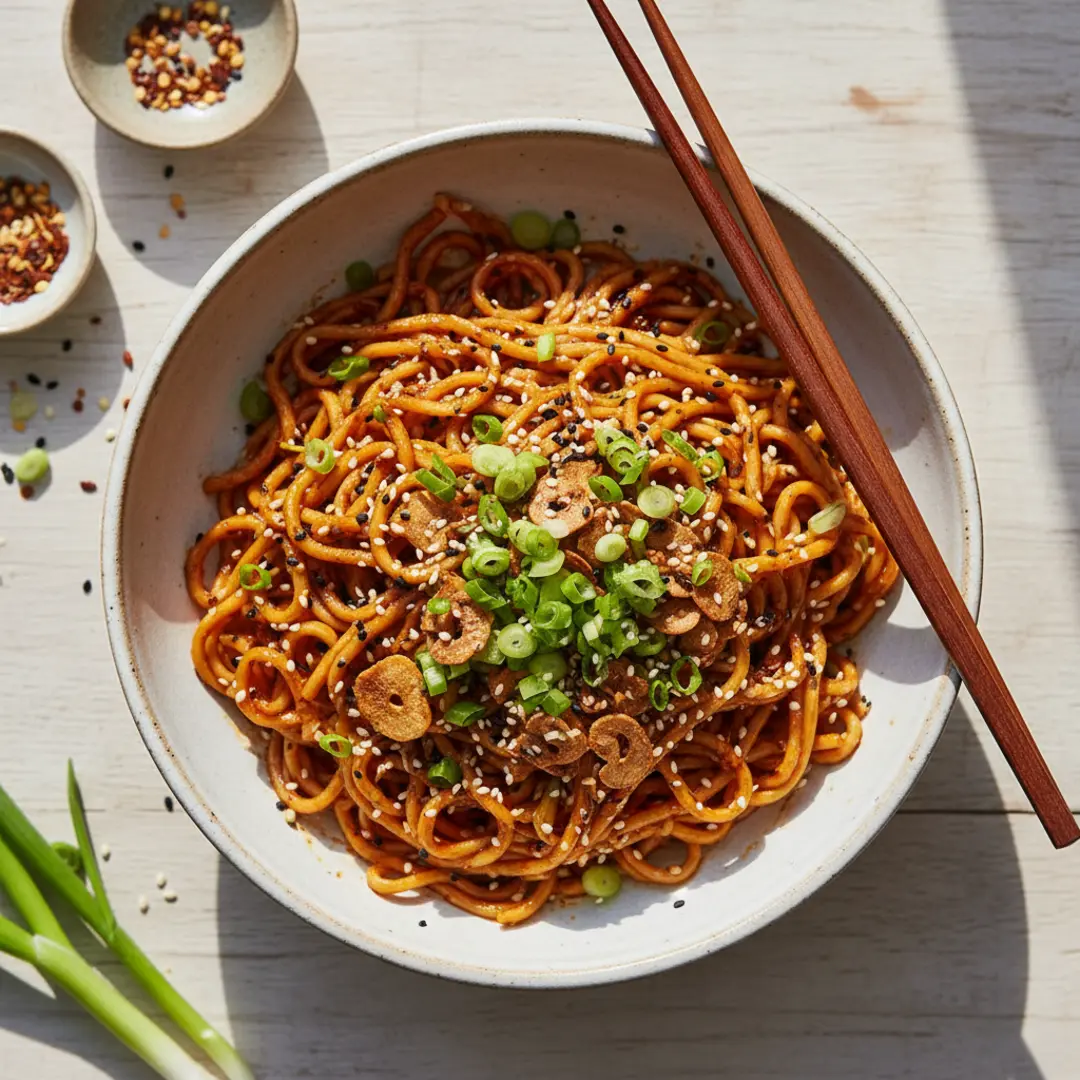
Chili oil noodles are a symphony of flavors, a dance between heat, umami, and texture. The dish typically features a base of wheat noodles, tossed in a vibrant chili oil that’s infused with aromatics like garlic, ginger, and Sichuan peppercorns. Soy sauce adds a salty depth, while vinegar provides a tangy counterpoint. The beauty of chili oil noodles lies in its versatility. It can be adapted to suit various dietary needs and preferences, making it a truly inclusive dish.
The culinary inspiration for chili oil noodles stems from the rich and diverse traditions of Asian cuisine, particularly Chinese and Korean cooking. The use of chili oil as a flavor enhancer is a common thread, adding depth and complexity to dishes. The concept of tossing noodles in a flavorful sauce is also prevalent, with countless regional variations showcasing different ingredients and techniques.
What sets chili oil noodles apart is its simplicity and speed. It’s a dish that can be prepared in minutes, making it perfect for a quick lunch or a satisfying dinner. Yet, despite its simplicity, it’s packed with flavor and can be elevated to gourmet status with the right ingredients and techniques. The “guilt-free” aspect comes from using healthier noodle options like whole wheat or konjac noodles, controlling the amount of oil, and loading up on vegetables.
Sourcing the Finest Ingredients
The quality of your ingredients will directly impact the final flavor of your chili oil noodles. Opt for high-quality noodles, preferably fresh or dried wheat noodles with a good bite. Explore different types of noodles, such as udon, ramen, or even Italian spaghetti, to find your preferred texture and flavor. For a healthier option, consider whole wheat or konjac noodles.
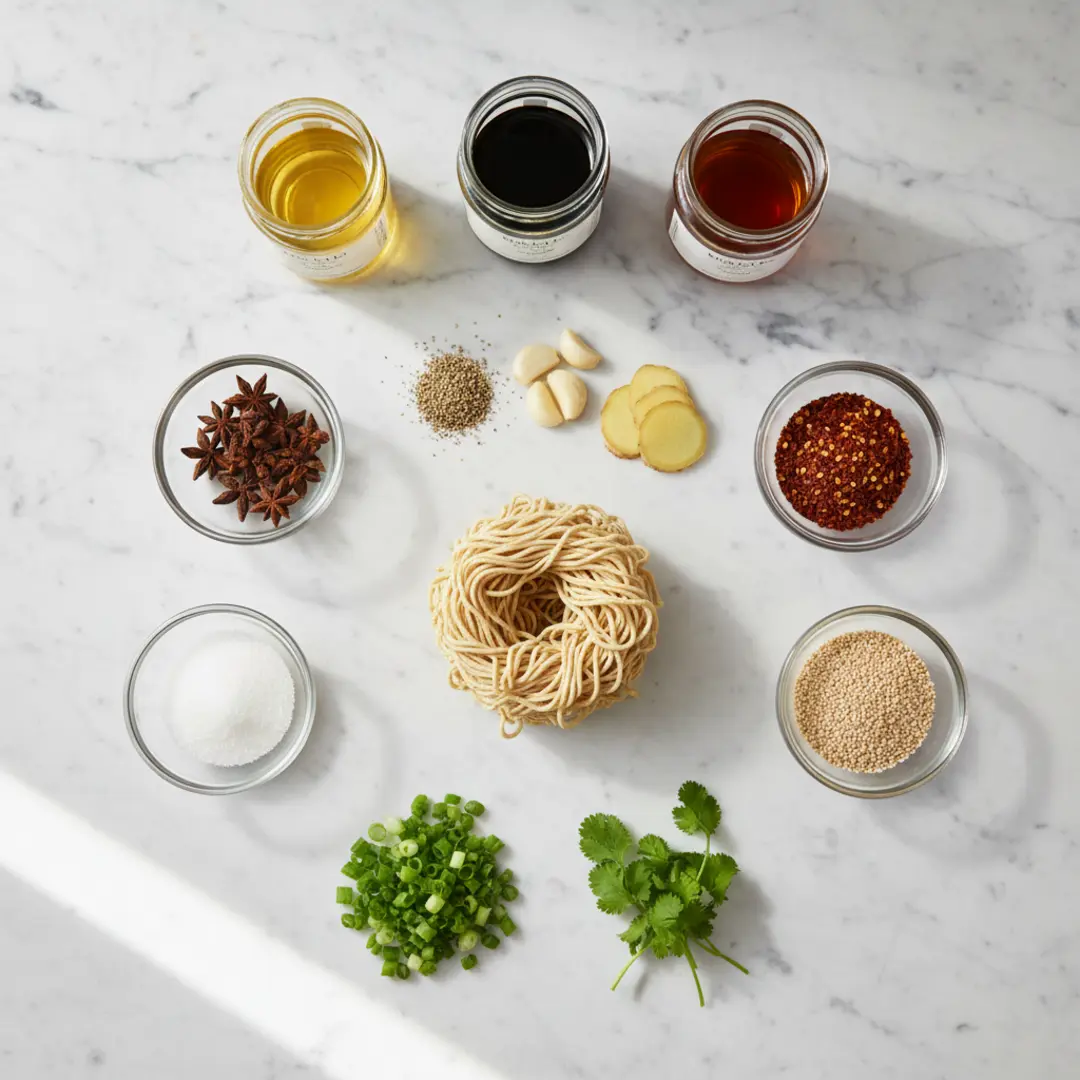
The chili oil is the heart and soul of the dish. You can either purchase pre-made chili oil or make your own. Making your own chili oil allows you to control the ingredients and customize the flavor to your liking. Use a neutral oil, such as canola or vegetable oil, and infuse it with aromatics like garlic, ginger, Sichuan peppercorns, and dried chili flakes. Experiment with different types of chili flakes to achieve your desired level of heat.
Other essential ingredients include soy sauce, vinegar, and sesame oil. Use a good quality soy sauce for a rich, umami flavor. Rice vinegar is a popular choice for its mild acidity, but you can also use black vinegar or apple cider vinegar. A drizzle of sesame oil adds a nutty aroma and enhances the overall flavor profile. Fresh vegetables, such as scallions, cucumbers, and bean sprouts, add freshness and crunch. Protein options include tofu, chicken, shrimp, or beef.
Essential Kitchen Tools for Precision
While chili oil noodles are a relatively simple dish to prepare, having the right kitchen tools can make the process even easier and more efficient. A good quality wok or large skillet is essential for stir-frying the noodles and vegetables. A sharp knife is needed for chopping the aromatics and vegetables.
A noodle strainer or colander is necessary for draining the cooked noodles. A pair of chopsticks or tongs is helpful for tossing the noodles and ingredients together. Measuring spoons and cups are important for accurately measuring the ingredients. A small saucepan is needed for making the chili oil, if you choose to make your own.
Consider investing in a mortar and pestle for grinding the Sichuan peppercorns and other spices. This will release their aroma and flavor more effectively. A food processor or blender can be used to make a smoother chili oil.
Mastering the Execution: Step-by-Step
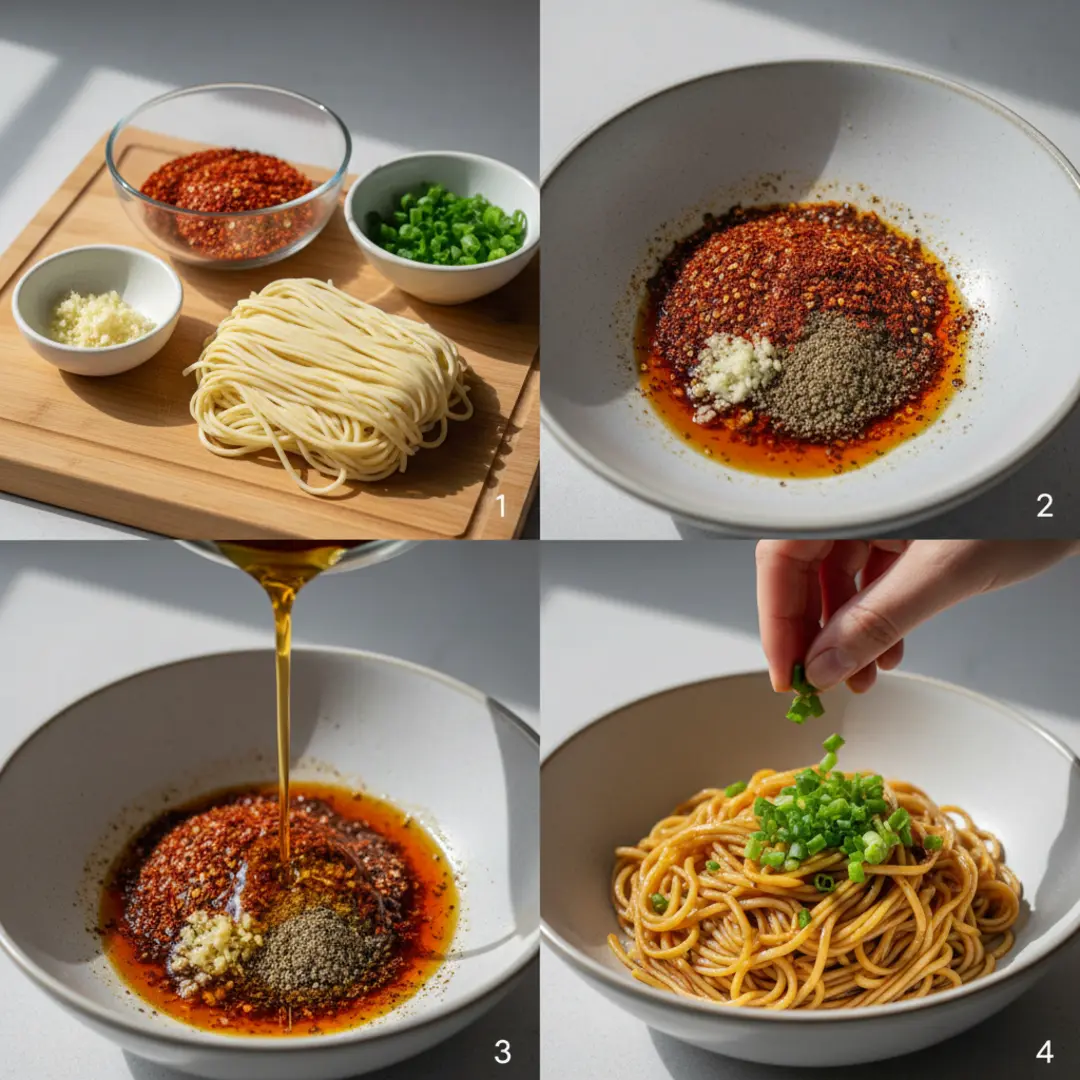
The key to mastering chili oil noodles lies in the execution. Start by cooking the noodles according to package directions. While the noodles are cooking, prepare the chili oil. If you’re making your own, heat the oil in a small saucepan over medium heat. Add the garlic, ginger, Sichuan peppercorns, and chili flakes. Cook until the aromatics are fragrant and the chili flakes are infused into the oil. Be careful not to burn the garlic.
Drain the noodles and rinse them under cold water to stop the cooking process. This will also prevent them from sticking together. In a large bowl, combine the noodles, chili oil, soy sauce, vinegar, and sesame oil. Toss well to coat the noodles evenly.
Add the vegetables and protein of your choice. Toss again to combine. Garnish with scallions, sesame seeds, and a drizzle of extra chili oil, if desired. Serve immediately.
Chef Azzedine’s Secrets for Visual Perfection
As Chef Azzedine Massafi, I believe that food should not only taste delicious but also be visually appealing. To elevate your chili oil noodles to a restaurant-worthy presentation, consider these secrets. First, use high-quality ingredients with vibrant colors. Fresh vegetables, such as bright green scallions and red chili flakes, will add visual interest to the dish.
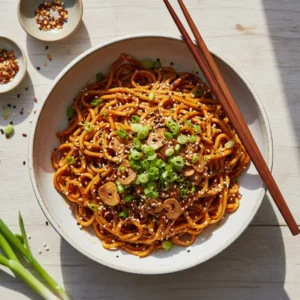
Arrange the noodles artfully in the bowl. Use chopsticks or tongs to create a neat and organized presentation. Don’t overcrowd the bowl. Leave some space around the noodles to showcase the ingredients. Garnish generously with scallions, sesame seeds, and a drizzle of chili oil. The garnish should be evenly distributed and visually appealing.
Use a contrasting bowl to enhance the colors of the dish. A white or black bowl will make the colors of the noodles and vegetables pop. Consider adding edible flowers or microgreens for an extra touch of elegance. A sprinkle of toasted sesame seeds not only adds flavor but also provides a visual contrast.
The Science of Flavor Balancing
The key to a truly exceptional bowl of chili oil noodles lies in understanding the science of flavor balancing. The dish should be a harmonious blend of sweet, sour, salty, bitter, and umami. The chili oil provides the heat and complexity, while the soy sauce adds saltiness and umami. The vinegar provides acidity to balance the richness of the oil.
The addition of sugar or honey can add a touch of sweetness to balance the heat. A small amount of sesame oil adds a nutty aroma and enhances the overall flavor profile. Experiment with different types of vinegar, such as rice vinegar, black vinegar, or apple cider vinegar, to find your preferred level of acidity.
Consider adding ingredients with bitter notes, such as mustard greens or kale, to add complexity to the dish. Taste the noodles as you go and adjust the seasonings accordingly. The goal is to create a balanced flavor profile that is both satisfying and delicious.
Make-Ahead Tips and Freshness Storage
Chili oil noodles are best enjoyed fresh, but they can also be made ahead of time. The chili oil can be made several days in advance and stored in an airtight container at room temperature. The noodles can be cooked ahead of time and stored in the refrigerator.
When ready to serve, simply toss the noodles with the chili oil and other ingredients. If you’re adding vegetables, it’s best to add them just before serving to prevent them from becoming soggy. Leftover chili oil noodles can be stored in an airtight container in the refrigerator for up to 2 days.
Reheat the noodles gently in a microwave or on the stovetop. Add a splash of water or broth to prevent them from drying out. Be careful not to overcook the noodles, as they can become mushy.
Exquisite Pairings and Serving Suggestions
Chili oil noodles are a versatile dish that can be paired with a variety of sides and beverages. For a light and refreshing meal, serve the noodles with a side of cucumber salad or kimchi. A bowl of miso soup or egg drop soup is also a great accompaniment.
For a more substantial meal, pair the noodles with grilled chicken, shrimp, or tofu. A side of steamed vegetables, such as broccoli or bok choy, will add nutrients and fiber to the meal. Consider serving the noodles with a chilled glass of sake or a crisp white wine.
For a non-alcoholic option, try a sparkling water with a squeeze of lime or a glass of iced green tea. Garnish the noodles with a sprinkle of toasted sesame seeds and a drizzle of extra chili oil for an extra touch of flavor and visual appeal.
Slurp Away Pounds! Quick Chili Oil Noodles [Guilt-Free]
Craving chili oil noodles? Discover irresistibly spicy, savory recipes you can make at home! Level up your noodle game now. Learn more!
Yield: 4 Servings | Author: Azzedine Massafi
Ingredients
- 8 ounces dried wheat noodles (udon, ramen, or spaghetti)
- 2 tablespoons chili oil (store-bought or homemade)
- 2 tablespoons soy sauce
- 1 tablespoon rice vinegar
- 1 teaspoon sesame oil
- 2 cloves garlic, minced
- 1 inch ginger, grated
- 1/4 cup scallions, chopped
- 1/4 cup cucumber, julienned
- 1/4 cup bean sprouts
- Optional: 1/2 cup protein (tofu, chicken, shrimp, or beef)
- Optional: Sesame seeds for garnish
Instructions
- Cook the noodles according to package directions. Drain and rinse under cold water.
- In a large bowl, combine the chili oil, soy sauce, rice vinegar, sesame oil, garlic, and ginger.
- Add the noodles to the bowl and toss well to coat.
- Add the scallions, cucumber, bean sprouts, and protein (if using). Toss to combine.
- Garnish with sesame seeds and a drizzle of extra chili oil, if desired.
- Serve immediately.