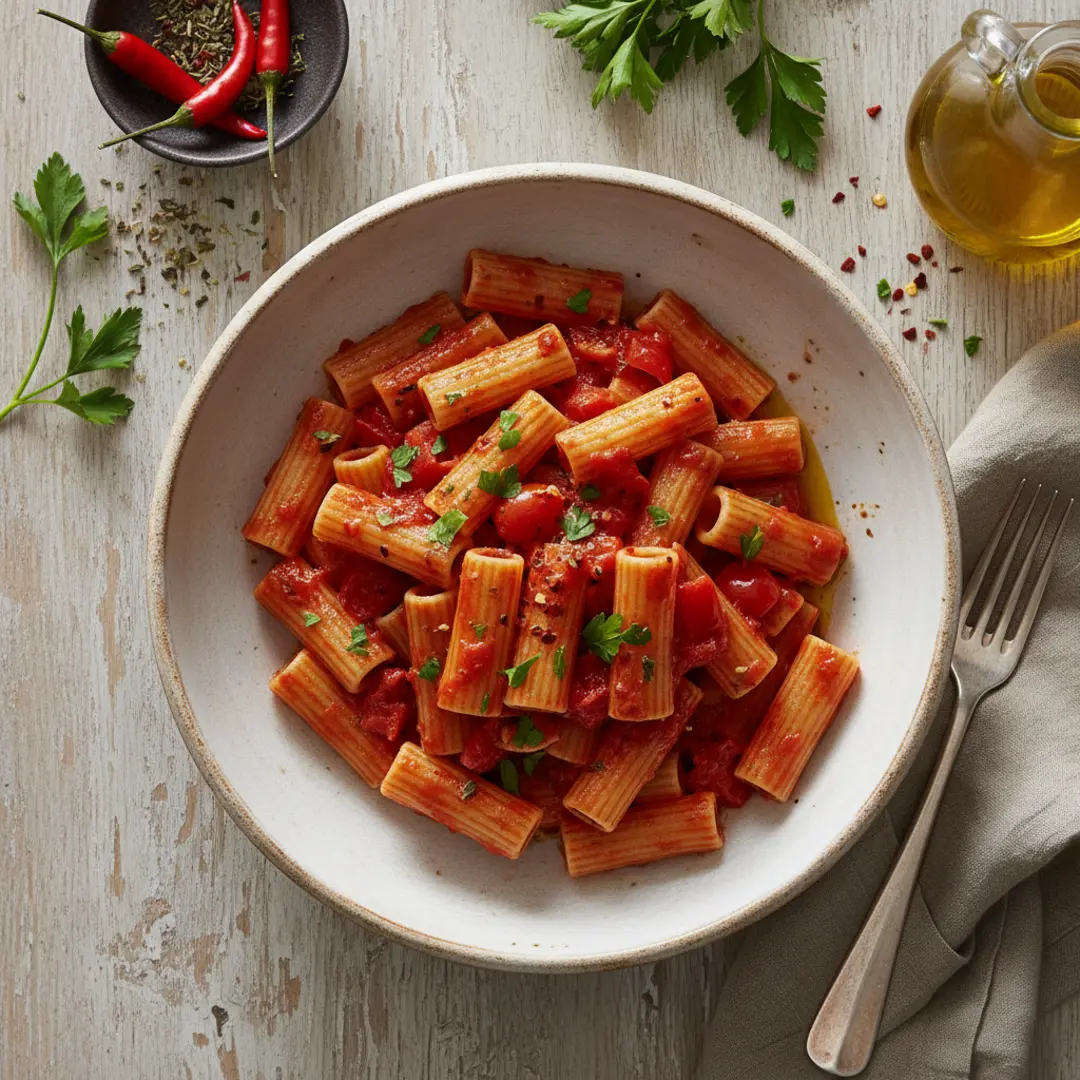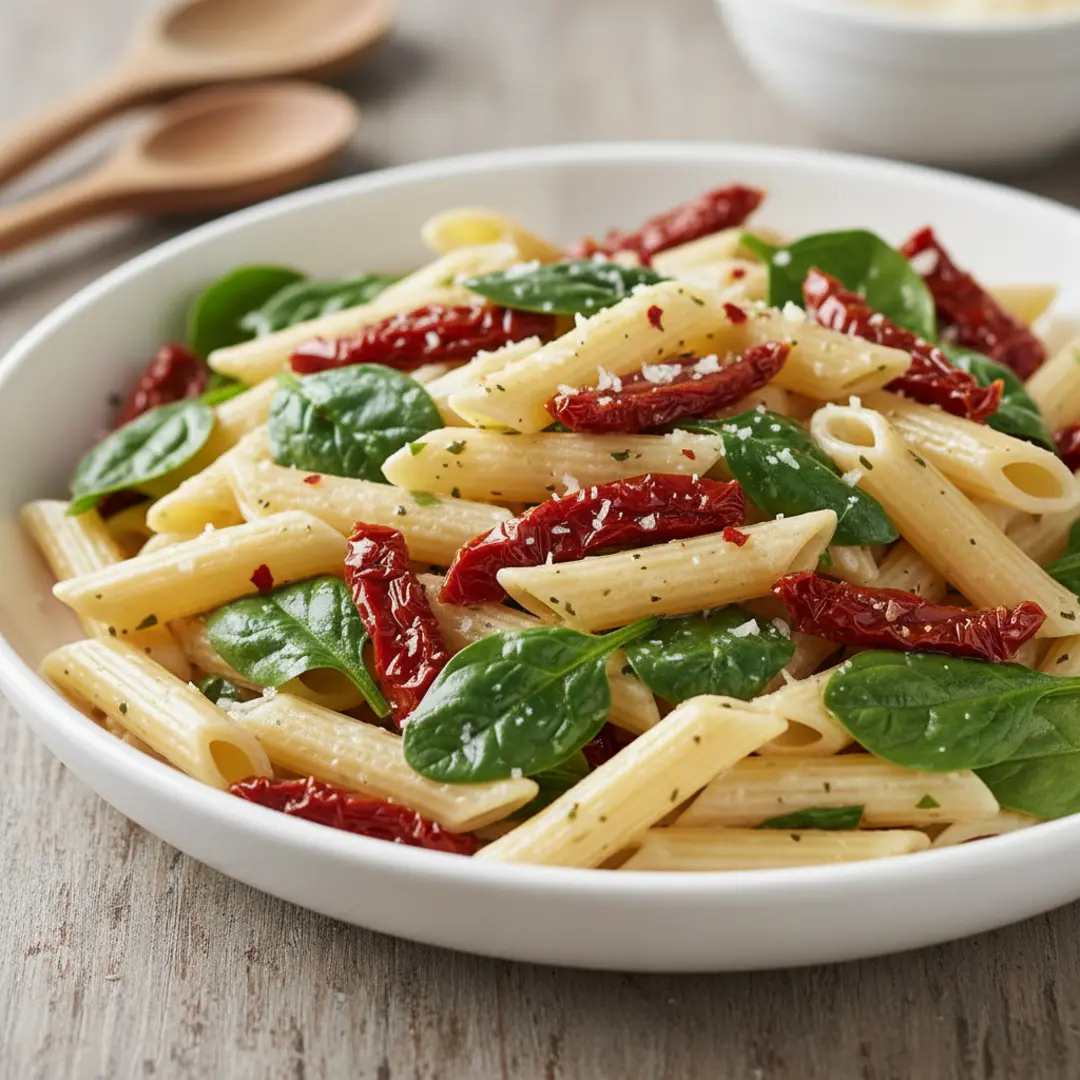
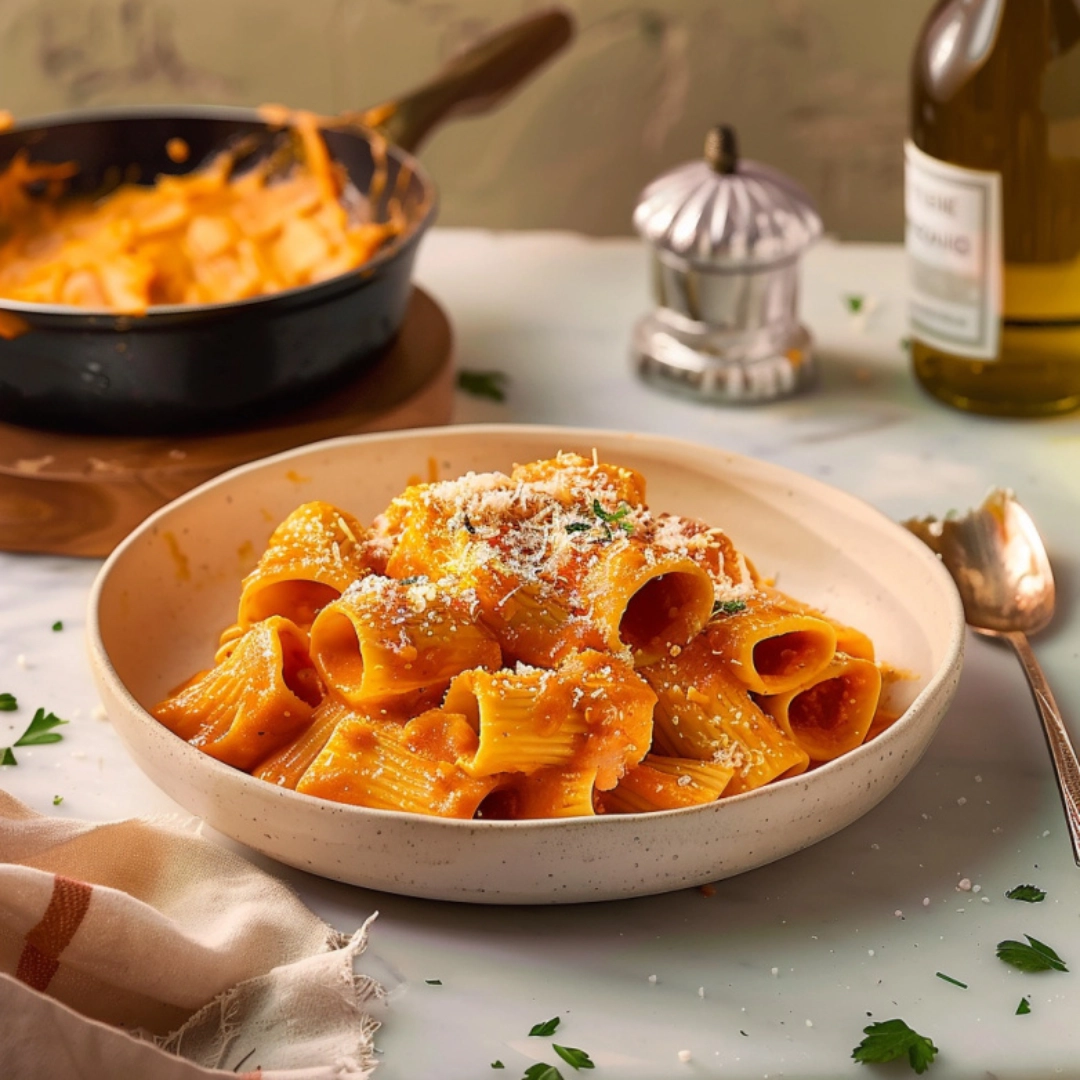
Gochujang pasta is a bold, spicy-sweet fusion dish that blends Korean chili paste with the comfort of Italian-style noodles. This dairy-free version creates a naturally creamy, glossy sauce without using heavy cream. A combination of gochujang, olive oil, soy sauce, garlic, and starchy pasta water forms a smooth, flavorful coating that clings beautifully to any pasta shape. It’s quick to prepare, easy to customize, and delivers a balanced mix of heat, umami, and sweetness—making it ideal for fast weeknight dinners or a simple, vibrant main dish with a modern twist.
In this article, you’ll learn:
- What gochujang pasta is and why it’s trending
- The essential ingredients (plus dairy-free substitutions)
- A step-by-step guide to making it without cream
- Pro cooking tips, variations, and nutrition facts
Ready to ditch the cream but keep the comfort? Let’s dive in.
Table of Contents
What Is Gochujang Pasta?
this recipe is a bold, spicy, and slightly sweet Korean-Italian fusion dish that uses gochujang—a fermented Korean red chili paste—as the star of the sauce. Traditionally paired with heavy cream and Parmesan, this pasta dish offers a unique twist on classic comfort food, with deep umami notes and a silky, mouth-coating texture.
Gochujang, made from gochugaru (Korean red chili flakes), glutinous rice, fermented soybeans, and salt, adds complexity with every spoonful. When heated, it releases a mellow heat and rich, savory-sweet flavor that clings beautifully to pasta. In this dairy-free version, olive oil, pasta water, and umami-packed ingredients like soy sauce or miso help recreate the creamy consistency—no cream required.
Popularized through food blogs and viral videos, gochujang pasta is becoming a go-to dish in American kitchens for its balance of spice, depth, and versatility. It’s a satisfying, quick weeknight dinner that feels both exotic and comforting.
Ingredients
Here’s everything you need to make this flavorful gochujang pasta without cream, using easy-to-find ingredients and smart substitutions.
- 8 oz dried pasta (rigatoni, penne, spaghetti, or linguine work well)
- 2 tbsp olive oil – replaces butter and cream, adds richness
- 4 cloves garlic, minced – key aromatic
- 1 small shallot, finely diced – adds depth
- 2 ½ tbsp gochujang – the star ingredient; find it in the Asian aisle or Korean grocery stores
- 1 tbsp soy sauce – for salty umami; substitute with tamari for gluten-free
- 1 tsp rice vinegar or lemon juice – brightens the sauce
- 1 tbsp white miso paste (optional) – adds savory complexity without dairy
- ½ cup reserved pasta water – helps emulsify and thicken the sauce
- 1 tsp sesame oil – for finishing; adds a nutty layer of flavor
- Chopped scallions or chives – for garnish
- Toasted sesame seeds – optional, for texture and presentation

Ingredient Notes & Tips
- Gochujang: Look for gochujang in a red rectangular tub—choose one marked “medium” heat if you’re spice-sensitive.
- Miso Paste: Adds a creamy, umami boost without dairy. White or yellow miso works best here.
- Pasta Water: Don’t skip this! The starch helps bind the sauce, giving it a silky texture even without cream.
Instructions
Follow these easy, step-by-step directions to make a creamy this dish without using cream. This dish comes together in just about 20 minutes.
Step 1: Cook the Pasta
Bring a large pot of salted water to a boil.
Add 8 oz of your chosen pasta and cook until al dente, following the package instructions.
Before draining, reserve ½ cup of pasta water. Drain and set pasta aside.
Step 2: Sauté Aromatics
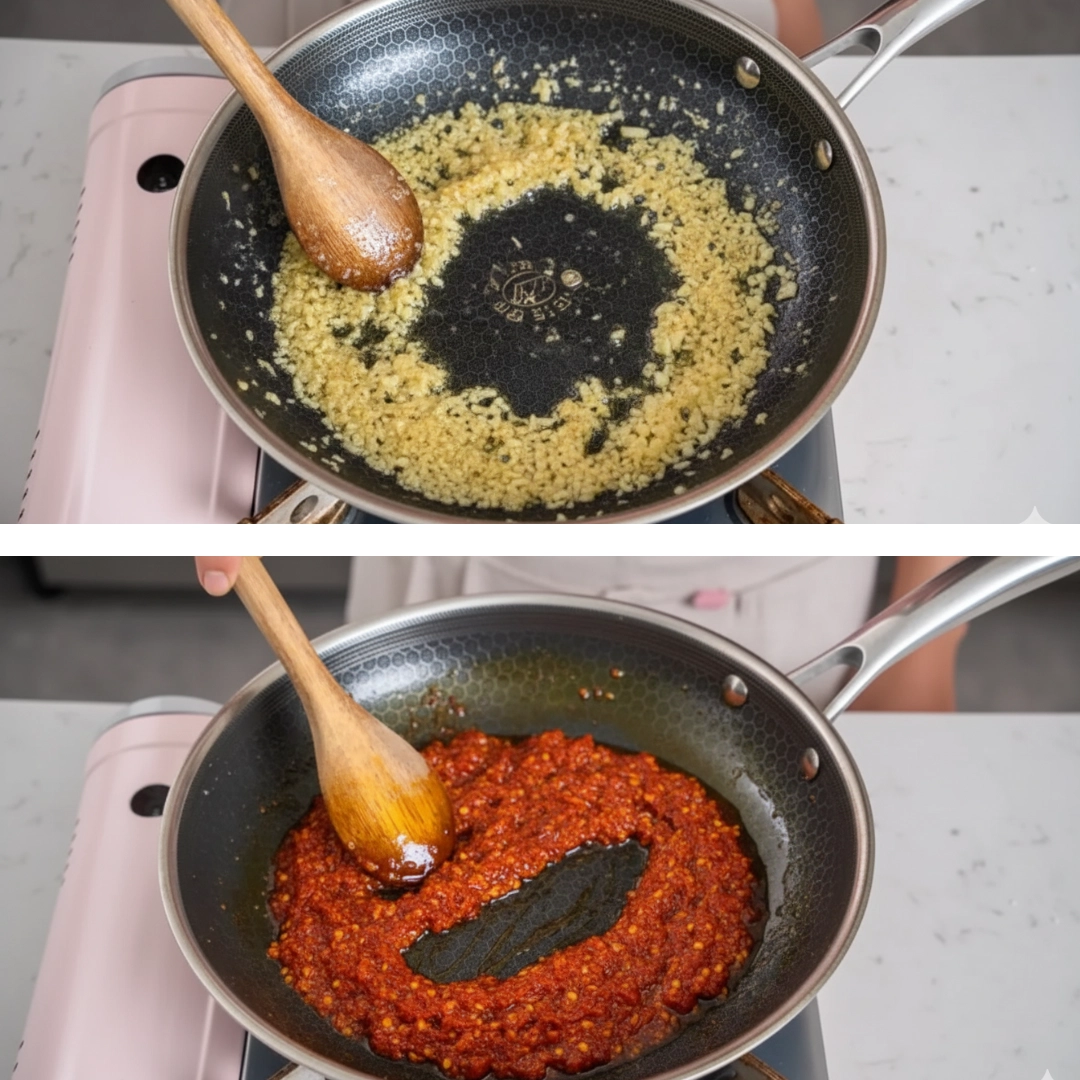
In a large skillet, heat 2 tbsp olive oil over medium-low heat.
Add the minced garlic and diced shallots.
Sauté for 2–3 minutes until soft and golden, being careful not to burn them.
Step 3: Toast the Gochujang
Add 2½ tbsp gochujang to the pan.
Stir constantly for 1–2 minutes to cook out the raw spice and deepen the flavor.
Step 4: Build the Sauce
Add 1 tbsp soy sauce, 1 tsp rice vinegar (or lemon juice), and 1 tbsp miso paste (if using).
Stir to combine.
Slowly add about ¼ cup of reserved pasta water, stirring to loosen and emulsify the sauce.
Add more as needed to reach your desired consistency—creamy but not watery.
Step 5: Toss the Pasta
Add the cooked pasta to the skillet.
Toss well to coat each piece with the sauce.
Cook for an additional 1–2 minutes, allowing the sauce to cling to the pasta.

Step 6: Finish and Serve
Drizzle 1 tsp sesame oil over the pasta and toss.
Garnish with chopped scallions or chives and a sprinkle of toasted sesame seeds.
Serve immediately and enjoy the rich, spicy, and creamy flavor—no cream required.
Cooking Tips & Variations
Flavor Ideas
- Add sweetness: If the gochujang tastes too intense, stir in ½ tsp of honey or maple syrup to balance the heat.
- Citrus boost: A squeeze of lime or lemon at the end brightens the dish beautifully.
- Herbs: A handful of chopped cilantro or Thai basil adds freshness and color.
Make-Ahead Options
- Prep the sauce ahead: You can sauté the aromatics and gochujang mixture up to 3 days in advance. Store it in the fridge and reheat gently before tossing with pasta.
- Cooked pasta can be stored separately in the fridge. Reheat with a splash of water or oil to loosen.
Dietary Modifications
- Gluten-Free: Use gluten-free pasta and substitute tamari for soy sauce.
- Vegan: This recipe is already dairy-free and vegan if you omit any garnishes like Parmesan.
- Low-Sodium: Use low-sodium soy sauce and gochujang to control salt levels.
Add-Ins
- Protein: Toss in sautéed tofu, pan-seared shrimp, or shredded rotisserie chicken.
- Veggies: Stir-fried mushrooms, spinach, or zucchini pair great with the sauce.
- Spice it up: Add a pinch of gochugaru (Korean chili flakes) for more heat.
Nutrition Facts (per serving, serves 4)
| Nutrient | Amount |
|---|---|
| Calories | ~ 400 kcal |
| Carbohydrates | ~ 50 g |
| Protein | ~ 10–12 g |
| Total Fat | ~ 15–18 g |
| Saturated Fat | ~ 2–3 g |
| Fiber | ~ 2–3 g |
| Sugar | ~ 3–4 g |
| Sodium | ~ 600–700 mg |
Notes on the estimates
- The calorie count accounts for the pasta, olive oil, gochujang, soy sauce/miso, and reserved pasta water.
- Fat is mostly from olive oil and any oils in gochujang. Saturated fat is minimal since there’s no cream.
- Protein comes partly from pasta and from miso/soy (if used).
- Sodium is relatively high due to gochujang, soy sauce, and miso. You can lower it by using low‑sodium versions.
- The estimate differs from creamy versions: for example, a traditional thiss recipe with cream yields ~ 613 kcal per serving. Takes Two Eggs
- Another nutrition source for a gochujang pasta (with dairy) lists: 371 kcal, total fat 15.4 g, saturated fat 9.4 g, sodium ~ 299 mg (likely for a lighter version)
Conclusion
If you’re looking for a bold, comforting, and dairy-free pasta recipe, this gochujang pasta without cream delivers in every way. It’s quick, customizable, and deeply flavorful—perfect for a weeknight dinner or a flavorful fusion twist at your next gathering.
By skipping the cream and leaning on pantry staples like olive oil, soy sauce, and pasta water, you can still enjoy that silky, spicy-sweet gochujang sauce coating every noodle. Whether you’re vegan, lactose-intolerant, or simply looking for a lighter take, this version has you covered.
For more creative pasta dishes, check out our Cheesecake Factory Tomato Basil Pasta or dive into something fresh with Pasta with Zucchini and Tomatoes.
Now grab that tub of gochujang and get cooking—you’re just 20 minutes away from a seriously satisfying fusion meal.
Love easy, flavorful dishes? Don’t miss a single bite!
Pin with us on Pinterest for gorgeous food boards, meal prep hacks, and family favorites: Flavour Recipe on Pinterest
Let’s cook up something amazing together!
FAQs
What can I use instead of cream in this recipe?
You can use olive oil and reserved pasta water to create a creamy texture without dairy. Adding a spoonful of white miso or unsweetened oat milk can also mimic creaminess while enhancing umami.
Is this recipe spicy?
Yes, gochujang adds a noticeable kick, but it’s balanced by its sweet and savory notes. If you’re spice-sensitive, start with less and adjust to taste.
Can I make gochujang pasta gluten-free?
Absolutely. Use gluten-free pasta and swap soy sauce with tamari or coconut aminos. Also, check that your gochujang is labeled gluten-free, as some contain wheat.
What kind of pasta works best?
Short pastas like rigatoni or penne hold sauce well, but spaghetti or linguine are great too. Choose your favorite—this sauce clings to nearly any shape.
Can I add protein to this dish?
Definitely. Grilled tofu, shrimp, or shredded chicken are great additions. Just toss them in at the end with the sauce and pasta.
How do I store leftovers?
Store in an airtight container in the fridge for up to 3 days. Reheat gently on the stove with a splash of water or broth to loosen the sauce.
Is this recipe vegan?
Yes, if you use vegan gochujang and skip any animal-based garnishes like Parmesan.
Gochujang Pasta Without Cream: Bold Flavor, No Dairy Needed
A bold and spicy Korean-Italian pasta dish made without cream. This dairy-free gochujang pasta uses pantry-friendly ingredients for a rich, umami-packed sauce.
- Prep Time: 5 mins
- Cook Time: 15 mins
- Total Time: 20 mins
- Yield: 4 servings 1x
- Category: Pasta
- Method: Stovetop
- Cuisine: American
- Diet: Vegan
Ingredients
8 oz dried pasta (rigatoni, penne, spaghetti, or linguine)
2 tbsp olive oil
4 cloves garlic, minced
1 small shallot, finely diced
2 ½ tbsp gochujang
1 tbsp soy sauce
1 tsp rice vinegar or lemon juice
1 tbsp white miso paste (optional)
½ cup reserved pasta water
1 tsp sesame oil
Chopped scallions or chives, for garnish
Toasted sesame seeds, optional
Instructions
1. Bring a large pot of salted water to a boil. Cook pasta until al dente. Reserve ½ cup pasta water, then drain.
2. Heat olive oil in a skillet over medium-low heat. Add garlic and shallot. Sauté until soft and golden, about 2–3 minutes.
3. Add gochujang and stir for 1–2 minutes to mellow the spice.
4. Add soy sauce, vinegar (or lemon juice), and miso paste (if using). Stir to combine.
5. Slowly add reserved pasta water, stirring until sauce is smooth and slightly thickened.
6. Add cooked pasta and toss to coat. Simmer 1–2 more minutes.
7. Drizzle with sesame oil. Garnish with scallions and sesame seeds before serving.
Notes
Use miso paste for extra umami.
Add tofu, shrimp, or chicken for protein.
Store leftovers in the fridge for up to 3 days. Reheat with a splash of water or broth.
Nutrition
- Serving Size: 1 bowl
- Calories: 400
- Sugar: 4g
- Sodium: 650mg
- Fat: 17g
- Saturated Fat: 2g
- Unsaturated Fat: 12g
- Trans Fat: 0g
- Carbohydrates: 50g
- Fiber: 3g
- Protein: 11g
- Cholesterol: 0mg