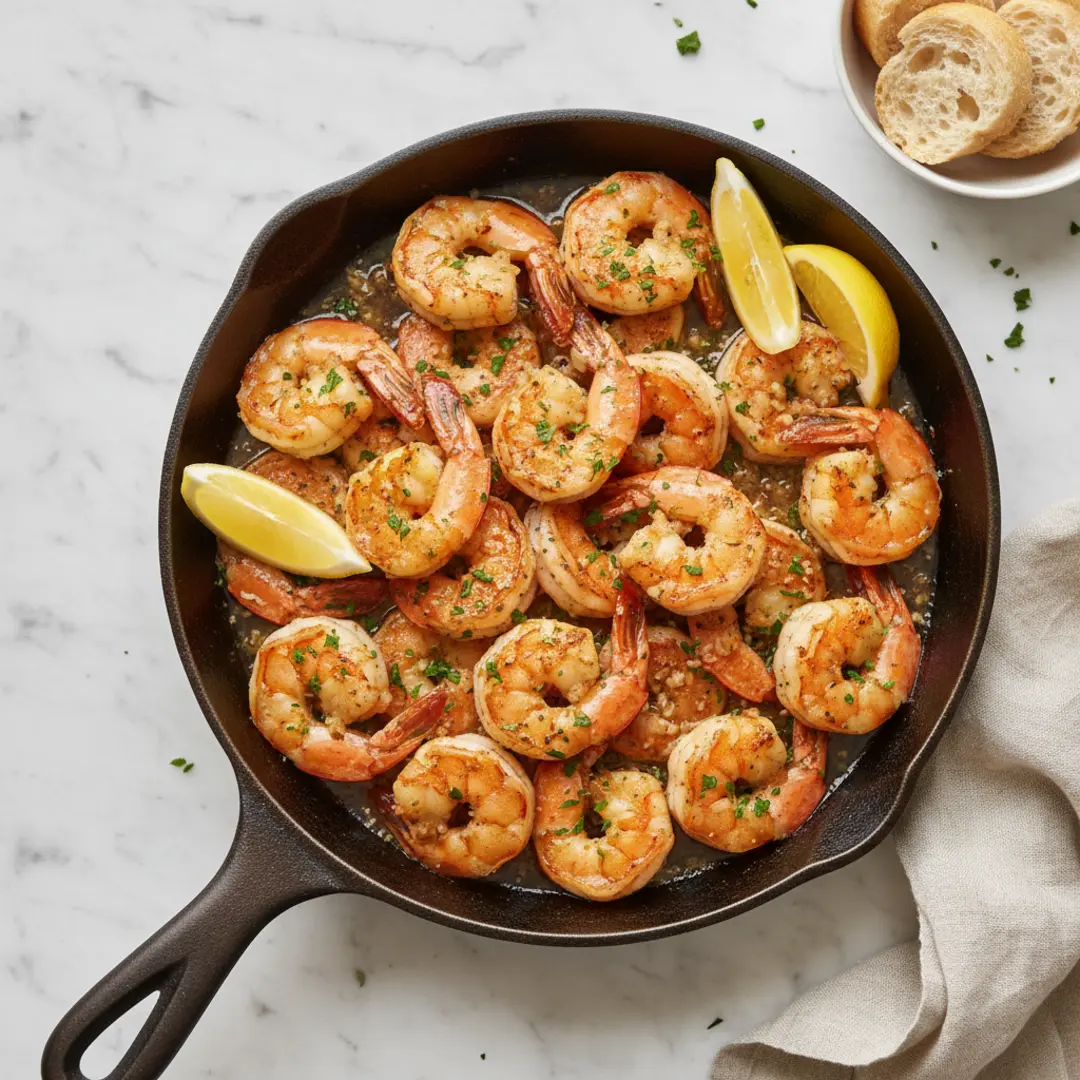
The Ultimate Guide to Quick Garlic Butter Shrimp: An Easy 20-Minute Recipe
Craving a restaurant-quality dish without the restaurant wait? Our quick garlic butter shrimp recipe delivers incredible flavor in just 20 minutes! This simple yet elegant dish is perfect for a weeknight dinner or an impressive appetizer. The combination of succulent shrimp, rich butter, and aromatic garlic creates a symphony of flavors that will tantalize your taste buds. Learn how to make this culinary masterpiece and elevate your home cooking. For more inspiration, check out our garlic butter shrimp variations. Also, you can find more about the nutritional guide here.
Table of Contents
- Culinary Inspiration: Why This Flavor Profile Works
- Essential Ingredients for Authentic Results
- Required Tools for Professional Execution
- The Master Method: Step-by-Step Preparation
- Chef’s Secrets for Enhancing Depth and Aroma
- Common Mistakes and How to Avoid Them
- Preservation: Storing and Reheating for Maximum Freshness
- Plating Techniques and Serving Suggestions
- Jump to Recipe
Culinary Inspiration: Why This Flavor Profile Works
The magic of garlic butter shrimp lies in its simplicity and the perfect harmony of flavors. The richness of the butter, the pungent aroma of garlic, and the delicate sweetness of the shrimp create a trifecta that delights the palate. This combination isn’t just delicious; it’s also incredibly versatile. You can serve it over pasta, rice, or crusty bread, or enjoy it as a standalone appetizer. The dish draws inspiration from classic French and Italian cooking techniques, emphasizing high-quality ingredients and precise execution. The use of butter as a primary flavor carrier allows the garlic to infuse every bite, while the shrimp provides a satisfying protein element. The addition of herbs like parsley or thyme elevates the dish, adding a layer of freshness that balances the richness. Ultimately, the success of this flavor profile hinges on the careful balance of these elements, resulting in a dish that is both comforting and sophisticated.
Essential Ingredients for Authentic Results
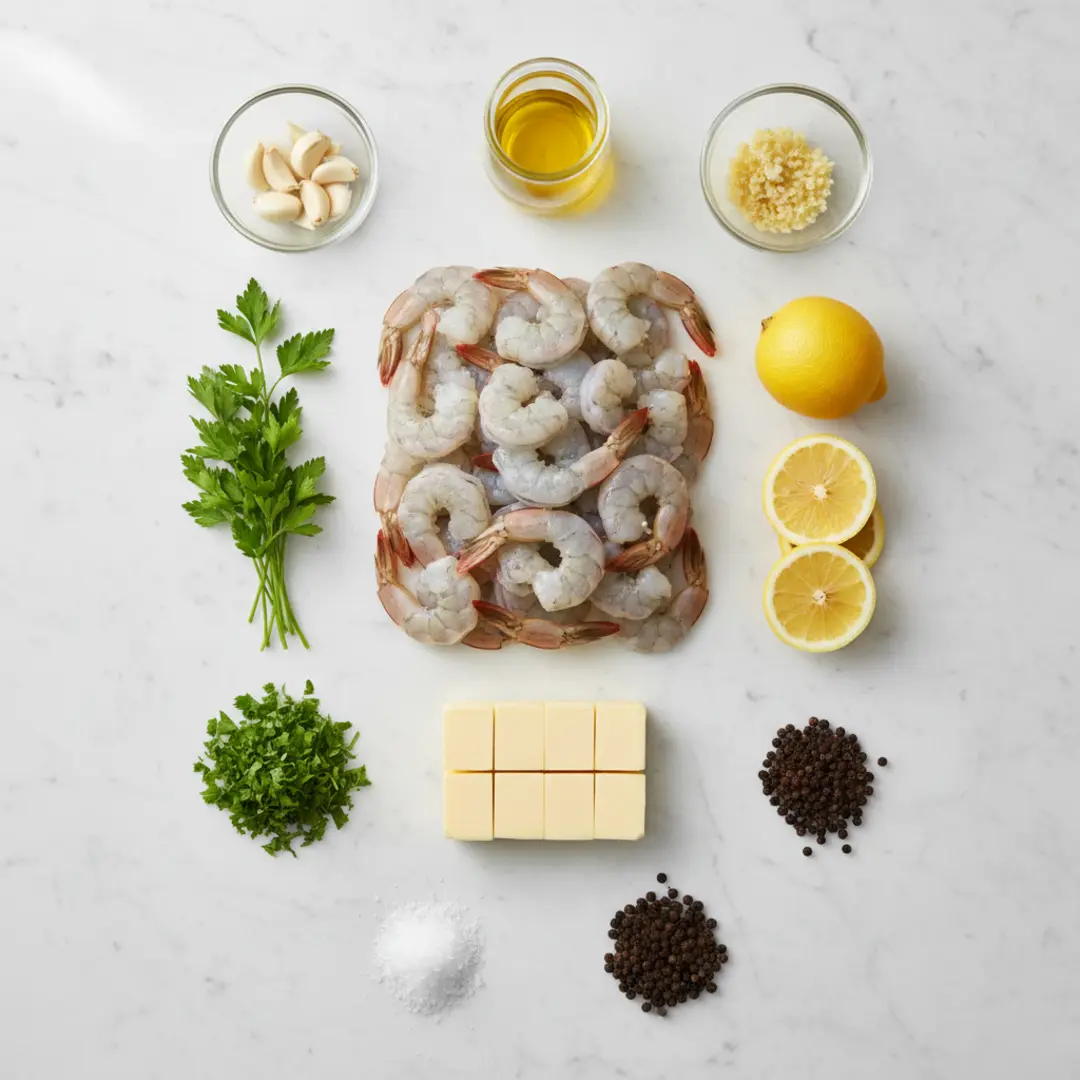
To create truly exceptional garlic butter shrimp, selecting the right ingredients is paramount. Here’s a breakdown of what you’ll need:
- Shrimp: Opt for large or jumbo shrimp (21-25 count per pound) for the best texture and presentation. Fresh shrimp is ideal, but frozen shrimp works well too. If using frozen, ensure it’s fully thawed and patted dry before cooking.
- Butter: Unsalted butter is preferred, as it allows you to control the saltiness of the dish. High-quality butter with a rich flavor will significantly enhance the overall taste.
- Garlic: Fresh garlic is non-negotiable. Avoid using pre-minced garlic, as it lacks the pungent flavor of freshly minced cloves. Aim for about 4-6 cloves, depending on your preference.
- Olive Oil: A drizzle of olive oil helps to prevent the butter from burning and adds a subtle fruity note to the dish.
- White Wine (Optional): A splash of dry white wine, such as Sauvignon Blanc or Pinot Grigio, adds acidity and complexity to the sauce.
- Lemon Juice: Fresh lemon juice brightens the flavors and cuts through the richness of the butter.
- Fresh Herbs: Chopped fresh parsley or thyme adds a pop of color and freshness.
- Red Pepper Flakes (Optional): A pinch of red pepper flakes adds a subtle kick of heat.
- Salt and Pepper: Season generously to enhance the flavors of all the ingredients.
Required Tools for Professional Execution
Having the right tools on hand can make the cooking process smoother and more efficient. Here’s a list of essential tools for making garlic butter shrimp:
- Large Skillet or Sauté Pan: A 12-inch skillet or sauté pan is ideal for cooking the shrimp evenly.
- Chef’s Knife: A sharp chef’s knife is essential for mincing the garlic and chopping the herbs.
- Cutting Board: Use a sturdy cutting board to protect your countertops.
- Garlic Press (Optional): A garlic press can be used to quickly mince the garlic, but it’s not essential.
- Lemon Juicer: A lemon juicer makes it easy to extract the juice from fresh lemons.
- Measuring Spoons and Cups: Accurate measurements are important for achieving the right balance of flavors.
- Tongs: Tongs are useful for flipping the shrimp and transferring them to a serving dish.
- Serving Dish: Choose an attractive serving dish to showcase your culinary creation.
The Master Method: Step-by-Step Preparation
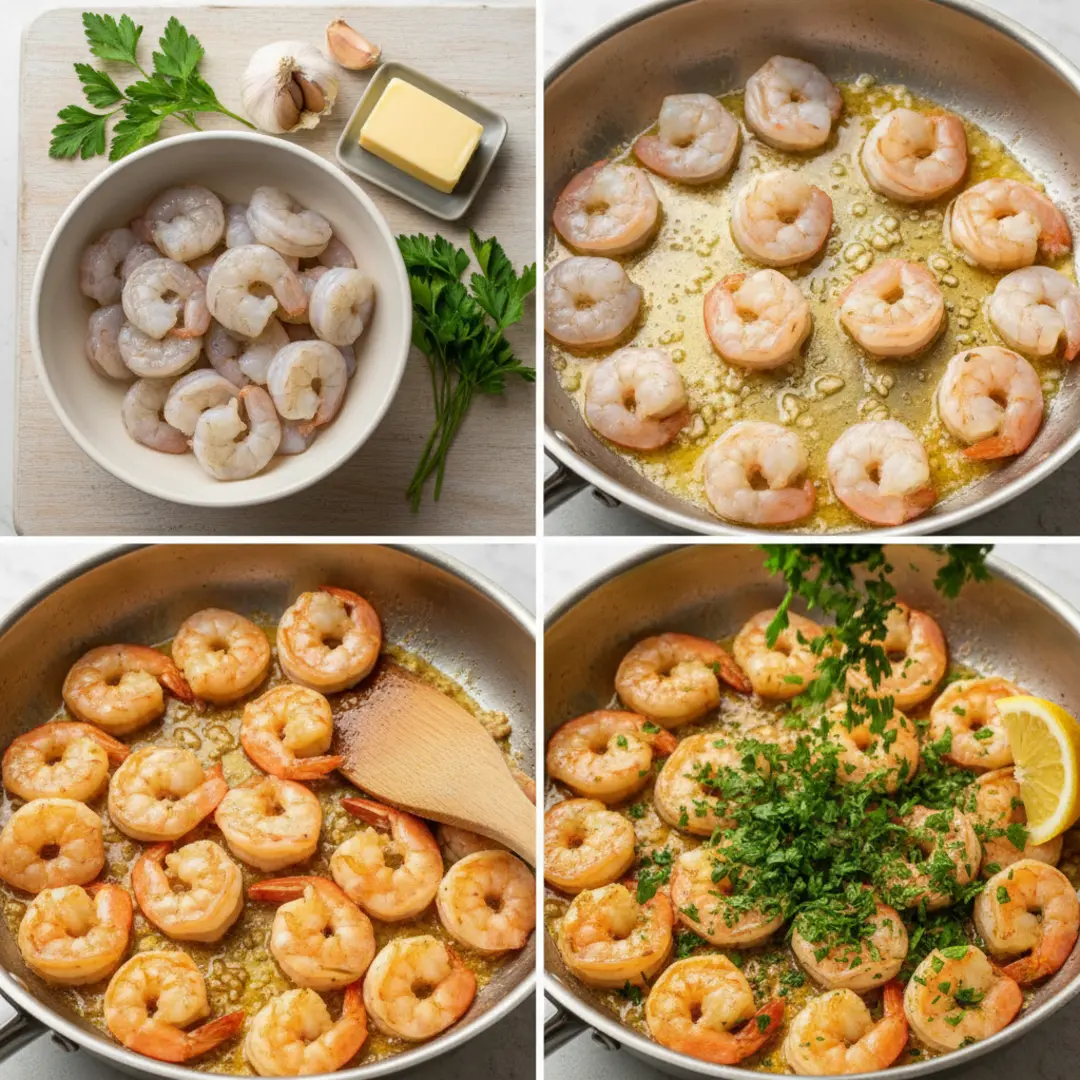
Follow these detailed instructions to create perfect garlic butter shrimp every time:
- Prepare the Shrimp: If using frozen shrimp, thaw it completely and pat it dry with paper towels. This helps to ensure that the shrimp will brown properly.
- Mince the Garlic: Finely mince the garlic cloves. You should have about 1-2 tablespoons of minced garlic.
- Chop the Herbs: Chop the fresh parsley or thyme. You’ll need about 2 tablespoons of chopped herbs.
- Melt the Butter: In a large skillet or sauté pan, melt the butter over medium heat. Add a drizzle of olive oil to prevent the butter from burning.
- Sauté the Garlic: Add the minced garlic to the melted butter and sauté for about 1-2 minutes, or until fragrant. Be careful not to burn the garlic, as this will make it bitter.
- Add the Shrimp: Add the shrimp to the skillet in a single layer. Cook for about 2-3 minutes per side, or until pink and opaque.
- Deglaze the Pan (Optional): If using white wine, pour it into the skillet and let it simmer for about 1 minute, scraping up any browned bits from the bottom of the pan.
- Add Lemon Juice and Herbs: Stir in the lemon juice, chopped herbs, and red pepper flakes (if using). Season with salt and pepper to taste.
- Serve: Transfer the garlic butter shrimp to a serving dish and garnish with extra herbs and a lemon wedge. Serve immediately.
Chef’s Secrets for Enhancing Depth and Aroma
Elevate your garlic butter shrimp with these expert tips:
- Brown the Butter: For a richer, nuttier flavor, brown the butter slightly before adding the garlic. Watch it carefully to prevent it from burning.
- Infuse the Oil: Infuse the olive oil with garlic by gently heating the garlic in the oil before adding the butter. This will create a more intense garlic flavor.
- Use High-Quality Butter: The quality of the butter significantly impacts the flavor of the dish. Opt for European-style butter with a higher fat content.
- Add a Touch of Heat: A pinch of red pepper flakes or a dash of hot sauce adds a subtle kick that complements the richness of the butter and garlic.
- Fresh Herbs are Key: Fresh herbs like parsley, thyme, or chives add a bright, aromatic element that balances the richness of the dish.
- Don’t Overcook the Shrimp: Overcooked shrimp is rubbery and tough. Cook the shrimp just until it turns pink and opaque.
- Finish with a Squeeze of Lemon: A squeeze of fresh lemon juice brightens the flavors and adds a touch of acidity.
Common Mistakes and How to Avoid Them
Avoid these common pitfalls to ensure your garlic butter shrimp is a success:
- Burning the Garlic: Burnt garlic is bitter and can ruin the flavor of the dish. Sauté the garlic over low heat and watch it carefully.
- Overcooking the Shrimp: Overcooked shrimp is tough and rubbery. Cook the shrimp just until it turns pink and opaque.
- Using Pre-Minced Garlic: Pre-minced garlic lacks the pungent flavor of freshly minced cloves. Always use fresh garlic for the best results.
- Not Drying the Shrimp: Wet shrimp will steam instead of brown. Pat the shrimp dry with paper towels before cooking.
- Overcrowding the Pan: Overcrowding the pan will lower the temperature and cause the shrimp to steam instead of brown. Cook the shrimp in batches if necessary.
- Using Too Much Salt: Taste the dish before adding salt, as the butter may already be salty.
Preservation: Storing and Reheating for Maximum Freshness
To store leftover garlic butter shrimp, allow it to cool completely before transferring it to an airtight container. Store it in the refrigerator for up to 2-3 days. To reheat, gently warm the shrimp in a skillet over low heat, or microwave it in short intervals, stirring occasionally. Be careful not to overcook the shrimp during reheating, as this will make it tough. Adding a splash of broth or white wine can help to keep the shrimp moist during reheating.
Plating Techniques and Serving Suggestions
Elevate your presentation with these plating ideas:
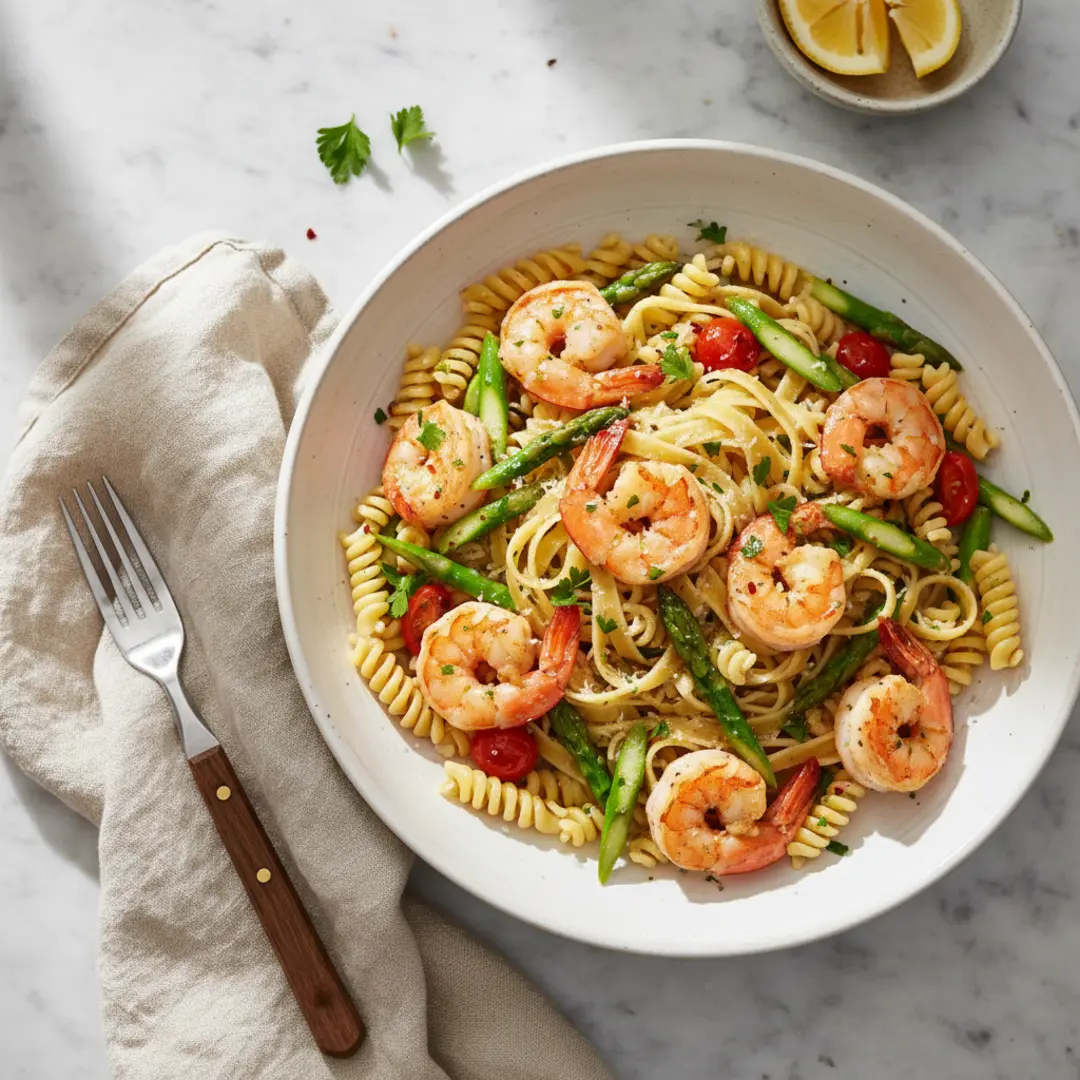
- Serve over Pasta: Toss the garlic butter shrimp with cooked linguine or spaghetti for a complete meal.
- Serve with Rice: Serve the shrimp over a bed of fluffy rice, such as jasmine or basmati rice.
- Serve with Crusty Bread: Serve the shrimp with crusty bread for dipping into the delicious garlic butter sauce.
- Garnish with Fresh Herbs: Garnish the dish with chopped fresh parsley, thyme, or chives for a pop of color and freshness.
- Add a Lemon Wedge: Serve with a lemon wedge for squeezing over the shrimp just before serving.
- Create a Shrimp Scampi Platter: Arrange the shrimp on a platter with lemon wedges, fresh herbs, and crusty bread for a beautiful and impressive presentation.
Quick Garlic Butter Shrimp? [Easy 20-Minute Recipe]
Craving Garlic Butter Shrimp? Get our quick & easy recipe for juicy, flavorful shrimp ready in minutes! Click here for deliciousness tonight!
Yield: 4-6 Servings | Cuisine: Gourmet | Difficulty: Intermediate
15m
5m
20m
Ingredients
- 1.5 lbs large shrimp, peeled and deveined
- 6 tbsp unsalted butter
- 6 cloves garlic, minced
- 2 tbsp olive oil
- 1/4 cup dry white wine (optional)
- 2 tbsp fresh lemon juice
- 1/4 cup chopped fresh parsley
- 1/4 tsp red pepper flakes (optional)
- Salt and pepper to taste
Instructions
- Pat the shrimp dry with paper towels and season with salt and pepper.
- In a large skillet, melt the butter with the olive oil over medium heat.
- Add the minced garlic and sauté for 1-2 minutes until fragrant, being careful not to burn it.
- Add the shrimp to the skillet in a single layer and cook for 2-3 minutes per side, until pink and opaque.
- If using, pour in the white wine and let it simmer for 1 minute, scraping up any browned bits from the bottom of the pan.
- Stir in the lemon juice, parsley, and red pepper flakes (if using).
- Serve immediately over pasta, rice, or with crusty bread.