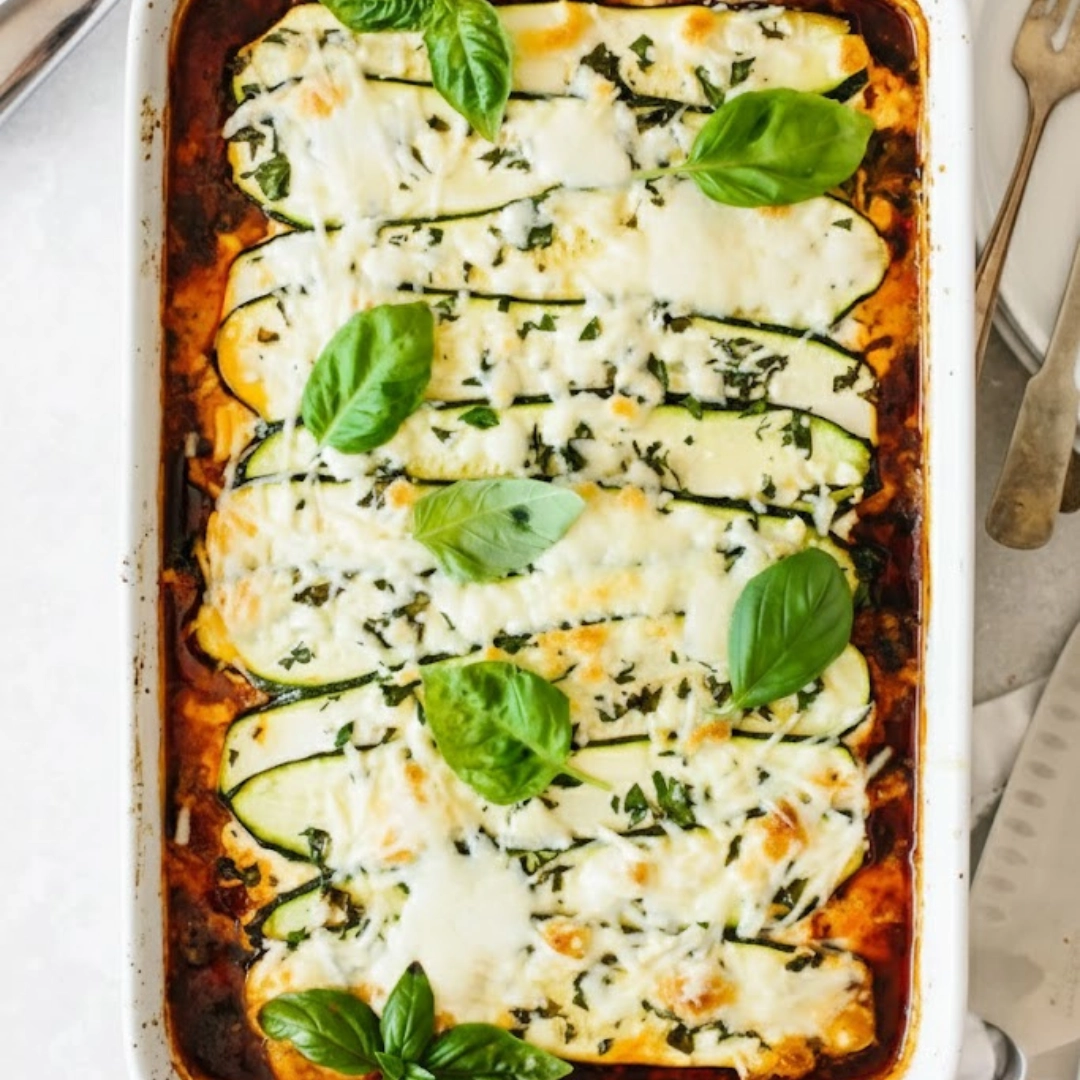
This dish represents everything beautiful about Italian-American cooking: it’s hearty, comforting, and built on layers of incredible flavor. Yet, this version steps away from tradition just enough to lighten the meal, swapping out heavy sheets of pasta for thin, vibrant ribbons of fresh zucchini. It delivers all the richness and structure you expect from a great lasagna—the creamy ricotta, the savory sauce, the melted mozzarella—but leaves you feeling energized instead of weighed down. It is a fantastic centerpiece for a weekend dinner party or a deeply satisfying dish to prep and enjoy over several weeknights. The careful preparation of the zucchini is the secret to success here, ensuring the final casserole holds together perfectly.
Table of Contents
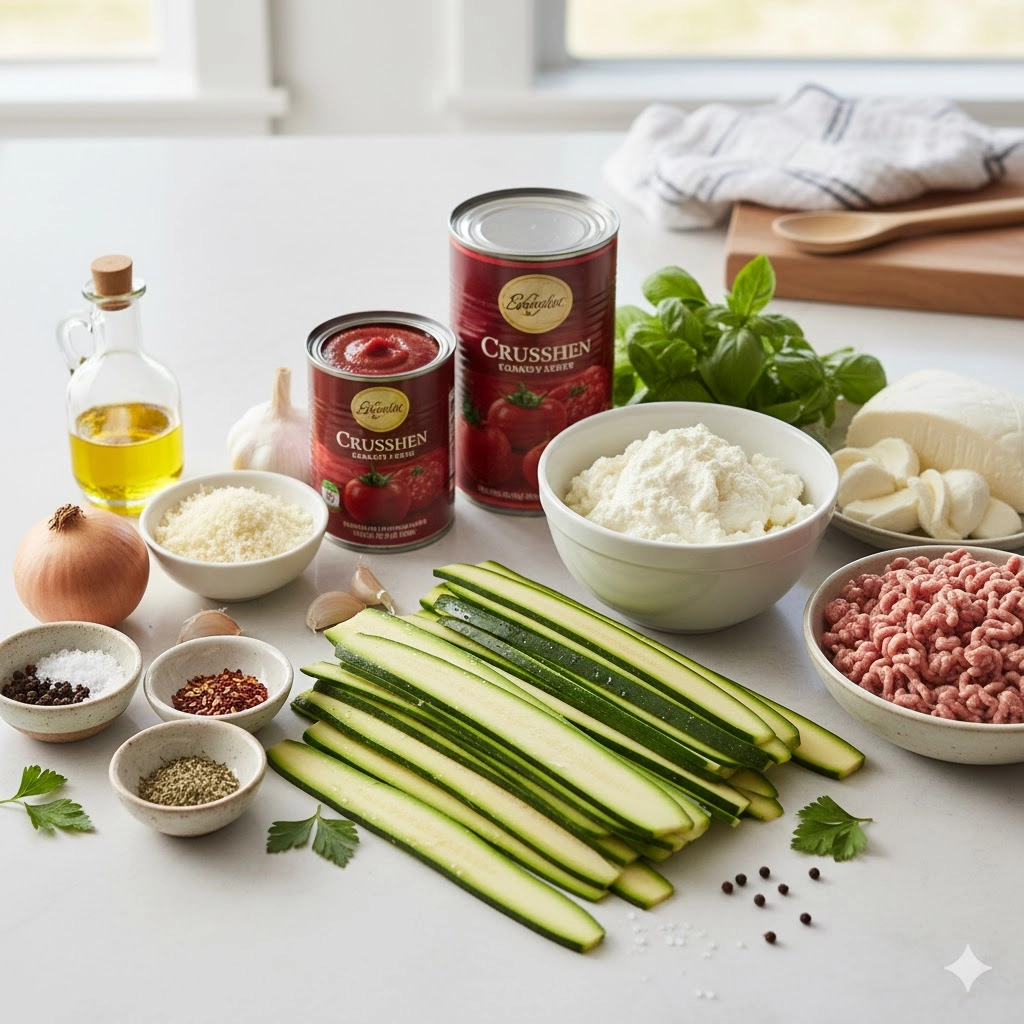
The Components of a Great Low-Carb Lasagna
Crafting this layered marvel starts with selecting the right, high-quality ingredients. Measurements are provided using standard US units, followed by metric weights for precision when necessary.
For the Zucchini “Noodles”
- Six large zucchini (about 3 pounds or 1.3 kilograms total)
- One tablespoon of olive oil
- One teaspoon of coarse sea salt
For the Meat Sauce (Ragu)
- One tablespoon of olive oil
- One pound (450 grams) lean ground beef or Italian sausage, mild or hot
- One large yellow onion, finely diced
- Four cloves garlic, minced
- One twenty-eight ounce can crushed tomatoes
- One six ounce can tomato paste
- One teaspoon dried oregano
- One half teaspoon red pepper flakes (optional, for heat)
- One teaspoon fine sea salt
- One half teaspoon freshly ground black pepper
For the Ricotta Filling
- Fifteen ounces (425 grams) whole milk ricotta cheese, drained well
- One half cup grated Parmesan cheese
- One large egg, lightly beaten
- Two tablespoons fresh parsley, chopped
- One half teaspoon fine sea salt
- One quarter teaspoon freshly ground black pepper
For the Topping
- Two cups (220 grams) low-moisture part-skim mozzarella cheese, shredded
Assembling and Baking: The Process Overview
This high-level guide provides the sequence of steps necessary to transition from raw ingredients to a finished, bubbling casserole.
- Prepare the Zucchini: Slice the zucchini into thin sheets and treat them with salt to draw out excess moisture.
- Sauté Aromatics and Meat: Begin the sauce by softening the onion and garlic, then browning the meat.
- Simmer the Ragu: Combine the browned meat with the canned tomatoes, tomato paste, and seasonings, allowing the flavors to deepen slowly.
- Mix the Filling: Gently combine the ricotta cheese with the Parmesan, egg, herbs, and seasonings.
- Build the Layers: Arrange a thin layer of sauce in the baking dish, followed by overlapping zucchini, the ricotta mixture, and mozzarella, repeating the process until all components are used.
- Bake Covered: Place the dish in a preheated oven and bake, initially covered with foil, to cook the zucchini fully without burning the cheese.
- Uncover and Finish: Remove the foil and allow the lasagna to bake until the top is golden brown and bubbling enthusiastically.
- Rest and Serve: Allow the final Zucchini Lasagna Recipe to cool for ten to fifteen minutes before slicing, which is crucial for retaining its structure.

Mastering the Layers: Detailed Technique and Troubleshooting
The success of this dish lies in meticulous preparation, particularly dealing with the high water content of the zucchini. Following these detailed steps ensures a firm, flavorful, and cohesive lasagna.
Preparing the Zucchini Sheets
Start by using a sharp chef’s knife or, preferably, a mandoline slicer to create thin, uniform sheets of zucchini. Aim for a thickness of about one-eighth of an inch. Sheets that are too thick will result in an undercooked crunch, while overly thin slices may disintegrate.
After slicing, the crucial step is moisture extraction, often called “degorging.” Lay the sheets flat on a layer of paper towels or clean kitchen towels, sprinkle them evenly with the teaspoon of coarse salt, and let them sit for a minimum of thirty minutes, but ideally for a full hour. The salt draws out moisture through osmosis. You will see small beads of liquid form on the surface. After the resting time, firmly press another layer of towels onto the zucchini to absorb the liquid. This simple action is perhaps the single most important part of the entire recipe, as it prevents the final lasagna from turning into a soupy mess. Once patted dry, quickly brush them with one tablespoon of olive oil—this adds flavor and helps them soften beautifully during the initial bake.
Developing the Savory Ragu
The meat sauce, or ragu, provides the deep, umami base for the whole dish. In a large pot or Dutch oven, heat the first tablespoon of olive oil over medium heat. Add the diced onion and sauté until it becomes translucent and fragrant, taking care not to brown it. This step usually takes about seven to eight minutes. Next, stir in the minced garlic for just one minute; garlic burns quickly, and burnt garlic will impart a bitter flavor to the sauce.
Add the ground meat and break it apart with a wooden spoon, stirring until it is thoroughly browned and no pink remains. Drain any excess fat if you are using higher-fat meat. Stir in the tomato paste, cooking it for two minutes until it slightly darkens—this process, called caramelization, significantly enhances the depth of the tomato flavor. Finally, add the crushed tomatoes, oregano, red pepper flakes (if using), salt, and pepper. Bring the mixture to a gentle simmer, then reduce the heat to low, cover partially, and let it bubble slowly for at least forty-five minutes, or up to an hour and a half. The long simmer time melds the spices, breaks down the tomatoes, and creates a thick, clingy sauce that won’t contribute extra liquid to the final bake. The finished sauce should be thick enough to easily coat the back of a spoon.
The Ricotta Core
The ricotta filling is the creamy glue that binds the layers together. Use whole milk ricotta and make sure it has been drained if it appears excessively watery. Simply scoop the cheese into a fine-mesh sieve set over a bowl and let it sit for ten to twenty minutes. In a medium bowl, combine the drained ricotta with the grated Parmesan, the lightly beaten egg, fresh parsley, and the remaining salt and pepper. The egg acts as a stabilizer, helping the filling set beautifully in the oven. Mix only until combined; over-mixing can make the ricotta runny. The finished mixture should be thick and easily spreadable.
Building the Casserole
Preheat your oven to three hundred seventy-five Fahrenheit. Use a nine-by-thirteen-inch baking dish.
The assembly process is key to structure:
- Base Layer: Spoon a thin layer (about one cup) of the ragu onto the bottom of the dish and spread it evenly. This prevents the zucchini from sticking and adds foundational flavor.
- Zucchini Layer: Arrange the dry, oil-brushed zucchini strips in a single, slightly overlapping layer across the sauce. It is essential to lay them perpendicular to how you plan to slice the lasagna later, as this offers better stability.
- Ricotta Layer: Distribute half of the ricotta mixture evenly over the zucchini. A good method is to dollop spoonfuls across the layer and then gently spread them together using the back of a spoon or a rubber spatula.
- Sauce and Cheese: Top the ricotta with approximately one-third of the remaining ragu, spreading it to cover the white layer, and sprinkle with about one half cup of the shredded mozzarella.
- Repeat: Add a second layer of zucchini, followed by the remaining half of the ricotta mixture, another third of the ragu, and another half cup of mozzarella.
- Final Top: Place the final layer of zucchini, the remaining ragu, and finally, the remaining cup of shredded mozzarella. Ensure the top is evenly covered to prevent the zucchini from drying out.
The Bake and Rest
Cover the baking dish tightly with aluminum foil. Bake the lasagna in the preheated oven for forty-five minutes. Baking covered creates a steamy environment that fully cooks and tenderizes the zucchini without drying out the ricotta.
After forty-five minutes, carefully remove the foil. The lasagna should be bubbling lightly at the edges. Return the dish to the oven for another fifteen to twenty minutes, or until the mozzarella is beautifully melted, golden brown, and the sauce is aggressively bubbling.
Remove the finished lasagna from the oven and let it stand, uncovered, on a cooling rack for ten to fifteen minutes. This resting period is critical; it allows the internal temperature to drop slightly, firming up the ricotta, setting the mozzarella, and allowing the residual liquid to be reabsorbed, ensuring clean slices. Attempting to cut it too soon will result in a messy, sliding structure.
Elevating the Dish: Expert Notes and Ingredient Insights
Achieving a truly exceptional lasagna goes beyond just following the steps. These expert tips focus on ingredient quality and specific techniques to refine your results.
- Ricotta Quality Matters: Always opt for whole milk ricotta cheese. It has a richer flavor and, crucially, a lower moisture content than its part-skim counterpart. If you can find it, artisanal or basket-drained ricotta is the best choice, as it is naturally less watery.
- The Power of Parsley: Use fresh parsley in the ricotta filling. The clean, slightly herbaceous flavor brightens the heavy cheeses and balances the richness of the meat sauce. Avoid dried parsley here; it contributes little flavor.
- Seasoning the Layers: Taste and adjust the seasoning for every component—the sauce, the ricotta, and even the final dish. Often, people under-season the ricotta, which leaves the middle layer tasting flat. A pinch of freshly grated nutmeg in the ricotta, though optional, is a traditional Italian touch that enhances the savory-sweet flavor profile.
- Pre-Shredded Cheese Caution: While convenient, pre-shredded mozzarella is often coated with anti-caking agents like cellulose or potato starch. These agents can prevent the cheese from melting into a smooth, glossy puddle. For the best texture and melt, buy a block of whole-milk mozzarella and shred it yourself.
Dietary Flexibility: Creative Swaps and Flavor Twists
This recipe foundation is incredibly versatile, allowing for easy adjustments to suit different dietary needs or simply to change the flavor profile.
- Go Vegetarian: Omit the ground beef/sausage entirely. Instead, sauté one pound of finely chopped mushrooms (cremini or shiitake) until they release their liquid and brown nicely. Stir them into the tomato sauce base. You can also roast finely chopped eggplant or add a bag of thawed, squeezed-dry spinach to the ricotta filling for extra substance and nutrients.
- Cheese Variation: For a sharper, more complex flavor, substitute the mozzarella with a combination of provolone and fontina cheese. These melt beautifully and offer a deeper, nuttier taste that pairs well with the zucchini.
- Herbaceous Boost: Beyond the required parsley, consider adding fresh basil leaves layered between the ricotta and sauce for a classic Italian aroma, or a teaspoon of dried fennel seed to the ragu for a subtle anise note, particularly when using Italian sausage.
- Dairy-Free Option: Ricotta can be substituted with a mixture of cashew cream (soaked cashews blended with a little water until smooth) or a high-quality, store-bought dairy-free ricotta alternative. Note that baking times might vary slightly for these substitutions, as the moisture content is often different.

A Perfect Accompaniment: What to Serve Alongside
Because this lasagna is naturally low-carb and rich in flavor, the best side dishes are those that offer a clean, acidic, or fresh textural contrast.
- Simple Green Salad: A classic pairing. Toss mixed greens (like arugula or butter lettuce) with a light, bright lemon vinaigrette. The acidity of the lemon cuts through the richness of the cheese and sauce.
- Garlic Broccolini: Quickly sautéed or roasted broccolini florets seasoned with a drizzle of olive oil, salt, and thinly sliced garlic. Its slight bitterness and firm texture provide a perfect textural counterpoint to the soft layers of the lasagna.
- Crusty Bread (Optional): While the lasagna itself is low-carb, serving a high-quality, artisan sourdough or a rustic Italian loaf allows others at the table to enjoy dipping into the extra sauce, which is a traditional pleasure.
Your Essential Questions Answered
Can I make this lasagna ahead of time?
Yes, this is an excellent make-ahead dish. You can fully assemble the lasagna up to the point of baking, cover it tightly, and refrigerate it for up to twenty-four hours. When ready to bake, add about ten to fifteen minutes to the covered baking time to account for starting with a cold dish, ensuring it reaches the proper internal temperature before removing the foil.
How do I prevent the lasagna from becoming watery?
The key is moisture control in the zucchini. Ensure you properly slice, salt, rest, and blot the zucchini sheets before layering. Additionally, your meat sauce must be thick and simmered down to a ragu consistency, not a thin marinara. Any excess liquid in the sauce will steam out in the oven, leading to a watery result.
What is the best way to store and reheat leftovers?
Store leftovers in an airtight container in the refrigerator for up to four days. To reheat, you can use a microwave, though the texture of the cheese will be slightly compromised. For the best result, place individual slices in a small, oven-safe dish, cover with foil, and bake at three hundred fifty Fahrenheit for ten to fifteen minutes, or until heated through. The foil prevents the top layer of cheese from burning.
Can I freeze a whole pan of this lasagna?
Absolutely. Assemble the lasagna fully in a disposable aluminum pan, but do not bake it. Cover it tightly with two layers of plastic wrap and one layer of aluminum foil. Label the dish with the date and freeze for up to three months. To cook, thaw it completely in the refrigerator overnight, remove the plastic wrap, cover it with the foil, and bake as directed, adding about twenty minutes to the covered bake time.
Nutritional Breakdown
| Nutrient | Amount per Serving |
| Calories | 380 kcal |
| Protein | 35 g |
| Carbs | 18 g |
| Fat | 20 g |
| Fiber | 4 g |
| Sugar | 7 g |
| Sodium | 650 mg |
Disclaimer
Nutrition information is an estimate and may vary based on preparation and ingredients used.
PrintThe Ultimate Low-Carb Zucchini Lasagna Recipe

This low-carb Zucchini Lasagna swaps traditional pasta for thin zucchini ribbons, creating a hearty, cheesy, and satisfying casserole that retains all the comfort of the classic dish.
- Prep Time: 45 mins
- Cook Time: 70 mins
- Total Time: 2 hours 15 mins
- Yield: 8 servings 1x
- Category: Main Course
- Method: Baking
- Cuisine: Italian-American
Ingredients
6 large zucchini (about 3 pounds)
1 tbsp olive oil, divided
1 tsp coarse sea salt
1 lb lean ground beef or Italian sausage
1 large yellow onion, diced
4 cloves garlic, minced
1 (28 oz) can crushed tomatoes
1 (6 oz) can tomato paste
1 tsp dried oregano
15 oz whole milk ricotta cheese, drained well
1/2 cup grated Parmesan cheese
1 large egg, lightly beaten
2 tbsp fresh parsley, chopped
2 cups low-moisture part-skim mozzarella cheese, shredded
Salt & pepper to taste
Instructions
1. Slice zucchini into thin ribbons. Salt them, let them rest for one hour, then thoroughly pat dry. Brush with remaining olive oil.
2. In a large pot, sauté the onion, then garlic. Brown the ground meat and drain any excess fat.
3. Stir in tomato paste, crushed tomatoes, oregano, and seasonings. Simmer, partially covered, for forty-five minutes until the sauce is thick.
4. In a bowl, mix the drained ricotta, Parmesan, egg, parsley, salt, and pepper until combined.
5. Preheat oven to three hundred seventy-five Fahrenheit. Spread a thin layer of sauce in a 9×13 inch dish.
6. Begin layering: zucchini, half the ricotta, ragu, and mozzarella. Repeat the layer once more.
7. Top with the final layer of zucchini, remaining ragu, and the remaining mozzarella.
8. Cover the dish tightly with foil and bake for forty-five minutes.
9. Remove the foil and bake for an additional fifteen to twenty minutes until golden and bubbling.
10. Allow the lasagna to rest for ten to fifteen minutes before slicing and serving.
Notes
Ensure the zucchini is completely patted dry after salting to prevent a watery lasagna.
Use whole milk ricotta for the best texture and flavor.
Resting the lasagna for 10-15 minutes after baking is crucial for structural integrity.
Nutrition
- Serving Size: 1 slice
- Calories: 380
- Sugar: 7g
- Sodium: 650mg
- Fat: 20g
- Saturated Fat: 10g
- Unsaturated Fat: 7g
- Trans Fat: 0g
- Carbohydrates: 18g
- Fiber: 4g
- Protein: 35g
- Cholesterol: 75mg