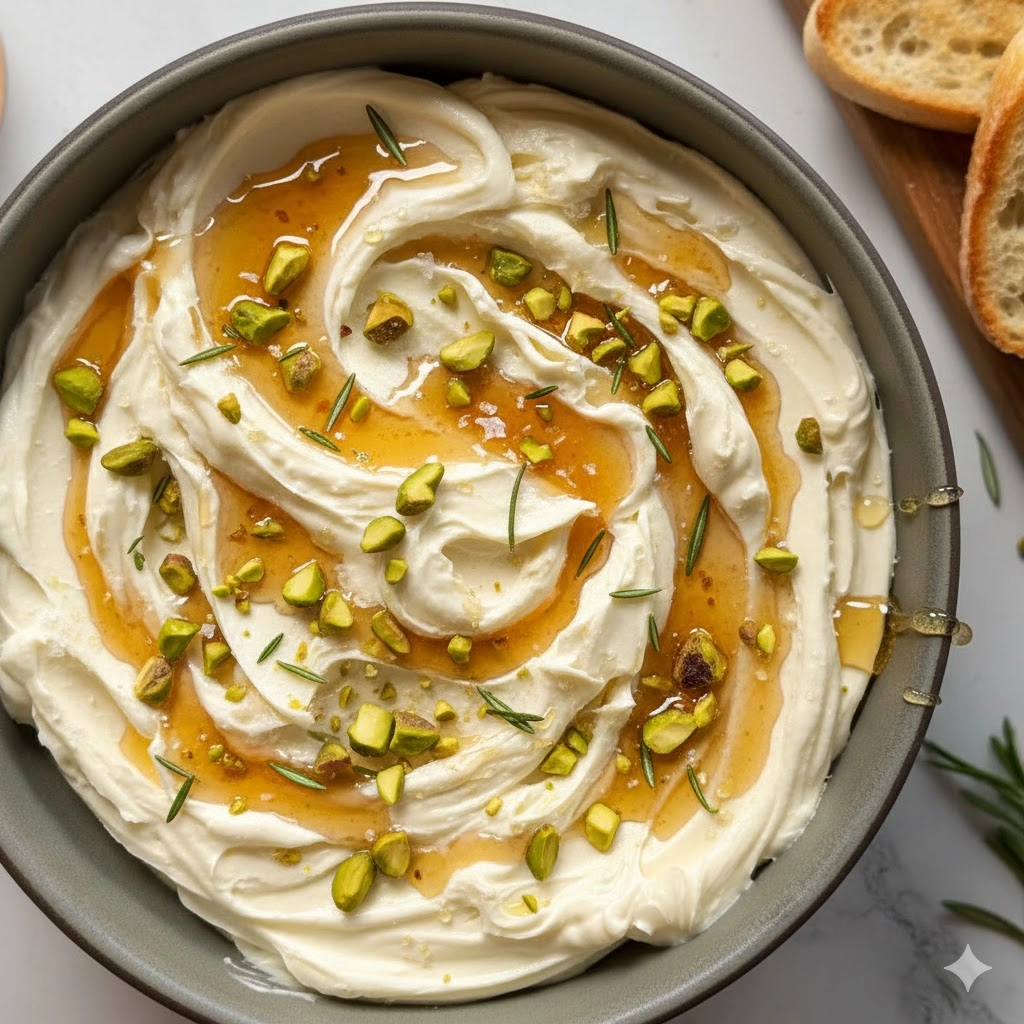
The appetizer landscape has quietly undergone a delightful evolution, moving beyond static cheese boards to embrace textures that surprise and satisfy. This preparation, which transforms a dense, sturdy wheel of cheese into a light, airy cloud, is pure elegance. Serving Whipped Brie is the easiest way to elevate a casual gathering or start a sophisticated dinner party. It possesses a luxurious, velvety texture that carries accompanying flavors beautifully—in this case, the bright, resinous notes of rosemary and the deep sweetness of honey. This simple technique takes mere minutes but yields a high-impact appetizer, proving that sometimes, the most refined dishes are the ones that require the least fuss.
Table of Contents
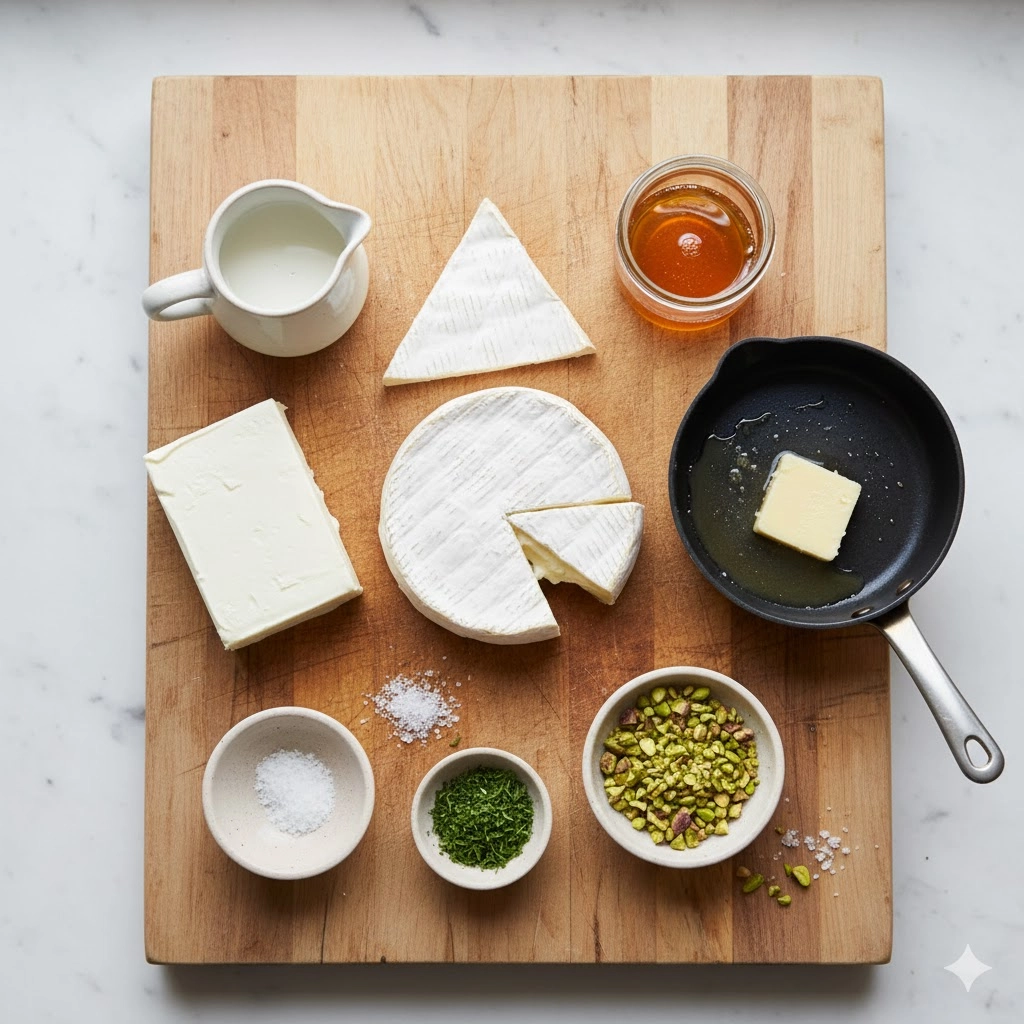
Essential Components for the Perfect Whip
The Cheese Base
- One 13.2-ounce (375 grams) wheel of traditional Brie cheese, rind removed and cut into rough 1-inch cubes
- Four ounces (113 grams or half of one cup) of cream cheese, full fat, softened to room temperature
- Two tablespoons heavy cream (or full-fat milk)
- Half of one teaspoon fine sea salt
- One quarter teaspoon freshly cracked white pepper
The Topping
- Two tablespoons unsalted butter
- One third cup raw honey, or hot honey for a kick
- One half teaspoon fresh rosemary, finely minced
- One quarter cup pistachios, roughly chopped
- A pinch of flaky sea salt for finishing
The Method: Key Steps to Velvety Smoothness
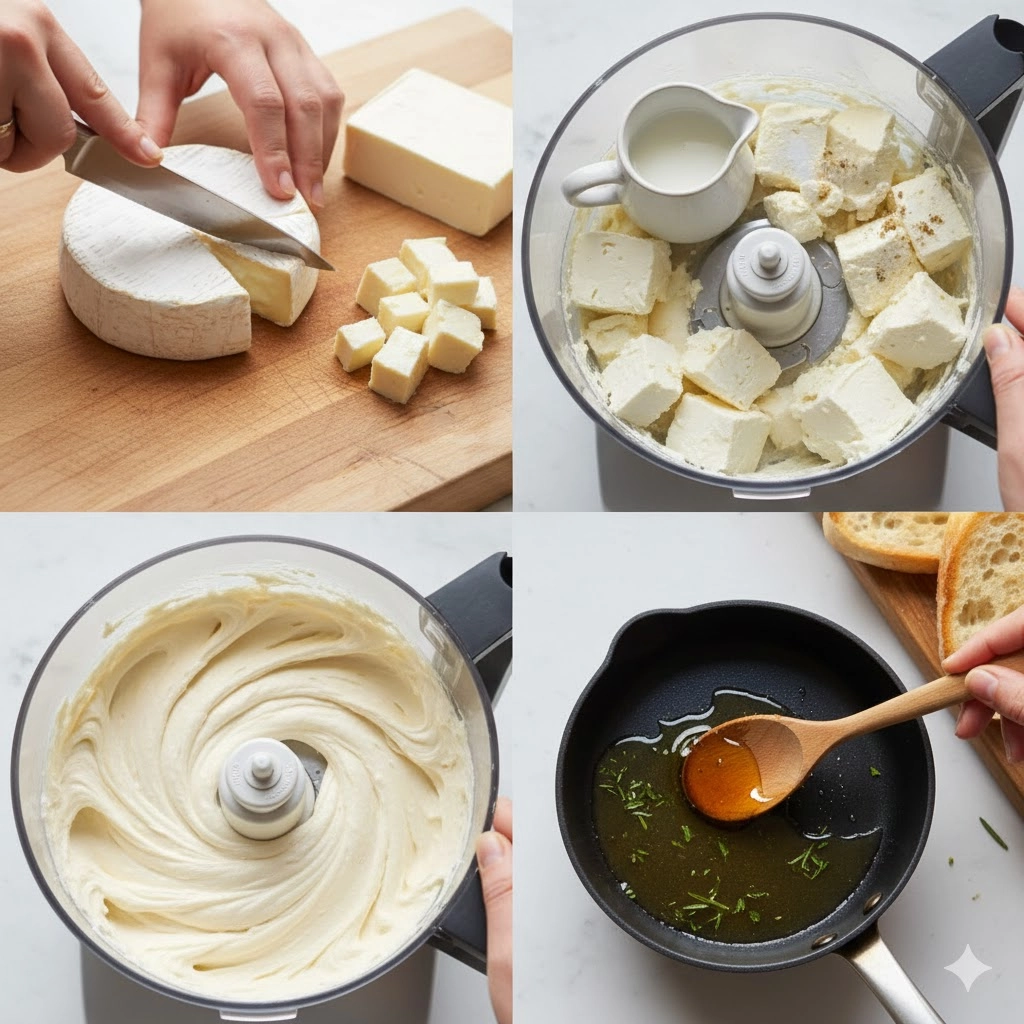
- Prepare the Brie: Remove the rind from the Brie wheel and cut the softened cheese and cream cheese into cubes.
- Combine and Soften: Place both cheeses, the heavy cream, salt, and pepper into the bowl of a food processor.
- The Initial Whip: Process the mixture until the ingredients are fully combined into a thick paste, scraping down the sides as necessary.
- Aerate to Perfection: Continue to process for three to five minutes, or until the mixture becomes visibly light and airy, resembling a smooth, spreadable mousse.
- Develop the Topping: Gently melt the butter in a small saucepan over medium-low heat, then stir in the honey and minced rosemary.
- Assembly and Garnish: Transfer the final Whipped Brie mixture to a small serving bowl, drizzle with the warm honey-butter, and scatter the pistachios and flaky salt over the top.
- Serve: Allow the mixture to set for a few moments before serving with toasted bread or crackers.
Mastering the Whip: Detailed Guidance and Sensory Cues
Achieving the correct texture for this dish hinges entirely on the process of the whip itself. This is not simply a matter of stirring ingredients together; it is an active aeration process that introduces volume, which is why a food processor is highly recommended over a standard hand mixer, though a powerful stand mixer can also succeed.
Rind Removal and Temperature:
The first crucial step is proper preparation of the Brie. The white, bloomy rind of Brie, while edible and essential for aging, introduces a chewy, somewhat waxy texture that prevents the cheese from achieving that desired silken finish. Use a sharp, thin-bladed knife to gently scrape or slice the rind away from the cheese.
More importantly, the temperature of both the Brie and the accompanying cream cheese must be correct. They should be at a soft, pliable room temperature, which is often warmer than many people realize. If the cheeses are too cold, the food processor will struggle to emulsify the fat evenly, resulting in a slightly grainy, cottage cheese-like texture rather than the smooth, velvety mousse we are aiming for. When you press a finger lightly into the cheese, it should yield with zero resistance.
The Power of the Processor:
Once the ingredients are in the food processor, the initial stage is purely about combination. Pulse the machine in short bursts to break down the large cheese chunks. This takes maybe thirty to sixty seconds. Scrape down the bowl thoroughly.
The real magic happens in the sustained, second phase of whipping. Turn the processor on high and simply let it run. Listen to the sound of the machine; it will start with a heavy, labored whir, and as the cheese breaks down and incorporates air, the pitch will become noticeably lighter and higher.
- Sensory Cues: The mixture will transition from a dense, thick, butter-like consistency to a substance that flows more freely around the blades. Stop the machine after about three minutes and check the texture. If you scoop a small amount with a spoon and it holds a soft peak, almost like a stable mousse or soft meringue, you are done. If it still looks heavy or greasy, process for another sixty seconds.
- The Over-Whip Mistake: There is a minimal risk of over-whipping, which can sometimes separate the butterfat from the whey, making the mixture greasy. If the cheese starts looking overtly shiny or oily, stop immediately. Adding one half teaspoon of cold water or a splash of cold heavy cream and pulsing once or twice can sometimes shock the fats back into emulsion.
Developing the Topping:
The topping is designed to provide textural contrast and aromatic depth. The rosemary, honey, and butter should not be heavily cooked. They only need to be heated enough to melt the butter and gently infuse the herb’s oils into the sweet base. Use low heat to avoid burning the butter (which turns bitter) or caramelizing the honey (which becomes too sticky). The scent in your kitchen should be warming and savory-sweet—a clear signal that the mixture is ready to drizzle over the chilled, airy cheese. The slight temperature difference between the cool, light cheese and the warm, aromatic topping is what makes the final presentation so appealing.
Chef’s Notes: Elevating Your Cheese Experience
This seemingly simple appetizer can be perfected with attention to detail.
Invest in Quality Brie: While this technique is forgiving, the final flavor is dictated by the quality of your base ingredient. Opt for a high-quality, French-style Brie. The flavor profile should be earthy and slightly mushroom-like, not sharply acidic. Avoid products labeled “Brie-style” or heavily processed cheese spreads.
The Chill Factor is Key: Once the cheese is whipped, its light texture will hold best if it is allowed to firm up slightly. Transferring the mixture to the serving bowl and refrigerating it for a minimum of fifteen minutes helps it stabilize. The chilling process allows the introduced air to set, meaning the final texture is less like heavy cream and more like a firm, luxurious mousse that doesn’t collapse under the weight of the topping.
Toasting the Nuts: While the recipe calls for plain pistachios, a brief, dry toast in a small skillet over medium heat will significantly deepen their flavor. Toasting releases the volatile oils in the nuts, making them crunchier and more intensely flavorful, adding an extra dimension to the overall dish that contrasts beautifully with the creamy cheese. Watch closely, as nuts can burn quickly.
Salt Selection Matters: Do not underestimate the pinch of flaky sea salt sprinkled over the top. Flaky salt, such as Maldon, provides distinct, satisfying bursts of pure salinity right before the palate registers the creamy sweetness of the cheese and honey. This textural and flavor contrast is critical for balancing the richness of the dish.
Don’t Rush the Softening: Resist the urge to microwave the cream cheese or Brie to speed up the softening process. Microwave heating can create hot spots, causing the butterfat to prematurely separate from the protein, which leads to a permanently grainy texture. Allow the cheeses to soften naturally on the counter for at least sixty minutes.
Use White Pepper for Appearance: While black pepper tastes wonderful, white pepper is recommended here because it blends visually into the light, ivory-colored cheese base, maintaining a clean and elegant presentation. The subtle, earthy heat it provides complements the mild, buttery cheese flavor without being overwhelming.
Creative Flavor Bridges and Ingredient Swaps
The beauty of a neutral base like creamy cheese is its flexibility. While the honey-rosemary-pistachio combination is classic and balanced, this recipe can be a canvas for endless seasonal flavors.
For a Wintertime Appetizer:
Swap the honey topping for a homemade, intensely flavored cranberry-orange marmalade. Instead of pistachios, use toasted, glazed pecans or walnuts. The slight tartness of the cranberry, paired with the citrus lift of the orange zest, cuts through the richness of the cheese beautifully and adds a festive color palette to the presentation. You can also incorporate one quarter teaspoon of ground nutmeg into the cheese base before whipping.
For a Mediterranean Vibe:
Eliminate the honey and substitute it with high-quality extra virgin olive oil and a few cloves of finely roasted garlic. After whipping the cheese, drizzle generously with the olive oil and scatter with sun-dried tomatoes (oil-packed and drained), fresh basil ribbons, and a sprinkle of dried oregano. The savory depth created by the roasted garlic transforms this into a bold, non-sweet appetizer perfect for serving with thick pita bread.
For a Spicy-Sweet Experience:
Trade the pistachios and rosemary for candied jalapeños and crumbled, pre-cooked bacon. Use hot honey (infused with chili flakes) instead of plain honey. The combination of salty, smoky, spicy, and creamy is highly addictive and offers a modern twist on the classic sweet cheese pairing. Use sharp cheddar cheese in place of cream cheese for an extra layer of savory depth.
Dairy Swaps:
For a slightly lower fat profile, you can substitute the full-fat cream cheese with Neufchâtel cheese. However, avoid trying to replace the Brie with a lower-fat version; the high fat content is essential for achieving the light, luxurious whip. For a distinct flavor, try using a slightly more mature Camembert instead of Brie. Camembert is traditionally stronger, lending a deeper, earthier note to the final dish.
Presentation and Pairing Ideas
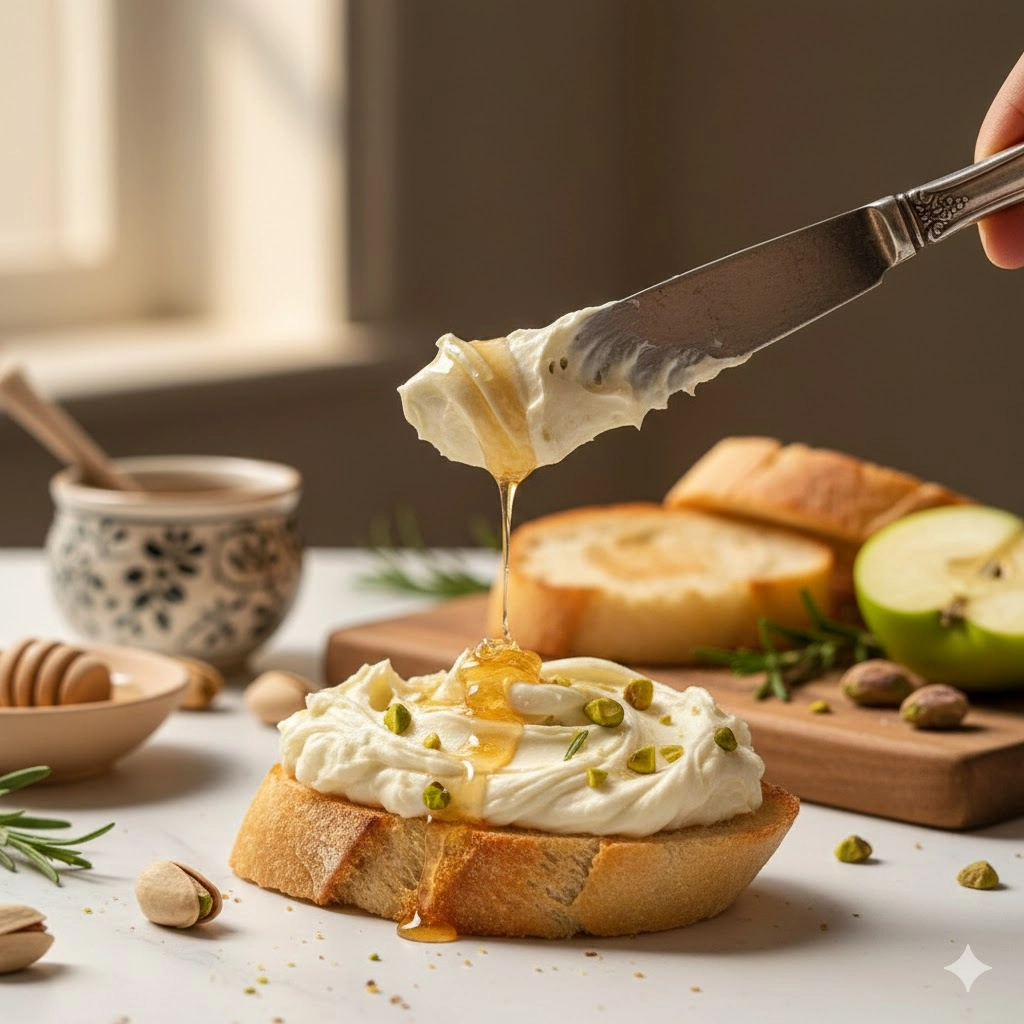
A dish this elegant deserves thoughtful presentation and appropriate pairings that enhance its texture and flavor profile.
The Serving Vessel:
Avoid serving this in a large, deep bowl where guests have to dig for it. A wide, shallow serving bowl or a decorative plate with a small rim works best. Use the back of a spoon to create a gentle swirl or divot in the center of the whipped cheese before applying the topping. This creates visual interest and holds the drizzle beautifully. Garnish the plate itself with a few extra springs of fresh rosemary to emphasize the herb’s presence.
Crusty Bread vs. Crackers:
While crackers are a classic vehicle, a crusty, sliced baguette, lightly toasted, is the superior pairing here. The porous, chewy texture of toasted bread contrasts wonderfully with the cloud-like cheese, offering a more satisfying bite. If opting for crackers, look for something neutral and sturdy, such as water crackers or a simple rye crisp, to avoid overwhelming the delicate flavors of the Brie and honey. Serving slices of crisp green apple or pear also adds a refreshing counterpoint.
Wine and Beverage Pairings:
Given the richness of the cheese and the sweetness of the honey, the ideal beverage should have high acidity and perhaps some effervescence to cleanse the palate. A crisp, unoaked white wine is a superb choice. Think of a dry, chilled Sauvignon Blanc or a light-bodied Grüner Veltliner. For sparkling options, a Prosecco or a Brut-style Champagne works perfectly. Non-alcoholic pairings include a tart lemonade or an unsweetened iced black tea with lemon. The acidity is key to balancing the buttery fat content.
The Elevated Brunch Option:
This whipped cheese can transition beautifully from an evening appetizer to a sophisticated brunch spread. Serve it alongside smoked salmon, fresh berries, and lightly toasted bagels. The creamy base acts as a luxurious substitute for cream cheese, and the honey topping pairs beautifully with the fruit.
Frequently Asked Questions on Preparation and Storage
Can I make this ahead of time?
Yes, you can prepare the base cheese mixture up to three days in advance. Complete the whipping process, transfer the mixture to the serving bowl, cover it tightly with plastic wrap, and refrigerate. Do not add the honey topping or nuts until just before serving, as the moisture from the honey will compromise the topping’s texture over time.
What is the best way to remove the Brie rind?
The easiest method is to chill the Brie for about thirty minutes before starting. This firms up the rind, making it easier to peel away or slice off in thin strips. Use a sharp, non-serrated utility knife. You can also carefully use a vegetable peeler, especially around the edges, though this requires a steady hand.
Why is my mixture grainy after whipping?
Graininess is almost always caused by the cheese not being soft enough when the whipping started, or by adding cold liquid too quickly. Ensure your Brie and cream cheese have truly reached room temperature. If it is already grainy, try adding one half teaspoon of warm (not hot) heavy cream while the processor is running and let it process for another minute; sometimes this helps the mixture re-emulsify.
Can I use a food processor with a small bowl attachment?
For the volume of cheese specified in this recipe, a standard seven-cup food processor bowl is ideal. A smaller three-cup or mini-chop attachment will not have the surface area necessary for the mixture to aerate properly, and the motor may overheat before the cheese achieves the desired texture.
How do I store leftovers?
Store any leftover whipped cheese base in an airtight container in the refrigerator for up to four days. If the topping has already been applied, scrape off as much of the honey and nuts as possible, as these can become soggy. The base may firm up considerably in the fridge; simply let it sit at room temperature for about fifteen minutes before serving again.
Estimated Nutritional Values
| Nutrient | Amount per Serving |
| Calories | 195 kcal |
| Protein | 8 g |
| Carbs | 10 g |
| Fat | 14 g |
| Fiber | 1 g |
| Sugar | 9 g |
| Sodium | 185 mg |
Disclaimer
Nutrition information is an estimate and may vary based on preparation and ingredients used.
PrintThe Ultimate Whipped Brie with Honeyed Herbs

A sophisticated, airy appetizer made from whipping Brie and cream cheese into a mousse-like texture, topped with warm honey, rosemary, and pistachios. Perfect for entertaining.
- Prep Time: 10 mins
- Cook Time: 5 mins
- Total Time: 15 mins
- Yield: 6 servings 1x
- Category: Appetizer
- Method: Food Processor
- Cuisine: French
Ingredients
One 13.2-ounce wheel of traditional Brie cheese, rind removed
Four ounces (113 grams or half of one cup) of cream cheese, full fat, softened
Two tablespoons heavy cream
Half of one teaspoon fine sea salt
One quarter teaspoon freshly cracked white pepper
Two tablespoons unsalted butter
One third cup raw honey
One half teaspoon fresh rosemary, finely minced
One quarter cup pistachios, roughly chopped
A pinch of flaky sea salt for finishing
Instructions
1. Remove the rind from the Brie wheel and cut the softened cheese and cream cheese into cubes.
2. Place both cheeses, the heavy cream, salt, and pepper into the bowl of a food processor.
3. Process the mixture until the ingredients are fully combined into a thick paste, scraping down the sides as necessary.
4. Continue to process for three to five minutes, or until the mixture becomes visibly light and airy, resembling a smooth, spreadable mousse.
5. Gently melt the butter in a small saucepan over medium-low heat, then stir in the honey and minced rosemary.
6. Transfer the final mixture to a small serving bowl, drizzle with the warm honey-butter, and scatter the pistachios and flaky salt over the top.
7. Allow the mixture to set for a few moments before serving with toasted bread or crackers.
Notes
Ensure the Brie and cream cheese are at room temperature for a smooth texture.
For best flavor, use fresh rosemary and raw honey.
Store leftovers in an airtight container in the refrigerator for up to four days.
Nutrition
- Serving Size: 1 serving
- Calories: 195
- Sugar: 9g
- Sodium: 185mg
- Fat: 14g
- Saturated Fat: 9g
- Unsaturated Fat: 5g
- Trans Fat: 0g
- Carbohydrates: 10g
- Fiber: 1g
- Protein: 8g
- Cholesterol: 40mg