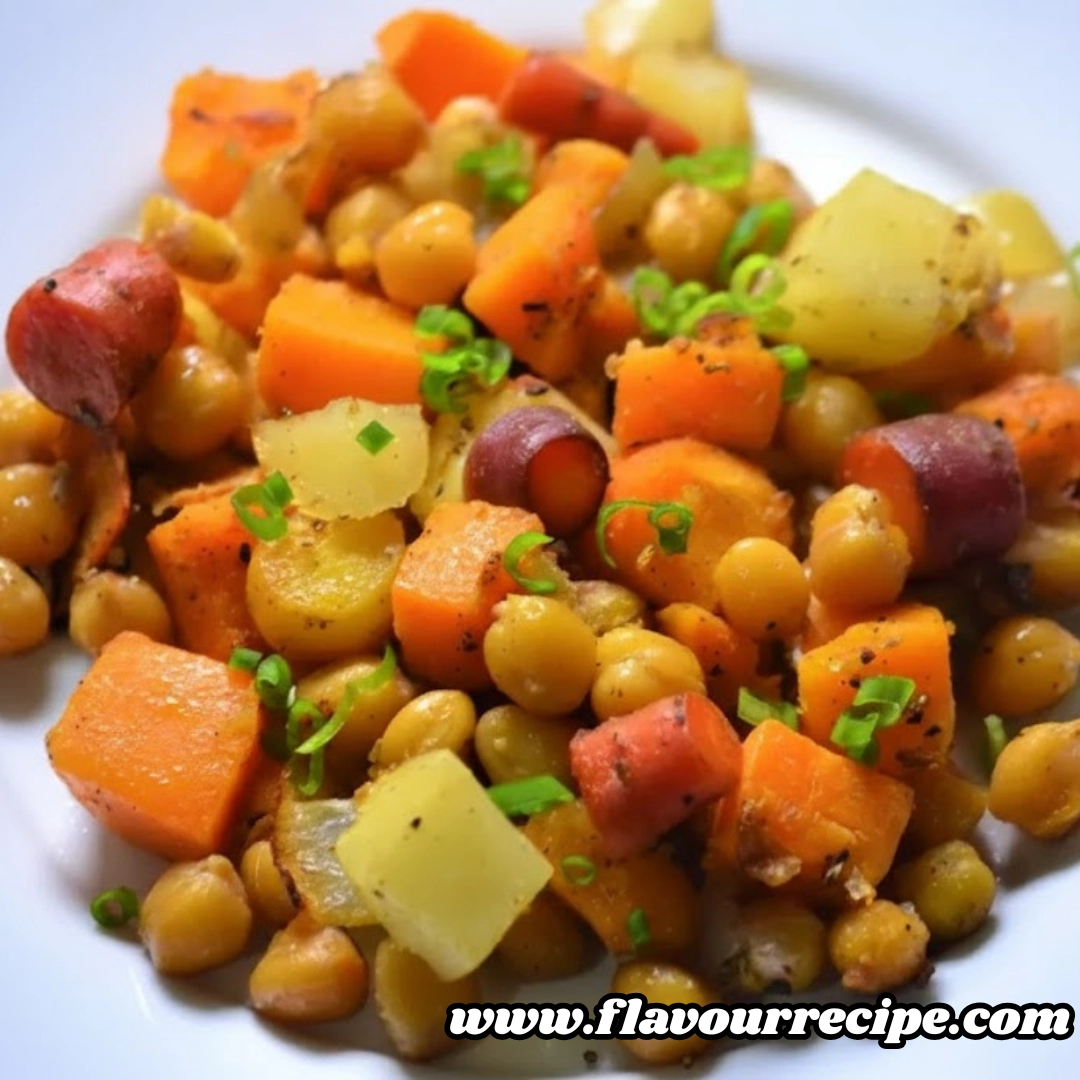
Sheet pan meals offer a practical solution for preparing a balanced, nutrient-dense meal without the clutter of multiple pots and pans. This specific Vegetarian Sheet Pan Dinner relies on the natural sweetness of roasted root vegetables paired with the satisfying, earthy texture of protein-rich chickpeas. By roasting everything together, the vegetables undergo caramelization, which enhances their sugar content and creates a depth of flavor that steaming or boiling simply cannot replicate. It is an ideal option for a Sunday meal prep session or a quiet evening at home when you want a hearty, plant-based meal that requires minimal active supervision once it enters the oven.
The combination of russet potatoes, sweet potatoes, and butternut squash provides a substantial base, while the inclusion of ground fennel and rubbed sage introduces a sophisticated, herbaceous profile. The chickpeas become slightly crisp on the exterior while remaining tender inside, offering a pleasant structural contrast to the soft, roasted vegetables. This dish scales easily for larger groups and serves as a reliable template for seasonal eating.
Table of Contents
Ingredients
The Vegetable Base
- 3 medium russet potatoes, peeled and cut into one-inch pieces
- 1 large sweet potato, peeled and cut into one-inch cubes
- 1/2 medium butternut squash, peeled, seeded, and cut into one-inch pieces
- 2 large carrots, peeled and sliced into one-inch rounds
- 1 large yellow onion, diced into large chunks
The Protein
- 2 cans (15 ounces each) chickpeas, thoroughly rinsed and drained
The Seasoning and Fat
- 3 tablespoons vegetable oil (or grapeseed oil)
- 1 teaspoon sea salt
- 1 teaspoon onion powder
- 1 teaspoon garlic powder
- 1 teaspoon ground fennel seeds
- 1 teaspoon dried rubbed sage
- 1/2 teaspoon ground black pepper
Optional Garnish
- 2 green onions, thinly sliced on the bias

Instructions
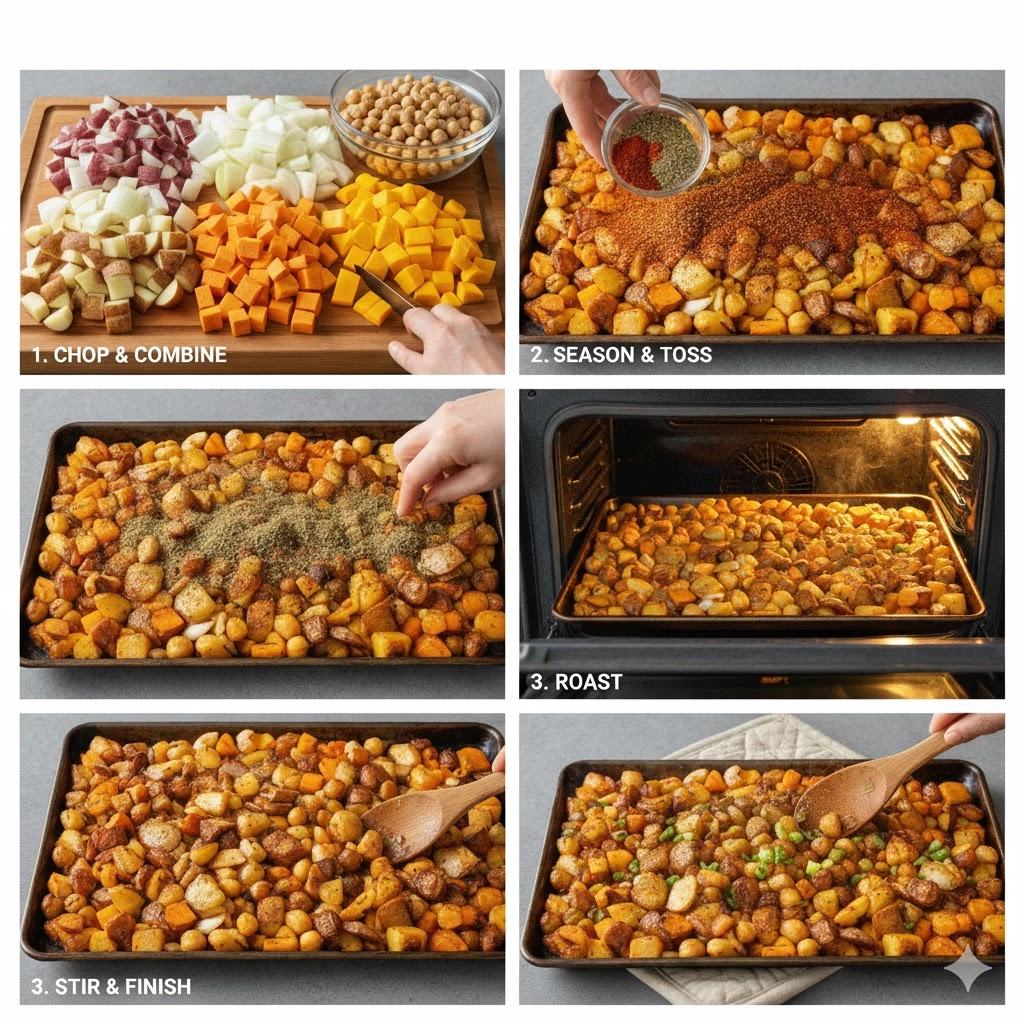
- Preheat your oven to three hundred fifty Fahrenheit. Lightly grease a heavy-duty, rimmed baking sheet with oil or a thin layer of parchment paper.
- Prepare all vegetables by ensuring they are uniform in size to guarantee even cooking across the different densities of the roots.
- Spread the russet potatoes, sweet potato cubes, butternut squash, carrots, diced onion, and the drained chickpeas across the prepared pan.
- Drizzle the vegetable oil over the mixture, using your hands or a large spoon to ensure every piece is lightly coated.
- In a small ramekin, whisk together the salt, onion powder, garlic powder, fennel, sage, and black pepper.
- Evenly distribute the spice blend over the vegetables and toss once more until the seasoning is visible on all surfaces.
- Transfer the pan to the center rack of the oven and roast for twenty-five minutes.
- Remove the pan briefly to stir and rotate the vegetables, then return to the oven for an additional twenty to twenty-five minutes.
- Test for doneness by piercing the thickest carrot or potato piece with a fork; it should be tender and the chickpeas should look matte and slightly golden.
- Adjust seasoning with a final pinch of salt if desired and scatter green onions over the top before serving.
Essential Preparation Details
Achieving the ideal texture for this Vegetarian Sheet Pan Dinner requires attention to the moisture levels of your ingredients. When working with canned chickpeas, it is vital to dry them as much as possible after rinsing. If they are dripping wet when they hit the oil, they will steam rather than roast, resulting in a soft texture rather than the desired light crunch. Use a clean kitchen towel to pat them dry before adding them to the tray.
Uniformity is your best friend when roasting root vegetables. Because russet potatoes and carrots are denser than butternut squash, keeping the squash pieces slightly larger and the carrot rounds slightly thinner allows them to finish at the same time. The onion should be kept in larger chunks so it doesn’t burn before the potatoes are tender. You are looking for “fork-tender” results, where a utensil slides into the vegetable with zero resistance.
The choice of fennel and sage is intentional; these spices bridge the gap between the sweetness of the squash and the starchiness of the potatoes. As the vegetables roast, the oil carries these flavors into the crevices of the chickpeas. If the pan looks crowded, split the ingredients between two sheets. Crowding leads to moisture buildup, which prevents the browning (Maillard reaction) that gives roasted vegetables their signature savory flavor.
Pro Tips for Success
- Dry the Chickpeas: Beyond just draining, rolling the chickpeas between two paper towels removes the thin outer skins which often helps them crisp up more effectively in the oven.
- The Pan Choice: Use a dark-colored metal sheet pan if you prefer more browning. Dark metal absorbs heat faster than light, shiny aluminum, leading to crispier edges on your potatoes.
- Oil Distribution: Don’t just pour the oil in one spot. Drizzle it in a zig-zag motion and then toss thoroughly. Every dry spot on a vegetable is a spot that will likely dehydrate and toughen rather than roast.
- Fennel Preparation: If you only have whole fennel seeds, give them a quick pulse in a spice grinder or a brief bash with a mortar and pestle to release the oils before adding them to the spice mix.
- Heat Management: If your oven has a “convection” setting, you can use it, but reduce the temperature by twenty-five Fahrenheit to avoid burning the herbs.
- Staggering: If you find your carrots are consistently staying too hard, try cutting them into half-moons rather than full rounds to increase the surface area exposed to the heat.
Variations and Substitutions
- The Spice Profile: Swap the fennel and sage for a tablespoon of smoked paprika and a teaspoon of cumin for a Mediterranean or smoky profile.
- The Fat Source: While vegetable oil is neutral, melted coconut oil adds a subtle sweetness that complements the sweet potatoes and squash beautifully.
- Added Greens: Five minutes before the timer goes off, toss a few handfuls of chopped kale or hardy spinach onto the tray. The heat will wilt them perfectly without turning them to mush.
- Legume Swap: If you are out of chickpeas, canned cannellini beans work well, though they are much softer and will not get as crispy.
- Root Variations: Parsnips or turnips can be substituted for the russet potatoes if you want a sharper, more peppery flavor profile in your vegetable mix.

Serving Suggestions
This dish is remarkably versatile. It functions beautifully as a standalone meal, perhaps topped with a dollop of Greek yogurt or a drizzle of tahini lemon dressing to add creaminess. The acidity of a lemon wedge squeezed over the hot vegetables just before eating can brighten the earthy tones of the sage and fennel.
Alternatively, you can serve these roasted vegetables over a bed of fluffy quinoa or farro to increase the fiber and protein content. For those who enjoy a bit of heat, a side of sriracha or a sprinkle of red pepper flakes adds a nice contrast to the natural sugars found in the roasted carrots and sweet potatoes.
FAQs
Can I use frozen vegetables for this recipe?
While you can use frozen vegetables, they contain significantly more moisture than fresh ones. To prevent a soggy result, do not thaw them first; instead, toss them in oil while frozen and increase the oven temperature by twenty-five Fahrenheit to help evaporate the extra water quickly.
How do I store and reheat leftovers?
Store any remaining vegetables in an airtight container in the refrigerator for up to four days. To maintain the texture, reheat them in a toaster oven or a standard oven at three hundred fifty Fahrenheit for about ten minutes rather than using a microwave, which can make the vegetables rubbery.
Is it necessary to peel the potatoes and squash?
Peeling the butternut squash is highly recommended as the skin is quite tough and fibrous. However, the russet and sweet potato skins are perfectly edible; if you prefer a more rustic texture and extra fiber, simply scrub them well and leave the skins on.
Why aren’t my chickpeas getting crunchy?
Crunchiness depends on the removal of moisture. If the pan is overcrowded, the steam from the vegetables will keep the chickpeas soft. Ensure there is visible space between the items on the sheet pan, or use two pans if necessary.
Nutrition Information
| Nutrient | Amount per Serving |
| Calories | 273 kcal |
| Protein | 7 g |
| Carbs | 50 g |
| Fat | 6 g |
| Fiber | 9 g |
| Sugar | 6 g |
| Sodium | 542 mg |
Disclaimer
Nutrition information is an estimate and may vary based on preparation and ingredients used.
PrintRoasted Root Vegetable and Chickpea Vegetarian Sheet Pan Dinner
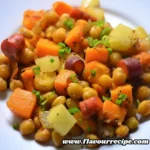
A hearty and nutritious vegetarian sheet pan dinner featuring roasted russet potatoes, sweet potatoes, butternut squash, and protein-rich chickpeas seasoned with sage and fennel.
- Prep Time: 25 mins
- Cook Time: 45 mins
- Total Time: 70 mins
- Yield: 8 servings 1x
- Category: Main Course
- Method: Roasting
- Cuisine: American
- Diet: Vegetarian
Ingredients
3 medium russet potatoes, cut into 1-inch pieces
2 (15 ounce) cans chickpeas, rinsed and drained
1/2 butternut squash, peeled and cut into 1-inch pieces
1 sweet potato, cut into 1-inch cubes
1 yellow onion, diced
2 large carrots, cut into 1-inch pieces
3 tbsp vegetable oil
1 tsp salt
1 tsp onion powder
1 tsp garlic powder
1 tsp ground fennel seeds
1 tsp dried rubbed sage
1/2 tsp ground black pepper
2 green onions, chopped
Instructions
1. Preheat oven to 350 Fahrenheit and grease a large sheet pan.
2. Place all vegetables and chickpeas on the pan and drizzle with oil.
3. In a small bowl, combine the spices and sprinkle over the vegetables.
4. Toss everything thoroughly to coat in oil and seasoning.
5. Bake for 25 minutes.
6. Stir the vegetables and bake for another 20 to 25 minutes until tender.
7. Garnish with green onions and serve hot.
Notes
Dry the chickpeas thoroughly with a towel before roasting to ensure they get crispy.
Cut denser vegetables like carrots slightly smaller for even cooking.
Store leftovers in an airtight container for up to 4 days.
Nutrition
- Serving Size: 1 plate
- Calories: 273
- Sugar: 6g
- Sodium: 542mg
- Fat: 6g
- Saturated Fat: 1g
- Unsaturated Fat: 4g
- Trans Fat: 0g
- Carbohydrates: 50g
- Fiber: 9g
- Protein: 7g
- Cholesterol: 0mg