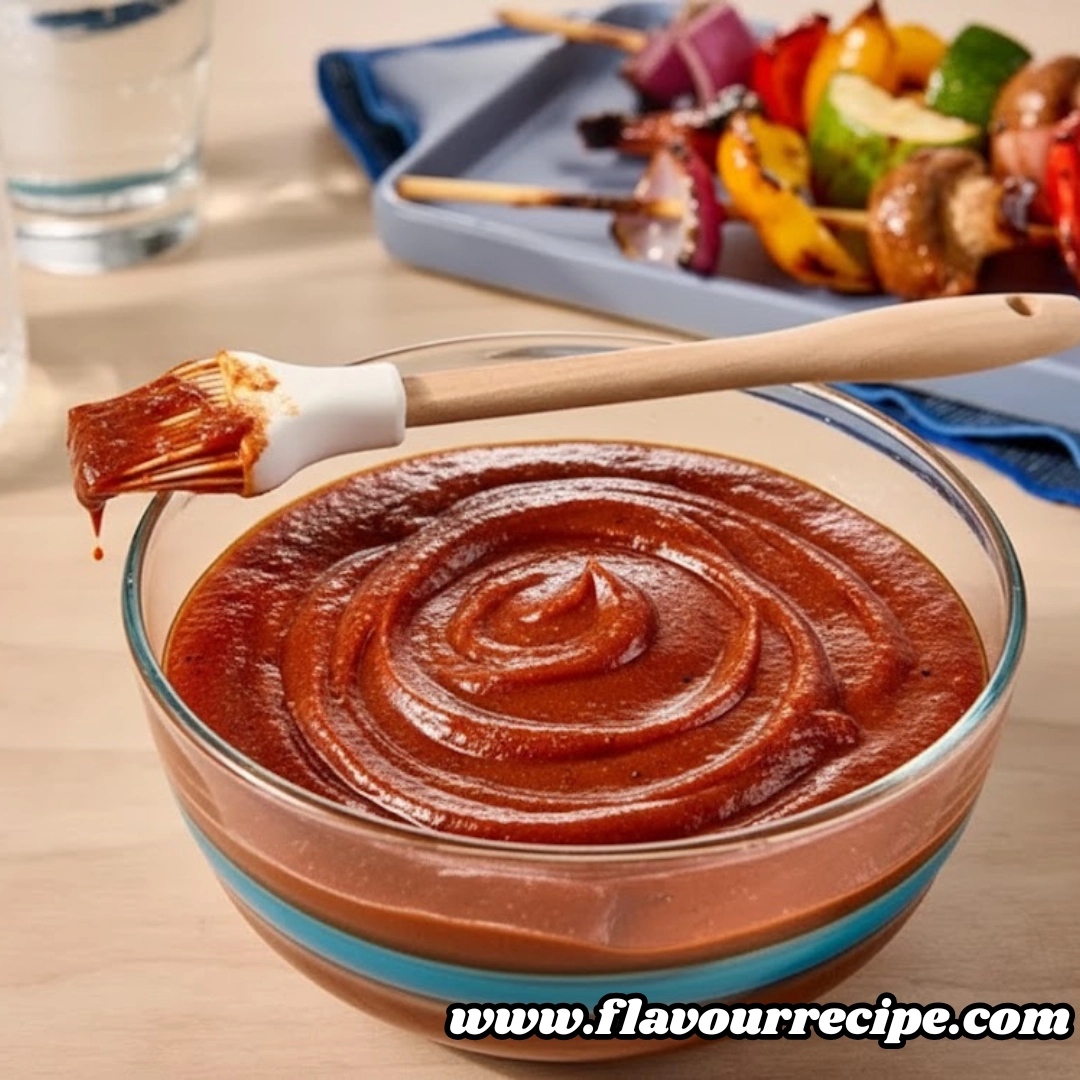
Crafting a condiment from scratch offers a level of control over flavor profiles that store-bought bottles simply cannot match. This specific blend focuses on a deep, savory foundation that avoids the cloying sweetness often found in commercial products. By utilizing plant-based staples like tomato paste and maple syrup, you can achieve a thick, glossy consistency that clings perfectly to grilled vegetables, jackfruit, or tofu. This Vegan Barbeque Sauce provides a robust balance of tang and heat, making it an essential addition to any outdoor gathering or quiet dinner at home where a punch of acidity and smoke is required.
Table of Contents
Components of the Sauce
Tomato Base
- 5.5 ounces tomato paste (one standard small can)
Liquid Sweeteners and Acids
- Two thirds cup apple cider vinegar (raw or filtered)
- One quarter cup pure maple syrup
- 2 tablespoons unsulphured molasses
Dry Spices and Seasonings
- 2 tablespoons mustard powder
- 2 tablespoons garlic powder
- 2 tablespoons smoked paprika (pimentón)
- 2 tablespoons sea salt
- 2 tablespoons freshly ground black pepper
- 2 teaspoons turbinado sugar or raw cane sugar

Preparation Sequence
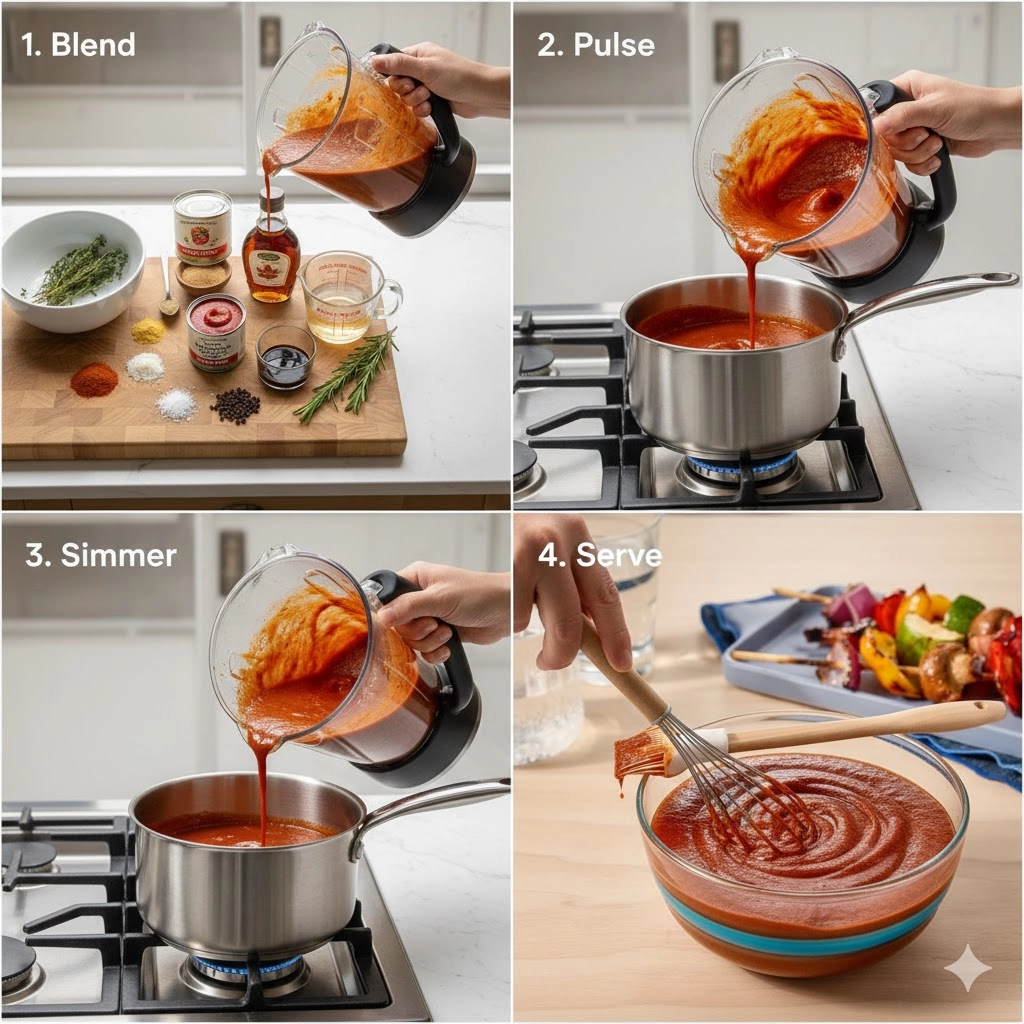
- Measure all liquid and dry ingredients into a high-speed blender or food processor.
- Process on a medium setting until the texture is completely smooth and the spices are fully incorporated into the tomato paste.
- Transfer the blended mixture into a medium-sized stainless steel saucepan.
- Place the pan over medium heat, whisking steadily to prevent the sugars from scorching on the bottom.
- Allow the sauce to reach a gentle simmer for approximately five minutes until the flavors deepen.
- Remove from the heat source and allow the liquid to settle before tasting for seasoning.
- Use immediately as a glaze or transfer to a sterilized glass jar for refrigeration.
Mastering the Texture and Flavor Profile
The success of this Vegan Barbeque Sauce relies on the emulsification of the tomato paste and the vinegar. When you first start blending, the mixture may appear overly thick or slightly grainy due to the high volume of dry spices like mustard and garlic powder. Continued blending is essential to hydrate these dry particles, ensuring the final mouthfeel is velvety rather than sandy.
During the heating phase, keep a close eye on the bubbles. Because of the maple syrup and molasses content, the sauce can transition from a simmer to a burn quite quickly. You are looking for a subtle darkening of the color; the bright red of the tomato paste should shift toward a deep, brick-red mahogany. This color change indicates that the sugars are beginning to caramelize and the raw edge of the apple cider vinegar is softening.
If the sauce appears too thick for your specific application—for instance, if you want to use it as a thin mop sauce rather than a thick glaze—you can whisk in a tablespoon of water or vegetable broth at a time while it is over the heat. Conversely, for a sticky ribs-style coating on cauliflower wings, allow it to simmer for an extra two to three minutes to reduce the water content further.
Expert Culinary Notes
- Sourcing the Paprika: Use high-quality Spanish smoked paprika rather than domestic sweet paprika. The “pimentón de la Vera” variety adds a natural wood-smoke essence that replaces the need for liquid smoke.
- Vinegar Quality: If the apple cider vinegar feels too sharp for your palate, you can substitute two tablespoons of it with pineapple juice to add a fruity acidity.
- Black Pepper Freshness: Always use freshly cracked peppercorns. Pre-ground pepper often loses its volatile oils, resulting in a dusty flavor rather than the sharp, biting heat needed here.
- The Salt Balance: Two tablespoons of sea salt may seem high, but this sauce is a concentrate designed to season unseasoned proteins. If you are watching sodium intake, start with half the amount and adjust at the very end.
- The Cooling Process: Flavors in vinegar-based sauces tend to mellow and marry after twenty-four hours. If time permits, make this a day in advance.
- Avoiding Separation: If you notice any separation after refrigeration, simply give the jar a vigorous shake or a quick stir with a spoon to bring the emulsion back together.
Creative Variations
- Spicy Chipotle: Replace one tablespoon of smoked paprika with one tablespoon of chipotle powder or a finely minced chipotle pepper in adobo sauce for a lingering heat.
- Bourbon Infused: Stir in two tablespoons of high-quality bourbon during the last two minutes of simmering. Allow the alcohol to cook off, leaving behind notes of oak and vanilla.
- Coffee Rub Style: Add one teaspoon of finely ground espresso beans to the blender for an earthy, dark complexity that pairs well with grilled portobello mushrooms.
Serving and Pairing Suggestions
This sauce is versatile enough to be used both during the cooking process and as a finishing touch. Brush it onto skewers of bell peppers, red onions, and zucchini during the final three minutes of grilling to create a tacky, caramelized exterior. It also serves as an excellent base for a vegan “pulled” sandwich; simply toss shredded king oyster mushrooms or canned young jackfruit in the sauce and warm through. For a casual dip, serve it alongside air-fried potato wedges or thick-cut onion rings.
Common Questions
How long does this sauce stay fresh in the refrigerator?
Because of the high acidity from the apple cider vinegar and the natural preservatives in the sugar and salt, this sauce will keep well in an airtight glass container for up to three weeks. Always check for any changes in aroma before use.
Can I substitute the maple syrup with another sweetener?
Agave nectar or brown sugar can be used as alternatives. However, maple syrup provides a specific woody undertone that complements the smoked paprika perfectly, which agave lacks.
Is it necessary to cook the sauce after blending?
While you can technically eat it raw, the five-minute simmer is crucial for “blooming” the dry spices. The heat activates the oils in the mustard and garlic powder, resulting in a much more cohesive and professional-tasting sauce.
Why is my sauce too spicy?
The heat in this recipe comes primarily from the two tablespoons of black pepper and the mustard powder. If you prefer a very mild sauce, reduce the black pepper to one teaspoon and taste as you go.
Nutrition Information
| Nutrient | Amount per Serving |
| Calories | 62 kcal |
| Protein | 2 g |
| Carbs | 13 g |
| Fat | 1 g |
| Fiber | 1 g |
| Sugar | 9 g |
| Sodium | 985 mg |
Nutrition information is an estimate and may vary based on preparation and ingredients used.
PrintHomemade Smokey Vegan Barbeque Sauce
A thick, tangy, and smokey Homemade Vegan Barbeque Sauce made with tomato paste and maple syrup. Ready in just 15 minutes!
- Prep Time: 10 mins
- Cook Time: 5 mins
- Total Time: 15 mins
- Yield: 12 servings 1x
- Category: Condiment
- Method: Stovetop/Blender
- Cuisine: American
- Diet: Vegan
Ingredients
5.5 ounces tomato paste
2/3 cup apple cider vinegar
1/4 cup maple syrup
2 tablespoons molasses
2 tablespoons mustard powder
2 tablespoons garlic powder
2 tablespoons smoked paprika
2 tablespoons sea salt
2 tablespoons freshly ground black pepper
2 teaspoons turbinado sugar
Instructions
1. Place all ingredients into a high-speed blender.
2. Process on medium until the texture is completely smooth.
3. Transfer the mixture to a medium saucepan over medium heat.
4. Whisk steadily and simmer for 5 minutes to bloom the spices.
5. Remove from heat and allow to cool before storing.
Notes
Use Spanish smoked paprika (pimenton) for the best smoky flavor.
If the sauce is too thick, whisk in a tablespoon of water at a time.
Store in a glass jar in the fridge for up to 3 weeks.
Nutrition
- Serving Size: 2 tablespoons
- Calories: 62
- Sugar: 9g
- Sodium: 985mg
- Fat: 1g
- Saturated Fat: 0g
- Unsaturated Fat: 0g
- Trans Fat: 0g
- Carbohydrates: 13g
- Fiber: 1g
- Protein: 2g
- Cholesterol: 0mg