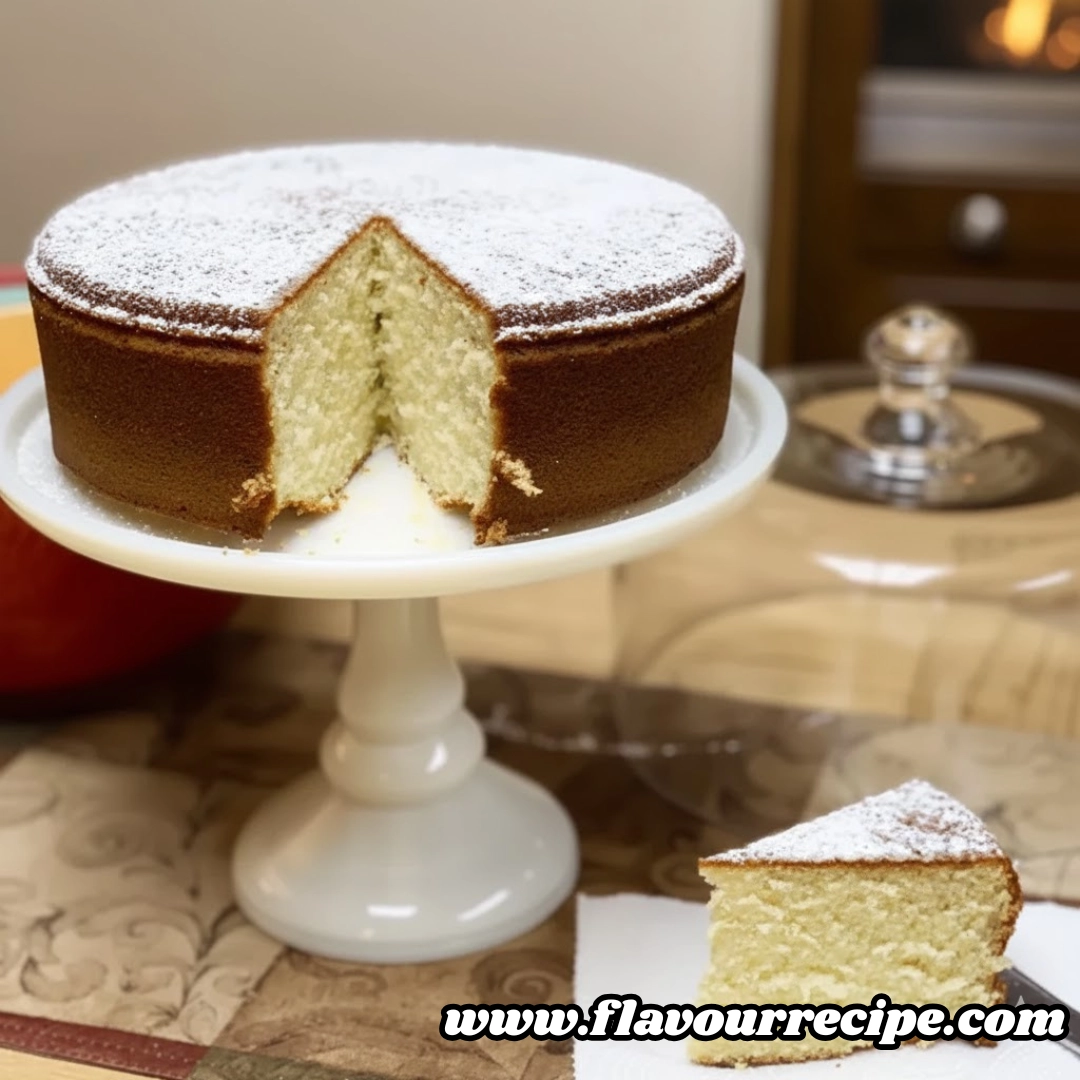
The arrival of a fresh calendar year in a Greek household is almost always marked by the fragrant, citrus-scented aroma of a traditional Vasilopita – Greek New Years Cake. This classic confection is far more than a simple dessert; it is a centerpiece of heritage and anticipation. Known for its soft, tight crumb and a sweetness that is present but never cloying, this cake is traditionally sliced after the clock strikes midnight or during the first breakfast of January. The ritual involves hiding a foil-wrapped coin within the sponge, promising the recipient a year of prosperity and good fortune.
Table of Contents
Component List for the Cake
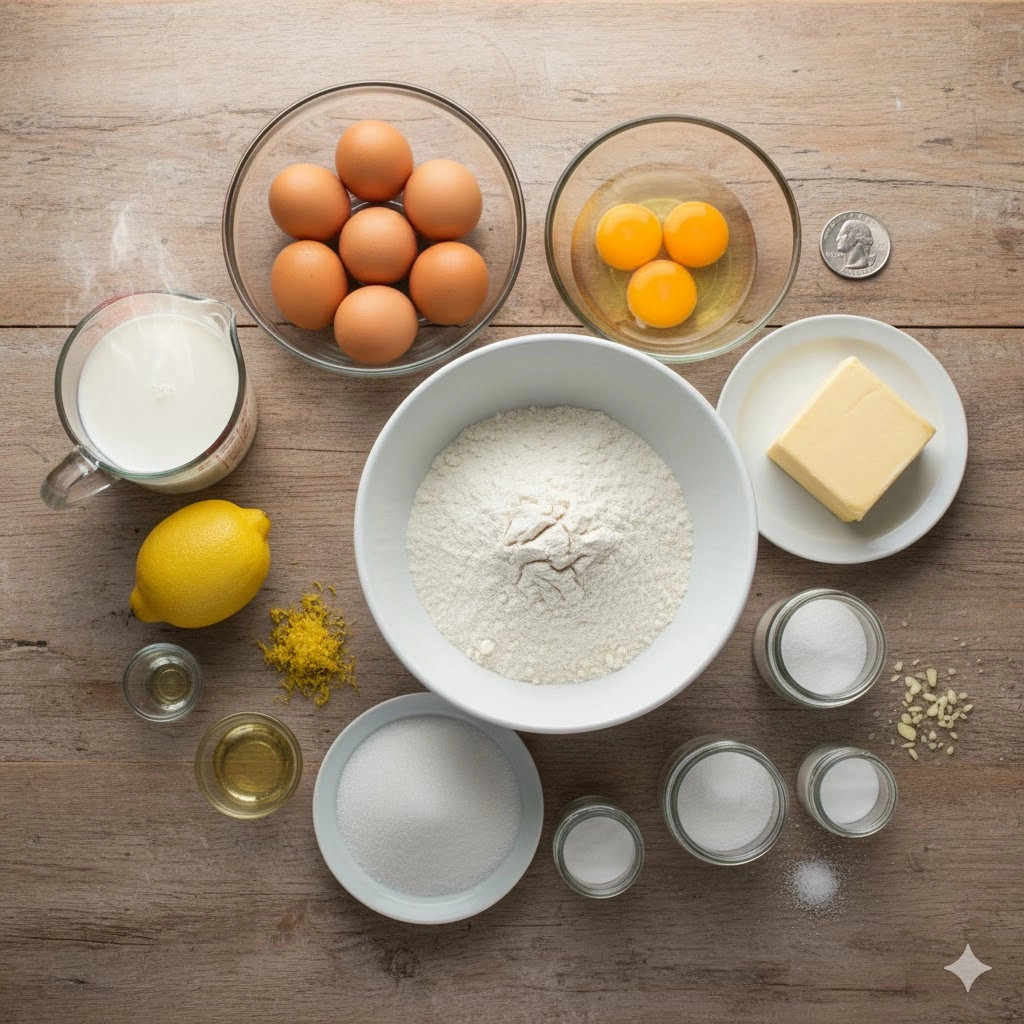
The Primary Batter
- One cup unsalted butter, softened to room temperature
- Two cups granulated white sugar
- Six large eggs, brought to room temperature
- Three cups all-purpose flour, sifted
- Two teaspoons baking powder
- One cup whole milk, warmed to approximately one hundred ten Fahrenheit
The Leavening Boost and Flavor
- One tablespoon fresh lemon juice
- One half teaspoon baking soda
The Topping and Tradition
- One quarter cup blanched slivered almonds
- Two tablespoons granulated white sugar for dusting
- One clean, foil-wrapped coin (traditionally a silver coin or quarter)
Fundamental Preparation Steps
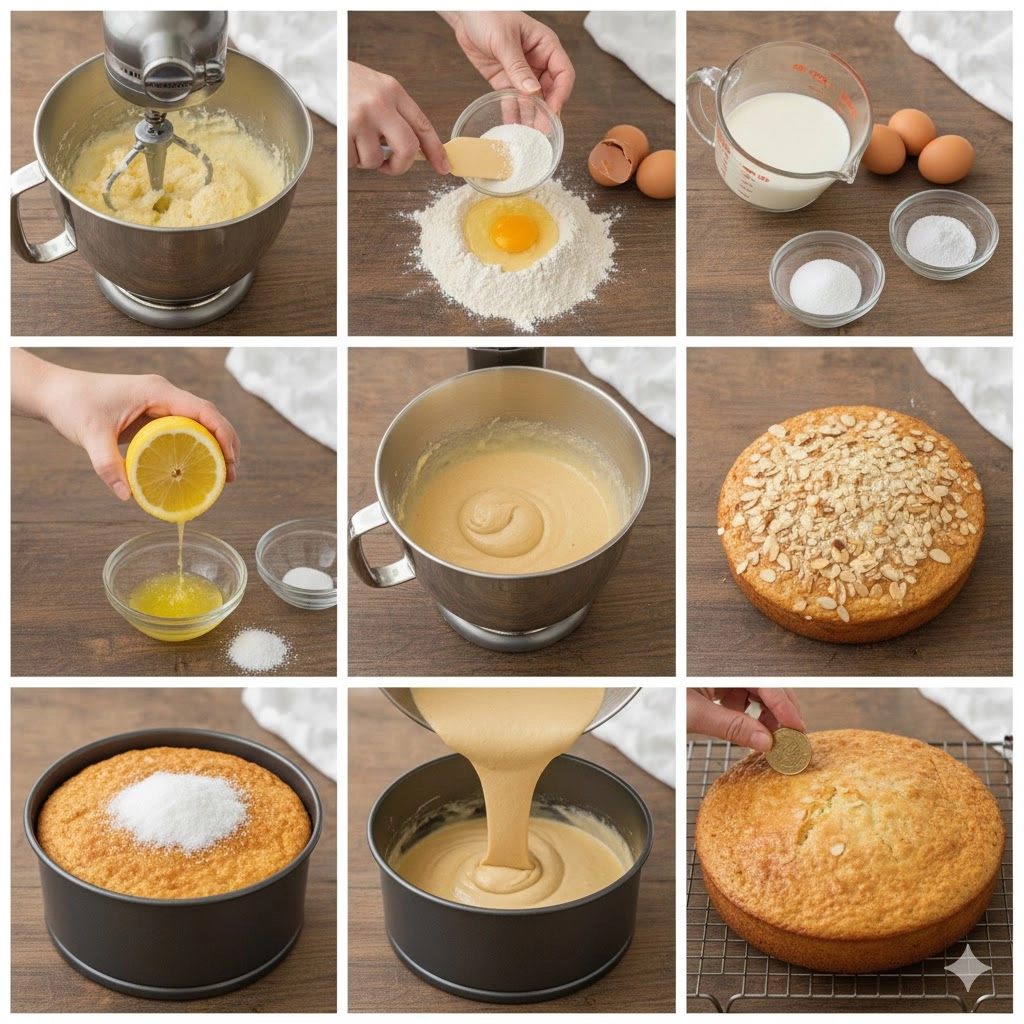
- Set the oven to three hundred fifty Fahrenheit and prepare a ten-inch round springform or traditional cake pan with butter and a dusting of flour.
- Cream the butter and sugar until the texture is light and the color pales significantly.
- Incorporate the flour gradually until the mixture achieves a mealy, sandy consistency.
- Beat in the eggs one by one, ensuring each is fully integrated before adding the next.
- Stir the baking powder into the warm milk and combine this with the primary batter.
- Activate the baking soda by mixing it with lemon juice, then quickly fold it into the cake mixture.
- Transfer the batter to the pan and bake for twenty minutes before adding the almond topping.
- Continue baking for another twenty to thirty minutes until a tester comes out clean.
- Insert the lucky coin through the bottom or a small slit in the top while cooling.
Deep Dive into the Culinary Process
Success with this Vasilopita – Greek New Years Cake relies heavily on the aeration of the fats and the specific activation of the leavening agents. When you begin creaming the butter and sugar, do not rush. You are looking for a transformation from a dense yellow paste to a fluffy, almost white foam. This creates the structural pockets that will hold the air as the cake rises.
When adding the flour to the butter mixture, you will notice a “mealy” texture. This is intentional. By coating the flour particles in fat early on, you inhibit excessive gluten development, resulting in a tender, melt-in-your-mouth crumb rather than a bread-like texture.
The most critical chemistry happens at the end. Mixing the lemon juice with baking soda creates an immediate chemical reaction (fizzing). This must be folded into the batter and placed in the oven promptly. The initial twenty-minute bake sets the structure just enough so that when you open the door to sprinkle the almonds and extra sugar, the cake doesn’t collapse. The sugar on top will caramelize slightly against the almonds, providing a crunch that contrasts the soft interior.
For the coin insertion, if you choose to do it after baking, wait until the cake has cooled for about ten minutes. Use a thin knife to make a small incision in the base of the cake and slide the foil-wrapped coin in. This ensures the “luck” is hidden and no one can cheat by looking at the top surface.
Expert Techniques for a Better Bake
- Temperature Calibration: Ensure your eggs and milk are truly at room temperature. Cold eggs can cause the creamed butter to seize, leading to a broken emulsion and a heavy cake.
- The Sift Factor: Sifting the flour is not optional for this recipe. Because the flour is mixed into the butter before the liquids, any lumps present at the start will remain in the finished product.
- Milk Warmth: The milk should feel like a warm bath, around one hundred ten Fahrenheit. If it is too hot, it will cook the eggs; if too cold, it won’t properly dissolve the baking powder.
- Aromatic Additions: While lemon is traditional, adding the zest of the entire lemon along with the juice provides a deeper, more floral citrus profile.
- Visual Cues: The cake is finished when the edges begin to pull away slightly from the sides of the pan and the center feels springy, like a firm sponge, when pressed lightly.
Creative Recipe Adaptations
- Orange Infusion: Replace the lemon juice with orange juice and add two tablespoons of orange zest for a sweeter, warmer citrus profile common in some Greek regions.
- Mastic or Mahlab: For a truly authentic “Politiki” style flavor, add half a teaspoon of ground mahlab or a few crystals of mastic crushed with a bit of sugar.
- Nut-Free Version: If almonds are a concern, swap them for sesame seeds or simply use a decorative stencil with powdered sugar to create the “Year” on top of the cake after it cools.
- Spiced Variation: Incorporate one teaspoon of ground cinnamon and a pinch of ground cloves into the flour for a deeper, more wintry flavor palette.
Serving Traditions
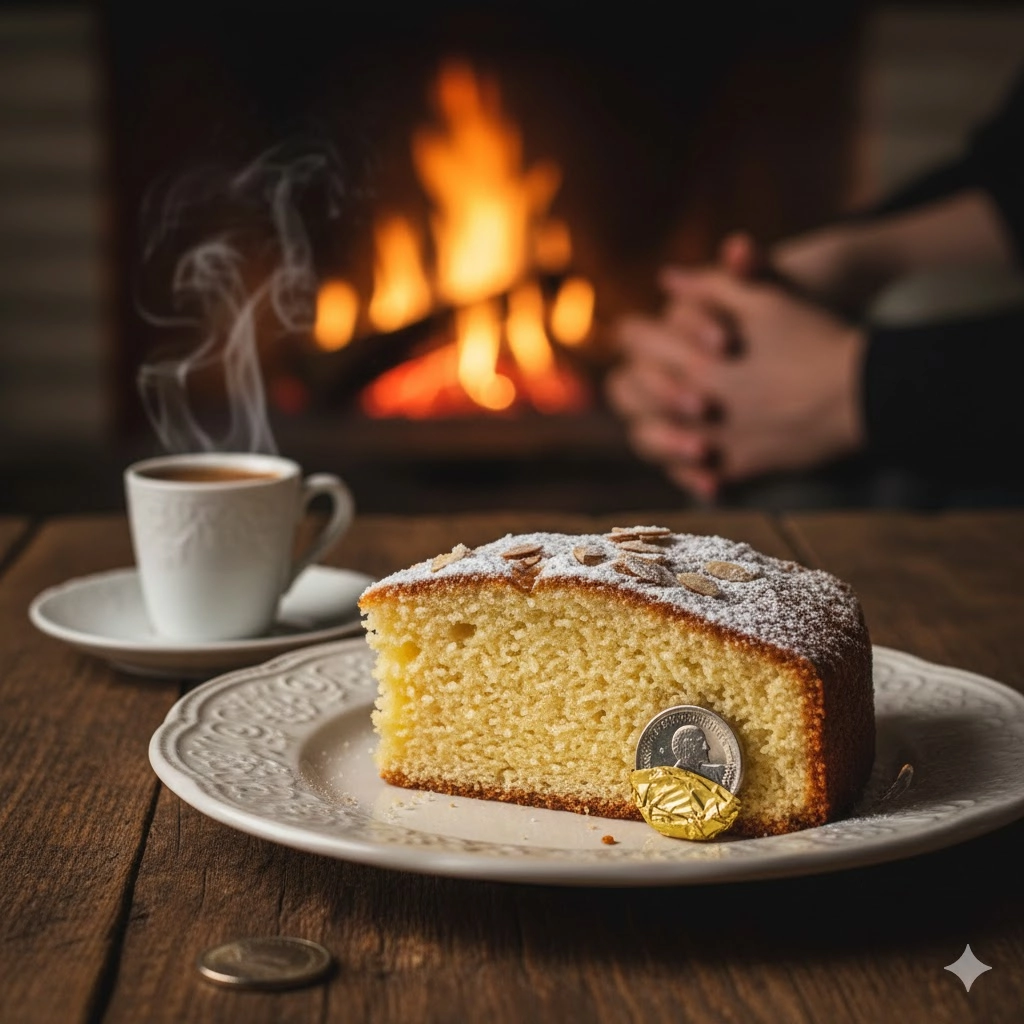
This cake is historically served with a specific ceremony. The head of the household typically crosses the cake with a knife three times before cutting. The first slice is dedicated to Christ, the second to the Virgin Mary, the third to Saint Basil (Vasilis), the fourth to the poor, and then slices are given to family members from oldest to youngest.
Pair a slice of this cake with a strong cup of Greek coffee or a glass of Commandaria dessert wine. Because it is not overly sweet, it also makes an excellent accompaniment to a savory brunch spread featuring feta and olives.
Common Questions About Vasilopita
Can I bake the coin directly in the batter?
Yes, you can drop the coin into the batter before it goes into the oven. However, it often sinks to the very bottom or moves during the rise, making it harder to ensure an even distribution. Inserting it after a partial bake or after cooling is often more reliable.
How long does this cake stay fresh?
Because of the high butter and egg content, this cake stays moist for about three to four days when wrapped tightly in plastic wrap or kept in an airtight container at room temperature.
Why did my cake crack on top?
A small crack is normal for this style of dense sponge. However, a large canyon usually indicates the oven was too hot initially or the baking soda reacted too vigorously. Ensure your oven is truly at three hundred fifty Fahrenheit.
Can I use a different type of flour?
While cake flour can be used for an even softer texture, all-purpose flour is traditional and provides the sturdy structure needed to hold the almond topping and the hidden coin.
Nutrition Information
| Nutrient | Amount per Serving |
| Calories | 447 kcal |
| Protein | 8 g |
| Carbs | 61 g |
| Fat | 20 g |
| Fiber | 1 g |
| Sugar | 37 g |
| Sodium | 287 mg |
Nutrition information is an estimate and may vary based on preparation and ingredients used.
PrintVasilopita – Greek New Years Cake
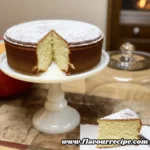
A traditional citrus-scented Greek cake celebrated every New Year. This soft, aromatic sponge features a tight crumb and a symbolic hidden coin, traditionally served to bring luck for the coming year.
- Prep Time: 30 mins
- Cook Time: 50 mins
- Total Time: 80 mins
- Yield: 12 servings 1x
- Category: Dessert
- Method: Baking
- Cuisine: Greek
- Diet: Vegetarian
Ingredients
1 cup unsalted butter, softened
2 cups granulated white sugar
3 cups all-purpose flour, sifted
6 large eggs, room temperature
2 teaspoons baking powder
1 cup whole milk, warmed to 110 Fahrenheit
0.5 teaspoon baking soda
1 tablespoon fresh lemon juice
0.25 cup blanched slivered almonds
2 tablespoons granulated sugar for dusting
Instructions
1. Preheat oven to three hundred fifty Fahrenheit and grease a ten-inch round pan.
2. Cream butter and sugar until light, fluffy, and pale.
3. Incorporate flour gradually until the mixture is mealy.
4. Beat in eggs one at a time until fully integrated.
5. Combine baking powder with warm milk and stir into the batter.
6. Mix lemon juice and baking soda, then fold the fizzing mixture into the batter.
7. Pour into pan and bake for 20 minutes.
8. Sprinkle almonds and sugar on top, then bake for another 20 to 30 minutes.
9. Insert a foil-wrapped coin into the base and cool before serving.
Notes
Wrap the coin tightly in foil for safety.
Ensure milk is warm but not hot to avoid cooking the eggs.
Use the zest of the lemon for extra fragrance.
Nutrition
- Serving Size: 1 slice
- Calories: 447
- Sugar: 37g
- Sodium: 287mg
- Fat: 20g
- Saturated Fat: 11g
- Unsaturated Fat: 7g
- Trans Fat: 0g
- Carbohydrates: 61g
- Fiber: 1g
- Protein: 8g
- Cholesterol: 135mg