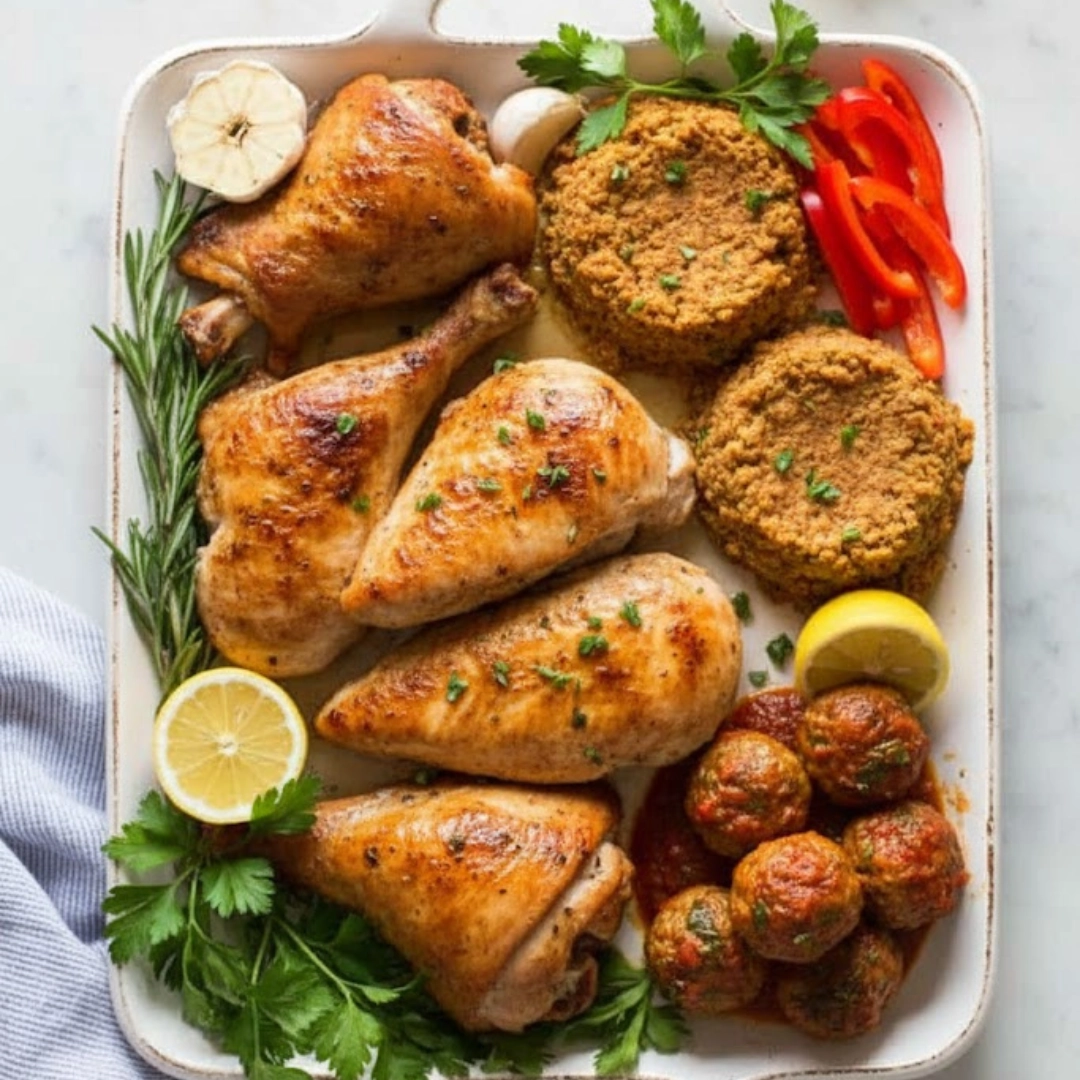
Ground turkey is one of the most versatile lean proteins, and this recipe transforms it into a flavorful, perfectly seasoned filling ideal for wraps, bowls, salads, or quick weeknight meals. The combination of herbs, spices, and simple pantry ingredients creates a savory, well-balanced mixture that cooks in minutes and works with a wide range of toppings and sauces. Designed for busy cooks, this guide provides a reliable method for achieving tender, juicy turkey with rich flavor—without dryness or complexity. Whether you’re searching for healthy dinner ideas or a meal-prep friendly option, this ground turkey recipe delivers a fast, adaptable, and crowd-pleasing result every time.
Table of Contents
The Smart Reasons to Cook With Turkey in Your Dinner Recipes
As someone who has cooked this dish for years and focused on lean protein sources, I find turkey to be an essential ingredient. It’s not just a substitute; it’s a nutritional powerhouse.
Nutritional Benefits of Lean Turkey Meat
Turkey is a fantastic choice for those aiming for a balanced diet. It is famously lean, especially the breast cut, and provides high-quality protein necessary for muscle maintenance and satiety.
- High Protein: Turkey is an excellent source of protein, which helps you feel full longer and supports overall body function.
- Low Fat: It is generally lower in saturated fat than many other red meats.
- B Vitamins: Turkey is rich in B vitamins like B6 and B12, crucial for energy production.
This content is for educational purposes only and does not replace professional dietary or medical advice.
How to Shop for the Best Cuts: Mince, Breast, and Thighs
The “best” cut depends entirely on the turkey recipe ideas you plan to execute and your desired cook time.
- Ground Turkey (Mince): This is the most versatile and quick-cooking option, perfect for rapid weeknight meals. It readily absorbs flavors, making it ideal for highly seasoned dishes.
- Turkey Breast Cutlets: Thinly sliced and lean, these cook in minutes under a broiler or in a skillet, making them perfect for light, fast dinners.
- Turkey Thighs: This darker meat contains more connective tissue and fat, making it incredibly tender and flavorful when slow-cooked or braised.
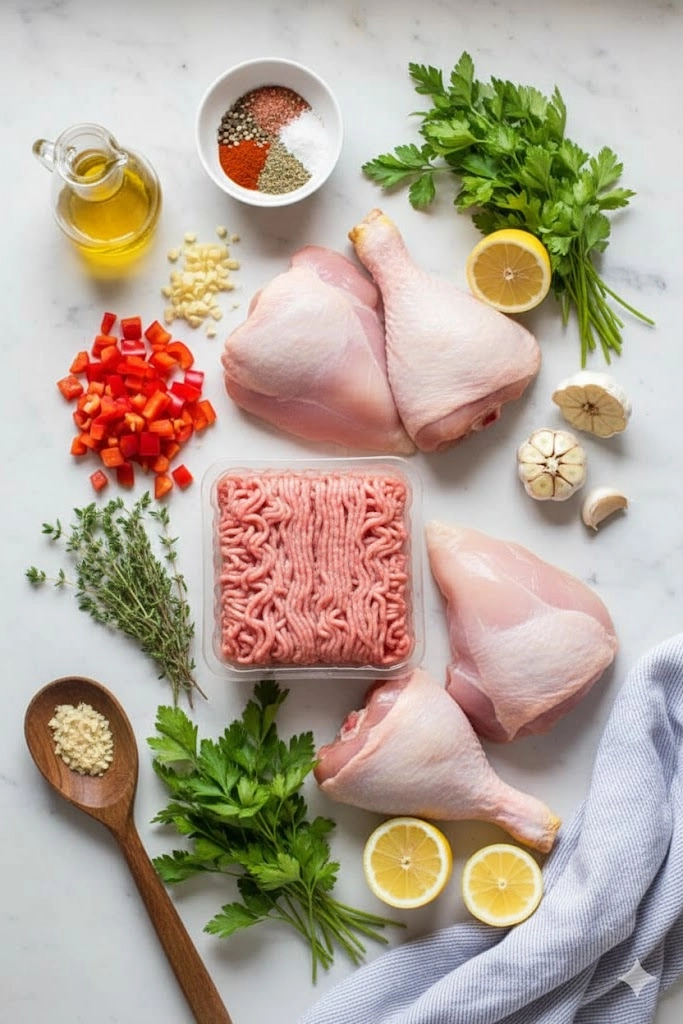
Tested Turkey Recipe Ideas: From Quick Skillets to Slow Cookers
Based on my experience adjusting flavors for different palates, I’ve compiled a list of the most reliable and delicious ways to use turkey for dinner.
Turkey Mince Ideas: Chili, Tacos, and Meatballs
Ground turkey is a fantastic canvas for bold global flavors.
- Stovetop Chili: Use ground turkey instead of beef in your favorite chili recipe. Its mild flavor lets the spices (cumin, chili powder, oregano) shine.
- Turkey Tacos/Wraps: Seasoned ground turkey makes a quick and healthy filling. For a flavor-packed side dish, try pairing your tacos with our recipe for Taco Pasta Salad.
- Baked Turkey Meatballs: Mix ground turkey with breadcrumbs, herbs, and a binding agent, then bake. They are excellent served over rice or pasta with a light tomato sauce.
Quick-Cooking Turkey Breast Cutlets
Turkey breast can dry out quickly, so I recommend pan-frying thin cutlets or slices.
- Lemon-Herb Pan-Sear: Lightly pound the cutlets, season with salt, pepper, and dried herbs, and sear quickly in olive oil. Finish with a squeeze of fresh lemon juice.
- Turkey Strips for Stir-Fry: Cut the breast into strips and toss with a simple soy-ginger glaze for a speedy stir-fry with mixed vegetables.

Flavor-Packed Turkey Thighs (Braising and Slow Cooking)
Turkey thighs require longer, slower cooking methods, but the payoff is meat that is impossibly tender and rich.
- Braised Turkey Thighs: Sear the thighs, then braise them slowly in a savory liquid (like broth with vegetables) for 1.5 to 2 hours. The meat will fall off the bone.
- Slow Cooker Thighs: A low-and-slow approach works wonderfully, especially when shredded for sandwiches or served with a creamy side like our unique Deviled Egg Pasta Salad.
Mastering Turkey Prep: Essential Tips for Juiciness
The secret to perfectly cooked turkey lies in a few simple, often-overlooked preparation techniques.
A Simple 15-Minute Dry Rub for Any Cut
A good dry rub adds flavor and helps keep the surface of the meat moist by drawing out excess moisture and creating a seasoned crust.
My Essential Dry Rub:
- 1 tablespoon smoked paprika
- 1 teaspoon garlic powder
- 1 teaspoon onion powder
- 1 teaspoon dried oregano
- 1 teaspoon kosher salt
- $1/2$ teaspoon black pepper
Rub this mixture liberally onto turkey cutlets, mince, or thighs at least 15 minutes before cooking, or up to 24 hours ahead for deeper flavor.
Food Safety: Internal Cooking Temperature Guide
Regardless of which of the turkey recipe you choose, ensuring food safety is non-negotiable. Always use an instant-read thermometer.
- Safe Temperature: The safe internal temperature for all ground turkey and turkey cuts (breast, thighs) is 165 / 74 .
- Where to Check: Insert the thermometer into the thickest part of the meat, avoiding the bone. For mince, check the center of the patty or meatball.
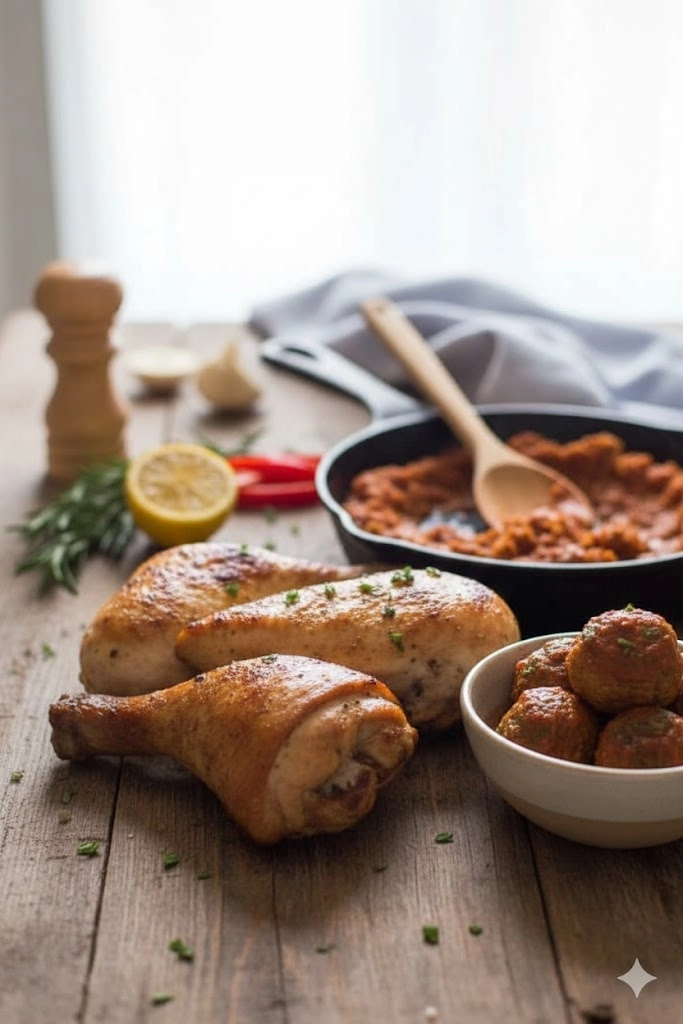
Pairing and Serving Suggestions to Complete Your Turkey Dinner
A great turkey dish is only as good as the sides that accompany it.
Fresh Side Dishes and Salads
To complement the lean nature of the turkey, I often serve it with bright, fresh sides.
- Roasted Root Vegetables: Carrots, parsnips, and potatoes roasted with herbs and olive oil add necessary complexity and starch.
- Quick Quinoa Salad: A simple salad of cooked quinoa, chopped cucumber, tomatoes, and fresh herbs tossed in a light vinaigrette.
The Best Sauces and Condiments
Simple sauces can transform plain turkey meat.
- Creamy Yogurt Dip: Mix plain yogurt with fresh mint, grated cucumber, and a touch of lemon juice. This is fantastic with seasoned turkey mince.
- Herby Chimichurri: A vibrant, oil-based sauce with finely chopped parsley, oregano, garlic, and a hint of red pepper flakes adds a punch of acidity and freshness to any cut of turkey.
Make-Ahead, Storage, and Freezing Best Practices
Proper storage ensures you get the most out of your turkey dinner preparations.
- Cooling: Always cool cooked turkey rapidly (within 2 hours of cooking). Do not leave it at room temperature.
- Storage: Store cooked turkey in shallow, airtight containers in the refrigerator for 3–4 days. This works especially well for make-ahead turkey recipe like chili or meatballs.
- Freezing: Cooked turkey freezes beautifully. Portion it into freezer-safe bags or containers, squeezing out excess air. It can be frozen for up to 3 months. Thaw overnight in the refrigerator before reheating.
Don’t miss to follow us in Pinterest.
FAQs About Turkey Recipe Ideas
How do I prevent ground turkey from tasting bland or dry?
The key is adding moisture and flavor. Use aromatic vegetables (like onions, celery, and bell peppers) and high-impact seasonings (garlic, herbs, and spices). After browning, simmer the ground turkey in a small amount of broth or sauce for a few minutes to re-introduce moisture.
Is there a difference in flavor between turkey breast and turkey thigh meat?
Yes. Turkey breast is considered white meat; it’s very lean and has a mild, subtle flavor. Turkey thigh is darker meat, has more intramuscular fat, and offers a richer, deeper, and more robust flavor. Choose breast for light, quick recipes and thighs for stews or braises.
Can I use my dry rub for a turkey marinade instead?
You can easily turn a dry rub into a simple marinade. Simply combine the dry rub with a neutral oil, such as olive oil, and an acid, such as lemon juice or vinegar. Marinate turkey cutlets or thighs for at least 30 minutes, but not more than 4 hours, before cooking.