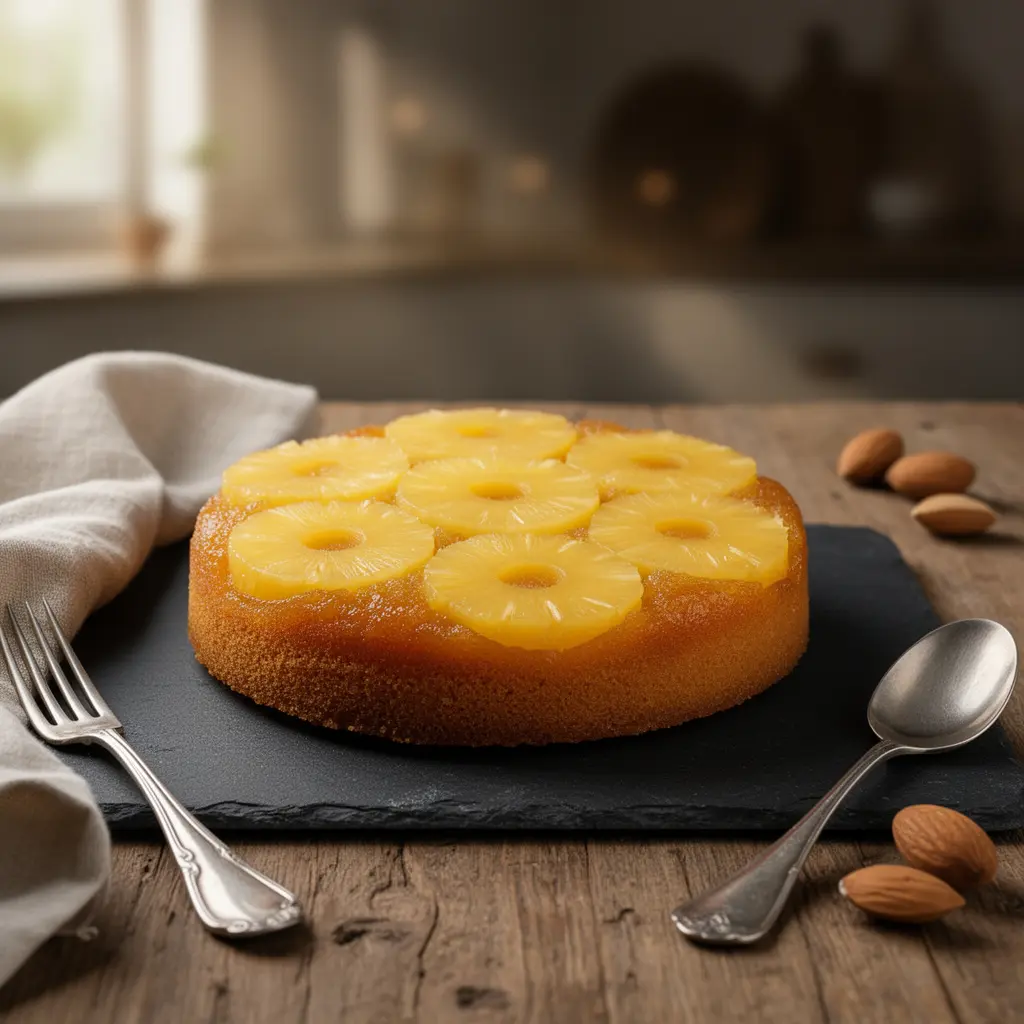

The search for the definitive sugar cookie often leads to a crossroads: do you want a cookie that tastes good, or one that actually holds its shape in the oven? Many recipes promise both but deliver a blob-like disappointment that loses the crisp edges of your favorite snowflake or star cutter. This specific recipe for the best rolled sugar cookies is the holy grail of holiday baking. It strikes a magnificent balance between a tender, buttery crumb and a sturdy structure that makes it the ideal canvas for royal icing, buttercream, or a simple dusting of colored sugar. Whether you are a seasoned baker or a novice looking to start a new family tradition, this dough is remarkably forgiving and yields professional-quality results every single time.
Table of Contents
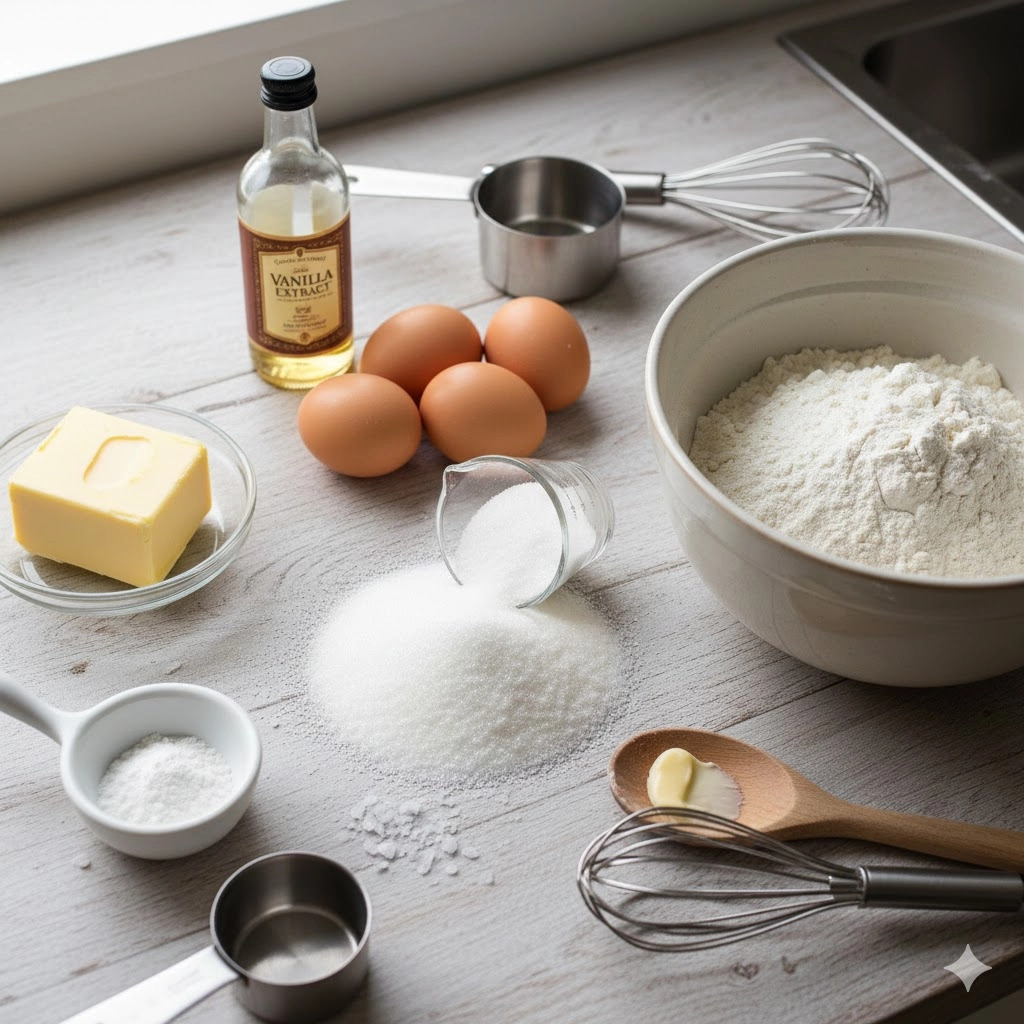
Ingredients
- 2 cups white sugar
- 1 1/2 cups butter, softened
- 4 large eggs
- 1 teaspoon vanilla extract
- 5 cups all-purpose flour
- 2 teaspoons baking powder
- 1 teaspoon salt
Instructions
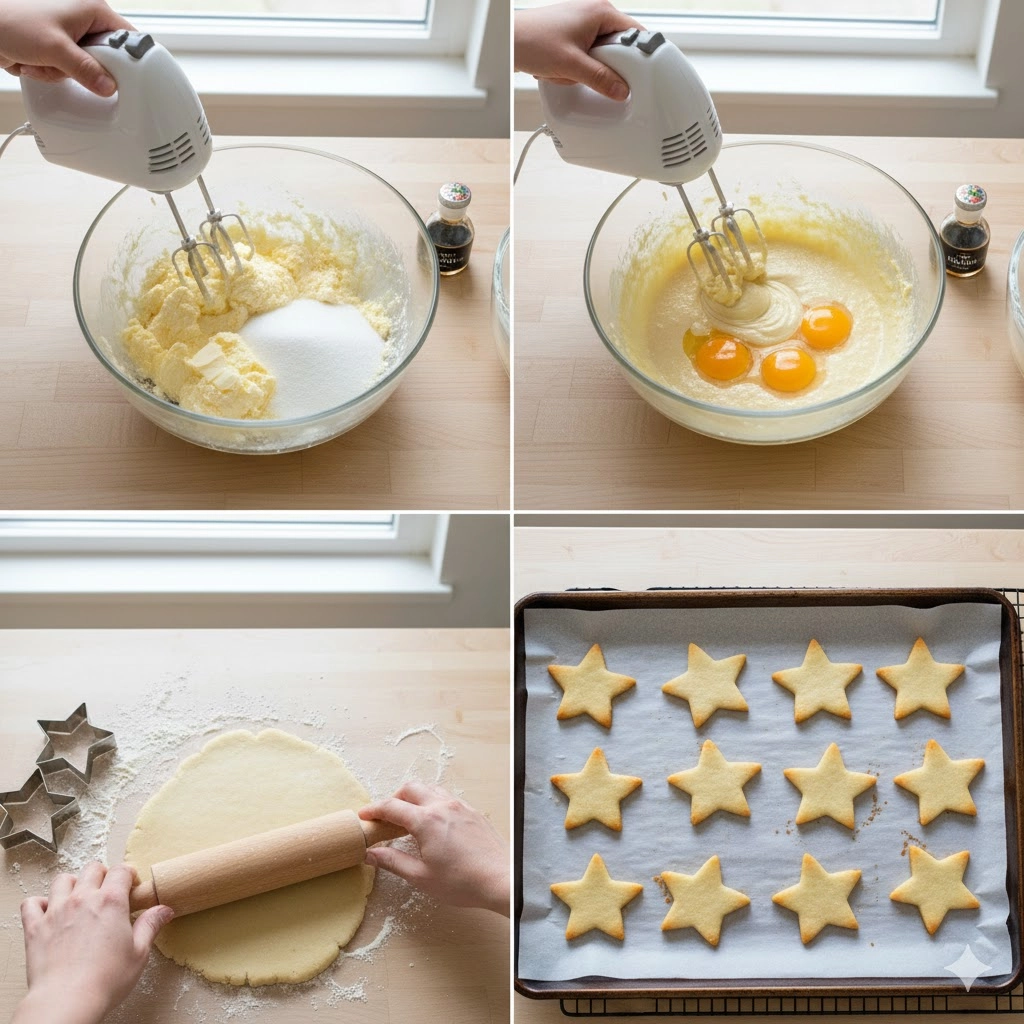
- Begin by gathering all your ingredients to ensure they are at the correct temperature. In a large mixing bowl, combine the white sugar and the softened butter. Using an electric mixer, beat these two together until the mixture is completely smooth and cohesive.
- Next, incorporate the large eggs and the vanilla extract into the creamed butter mixture, beating until well combined. Gradually add the all-purpose flour, baking powder, and salt. Stir the dry ingredients into the wet mixture until a thick dough forms. Cover the bowl tightly and place it in the refrigerator to chill for at least one hour, though leaving it overnight is also an excellent option for better flavor development.
- When you are ready to bake, preheat your oven to 400 degrees Fahrenheit. Prepare a clean work surface by lightly dusting it with a layer of all-purpose flour to prevent sticking.
- Remove a portion of the dough from the refrigerator and roll it out to a thickness of between one-quarter and one-half inch.
- Use your preferred cookie cutters to create various shapes. Carefully transfer the cut-outs to ungreased baking sheets, ensuring you leave at least one inch of space between each cookie to allow for proper air circulation.
- Place the sheets in the preheated oven and bake for 6 to 8 minutes, or until the edges are just barely beginning to turn a light golden brown. Once finished, carefully move the cookies to a wire rack where they can cool completely before you begin the decoration process.
Achieving Perfection Through Step-by-Step Details
The journey to the perfect sugar cookie starts long before the oven is turned on. It begins with the fundamental science of creaming. When you beat your softened butter and white sugar together, you aren’t just mixing two ingredients; you are performing a mechanical leavening process. The sugar crystals act like tiny knives, carving microscopic air pockets into the fat of the butter. This aeration is what gives the cookie its lightness. If you skip this step or do it too quickly, your cookies will likely be dense and heavy. Aim for a texture that looks pale and slightly fluffy.
Once your butter and sugar are perfectly whipped, the addition of the eggs provides the necessary protein and moisture to bind the dough. This recipe calls for four large eggs, which is a significant amount compared to some other recipes. This high egg content is what contributes to the dough’s elasticity and strength, allowing it to be rolled out thin without tearing. When you add the vanilla, remember that this is the primary flavor profile of the cookie. Using a high-quality extract makes a world of difference in the final aromatic output of the baked good.
The integration of the dry ingredients is where many bakers go wrong. Over-mixing the flour can activate the gluten too much, resulting in a tough, bread-like cookie rather than a tender shortbread-style treat. You want to stir just until no streaks of white flour remain. The chilling stage is perhaps the most critical part of the entire process. Chilling the dough serves two purposes: it allows the flour to fully hydrate and, more importantly, it solidifies the butter. If you put warm dough into a hot oven, the butter will melt instantly, and your beautiful shapes will spread into puddles. By chilling the dough for at least an hour, you ensure that the exterior of the cookie sets before the fat inside has a chance to liquefy, preserving those sharp, clean edges from your cookie cutters.
When it comes time to roll the dough, patience is your best friend. Work with only a quarter of the dough at a time, keeping the rest in the refrigerator so it stays cold. If the dough becomes too sticky or soft to handle, don’t be afraid to pop it back into the fridge for ten minutes. Use a light hand with the flour on your countertop; too much extra flour can make the cookies dry. A thickness of one-quarter inch is the sweet spot for a cookie that is soft in the middle but crisp enough to hold up to heavy icing.
Unique Culinary Insights for Exceptional Results
One of the most effective professional secrets for sugar cookies is the use of parchment paper. While the recipe notes that ungreased baking sheets are acceptable, lining them with parchment paper provides a non-stick surface that promotes even browning on the bottom of the cookie. It also makes the cleanup process significantly faster and prevents the cookies from picking up any lingering savory flavors from previous meals cooked on the same pans.
Another insight involves the temperature of your ingredients. While the butter should be softened, it should not be oily or melting. If the butter is too warm during the creaming stage, it won’t hold the air pockets you’re trying to create. A good rule of thumb is that the butter should yield to gentle pressure from your thumb but still feel cool to the touch. If you find your kitchen is particularly warm, you may need to chill your baking sheets in between batches. Placing cold dough onto a hot baking sheet will cause the bottoms to bake too fast and the shapes to distort.
If you are looking for a more complex flavor profile, consider the “salt factor.” Even though this is a sweet treat, the teaspoon of salt included in the recipe is vital. Salt acts as a flavor enhancer that cuts through the sugar and highlights the creamy notes of the butter. Without it, the cookies can taste flat or one-dimensional. Some bakers even like to add a tiny pinch of lemon zest or almond extract to provide a subtle “secret” background note that keeps people guessing why your cookies taste so much better than the store-bought variety.
Flavor Modifications and Texture Substitutions
While the classic vanilla sugar cookie is a masterpiece on its own, this dough is incredibly versatile and can act as a foundation for various flavor experiments. For those who enjoy a more nutty undertone, substituting half of the vanilla extract with almond extract creates a professional, “bakery-style” aroma that pairs beautifully with fruit-based icings. If you prefer a citrus twist, adding the zest of one large lemon or orange to the sugar and butter mixture during the creaming stage will infuse the entire batch with a bright, refreshing zing.
For those with dietary restrictions, this recipe can be adapted with care. A high-quality gluten-free all-purpose flour blend (one that includes xanthan gum) can often be substituted at a one-to-one ratio. However, keep in mind that gluten-free dough often requires a longer chilling time to prevent it from becoming too crumbly during the rolling process. If you want to change the texture of the cookie itself, you can experiment with the sugar. Replacing half of the white sugar with light brown sugar will result in a slightly chewier cookie with a hint of caramel flavor, though it may spread a bit more than the original version.

Ideal Accompaniments and Serving Suggestions
The best rolled sugar cookies are rarely served in isolation. They are the ultimate social dessert. For a classic experience, serve these cookies alongside a cold glass of whole milk or a steaming mug of Earl Grey tea. The tannins in the tea provide a sophisticated contrast to the sweet, buttery dough. If you are serving these at a holiday gathering, a hot cocoa bar with marshmallows and peppermint sticks makes for a festive and interactive pairing.
In terms of presentation, these cookies shine when decorated. A simple glaze made from milk and confectioners’ sugar can be “painted” on with a pastry brush for a minimalist, elegant look. If you are going for high-detail designs, a stiff royal icing is the way to go. You can also sandwich two cookies together with a layer of raspberry jam or lemon curd in the middle to create a sophisticated “linzer-style” cookie that adds a punch of acidity to the sweet base.
Deep-Dive Frequently Asked Questions
How can I prevent my sugar cookies from spreading and losing their shape?
The most effective way to prevent spreading is to ensure your dough is thoroughly chilled before it enters the oven. If the butter in the dough is too warm, it will melt faster than the structure of the cookie can set. Additionally, make sure you are not over-beating the butter and sugar to the point where too much air is incorporated, which can cause the cookies to puff up and then collapse.
What is the best way to store these cookies to keep them fresh?
Once the cookies have cooled completely, they should be stored in an airtight container at room temperature. They will remain fresh and delicious for about three to five days. If you have already decorated them with frosting, you may want to place layers of parchment paper between the cookies to prevent the designs from smudging or sticking together. For longer storage, these cookies freeze exceptionally well for up to three months.
Can I make the dough in advance and bake it later?
Absolutely, and many bakers argue that the dough actually improves after a day or two in the refrigerator. The flavors have more time to meld, and the flour fully hydrates, leading to a better texture. You can keep the raw dough in the fridge for up to three days, or wrap it tightly in plastic wrap and a freezer bag to keep it in the freezer for up to two months. Just be sure to let it thaw in the fridge before attempting to roll it out.
Why are my cookies coming out tough instead of tender?
Toughness in sugar cookies is usually a result of over-working the dough. When you mix the flour into the wet ingredients, you want to do so as gently as possible. Furthermore, every time you re-roll the scraps of dough to cut out more shapes, you are developing more gluten and incorporating more flour from your work surface. Try to cut as many cookies as possible from the first roll to keep the dough tender.
A Final Note on the Perfect Cookie
Mastering the art of the sugar cookie is a rewarding journey that yields delicious dividends. This recipe provides the consistency and reliability that every baker craves, allowing you to focus on the creative fun of cutting and decorating. Whether you are baking for a school event, a holiday exchange, or simply a cozy afternoon at home, these cookies are guaranteed to impress. The combination of simple, high-quality ingredients and a few key techniques like chilling and proper creaming will result in a treat that is as beautiful to look at as it is to eat.
Nutrition Information
| Nutrient | Amount Per Serving |
| Calories | 110 calories |
| Total Fat | 5 grams |
| Saturated Fat | 3 grams |
| Cholesterol | 25 milligrams |
| Sodium | 85 milligrams |
| Total Carbohydrates | 15 grams |
| Dietary Fiber | 0 grams |
| Total Sugars | 7 grams |
| Protein | 2 grams |
Disclaimer
The nutritional information provided is an estimate based on the specific ingredients and measurements listed in the recipe. Individual results may vary depending on the brands of ingredients used and the exact size of the cookies cut. For those with specific dietary needs or medical conditions, please consult with a healthcare professional or a registered dietitian.
PrintThe Best Rolled Sugar Cookies: A Foolproof Guide to Perfect Holiday Cut-Outs

This is the definitive recipe for the best rolled sugar cookies. These cookies hold their shape perfectly for any cookie cutter design and feature a buttery, tender crumb that melts in your mouth.
- Prep Time: 20 mins
- Cook Time: 10 mins
- Total Time: 1 hr 30 mins
- Yield: 60 cookies 1x
- Category: Dessert
- Method: Baking
- Cuisine: American
- Diet: Vegetarian
Ingredients
2 cups white sugar
1 ½ cups butter, softened
4 large eggs
1 teaspoon vanilla extract
5 cups all-purpose flour
2 teaspoons baking powder
1 teaspoon salt
Instructions
1. Beat sugar and softened butter together in a large bowl with an electric mixer until smooth.
2. Beat in eggs and vanilla. Stir in flour, baking powder, and salt.
3. Cover and chill dough for at least 1 hour or overnight for best results.
4. Preheat oven to 400 degrees Fahrenheit. Lightly dust a work surface with flour.
5. Roll out dough to 1/4 to 1/2 inch thickness and cut into shapes.
6. Place cookies 1 inch apart on ungreased baking sheets.
7. Bake for 6 to 8 minutes until edges are lightly browned. Cool completely on a wire rack.
Notes
Work with small batches of dough at a time to keep it cold.
Use parchment paper to prevent sticking and ensure even browning.
Cookies can be frozen for up to 3 months in an airtight container.
Nutrition
- Serving Size: 1 cookie
- Calories: 110
- Sugar: 7g
- Sodium: 85mg
- Fat: 5g
- Saturated Fat: 3g
- Unsaturated Fat: 2g
- Trans Fat: 0g
- Carbohydrates: 15g
- Fiber: 0g
- Protein: 2g
- Cholesterol: 25mg