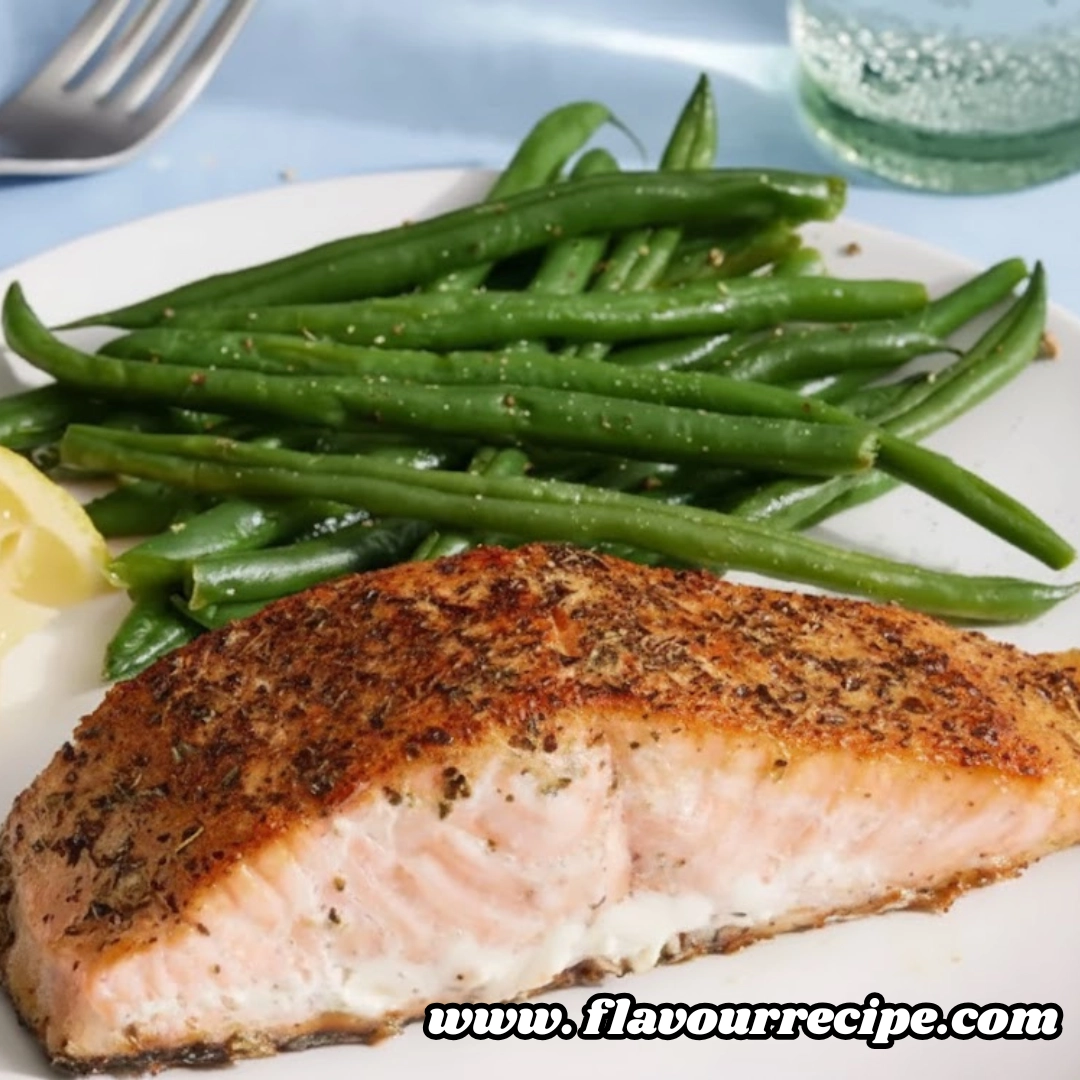
Creating a high-quality meal at home does not require an extensive list of ingredients or hours spent hovering over a hot stove. This Super Simple Salmon focuses on high-impact pantry staples that enhance the natural richness of the fish without masking its delicate flavor. By utilizing a quick searing method in a buttered skillet, the exterior develops a savory crust while the interior remains moist and tender. It is an excellent choice for a nutritious lunch or a streamlined dinner when time is short but expectations for flavor remain high.
Table of Contents
Components for the Dish
The Seasoning Blend
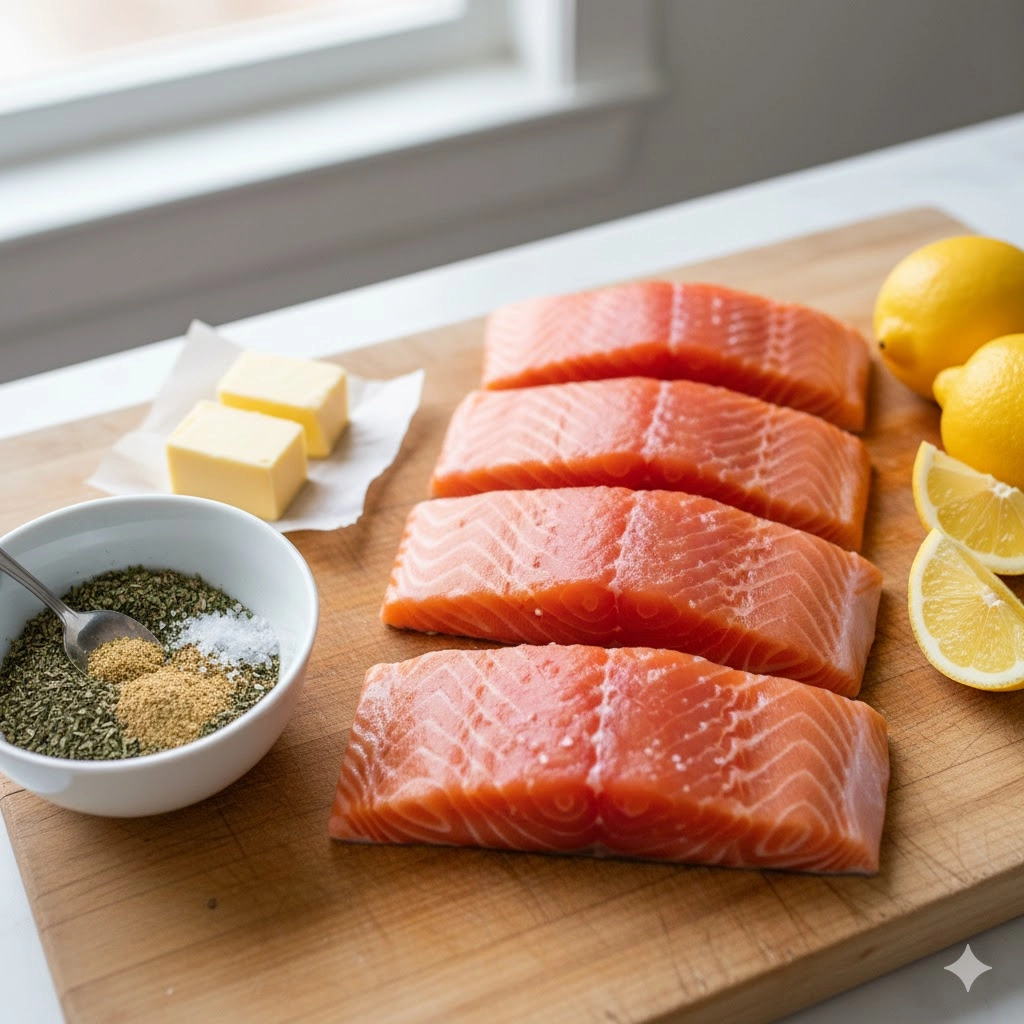
- 1 tablespoon garlic powder
- 1 tablespoon dried basil
- One half teaspoon sea salt
The Proteins and Fats
- 4 salmon fillets (approximately 6 ounces each)
- 2 tablespoons unsalted butter
For Serving
- 4 fresh lemon wedges
Preparation Sequence
- Combine the dried garlic, basil, and salt in a small prep bowl.
- Ensure the fish surfaces are dry before applying the spice rub.
- Coat the top and sides of each fillet thoroughly with the seasoning.
- Heat the butter in a heavy-bottomed skillet over a medium flame.
- Place the fillets in the pan and sear for five minutes on the first side.
- Flip carefully and continue cooking for another five minutes.
- Remove from heat once the texture is flaky and the center is opaque.
- Garnish with a squeeze of fresh lemon juice before serving.
Mastering the Sear: A Detailed Guide
Preparing the Surface
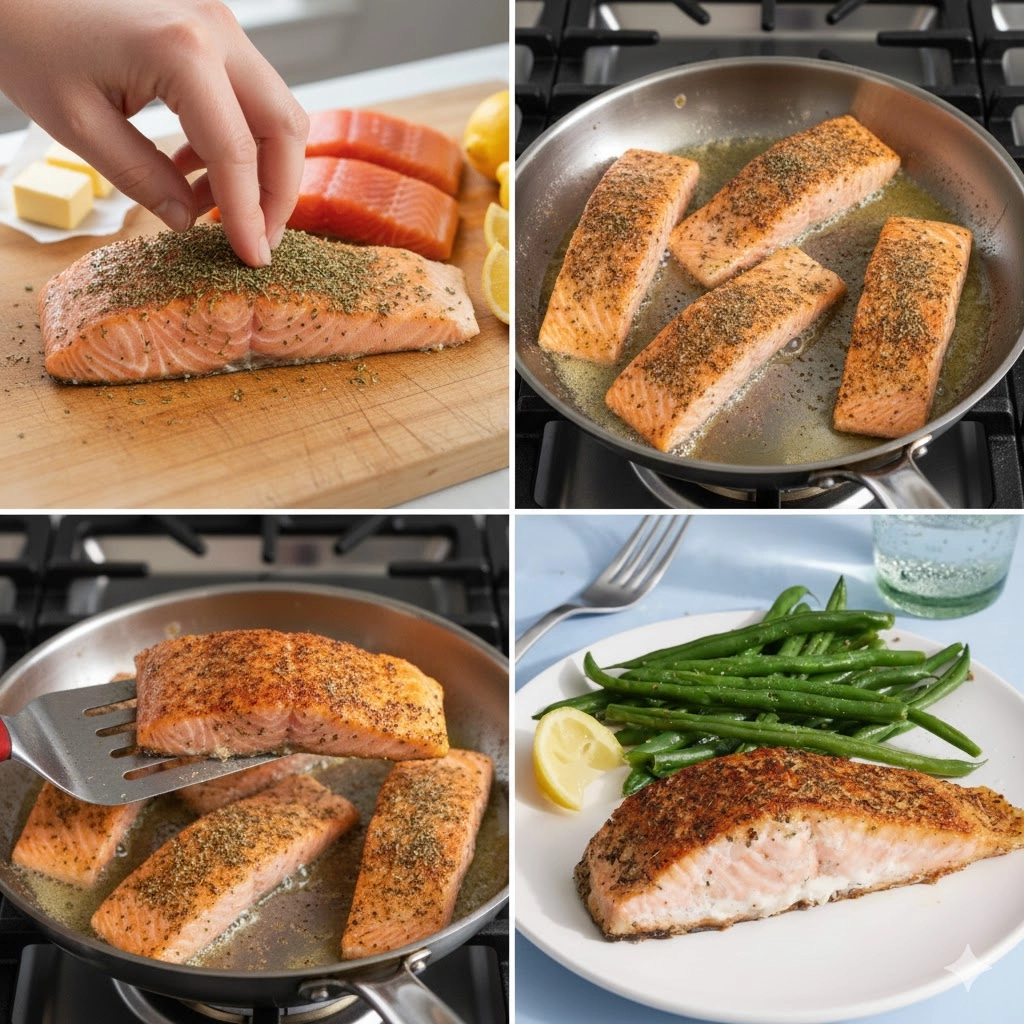
The secret to a successful Super Simple Salmon lies in the preparation of the fish itself. Before the seasoning ever touches the flesh, you must use a paper towel to pat the fillets completely dry. Any residual moisture on the surface will create steam when it hits the hot butter, preventing that coveted golden-brown crust from forming. Once dry, sprinkle the basil and garlic mixture generously. Press the spices into the flesh with your fingertips so they adhere firmly and do not fall off during the flipping process.
Managing Pan Temperature
When you add the butter to the skillet, watch it closely. It should foam and then settle. If the butter begins to turn dark brown or smoke, the heat is too high, which will burn the dried herbs and create a bitter taste. You want a steady sizzle the moment the fish hits the pan. This immediate heat transfer starts the Maillard reaction, caramelizing the proteins and the garlic powder to create a savory profile.
The Art of the Flip
Patience is required during the first five minutes of cooking. Avoid the urge to move the fish around. The salmon needs undisturbed contact with the heat to develop a crust that releases naturally from the pan. If you try to flip it and feel resistance, give it another thirty seconds. Use a wide, flexible spatula to turn the fillets gently. The second side usually takes slightly less time than the first, so stay attentive to the color changes on the side of the fillet.
Gauging Doneness
Salmon is best enjoyed when it is just barely opaque in the center. As it cooks, the fat between the muscle fibers will begin to liquefy, making the fish appear flaky. You can test this by gently pressing a fork against the thickest part of the fillet; if the layers separate easily, it is ready. Remember that carryover cooking will occur once the fish is removed from the pan, so taking it off the heat just before it looks “perfect” often yields the best results.
Expert Culinary Refinements
- Chill the Fish: Keeping the salmon cold until the moment it hits the pan helps prevent the interior from overcooking while you wait for the exterior to brown.
- Butter Quality: Use a high-quality European-style butter if possible. These have a lower water content and a higher fat percentage, which leads to better browning and a richer mouthfeel.
- Dried vs. Fresh: While fresh herbs are lovely, dried basil is used here specifically because it withstands the high heat of searing better than fresh leaves, which tend to wilt and turn black.
- Skin Management: If your fillets have skin, always start the cooking process skin-side down. This protects the delicate flesh and results in a crispy texture that is easily removed or eaten.
- Resting Period: Allow the salmon to sit for about two minutes on a warm plate before serving. This allows the juices to redistribute, ensuring every bite is succulent.
Flavor Adaptations
- The Mediterranean Twist: Replace the dried basil with dried oregano and add a teaspoon of lemon zest directly into the spice rub for a brighter, citrus-forward profile.
- Spicy Garlic Version: Incorporate one half teaspoon of red pepper flakes or a dash of cayenne pepper into the garlic powder mix to provide a subtle heat that cuts through the fatty salmon.
- Ghee Substitution: For those who prefer a higher smoke point or a nutty aroma, substitute the butter with clarified butter or ghee. This allows for a harder sear without the risk of burning the milk solids.
Ideal Side Dish Pairings
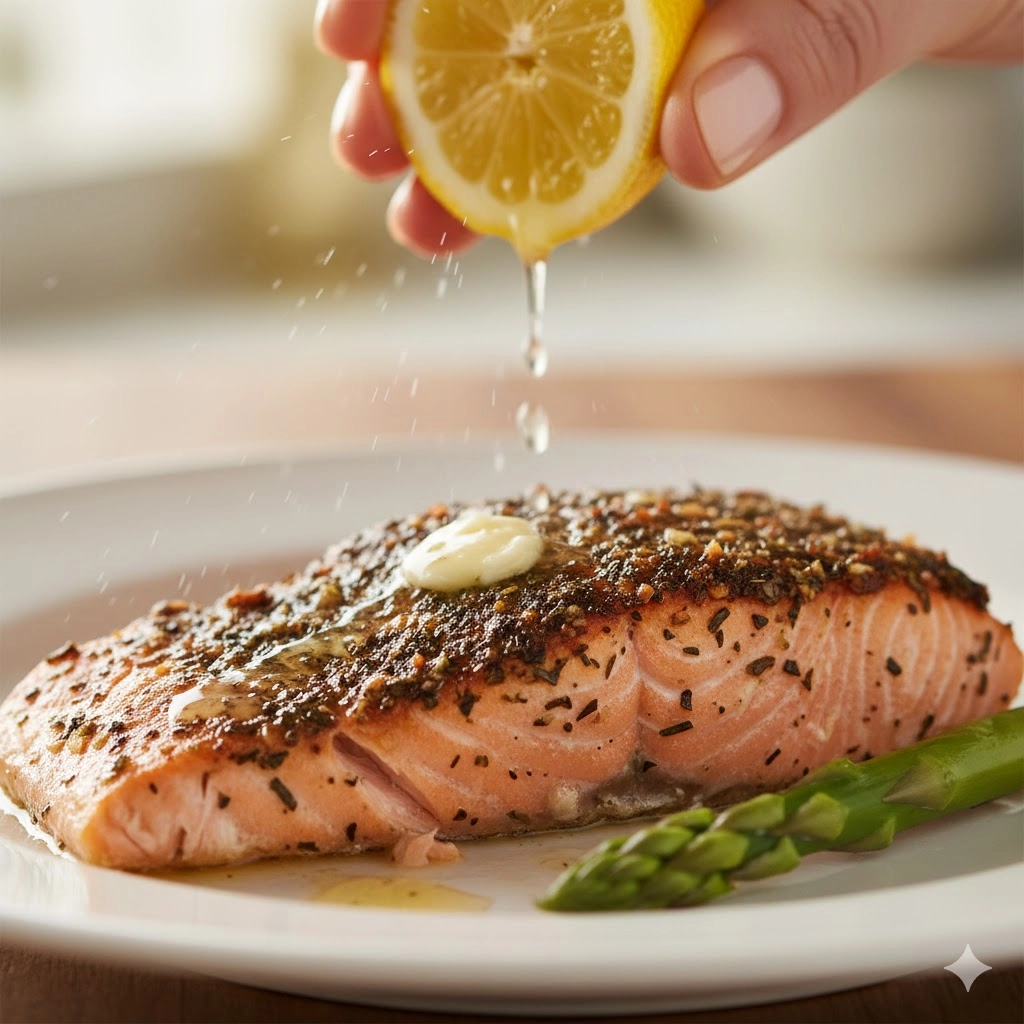
This preparation is incredibly versatile. For a light meal, serve the salmon atop a bed of arugula tossed in a simple vinaigrette. If you are looking for something more substantial, it pairs beautifully with roasted asparagus or a side of fluffy jasmine rice seasoned with parsley. The lemon wedges are not just a garnish; the acidity is essential for balancing the richness of the butter and the natural oils in the fish.
Frequently Asked Questions
Can I use frozen salmon for this recipe?
Yes, you can use frozen fillets, but they must be completely thawed in the refrigerator overnight. Ensure you pat them extra dry, as frozen fish tends to release more moisture than fresh.
What is the best type of skillet to use?
A cast-iron skillet or a heavy stainless steel pan is ideal for achieving a deep sear. Non-stick pans work well for easy cleanup but may not produce the same level of browning on the spice crust.
Is it necessary to use unsalted butter?
Unsalted butter is preferred so you can control the sodium levels with the added salt. If you only have salted butter on hand, reduce the added sea salt by half to maintain balance.
How do I store and reheat leftovers?
Store any remaining salmon in an airtight container in the refrigerator for up to two days. To reheat, place it in a pan over low heat with a splash of water and cover with a lid to steam it gently without drying it out.
Nutrition Information
| Nutrient | Amount per Serving |
| Calories | 304 kcal |
| Protein | 37 g |
| Carbs | 3 g |
| Fat | 16 g |
| Fiber | 1 g |
| Sugar | 1 g |
| Sodium | 402 mg |
Disclaimer
Nutrition information is an estimate and may vary based on preparation and ingredients used.
PrintPan Seared Super Simple Salmon with Garlic and Basil
This Super Simple Salmon uses just 5 ingredients to create a restaurant-quality meal. A savory garlic and basil crust meets tender, buttery fish in under 15 minutes.
- Prep Time: 5 mins
- Cook Time: 10 mins
- Total Time: 15 mins
- Yield: 4 servings 1x
- Category: Main Dish
- Method: Stovetop
- Cuisine: American
Ingredients
1 tablespoon garlic powder
1 tablespoon dried basil
1/2 teaspoon salt
4 (6 ounce) salmon fillets
2 tablespoons butter
4 lemon wedges
Instructions
1. Gather all ingredients and pat the salmon fillets dry with paper towels.
2. In a small bowl, stir together the garlic powder, dried basil, and salt.
3. Rub the seasoning mixture evenly over all sides of the salmon fillets.
4. Melt butter in a large skillet over medium heat until bubbling.
5. Add salmon to the pan and cook for 5 minutes without moving them to develop a crust.
6. Carefully flip the fillets and cook for another 5 minutes until the fish is opaque and flakes easily.
7. Remove from heat and serve immediately with fresh lemon wedges.
Notes
Ensure the salmon is patted dry before seasoning to get the best sear.
Use unsalted butter to better control the salt levels.
Salmon is best enjoyed immediately but can be stored for up to 2 days.
Nutrition
- Serving Size: 1 fillet
- Calories: 304
- Sugar: 1g
- Sodium: 402mg
- Fat: 16g
- Saturated Fat: 6g
- Unsaturated Fat: 10g
- Trans Fat: 0g
- Carbohydrates: 3g
- Fiber: 1g
- Protein: 37g
- Cholesterol: 90mg