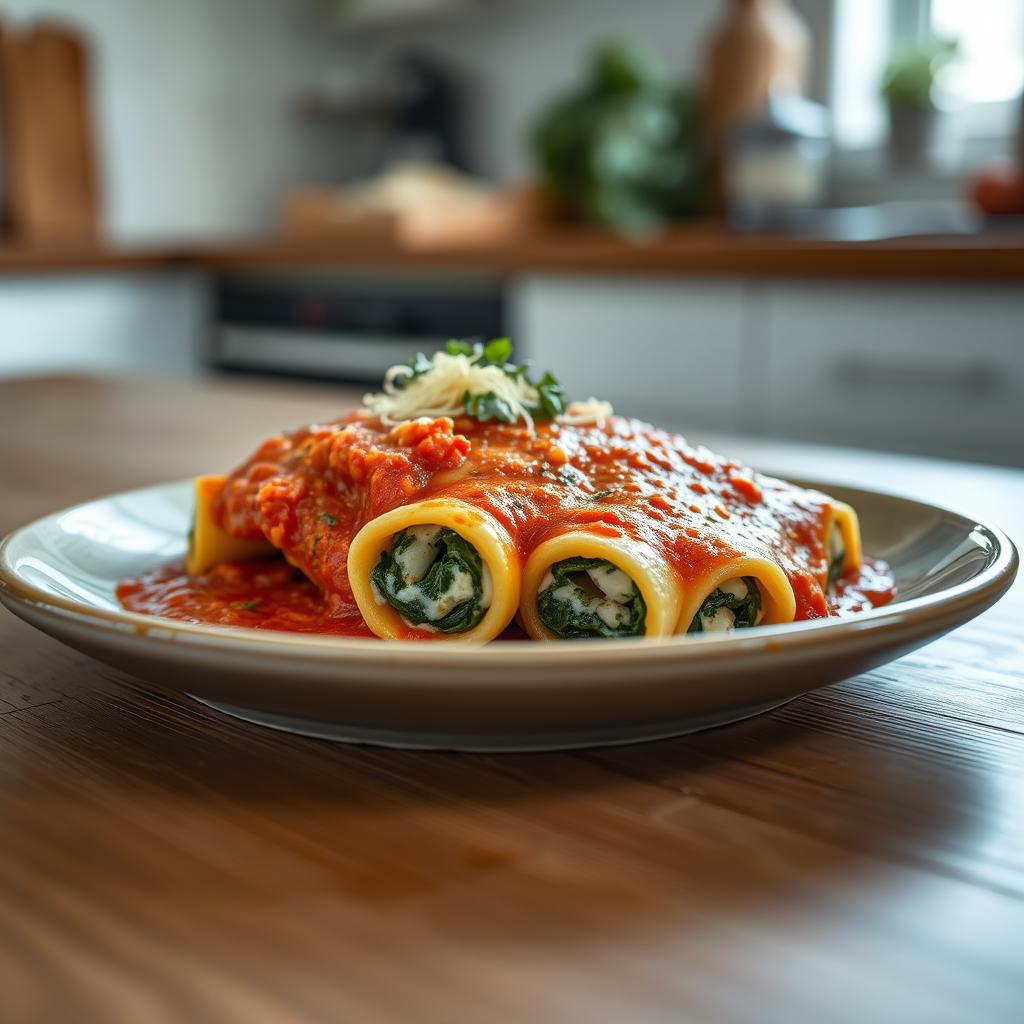
The wafting aroma of garlic, rendered slowly in olive oil, dances with the subtle tang of fresh tomatoes simmering on the stovetop. It’s an olfactory symphony that heralds something truly special: Spinach and Ricotta Stuffed Manicotti, a dish that speaks of comfort, tradition, and the sheer joy of good food. The rich, creamy filling, a delicate balance of earthy spinach and velvety ricotta, nestled within the perfectly cooked pasta tubes, promises a textural and flavorful experience that is both satisfying and elegant. Imagine the gentle bubbling of the tomato sauce as it bakes in the oven, the cheesy crust forming a golden crown atop the delicate pasta. This is more than just a meal; it is an invitation to gather around the table, to share stories and laughter, and to savor the simple pleasures of life. Each bite is a journey, a testament to the transformative power of combining humble ingredients with passion and technique. The manicotti, plump with their delectable filling, are a warm embrace on a plate, a culinary hug that nourishes both body and soul. A sprinkle of freshly grated Parmesan cheese, adding a salty, nutty counterpoint, completes the picture.
Ingredient Deep Dive
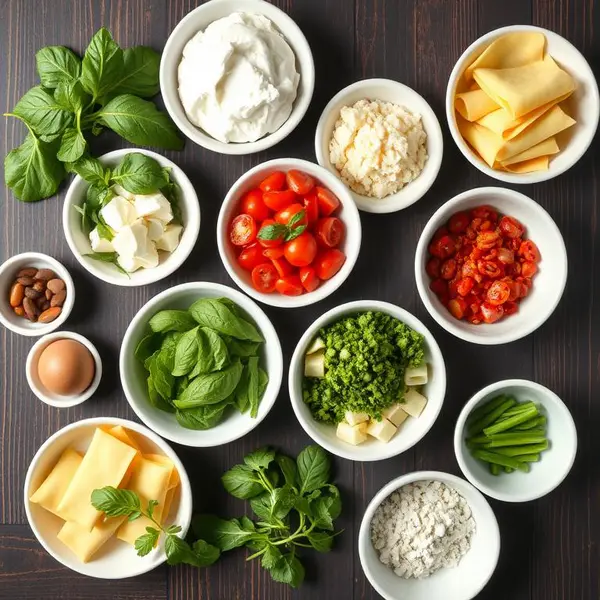
| Ingredient | Quantity | Purpose |
|---|---|---|
| Manicotti Pasta Tubes | 12 | Provides the structure and carbohydrate base of the dish. |
| Fresh Spinach | 1 pound | Adds earthy flavor, nutrients (vitamins A & C, iron), and vibrant color. |
| Whole Milk Ricotta Cheese | 32 ounces | Provides the creamy, rich texture and mild base flavor for the filling. |
| Large Eggs | 2 | Act as a binder for the filling, holding it together. |
| Grated Parmesan Cheese | 1 cup, plus more for topping | Adds salty, umami flavor and contributes to binding. |
| Grated Pecorino Romano Cheese | 1/2 cup | Adds a sharper, saltier flavor dimension compared to Parmesan. |
| Fresh Garlic | 4 cloves, minced | Provides aromatic, pungent flavor to both the filling and sauce. |
| Dried Oregano | 1 teaspoon | Adds a classic Italian herbaceous note. |
| Dried Basil | 1 teaspoon | Adds a sweet, slightly peppery herbaceous note. |
| Salt | To taste | Enhances the flavors of all ingredients. |
| Black Pepper | To taste | Adds a subtle spice and depth of flavor. |
| Olive Oil | 2 tablespoons | Used for sautéing garlic and adding richness. |
| Canned Crushed Tomatoes | 28 ounces | Forms the base of the tomato sauce, providing acidity and sweetness. |
| Canned Tomato Paste | 6 ounces | Concentrates the tomato flavor and adds richness to the sauce. |
| Granulated Sugar | 1 teaspoon | Balances the acidity of the tomatoes. |
The science behind these ingredients lies in their individual contributions and synergistic interactions. Spinach, rich in oxalic acid, can sometimes impart a slightly bitter taste. Blanching it briefly before combining it with the ricotta helps to mitigate this bitterness. Ricotta’s high moisture content is crucial for creating a creamy filling, and the addition of eggs acts as a coagulant, solidifying the mixture slightly during baking and preventing it from becoming watery. The combination of Parmesan and Pecorino Romano cheeses offers a complex blend of salty and nutty notes, while the herbs, oregano and basil, provide aromatic depth.
The tomato sauce benefits from the addition of tomato paste, which intensifies the tomato flavor through concentrated umami compounds. The sugar, though seemingly a small addition, plays a vital role in balancing the acidity of the tomatoes, preventing the sauce from being overly tart. The olive oil serves not only as a cooking medium but also as a flavor enhancer, lending the sauce a subtle richness and depth.
Substitutions & Swaps
For a vegan alternative, replace the ricotta cheese with a blend of pureed silken tofu and cashew cream for similar texture and richness. Nutritional yeast can mimic the cheesy flavor of Parmesan and Pecorino. For gluten-free manicotti, look for gluten-free pasta tubes, readily available in many specialty stores. Be cautious when handling them, as they are often more delicate than wheat-based pasta. In a pinch, or for a slightly different flavor profile, you can substitute the spinach with kale or Swiss chard. Remember to adjust the cooking time according to which leafy green that is used.
If fresh garlic isn’t available, garlic powder can be used, though the flavor will be less intense and lack the nuanced aroma of fresh garlic. Similarly, dried herbs can be substituted for fresh, using about one-third the amount. For a richer, deeper tomato sauce, you could incorporate a tablespoon of balsamic vinegar. Experiment with using different types of canned tomatoes such as whole peeled tomatoes (crushed by hand) or diced tomatoes.
Equipment Guide
The ideal equipment for making spinach and ricotta stuffed manicotti includes a large pot for boiling the pasta, a skillet for sautéing the garlic and spinach, a mixing bowl for combining the filling ingredients, a piping bag or spoon for stuffing the manicotti tubes, and a 9×13 inch baking dish for assembling and baking the dish. While a cast iron skillet is excellent for searing and developing deep flavors, a non-stick skillet simplifies the process of cooking the spinach until wilted without it sticking to the pan.
The choice of baking dish is also important. A ceramic or glass baking dish will distribute heat more evenly than a metal dish, resulting in uniformly cooked manicotti. A piping bag, while not strictly necessary, makes the process of stuffing the manicotti much easier and cleaner. If you don’t have one, a large spoon or zip-top bag with the corner cut off will work as well.
Step-by-Step Walkthrough
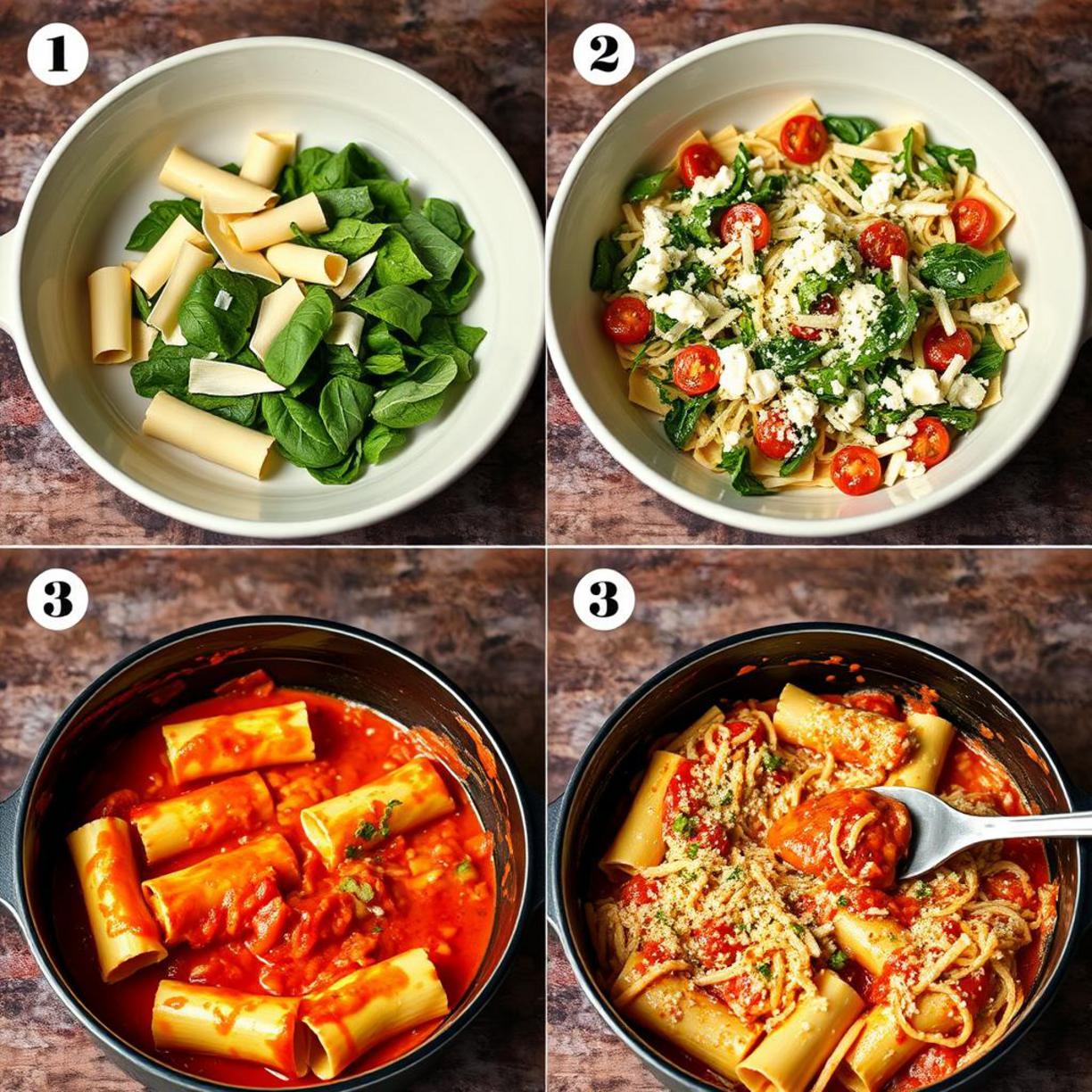
1. Prepare the Spinach: Wash the spinach thoroughly. In a large skillet, heat 1 tablespoon of olive oil over medium heat. Add the minced garlic and sauté until fragrant, about 1 minute. Add the spinach and cook until wilted, about 3-5 minutes. Drain well, squeezing out any excess moisture. Chop the spinach finely and set aside.
2. Make the Ricotta Filling: In a large mixing bowl, combine the ricotta cheese, chopped spinach, eggs, Parmesan cheese, Pecorino Romano cheese, dried oregano, dried basil, salt, and black pepper. Mix well until all ingredients are thoroughly incorporated.
3. Cook the Manicotti: Bring a large pot of heavily salted water to a boil. Add the manicotti tubes and cook according to package directions, but slightly undercook them – about 2 minutes less than the recommended time. Drain the pasta and rinse with cold water to stop the cooking process. This prevents them from becoming too soft and tearing during stuffing.
4. Prepare the Tomato Sauce: In a large saucepan, heat the remaining 1 tablespoon of olive oil over medium heat. Add the remaining minced garlic and sauté until fragrant, about 1 minute. Add the crushed tomatoes, tomato paste, sugar, salt, and black pepper. Bring to a simmer and cook for 15-20 minutes, stirring occasionally.
5. Stuff the Manicotti: Preheat oven to 375°F (190°C). Transfer the ricotta filling to a piping bag or a large zip-top bag with the corner cut off. Alternatively, use a spoon. Carefully stuff each manicotti tube with the ricotta filling.
6. Assemble and Bake: Spread a thin layer of tomato sauce on the bottom of the baking dish. Arrange the stuffed manicotti tubes in a single layer over the sauce. Pour the remaining tomato sauce over the manicotti. Sprinkle generously with Parmesan cheese.
7. Bake: Cover the baking dish with aluminum foil and bake for 20 minutes. Remove the foil and bake for another 10-15 minutes, or until the cheese is melted and bubbly and the sauce is heated through. Let the manicotti rest for 5-10 minutes before serving. This allows the cheese to set up slightly and prevents the sauce from being too runny.
The secret to perfectly cooked manicotti lies in undercooking the pasta slightly before stuffing. This ensures that the pasta doesn’t become mushy during baking, maintaining a pleasant al dente texture. Squeezing out all the excess moisture from the cooked spinach is also crucial, as too much moisture can result in a watery filling. Remember to taste the ricotta filling and adjust the seasoning as needed, ensuring a well-balanced and flavorful filling. Don’t be afraid to experiment with adding a pinch of red pepper flakes for a subtle kick.
Expert Tips & Troubleshooting
To prevent the manicotti from sticking to the baking dish, ensure you spread a generous layer of sauce on the bottom before arranging the stuffed pasta. If the ricotta filling seems too loose, add a tablespoon or two of breadcrumbs to absorb excess moisture. Ensure the spinach is thoroughly drained to prevent a watery filling. One classic mistake is overcooking the pasta during the initial boiling. Aim for al dente, as the pasta will continue to cook in the sauce during baking.
If the sauce is too acidic, add a pinch of baking soda to neutralize the acidity. Over-simmering the tomato sauce can sometimes lead to a burnt flavor; stir frequently and reduce the heat if necessary. For a richer flavor, consider adding a splash of dry red wine to the tomato sauce while it’s simmering. Some chefs prefer to broil the manicotti for the last few minutes to create a more deeply browned and bubbly cheese crust. Watch carefully to prevent burning. Taste the sauce continually.
Flavor Variations
For a spicy variation, add a pinch of red pepper flakes to the ricotta filling and a dash of hot sauce to the tomato sauce. Alternatively, incorporate Italian sausage (cooked and crumbled) into the ricotta filling. For a kid-friendly version, omit the garlic from the ricotta filling and use a sweeter tomato sauce. Consider sneaking in finely grated carrots or zucchini into the filling.
Another approach would be to use a creamy pesto sauce instead of tomato. Mixing in some chorizo to the ricotta is a bold and welcome addition.
Storage & Reheating
Leftover spinach and ricotta stuffed manicotti can be stored in an airtight container in the refrigerator for up to 3 days. To reheat, bake in a preheated oven at 350°F (175°C) until heated through, or microwave in short intervals, checking frequently to prevent overcooking. Add a splash of water before gently covering it during microwaving.
FAQ Section
Q: Can I assemble the manicotti ahead of time?
A: Yes, you can assemble the manicotti and store it in the refrigerator for up to 24 hours before baking.
Q: Can I freeze the stuffed manicotti?
A: Yes, you can freeze it either before or after baking. Wrap it tightly in plastic wrap and then in foil. Thaw completely before baking or reheating.
Q: My filling is too watery. What can I do?
A: Ensure the spinach is thoroughly drained. You can also add breadcrumbs to the filling to absorb excess moisture.
Q: Can I use dried spinach instead of fresh spinach?
A: While fresh spinach is preferred, you can use frozen spinach; be sure to thaw it completely and squeeze out all the excess moisture.
The Recipe Card
Spinach and Ricotta Stuffed Manicotti: Tender pasta tubes filled with creamy ricotta, spinach, and parmesan cheese, baked in a rich tomato sauce and topped with melted cheese. A comforting and classic Italian dish, perfect for a family meal.
Nutrition Information
| Nutrient | Amount per Serving (approximate) |
|---|---|
| Calories | 450-550 |
| Protein | 25-30g |
| Fat | 20-25g |
| Saturated Fat | 10-15g |
| Cholesterol | 100-120mg |
| Sodium | 700-900mg |
| Carbohydrates | 40-50g |
| Fiber | 4-6g |
| Sugar | 8-10g |
Disclaimer: Nutritional information is an estimate and may vary depending on specific ingredients and portion sizes.