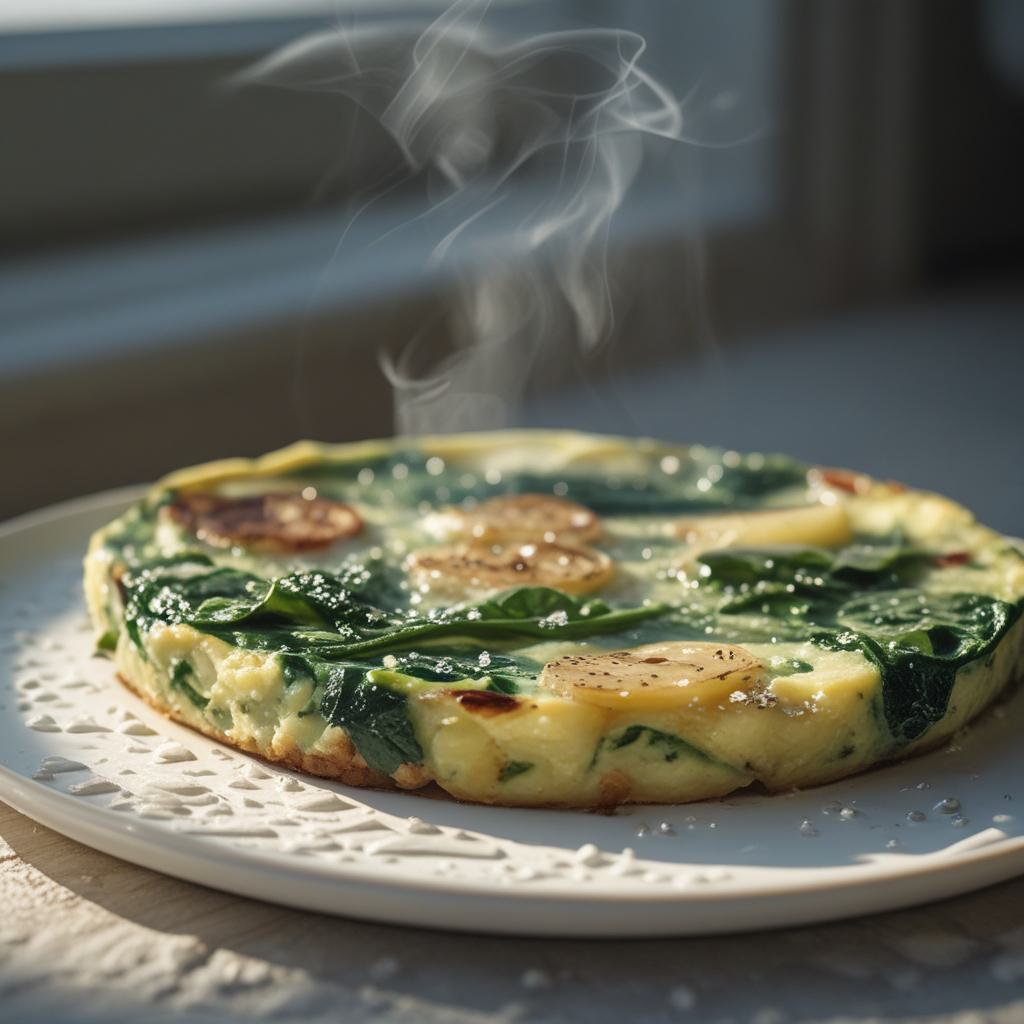
The morning light filters through the kitchen window, catching wisps of steam rising from a cast iron skillet where golden potatoes sizzle in olive oil. This is where culinary alchemy happens – where humble eggs transform into a celestial Spinach and Potato Frittata. The aroma alone is a symphony: earthy spinach wilting into sweet shallots, nutty Gruyère melting over caramelized potato coins, and that unmistakable fragrance of eggs achieving perfect custardy solidarity. Like an edible sunburst, this Italian staple marries rustic comfort with elegant sophistication, its golden surface giving way to a mosaic of tender vegetables suspended in a velvety matrix. The first bite delivers contrasting revelations – crisp-edged potatoes against silky eggs, pungent cheese balanced by bright spinach – proving that greatness lies in the harmony of everyday ingredients.
Table of Contents
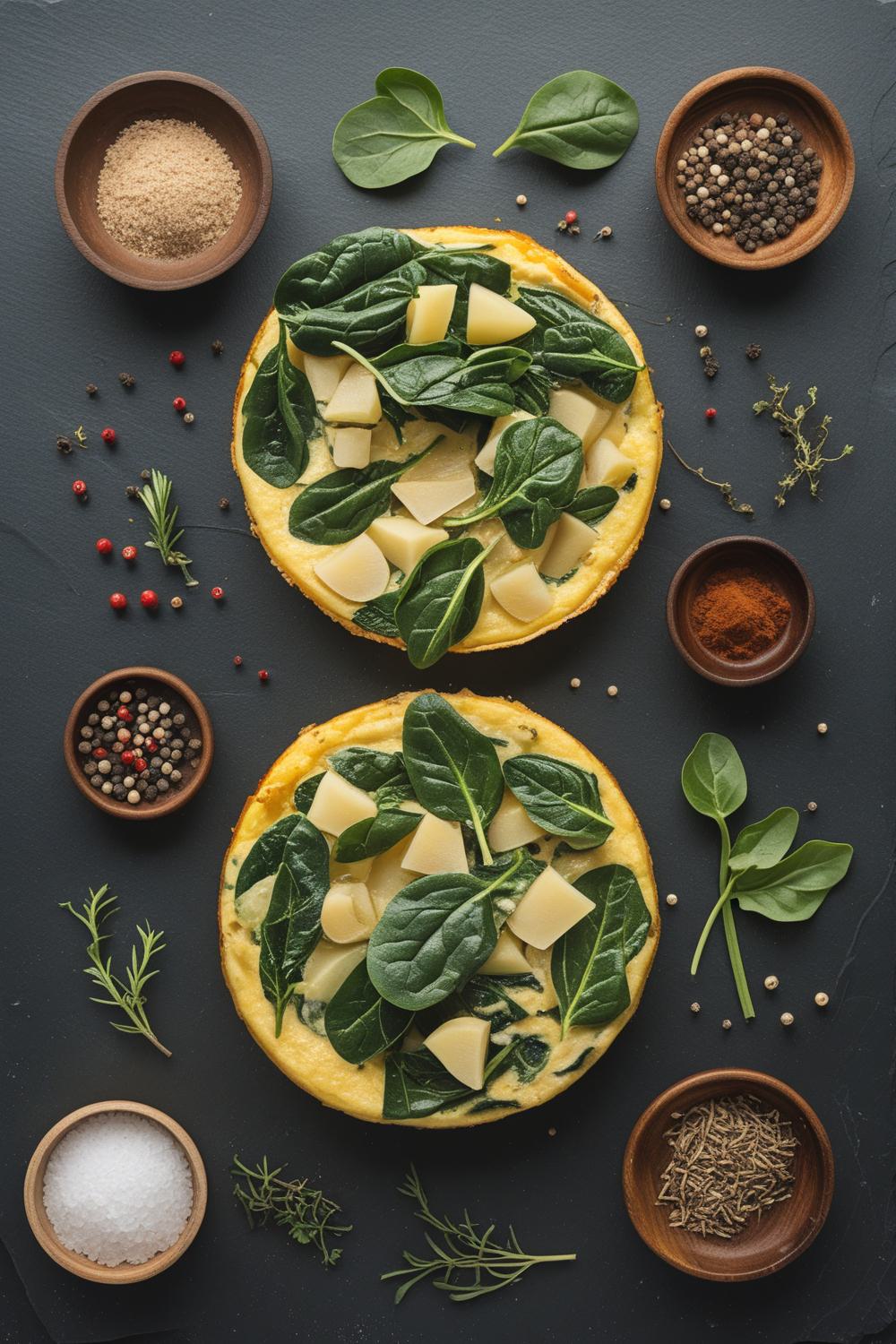
Ingredient Deep Dive
| Ingredient | Quantity | Purpose |
|---|---|---|
| Yukon Gold potatoes | 12 oz (340g) | Provides velvety texture and sweet starch |
| Fresh spinach | 5 oz (140g) | Adds color, iron, and fresh vegetal notes |
| Large eggs | 8 | Protein matrix builder and binder |
| Gruyère cheese | 1 cup grated | Provides umami and emulsifying fats |
| Shallots | 2 finely chopped | Delicate allium base flavor |
| Extra virgin olive oil | 3 tbsp | High smoke point cooking fat & flavor carrier |
| Whole milk | 1/4 cup | Creates lighter custard texture |
| Nutmeg | 1/4 tsp freshly grated | Enhances spinach’s earthy notes |
The potato selection is critical – waxy Yukon Golds maintain structure better than starchy russets when thinly sliced. Their inherent buttery flavor integrates seamlessly with the custard. Fresh spinach (never frozen) ensures vibrant color and prevents excess water from compromising texture. Gruyère’s meltability surpasses cheddar due to higher moisture content and smaller fat globules, creating superior emulsion with the eggs. Whole milk provides just enough lactose to encourage caramelization without curdling proteins.
Egg temperature dictates frittata success. Cold eggs straight from refrigeration create tight, rubbery textures. Allowing them to reach room temperature before whisking permits proteins to unwind gradually, resulting in tender custard. The olive oil’s high phenolic content prevents oxidation at cooking temperatures while imparting subtle fruitiness. Shallots offer gentler allium punch than onions, protecting the delicate egg-spinach balance.
Substitutions & Swaps
For vegan adaptations, replace eggs with a blend of silken tofu (14oz) and chickpea flour (1/4 cup). Use nutritional yeast instead of Gruyère, and coconut oil for sautéing. Gluten-sensitive diners need no adjustments since classic frittatas contain no flour. When potatoes aren’t available, try peeled zucchini rounds, salted and patted dry to remove excess moisture.
Cheese alternatives depend on desired flavor profile: sharp cheddar for boldness, feta for saltiness, or fontina for silkiness. Those avoiding dairy can use avocado oil instead of butter with dairy-free cheese alternatives; Miyoko’s Creamery makes exceptional plant-based options. Spinach can be substituted with lacinato kale (massaged first to tenderize) or Swiss chard. Sweet potatoes add delightful sweetness when swapped for Yukon Golds, though cooking time increases slightly.
Equipment Guide
The 10-inch cast iron skillet reigns supreme for frittata mastery. Its superior heat retention ensures even cooking from stovetop to oven, unlike thin non-stick pans that create hot spots. Enameled cast iron prevents metallic flavors while maintaining ideal thermal conductivity. Essential tools include: a mandoline slicer (1/8-inch potato consistency is non-negotiable), microplane zester (for uniform nutmeg grating), balloon whisk (creates airy egg emulsion), and fish spatula (thins edge for flawless flipping).
An infrared thermometer guarantees precise 375°F pan temperature before adding eggs – critical for proper caramelization without burning. Avoid rubber or silicone utensils that scratch seasoning layers. For oven transfer, a forged carbon steel handle guard prevents burns during broiling. Presentation demands a tempered glass pie server – its slight flexibility lifts frittata wedges intact.
Step-by-Step Walkthrough
- Preheat broiler to high with rack 6 inches below heat
- Slice potatoes to 1/8-inch coins using mandoline
- Heat olive oil in skillet over medium until shimmering (350°F)
- Arrange potatoes in single layer; cook 8 minutes untouched
- Flip potatoes with offset spatula; cook 6 minutes until gilded
- Push potatoes to skillet perimeter; add shallots to center
- Sauté shallots 2 minutes until translucent
- Add spinach in batches, wilting completely between additions
- Whisk eggs with milk, nutmeg, and 3/4 of grated Gruyère
- Pour egg mixture evenly over vegetables
- Cook undisturbed 5 minutes until edges set
- Sprinkle remaining cheese; transfer to oven
- Broil 3-4 minutes until golden with set center
- Cool 5 minutes before slicing
The caramelization phase is sacred – let those potatoes develop deep golden crusts before disturbing them. When pouring eggs, lift vegetable layers with chopsticks to allow custard penetration. Watch for the critical “skirt” moment – when edges pull slightly from pan, signaling readiness for oven transfer. Broiling activates the Maillard reaction on the cheese crust, creating flavor-boosting compounds.
Test doneness by jiggling the pan; the center should show only slight movement, like barely set gelatin. Remember residual heat will continue cooking the frittata during cooling – premature slicing releases precious steam and results in collapse. For clean wedges, use a chef’s knife rinsed under hot water between cuts.
Expert Tips & Troubleshooting
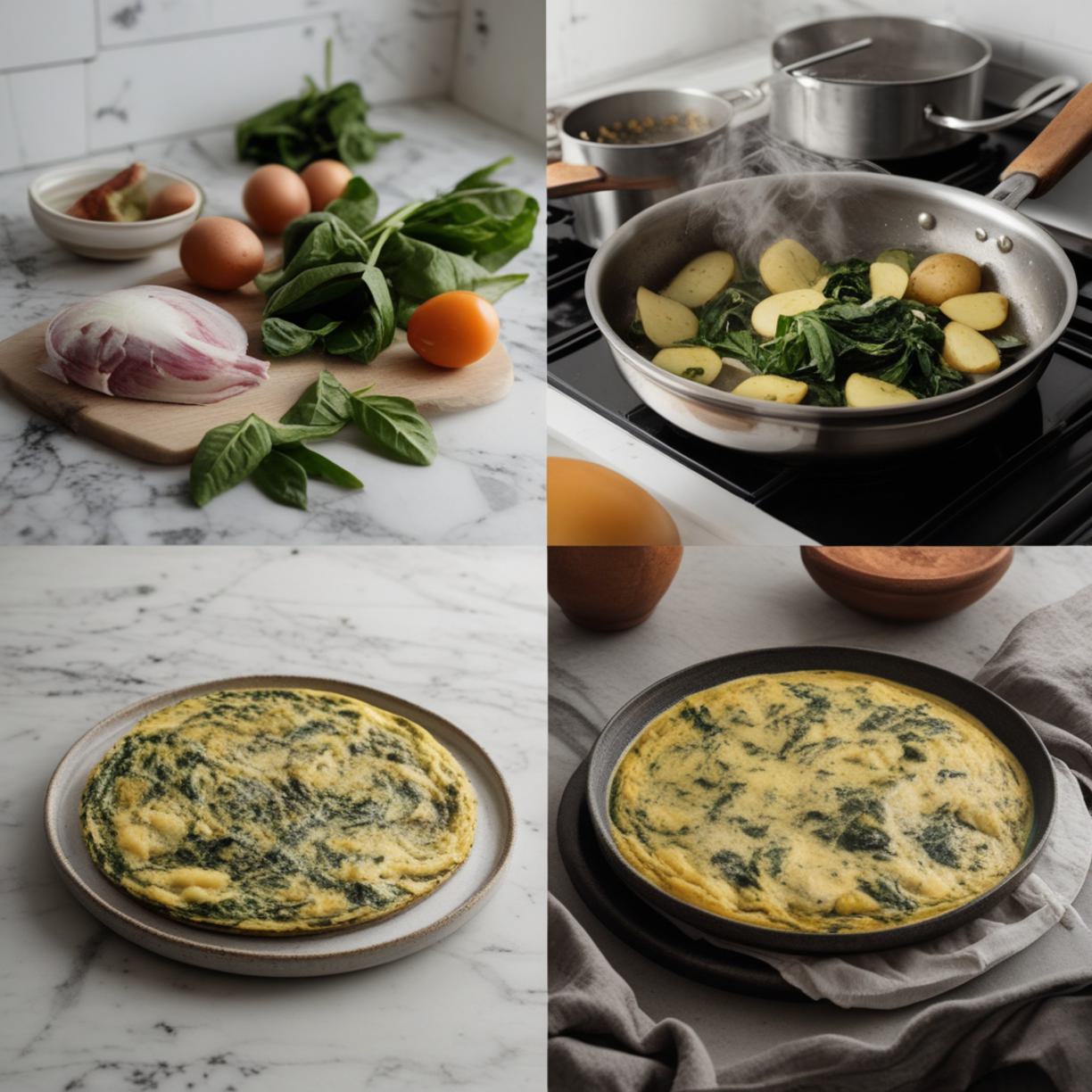
Frittatas fail from three main sins: overcooking (rubbery texture), under-seasoning (blandness), and impatience (collapsed structure). Salt eggs directly 15 minutes before cooking – this dissolves proteins for silkier texture. If eggs begin setting too quickly on the stovetop, lower heat and cover briefly with vented lid.
When broiling, rotate skillet 180° halfway through for even browning. For smoky depth, finish with flaky sea salt and smoked paprika dusting. If potatoes stick during initial sauté, resist scraping – their natural sugars will release when properly caramelized. Sinking vegetables? Gently press floating ingredients back into eggs with chopsticks during early cooking stages.
Fix runny centers by returning skillet to oven at 325°F with foil-wrapped handle (2-3 minutes max). Salvage stuck frittatas by letting pan cool completely before loosening with flexible spatula. Curdling indicates overheated dairy – use full-fat milk next time and prevent boiling.
Flavor Variations
Mediterranean Twist: Kalamata olives, sun-dried tomatoes, and feta cheese with oregano infusion. Chorizo-Piquillo: Browned Spanish chorizo adds spice while jarred piquillo peppers provide smoky sweetness. For children, incorporate diced ham and cheddar, arranging potatoes into smiley faces pre-bake.
Herbaceous versions shine with fresh tarragon and chives. Autumn profiles favor roasted squash and sage. Seafood adaptations work beautifully with lump crab or smoked trout – fold into eggs just before oven transfer. Caprese style layers fresh mozzarella and basil with tomato concassé topping post-broil.
Storage & Reheating
Cool frittata completely before wrapping tightly in beeswax or parchment paper. Refrigerate up to 4 days; freeze up to 3 months. For freezing, slice into portions and separate with parchment between layers. Reheat refrigerated slices in 325°F oven 8-10 minutes. Microwave reheating destroys texture – use skillet with splash of water on medium-low instead. Frozen portions thaw overnight before reheating.
FAQ Section
Can I make this dairy-free?
Yes – substitute cheese with nutritional yeast and milk with unsweetened almond milk.
Why can’t I use frozen spinach?
Frozen spinach retains too much water, leading to soggy texture. If using frozen, press firmly in cheesecloth to remove all liquid.
How do I know when it’s fully cooked?
The center should reach 170°F. Insert a knife – it should emerge clean with no eggy residue.
Can I freeze frittata slices?
Yes – wrap individually, freeze flat, then transfer to airtight container. Reheat from frozen in 350°F oven 15 minutes.
The Recipe Card
This golden Spinach and Potato Frittata delivers a rich custard interior studded with caramelized potatoes and vibrant spinach, capped with crispy Gruyère crust. Serves 6 as brunch centerpiece or 4 as hearty dinner. Ready in 35 minutes with minimal cleanup.
Nutrition Information
| Nutrient | Per Serving (1/6) |
|---|---|
| Calories | 280 |
| Protein | 18g |
| Carbohydrates | 15g |
| Fat | 18g |
| Fiber | 2g |
| Sodium | 320mg |
Disclaimer: Nutritional estimates use standard USDA values. Actual values may vary based on ingredient brands and measurements.