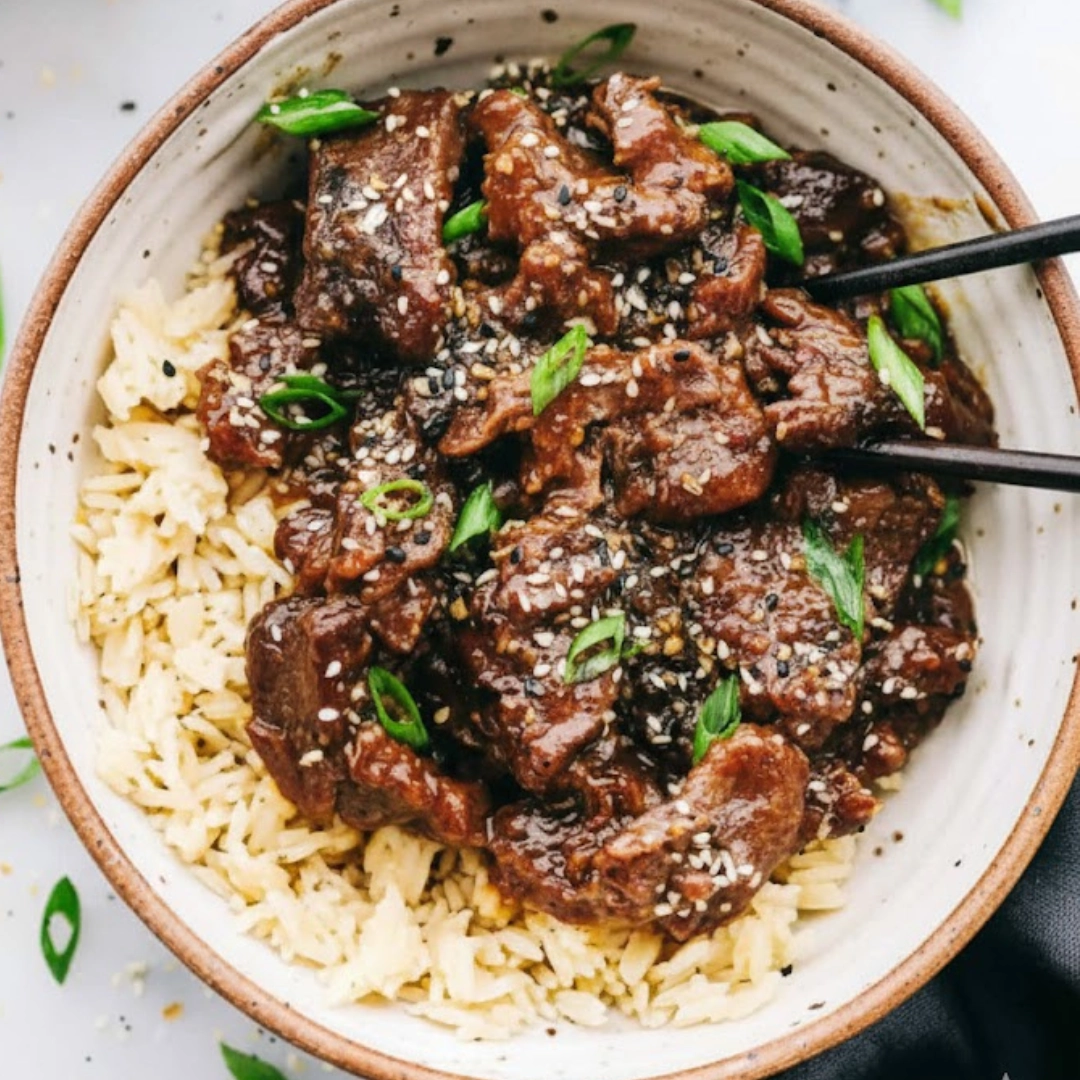
This slow cooker Korean beef preparation is all about minimal effort for maximal flavor. It achieves that signature balance of sweet, salty, and umami that defines authentic Korean barbecue, but without needing a hot grill or constant attention. The slow cooker acts as a flavor incubator, transforming a less expensive cut of beef into meltingly tender shreds swimming in a complex, aromatic glaze. It’s the perfect, hearty centerpiece for a family dinner and a brilliant foundation for rice bowls, tacos, or simple noodle dishes.
Table of Contents
The Essential Components for Your Korean Beef
A few staple pantry items, combined with key Asian ingredients, are all you need to build this deep and savory profile. Ensure your measurements are accurate, as the marinade’s balance is what delivers that characteristic sweetness and depth of flavor.
For the Beef:
- 3 pounds beef chuck roast, trimmed of excess fat and cut into 2-inch chunks
- 1 tablespoon canola oil or other neutral cooking oil
For the Sauce Base:
- 1 cup low-sodium soy sauce
- Half cup brown sugar, packed
- Half cup water
- Quarter cup rice vinegar (not seasoned)
- 2 tablespoons sesame oil
- 2 tablespoons fresh ginger, grated
- 4 cloves garlic, minced
- 1 teaspoon red pepper flakes (adjust to desired heat)
- Half teaspoon black pepper
For Garnish (Optional):
- Quarter cup scallions, thinly sliced
- 2 teaspoons toasted sesame seeds
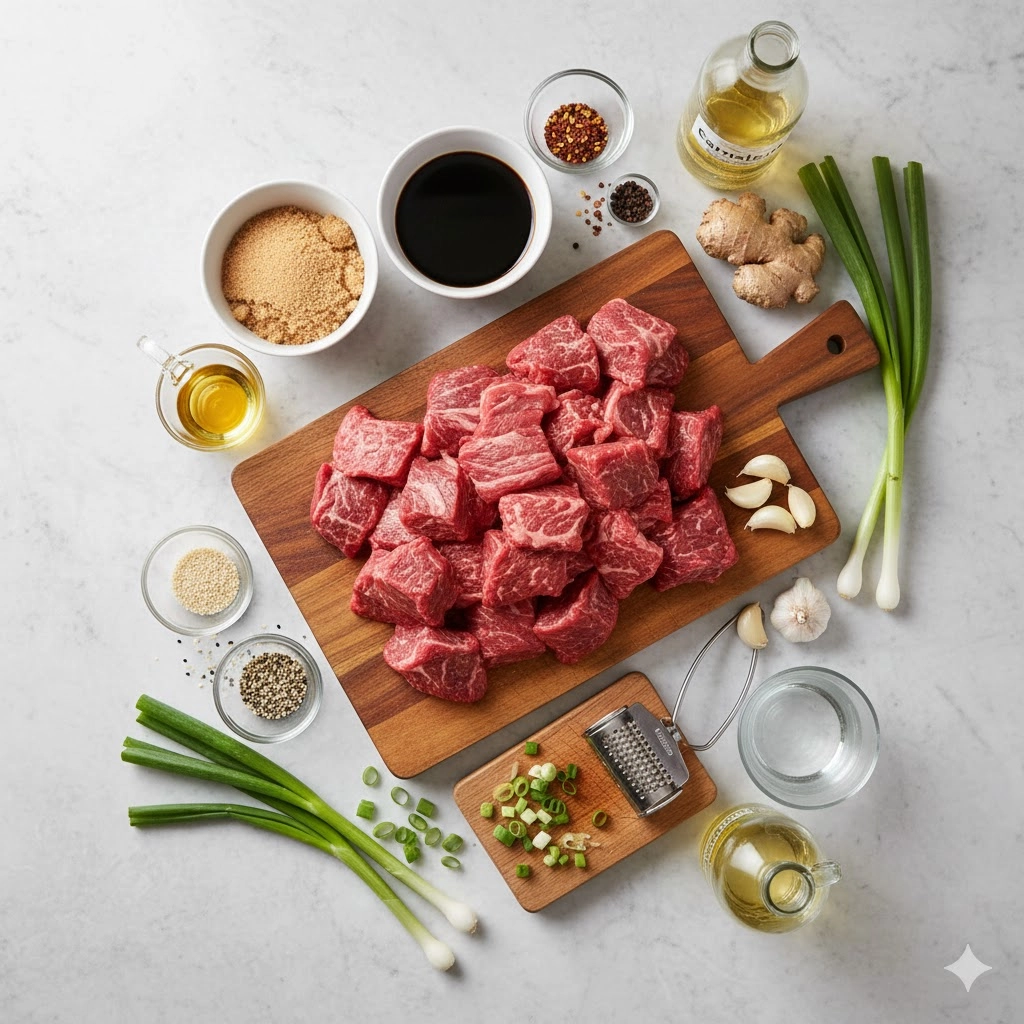
Method: The Gentle Transformation
- Sear the Beef: Pat the beef dry. Heat the oil in a skillet over medium-high heat until shimmering. Sear the beef chunks on all sides until a deep, dark brown crust forms. Do this in batches to avoid overcrowding the pan.
- Combine the Sauce: In a medium bowl, whisk together the soy sauce, brown sugar, water, rice vinegar, sesame oil, grated ginger, minced garlic, red pepper flakes, and black pepper until the sugar is mostly dissolved.
- Transfer and Pour: Place the seared beef chunks into the slow cooker basin. Pour the prepared sauce evenly over the beef.
- Slow Cook: Cover the slow cooker. Cook on LOW for seven to eight hours, or on HIGH for three and a half to four hours, until the beef is easily shreddable with a fork.
- Shred the Meat: Carefully remove the beef from the slow cooker and place it on a cutting board. Use two forks to shred the beef into bite-sized pieces.
- Return to Sauce: Place the shredded beef back into the slow cooker, tossing gently to coat it completely with the remaining sauce. Let it rest in the sauce for ten to fifteen minutes before serving to absorb the liquid.
- Serve: Ladle the slow cooker Korean beef and sauce over your chosen side, garnishing with fresh scallions and sesame seeds.

Mastering the Process: Sensory Cues and Key Checks
The low-and-slow method is forgiving, but a few critical steps ensure the final dish moves beyond simple stew to a restaurant-quality centerpiece. Paying attention to what’s happening in the pan and the pot is the secret.
The Importance of the Sear
Do not skip the searing step. This is where you build the foundational flavor—the Maillard reaction. When the raw beef hits the hot oil, the outside sugars and proteins rapidly caramelize, creating hundreds of new flavor compounds. You are looking for a deep, browned crust, not just a light gray color. If the pan sizzles loudly when you add the beef, the temperature is right. If you crowd the pan, the temperature drops, and the meat steams instead of searing, which defeats the purpose. Sear in batches and resist the urge to move the meat too soon; let it develop that dark crust before flipping.
Achieving the Perfect Shred
The endpoint for this recipe is defined by tenderness. Whether you choose to cook on LOW or HIGH, the beef must reach a point where the collagen has fully dissolved into gelatin, yielding meat that is fall-apart tender. When you check for doneness after the specified cooking time, gently prod a piece with a fork. If it offers any significant resistance, it needs more time—usually another thirty minutes to an hour. The texture should feel like softened butter under the tines of the fork. This deep tenderness allows the shredded meat to fully absorb the rich sauce when it’s returned to the pot.
Developing the Sauce
The sauce, or the resulting glaze, will be thinner than a standard gravy because of the water content and the liquid released by the beef. This is desirable for coating rice or noodles. However, if you prefer a thicker sauce, there’s an easy remedy. Once the beef is removed for shredding, ladle the sauce into a small saucepan. Bring it to a boil and reduce it slightly for five to ten minutes, or mix one tablespoon of cornstarch with two tablespoons of cold water (a slurry) and whisk it into the boiling sauce. Let it simmer for two minutes until thickened. Return the shredded beef to the reduced or thickened sauce for coating.
Expert Insights for a Flawless Dish
These professional techniques will ensure your Korean beef is complex, well-balanced, and memorable.
- Marinate Overnight: While this recipe works without marinating, for an even deeper penetration of flavor, combine the sauce ingredients and the beef chunks in a sealed container and refrigerate for up to twenty-four hours before slow cooking. This dramatically deepens the savory notes.
- The Apple Trick: Authentic Korean barbecue often uses a grated Asian pear or apple in the marinade for its enzymes and natural sweetness. Add a quarter cup of finely grated Granny Smith apple to your sauce mixture. The pectin and mild acid help tenderize the meat, and the sugars add depth.
- Use Fresh Aromatics: The quality of the ginger and garlic is paramount. Avoid dried or jarred versions. Use a microplane to grate the fresh ginger; this releases its oils and juice most effectively, preventing large, fibrous pieces in the final dish.
- Adjust Salt at the End: Soy sauce is salty, and as the sauce reduces, the salinity concentrates. Taste the final sauce after the beef is shredded and has rested in the liquid. If needed, a pinch more salt is fine, but it’s easy to over-salt early on.
- Keep the Lid On: Every time you lift the slow cooker lid, you release accumulated heat and steam, dropping the internal temperature by approximately ten to fifteen Fahrenheit. This can extend the cooking time significantly. Only lift the lid to check for doneness at the end of the suggested time window.
Adapting and Enhancing the Recipe
The core sauce is versatile, allowing for several creative tweaks based on your pantry and preference.
- Spice Level Variation: For a classic, vibrant Korean heat, substitute the red pepper flakes with two tablespoons of Gochujang (Korean chili paste). This provides a more complex, fermented heat and a slightly thicker texture to the sauce.
- Vegetable Inclusion: To make this a more complete meal, add dense root vegetables or hardy greens. About one hour before the cooking time is complete, stir in one pound of halved baby carrots or pearl onions. Alternatively, stir in one cup of chopped kimchi at the end for an acidic, fermented note.
- Cut of Meat Substitution: If chuck roast is unavailable, use boneless short ribs or brisket point. Both cuts contain the necessary connective tissue to break down into tender, succulent meat. Avoid lean cuts like sirloin, which will dry out and become tough during the long cooking time.
- Citrus Brightness: A splash of acid elevates the rich, dark flavors. At the very end of cooking, stir in one tablespoon of fresh orange juice or lime juice. This addition should be bright and subtle, not overpowering.
What to Serve Alongside
The rich, savory nature of this beef pairs best with simple, clean starches and refreshing, crisp vegetables that cut through the richness.
- Classic Rice Bowl: Serve over freshly steamed short-grain white rice or brown rice. The rice absorbs the flavorful glaze beautifully, making every bite substantial.
- Lettuce Wraps: Transform the dish into a lighter meal by serving the beef in crisp butter lettuce or romaine cups. Top with shredded carrot and a squeeze of fresh lime for a delicious, hand-held option.
- Noodle Stir-Fry: Toss the shredded beef and sauce with thick, hearty noodles like udon or somen. Add a few handfuls of chopped bok choy or snap peas for a complete, quick stir-fry.
- Savory Sliders: Pile the slow cooked meat onto small brioche rolls or Hawaiian sweet rolls. Top with a creamy coleslaw made with rice vinegar and a pinch of sesame oil for a textural contrast.

Frequently Asked Questions
Can I cook this on the stovetop or in the oven?
You can adapt this recipe for the oven, though it won’t be as hands-off. After searing the beef, transfer it and the sauce to a Dutch oven. Cover it tightly and bake at two hundred seventy-five Fahrenheit for three to four hours, or until fork-tender. This method often results in a slightly deeper caramelization on the edges of the beef.
What is the best way to store leftovers?
Leftover Korean beef and its sauce should be stored together in an airtight container in the refrigerator for up to four days. The flavor actually deepens overnight. To reheat, gently warm the mixture on the stovetop over low heat, adding a splash of water or beef broth if the sauce has become too thick.
Can I freeze this recipe?
Yes, this dish freezes exceptionally well. After the beef has cooled completely, transfer the shredded meat and its glaze to a freezer-safe container or a heavy-duty freezer bag, ensuring there is minimal air. It can be frozen for up to three months. Thaw overnight in the refrigerator before reheating.
Is it possible to use leaner cuts of meat?
While possible, leaner cuts like flank steak or sirloin are not recommended for a seven-to-eight-hour slow cooking process. They lack the necessary connective tissue and intramuscular fat to remain moist and tender for a long duration, leading to a dry, stringy final product. Stick to chuck roast or short ribs for the best results.
Nutritional Information
| Nutrient | Amount per Serving |
| Calories | 380 kcal |
| Protein | 45 g |
| Carbs | 18 g |
| Fat | 14 g |
| Fiber | 1 g |
| Sugar | 14 g |
| Sodium | 890 mg |
Disclaimer
Nutrition information is an estimate and may vary based on preparation and ingredients used.
PrintSlow Cooker Korean Beef: A Deeply Savory Weeknight Main

This slow cooker Korean beef preparation is all about minimal effort for maximal flavor. The low and slow method yields fork-tender meat ideal for rice bowls, tacos, or simple noodle dishes.
- Prep Time: 20 mins
- Cook Time: 7 hours
- Total Time: 7 hours 20 mins
- Yield: 8 servings 1x
- Category: Main Course
- Method: Slow Cooker
- Cuisine: Korean
Ingredients
3 pounds beef chuck roast, trimmed of excess fat and cut into 2-inch chunks
1 tablespoon canola oil or other neutral cooking oil
1 cup low-sodium soy sauce
1/2 cup brown sugar, packed
1/2 cup water
1/4 cup rice vinegar (not seasoned)
2 tablespoons sesame oil
2 tablespoons fresh ginger, grated
4 cloves garlic, minced
1 teaspoon red pepper flakes
1/2 teaspoon black pepper
1/4 cup scallions, thinly sliced (for garnish)
2 teaspoons toasted sesame seeds (for garnish)
Instructions
1. Pat the beef dry. Heat the oil in a skillet over medium-high heat until shimmering. Sear the beef chunks on all sides until a deep, dark brown crust forms, doing this in batches.
2. Whisk together the soy sauce, brown sugar, water, rice vinegar, sesame oil, grated ginger, minced garlic, red pepper flakes, and black pepper until the sugar is mostly dissolved.
3. Place the seared beef chunks into the slow cooker basin. Pour the prepared sauce evenly over the beef.
4. Cover the slow cooker. Cook on LOW for seven to eight hours, or on HIGH for three and a half to four hours, until the beef is easily shreddable with a fork.
5. Remove the beef from the slow cooker and place it on a cutting board. Use two forks to shred the beef into bite-sized pieces.
6. Place the shredded beef back into the slow cooker, tossing gently to coat it completely with the remaining sauce. Let it rest for ten to fifteen minutes before serving.
7. Ladle the slow cooker Korean beef and sauce over your chosen side, garnishing with fresh scallions and sesame seeds.
Notes
Marinate the beef overnight for a deeper penetration of flavor.
If the sauce is too thin, you can thicken it by boiling it down slightly or adding a cornstarch slurry.
Avoid lifting the lid frequently during the slow cooking process to maintain internal heat.
Nutrition
- Serving Size: 1 serving
- Calories: 380
- Sugar: 14g
- Sodium: 890mg
- Fat: 14g
- Saturated Fat: 6g
- Unsaturated Fat: 6g
- Trans Fat: 0g
- Carbohydrates: 18g
- Fiber: 1g
- Protein: 45g
- Cholesterol: 120mg