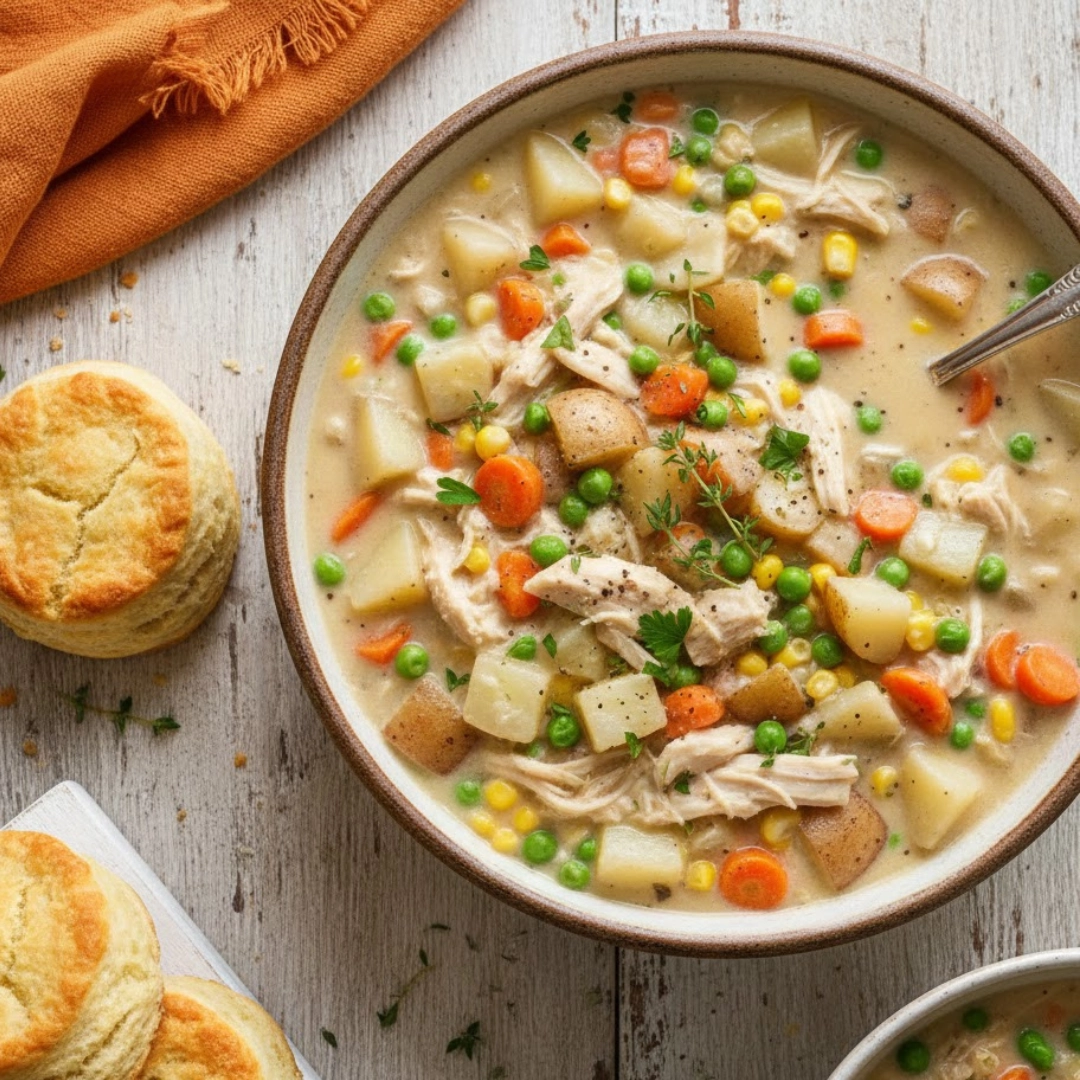
The chicken pot pie, at its heart, is a deeply satisfying marriage of savory filling, rich sauce, and flaky crust—a defining dish of American comfort cuisine. Yet, the traditional preparation, involving careful pastry work and stove-to-oven transitions, often relegates it to a weekend project. This is where the modern approach excels. By taking the essential flavors and textures—the tender chicken, the familiar root vegetables, and the thyme-scented, velvety broth—and transitioning them into a bowl-friendly, Slow Cooker Chicken Pot Pie Soup format, we reclaim this classic for any day of the week. This is not merely a deconstructed dish; it’s an optimized experience, allowing the low-and-slow environment of the cooker to perfectly meld the flavors, achieving a depth and viscosity that standard stovetop methods struggle to match. The result is pure, uncomplicated warmth in a bowl, ready when you are.
Table of Contents
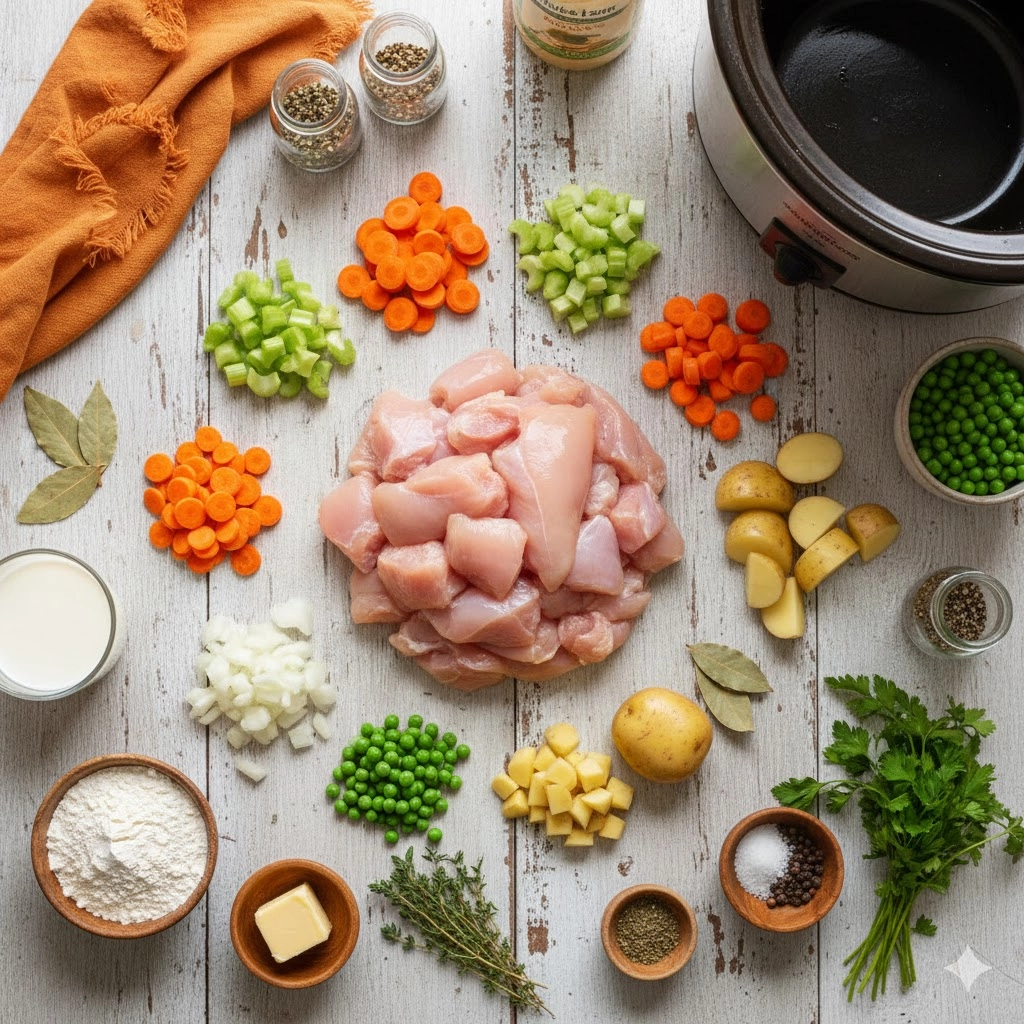
The Foundation: What You’ll Need to Build Your Bowl
Creating this dish relies on balancing simple, high-quality ingredients. The volume of the broth and the texture of the vegetables are crucial, so measure carefully.
For the Primary Soup Base
- 2 pounds boneless, skinless chicken breasts or thighs, cut into 1-inch pieces
- 1 medium yellow onion, finely diced
- 1 cup celery, sliced (about 2 stalks)
- 1 cup carrots, sliced or diced (about 3 large carrots)
- 2 cups small Yukon Gold potatoes, peeled and diced (about 1 pound)
- 4 cups (1 quart) low-sodium chicken broth
- 1 teaspoon dried thyme
- 1 teaspoon dried rosemary, crushed
- 1 bay leaf
- 1 teaspoon Kosher salt
- Half a teaspoon freshly ground black pepper
For the Creamy Finish and Texture
- Half a cup (1 stick) unsalted butter
- Half a cup all-purpose flour
- 1 cup whole milk (or half-and-half for extra richness)
- Half a cup frozen peas
- 2 tablespoons fresh parsley, chopped, for garnish
The Gentle Art of Simmering: Step-by-Step Assembly
The beauty of the slow cooker lies in its hands-off approach. Follow these high-level steps for seamless execution.
- Combine the Core Ingredients: Place the diced chicken, all vegetables (onion, celery, carrots, potatoes), chicken broth, and all dried herbs and seasonings (thyme, rosemary, bay leaf, salt, pepper) directly into the slow cooker basin.
- Initial Cook Cycle: Secure the lid and set the cooker to Low for four hours. Alternatively, if time is short, set it to High for two to three hours.
- Prepare the Roux Base: Approximately thirty minutes before the end of the cooking time, begin the preparation for the thickening agent by melting the butter in a separate saucepan over medium heat.
- Create the Velvety Thickener: Whisk the flour into the melted butter until a smooth paste forms (the roux). Continue to cook this mixture for sixty seconds, ensuring it maintains a light, straw-yellow color.
- Incorporate the Dairy: Slowly stream the whole milk (or half-and-half) into the roux, whisking continuously until the mixture is completely smooth and any lumps have dissolved. Allow this mixture to gently simmer until it visibly thickens.
- Finalize the Soup Base: Carefully pour the prepared thickening mixture into the slow cooker. Stir well to integrate it thoroughly into the hot broth, ensuring no pockets of thickener remain.
- Add Final Touches: Stir in the frozen peas. Cover the slow cooker once more and continue cooking for a final fifteen minutes on High or Low until the peas are heated through and the soup has reached a substantial, creamy consistency.
- Serve and Garnish: Remove the bay leaf before serving. Ladle the soup into bowls and garnish with fresh parsley.

Decoding the Cooker: Texture, Aroma, and Doneness Cues
Transitioning the Pot Pie into a soup means paying close attention to the structural integrity of the ingredients, especially the chicken and vegetables. The long, moist cooking environment of the slow cooker requires an understanding of how components soften, release flavor, and ultimately come together into a homogenous, satisfying final product. This section delves into the sensory details at each stage.
The Chicken’s Transformation:
When initially cutting the chicken, aim for uniform, 1-inch pieces. This allows the protein to cook evenly alongside the heartier root vegetables. During the first two hours of cooking, the chicken will transition from opaque to fully tender. You should notice the pieces becoming almost fork-shredable, though we want them to remain intact cubes for texture contrast. The low heat is key here; high heat can cause the chicken to seize up and become dry, even submerged in liquid. The aroma released in these early stages will be predominantly earthy, driven by the simmering mirepoix (onions, carrots, celery) and the initial bloom of the dried thyme and rosemary. The smell should be clean and savory, not sulfurous or sharp.
The Integrity of the Vegetables:
Carrots and potatoes take the longest to soften, which is why they are added at the beginning. They must be tender but not disintegrate into the broth. By hour three, a small piece of potato or carrot should offer minimal resistance when pierced with a fork—it should be soft, but still hold its shape when lifted. If the vegetables are still firm, simply allow an additional thirty minutes of simmering time. Avoid cutting the potatoes too small, as they are susceptible to overcooking and dissolving, which turns the texture mealy. We want a distinct, satisfying bite from the vegetable components.
The Moment of Emulsification (The Roux):
The preparation of the roux is the most technical part of this entire process, but it is indispensable for achieving the signature velvety texture of a pot pie filling. When making the roux, the initial whisking of flour into melted butter should create a paste that smells faintly nutty after sixty seconds. This is the cooked flavor of the starches activating. When the milk is streamed in, the temperature difference is crucial. Adding cold or room-temperature milk to a hot roux helps prevent immediate clumping. You must whisk vigorously and continuously during this dairy incorporation phase. The goal is a smooth white sauce (a béchamel) that coats the back of a spoon. When this thickened sauce is introduced to the slow cooker, it should instantly change the viscosity of the entire soup. You’ll notice the liquid change from a thin broth to a slightly glossy, opaque, and substantial base. Continue stirring for a full minute to ensure the thickener is distributed and actively working throughout the basin.
Final Texture and Sensory Check:
The final fifteen minutes of cooking, after the thickener and peas are added, are all about heat saturation and texture stabilization. The soup should simmer gently, its surface bubbling lazily. The consistency should be thick enough to cling to the vegetables and chicken, but still loose enough to pour like a soup. If the soup appears too thin, this is your opportunity: remove the lid entirely for the last fifteen minutes. This slight evaporation will naturally intensify the flavor and help tighten the sauce. The finished aroma should be overwhelmingly comforting—a blend of savory chicken, sweet carrots, and the herbaceous lift of thyme. Visually, the soup should be a uniform, creamy, pale-yellow hue, studded with vibrant green peas and orange carrot pieces. Remove the bay leaf immediately upon serving, as its strong, resinous flavor is not meant to linger once the cooking is complete. This attention to detail transforms a simple dish into an expertly executed bowl of Slow Cooker Chicken Pot Pie Soup.
Elevating the Broth: Expert Secrets for Depth of Flavor
The slow cooker is excellent for tenderizing and melding, but it can occasionally flatten aromatic top notes. Use these techniques to ensure the finished soup has the complex, multi-layered depth expected of a restaurant-quality dish.
- The Sautéed Start: While the primary instruction calls for simply tossing ingredients into the cooker, taking five minutes to sauté the onions, carrots, and celery in one tablespoon of butter before adding them significantly deepens the flavor. This initial step, called blooming, caramelizes the sugars in the vegetables and sets a richer base aroma that carries through the long cook time.
- The Role of White Wine: For an acid lift that brightens the overall profile, introduce a quarter cup of dry white wine, like a Pinot Grigio or Sauvignon Blanc, when the milk is added to the roux. The wine’s acidity balances the richness of the butter and milk, preventing the final dish from tasting overly heavy or bland.
- Use Better Than Bouillon: Instead of relying entirely on liquid broth, use one tablespoon of a concentrated chicken base (often called “Better Than Bouillon”) dissolved in the liquid. This adds a layer of complexity and highly concentrated umami that standard boxed broths often lack.
- The Secret to Silky Finish: If you find the soup is slightly grainy or the fat has separated (a common issue with long slow cooks), whisk in two to four tablespoons of sour cream or cream cheese right at the end, just before serving. This infuses the soup with an emulsifying fat that smooths the texture instantly and adds a lovely, subtle tang.
- Finishing Fresh Herbs: While dried herbs perform well in the slow cooker environment, their flavor can dull over time. Always finish the soup with a small amount of fresh herbs, like finely minced tarragon or chives, in addition to the required parsley. The volatile oils in the fresh herbs provide a pop of clean flavor that contrasts beautifully with the stewed complexity of the pot pie base.
Culinary Crossroads: Adapting the Pot Pie Formula
The core flavor profile of chicken, cream, and vegetables is highly adaptable. These variations offer new directions without sacrificing the essential spirit of the dish.
- The Turkey Revival: This recipe is an ideal vehicle for leftover cooked poultry. If you have roasted turkey from a holiday, skip the raw chicken cooking step entirely. Follow the recipe as written, cooking the vegetables and broth for the full four hours on Low. Only stir in the pre-cooked, diced turkey during the final thirty minutes alongside the thickener, ensuring the meat only reheats, preserving its moisture.
- Mushroom Earthiness: For a vegetarian-friendly twist, omit the chicken and replace it with two cups of sautéed cremini or button mushrooms. Sautéing them is critical to releasing their moisture and concentrating their flavor. For added depth, use vegetable broth instead of chicken broth and consider adding a teaspoon of smoked paprika for an earthy, smoky undertone.
- Cornbread Topping: While this is a soup, the pot pie element can be brought back structurally. Instead of serving with crackers, pour the finished soup into oven-safe crocks. Top each crock with a small disc of prepared cornbread batter (homemade or store-bought mix) and bake under a high broiler for ninety seconds or until the cornbread is golden brown. This offers a bite of the classic crust texture.
- Gluten-Free Thickener: To make the soup accessible for gluten-sensitive diners, substitute the half cup of all-purpose flour with a quarter cup of cornstarch dissolved in half a cup of cold milk or water. This slurry should be added after the cooking is complete, stirring constantly on high heat for two to three minutes until the soup thickens. Cornstarch yields a clear, glossy finish compared to the matte finish of a flour roux.
Perfect Pairings: Completing the Comfort Plate
A rich, creamy, and satisfying soup like this requires accompaniments that provide textural contrast and a slight break from the heavy richness. The right side dish elevates the entire meal experience.
- The Simple Crust Element: The most traditional and logical pairing is a piece of simple, flaky pastry. Rather than baking a full crust, purchase a sheet of pre-made puff pastry. Cut it into 1-inch squares or thin strips, brush with egg wash, and bake separately until golden brown. These small, buttery “croutons” of pastry can be floated atop the soup, offering that crucial textural counterpoint that connects the soup back to the original pot pie.
- A Bright, Sharp Salad: To cut through the dairy and richness, a very simple, lightly dressed green salad is indispensable. The key is using a vinaigrette with significant acidity. Combine olive oil, fresh lemon juice, a dash of Dijon mustard, and a pinch of salt and pepper. Toss with mixed greens, endive, or watercress. The sharp tang of the lemon vinaigrette provides a refreshing palate cleanser between spoonfuls of the soup.
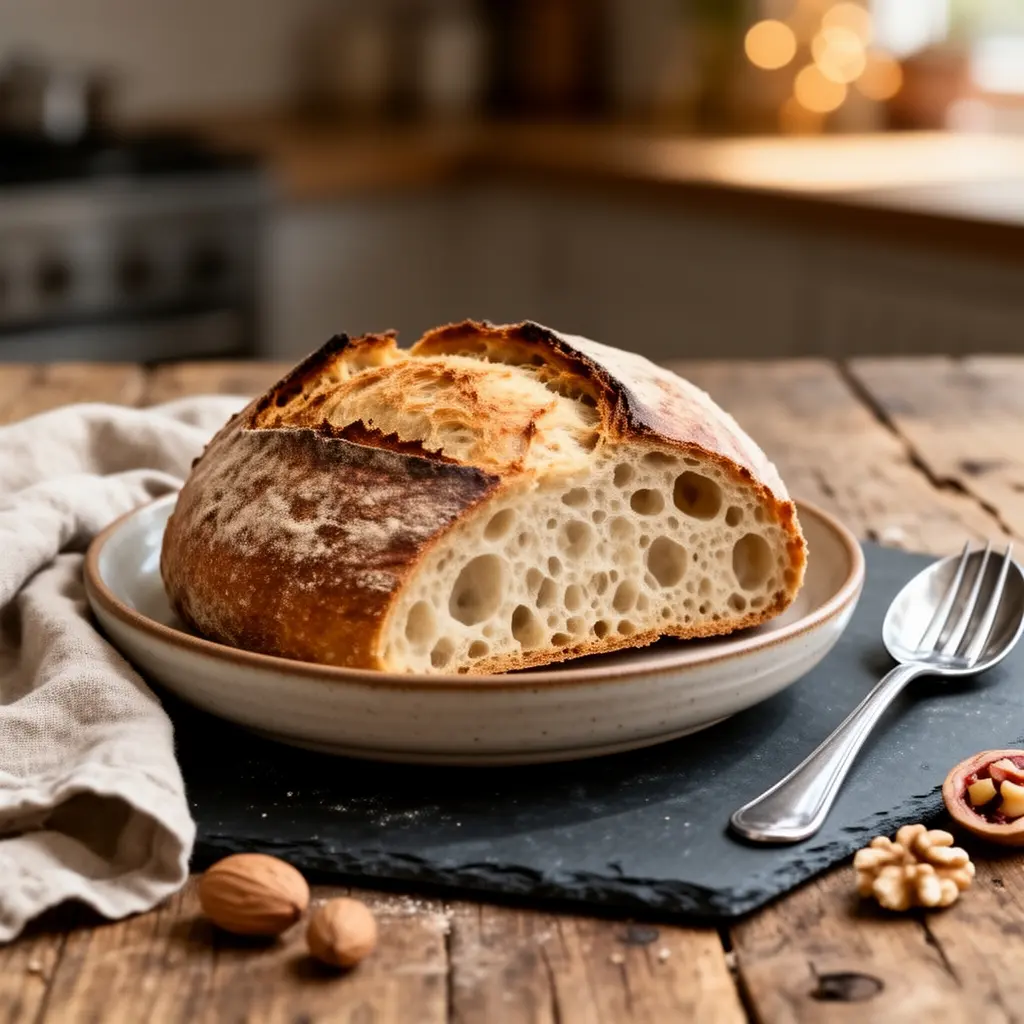
- Hearty, Rustic Bread: A thick, crusty sourdough loaf is perfect for dipping. The structure of the sourdough stands up well to the thick soup base, and its naturally tangy, yeasty flavor complements the savory broth without competing with the herbs. Alternatively, a homemade biscuit, split and slightly buttered, provides an even richer, softer vehicle for absorbing the liquid.

Common Queries for the Modern Slow Cooker
Addressing these common concerns ensures a smooth, worry-free cooking experience for every batch.
Can I use frozen vegetables?
Yes, you can substitute the fresh carrots, celery, and onions with a twelve-ounce bag of frozen mixed vegetables (the blend typically includes corn, peas, carrots, and green beans). Add the frozen vegetables during the last thirty minutes of cooking, along with the thickener, to ensure they heat through without becoming waterlogged and mushy from overcooking.
Why did my soup turn out runny, and how do I fix it?
A runny soup usually indicates an error in the roux-to-liquid ratio, or insufficient cooking time for the thickener. To salvage it, create a new, small cornstarch slurry: mix one tablespoon of cornstarch with two tablespoons of cold water until smooth. Turn the slow cooker to High, stir the slurry into the soup, and let it cook for ten to fifteen minutes with the lid off. The exposed heat will activate the cornstarch and allow for some evaporation, correcting the consistency.
Can I freeze the leftovers?
While you can freeze the soup, freezing any dairy-based soup can lead to textural issues upon reheating, primarily a separation or ‘breaking’ of the creamy base. For best results, freeze the soup before adding the milk and flour thickener. When ready to eat, thaw the broth and vegetable mixture, reheat it on the stovetop, and then complete the roux-and-milk thickening step as the last stage.
Is it safe to put raw chicken into the slow cooker without browning?
Yes, the primary advantage of the slow cooker for dishes like this is its ability to gently cook raw meats fully and safely, provided the internal temperature reaches 165 Fahrenheit. While browning the chicken first can add a layer of flavor complexity, it is not required for safety. For this specific Slow Cooker Chicken Pot Pie Soup recipe, the gentle cooking environment ensures a tender result without the need for pre-searing.
How do I adjust the recipe for a larger slow cooker?
This recipe is scaled for a standard four-to-six quart cooker. If you are using an eight-quart or larger cooker, you may double the ingredient quantities across the board. The cooking time will likely remain the same on the Low setting, but you should always confirm the temperature and doneness of the vegetables and chicken by the four-hour mark.
Fueling Up: A Look at the Components
This information is calculated based on an estimated yield of six servings.
| Nutrient | Amount per Serving |
| Calories | 420 kcal |
| Protein | 38 g |
| Carbs | 35 g |
| Fat | 16 g |
| Fiber | 4 g |
| Sugar | 5 g |
| Sodium | 590 mg |
Disclaimer
Nutrition information is an estimate and may vary based on preparation and ingredients used.
PrintSlow Cooker Chicken Pot Pie Soup: A Weeknight Symphony of Creamy Comfort

This irresistibly creamy garlic parmesan chicken pasta is the ultimate comfort food. Ready in 30 minutes with juicy chicken and a velvety sauce.
- Prep Time: 10 mins
- Cook Time: 20 mins
- Total Time: 30 mins
- Yield: 4 servings 1x
- Category: Dinner
- Method: Stovetop
- Cuisine: American
Ingredients
2 boneless chicken breasts
3 tbsp butter
4 garlic cloves, minced
1½ cups heavy cream
1 cup freshly grated parmesan
8 oz penne or fettuccine
Salt & pepper to taste
1 tsp Italian seasoning
Fresh parsley (optional)
Instructions
1. Cook pasta according to package directions. Drain and set aside.
2. Season chicken with salt, pepper, and Italian seasoning.
3. In a large skillet, melt 1 tbsp butter over medium heat. Sear chicken until golden and cooked through. Remove and slice.
4. In the same skillet, add remaining butter and sauté garlic for 30 seconds.
5. Add heavy cream and bring to a simmer.
6. Stir in parmesan cheese and cook until melted and thickened.
7. Return chicken to skillet and add cooked pasta. Toss to coat.
8. Garnish with parsley and extra parmesan. Serve hot.
Notes
Use fresh parmesan for best results.
Add spinach or mushrooms for variation.
Store leftovers in an airtight container for up to 4 days.
Nutrition
- Serving Size: 1 bowl
- Calories: 620
- Sugar: 2g
- Sodium: 480mg
- Fat: 38g
- Saturated Fat: 20g
- Unsaturated Fat: 14g
- Trans Fat: 0g
- Carbohydrates: 45g
- Fiber: 2g
- Protein: 32g
- Cholesterol: 135mg