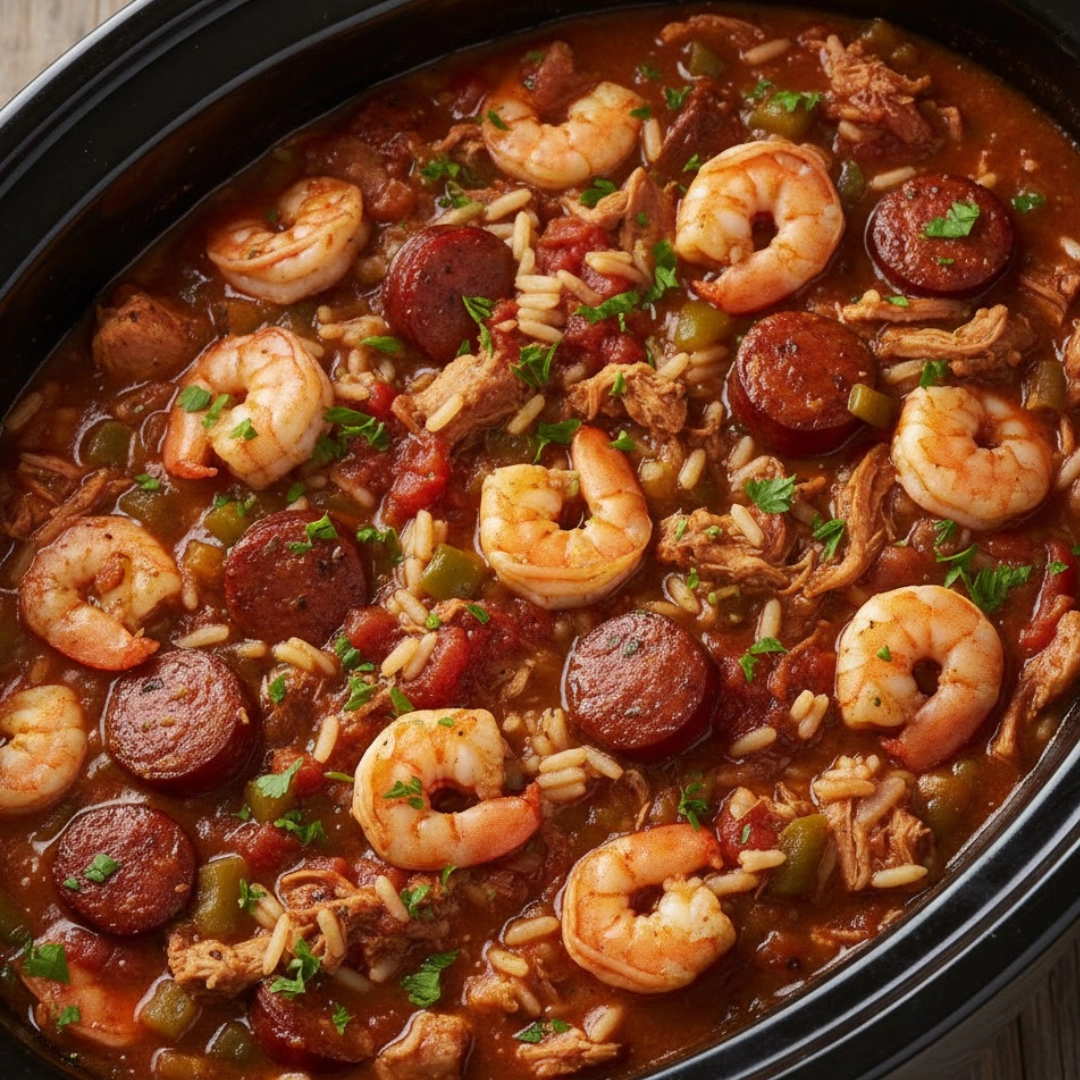
Jambalaya is a cornerstone of Louisiana Creole and Cajun cuisine, a magnificent blend of meat, seafood, vegetables, and rice simmered together in a deeply flavored broth. It embodies everything comforting about Southern cooking—spicy, soulful, and perfect for feeding a crowd. Traditionally prepared in a single pot over high heat, adapting this dish for a set-it-and-forget-it appliance requires understanding the delicate balance of ingredients. This recipe for Slow Cooker Chicken Jambalaya respects the complexity of the original while leveraging the convenience of the slow cooker, resulting in a robust, deeply seasoned meal that demands little active kitchen time. This method ensures the flavors meld perfectly over hours, circumventing the common pitfalls of slow-cooked rice and overdone seafood.
Table of Contents
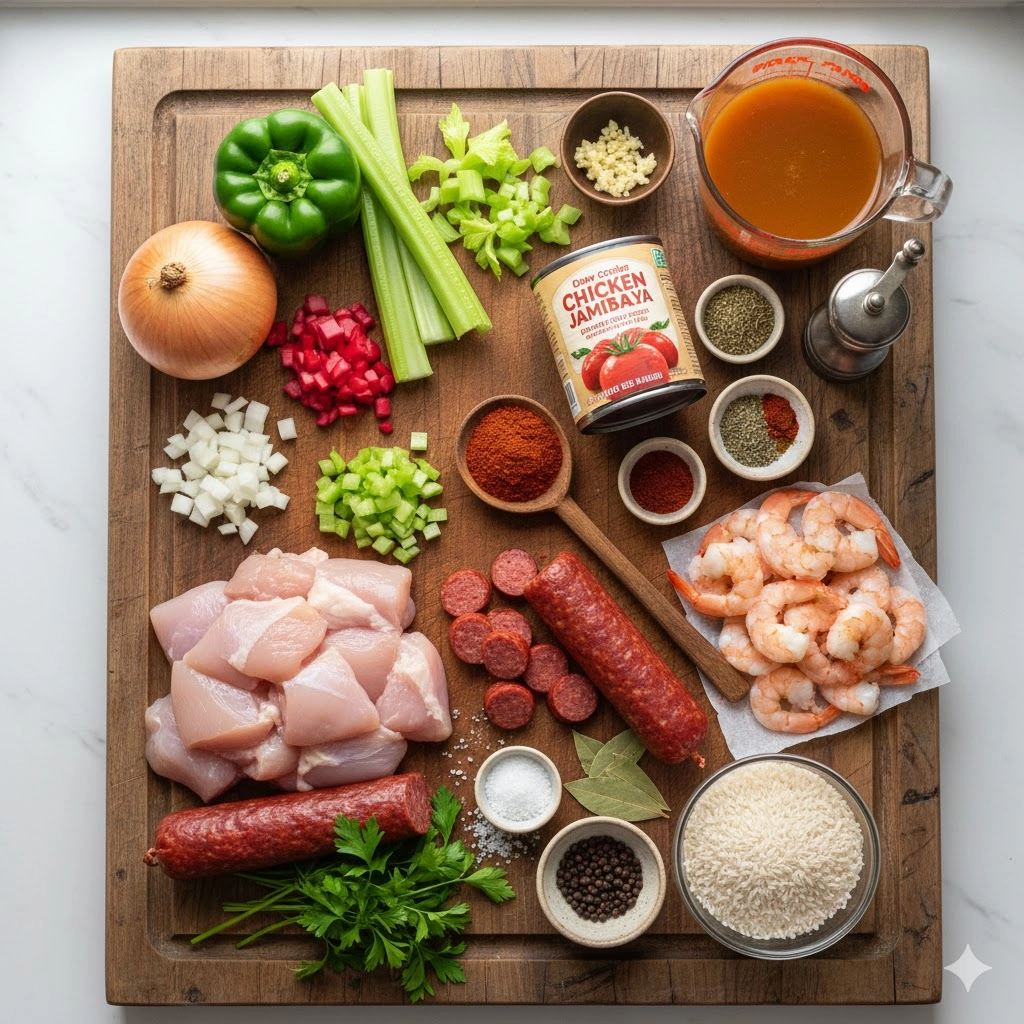
The Essential Roster of Ingredients
Gathering and preparing your ingredients properly is the first step toward a perfect Creole classic. Note that the rice is listed here but must be cooked separately, as outlined in the instructions.
- The Foundation:
- One tablespoon olive or vegetable oil
- One large white onion, finely diced (about two cups)
- Three stalks celery, finely diced (about one cup)
- One large green bell pepper, finely diced (about one cup)
- Four cloves garlic, minced
- The Proteins:
- One pound boneless, skinless chicken thighs, cut into one-inch pieces
- Twelve ounces smoked andouille sausage, sliced into quarter-inch rounds
- One pound large shrimp (sixteen to twenty count), peeled and deveined (or shell-on, as desired)
- The Liquids and Spice:
- One (twenty-eight ounce) can crushed tomatoes
- Three cups chicken broth (low sodium is preferred)
- Three tablespoons high-quality Creole seasoning blend (such as Tony Chachere’s or Slap Ya Mama)
- One teaspoon dried thyme
- One half teaspoon dried oregano
- Two bay leaves
- One quarter teaspoon cayenne pepper (optional, for extra heat)
- The Finishing Touches:
- One half cup long-grain white rice, cooked separately (not included in the main pot)
- Two tablespoons fresh parsley, chopped, for garnish
- Kosher salt and freshly cracked black pepper, to taste
The Quick Path to Jambalaya: Preparation Steps
These instructions are broken into two critical stages to ensure all ingredients reach their peak texture. Do not add the shrimp or rice until the initial cook stage is complete.
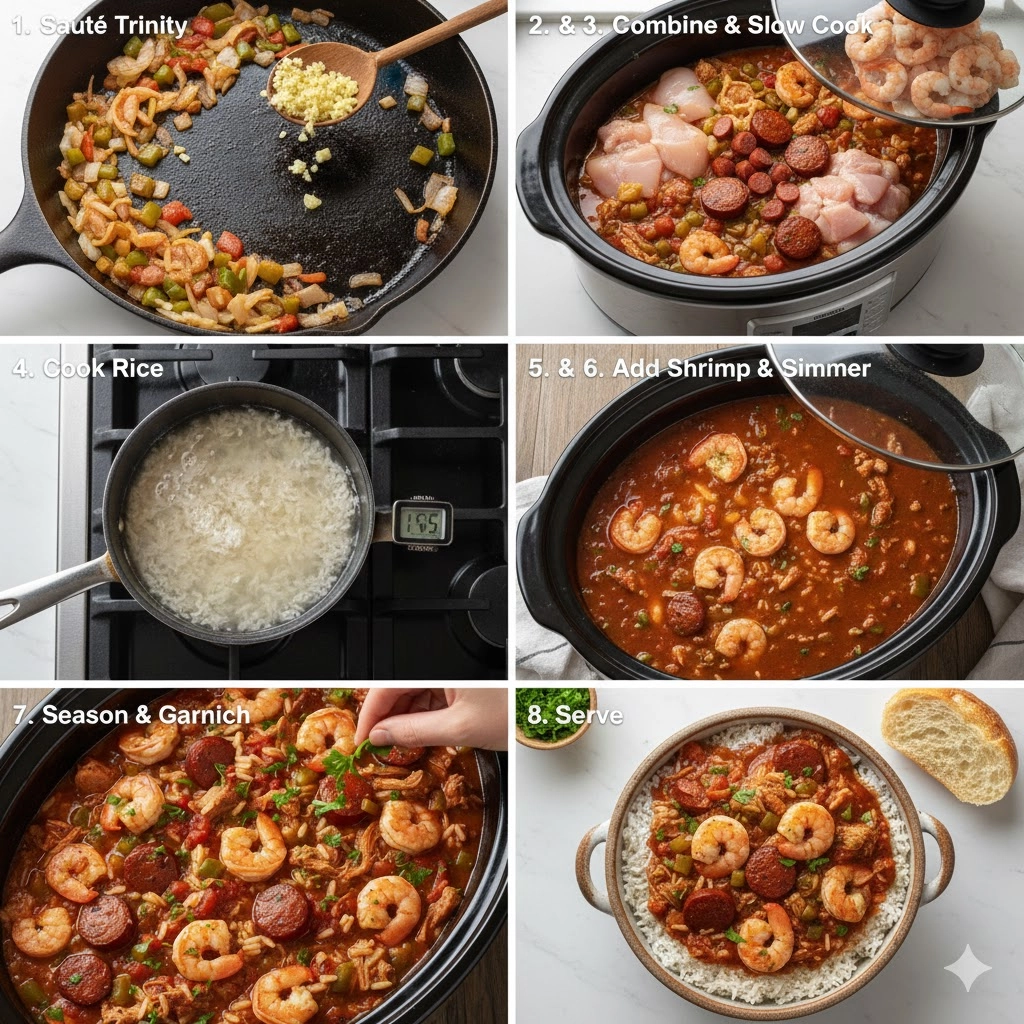
- Sauté the Trinity: In a skillet on the stovetop, heat the oil over medium heat. Add the diced onion, celery, and bell pepper (the ‘Holy Trinity’) and cook until softened, which takes about eight minutes. Add the minced garlic during the last sixty seconds.
- Combine Stage One Ingredients: Transfer the sautéed vegetables and garlic to the bottom of the slow cooker insert. Add the chicken thighs, sausage, crushed tomatoes, chicken broth, Creole seasoning, thyme, oregano, bay leaves, and cayenne (if using).
- The Initial Slow Cook: Cover the slow cooker and set it to the high heat setting. Cook for three hours, or set it to the low heat setting and cook for five to six hours. The initial cooking phase is complete when the chicken is fork-tender and the vegetables are completely soft.
- Prepare the Rice: About thirty minutes before the end of the initial cooking time, prepare one half cup of long-grain white rice on the stovetop according to the package directions, or simply simmer it in one cup of water until done.
- Add the Shrimp: Once the initial cook time is complete, stir the peeled and deveined shrimp into the jambalaya mixture in the slow cooker.
- The Final Simmer: Recover the slow cooker and continue cooking on high heat for an additional twenty to thirty minutes, or until the shrimp are completely pink, curled, and opaque throughout.
- Adjust and Finish: Remove and discard the bay leaves. Taste the mixture and adjust the seasoning with kosher salt and black pepper as needed. Stir in the separately cooked white rice, or prepare to ladle the jambalaya over individual portions of rice.
- Serve: Garnish generously with fresh chopped parsley before serving.
Building the Flavor Base: Detailed Cooking Process
The magic of making a genuinely flavorful jambalaya, even using a slow cooker, lies in maximizing the depth of flavor before the slow cooking begins and ensuring the delicate ingredients are not overcooked.
The Importance of the Sauté
Do not skip step one. While it is tempting to dump all the ingredients directly into the slow cooker, sautéing the Holy Trinity—onion, celery, and bell pepper—is non-negotiable for true flavor. This brief time on the stovetop helps to soften the cell walls of the vegetables, coaxing out their sweet and earthy notes and preventing them from retaining a raw, firm texture after hours of slow cooking. As the vegetables heat, their aromas should become pronounced and slightly caramelized, signaling that they are ready for the slow cooker. You are aiming for a translucent look on the onions, not deep browning. The initial cooking also helps to release the necessary oils from the diced vegetables, allowing them to better blend into the sauce over time. Adding the garlic in the final minute prevents it from scorching, which would impart a bitter, acrid taste to the entire pot. This process is known in culinary circles as sweating the vegetables, and it forms the authentic aromatic backbone for this style of cooking. If you have time, sautéing the vegetables for a full ten minutes will develop an even deeper sweetness that balances the savory proteins.
The Initial Stage: Why Time Matters
The first stage of cooking—three hours on high or six hours on low—is dedicated entirely to breaking down the chicken and allowing the dry spices (thyme, oregano, Creole seasoning) to hydrate, bloom, and fully integrate with the liquid base. When you lift the lid after the initial cook, the color should be a deep, rich reddish-brown, and the aroma should be intensely savory and complex, filling your kitchen with the promise of Louisiana. The chicken should yield easily to a fork, indicating that its connective tissues have fully softened, and the muscle fibers are ready to absorb the surrounding broth. This long, gentle simmer is essential for developing the signature deep, complex flavor of a great Slow Cooker Chicken Jambalaya. This is the phase where all the smoke from the andouille sausage, the savory notes from the broth, and the herbs combine and intensify, creating a unified and rich culinary experience. Furthermore, using chicken thighs ensures that even after five to six hours of cooking, the meat remains moist and succulent, unlike breast meat which tends to dry out in long, slow cooking applications.
Handling the Rice Conundrum
The traditional method of cooking jambalaya involves dry-frying the rice in the pot before adding liquid, ensuring it absorbs the flavors while retaining structure. A slow cooker, however, traps moisture, leading to excessively mushy or disintegrated rice that turns the dish starchy and unpleasant. By cooking the rice separately, you maintain absolute control over its texture—al dente, tender, or fluffy—and stir it in at the very end. The cooked rice acts as a vehicle for the sauce, not as a primary cooking component, which is the key distinction for successful slow cooker jambalaya. If you choose to stir the rice directly into the main pot, do so only moments before serving, allowing it just enough time to warm through and soak up some surface sauce without breaking down into a paste. If you plan on having large amounts of leftovers, it is highly recommended to serve the jambalaya mixture over the rice on individual plates instead of mixing it into the entire batch; this helps prevent the rice from absorbing too much liquid and swelling over time in the refrigerator.
The Delicate Addition of Shrimp
Shrimp requires minimal cooking time. Adding it at the start, even for a low-heat cook, guarantees rubbery, shrunken pieces of seafood that ruin the texture of the finished meal. The final stage is simply a brief, hot simmer (twenty to thirty minutes) designed just for the shrimp. They will change color from grey to a vibrant pink and curl into a C-shape when ready. A completely opaque center signals doneness. Overcooking them is the most common mistake in this final stage. Check them visually and remove the slow cooker from the heat immediately once they are cooked through. This quick, late addition preserves their succulent texture and ensures they contribute their fresh, ocean flavor to the sauce without deteriorating. If you find the shrimp is done before the thirty-minute mark, simply turn the slow cooker off and let the residual heat finish the process for the final few minutes.
Seasoning and Finishing
Due to the variability of salt content in different Creole seasoning blends and smoked sausages, the final seasoning check (Step seven) is crucial. Always taste before adding more salt. A truly balanced jambalaya should hit notes of heat, smoke, earthiness, and tang. The addition of fresh parsley is not merely aesthetic; its bright, herbaceous notes cut through the richness of the sausage and the depth of the spice, providing a necessary, fresh contrast just before serving. A quick stir of black pepper at the end also enhances the warmth of the dish without adding undue heat. This moment, right before serving, is where the expert cook puts their final stamp on the meal, adjusting the balance until it sings.
Elevating Your Jambalaya: Advanced Culinary Techniques
These recipe-specific suggestions go beyond basic instructions, helping you refine the texture and complexity of your final dish.
- The “Holy Trinity” Dice Size: Ensure your onion, celery, and bell pepper (the Trinity) are diced to a uniform size—no larger than one quarter of an inch. This promotes even cooking, ensuring they all soften simultaneously and blend seamlessly into the sauce rather than remaining as chunky, hard pieces. In Cajun cooking, this uniformity is key to a smooth texture.
- Sausage Searing for Depth: For an extra layer of smoky depth, briefly sear the sliced andouille sausage in a dry skillet before adding it to the slow cooker. This caramelizes the exterior and renders out a small amount of fat, which intensifies its flavor and improves the texture of the finished dish. Drain the fat before adding the sausage to the pot, unless you prefer a richer, oilier outcome, as excessive grease can make the final dish feel heavy.
- Low-Sodium Broth is Your Friend: Always opt for low-sodium or unsalted chicken broth. Creole seasoning and andouille sausage are inherently high in salt. Using low-sodium liquid gives you complete control over the final seasoning level, allowing you to fine-tune the salinity at the end of the cooking process without risk of over-salting, which is nearly impossible to fix once done.
- Utilize Shell-On Shrimp: If using shell-on shrimp (as suggested in some traditional methods), use kitchen shears to cut along the back of the shell before adding them to the pot. This allows the sauce to penetrate the flesh and infuse it with flavor, while the shells themselves provide immense, natural depth and sweetness to the broth. Instruct guests to peel them at the table for maximum flavor impact.
- A Touch of Acidity: If the jambalaya tastes flat or overly rich after the final seasoning, stir in one teaspoon of fresh lemon juice or one half teaspoon of white wine vinegar. This splash of acid works similarly to how a squeeze of lime balances Mexican food; it brightens all the savory flavors and provides necessary contrast without making the dish sour.
- Herb Infusion: Instead of just using dried thyme and oregano, try tying three sprigs of fresh thyme and one bay leaf together with kitchen twine to form a bouquet garni. Drop this into the pot during the initial slow cook and remove it at the end. This allows for a clean, nuanced herbaceous flavor that is less powdery than dried herbs.
- The Paprika Boost: To enhance the deep, appetizing color of the jambalaya, stir in one teaspoon of smoked paprika alongside the Creole seasoning. This deepens the visual appeal and adds another subtle layer of smoky complexity that complements the andouille sausage beautifully.
- Don’t Overfill: Be mindful of the capacity of your slow cooker. Slow cookers work best when they are between two-thirds and three-quarters full. Overfilling can lead to uneven cooking, and the liquid may bubble out, creating a sticky mess on your countertop, especially when cooking on the high heat setting.
Customizing the Cajun Classic: Substitutions and Swaps
The spirit of jambalaya allows for great flexibility based on what you have on hand and your preferred protein sources. These are the most reliable substitutions that maintain the integrity of the dish.
- Seafood Swap: While chicken and shrimp are classic, you can substitute the shrimp entirely with firm white fish, such as cod or snapper, cut into one-inch chunks. Add the fish during the last forty-five minutes of cooking; it should flake easily when ready. Alternatively, for a luxurious twist, add four ounces of crawfish tails (cooked and peeled) right at the very end, just before serving, as they only need to be heated through and any substantial cooking will ruin them.
- Vegetarian Base: To create a satisfying vegetarian base, substitute the chicken broth with mushroom or vegetable stock. Replace the andouille sausage with a plant-based spicy sausage substitute or an equal amount of firm smoked tofu, diced and pan-fried for texture. Increase the amount of bell pepper and add one cup of chopped zucchini for bulk, which will help absorb the rich seasonings.
- Heat Level Adjustment: For those who prefer less heat, omit the cayenne pepper and use a milder Creole seasoning blend. If you are serving children, you can use a basic seasoning salt blend and add flavor depth via additional garlic powder and paprika instead of relying on pepper. For those who want serious heat, replace the crushed tomatoes with one (fourteen and one half ounce) can of fire-roasted tomatoes and add one diced jalapeño or serrano pepper along with the Holy Trinity at the start.
- Chicken Cuts: While chicken thighs provide the best moisture and flavor retention, chicken breasts may be used. If substituting, cut the breasts into slightly larger chunks (one and one half inches) and reduce the initial cooking time by about thirty minutes to prevent them from drying out. They should still be fork-tender, but breasts break down faster than thighs and are prone to becoming stringy.
- Tomato Texture: Instead of crushed tomatoes, you can use one (fifteen ounce) can of tomato sauce and one (fifteen ounce) can of diced tomatoes. This combination yields a slightly smoother base with intermittent chunks, providing a pleasant textural variation without dramatically altering the liquid volume required.
Ideal Pairings for a Perfect Meal
A complete Southern meal requires thoughtful side dishes that complement the robust, spicy profile of the jambalaya. These suggestions offer the necessary textural and flavor contrast.
- The Classic Companion: Serve the jambalaya alongside a generous slice of crusty, warm French bread or cornbread. The bread is essential for soaking up the remaining spicy, flavorful liquid at the bottom of the bowl—a practice known as “sopping” in the South. For added richness, serve the bread with a light smear of garlic butter.
- Simple Greenery: A light, crisp salad made with tender butter lettuce, sliced cucumbers, and grape tomatoes, dressed with a simple vinaigrette (red wine vinegar, olive oil, salt, pepper, and a touch of sugar) offers a refreshing contrast to the richness and spice of the jambalaya. It cleanses the palate between bites, making the next spoonful of jambalaya taste even better.
- Cooling Contrast: Serve with a side of creamy coleslaw or a dollop of sour cream or plain Greek yogurt on top. The cool dairy provides an excellent foil to the heat from the Creole seasoning and cayenne, balancing the overall flavor profile. A mild, vinegar-based slaw works better than a heavy, mayonnaise-based one for this pairing.
- Southern Greens: For a complete, traditional meal, serve alongside a small portion of slow-cooked collard greens seasoned with smoked ham hock or bacon. The slight bitterness and earthy flavor of the greens are a perfect, time-honored accompaniment to the heat and depth of the jambalaya.
Common Questions Answered
Can I freeze leftover jambalaya?
While you technically can freeze jambalaya, the texture of the shrimp will degrade significantly upon thawing and reheating, often becoming very tough and rubbery. If you anticipate having leftovers, it is best to only add shrimp to the portion you plan to eat immediately and freeze the chicken and sausage base before the shrimp is incorporated. The rice texture may also become slightly mushy after freezing and thawing.
What is the difference between Cajun and Creole jambalaya?
The main distinction lies in the use of tomato and the cooking technique. Creole jambalaya (often associated with New Orleans and sometimes called “red jambalaya”) includes tomatoes and often incorporates seafood. Cajun jambalaya, hailing from rural Louisiana, rarely includes tomatoes and generally cooks the rice directly in the pot, browning the meat first to create a darker, more rustic base known as a brown jambalaya.
Why is it important to cook the rice separately?
Cooking the rice separately is critical when using a slow cooker because the appliance traps steam, preventing the liquid from reducing properly. If rice is added raw, it will absorb too much trapped moisture and become oversaturated, resulting in a starchy, gummy, and unpleasant texture rather than distinct, separate grains, essentially turning the dish into a porridge.
Is it necessary to pre-cook the sausage?
Pre-cooking or searing the sausage is not strictly mandatory for food safety, as it will cook thoroughly in the slow cooker. However, searing renders excess fat and develops a crucial layer of caramelized, savory flavor (the Maillard reaction) that cannot be achieved by simply simmering the sausage in liquid, thus significantly enhancing the finished dish’s complexity and adding necessary smokiness.
How do I adjust the liquid if I want a thicker consistency?
If you find your jambalaya base is too thin at the end of the cooking process, remove the lid for the final thirty minutes of simmering (when the shrimp is added). This allows some of the steam to escape, reducing the liquid naturally. Alternatively, scoop out one cup of the broth, stir in two tablespoons of cornstarch, return the mixture to the slow cooker, and stir until thickened.
Estimated Nutritional Snapshot
| Nutrient | Amount per Serving |
| Calories | 415 kcal |
| Protein | 38 g |
| Carbs | 31 g |
| Fat | 17 g |
| Fiber | 4 g |
| Sugar | 7 g |
| Sodium | 1150 mg |
Important Note on Nutritional Data
Nutrition information is an estimate and may vary based on preparation and ingredients used.
PrintMastering the One-Pot Meal: Slow Cooker Chicken Jambalaya
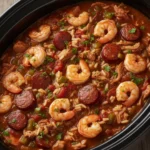
This expert recipe provides the steps to create a deeply flavorful, authentic Slow Cooker Chicken Jambalaya, overcoming common slow cooker pitfalls to ensure perfect texture and spice.
- Prep Time: 25 mins
- Cook Time: 4 hours
- Total Time: 4 hours 25 mins
- Yield: 8 servings 1x
- Category: Main Dish
- Method: Slow Cooker
- Cuisine: Creole
Ingredients
1 tbsp olive or vegetable oil
1 large white onion, finely diced
3 stalks celery, finely diced
1 large green bell pepper, finely diced
4 cloves garlic, minced
1 lb boneless, skinless chicken thighs, cut into 1-inch pieces
12 oz smoked andouille sausage, sliced into ¼-inch rounds
1 lb large shrimp, peeled and deveined
1 (28 oz) can crushed tomatoes
3 cups chicken broth (low sodium)
3 tbsp high-quality Creole seasoning blend
1 tsp dried thyme
½ tsp dried oregano
2 bay leaves
¼ tsp cayenne pepper (optional)
½ cup long-grain white rice, cooked separately
2 tbsp fresh parsley, chopped
Kosher salt and freshly cracked black pepper, to taste
Instructions
1. Sauté the Trinity: Heat oil in a skillet over medium heat. Add onion, celery, and bell pepper and cook until softened (about eight minutes). Add garlic for the last sixty seconds.
2. Combine Stage One Ingredients: Transfer sautéed vegetables and garlic to the slow cooker. Add chicken, sausage, crushed tomatoes, broth, Creole seasoning, thyme, oregano, bay leaves, and cayenne. Stir well.
3. The Initial Slow Cook: Cover and cook on high heat for three hours or on low heat for five to six hours, until the chicken is fork-tender.
4. Prepare the Rice: About thirty minutes before the cook time ends, prepare the one half cup of long-grain white rice separately on the stovetop.
5. Add the Shrimp: Stir the peeled and deveined shrimp into the hot jambalaya mixture in the slow cooker.
6. The Final Simmer: Recover and continue cooking on high heat for an additional twenty to thirty minutes, or until the shrimp are completely opaque and pink throughout.
7. Adjust and Serve: Remove and discard bay leaves. Taste and adjust seasoning with salt and pepper. Stir in the separately cooked rice, or serve the jambalaya ladled over portions of rice. Garnish with fresh parsley.
Notes
Use low-sodium broth to control the salt, as Creole seasoning and sausage are already salty.
For extra flavor, sear the sausage briefly before adding it to the slow cooker.
Cook the rice separately to prevent it from becoming mushy.
The dish is ready when the shrimp turn bright pink and opaque.
Nutrition
- Serving Size: 1 bowl
- Calories: 415
- Sugar: 7g
- Sodium: 1150mg
- Fat: 17g
- Saturated Fat: 6g
- Unsaturated Fat: 5g
- Trans Fat: 0g
- Carbohydrates: 31g
- Fiber: 4g
- Protein: 38g
- Cholesterol: 135mg