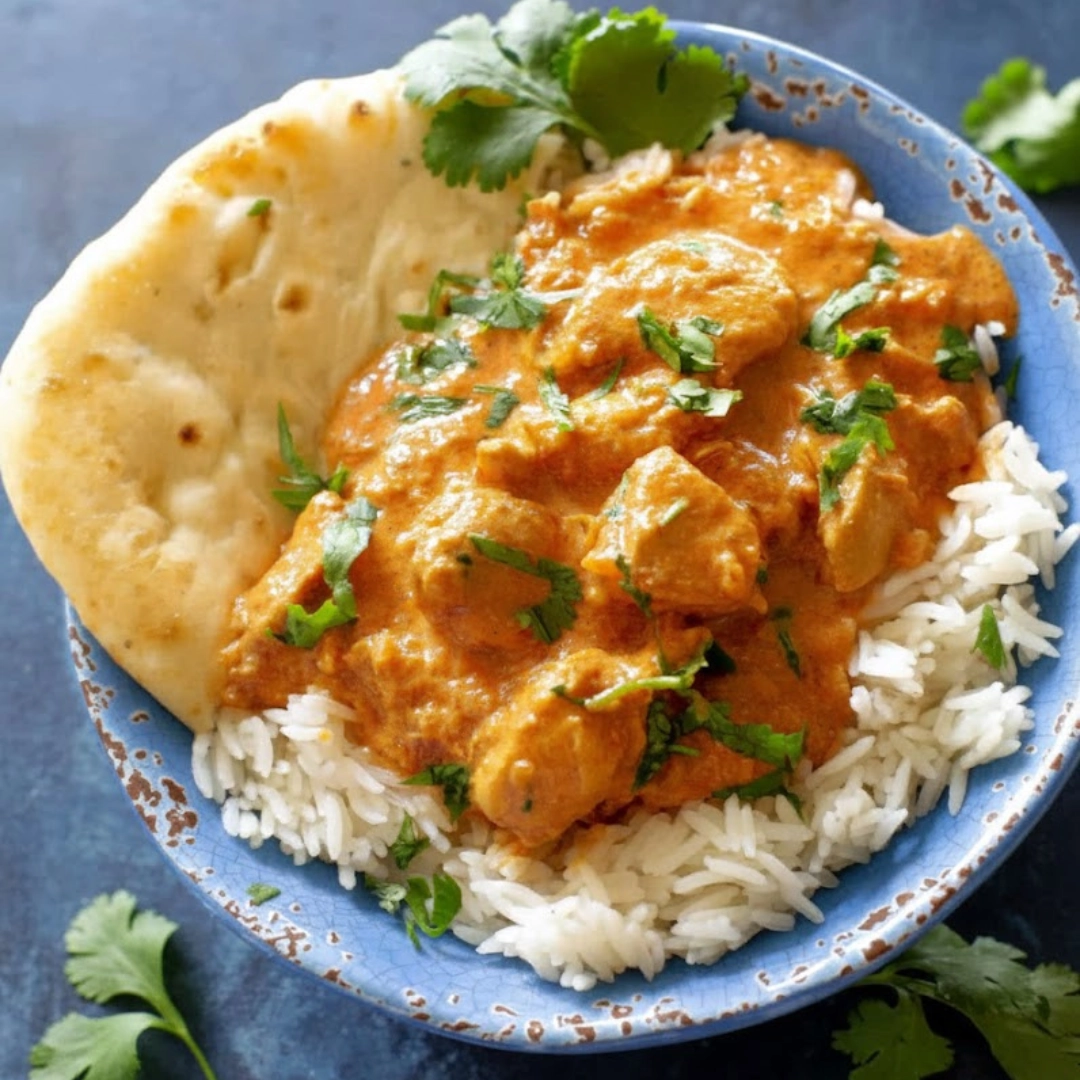
Indian cuisine is renowned for its intoxicating blend of aromatic spices and rich, complex sauces. Yet, many home cooks hesitate, intimidated by the perceived complexity of long marinades and multi-step preparations. This recipe, however, proves that deep flavor doesn’t require deep commitment. By utilizing the magic of the slow cooker, you can achieve a truly luxurious result—a deeply creamy, gently spiced, and intensely flavorful chicken dish—with minimal hands-on time. It is a brilliant way to indulge in slow cooker butter chicken, letting time and low heat transform simple ingredients into something magnificent, perfect for a gathering or a comforting weeknight meal.
Table of Contents
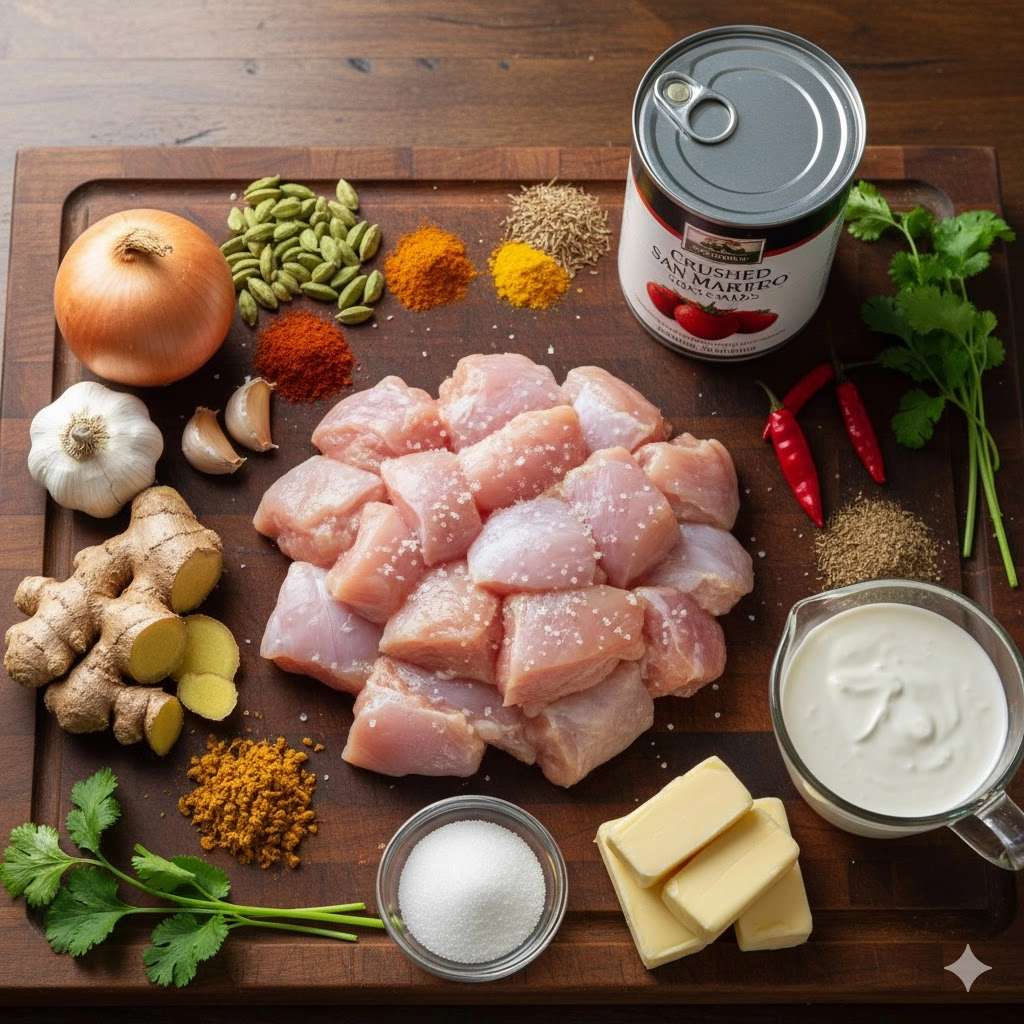
The Essential Pantry List
To achieve the signature depth and velvet texture of this dish, sourcing quality ingredients is paramount. We are building a layered sauce, and each component plays a vital role in balancing acidity, sweetness, and heat.
For the Spice Paste and Aromatics:
- One 28-ounce can crushed tomatoes (preferably San Marzano style)
- One medium yellow onion, roughly chopped
- Four cloves fresh garlic
- Two tablespoons fresh ginger, peeled and minced
- Two teaspoons Garam Masala
- One teaspoon ground turmeric
- One teaspoon ground cumin
- One teaspoon sweet paprika
- Half a teaspoon cayenne pepper (adjust to your preference)
- One teaspoon kosher salt
For the Chicken and Slow Cooker:
- Three pounds boneless, skinless chicken thighs, trimmed of excess fat and cut into two-inch pieces
- Four tablespoons unsalted butter, divided into four pieces
- One teaspoon white granulated sugar
For Finishing the Sauce:
- One cup heavy whipping cream (full-fat)
- Two tablespoons fresh cilantro, finely chopped, for garnish
A Simple Chronology: Bringing the Butter Chicken Together
This preparation streamlines the process into just a few key stages. The slow cooker handles the bulk of the work, ensuring the chicken is tender and the sauce is fully integrated.
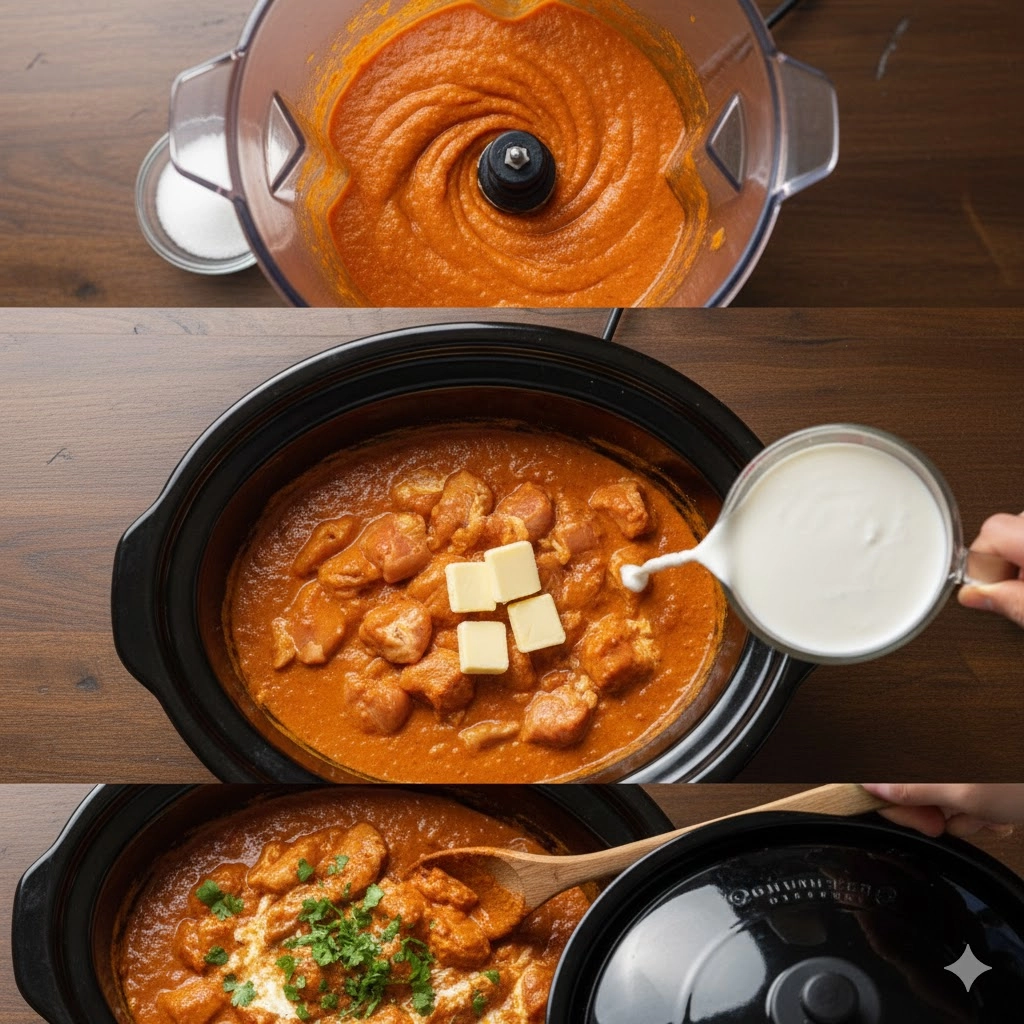
- Prepare the Flavor Base: Combine the crushed tomatoes, onion, garlic, ginger, all dry spices (Garam Masala through salt), and sugar in a powerful blender or food processor. Blend until the mixture is completely smooth, achieving a vibrant orange-red puree.
- Load the Slow Cooker: Pour the entire tomato and spice puree into the basin of your slow cooker. Add the cut chicken thighs and the four pieces of cold butter directly to the sauce.
- The Low-and-Slow Cook: Secure the lid and set the temperature. Cook the chicken and sauce on the LOW setting for five to six hours, or on the HIGH setting for two and a half to three hours.
- Check for Doneness: At the end of the cooking cycle, verify that the chicken is fully cooked. It should shred easily with two forks.
- Achieve Creaminess: Gently stir in the full cup of heavy whipping cream until it is thoroughly combined and the color of the sauce changes from deep red to a rich, sunset orange.
- Rest and Serve: Allow the finished butter chicken to rest in the slow cooker on the WARM setting for fifteen minutes. Garnish with fresh cilantro before serving over your chosen accompaniment.
Mastering the Technique: Depth of Flavor Through Texture and Time
The true secret to this recipe’s success lies in understanding how the ingredients interact over time in the controlled environment of the slow cooker. This section addresses the nuances of each stage, ensuring a restaurant-quality result.
The very first step—creating a completely smooth puree for the flavor base—is non-negotiable. Traditional Indian cooking often requires laborious simmering of aromatics (like onions, garlic, and ginger) to break them down before they are passed through a fine sieve or blended. By using the blender upfront, we shortcut this process. When blending, look for a texture that is absolutely homogenous, similar to a jarred tomato sauce. If any small chunks of onion remain, the sauce will have a gritty mouthfeel. This blending process also ensures the spices fully hydrate and become one with the tomato base, preventing any pockets of dry, concentrated spice later on.
When transferring the puree to the slow cooker, resist the urge to brown the chicken first. One of the greatest benefits of the slow cooker method is the ability to bypass this step entirely. Chicken thighs are the ideal cut here because their slightly higher fat content allows them to withstand the long, moist cooking environment without drying out. If you opt for chicken breast, be cautious of overcooking; breast meat can go from tender to fibrous very quickly. If using breasts, strictly adhere to the shorter end of the cook time (two and a half hours on HIGH or five hours on LOW) and check them frequently. The chicken should yield to gentle pressure and be easy to tear apart, but not disintegrate into mush.
The addition of butter at the beginning is crucial for flavor infusion. As the mixture heats up, the butter melts and the fat dissolves into the sauce, essentially coating the spices and aromatics. This process, known as tempering, deepens the savory notes of the cumin and coriander while drawing out the golden hue of the turmeric. Do not stir excessively after adding the butter pieces; let them melt naturally into the hot sauce as the cooking progresses. This allows the fat to be evenly dispersed.
During the slow cook cycle, the initial aromas will be sharp and tomato-forward. As the hours pass, the scent will mellow and become deeply savory—a rich, musky warmth signaling that the spices have bloomed and married the acidity of the tomatoes. This transition is your sensory indicator that the process is working correctly.
Finally, the introduction of the heavy cream is the moment of transformation. Heavy cream, or coconut milk if substituting, must be added near the very end. If dairy is cooked for too long at a high temperature, it can sometimes curdle or separate, resulting in a slightly grainy sauce. Stirring it in once the chicken is cooked and then allowing the mixture to heat gently for fifteen minutes on the WARM setting infuses the richness without risking textural breakdown. The sauce should become lusciously thick, coating the back of a spoon, and its color should be a beautiful, uniform orange. If the sauce still seems a little thin after adding the cream, it is likely due to too much liquid released from the onions and tomatoes. You can easily fix this by stirring in one teaspoon of cornstarch mixed with one tablespoon of cold water (a slurry) during the final fifteen minutes of warming.
Elevating Your Dish: Expert Notes for Maximum Flavor
1. The Power of Fresh Ginger: Do not underestimate the difference fresh ginger makes. Ground ginger is a poor substitute; it lacks the pungent, bright, slightly spicy flavor that cuts through the richness of the butter and cream. Take the time to peel and mince fresh ginger. If you are short on time, use the frozen minced ginger cubes available in many supermarkets.
2. Balancing Act with Sweetness: The teaspoon of sugar is not meant to make the dish sweet, but rather to balance the inherent acidity of the tomatoes. If you taste the sauce at the end and find it still has a slight metallic tang or too much sharp acidity, add another quarter teaspoon of sugar at a time until the flavors harmonize. This is a common adjustment required for tinned tomatoes.
3. Spice Bloom (The Dry Temper): Although we skip the traditional pre-sauté step, for an extra layer of depth, you can perform a quick dry temper. Heat a small, dry skillet over medium heat. Add the powdered spices (Garam Masala, turmeric, cumin, paprika, cayenne) and toast them for forty-five seconds until they are intensely fragrant. Immediately add them to the blender with the wet ingredients. This brief heating awakens the essential oils in the spices, resulting in a more potent, aromatic final sauce.
4. The Quality of Garam Masala: Garam Masala is the heart of this dish, and its quality varies widely. Source a high-quality, freshly ground blend. If your spice tin has been sitting untouched for a year, the flavors will be dull. Consider buying whole spices and grinding your own small batch for the best possible result, noting the difference in warmth and aroma.
5. Resting is Essential: The final fifteen-minute rest period on the WARM setting is not just for thickening the sauce. It is the time when the chicken, which has been saturated with the sauce’s flavor, finally mingles with the rich, newly added cream. This rest ensures every component is fully integrated and the temperature is perfectly uniform for serving.
6. The Salt Layering Strategy: When cooking for long periods, it is best to start with a measured amount of salt (one teaspoon) and only finish seasoning at the very end. As the sauce reduces slightly in the slow cooker, the salt concentrates. Tasting and adjusting after the cream is added—when the dish is nearly complete—allows you to achieve the perfect savory balance.
Creative Adjustments: Dietary Swaps and Flavor Twists
This recipe is incredibly versatile and allows for numerous adjustments without sacrificing the essence of a great curry.
1. Protein Swaps: While chicken is traditional, this sauce is delicious with other proteins. Use firm tofu, pressed and cubed, or chickpeas (added during the last hour of cooking) for a vegetarian version. If using pork shoulder or beef chuck, be aware that you may need to increase the cooking time on LOW to eight or nine hours to achieve the same fall-apart tenderness.
2. Dairy-Free Creaminess: To maintain a deep, rich texture without dairy, substitute the heavy whipping cream with full-fat coconut milk (canned). The fat content of the coconut milk mimics the cream and provides a similar unctuous mouthfeel. Be aware that this will introduce a subtle, mild coconut note to the flavor profile, which works beautifully with the Indian spices.
3. Heat Variation: For a milder dish, omit the cayenne pepper entirely. For those who enjoy substantial heat, consider replacing the cayenne with one small, finely minced jalapeño (seeds removed for moderate heat) or, for a more authentic fiery kick, half a teaspoon of Kashmiri chili powder.
4. Herbaceous Finish: Cilantro is standard, but if you have a cilantro aversion, substitute it with finely minced fresh mint and a squeeze of fresh lime juice just before serving. This provides a clean, bright counterbalance to the creamy sauce.
5. Adding Vegetables: For a one-pot meal that includes vegetables, add one cup of frozen peas or diced bell peppers about thirty minutes before the end of the cooking time, after you have added the cream. This ensures the vegetables cook through but retain their texture and color.

The Perfect Accompaniments: Pairing Strategies
The richness of the butter sauce requires simple, slightly absorbent side dishes to complete the meal.
1. Basmati Rice: Steamed Basmati rice is the classic companion. Its long grain structure and nutty, slightly floral aroma are ideal for soaking up the luxurious sauce without becoming mushy. Prepare the rice plain, or infuse it with a pinch of turmeric and a whole cardamom pod for an extra aromatic note.
2. Warm Naan Bread: A freshly warmed piece of Naan is essential for scooping up every last drop of the decadent sauce. Brush the bread with a little melted garlic butter and warm it in the oven for a few minutes at three hundred fifty Fahrenheit before serving.
3. Simple Cucumber Raita: The richness of the curry is perfectly cut by a cool, refreshing side salad or yogurt dish. A simple Raita—Greek yogurt whisked with grated cucumber, a pinch of salt, and a dash of cumin—provides an essential cooling element.
4. Lemon Wedge: Serve each portion with a fresh wedge of lemon or lime. A final squeeze of citrus juice over the finished slow cooker butter chicken immediately brightens the entire dish, enhancing the complexity of the spices. This is especially useful if the sauce feels too heavy.
Quick Kitchen Queries Answered
How long does butter chicken last as leftovers?
When stored in an airtight container in the refrigerator, this dish maintains its quality for three to four days. It reheats beautifully on the stovetop over low heat or in the microwave; often, the flavors deepen even further overnight, making it excellent for meal prep.
Can I freeze the leftovers?
Yes, butter chicken freezes well, but be aware that sauces containing heavy cream can sometimes separate slightly upon thawing. To minimize this, freeze the curry in single-serving portions. When reheating, stir vigorously over low heat and consider whisking in a tablespoon of fresh cream or milk to restore its velvety texture.
Why is my sauce oily after cooking?
If you used chicken thighs with excess skin or fat that wasn’t properly trimmed, or if you used a variety of canned tomatoes packed in oil, you might see a layer of oil floating on top. Simply use a large, shallow spoon to skim the excess oil off the surface of the sauce before adding the final heavy cream.
What is the difference between Butter Chicken and Tikka Masala?
While both are creamy, tomato-based curries, Butter Chicken (Murgh Makhani) is generally sweeter and milder, relying on butter, cream, and a balance of spices. Tikka Masala typically includes a charcoal-grilled or tandoor-roasted element to the chicken before it goes into a more aggressively spiced, sometimes spicier, tomato-cream sauce.
I don’t have a food processor; can I still make this recipe?
Absolutely. You can use an immersion blender or a standard high-speed blender for the initial puree. If you must skip the blending, finely dice the onion and mince the garlic and ginger as small as possible. The texture will be rustic and chunky rather than velvet-smooth, but the flavor will still be excellent.
Nutritional Breakdown
| Nutrient | Amount per Serving |
| Calories | 445 kcal |
| Protein | 42 g |
| Carbs | 11 g |
| Fat | 27 g |
| Fiber | 2 g |
| Sugar | 5 g |
| Sodium | 310 mg |
Disclaimer
Nutrition information is an estimate and may vary based on preparation and ingredients used.
PrintSlow Cooker Butter Chicken: An Effortless Indian Feast
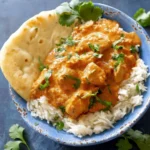
This slow cooker butter chicken recipe creates a velvet-smooth, deeply spiced, and flavor-packed Indian feast with minimal hands-on effort. Uses chicken thighs for ultimate tenderness.
- Prep Time: 15 mins
- Cook Time: 5 hours
- Total Time: 5 hours 15 mins
- Yield: 8 servings 1x
- Category: Main Course
- Method: Slow Cooker
- Cuisine: Indian
Ingredients
One 28-ounce can crushed tomatoes (San Marzano style)
One medium yellow onion, roughly chopped
Four cloves fresh garlic
Two tablespoons fresh ginger, peeled and minced
Two teaspoons Garam Masala
One teaspoon ground turmeric
One teaspoon ground cumin
One teaspoon sweet paprika
Half a teaspoon cayenne pepper
One teaspoon kosher salt
Three pounds boneless, skinless chicken thighs, cut into two-inch pieces
Four tablespoons unsalted butter, divided into four pieces
One teaspoon white granulated sugar
One cup heavy whipping cream (full-fat)
Two tablespoons fresh cilantro, finely chopped, for garnish
Instructions
1. Prepare the Flavor Base: Combine the crushed tomatoes, onion, garlic, ginger, all dry spices (Garam Masala through salt), and sugar in a powerful blender or food processor. Blend until the mixture is completely smooth.
2. Load the Slow Cooker: Pour the entire tomato and spice puree into the slow cooker. Add the cut chicken thighs and the four pieces of cold butter directly to the sauce.
3. The Low-and-Slow Cook: Secure the lid and set the temperature. Cook on the LOW setting for five to six hours, or on the HIGH setting for two and a half to three hours.
4. Check for Doneness: Verify that the chicken is fully cooked (it should shred easily with two forks).
5. Achieve Creaminess: Gently stir in the full cup of heavy whipping cream until it is thoroughly combined and the color of the sauce changes.
6. Rest and Serve: Allow the butter chicken to rest on the WARM setting for fifteen minutes. Garnish with fresh cilantro before serving.
Notes
Use fresh ginger for the brightest flavor.
Adjust cayenne pepper for heat preference, or omit for a milder dish.
Serve over Basmati rice with warm Naan bread.
To fix a thin sauce, stir in a cornstarch slurry during the final 15 minutes of warming.
Nutrition
- Serving Size: 1 serving
- Calories: 445
- Sugar: 5g
- Sodium: 310mg
- Fat: 27g
- Saturated Fat: 14g
- Unsaturated Fat: 11g
- Trans Fat: 0g
- Carbohydrates: 11g
- Fiber: 2g
- Protein: 42g
- Cholesterol: 135mg