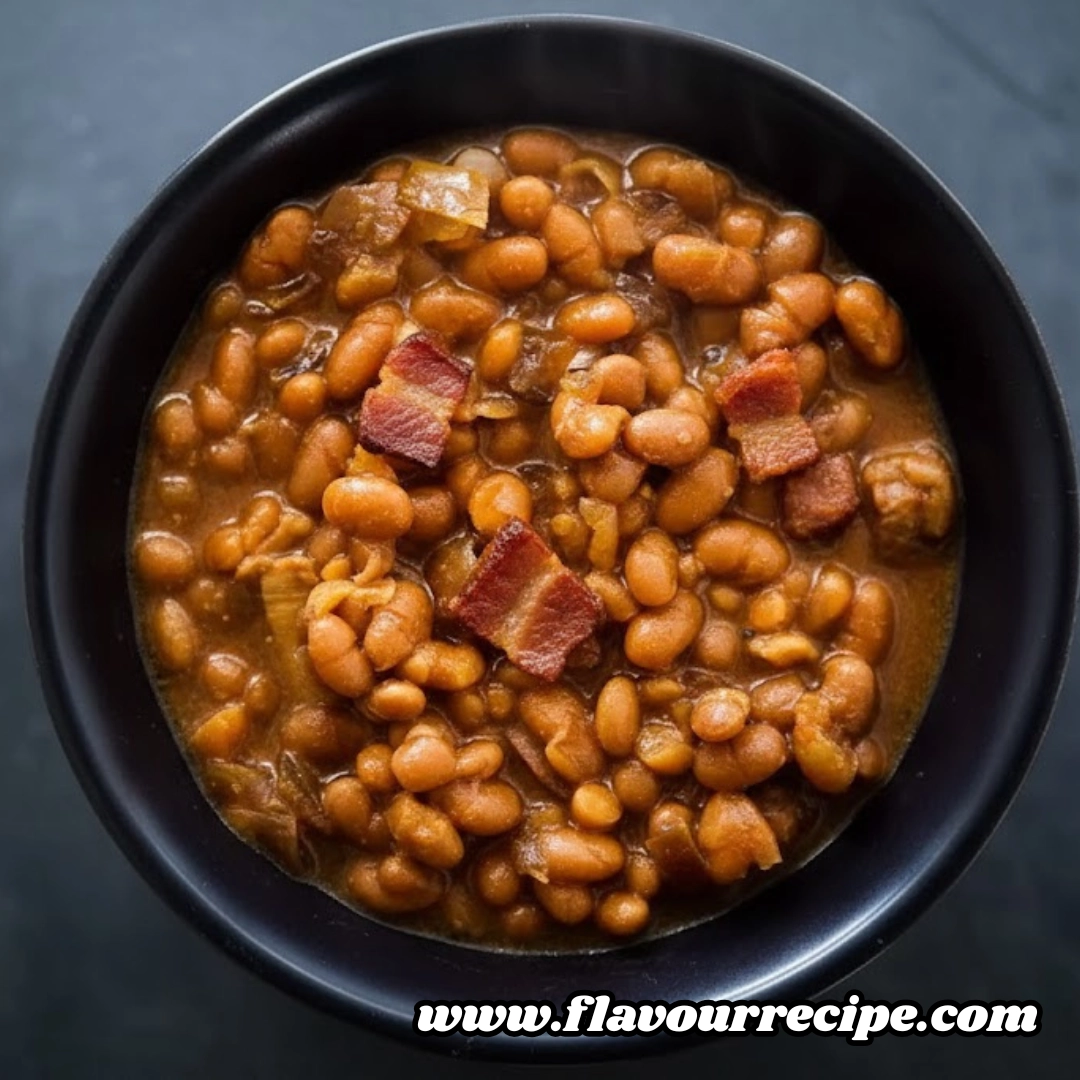
There is something profoundly nostalgic about the aroma of molasses and salt pork wafting through a home on a chilly afternoon. Slow Cooker Boston Baked Beans represent more than just a side dish; they are a culinary time capsule that takes us back to the roots of New England colonial cooking. By utilizing a slow cooker, we can replicate the traditional low-and-slow earthen pot method with modern convenience, allowing the beans to undergo a miraculous transformation. Over the course of several hours, the humble white bean absorbs the complex, earthy sweetness of the molasses, resulting in a dish that is rich, savory, and perfectly textured. This recipe honors the time-tested techniques that make this dish a staple of American gastronomy.
Table of Contents
Ingredients for Traditional Boston Beans
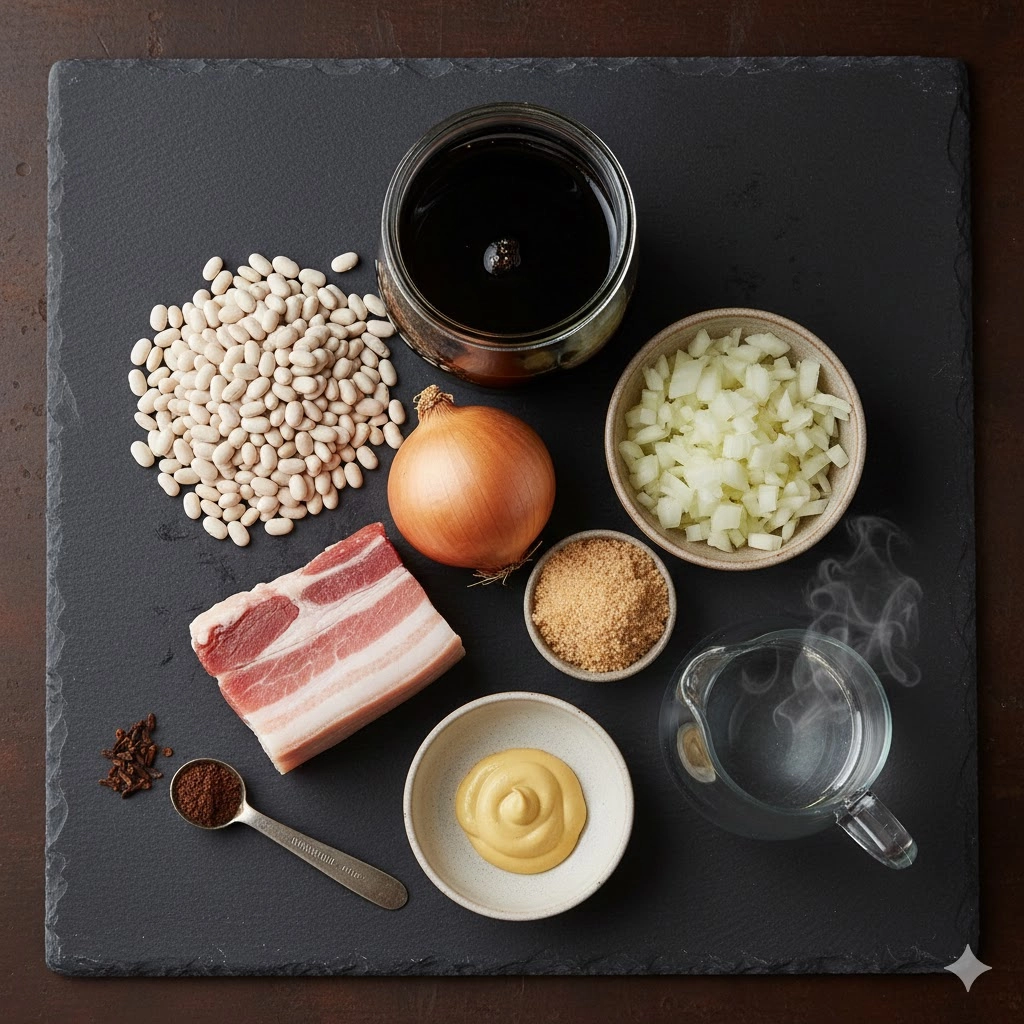
To achieve the genuine flavor profile required for this regional specialty, it is vital to use high-quality staples. The following list provides the exact measurements needed to create a batch that serves five to six people generously.
- 1 pound dry white beans (Between 2 and 2 1/4 cups of Navy beans or Great Northern beans are preferred, though kidney beans are a functional substitute)
- 1/3 cup molasses
- 1/3 cup brown sugar
- 3 to 4 tablespoons Dijon mustard
- 1/8 teaspoon ground cloves
- 3 cups hot water
- 1/2 pound salt pork (High-quality bacon may be used as a substitute, sliced into 1/2-inch to 1-inch pieces)
- 1 medium onion (Approximately 1 1/2 cups when chopped)
Instructions for the Slow Cooker Method
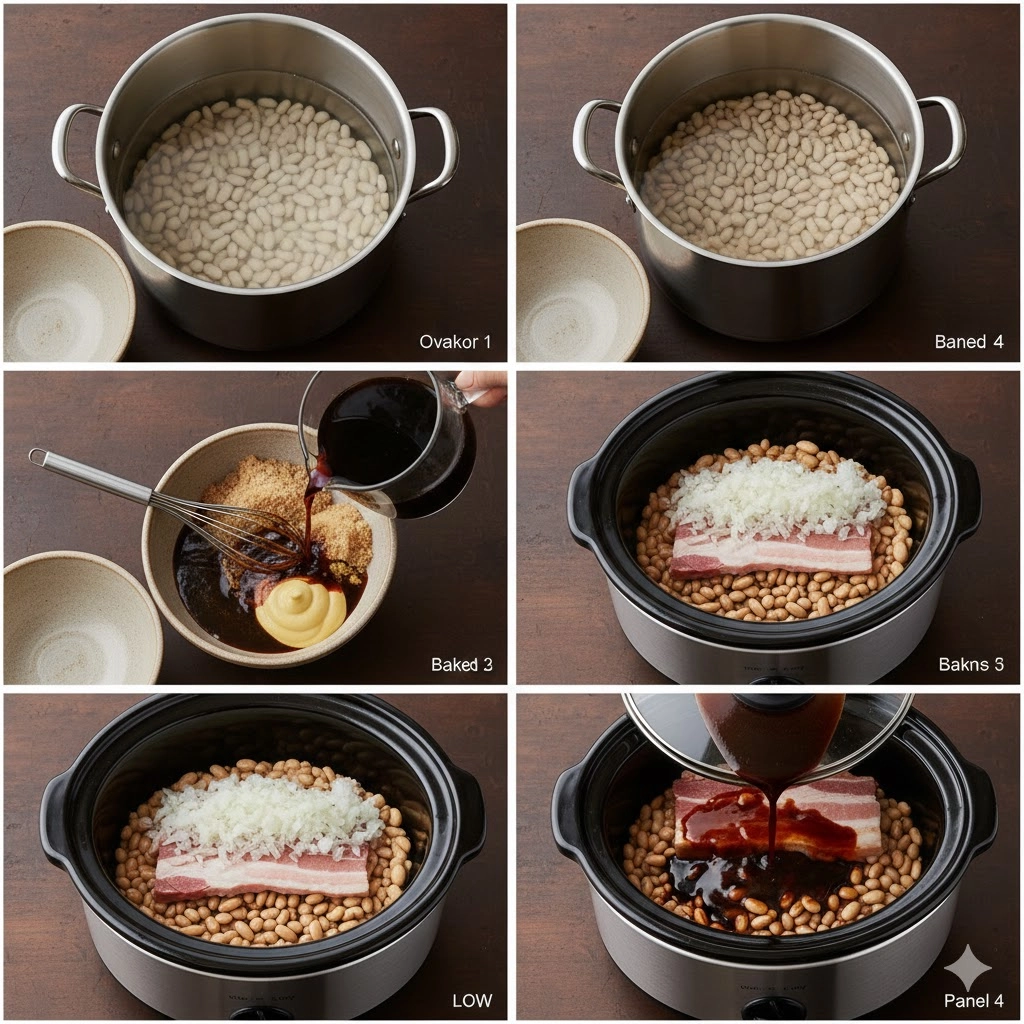
- Begin by preparing your legumes. Place the dry beans in a large pot and submerge them under at least 2 inches of fresh water. You may allow them to soak overnight before draining. For a faster approach, bring the pot of beans and water to a rolling boil, remove from the heat source, and let them sit for one hour before draining the liquid away.
- In a separate mixing bowl, prepare the braising liquid. Whisk together the molasses, brown sugar, Dijon mustard, and ground cloves. Slowly pour in the 3 cups of hot water, stirring constantly until the sugar has fully dissolved and the mixture is uniform.
- Prepare the vessel by layering the ingredients. Line the bottom of your slow cooker with half of the salt pork pieces, prioritizing the fattiest cuts for the base to ensure even grease distribution.
- Add a layer consisting of half of your soaked and drained beans directly over the pork.
- Distribute the entirety of the chopped onion in an even layer across the beans.
- Finish the layering process by adding the remaining half of the beans and topping them with the rest of the salt pork pieces.
- Carefully pour the molasses and water mixture over the layers. The liquid should just barely cover the top of the beans.
- Secure the lid and set the slow cooker to the low setting. Allow the beans to cook for approximately 8 hours. Check the hydration levels periodically; if the beans appear dry, add a small amount of water. Once the beans are tender, add salt to taste and serve.
Comprehensive Step-by-Step Cooking Details
The journey from a hard, dry legume to a tender, glazed Boston bean is a fascinating exercise in kitchen patience. When you begin by soaking the beans, you are not just hydrating them; you are initiating the rehydration of the starches. While some modern chefs argue that soaking is unnecessary, in the context of a molasses-based recipe, it is a non-negotiable step. The reason lies in the chemical structure of the bean’s skin. Once the beans are introduced to the calcium and sugar found in molasses, the exterior cell walls become reinforced. If you do not soften them slightly through a soak first, the molasses will “lock” them in a hard state, potentially doubling your cooking time.
The layering process is equally significant. By placing the fattiest portions of the salt pork at the very bottom, you create a foundational layer of rendered fat. As the slow cooker heats up, this fat liquefies and begins to rise through the beans, essentially confitting them in a mixture of pork essence and molasses. This upward movement of flavor is why we place the onions in the center. The onions break down completely over eight hours, releasing their natural sugars and moisture into the heart of the pot, acting as a bridge between the savory pork and the sweet glaze.
During the final hours of cooking, you will notice the liquid begins to thicken into a dark, syrupy consistency. This is the reduction of the molasses and the release of just enough starch from the beans to create a cohesive sauce. It is important to resist the urge to stir the pot frequently. Stirring can break the beans, turning your elegant side dish into a mushy paste. Instead, trust the slow, gentle heat. By the time the eight-hour mark arrives, the beans should be a deep mahogany color, a visual testament to the long caramelization process that has occurred within the ceramic walls of the cooker.
Mastering the Texture and Flavor Profile
The science of the Boston baked bean is centered on the interplay between acids, sugars, and minerals. Molasses is a unique ingredient because it contains significant amounts of calcium. In most culinary applications, we want vegetables to soften quickly, but with baked beans, the goal is a bean that holds its shape while remaining creamy on the inside. The calcium in the molasses cross-links with the pectin in the bean cell walls, creating a sturdy structure. This allows us to cook the beans for nearly a third of a day without them disintegrating.
The inclusion of Dijon mustard provides a necessary acidic counterpoint to the heavy, dark notes of the molasses and the richness of the salt pork. Without that sharp tang, the dish could feel overly cloying. Furthermore, the ground cloves offer a subtle warmth that lingers on the palate. While 1/8 of a teaspoon may seem like a miniscule amount, the long cooking time amplifies this spice, weaving it into the very fiber of the beans. If you find your beans are taking longer than eight hours, do not panic. The age of the dry beans plays a massive role; older beans have lost more internal moisture and may require additional time and a splash more water to reach the desired tenderness.
Strategic Modifications and Ingredient Substitutions
While the traditional recipe is a masterpiece of simplicity, there are times when your pantry might require a bit of flexibility. If salt pork is unavailable at your local butcher, high-quality thick-cut bacon is the most effective substitute. Bacon will introduce a more pronounced smoky flavor than salt pork, which is generally just cured with salt. If you use bacon, you might find you need less additional salt at the end of the cooking process.
For the beans themselves, Navy beans are the quintessential choice for Boston style because of their small size and ability to absorb flavors while maintaining a smooth texture. However, Great Northern beans are a fantastic alternative, offering a slightly larger bite and a nuttier profile. Some cooks even enjoy using kidney beans for a more robust, earthy variation, though this will depart slightly from the classic New England aesthetic. If you wish to adjust the sweetness, you can play with the ratio of brown sugar to molasses, but remember that the molasses is responsible for that iconic dark color and the mineral-rich depth that defines the dish.
Ideal Accompaniments and Serving Suggestions
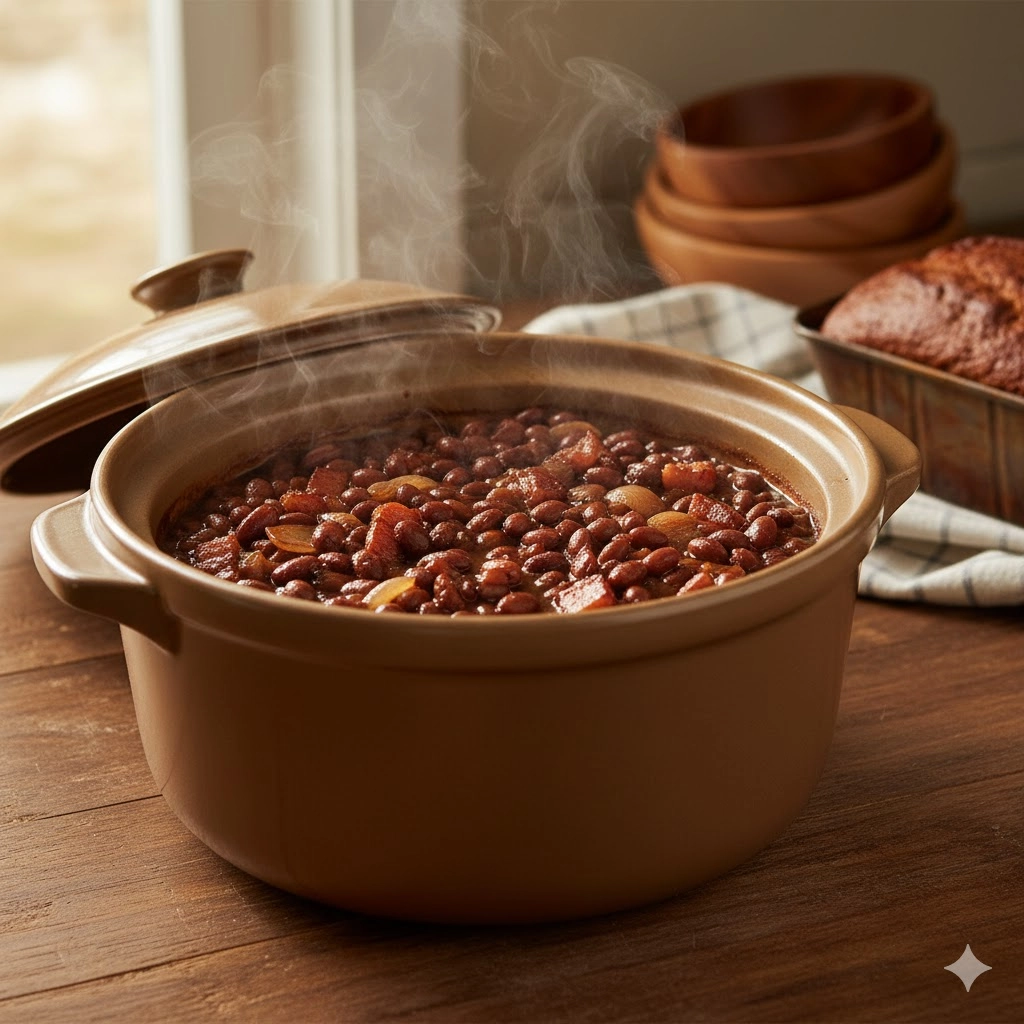
To serve Boston baked beans in the most authentic manner possible, one must look toward the traditional Saturday night supper of New England. The most iconic pairing is Boston brown bread, a dense, steamed bread often made with rye and cornmeal and traditionally cooked in a tin can. The earthy, slightly sweet bread is the perfect vessel for scooping up the thick molasses sauce.
Beyond bread, these beans are a natural partner for grilled meats. They serve as a brilliant side for hot dogs or frankfurters, providing a sophisticated flavor profile that elevates a simple backyard barbecue. For a complete meal, consider serving the beans alongside a crisp, acidic coleslaw. The cold, crunchy cabbage and vinegar-based dressing provide a refreshing contrast to the hot, soft, and sweet beans. If you are serving these during the winter months, they pair exceptionally well with a thick slice of roasted ham or even a simple piece of cornbread slathered in salted butter.
Frequently Asked Questions Regarding Slow Cooked Beans
Can I prepare these beans a day in advance?
Absolutely, and many would argue that you should. Boston baked beans are famous for being “best the next day.” As the dish cools and sits in the refrigerator, the flavors continue to meld and the starches in the sauce further stabilize. When you reheat them the following day, the sauce becomes even more velvety and the flavor profile deepens significantly.
Why are my beans still hard after eight hours of cooking?
Hard beans are usually the result of two factors: the age of the beans or the chemistry of your water. If the dry beans have been sitting on a shelf for several years, they may never fully soften. Additionally, cooking beans in “hard water” (water with high mineral content) can prevent softening. If this is a recurring issue, try using bottled or filtered water for the soaking and cooking process.
Is it possible to overcook beans in a slow cooker?
While the molasses helps prevent the beans from becoming mushy, it is still possible to overcook them if left for twelve to fourteen hours. Eventually, the structural integrity will give way. However, the low heat of a slow cooker is very forgiving, making it difficult to truly ruin them unless they run out of liquid and begin to scorch.
What is the difference between salt pork and bacon in this recipe?
Salt pork is unsmoked fat and muscle from the belly or back of the pig that has been cured in salt. It provides a pure, savory pork fat flavor. Bacon is usually smoked, which adds a layer of wood-smoke flavor to the beans. Both are delicious, but salt pork is the more traditional choice for a clean molasses taste.
How should I store and reheat leftovers?
Store any remaining beans in an airtight container in the refrigerator for up to five days. To reheat, place them in a saucepan over low heat, adding a tablespoon of water if the sauce has thickened too much during cooling. They can also be frozen for up to three months, though the texture of the beans may soften slightly upon thawing.
The Lasting Appeal of the New England Classic
Ultimately, making Slow Cooker Boston Baked Beans is an exercise in culinary storytelling. It is a dish that rewards the patient cook with a depth of flavor that simply cannot be found in a commercial can. By following the traditional methods of soaking, layering, and slow braising, you transform a few inexpensive pantry items into a rich, soulful meal that has sustained generations. Whether you are serving them at a summer picnic or a cozy winter dinner, these beans bring a sense of history and heart to the table.
Estimated Nutrition Table
| Nutrient | Amount Per Serving |
| Calories | 643 |
| Total Fat | 32 grams |
| Saturated Fat | 11 grams |
| Cholesterol | 33 milligrams |
| Sodium | 1304 milligrams |
| Total Carbohydrate | 72 grams |
| Dietary Fiber | 12 grams |
| Total Sugars | 27 grams |
| Protein | 19 grams |
| Vitamin C | 1 milligram |
| Calcium | 174 milligrams |
| Iron | 5 milligrams |
| Potassium | 1248 milligrams |
Disclaimer
Nutritional information is calculated using an ingredient database and should be considered an estimate. In cases where multiple ingredient alternatives are given, the first listed is calculated for nutrition. Garnishes and optional ingredients are not included1.
PrintSlow Cooker Boston Baked Beans

An authentic New England classic, these Boston Baked Beans are slow-cooked for 8 hours in a rich molasses and salt pork glaze. Perfectly tender and full of deep, smoky flavor.
- Prep Time: 15 mins
- Cook Time: 8 hours
- Total Time: 8 hours 15 mins
- Yield: 6 servings 1x
- Category: Side Dish
- Method: Slow Cooker
- Cuisine: American
Ingredients
1 pound dry white beans (Navy or Great Northern)
1/3 cup molasses
1/3 cup brown sugar
4 tablespoons Dijon mustard
1/8 teaspoon ground cloves
3 cups hot water
1/2 pound salt pork, cut into 1-inch pieces
1 medium onion, chopped
Instructions
1. Soak beans in water overnight and drain, or boil for 1 hour and drain.
2. Whisk together molasses, brown sugar, mustard, ground cloves, and 3 cups hot water.
3. Line the bottom of the slow cooker with half of the salt pork.
4. Add a layer of half the beans, then add all of the chopped onion.
5. Add the remaining beans and top with the rest of the salt pork.
6. Pour the molasses liquid over the beans to just cover them.
7. Cover and cook on low for 8 hours until beans are tender.
8. Check water level occasionally and add more if needed; salt to taste.
Notes
Best served the next day for deeper flavor.
Traditionally served with Boston Brown Bread.
If salt pork is unavailable, thick-cut bacon is a great substitute.
Molasses prevents the beans from getting mushy during the long cook time.
Nutrition
- Serving Size: 1 cup
- Calories: 643
- Sugar: 27g
- Sodium: 1304mg
- Fat: 32g
- Saturated Fat: 11g
- Unsaturated Fat: 14g
- Trans Fat: 0g
- Carbohydrates: 72g
- Fiber: 12g
- Protein: 19g
- Cholesterol: 33mg