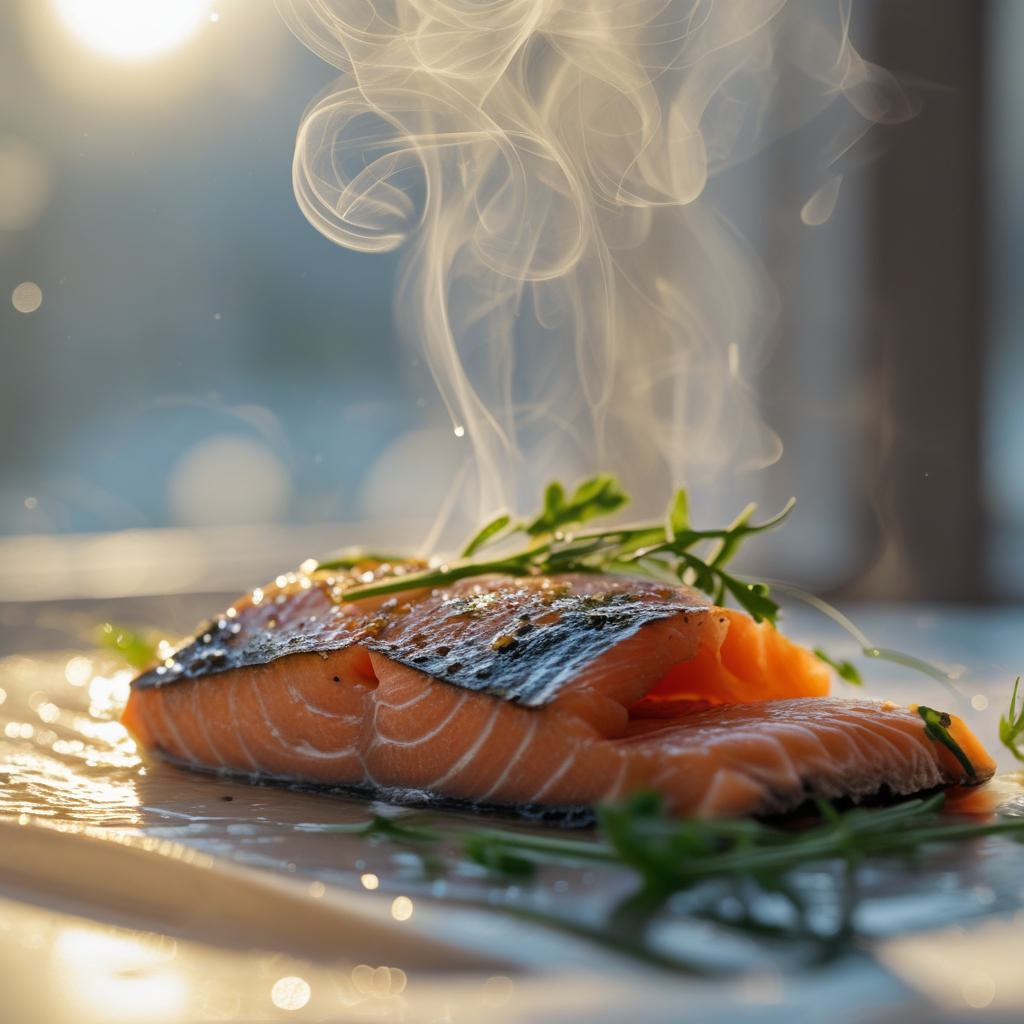
The moment wild-caught salmon hits a hot pan, kitchen alchemy begins. That initial sizzle releases oceanic umami mingling with caramelizing proteins, creating an aroma profile that dances between seared steak and fresh sea breeze. This 5-ingredient marvel proves gourmet cooking needn’t involve complex techniques or obscure components – it’s about respecting elemental flavors. High-heat searing forms a bronze crust that locks in silky fats, while the center remains jewel-toned and tender. Minimalism here acts as sophistication: lemon zest lifts rich oils, coarse salt amplifies natural sweetness, well-chosen herbs add structural complexity without overwhelming. You’re not just cooking fish; you’re conducting a symphony of texture contrasts where each crisp bite gives way to moist, flaky flesh.
Table of Contents
Ingredient Deep Dive
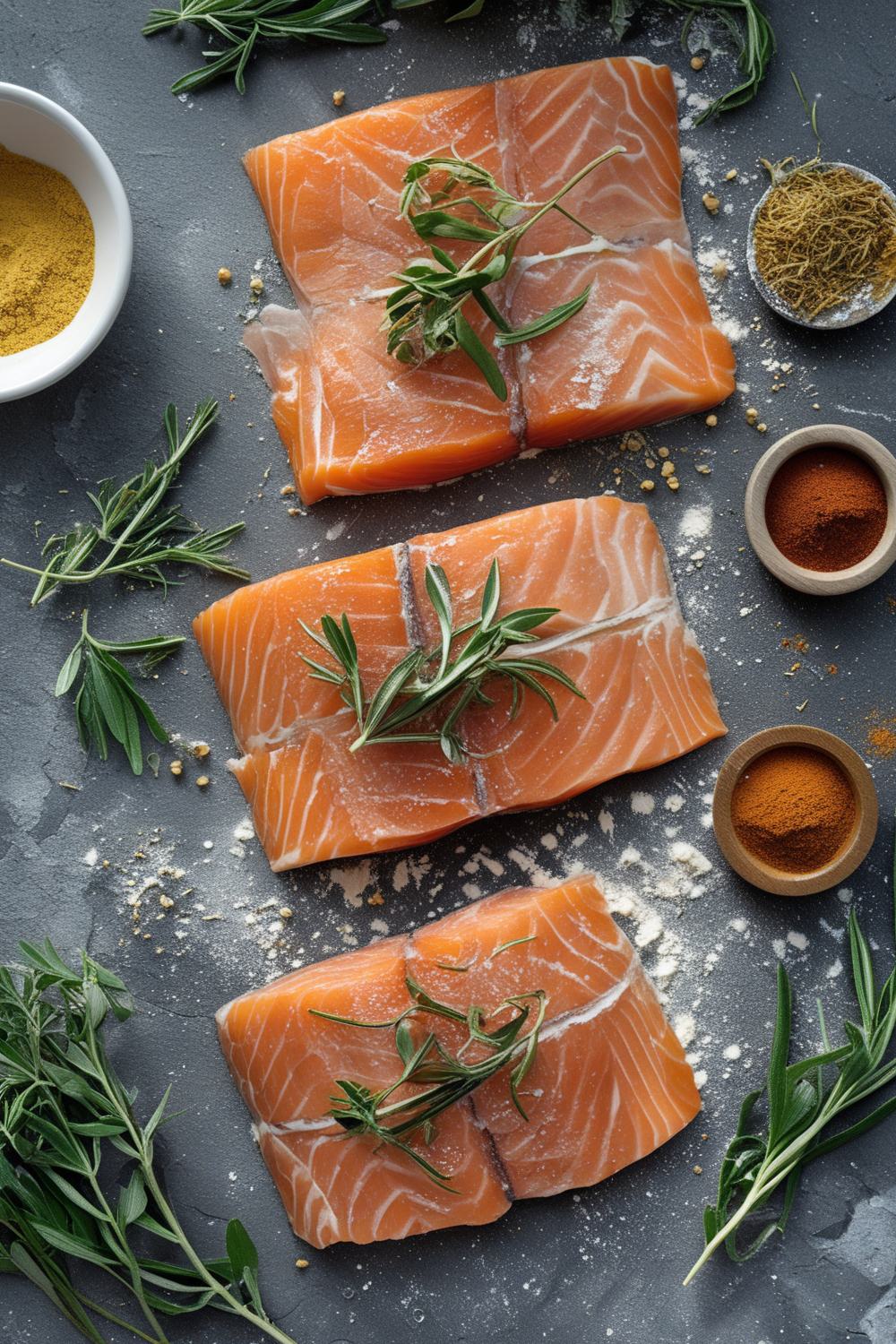
| Ingredient | Quantity | Purpose |
|---|---|---|
| Wild Salmon Fillets | 2 (6 oz each) | Protein foundation with omega-3 rich fats |
| Grapeseed Oil | 1 tbsp | High smoke point for optimal crust formation |
| Flaky Sea Salt | 1 tsp | Enhances moisture retention via osmosis |
| Lemon Zest | 1 tbsp | Citrus oils cut through fat richness |
| Fresh Dill | 2 tbsp chopped | Bright herbaceous counterpoint to fish oils |
Salmon selection dictates 80% of this dish’s success. Wild-caught varieties contain 20% less water than farmed, allowing superior caramelization. I specify skin-on fillets because collagen transforms into gelatin under heat, creating a protective barrier against overcooking. Grapeseed oil’s neutral flavor won’t compete with salmon’s natural esters, while its 420°F smoke point prevents acrid burning aromas.
Salt application timing is biochemistry in action: applying just before cooking draws surface moisture for better searing, unlike pre-salting that denatures proteins. Lemon zest, not juice, provides limonene oils without acidity prematurely “cooking” the fish. Fresh dill contains polyacetylenes that form complementary flavor bonds with salmon’s lipid profile.
Substitutions & Swaps
For vegan preparations, pressed extra-firm tofu achieves comparable texture when marinated in kombu broth (kelp mimics oceanic umami). Gluten-free needs require no adjustments since the base recipe contains no grains. Skinless fillets work if unavailable, but increase oil by 50% to prevent sticking. In herb scarcity, 1 tsp dried tarragon plus 1/4 tsp sugar approximates dill’s anise-like sweetness. Those avoiding citrus can use 1/2 tsp yuzu kosho paste for fermented brightness. Arctic char stands in beautifully for salmon with nearly identical fat content and cooking behavior. For oil alternatives, refined avocado oil performs similarly to grapeseed, while clarified butter (ghee) adds nutty richness if you monitor heat closely.
Equipment Guide
A 12-inch cast-iron skillet reigns supreme here. Its heat retention creates professional-grade searing impossible in thin pans – when water droplets skitter dramatically across the surface, you’ve achieved the ideal 450°F foundation. Traditional non-stick surfaces struggle because cooking salmon properly involves sticky protein bonding before crust release; only well-seasoned cast iron manages this transition gracefully. Equally critical is a fish spatula: its angled, perforated edge slips under fragile fillets without disintegration. For doneness checks, I recommend instant-read thermometers over visual cues; salmon transitions from translucent to opaque within 30 seconds.
Step-by-Step Walkthrough
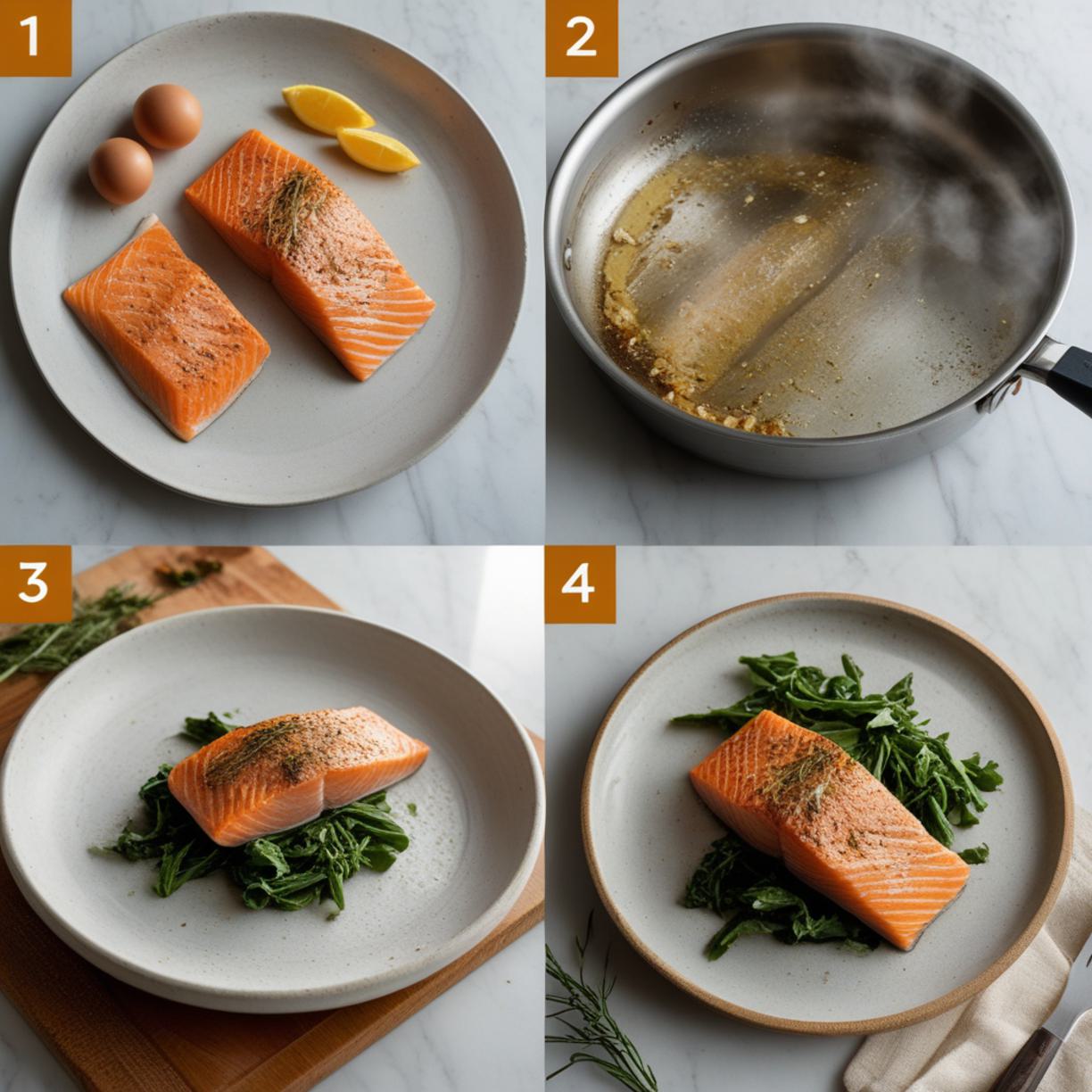
- Pat fillets dry using paper towels until surface feels tacky (removes 90% of surface moisture)
- Heat skillet over medium-high 6 minutes until faint wisps of smoke appear
- Add oil, swirling to coat, then immediately place salmon skin-side down
- Press gently with spatula for 15 seconds to ensure full skin contact
- Cook undisturbed 5 minutes until edges turn golden-brown
- Flip using fish spatula, removing skillet from heat immediately
- Wait 1 minute for carryover cooking to reach 125°F internal temp
- Transfer to resting plate skin-side up to preserve crispness
- Zest lemon directly over fillets to capture volatile oils
- Finish with flaky salt and dill before serving
Resist all temptation to move fillets prematurely; protein bonds need 3 minutes to form proper crust adhesion. The crucial thermal moment comes during flipping: removing pan from heat prevents residual burner energy from overcooking the delicate flesh. Carryover cooking will elevate temperature another 15 degrees during resting – this is where most amateur cooks fail by judging doneness visually rather than thermally.
That final lemon zest application exploits solvent properties: fish oils dissolve citrus oils, carrying flavors deep into the flesh. Herbs added post-cooking retain their chlorophyllic brightness rather than turning muddy from heat exposure.
Expert Tips & Troubleshooting
Skin sticking indicates insufficient heat – wait for oil to shimmer dynamically before adding fish. White protein ooze (albumin) signals slight overcooking; reduce cook time by 90 seconds next attempt. For skin that puffs dramatically, use the back of a spoon to apply light pressure during cooking. If smoke alarms frequently disrupt cooking, place a bowl of ice cubes near the stove to capture particulates.
Temperature control nuances: when flipping fillets, listen for sound changes. A steady hiss means proper searing; sputtering oil means excess moisture compromising crust formation. If you see premature browning before internal temp reaches 115°F, temporarily slide skillet off heat while spooning oil over the top.
Flavor Variations
For spicy iterations, blend smoked paprika into grapeseed oil before heating – capsaicin binds with fish oils for lingering heat. Caribbean jerk rubs (1 tbsp) substitute for salt create sweet-heat contrast. Kid-friendly versions involve brushing fillets with maple syrup (1 tsp) during last 60 seconds – the sugar rapidly caramelizes into a crispy glaze. Mediterranean versions replace dill with 1 tsp za’atar plus preserved lemon.
Storage & Reheating
Refrigerate leftovers within two hours in airtight containers with parchment separating skin from flesh to preserve texture. Consume within 48 hours due to rapid fish oil oxidation. Reheating requires a two-stage process: 10 minutes at room temperature followed by 90 seconds in air fryer at 375°F. Microwaving destroys flake structure.
FAQ Section
Can I use frozen salmon?