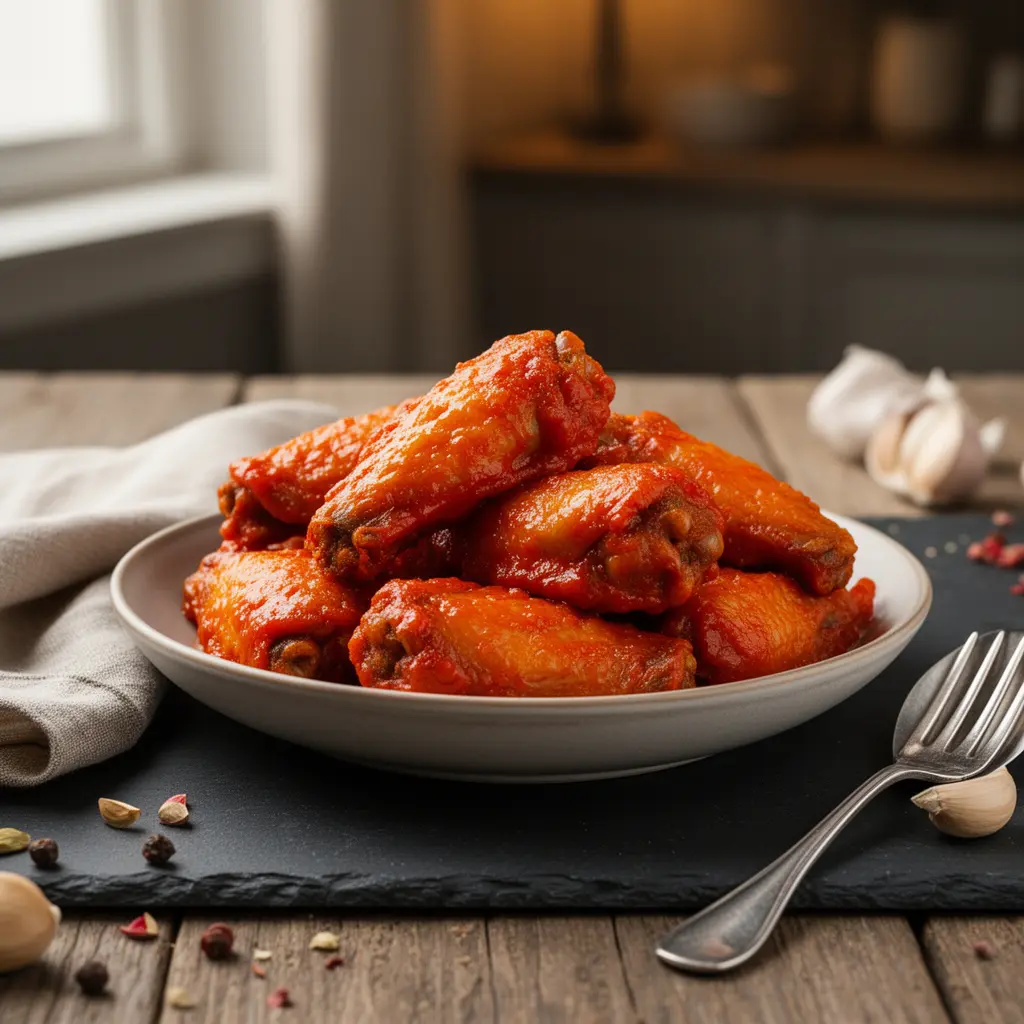

This classic Italian-American preparation centers on the delicate balance of bright acidity, rich fats, and aromatic garlic. Shrimp Scampi with Pasta is an enduring favorite because it manages to feel sophisticated and elegant while requiring very little time at the stovetop. It relies on a few high-quality components—specifically succulent shrimp and a silk-smooth emulsion of butter and white wine—to create a restaurant-quality experience in your own kitchen. Whether you are hosting an intimate dinner or simply want a refined meal to end the day, this dish delivers a vibrant profile that highlights the natural sweetness of the seafood.
Table of Contents
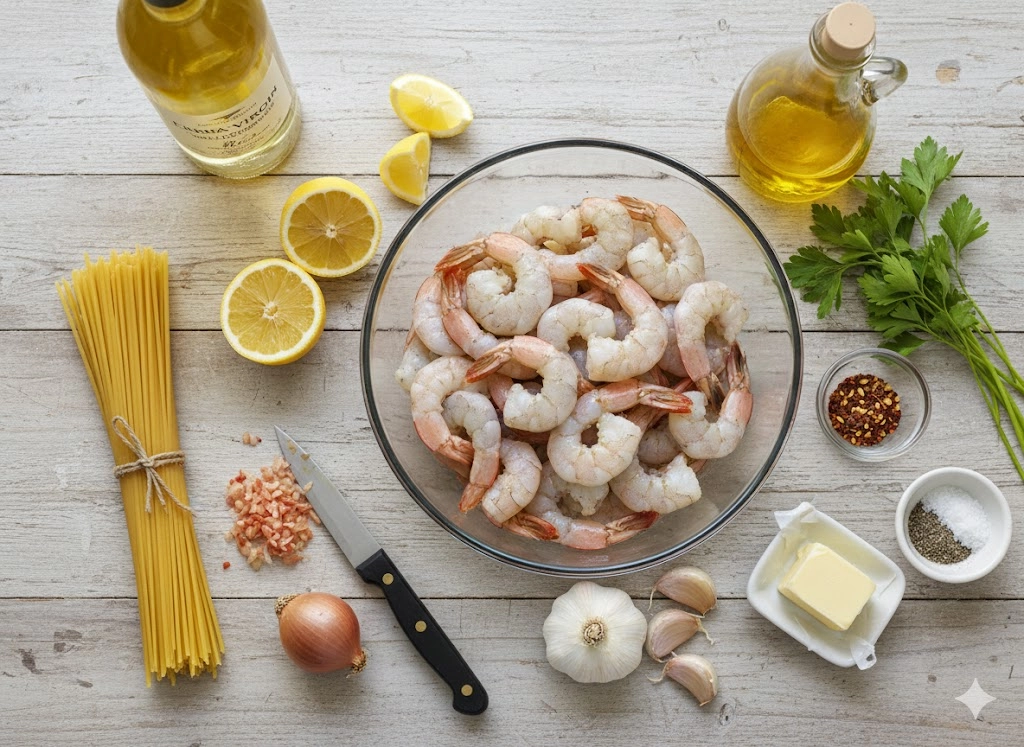
Essential Components
- Linguine: One pound (sixteen ounces).
- Large Shrimp: One and a half pounds, peeled and deveined (size thirty-one to thirty-five count).
- Unsalted Butter: Eight tablespoons (one stick), divided.
- Extra-Virgin Olive Oil: Two tablespoons.
- Shallots: Two large, finely minced.
- Fresh Garlic: Six cloves, pressed or minced.
- Dry White Wine: Half cup (such as Pinot Grigio).
- Lemon Juice: Three tablespoons, freshly squeezed.
- Red Pepper Flakes: One fourth teaspoon.
- Kosher Salt: One teaspoon, plus more for pasta water.
- Black Pepper: Half teaspoon, freshly cracked.
- Fresh Parsley: Half cup, chopped.
Preparation Summary
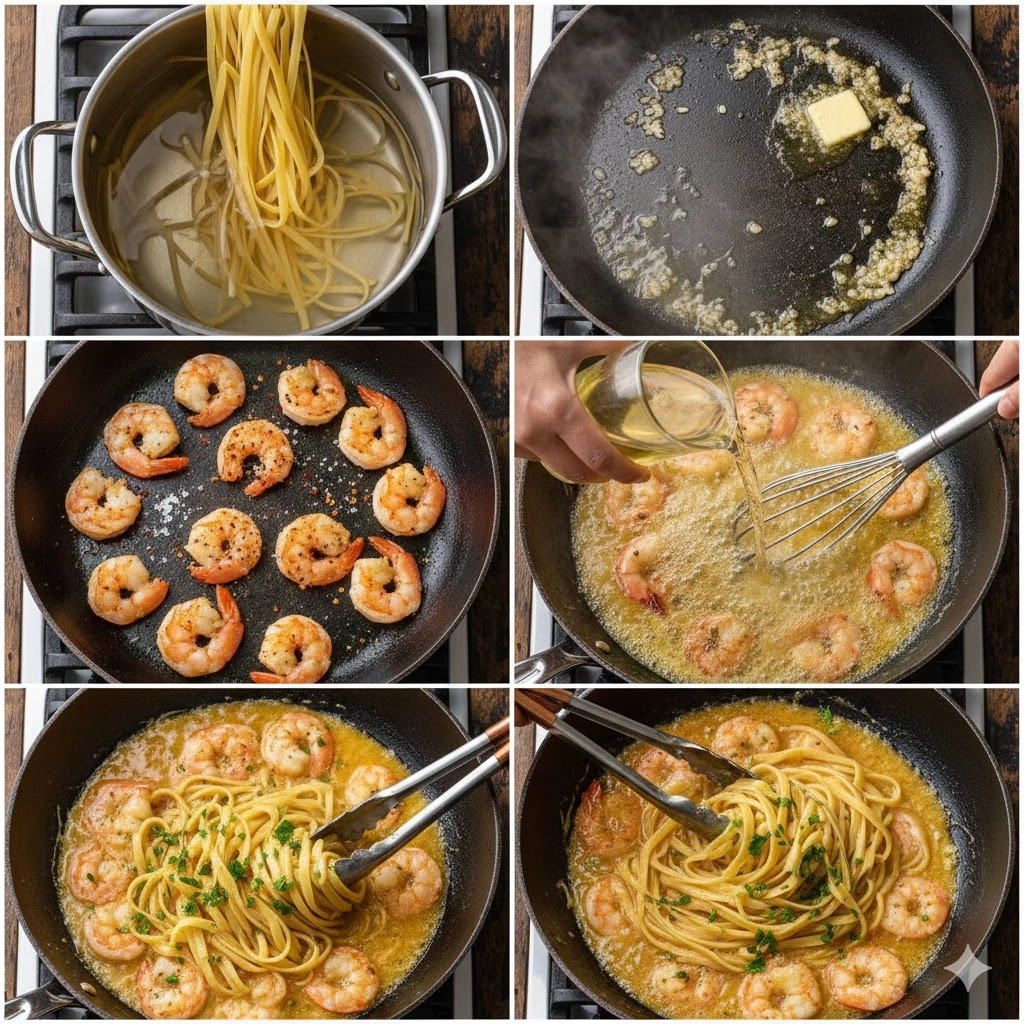
- Bring a large pot of heavily salted water to a rolling boil and cook the pasta until just under al dente.
- Melt half the butter with the olive oil in a wide skillet over medium heat.
- Sauté the minced shallots and garlic until softened and fragrant but not browned.
- Introduce the shrimp to the pan, seasoning them with salt, pepper, and red pepper flakes.
- Pour in the white wine and lemon juice, simmering until the liquid reduces by half.
- Whisk in the remaining cold butter to create a glossy, emulsified sauce.
- Toss the cooked pasta directly into the skillet with the shrimp.
- Fold in the fresh parsley and a splash of reserved pasta water if needed.
The Art of the Scampi: Detailed Method
Executing the Pasta Foundation
Start by boiling your water. It is vital that the water tastes like the sea; use roughly two tablespoons of salt for a large pot. Add the linguine and cook it for about two minutes less than the package directions suggest. You want the pasta to have a firm core because it will finish cooking in the scampi sauce later. Before draining, scoop out one cup of the starchy pasta water and set it aside. This liquid is the secret to a cohesive sauce that clings to every strand.
Building the Aromatic Base
In a large skillet, combine the olive oil and four tablespoons of butter. The oil raises the smoke point of the butter, preventing it from scorching. Add your shallots first, as they take slightly longer to soften than garlic. Once the shallots are translucent, add the garlic. Watch closely—garlic can turn bitter if it browns. You are looking for a pale golden hue and a powerful aroma that fills the kitchen.
Searing the Shrimp
Increase the heat slightly and add the shrimp in a single layer. Season them immediately. The goal here is a quick sear. As soon as the undersides turn pink, flip them. They should only be in the pan for about ninety seconds per side. If you overcook them at this stage, they will become rubbery once the liquid is added.
Deglazing and Emulsifying
Pour the white wine and lemon juice into the hot pan. Use a wooden spoon to scrape up any browned bits from the bottom of the skillet. Let the wine bubble and reduce. This concentrates the flavor. Once the liquid has thickened slightly, add the remaining four tablespoons of cold butter. Stirring in cold butter at the end creates a velvet-like texture known as a “mounted” sauce.
The Final Integration
Transfer the drained linguine into the skillet. Use tongs to toss the pasta, ensuring the butter-wine sauce coats everything evenly. If the pan looks a little dry or the sauce isn’t spreading, add that reserved pasta water a few tablespoons at a time. The starch in the water helps the fat and acid bind together. Finish with a heavy sprinkle of parsley, which provides a necessary herbal contrast to the richness of the butter.
Pro Tips for Culinary Success
- Dry the Shrimp: Before adding the shrimp to the pan, pat them very dry with paper towels. Excess moisture will cause the shrimp to steam rather than sear, preventing that beautiful pink exterior from forming.
- Cold Butter Finish: Always use cold butter for the final step. Cold fat incorporates into the sauce more slowly than melted fat, creating a stable emulsion that won’t “break” or become oily.
- Wine Quality: Never cook with a wine you wouldn’t enjoy drinking. A crisp, high-acid wine like Sauvignon Blanc or a dry Vermentino provides the best backbone for the citrus and garlic.
- The “C” Shape: Watch the shape of your shrimp. A shrimp curled into a “C” is perfectly cooked. If it tightens into an “O” shape, it is overcooked and likely tough.
- Pasta Timing: Start the shrimp only after the pasta is halfway through its cooking time. The sauce takes less than ten minutes to complete, and you want the pasta to go from the pot to the pan without sitting and clumping.
- Fresh Citrus: Avoid bottled lemon juice at all costs. The volatile oils in fresh lemon zest and juice provide a brightness that bottled versions lack.
Customizing the Dish
The Scampi Zoodle: For a lower-carbohydrate alternative, replace the linguine with zucchini noodles. Sauté the zucchini for only sixty seconds at the very end to prevent them from becoming watery.
Protein Swaps: This sauce works exceptionally well with sea scallops or even chunks of firm white fish like halibut. If using scallops, sear them separately first to get a hard crust, then add them back to the sauce.
Vegetable Additions: To add more bulk and nutrition, toss in a few handfuls of baby spinach or some blanched asparagus tips during the final tossing of the pasta. The heat from the linguine will wilt the spinach perfectly.
Serving and Presentation
For the best visual appeal, serve the Shrimp Scampi with Pasta in shallow wide bowls. Twirl the pasta into a nest using a carving fork and place the shrimp prominently on top. A final grating of fresh lemon zest over the top adds a hit of fragrance that hits the diner immediately.
Accompany the dish with a piece of charred ciabatta or a crusty baguette. The bread is essential for mopping up the garlic butter left at the bottom of the bowl. A simple side of arugula tossed in a light vinaigrette provides a peppery bite that cleanses the palate between forkfuls of the rich pasta.
FAQs
Can I make this recipe without alcohol?
Yes, you can substitute the white wine with an equal amount of high-quality chicken or seafood stock. Add an extra teaspoon of lemon juice to provide the acidity that the wine would have otherwise contributed.
How should I store and reheat leftovers?
Store leftovers in an airtight container in the refrigerator for up to two days. To reheat, place the pasta in a skillet over low heat with a splash of water or broth to loosen the sauce; avoid the microwave, as it often makes the shrimp rubbery.
Is it better to use fresh or frozen shrimp?
In most cases, frozen shrimp are actually “fresher” because they are flash-frozen on the boat. Just ensure they are fully thawed and patted dry before you begin the cooking process for the best texture.
What kind of pasta works best if I don’t have linguine?
Angel hair is a popular choice for a lighter feel, while fettuccine offers a more substantial bite. Even short shapes like penne can work, though long strands are traditional for capturing the emulsion.
Nutrition Information
| Nutrient | Amount per Serving |
| Calories | 540 kcal |
| Protein | 32 g |
| Carbs | 62 g |
| Fat | 18 g |
| Fiber | 3 g |
| Sugar | 2 g |
| Sodium | 880 mg |
Nutrition information is an estimate and may vary based on preparation and ingredients used.
PrintShrimp Scampi with Pasta
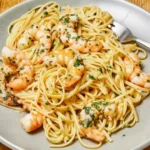
This classic Shrimp Scampi with Pasta features succulent shrimp tossed in a vibrant emulsion of butter, garlic, lemon, and white wine for a restaurant-quality meal.
- Prep Time: 15 mins
- Cook Time: 15 mins
- Total Time: 30 mins
- Yield: 4 servings 1x
- Category: Main Course
- Method: Stovetop
- Cuisine: Italian-American
Ingredients
16 ounces linguine
1.5 pounds large shrimp, peeled and deveined
8 tablespoons unsalted butter
2 tablespoons extra-virgin olive oil
2 large shallots, minced
6 cloves garlic, minced
1/2 cup dry white wine
3 tablespoons fresh lemon juice
1/4 teaspoon red pepper flakes
1 teaspoon kosher salt
1/2 teaspoon black pepper
1/2 cup fresh parsley, chopped
Instructions
1. Boil linguine in heavily salted water until just under al dente; reserve one cup of pasta water.
2. Melt half the butter with olive oil in a wide skillet over medium heat.
3. Sauté minced shallots and garlic until softened and fragrant.
4. Add shrimp to the pan and season with salt, pepper, and red pepper flakes.
5. Pour in white wine and lemon juice, simmering until liquid reduces by half.
6. Whisk in remaining cold butter to create a glossy, emulsified sauce.
7. Toss cooked pasta into the skillet and fold in fresh parsley.
8. Add a splash of reserved pasta water if needed to reach desired consistency.
Notes
Use cold butter at the end to ensure the sauce emulsifies properly.
Do not overcook the shrimp; remove from heat as soon as they turn pink and C-shaped.
Serve with crusty bread to soak up the garlic butter sauce.
Nutrition
- Serving Size: 1 bowl
- Calories: 540
- Sugar: 2g
- Sodium: 880mg
- Fat: 18g
- Saturated Fat: 10g
- Unsaturated Fat: 8g
- Trans Fat: 0g
- Carbohydrates: 62g
- Fiber: 3g
- Protein: 32g
- Cholesterol: 195mg