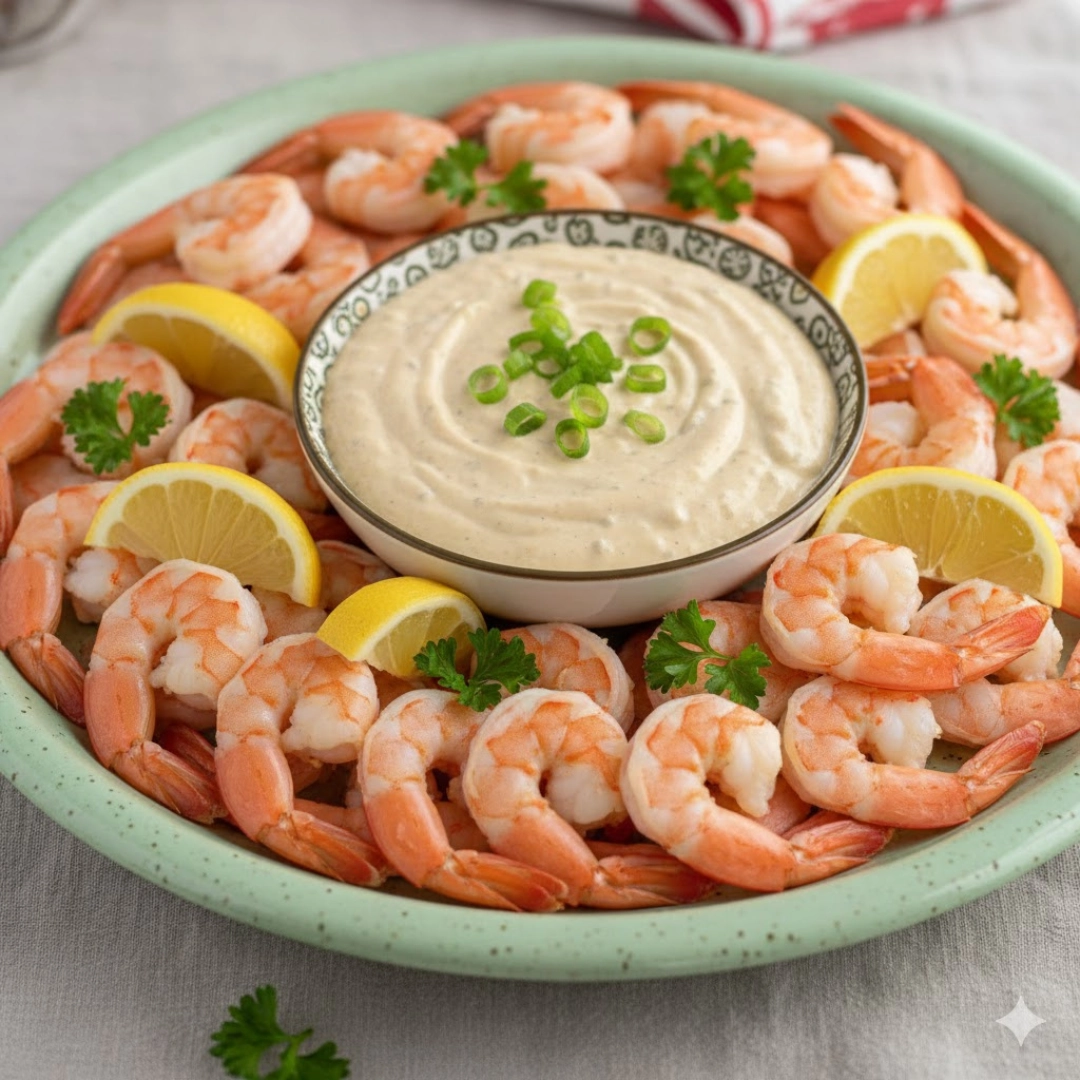
If you’ve ever spent time in New Orleans, you know that Remoulade is less a condiment and more a cultural touchstone. It’s a signature, zesty, and highly complex sauce that elevates any chilled protein it touches. This particular rendition of Shrimp Remoulade offers a delightful balance of creamy richness, bright acidity, and an unforgettable cayenne kick, making it one of the most celebrated appetizers in Southern US cuisine. Perfect for a garden party, an elegant cocktail hour, or even a sophisticated weekend lunch, this dish is not merely a plate of shrimp; it’s an immersive, flavorful experience that speaks to the rich culinary history of the Louisiana Gulf Coast. It is the definition of fresh seafood meeting bold, tangy flavor, promising an appetizer that will disappear as quickly as it appears.
Table of Contents
The Essential Elements: Ingredients for Remoulade Perfection
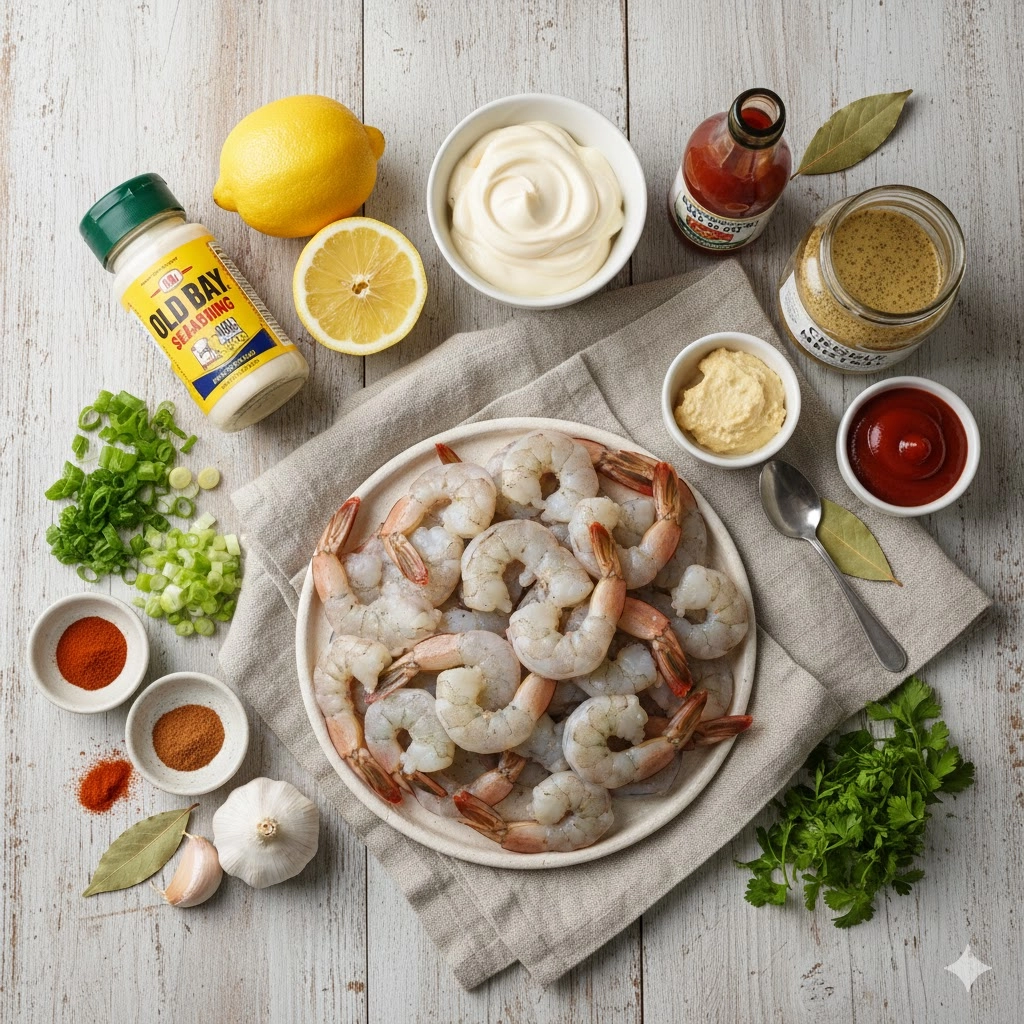
Building the ideal Remoulade requires a specific balance of pantry staples and fresh aromatics. Precise measuring is crucial to achieving that perfect, tangy depth.
For the Classic Remoulade Sauce
- One cup (240 grams) high-quality mayonnaise, preferably a Hellmann’s or Duke’s style
- One-third cup (80 grams) creole mustard or coarse-grain Dijon mustard
- One-quarter cup (60 grams) ketchup or chili sauce
- Two tablespoons (30 milliliters) prepared horseradish, drained
- One tablespoon (15 milliliters) Worcestershire sauce
- Two teaspoons (10 milliliters) freshly squeezed lemon juice
- One teaspoon smoked paprika
- Half teaspoon cayenne pepper (adjust to desired heat)
- Two cloves garlic, finely minced
- One stalk celery, finely minced (about one-quarter cup)
- Two green onions (scallions), thinly sliced
- One-quarter cup (10 grams) fresh parsley, chopped
- Salt and freshly ground black pepper to taste
For the Shrimp
- Two pounds (900 grams) large (21/25 count) shrimp, raw, peeled, and deveined with tails on (or off, as preferred)
- Four cups (950 milliliters) water
- One lemon, halved
- One bay leaf
- One tablespoon (15 grams) Old Bay seasoning
The Method: Constructing the Remoulade Sauce
The preparation is straightforward, yet requires attention to detail, particularly in the seasoning and chilling phases. This approach ensures the final flavor profile is sharp, zesty, and fully developed.
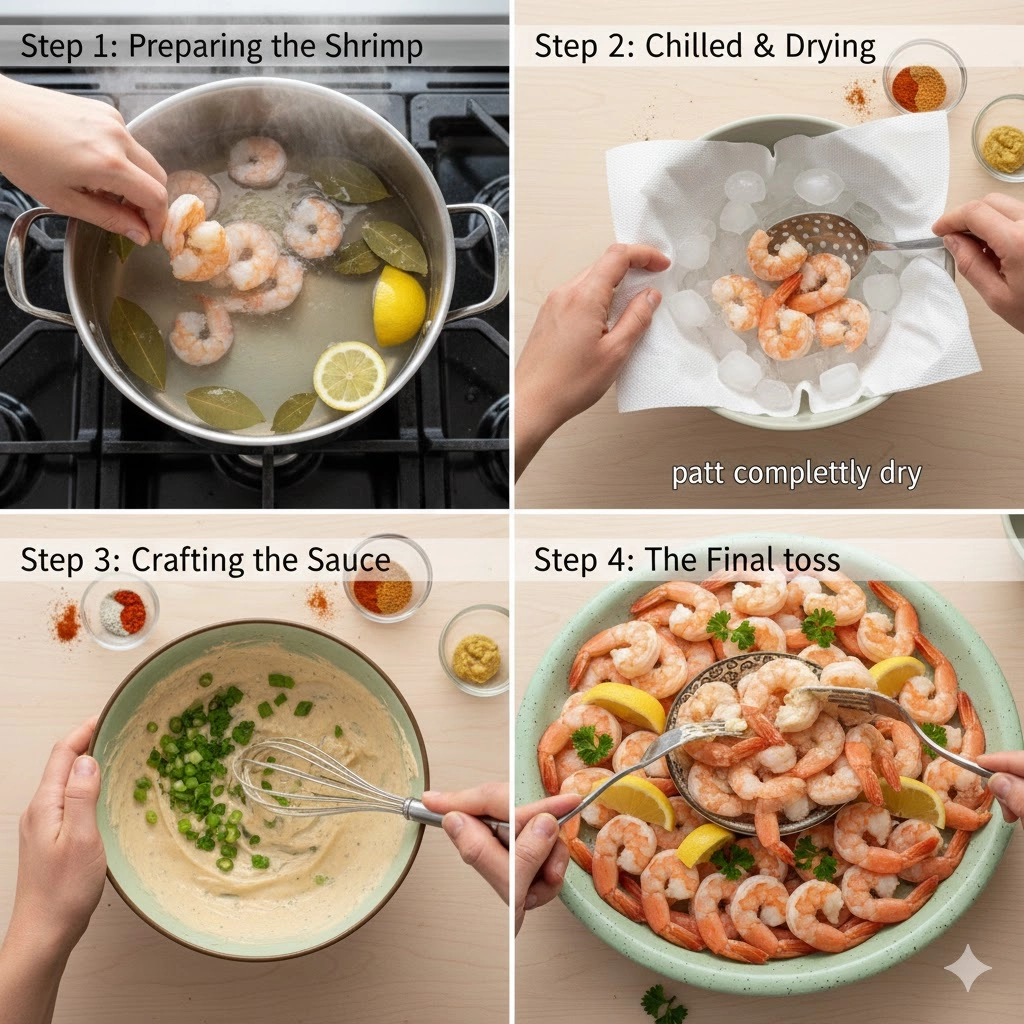
- Prepare the Shrimp Poaching Liquid: In a large pot, combine the four cups of water, the halved lemon, bay leaf, and Old Bay seasoning. Bring this liquid to a rolling boil over high heat.
- Poach the Shrimp: Once the water is boiling rapidly, add the raw shrimp. Cook for two to four minutes until they are opaque and pink. Immediately remove them from the heat and drain them thoroughly.
- Chill the Shrimp: Transfer the cooked shrimp to an ice bath (a bowl of ice water) to stop the cooking process instantly. Once fully chilled, drain them and pat them completely dry with paper towels. Refrigerate until ready to dress.
- Assemble the Base: In a medium-sized bowl, whisk together the mayonnaise, mustard, ketchup, prepared horseradish, Worcestershire sauce, and lemon juice until the mixture is completely uniform and smooth.
- Fold in Aromatics and Spices: Gently incorporate the smoked paprika, cayenne pepper, minced garlic, finely minced celery, sliced green onions, and chopped parsley. Stir only until just combined; overmixing can compromise the texture.
- Season and Rest the Sauce: Season the remoulade generously with salt and black pepper. Taste and adjust seasoning as necessary. Cover the bowl and refrigerate the remoulade for a minimum of four hours, though overnight is preferable.
- The Final Dress: Just before serving, gently toss the chilled, dried shrimp with the prepared remoulade sauce until every piece of seafood is thoroughly coated.
- Present the Dish: Arrange the dressed shrimp on a chilled platter or individual serving plates, often garnished with fresh lemon wedges and extra parsley.
Achieving Optimal Flavor and Texture: A Deep Dive into Preparation
Understanding the process beyond the simple steps is what separates a good appetizer from a truly memorable one. Every stage, from the poaching liquid to the final chill, contributes to the dish’s authentic Louisiana character.
Crafting the Nuanced Poaching Liquid
The shrimp itself must be perfectly cooked, as this seafood is delicate and easily ruined by overcooking. Begin with a powerful poaching liquid—the water should not just be salted, but heavily seasoned. The inclusion of lemon and bay leaf, alongside a robust seasoning blend like Old Bay, infuses a fundamental layer of flavor into the shrimp before it even meets the sauce. When the liquid reaches a rolling boil, drop the shrimp in all at once. The heat will immediately drop, so watch closely. The moment the shrimp curl into a loose C-shape and turn fully pink, they are done. This critical moment, typically three minutes, is marked by a sudden switch from translucent gray to opaque pink.
The Ice Bath Imperative
The fastest way to ruin a chilled shrimp dish is failing to utilize an ice bath. When the shrimp are removed from the boiling water, residual heat continues the cooking process, resulting in tough, rubbery seafood. By submerging them instantly in ice-cold water, you halt the carryover cooking, ensuring the shrimp remain tender and succulent. Once chilled, it is absolutely essential to drain and pat them dry. Excess moisture will dilute the finished remoulade sauce, turning a luxurious, creamy coating into a watery mess. Use several layers of paper towels to ensure they are bone-dry before dressing.
The Role of Aromatics and Texture
The core of traditional New Orleans remoulade is its texture, which is not meant to be completely smooth and homogeneous. The finely minced celery and green onions are crucial, offering a fresh, slight crunch that cuts through the richness of the mayonnaise. When combining the sauce elements, you are looking for an emulsified base but a distinctly textural presence from the fresh vegetables. If you use a food processor for this recipe, you must pulse it very quickly—just enough to combine the creamy base ingredients—and then fold in the minced aromatics by hand. Over-processing will turn the fresh vegetables into a watery puree, compromising the essential rustic texture.
The Power of the Long Chill
This is the most critical mistake home cooks make: skipping the required rest time. The remoulade sauce, once assembled, is aggressive and sharp. The horseradish, mustard, and cayenne need time to mellow and marry with the creamy mayonnaise and the fresh aromatics. Refrigerating the sauce for four to twenty-four hours allows the acids (from the lemon and Worcestershire) to soften the heat (from the horseradish and cayenne), and for the spice profile of the paprika and celery to fully permeate the base. You are looking for a flavor profile that is balanced—bold, but not harsh. Always taste and adjust salt and pepper after the chill, as the flavors intensify significantly during this time.
Insights from the Culinary Line: Expert Tips for Success
These small refinements, learned through countless iterations in professional kitchens, will elevate your Shrimp Remoulade from standard fare to a truly exceptional dish.
- Use the Right Mustard: While Dijon can work, traditional remoulade relies on Creole mustard, which is much sharper, grainier, and horseradish-forward. If you cannot source Creole, use a high-quality whole-grain Dijon and slightly increase the amount of prepared horseradish for that signature heat.
- Pre-season Your Shrimp: Even before they are poached, make sure your shrimp are lightly seasoned. After peeling and deveining, toss them with a pinch of salt. This pre-seasoning helps the flavor penetrate deeper than simply relying on the poaching liquid or the final sauce.
- Opt for Freshly Cooked Shrimp: Although the recipe calls for two pounds of raw shrimp, do not default to pre-cooked, refrigerated shrimp found in the seafood counter. These are often rubbery and lack the fresh snap you achieve by poaching them yourself. The small effort of boiling the liquid is entirely worth the superior texture.
- Balance the Acidity: The finished sauce should have a noticeable, but not overpowering, tang. If your sauce tastes too “flat” after chilling, add half a teaspoon more of lemon juice, but balance it immediately with a pinch more salt. Acidity and salt work together to sharpen the overall flavor.
- Don’t Toss Too Early: The dressing of the shrimp must happen as close to serving time as possible—ideally within thirty minutes. If the coated shrimp sits for too long in the refrigerator, the salt in the sauce will begin to draw moisture out of the shrimp, creating a thin, watery layer at the bottom of the dish.
- Serving Temperature is Key: Ensure both the shrimp and the remoulade sauce are thoroughly cold. Serving this appetizer at room temperature dramatically diminishes its impact. Use a chilled serving platter to help maintain the crisp, cool nature of the seafood.
- Spice Control: The cayenne pepper is the primary heat element. Start with the suggested half teaspoon, but if you prefer a fiery sauce, you can substitute the cayenne with a few drops of Louisiana-style hot sauce, like Tabasco, which adds heat without changing the underlying spice profile dramatically.
Creative Departures: Variations and Smart Substitutions
The classic recipe is sublime, but the remoulade foundation is sturdy enough to support several flavorful twists and practical ingredient swaps.
Smokier, Deeper Remoulade
For a version that evokes a deeper, almost barbecue-like essence, substitute the ketchup with a quality smoked tomato paste or even a highly concentrated barbecue sauce, like one from a Texas or Kansas City style. You may need to slightly dial back the Worcestershire sauce, as the barbecue sauce will introduce more sugar and vinegar. Additionally, using liquid smoke (one to two drops only) instead of smoked paprika will provide a more intense, wood-fired aroma.
A Brighter, Herbaceous Sauce
If you prefer a less fiery, more European-leaning sauce, focus on fresh herbs. Substitute the cayenne pepper and half of the celery with a generous quarter cup of fresh tarragon and chives. The tarragon’s anise-like notes bring a delicate lift to the dish, pairing exceptionally well with the sweetness of the shrimp and the acidity of the lemon. This variation is particularly appealing in the spring and early summer.
Vegan/Dairy-Free Base Swap
The heart of the sauce is the creamy base. For a vegan or dairy-free alternative, substitute the traditional mayonnaise with a high-quality avocado oil-based mayonnaise or a cashew cream base. Be aware that these substitutions may slightly mute the tang, so you may need to increase the mustard and lemon juice by half a teaspoon each.
Protein Alternatives
While this is fundamentally a shrimp dish, the remoulade is excellent on other proteins. Use the exact same sauce preparation but swap the shrimp for chilled, firm-fleshed white fish (like cod or halibut) that has been poached and flaked, or even cold, shredded chicken. The richness of the sauce is designed to stand up to almost any chilled protein.
Presentation Matters: Ideas for Serving This Classic Dish
How you serve Shrimp Remoulade is almost as important as the recipe itself. Here are a few ways to present this classic appetizer that moves beyond the typical chilled platter.
Remoulade Lettuce Cups
Instead of serving the shrimp on a platter, use crisp, chilled leaves of Bibb or Boston lettuce as edible cups. Fill each lettuce cup with a spoonful of the coated shrimp. This turns the appetizer into a handheld, light bite that is perfect for a standing reception. Garnish with a sprig of fresh dill on top of each cup.
Classic New Orleans Presentation
Serve the remoulade sauce in a small, elegant chilled bowl nested in a platter of ice. Arrange the peeled, tail-on shrimp around the bowl, creating a visually impressive presentation that allows guests to dunk the shrimp themselves. This style is best when the shrimp have been cooked and chilled, but not yet coated in the sauce.
As a Po’Boy Slaw
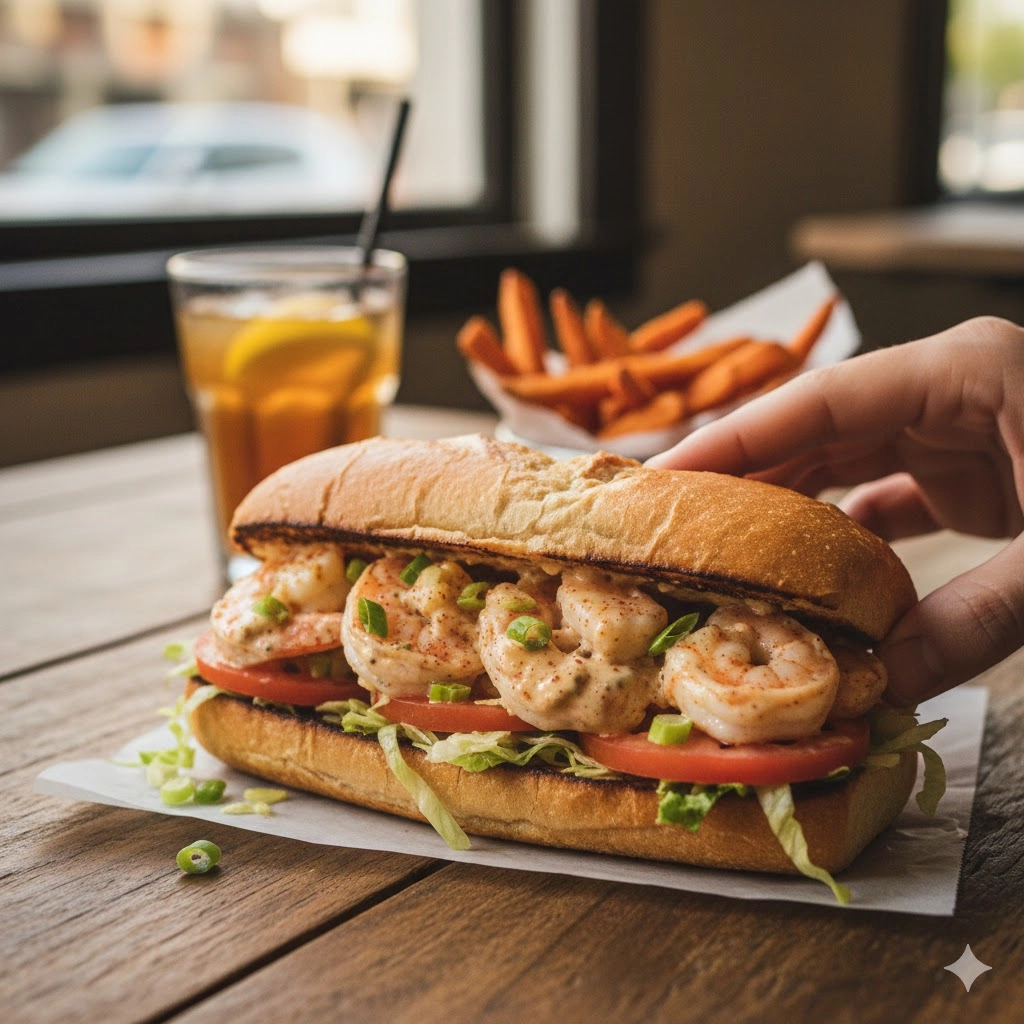
For a more substantial serving, use the dressed shrimp as a primary component in a sophisticated slaw. Finely shred some Napa cabbage and julienned carrots. Lightly dress the cabbage with a simple vinegar and oil mixture, then gently fold in the remoulade-coated shrimp. Serve this mixture on small toasted brioche buns for a refined slider take on the famous Po’Boy sandwich.
Elegant Cocktail Service
For very formal events, serve the remoulade in small, clear glass shooter glasses. Place a spoonful of the sauce in the bottom of the glass, then layer three or four chilled, tail-off shrimp on top. Garnish with a small slice of avocado or a dusting of smoked paprika. This offers a highly controlled, single-serving portion that looks beautiful.
Your Culinary Queries Answered
Can I prepare the remoulade sauce in advance?
Yes, absolutely. In fact, preparing the remoulade sauce ahead of time is highly recommended. It should be made at least four hours before serving, but it can easily be prepared up to three days in advance. Store the sauce in an airtight container in the refrigerator to allow the flavors to fully deepen and meld.
What size shrimp is best for this recipe?
Larger shrimp, typically labeled as “large” or “jumbo” (21/25 count or 16/20 count per pound), are ideal for this dish. They offer a substantial bite that holds up well to the rich sauce. Using very small shrimp can result in the seafood being overwhelmed by the quantity of remoulade.
What is the difference between remoulade and cocktail sauce?
The primary difference lies in the base and complexity. Cocktail sauce is thin, ketchup-based, and relies on simple horseradish and lemon for a sharp, quick heat. Remoulade, conversely, is creamy, mayonnaise-based, and significantly more complex, incorporating mustard, multiple spices, Worcestershire, and fresh aromatics like celery and green onion. It is a full-bodied, French-inspired emulsion, while cocktail sauce is a simple condiment.
Is it safe to use frozen shrimp?
Using frozen shrimp is perfectly safe and often yields excellent results, provided it is thawed correctly. Thaw the shrimp overnight in the refrigerator, or rapidly under cold running water just before cooking. Do not thaw at room temperature. Once thawed, proceed with the poaching instructions as normal.
How long will leftovers last in the refrigerator?
Due to the perishable nature of both the seafood and the mayonnaise-based sauce, leftovers of the fully dressed Shrimp Remoulade should be consumed within two days of preparation. Ensure the dish is kept consistently cold; never let it sit at room temperature for more than one hour.
Nutritional Snapshot
| Nutrient | Amount per Serving |
| Calories | 280 kcal |
| Protein | 25 g |
| Carbs | 8 g |
| Fat | 17 g |
| Fiber | 1 g |
| Sugar | 4 g |
| Sodium | 900 mg |
Important Disclaimer
Nutrition information is an estimate and may vary based on preparation and ingredients used.
PrintCrafting Classic Louisiana Shrimp Remoulade
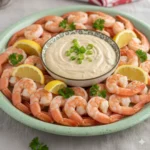
If you’ve ever spent time in New Orleans, you know that Remoulade is less a condiment and more a cultural touchstone. It’s a signature, zesty, and highly complex sauce that elevates any chilled protein it touches. This particular rendition of Shrimp Remoulade offers a delightful balance of creamy richness, bright acidity, and an unforgettable cayenne kick, making it one of the most celebrated appetizers in Southern US cuisine.
- Prep Time: 30 mins
- Cook Time: 5 mins
- Total Time: 4 hours 35 mins
- Yield: 6 servings 1x
- Category: Appetizer
- Method: Stovetop / No-Cook Sauce
- Cuisine: Creole
Ingredients
One cup high-quality mayonnaise
One-third cup creole mustard or coarse-grain Dijon mustard
One-quarter cup ketchup or chili sauce
Two tablespoons prepared horseradish, drained
One tablespoon Worcestershire sauce
Two teaspoons freshly squeezed lemon juice
One teaspoon smoked paprika
Half teaspoon cayenne pepper
Two cloves garlic, finely minced
One stalk celery, finely minced
Two green onions (scallions), thinly sliced
One-quarter cup fresh parsley, chopped
Salt and freshly ground black pepper to taste
Two pounds large (21/25 count) shrimp, raw, peeled, and deveined
Four cups water
One lemon, halved
One bay leaf
One tablespoon Old Bay seasoning
Instructions
1. Prepare the Shrimp Poaching Liquid: In a large pot, combine the four cups of water, the halved lemon, bay leaf, and Old Bay seasoning. Bring this liquid to a rolling boil over high heat.
2. Poach the Shrimp: Once the water is boiling rapidly, add the raw shrimp. Cook for two to four minutes until they are opaque and pink. Immediately remove them from the heat and drain them thoroughly.
3. Chill the Shrimp: Transfer the cooked shrimp to an ice bath to stop the cooking process instantly. Once fully chilled, drain them and pat them completely dry with paper towels. Refrigerate until ready to dress.
4. Assemble the Base: In a medium-sized bowl, whisk together the mayonnaise, mustard, ketchup, prepared horseradish, Worcestershire sauce, and lemon juice until the mixture is completely uniform and smooth.
5. Fold in Aromatics and Spices: Gently incorporate the smoked paprika, cayenne pepper, minced garlic, finely minced celery, sliced green onions, and chopped parsley. Stir only until just combined.
6. Season and Rest the Sauce: Season the remoulade generously with salt and black pepper. Taste and adjust seasoning as necessary. Cover the bowl and refrigerate the remoulade for a minimum of four hours.
7. The Final Dress: Just before serving, gently toss the chilled, dried shrimp with the prepared remoulade sauce until every piece of seafood is thoroughly coated.
8. Present the Dish: Arrange the dressed shrimp on a chilled platter or individual serving plates, often garnished with fresh lemon wedges and extra parsley.
Notes
Use Creole mustard for the most authentic flavor, or use a coarse-grain Dijon with extra horseradish.
Do not skip the ice bath; it is crucial for tender shrimp texture.
The remoulade sauce must be chilled for at least four hours for the flavors to fully develop and mellow.
Nutrition
- Serving Size: 1 serving (approx 8-10 shrimp)
- Calories: 280
- Sugar: 4g
- Sodium: 900mg
- Fat: 17g
- Saturated Fat: 3g
- Trans Fat: 0g
- Carbohydrates: 8g
- Fiber: 1g
- Protein: 25g
- Cholesterol: 200mg