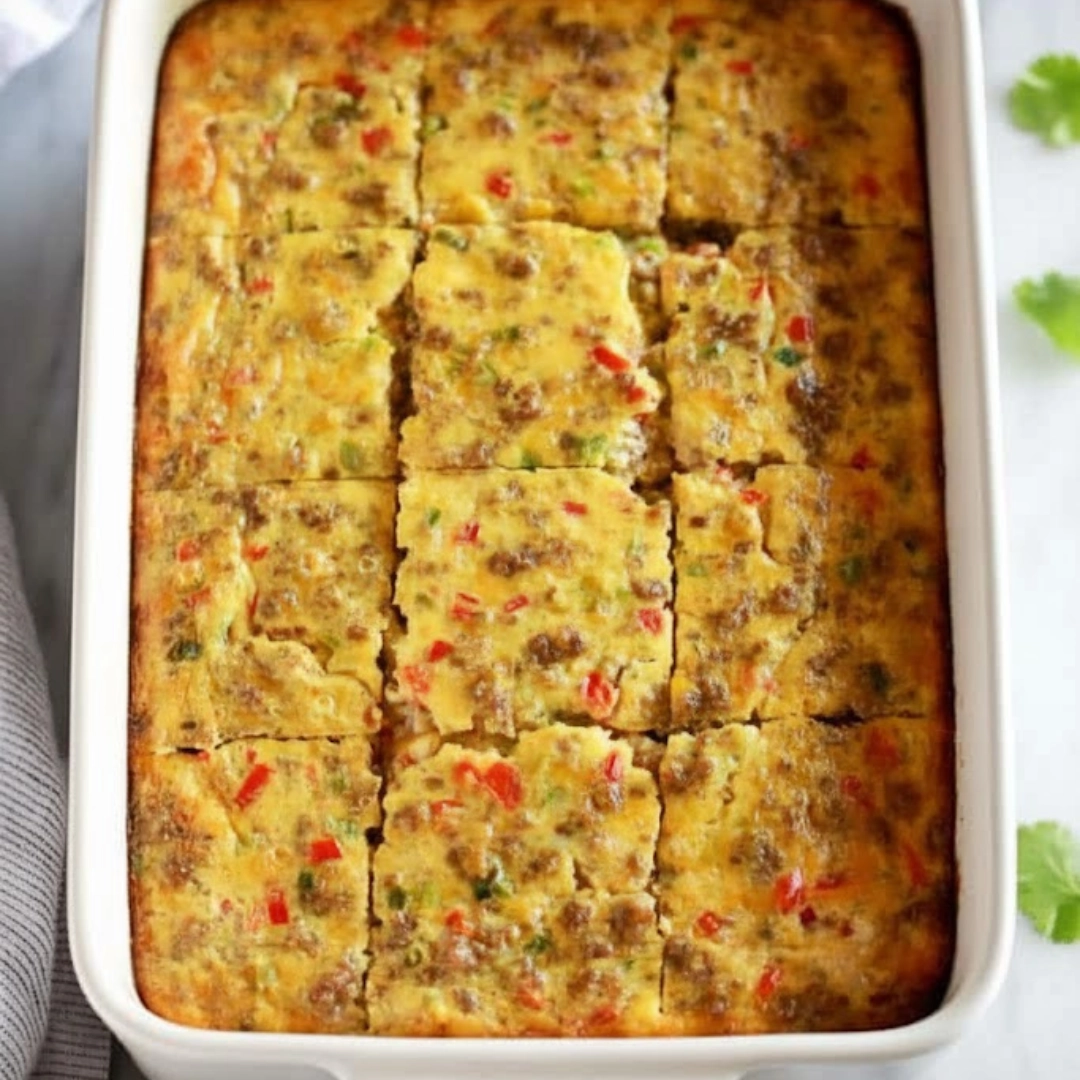
Breakfast casseroles occupy a unique and honored place in American culinary traditions, serving as the centerpiece for holiday mornings, family gatherings, and stress-free entertaining. This hearty bake, which combines savory meat, sharp cheese, and a delicate egg custard poured over a sturdy bread base, delivers deep satisfaction with minimal morning effort. When the cold weather sets in, there is perhaps no dish more comforting or better suited to feed a crowd than a well-executed Sausage Breakfast Casserole. It’s robust enough to stand on its own, easily customizable, and, crucially, designed to be assembled the night before. This recipe strips away unnecessary complexity, focusing on creating a deeply flavorful, moist, and structurally sound bake that holds up perfectly under refrigeration and reheats beautifully.
The Essential Components: Ingredients for Maximum Flavor
This recipe is built on a foundation of simple, readily available ingredients. The quality of your sausage and cheese, however, is what will truly define the final depth of flavor.
For the Base and Filling
- One loaf (about sixteen ounces) high-quality sourdough bread, cubed into one-inch pieces
- One pound bulk savory breakfast sausage (avoid pre-cooked patties)
- One cup diced yellow onion
- One cup diced bell pepper (use a combination of red and green for color)
- Two cups (eight ounces) shredded aged sharp cheddar cheese, divided (or a blend of cheddar and Monterey Jack)
For the Egg Custard
- Ten large eggs
- Two cups whole milk
- One half cup heavy cream
- Two teaspoons kosher salt
- One teaspoon freshly ground black pepper
- One half teaspoon garlic powder
- One quarter teaspoon nutmeg (freshly grated is highly recommended)

Streamlined Prep: The Three-Step Method
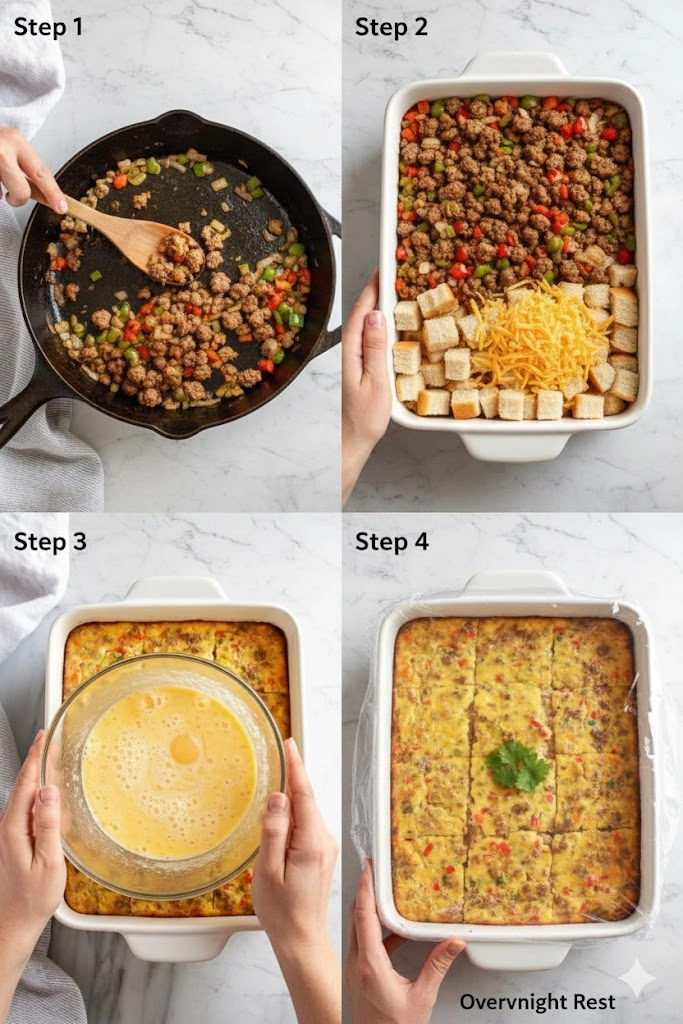
This recipe is engineered for efficiency. By dividing the process into three core phases—Sautéing, Soaking, and Setting—you can ensure maximum flavor extraction and proper ingredient hydration, leading to a perfectly textured final product.
- Prepare the Aromatics and Sausage: Brown the sausage and sauté the vegetables, ensuring everything is thoroughly cooked before integrating it into the casserole.
- Assemble and Hydrate the Base: Layer the bread, meat, vegetables, and most of the cheese in a nine-by-thirteen-inch baking dish. Whisk the custard ingredients and pour the mixture over the solids, ensuring the bread is completely soaked.
- Rest and Bake: Cover the assembled casserole and allow it to rest for at least four hours or, ideally, overnight. Preheat the oven, top the casserole with the remaining cheese, and bake until the center is set and the edges are beautifully golden brown.
Building the Perfect Bake: In-Depth Method and Technique
Achieving a superior texture in a breakfast casserole is a subtle art that goes far beyond simply mixing and baking. The goal is to move past the rubbery, dry breakfast bakes of the past and create something akin to a savory bread pudding—moist, fluffy, and richly infused with flavor.
Step One: The Foundation of Flavor
Start by preparing the meat and aromatics. In a large skillet or cast iron pan, cook the pound of bulk breakfast sausage over medium heat. It is essential to break the sausage into small, uniformly sized crumbles using a wooden spoon or spatula as it cooks. You are looking for an even caramelization across the entire surface area of the meat, which develops the deepest savory notes. Once fully cooked and beautifully browned, transfer the sausage to a paper towel-lined plate to drain off excess fat. This draining step is critical; too much rendered fat will inhibit the egg custard from setting correctly and result in a greasy texture.
Next, use the same skillet, retaining approximately one tablespoon of the rendered sausage fat (if necessary, add a touch of butter or neutral oil). Add the diced yellow onion and bell peppers. Sauté these vegetables over medium-high heat until they soften and the onions become translucent, which typically takes five to seven minutes. The goal is not just to cook them, but to slightly caramelize the sugars, intensifying their sweetness and removing the raw, watery element that can otherwise dilute the final casserole. Once softened, remove them from the heat and combine them with the cooled, drained sausage crumbles.
Step Two: Preparing the Structure and Custard
Take the cubed sourdough bread and evenly distribute half of it across the bottom of a buttered nine-by-thirteen-inch baking dish. Sourdough is preferred for its sturdy crumb and slight tang, which stands up well to the soaking without turning immediately to mush. Top this layer with the entire mixture of sausage and sautéed vegetables, and then scatter the remaining half of the bread cubes over the top. This layering technique helps ensure that the solids are evenly suspended throughout the final bake, rather than sinking to the bottom. Sprinkle one and one half cups of the shredded sharp cheddar cheese over the layers.
For the custard, whisking is key. In a separate large bowl, combine the ten large eggs, two cups of whole milk, and the half cup of heavy cream. The combination of milk and cream is intentional: the milk provides hydration and volume, while the heavy cream adds richness and helps create a smoother, softer final texture. Season the custard aggressively with the kosher salt, black pepper, garlic powder, and the slight warmth of freshly grated nutmeg. Whisk vigorously for about sixty seconds until the mixture is uniform and slightly frothy, but avoid incorporating too much air, which can cause the casserole to rise too dramatically and then collapse.
Step Three: The Crucial Soaking and Setting Phase
Slowly and evenly pour the egg custard over the assembled ingredients in the baking dish. Make sure to pour directly over the bread cubes to ensure maximum saturation. Once the liquid is added, gently press down on the bread pieces with the back of a spoon or spatula to ensure all the cubes are in contact with the custard. This is the moment where the bread transforms from a simple filler into a core structural element that absorbs the creamy, savory liquid.
Cover the baking dish tightly with plastic wrap or aluminum foil. Place it in the refrigerator and allow it to rest for a minimum of four hours, but preferably overnight (eight to twelve hours). This mandatory rest period is the most important step for achieving a proper texture. As the bread slowly absorbs the liquid, the starches swell, ensuring that the final bake is moist throughout and the eggs set into a fluffy, light matrix rather than a dense, thin layer.
Step Four: The Final Bake
The following morning, remove the casserole from the refrigerator and let it sit on the counter for thirty minutes while the oven preheats to three hundred fifty Fahrenheit. This step removes the chill from the center of the dish, ensuring a more even cooking rate.
Just before baking, remove the plastic wrap and sprinkle the remaining one half cup of sharp cheddar cheese over the top. Place the casserole in the preheated oven. Bake for thirty-five to fifty minutes.
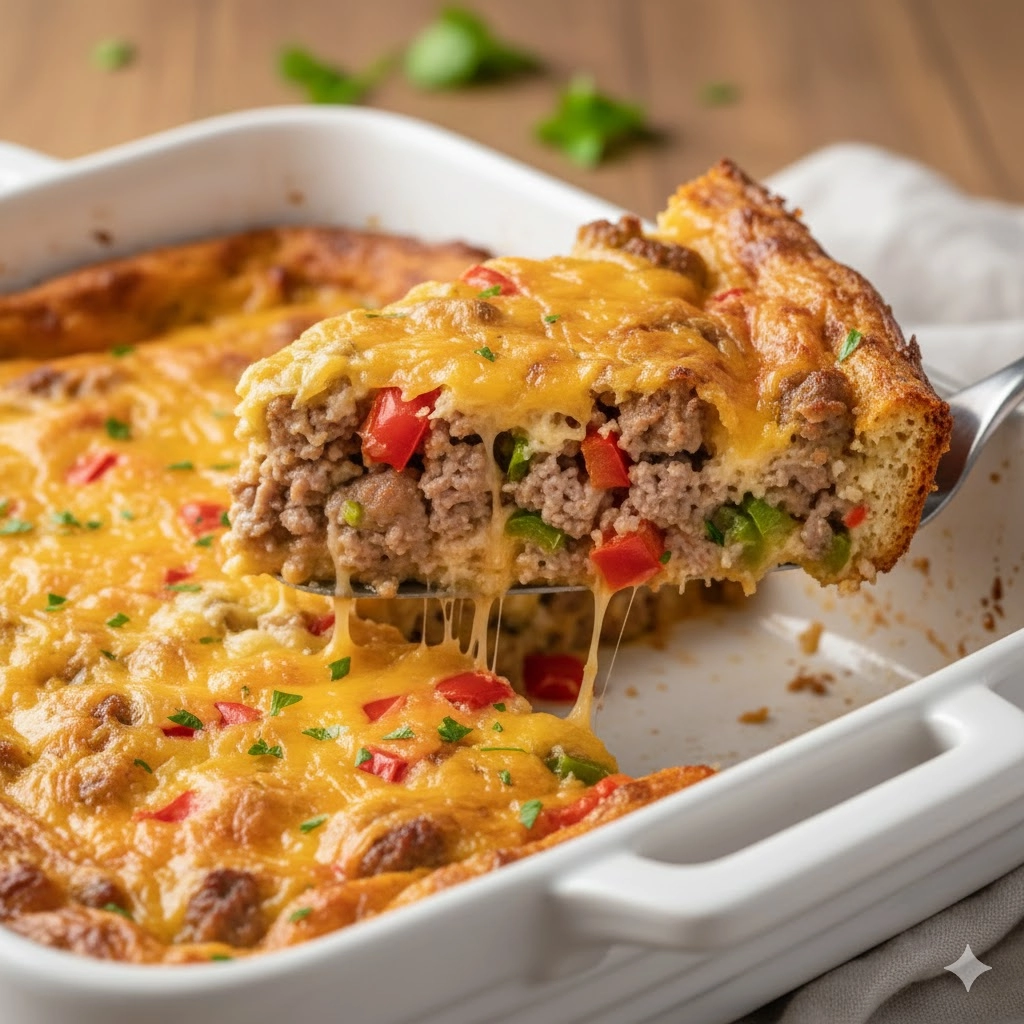
Doneness Checks: The casserole is finished when the edges are firm and visibly pulling away from the sides of the pan, and the center registers an internal temperature of one hundred sixty-five Fahrenheit. Visually, the top cheese should be melted and lightly browned. If you gently shake the pan, the center should show only a very slight movement—a gentle jiggle, not a liquid ripple. If the top begins to brown too quickly, lightly tent the dish with aluminum foil for the remaining bake time. Once baked, remove the casserole and let it rest on a cooling rack for at least ten minutes before slicing. This resting period allows the internal temperature to equalize and the structure to firm up completely, leading to clean, well-defined servings of the Sausage Breakfast Casserole.
Elevating Your Bake: Expert Tips for a Fluffy Casserole
While the foundational recipe is straightforward, these advanced techniques will consistently push your breakfast casserole from good to truly exceptional.
- Halt the Soggy Bottom: Always toast your bread cubes lightly before adding them to the dish. Tossing the cubes with a tablespoon of olive oil and baking them at three hundred fifty Fahrenheit for ten minutes creates a slightly crusty exterior. This slight toast acts as a shield, slowing the rate of absorption and preventing the bottom layer of bread from becoming completely saturated and dense.
- The Dairy Fat Ratio: The addition of heavy cream alongside whole milk is non-negotiable for achieving a fluffy texture. The higher fat content in the cream interferes with the egg proteins’ ability to bond too tightly, resulting in a tender, softer set rather than a rubbery one. Never use skim or low-fat milk, as the lack of fat results in a watery, inferior custard.
- Freshly Grated Nutmeg: Nutmeg is the unsung hero of many savory bakes, but the pre-ground variety rapidly loses its volatile oils. Grating a small pinch of whole nutmeg directly into the custard just before whisking introduces a bright, subtle warmth that perfectly complements the savory sausage and stands up well to the sharp cheese.
- Salt and Seasoning Strategy: Remember that the sausage, bread, and cheese all contain salt. Taste your custard mixture before pouring, then season generously, aiming for slightly saltier than you might think necessary. The large volume of bread and egg needs ample seasoning to ensure the final product is not bland.
- Baking Dish Insulation: Use a ceramic or glass baking dish, which conducts heat gently and evenly. If using a thin metal pan, the sides can bake and set much faster than the center, risking a dry edge and an undercooked middle.
- Avoid Overmixing the Eggs: When whisking the custard, mix only until the yolks and whites are combined. Excessive whisking introduces too much air, which can cause the casserole to inflate rapidly in the oven and then shrink or crack aggressively upon cooling.
Beyond the Basics: Flavor Swaps and Ingredient Modifications
The beauty of a breakfast casserole lies in its versatility. Once you master the basic technique, you can easily pivot the flavor profile to match the season or your particular cravings.
Spice Level Modification
If you enjoy a bit of heat, substitute the standard bulk breakfast sausage with a hot Italian sausage, or a chorizo sausage. Be aware that chorizo will lend a vibrant red hue and distinct smoky paprika flavor to the entire casserole. Alternatively, keep the mild sausage and simply add a generous pinch of red pepper flakes to the cooking vegetables for controlled, customizable heat.
Vegetable Additions
This recipe serves as an excellent canvas for clearing out the refrigerator. Consider adding sautéed spinach, mushrooms, or finely chopped broccoli. If incorporating greens like spinach, make sure to sauté them until all their moisture has evaporated before adding them to the base. Excess moisture is the number one enemy of a proper bake, leading to a watery bottom layer.
Cheese Profile Shift
For a more sophisticated flavor, swap the sharp cheddar for Gruyère, which melts beautifully and offers nutty, earthy notes. A combination of Swiss and Parmesan also provides a compelling salty depth. If you prefer a milder flavor, Monterey Jack or a Colby-Jack blend works well, ensuring the texture remains creamy and gooey.
Gluten-Free Adaptation
This entire recipe can be made gluten-free by simply swapping the standard sourdough for a hearty, dense gluten-free bread. The key remains using a bread that maintains its structure when soaked. Alternatively, you can replace the bread entirely with three cups of cooked, cubed potatoes (hash browns or pre-cooked diced potatoes) for a crustless, frittata-style casserole that provides a different kind of satisfying density.
Accompaniments: What to Serve Alongside a Hearty Breakfast Bake
The rich, savory nature of a breakfast casserole demands a thoughtful counterpoint to balance the meal. These suggestions focus on providing freshness, acidity, or a lighter texture.
1. Bright, Acidic Fruit Salad:
The richness of the sausage and cheese is perfectly cut by a vibrant fruit salad. Focus on high-acid fruits like seasonal berries, sliced kiwi, or citrus segments (oranges, grapefruit). The natural sugars and high water content provide palate cleansing relief between bites of the heavier bake.
2. Crispy Hash Browns or Home Fries:
For those mornings when only a completely indulgent meal will suffice, serve the casserole alongside a batch of ultra-crispy home fries. By cooking the potatoes separately, you introduce a highly desirable contrast in texture—the soft, fluffy interior of the casserole next to the crunchy, shattering exterior of the potatoes.
3. Simple Green Salad with Vinaigrette:
If serving this dish for lunch or a dinner/brunch hybrid, a simple, lightly dressed side salad is ideal. Use tender greens like butter lettuce or mixed spring greens, tossed in a very light, bright vinaigrette made with white wine vinegar and a touch of Dijon mustard. The slight bitterness and acidity of the salad prevents the meal from feeling too heavy.
4. Maple-Glazed Bacon Strips:
A classic pairing, but elevated. Brush thick-cut bacon strips with pure maple syrup about five minutes before they finish baking. The slight sweetness and stickiness of the maple syrup creates a lovely contrast to the savory sausage and complements the egg custard.
Planning and Storage: Frequently Asked Questions
This section addresses common inquiries about the practical logistics of preparing, serving, and storing this substantial breakfast staple.
Q: Can I use pre-cooked sausage?
A: While technically possible, using pre-cooked sausage is not recommended, as it severely compromises the flavor. Cooking raw bulk sausage allows the rendered fat and savory caramelized meat drippings to stay in the pan, which you then use to sauté the vegetables. This essential step infuses the vegetables with the deep sausage flavor, which cannot be achieved with pre-cooked or crumbled meat.
Q: How long can I keep the assembled casserole in the refrigerator?
A: The casserole should not rest for more than twelve to sixteen hours after the custard is added. Beyond this timeframe, the bread begins to break down too much, potentially resulting in a mushy final texture. A resting time between eight and twelve hours overnight is considered optimal for full absorption without disintegration.
Q: Can I freeze the leftovers?
A: Yes, the fully baked casserole freezes very well. Once completely cooled, slice it into individual portions. Wrap each portion tightly in plastic wrap, then place them in a freezer-safe zip-top bag or airtight container. It can be stored for up to three months. Reheat individual servings in the microwave or wrapped in foil in an oven set to three hundred twenty-five Fahrenheit until warmed through.
Q: What is the best way to prevent the casserole from being watery?
A: Wateriness is usually caused by two factors: incomplete draining of the cooked sausage/vegetables, or using low-fat dairy. Ensure your cooked meat and vegetables are thoroughly drained of moisture and grease before mixing. Secondly, strictly adhere to using whole milk and heavy cream, as the fat helps the custard emulsify and set properly, preventing liquid from weeping out during and after baking.
Q: Can I make this in smaller portions, like muffins?
A: Yes, this recipe adapts beautifully into individual muffin cups. Line a standard muffin tin with paper liners or grease it well. Fill each cup about three quarters full with the mixture. The baking time will be significantly reduced, usually to fifteen to twenty-five minutes, depending on your oven. Check the center of one muffin for the one hundred sixty-five Fahrenheit doneness temperature.
Estimated Nutritional Breakdown
| Nutrient | Amount per Serving |
| Calories | 420 kcal |
| Protein | 25 g |
| Carbs | 28 g |
| Fat | 23 g |
| Fiber | 1 g |
| Sugar | 4 g |
| Sodium | 690 mg |
Nutrition information is an estimate and may vary based on preparation and ingredients used.
PrintThe Ultimate Make-Ahead Sausage Breakfast Casserole
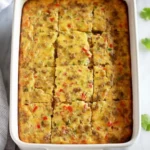
This irresistibly creamy garlic parmesan chicken pasta is the ultimate comfort food. Ready in 30 minutes with juicy chicken and a velvety sauce.
- Prep Time: 10 mins
- Cook Time: 20 mins
- Total Time: 30 mins
- Yield: 4 servings 1x
- Category: Dinner
- Method: Stovetop
- Cuisine: American
Ingredients
2 boneless chicken breasts
3 tbsp butter
4 garlic cloves, minced
1½ cups heavy cream
1 cup freshly grated parmesan
8 oz penne or fettuccine
Salt & pepper to taste
1 tsp Italian seasoning
Fresh parsley (optional)
Instructions
1. Cook pasta according to package directions. Drain and set aside.
2. Season chicken with salt, pepper, and Italian seasoning.
3. In a large skillet, melt 1 tbsp butter over medium heat. Sear chicken until golden and cooked through. Remove and slice.
4. In the same skillet, add remaining butter and sauté garlic for 30 seconds.
5. Add heavy cream and bring to a simmer.
6. Stir in parmesan cheese and cook until melted and thickened.
7. Return chicken to skillet and add cooked pasta. Toss to coat.
8. Garnish with parsley and extra parmesan. Serve hot.
Notes
Use fresh parmesan for best results.
Add spinach or mushrooms for variation.
Store leftovers in an airtight container for up to 4 days.
Nutrition
- Serving Size: 1 bowl
- Calories: 620
- Sugar: 2g
- Sodium: 480mg
- Fat: 38g
- Saturated Fat: 20g
- Unsaturated Fat: 14g
- Trans Fat: 0g
- Carbohydrates: 45g
- Fiber: 2g
- Protein: 32g
- Cholesterol: 135mg