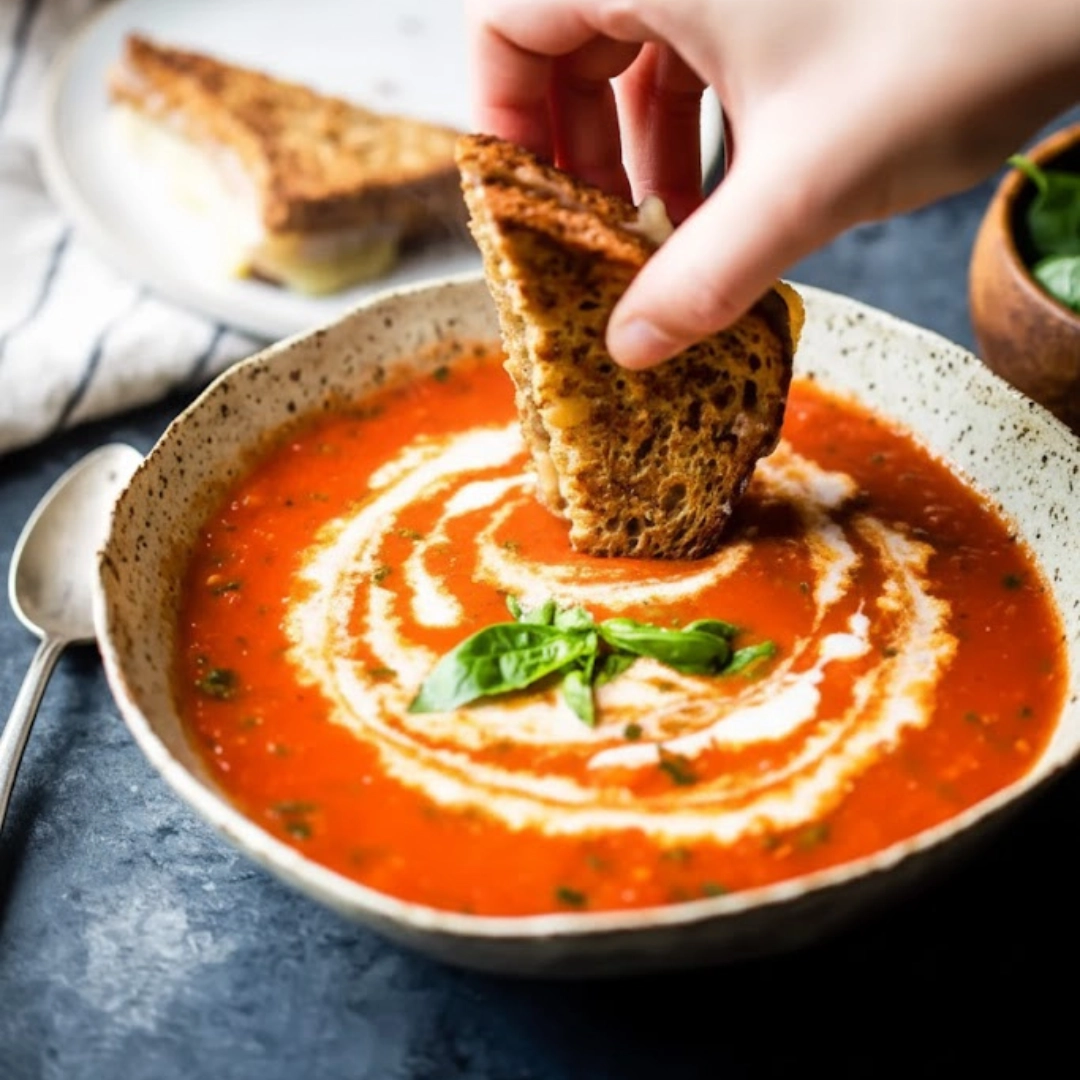
The finest culinary achievements often reside in the simplest of concepts. Such is the case with a deeply flavorful roasted tomato basil soup. This dish transcends the canned versions we grew up with, transforming humble, sun-ripened produce into a velvety, aromatic, and surprisingly complex meal. The secret lies in subjecting the tomatoes to high heat, a process that concentrates their natural sugars and develops a smoky, earthy undertone that simply cannot be achieved through stovetop cooking alone. It is a hearty starter for a sophisticated dinner party or a restorative lunch on a crisp autumn afternoon, proving that basic ingredients, handled with care, yield extraordinary results.
Table of Contents
Essential Components and Sourcing
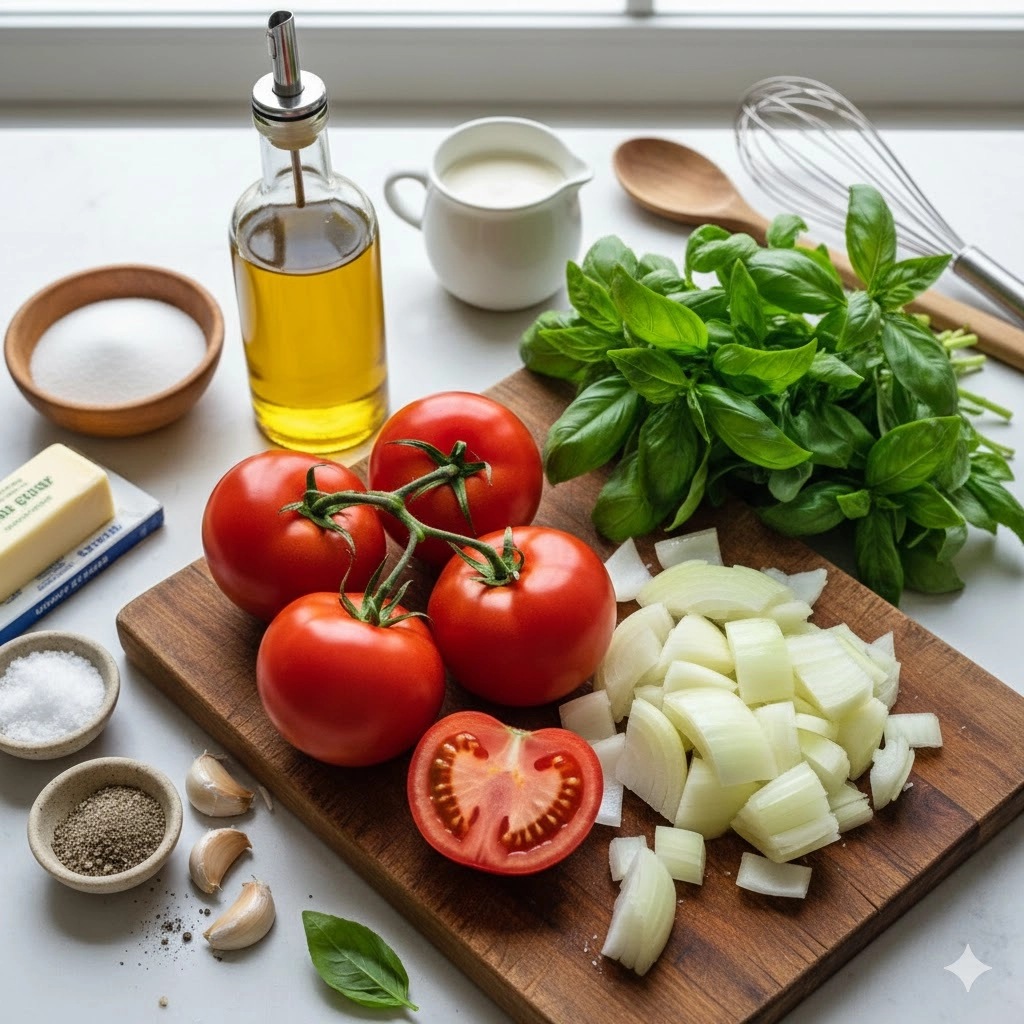
The quality of your final soup is inextricably linked to the quality of the raw materials you begin with. This is especially true for a minimalist recipe like this, where every ingredient is critical. Prioritize vine-ripened tomatoes and fresh, vibrant basil over dried or out-of-season alternatives.
What You’ll Need
For the Roasting Base
- Three pounds (approximately 1.35 kilograms) ripe, vine-on tomatoes (such as Roma, heirloom, or a mix)
- One large yellow onion, coarsely chopped
- Four cloves garlic, smashed but kept whole
- Half a cup (120 milliliters) extra virgin olive oil
- One and one half teaspoons Kosher salt
- One half teaspoon freshly ground black pepper
For the Finishing and Broth
- Four cups (950 milliliters) high-quality vegetable or chicken broth (low sodium)
- One cup (240 milliliters) heavy cream or half-and-half
- One half cup loosely packed fresh basil leaves, plus more for garnish
- Two tablespoons unsalted butter
- One tablespoon granulated sugar (to balance acidity)
Mastering the Technique: The Roasting Method
The roasting phase is the soul of this soup, where the magic happens and the depth of flavor is forged. Follow these high-level steps to ensure proper caramelization and concentration before moving on to the blending and simmering stage.
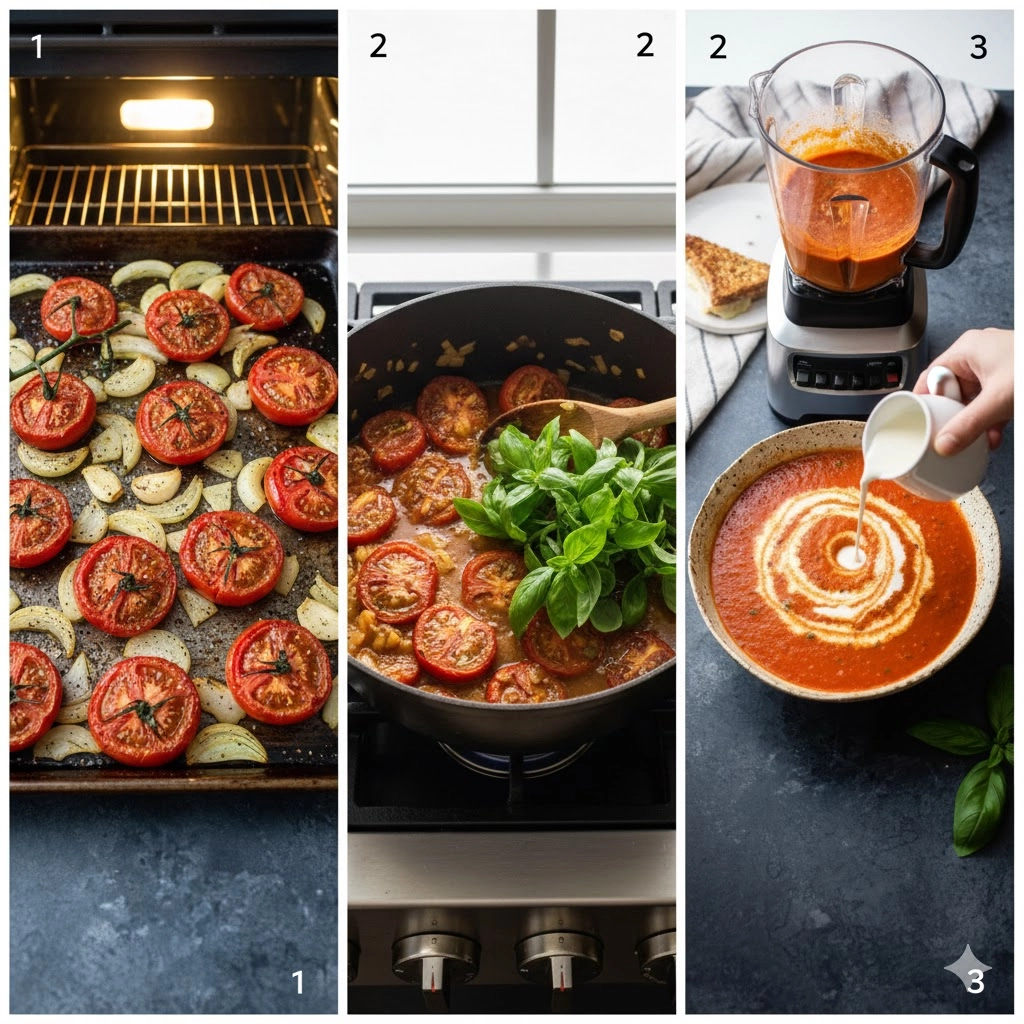
- Prepare the Produce: Wash the tomatoes and cut them in half lengthwise. Distribute the cut tomatoes, chopped onion, and smashed garlic cloves evenly across a large, rimmed baking sheet.
- Season and Oil: Drizzle the vegetables generously with the half cup of olive oil, ensuring everything is well coated. Sprinkle with the salt and pepper.
- Initiate Roasting: Place the tray in an oven preheated to four hundred Fahrenheit and allow the vegetables to soften and caramelize.
- Monitor Progress: Roast for forty to fifty minutes, stirring once halfway through, until the tomato skins are slightly wrinkled and dark spots appear on the onions and tomato edges.
- Build the Base: Carefully scrape the roasted vegetables and all accumulated pan juices into a large, heavy-bottomed pot or Dutch oven.
- Simmer and Infuse: Add the four cups of broth, the butter, and the tablespoon of sugar to the pot. Bring the mixture to a low, gentle simmer for fifteen minutes.
- Add Basil: Remove the pot from the heat and stir in the one half cup of fresh basil leaves.
- Blend to Perfection: Transfer the contents to a high-powered blender and process until the soup is absolutely smooth and uniform in texture.
- Finish the Consistency: Return the blended soup to the pot, stir in the cream, and heat gently until warmed through, but do not allow it to boil.
Deep Dive into the Culinary Process
Executing a recipe is often about observing and reacting. This deep dive focuses on the sensory indicators that confirm you are moving correctly through the method, ensuring maximum flavor extraction and the ideal texture.
Preparing the Roasting Pan
The surface area is crucial. You must use a pan large enough to spread the tomatoes in a single layer, or at most, with minimal overlap. If the tomatoes are too crowded, they will steam instead of roast, resulting in a watery, insipid flavor profile rather than the desired intense caramelization. A subtle charring on the tomato edges and onion tips is precisely what you are seeking; this is the Maillard reaction in full effect, generating hundreds of new flavor compounds. Don’t be precious about scraping the pan later—the darkly colored, slightly sticky bits clinging to the metal are pure concentrated tomato essence and must be incorporated into the final liquid.
The Role of Temperature and Time
Roasting at four hundred Fahrenheit for the specified time allows the water content in the tomatoes to evaporate efficiently while preventing outright burning. As the tomatoes shrink, their natural sweetness intensifies. When you smell a deep, earthy, slightly sweet aroma wafting from the oven, it is your first signal of success. The onions should be deeply softened and translucent brown, and the garlic should be creamy soft, losing its sharp bite and becoming mellow and nutty. A common mistake is pulling the vegetables too early; they should look tired, slumped, and darkened—not simply heated.
Achieving the Ideal Texture
When it comes time to blend, a high-speed blender is indispensable. It shears the tomato solids and basil into a perfectly emulsified liquid, giving the soup its luxurious, creamy mouthfeel even before the addition of dairy. If you use a standard blender, you may need to strain the soup through a fine-mesh sieve afterward to catch any persistent seed fragments or residual tomato skin. However, straining removes a small amount of body and fiber, so try to blend aggressively first. If using an immersion blender, work slowly and methodically, tilting the pot to ensure all solids are reached. The final product should coat the back of a spoon lightly, flowing like warm velvet.
Incorporating the Basil
The timing of the basil addition is critical. Basil is highly delicate, and cooking it for too long will turn its vibrant green color to an unappealing olive drab and mute its fresh, peppery fragrance. Adding the basil after removing the pot from the heat and allowing it to steep in the residual warmth for just five minutes before blending ensures that the herb’s volatile oils release their aromatic potency without being destroyed by prolonged heat. The resulting color of the soup will be a richer, slightly brighter hue, and the basil flavor will be clean, not cooked.
Enhancing Flavor: Expert Guidance
Moving beyond the basic instructions, these specific techniques will elevate your roasted tomato basil soup from excellent to truly exceptional.
- Introduce Smoked Paprika: A half teaspoon of sweet smoked paprika, sprinkled over the vegetables just before roasting, lends a wonderful, deep-winter smoke note. It pairs beautifully with the acidity of the tomatoes and adds complexity without overwhelming the natural flavors.
- Deglazing with White Wine: Before adding the broth, once the roasted vegetables are in the pot, pour in a half cup of dry white wine (like Sauvignon Blanc). Let it bubble and reduce for two minutes, scraping the bottom of the pot to lift any remaining caramelized bits. This step is a flavor powerhouse.
- The Secret of a Balsamic Drizzle: Drizzle two tablespoons of high-quality, aged balsamic vinegar over the tomatoes ten minutes before the roasting time is complete. The balsamic will caramelize into a tart, sweet glaze that deepens the savory-sweet profile of the soup significantly.
- Finish with Acid: Even after the sugar has been added, the soup may still taste “flat.” This is usually a sign it needs more acid, not more salt. Right before serving, stir in a teaspoon of fresh lemon juice or a small splash of red wine vinegar. Start small and taste until the soup brightens up.
- Infuse the Cream: Instead of simply stirring in the cold heavy cream, gently warm the cream first. Better yet, simmer it briefly with a pinch of fresh thyme or a crushed cardamom pod, then strain before adding it to the soup. This subtle aromatic layer adds sophistication.
- Maximize Ingredient Quality: In the summer, use San Marzano tomatoes if possible, or any variety known for low water content and high sugar. In the winter, canned, whole peeled San Marzano tomatoes, tossed with fresh olive oil and garlic, are often superior to fresh but bland grocery store tomatoes.
- Thickening without Flour: If the soup is too thin, resist the urge to add flour or cornstarch. Instead, incorporate a quarter cup of cooked rice (short grain is best) or a small baked potato (peeled) before blending. These starches blend invisibly and provide body without altering the flavor.
Expanding the Repertoire: Substitutions and Adjustments
This classic recipe provides a perfect base for exploration. Do not hesitate to customize it based on dietary needs or seasonal availability.
- Dairy-Free Richness: To maintain the luscious texture without heavy cream, substitute with full-fat coconut milk (the kind in a can, not the carton). The subtle coconut flavor is surprisingly complimentary to the basil and adds a velvety richness. Alternatively, cashew cream, made by blending one cup of cashews soaked in one cup of water, works perfectly and provides a neutral flavor.
- Protein Addition: For a heartier meal, stir in crumbled Italian sausage (cooked and drained) or shredded rotisserie chicken during the final warming stage. Lentils (one half cup cooked) also add body and fiber without changing the inherent flavor profile.
- Spice and Heat: Introduce a subtle heat by roasting a seeded jalapeño or one half of a red Fresno pepper alongside the tomatoes. For deeper, earthier heat, a pinch of crushed red pepper flakes added to the olive oil before roasting will suffice.
- Herb Swap: If basil is unavailable or you desire a different profile, replace it entirely with a mix of fresh oregano and thyme. Alternatively, for a more aromatic, Mediterranean finish, use a half cup of fresh mint leaves instead of basil, creating a unique and refreshing twist.
- Boosting Umami: If the flavor needs deepening, add one teaspoon of miso paste or a small, finely chopped anchovy fillet to the pot with the broth. These ingredients melt into the liquid and provide a profound savoriness that counters the tomato’s acidity.

Presentation and Pairing
Serving a simple soup requires attention to detail. The garnish should be functional, contributing texture and temperature contrast, and the pairing must complement the soup’s rustic elegance.
- The Classic Companion: No dish partners better with the velvety texture and bright acidity of this soup than a classic grilled cheese sandwich. Use a mix of sharp cheddar and provolone on thick-cut sourdough bread. The melted, savory fat provides the perfect foil to the sweet tang of the tomato.
- The Texture Contrast: Offer small bowls of complimentary toppings for guests. Ideas include toasted croutons made from stale bread, a spoonful of crème fraîche or sour cream swirled on top, a drizzle of high-quality pesto, or finely grated aged Parmesan cheese for a salty finish.
- The Fresh Garnish: Before serving, swirl a tiny bit of extra virgin olive oil into a shallow pool on the soup’s surface. Scatter a few chiffonade-cut basil leaves over the center. The visual contrast of the bright green basil against the deep red soup is visually appealing and signals the fresh herbal element within.
- The Beverage Pairing: A light, crisp white wine is ideal. Think of a Sancerre or a dry Rosé. For non-alcoholic options, a sparkling water with a hint of lemon or a slightly savory iced herbal tea will cleanse the palate between spoonfuls.
Common Queries from the Kitchen
A few common questions arise when attempting to master the homemade soup technique, particularly concerning texture and storage.
Can I freeze leftover soup?
Yes, this soup freezes beautifully. Once the soup is completely cooled, pour it into freezer-safe containers, leaving about an inch of headspace, as liquids expand when frozen. It will maintain peak quality for up to three months. To thaw, move it to the refrigerator overnight, then reheat slowly on the stovetop.
Why is my soup gritty after blending?
Grittiness typically arises from two issues: insufficient blending power or the use of canned tomatoes that still have some skin or tough cores. If you do not have a high-speed blender, the most effective solution is to pass the finished soup through a fine-mesh sieve or a cheesecloth-lined colander before the final cream addition.
How can I make this soup thicker without cream?
The roasting process naturally reduces the water content, making the soup denser than a stovetop version. If further thickening is needed without using dairy, try blending in a handful of potato flakes (instant mashed potato powder) or a slice of bread crust. These additions are pure starch and will absorb excess liquid without altering the lovely flavor of the roasted tomatoes.
| Nutrient | Amount per Serving |
| Calories | 320 kcal |
| Protein | 6 g |
| Carbs | 32 g |
| Fat | 20 g |
| Fiber | 7 g |
| Sugar | 18 g |
| Sodium | 380 mg |
Nutrition Information
Nutrition information is an estimate and may vary based on preparation and ingredients used.