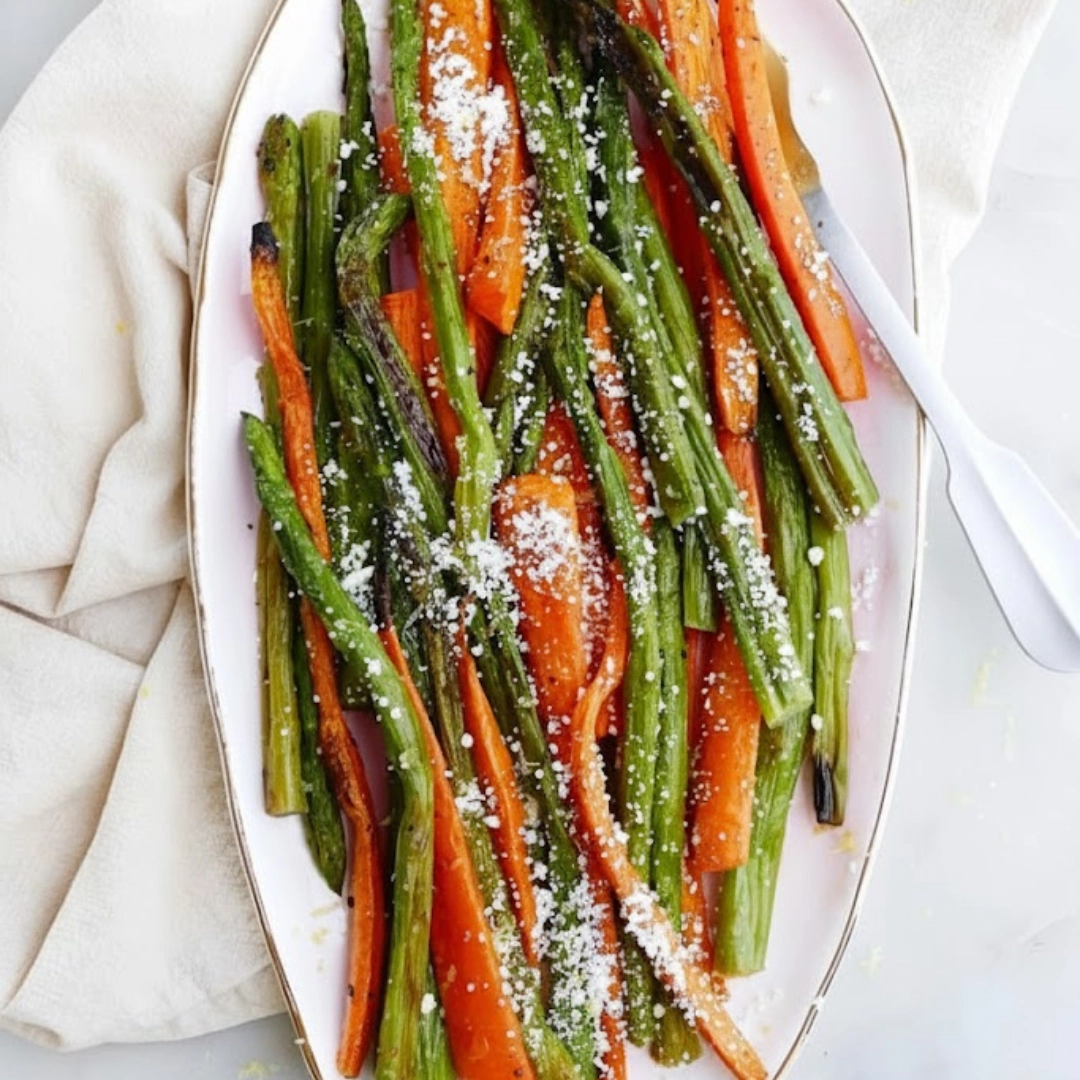
Roasted Asparagus and Carrots is a simple yet incredibly flavorful side dish that highlights the natural sweetness and tenderness of fresh spring vegetables. With the right roasting temperature and a balanced combination of oil, seasoning, and high heat, both vegetables cook evenly and develop perfectly caramelized edges.
This tested method ensures that the asparagus stays crisp-tender while the carrots become lightly golden and soft without turning mushy. The result is a versatile, reliable side dish that pairs effortlessly with everything from roasted chicken to salmon or weeknight pasta. If you’re looking for a no-fail way to elevate everyday vegetables into a vibrant, nutritious side, this recipe delivers consistent, delicious results every time
Table of Contents
Why Roasting is the Best Method for Asparagus and Carrots
Roasting vegetables is a simple technique backed by delicious food science. When you expose vegetables to high, dry heat, a process called the Maillard reaction occurs. This reaction is responsible for creating hundreds of different flavor compounds, giving the vegetables a rich, savory, and nutty depth that boiling or steaming simply cannot achieve.
For carrots, high heat also triggers caramelization, transforming their natural sugars into a sweeter, complex coating. This method locks in the crisp texture of asparagus while softening the density of the carrots, resulting in a side dish with dynamic flavor and texture.
Essential Ingredients for Perfectly Roasted Asparagus and Carrots
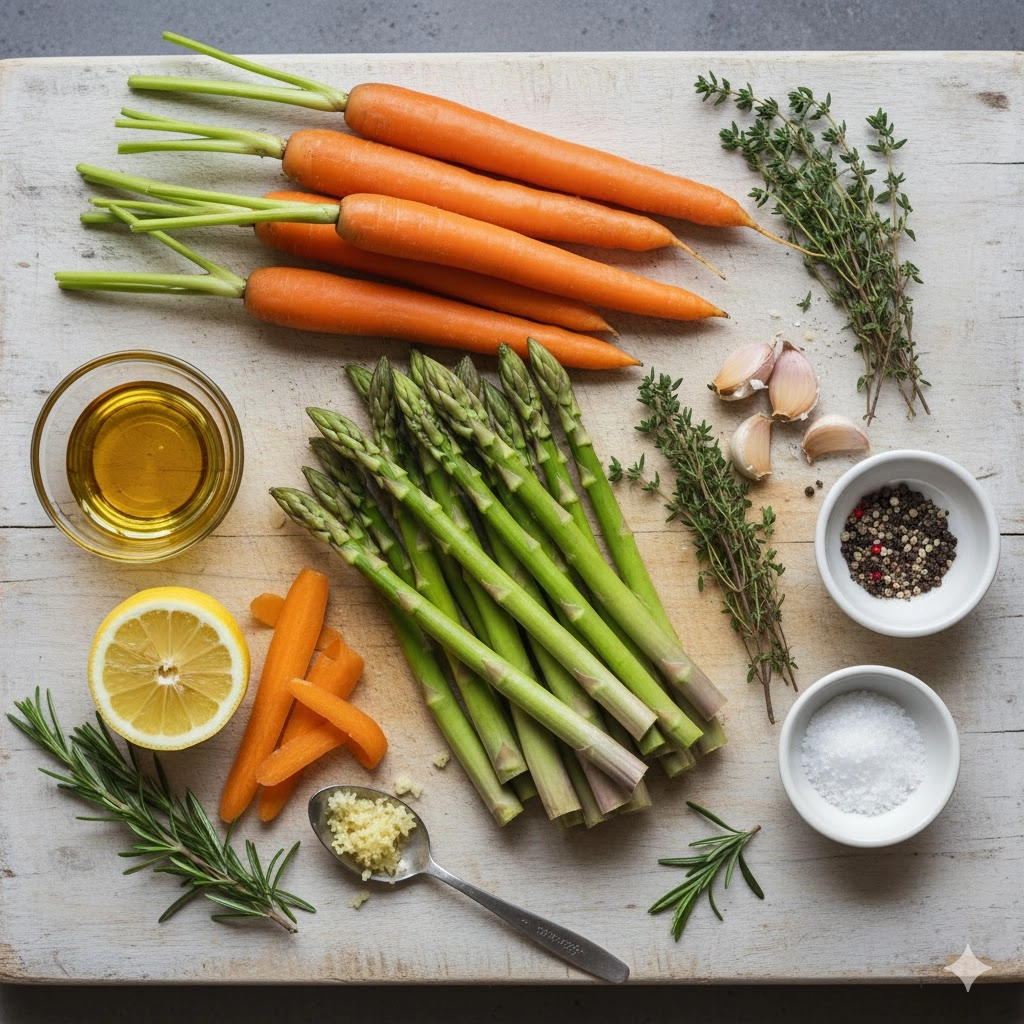
You only need five simple components to achieve a spectacular dish:
- Asparagus: One bunch, preferably medium thickness.
- Carrots: One pound, peeled and uniformly cut.
- Oil: Extra virgin olive oil is ideal for flavor, but avocado oil works for a higher smoke point.
- Seasoning: Kosher salt and freshly cracked black pepper.
- Optional Flavor Booster: Fresh minced garlic or a squeeze of lemon juice after roasting.
Key Ingredient Breakdown and Expert Swaps
As someone who has cooked this dish for years, I understand the need for flexibility in the kitchen.
- Oil Choices: While olive oil is my go-to for its flavor profile, you can use melted butter or coconut oil for a richer taste, or switch to avocado oil if you are roasting at a slightly higher temperature.
- Carrot Type: Use standard carrots, or for a festive look, try rainbow carrots. Always cut them into similar sizes—no longer than 2 inches and about the thickness of your asparagus spears—to ensure they cook evenly.
- Seasoning Variations: To change the flavor, try adding 1/2 teaspoon of smoked paprika, dried thyme, or onion powder along with the salt and pepper. You could also toss them with fresh rosemary before roasting for an herbaceous note.
Step-by-Step Guide: How to Make Roasted Asparagus and Carrots
Follow these straightforward steps for tender-crisp asparagus and beautifully caramelized carrots every time.
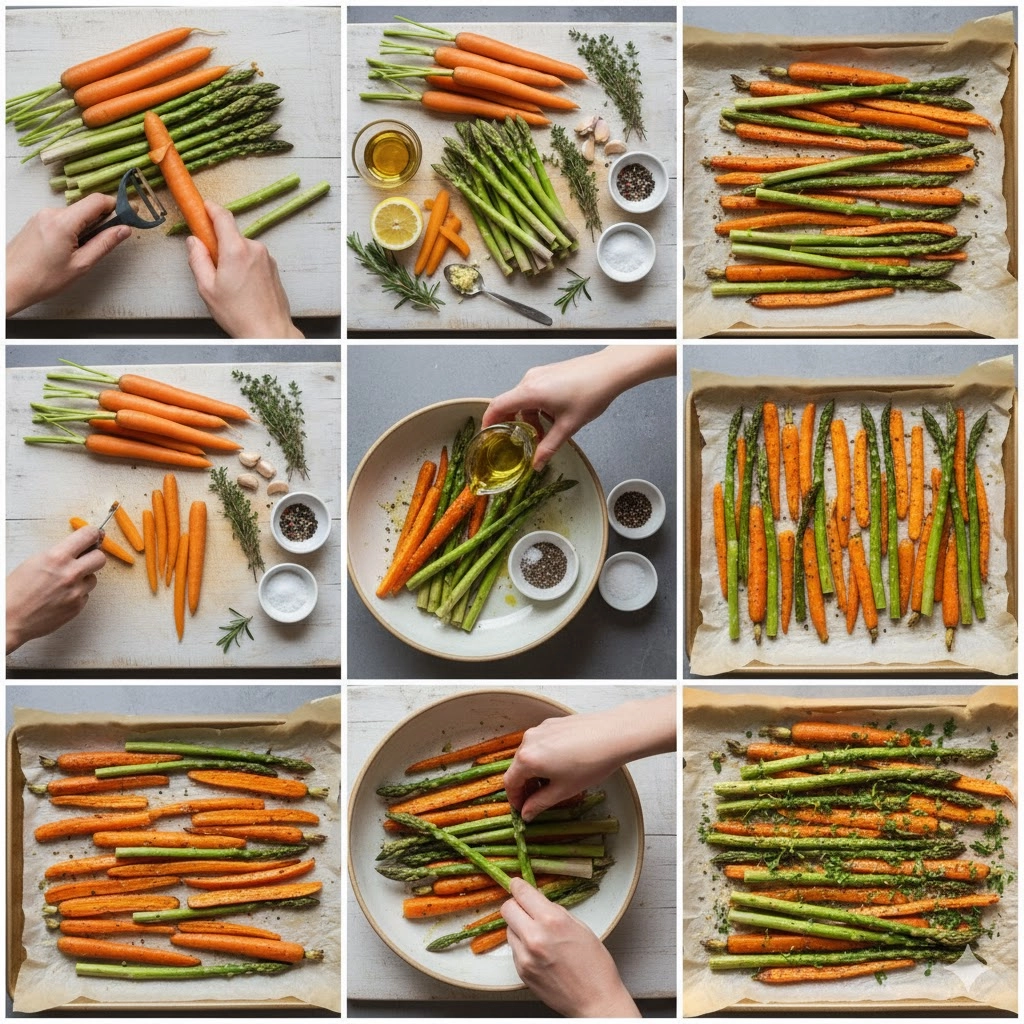
- Preheat Oven: Set your oven to 400°F (200°C). Line a large baking sheet with parchment paper for easy cleanup.
- Prepare Vegetables: Prepare the asparagus and carrots using the prep secrets detailed below. Place them in a large bowl.
- Oil and Season: Drizzle the vegetables with 2–3 tablespoons of oil. Toss well until every piece is evenly coated. Add salt and pepper, tossing again.
- Arrange: Spread the seasoned vegetables in a single layer on the prepared baking sheet. Do not crowd the pan; this is crucial for achieving that desirable roast and not a steam. Use two sheets if necessary.
- Roast: Place the pan in the preheated oven.
Prep Secrets: Trimming, Cutting, and Oiling for Success
Proper preparation is the single most important factor in a good roasting recipe.
- Trimming Asparagus: The woody, tough end of an asparagus stalk should be removed. The easiest way is the “snap test”: hold the stalk with both hands and bend it. It will naturally break where the tough part ends and the tender part begins. Discard the woody ends.
- Cutting Carrots: Since carrots are denser than asparagus, they need a head start, or they need to be cut smaller. Cut the carrots into pieces roughly 1.5 to 2 inches long. If the carrot is thick, halve it lengthwise first. Ensure all carrot pieces are similar in size.
- The Oil Coat: Ensure the vegetables are evenly, but lightly, coated in fat. The oil conducts the heat and is essential for achieving the Maillard reaction.
Roasting Temperature and Time: Achieving the Perfect Texture
The secret to preparing Roasted Asparagus and Carrots is recognizing that the carrots need more time. Based on my experience adjusting flavors for different palates and textures, I recommend a staged approach:
- Roast Carrots First: Roast the carrots alone for 10 minutes at 400°F (200°C).
- Add Asparagus: Remove the tray, add the asparagus to the pan, and gently toss it with the partially cooked carrots. Spread everything back into a single layer.
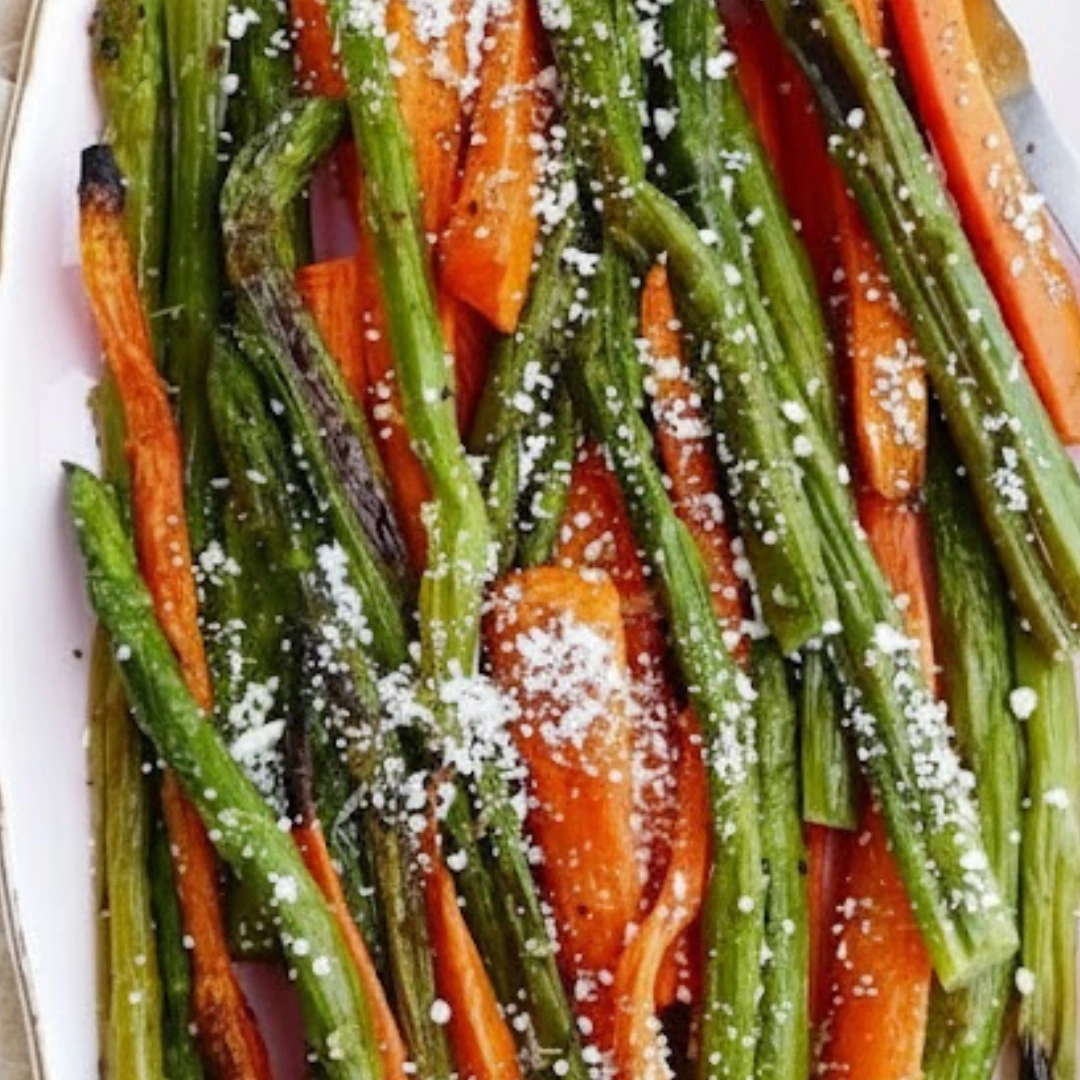
- Finish Roasting: Return the pan to the oven and roast for an additional 10–15 minutes, or until the carrots are fork-tender and the asparagus is tender-crisp and slightly blistered at the tips.
- Final Seasoning: Taste a piece. Add a final pinch of salt and a squeeze of fresh lemon juice, if desired, to brighten the flavors before serving.
Chef’s Tips for the Best Roasted Vegetables
- Don’t Fear High Heat: A temperature of 400°F is necessary to roast, not steam. If the heat is too low, the vegetables will soften without caramelizing.
- Give Them Space: Crowding the pan causes steam to build up, resulting in limp, pale vegetables. Always use a large enough sheet pan so the vegetables can breathe and release moisture properly.
- Salt Matters: Add plenty of coarse salt before roasting to help draw out moisture and promote browning.
- Finish with Freshness: Toss the hot vegetables with a little fresh herb (like parsley or dill) or a splash of vinegar just before serving.
Serving Suggestions: What to Pair with This Simple Side
This recipe for Roasted Asparagus and Carrots is incredibly versatile and pairs well with almost any main course.
- Main Dishes: Serve alongside a hearty and savory turkey main or with a simple grilled chicken breast.
- Pasta: It makes a wonderful, bright counterpoint to a rich simple pasta dish.
- Appetizer Spreads: The vegetables are delicious when served alongside a cheese board with Baked Cranberry Brie Bites or a sharp, creamy dip.
Storage and Meal Prep Tips
This side dish is excellent for meal prepping.
- Storage: Store leftovers in an airtight container in the refrigerator for up to 3 days. The asparagus will lose some of its crispness, but the flavor will remain excellent.
- Reheating: To reheat, avoid the microwave as it tends to steam the vegetables. Spread them on a baking sheet and heat them in a 350°F (175°C) oven for about 5–8 minutes until warmed through and slightly crisp again.
Nutritional Benefits of Asparagus and Carrots
Both asparagus and carrots are nutritional powerhouses. Asparagus is an excellent source of Vitamin K and folate, while carrots are famously rich in beta-carotene, an antioxidant that the body converts to Vitamin A. Roasting retains many of these vitamins, especially when using moderate amounts of healthy fats like olive oil.
This content is for educational purposes only and does not replace professional dietary or medical advice.
Don’t miss to follow us in Pinterest.
Frequently Asked Questions (FAQs)
Can I use frozen vegetables?
While you technically can, frozen asparagus and carrots are not ideal for roasting. They contain more moisture, which prevents the Maillard reaction and leads to steaming. For the best texture and flavor in your Roasted Asparagus and Carrots, always use fresh vegetables.
How do I prevent the asparagus from getting mushy?
The key is in the timing and the temperature. Use a high temperature (400°F), give the carrots a 10-minute head start, and ensure the pan is not crowded. Overcrowding is the primary cause of mushy vegetables because it traps steam.
Can I prepare this recipe ahead of time?
You can wash, trim, and cut the vegetables up to one day in advance. Store the prepared asparagus and carrots separately in sealed containers in the refrigerator. However, only toss them with the oil and seasoning right before they go into the oven, as salt can draw out moisture and make the vegetables soggy before cooking.
Easy, Tried-and-Tested Roasted Asparagus and Carrots: The Perfect Side Dish
The perfect, simple side dish: achieve beautifully caramelized carrots and tender-crisp asparagus by following this tested, step-by-step roasting guide.
- Prep Time: 10 mins
- Cook Time: 25 mins
- Total Time: 35 mins
- Yield: 4 servings 1x
- Category: Side Dish
- Method: Oven
- Cuisine: American
Ingredients
1 bunch medium-thickness asparagus (about 1 pound)
1 pound medium carrots, peeled and uniformly cut
3 tablespoons extra virgin olive oil
1 teaspoon Kosher salt
1/2 teaspoon black pepper
Optional: 1 clove minced garlic
Optional: Fresh lemon wedges for serving
Instructions
1. Preheat oven to 400°F (200°C). Line a large baking sheet with parchment paper.
2. Trim the woody ends of the asparagus (use the snap test). Cut the carrots into uniform 1.5 to 2-inch pieces, no thicker than the asparagus spears.
3. Place only the carrots in a large bowl. Drizzle with 1 tablespoon of olive oil and a pinch of salt and pepper. Toss and spread in a single layer on the baking sheet.
4. Roast the carrots for 10 minutes.
5. Remove the tray from the oven. Add the asparagus to the pan. Drizzle with the remaining olive oil and season with the remaining salt and pepper (and garlic, if using). Gently toss all vegetables together.
6. Return the pan to the oven and roast for an additional 10–15 minutes, until the carrots are fork-tender and the asparagus is tender-crisp and lightly blistered.
7. Remove from the oven, adjust seasoning if needed, and serve immediately with a squeeze of fresh lemon juice.
Notes
Do not overcrowd the baking sheet; use two if necessary.
For best flavor, use fresh vegetables rather than frozen.
Store leftovers in an airtight container for up to 3 days.
Nutrition
- Serving Size: 1/4 recipe
- Calories: 150
- Sugar: 8g
- Sodium: 210mg
- Fat: 10g
- Saturated Fat: 1.5g
- Unsaturated Fat: 8.5g
- Trans Fat: 0g
- Carbohydrates: 12g
- Fiber: 5g
- Protein: 4g
- Cholesterol: 0mg