Ingredient Deep Dive
| Ingredient | Quantity | Purpose |
|---|---|---|
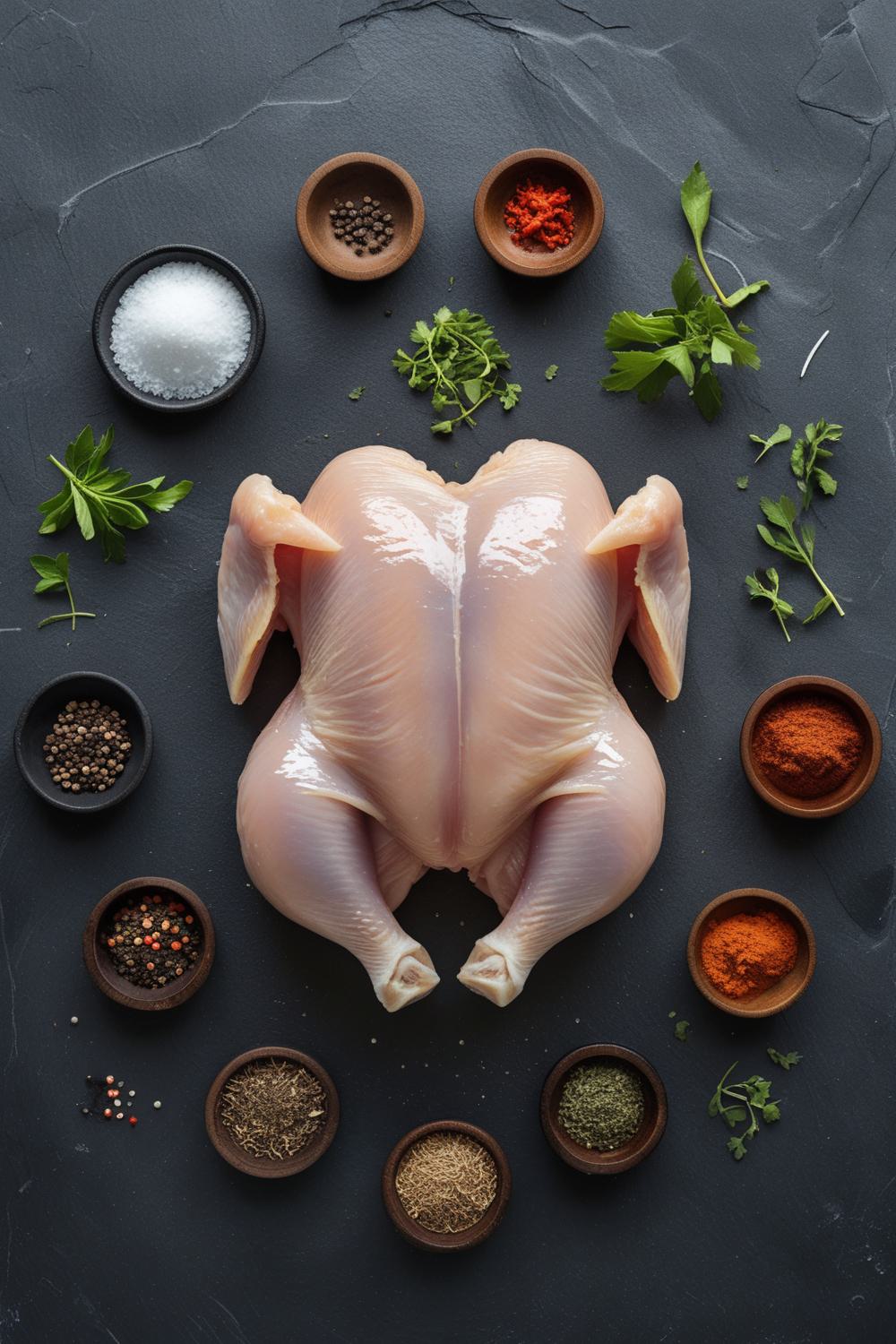
| Boneless chicken thighs | 1.5 lbs | Higher fat content prevents drying during high-heat cooking |
| Golden Mountain sauce | 3 tbsp | Thai fermented seasoning for foundational umami |
| Palm sugar | 2 tbsp | Caramelizes without overpowering, balances salinity |
| Makrut lime leaves | 6 | Distinctive citrus aroma unattainable with regular limes |
| Galangal | 2-inch knob | Adds piney sharpness compared to ginger’s warmth |
| Toasted rice powder | 1 tsp | Signature Laotian technique for nutty texture |
The protein-fat matrix in chicken thighs withstands aggressive Southeast Asian cooking techniques better than breasts. When marinated in Golden Mountain sauce – Thailand’s superior answer to soy sauce – its glutamates penetrate muscle fibers through capillary action. Palm sugar’s low burn point creates lacquered caramelization without turning acrid.
Makrut lime leaves contain unique citronellol compounds that vaporize at 140°F (60°C), bonding with galangal’s α-pinene to create that unmistakable tom kha aroma. Toasted rice powder adds topography to the sauce, creating microscopic fissures that trap flavor molecules more effectively than cornstarch.
Substitutions & Swaps
For gluten-free needs, replace Golden Mountain sauce with Red Boat fish sauce. Vegan alternatives require pressed extra-firm tofu marinated in black salt to mimic eggs’ sulfur notes. Instead of palm sugar, blend equal parts maple syrup and molasses for comparable caramelization depth.
When makrut lime leaves are unavailable, combine regular lime zest with lemongrass paste. Powdered galangal works in 1:3 ratio to fresh – hydrate with yuzu juice first. Crucially, never substitute toasted rice powder with flour; crushed roasted cashews provide better textural analog.
Equipment Guide
A 14-inch carbon steel wok is non-negotiable. Its concave shape creates three temperature zones: searing at the base, simmering up the sides. Use a flat-bottomed version for electric stoves. Mortar and pestle crushing maximizes galangal’s oil extraction versus processors.
Infrared thermometers guarantee precise 375°F (190°C) fry oil temps. Japanese soba noodle strainers rescue crisping aromatics seconds before burning. For plating, preheated stoneware bowls maintain sauce viscosity longer than ceramic.
Step-by-Step Walkthrough
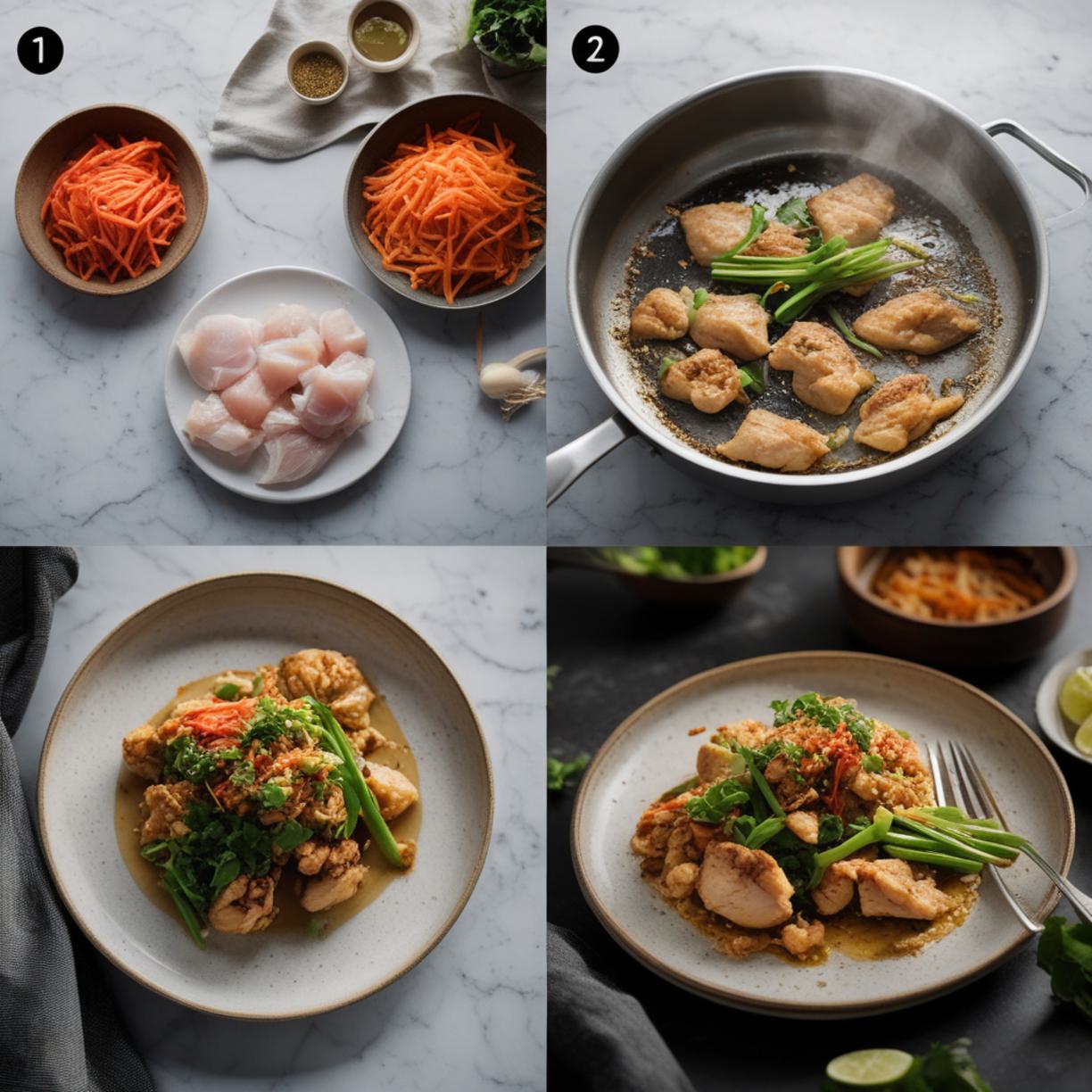
- Score chicken thighs 1/4″ deep diagonally – not vertical cuts – to create maximum surface laceration
- Dry brine with 1 tsp salt for 20 minutes to draw out interstitial moisture
- Marinate in Golden Mountain sauce mixed with 1 tsp baking soda: alkaline tenderizer
- Shallow fry palm sugar until molten amber stage (320°F/160°C)
- Add bruised makrut leaves to oil to fracture cell walls for essential oil release
- Sear chicken presentation-side down first – pores shrink when heated minimizing sticking
- Deglaze with chicken stock using a wooden spatula angled at 45°
- Finish with rice powder slurry: 2 parts powder to 3 parts coconut cream
The caramelization phase determines the dish’s color spectrum. Underheated sugar crystallizes; overheated turns bitter. Look for mahogany bubbles with violet edges. When adding aromatics, the oil should audibly “sing” – any sizzling indicates residual moisture ruining infusion.
Control thermal momentum by staging ingredients by cook time: galangal first (needs 3 minutes to soften), then lime leaves (1 minute), chilies last (15 seconds). Deglaze with stock in ⅓ cup increments to create successive fond layers.
Stir-frying requires constant wrist movement – not stirring. Use the “shaq” technique: flip ingredients upward with wok tilted 70 degrees toward the flame. This creates char without carbonization. Final emulsification should achieve “ribbon stage”: sauce coats a spoon then slowly dissolves after 3 seconds.
Expert Tips & Troubleshooting
The marinate’s baking soda raises pH, weakening protein bonds for velvetization. For crisper skin, dust thighs with 1 tsp potato starch before frying – creates micro-craters. If sauce splits, whisk in 1 tbsp coconut cream emulsion stabilizer.
Common mistake: overcrowding lowers oil temp below 325°F (163°C), causing grease absorption. Fry in 3 batches max. If caramel seizes, add 2 tsp hot water and swirl – don’t stir. Acidic ingredients added too early prevent caramelization – always introduce lime juice off-heat.
For smoky wok hei aroma without a jet burner: place 1 smoldering cinnamon stick under the wok during final toss. Over-salted? Add sliced pineapple – bromelain enzymes counteract sodium. If chili heat overwhelms, swirl in 1 tsp palm sugar dissolved in coconut milk.
Flavor Variations
Spicy Dragon version: infuse oil with 10 Szechuan peppercorns and 5 dried Arbol chilies. Balinese twist: replace Golden Mountain with kecap manis and add candlenut paste. Kid-friendly adjustment: substitute chilies with roasted red bell pepper puree and add 1 tbsp honey.
For Korean-inspired, fold in gochujang during deglazing and finish with perilla leaves. Malaysian adaptation: simmer with lemongrass and turmeric, then top with kerisik (toasted coconut paste).
Storage & Reheating
Refrigerate in sauce-submerged containers for 72 hours max. Freeze cooked chicken separately from sauce – starch-thickened sauces weep upon thawing. Reheat in steam chamber for 8 minutes (place bowl over boiling water covered).
Refresh crispy skin with air fryer at 400°F (204°C) for 90 seconds. Never microwave – turns rice powder gummy.
FAQ Section
Q: Can I marinate overnight?
A: Maximum 4 hours – baking soda over-tenderizes into mush
Q: Bone-in vs boneless?
A> Bone-in adds depth but requires +5 minutes cooking. Adjust accordingly
Q: Can I freeze leftovers?
A> Sauce freezes well, but chicken becomes stringy
Q> Why doesn’t mine taste like the restaurant version?
A> Commercial woks hit 1200°F (650°C) – home stoves require patience
Recipe Card
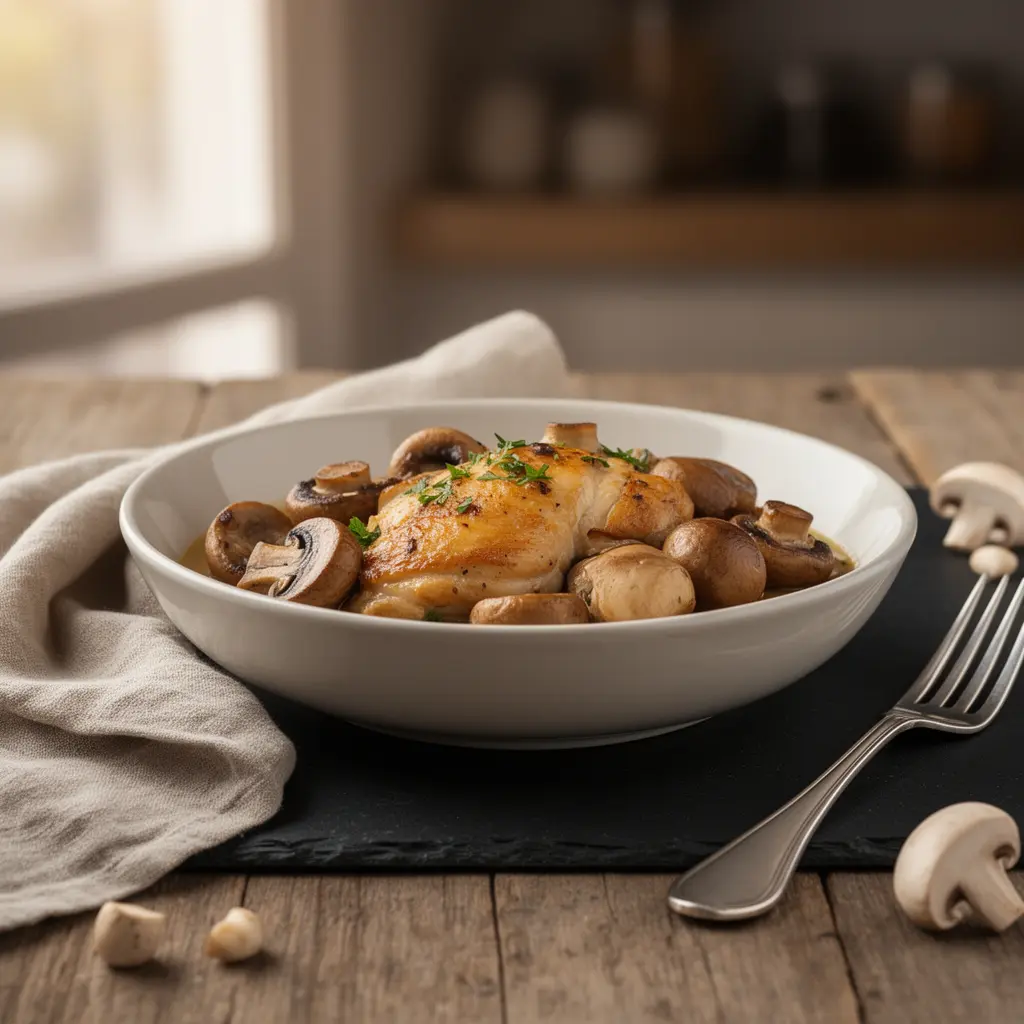
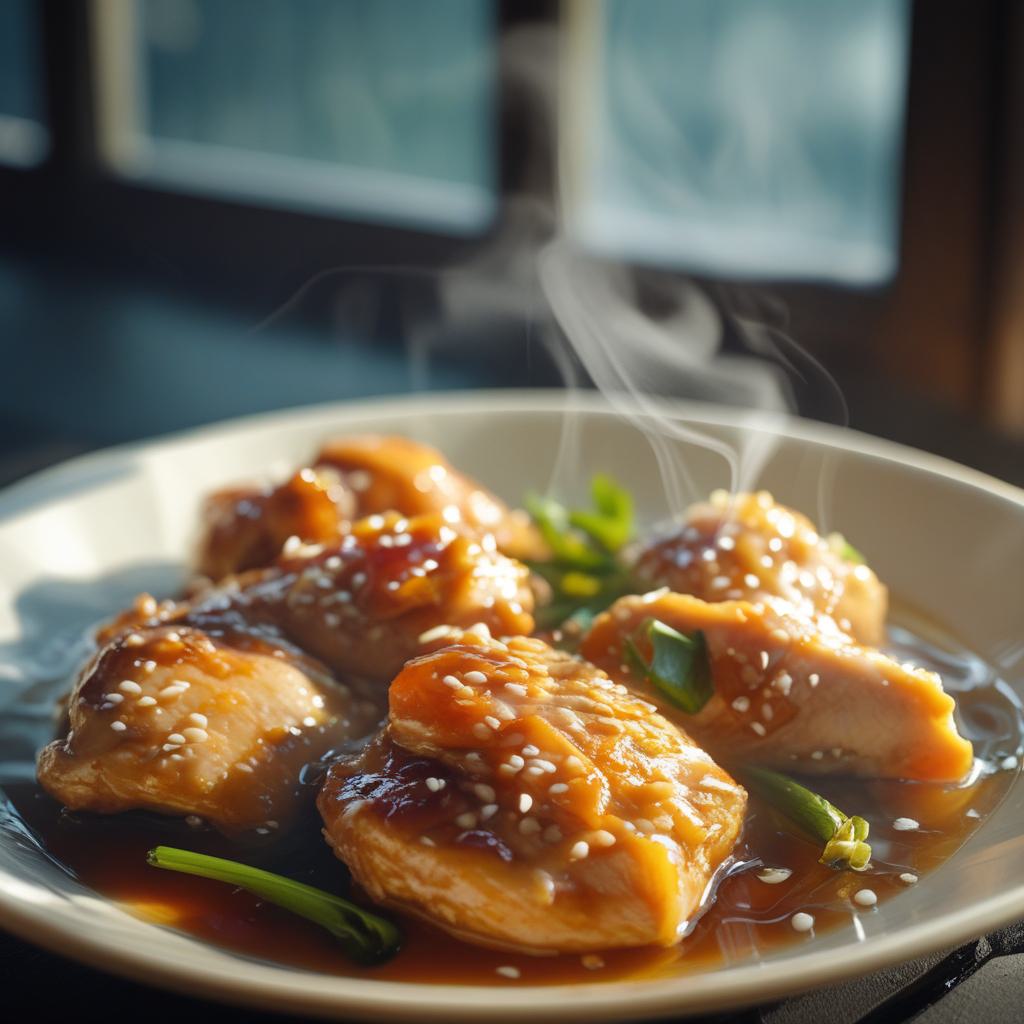
Phoenix Chicken: Thai-Lao fusion dish featuring caramelized palm sugar lacquered chicken thighs simmered in Golden Mountain sauce with makrut lime leaves, galangal, and crispy shallots. Served over sticky rice. Active time: 40 min. Total: 2 hrs (includes marinating). Serves 4.
Nutrition Information
| Nutrient | Per Serving |
|---|---|
| Calories | 487 |
| Protein | 38g |
| Total Carbohydrates | 19g |
| Dietary Fiber | 2g |
| Total Sugars | 12g |
| Sodium | 893mg |
Disclaimer: Nutritional data calculated using Cronometer database. Actual values may vary based on ingredient brands and preparation methods. Use oils sparingly during frying to reduce calorie count.