Finding a snack that balances pure indulgence with sustained energy can feel like a culinary marathon. Most store-bought nut butters are either laden with processed sugars or lack the structural complexity to keep you satisfied for more than an hour. This is where Power Butter enters the frame. It is not just a spread; it is a meticulously engineered pantry staple designed to fuel busy mornings and sluggish afternoons. By combining the creamy base of roasted almonds with the textural crunch of hemp and chia seeds, and warming it all up with aromatic spices, you create a condiment that is as sophisticated as it is functional.
Table of Contents
Essential Ingredients for Your Power Butter
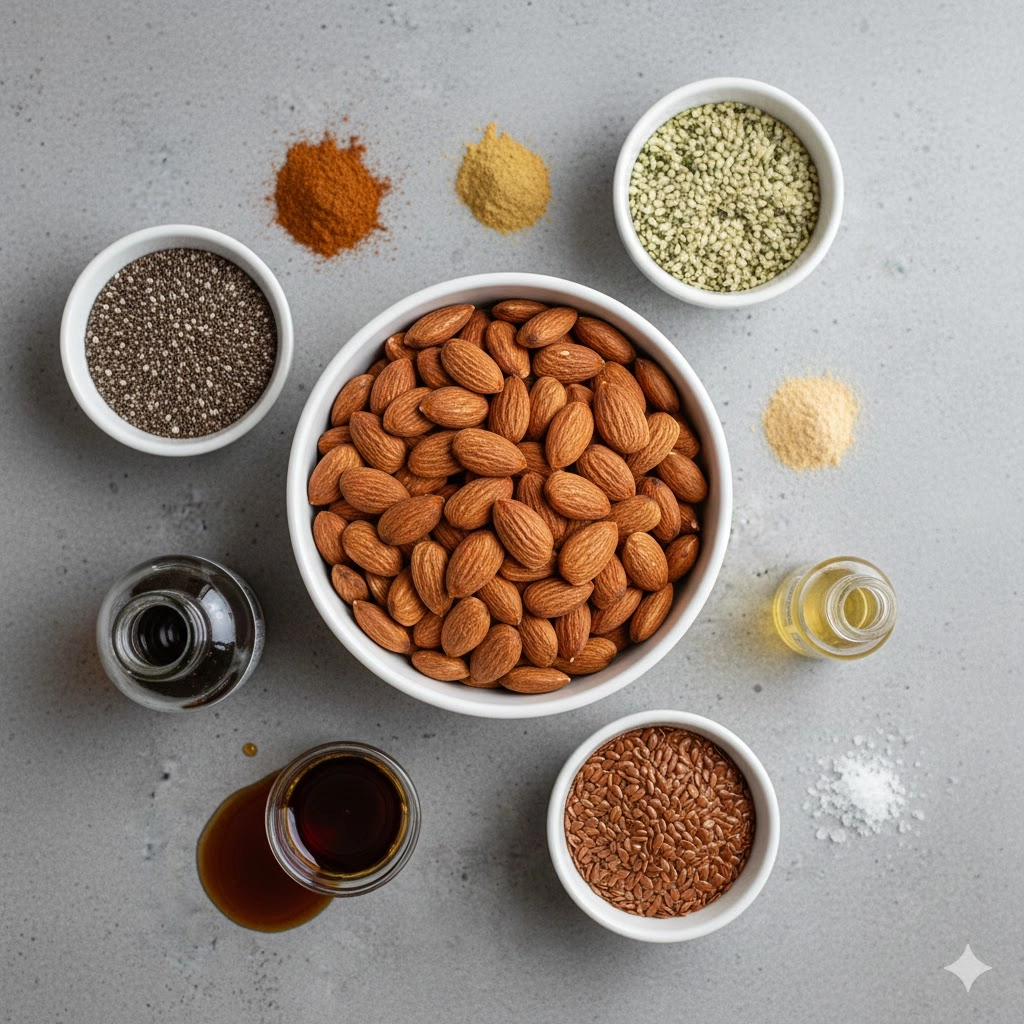
To create this high-performance spread, you will need to gather the following specific components. Ensure your seeds are fresh to maintain the integrity of the healthy oils within them.
- 1 cup roasted unsalted almonds
- 2 tablespoons hemp seeds
- 1 tablespoon chia seeds
- 1 tablespoon flax seeds
- 1 teaspoon ground cinnamon
- 1/2 teaspoon ground ginger
- 1/4 teaspoon kosher salt
- 1 tablespoon maple syrup
- 1 tablespoon neutral oil such as grapeseed or avocado oil
Primary Instructions for Preparation
Follow these steps precisely to ensure the oils emulsify correctly and the seeds are distributed evenly throughout the mixture.
- Place the roasted unsalted almonds into the bowl of a high-speed food processor.
- Process the almonds on high for approximately 5 to 8 minutes. You will need to stop periodically to scrape down the sides of the bowl with a rubber spatula. Continue until the almonds have released their natural oils and transformed into a completely smooth, liquid-like butter.
- Add the hemp seeds, chia seeds, flax seeds, ground cinnamon, ground ginger, and kosher salt to the food processor.
- Pulse the mixture several times until the seeds and spices are thoroughly incorporated but still retain some of their texture.
- With the processor running on low, drizzle in the maple syrup and the neutral oil.
- Continue to process for another 30 seconds until the Power Butter is glossy and reaches your desired consistency.
- Transfer the finished butter to a clean glass jar and seal tightly.
Comprehensive Step-by-Step Culinary Breakdown
The journey from a handful of dry almonds to a silky, pourable Power Butter is a fascinating lesson in food science. Understanding the “why” behind each phase of the process will help you achieve a professional-grade result every time.
Phase One: Breaking the Almond Structure
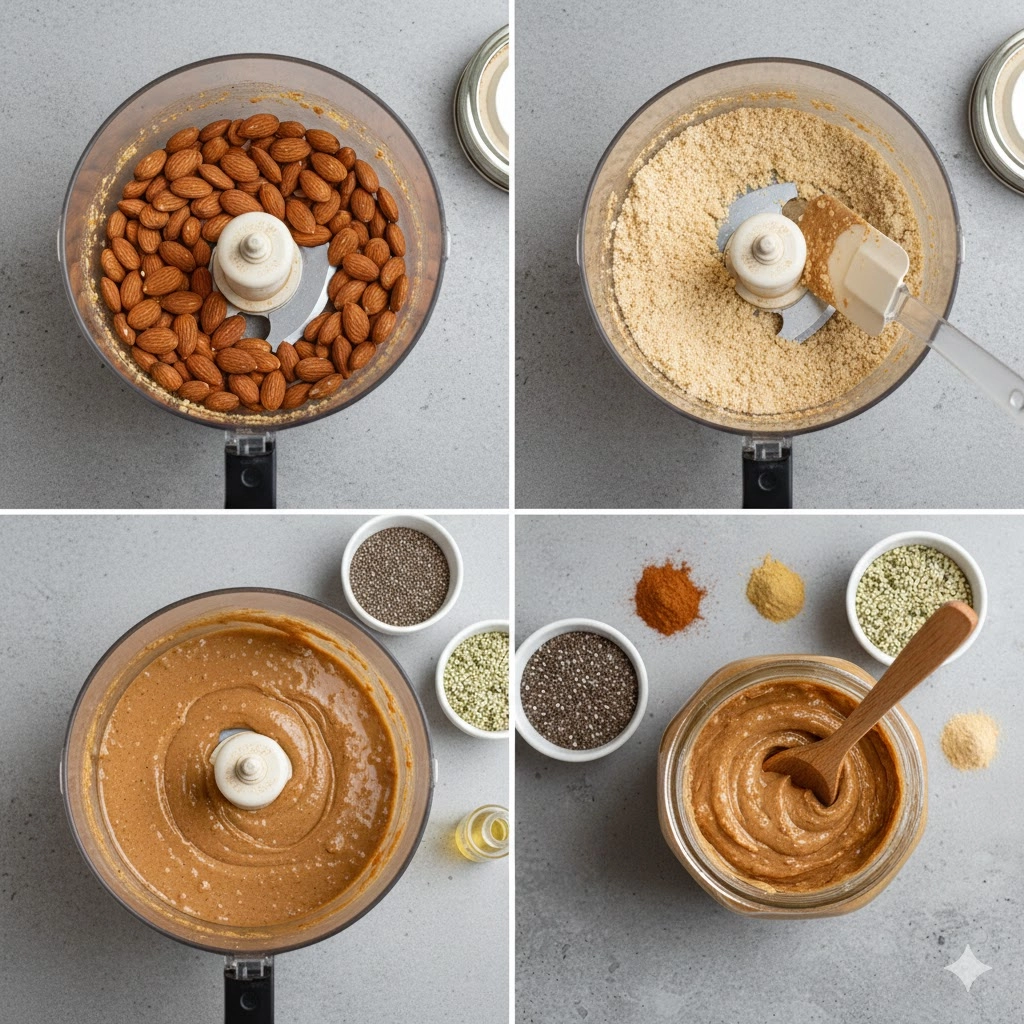
When you first drop the roasted almonds into the food processor, the sound will be loud and the texture will be coarse. In the first 60 seconds, the nuts turn into a gritty flour. Many home cooks make the mistake of stopping here or adding liquid too early. You must persist. As the blades continue to spin, the friction generates heat. This heat is essential because it coaxes the almond oils out of the cellular walls of the nut.
Phase Two: The Clumping Stage
Around the three-minute mark, you will notice the almond flour beginning to clump together. It might even form a heavy ball that rolls around the processor. This is a sign that the oils are starting to surface. Keep scraping the sides to ensure every bit of almond is being processed equally. If you leave large chunks on the sides, your final product will have an unpleasant grit.
Phase Three: Achieving Total Liquefaction
Suddenly, the heavy mass will give way, and the mixture will turn into a thick paste, then finally into a smooth, shiny liquid. This is the “butter” stage. The goal is a consistency that drips easily from a spoon. This fluidity is vital because it provides the medium in which the dry seeds and spices will be suspended.
Phase Four: Integrating the Power Elements
Once the base is liquid, we introduce the textural “power” components. Hemp, chia, and flax seeds are added at the end because we want to preserve their crunch and nutritional profile. By pulsing rather than pureeing at this stage, you ensure that the seeds stay whole. This creates a “crunchy” style butter that offers a much more interesting mouthfeel than a standard smooth spread.
Phase Five: Emulsification and Sweetening
The final addition of maple syrup and oil serves two purposes. The syrup provides a hint of sweetness that balances the earthiness of the flax, while the neutral oil ensures the butter remains spreadable even after it has been refrigerated. The ginger and cinnamon provide a thermogenic warmth that lingers on the palate, making the butter feel more like a treat than a health food.
Mastery Insights for Texture and Flavor
Creating a world-class nut butter requires attention to detail that goes beyond the basic recipe.
The Temperature Factor
Always start with room temperature or slightly warm nuts. If you have just pulled your roasted almonds out of the oven, let them cool until they are just warm to the touch. If they are too hot, they can cause the oils to separate or “break,” leading to a greasy mess. If they are too cold, the oil extraction process will take twice as long.
Blade Sharpness and Processor Power
The success of this recipe relies heavily on the power of your equipment. A high-wattage food processor is preferred over a blender for this specific task. Blenders often require more liquid to keep the blades moving, whereas a processor excels at turning dry solids into pastes. If you find your processor is getting too hot, turn it off for two minutes to let the motor cool before finishing the final emulsification.
The Role of Salt
Do not omit the kosher salt. Salt acts as a flavor enhancer that cuts through the fat of the almonds and the sweetness of the maple syrup. It makes the cinnamon and ginger “pop” on the tongue. If you use table salt instead of kosher salt, reduce the measurement by half, as the fine grains of table salt are much denser.
Customizing Your Spread
While the base recipe is nutritionally optimized, there is room for personal flair depending on your dietary needs or flavor preferences.
Alternative Sweeteners
If you are avoiding refined sugars or prefer a different flavor profile, you can swap the maple syrup for honey or agave nectar. For a completely sugar-free version, a few drops of liquid stevia or monk fruit sweetener can be used, though you may need to add an extra teaspoon of oil to compensate for the lost moisture.
Spice Variations
The cinnamon and ginger combination creates a “chai-like” warmth. However, you could lean into a more savory profile by swapping those out for a pinch of cardamom and a hint of vanilla bean paste. For those who enjoy a bit of a kick, a tiny pinch of cayenne pepper can actually highlight the nuttiness of the almonds.
Nut Substitutions
If you are allergic to almonds or simply want to experiment, roasted cashews make an incredibly creamy base. Keep in mind that cashews have a higher fat content and will turn into butter much faster than almonds. Sunflower seeds are an excellent nut-free alternative that pairs beautifully with the hemp and chia seeds.
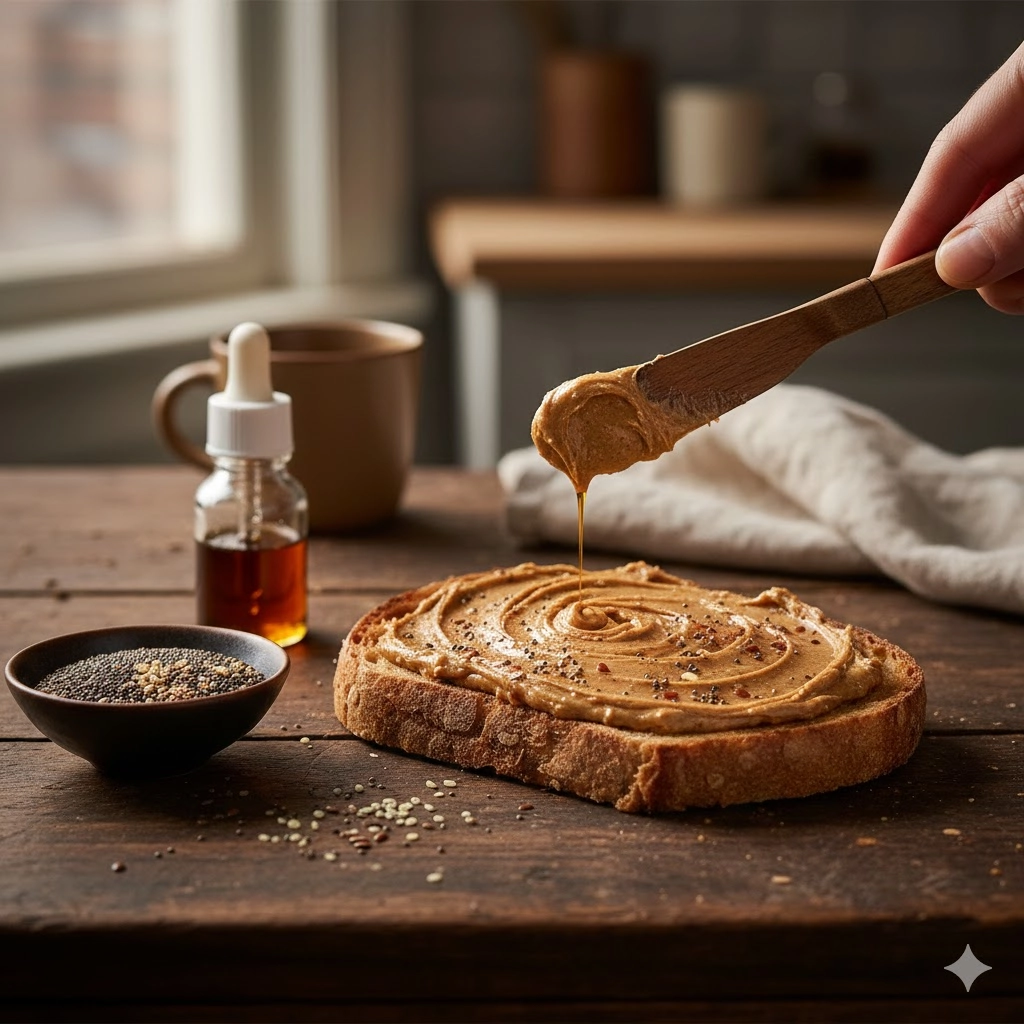
Ideas for Serving and Accompaniments
Power Butter is incredibly versatile, moving easily from breakfast applications to savory snacks.
The Classic Rice Cake Upgrade
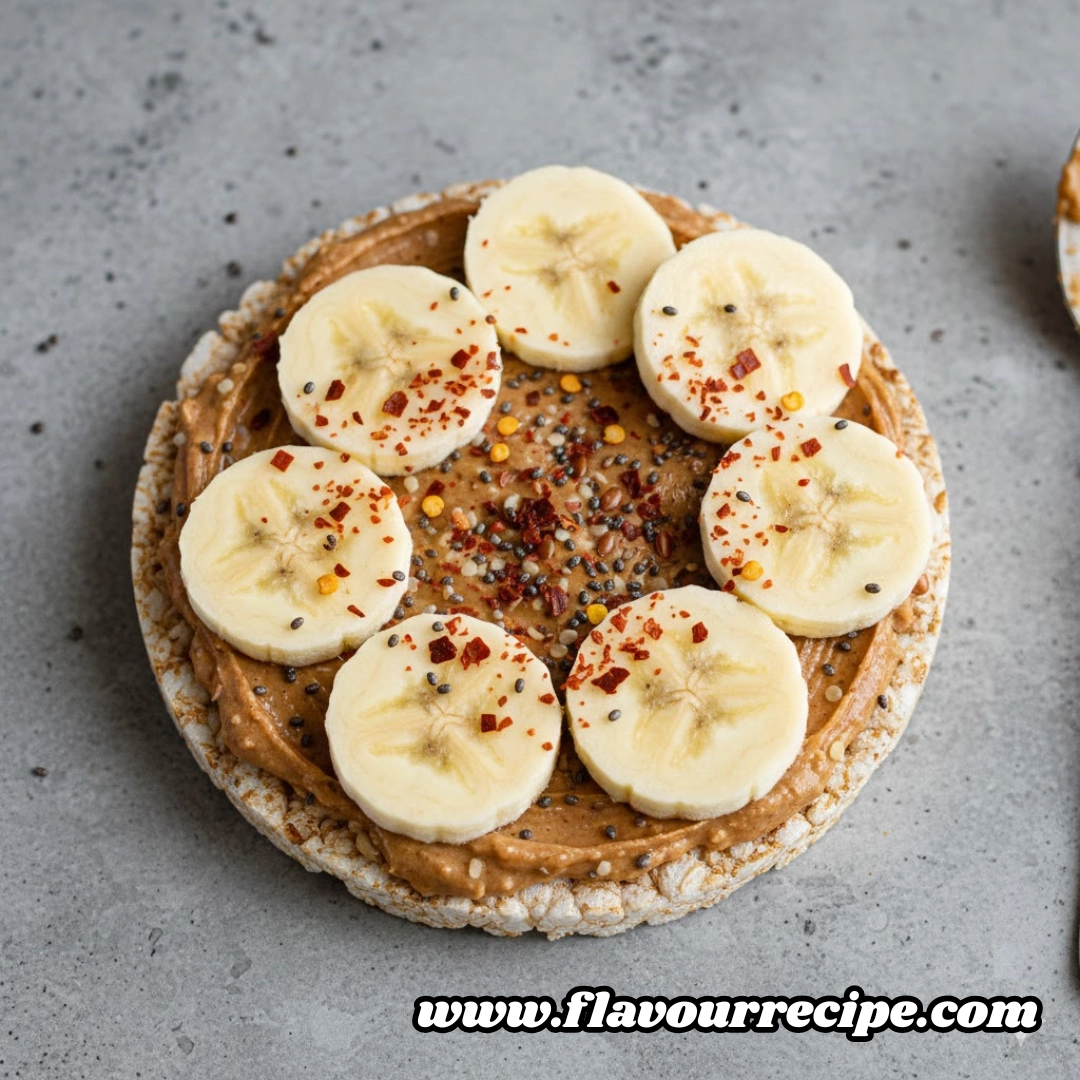
Spread a generous tablespoon of Power Butter over a brown rice cake. Top with sliced bananas and a light dusting of extra cinnamon. The crunch of the seeds in the butter complements the airy texture of the rice cake perfectly.
The Morning Bowl
Swirl a dollop of this butter into a warm bowl of steel-cut oats. As the butter melts, the spices will perfume the entire bowl. It adds the necessary protein and healthy fats to turn a simple bowl of carbs into a balanced meal that will keep you full until lunch.
Savory Pairings
Surprisingly, this spiced almond butter works wonders when paired with tart fruits like Granny Smith apples or even spread onto celery sticks. The ginger in the recipe provides a zing that cuts through the richness of the nut fats.
Deep-Dive Common Questions
How long will this butter stay fresh in my pantry?
Because this recipe contains fresh seeds and no artificial preservatives, it has a shorter shelf life than commercial nut butters. When stored in an airtight glass jar in a cool, dark pantry, it will remain fresh for about three to four weeks. If you live in a particularly warm climate, it is safer to store it in the refrigerator, where it will last for up to two months.
Why did my nut butter turn into a stiff paste instead of a liquid?
This usually happens for one of two reasons: either the almonds were not processed long enough to release their oils, or the addition of the maple syrup caused the mixture to “seize.” If it seizes, you can usually fix it by adding another teaspoon or two of neutral oil and processing on high for another minute. The extra fat helps to re-emulsify the solids.
Can I use raw almonds instead of roasted ones?
You can, but the flavor and texture will be significantly different. Raw almonds have more moisture and less developed oils, meaning it will take much longer to reach a buttery consistency. Furthermore, roasting the almonds provides a deep, toasted flavor that is essential for balancing the intensity of the chia and flax seeds.
Is it necessary to use a neutral oil?
The oil helps maintain the “slump” or drizzling consistency of the butter. If you prefer a very thick, stiff almond butter, you can omit the oil, but be aware that the chia and flax seeds will absorb some of the natural almond oil over time, which may make the spread quite dry after a few days.
Essential Nutritional Profile
This table provides an estimate per two-tablespoon serving based on standard ingredient values.
| Nutrient | Amount Per Serving |
| Calories | 190 calories |
| Total Fat | 16 grams |
| Saturated Fat | 1.5 grams |
| Sodium | 75 milligrams |
| Total Carbohydrates | 7 grams |
| Dietary Fiber | 4 grams |
| Sugars | 2 grams |
| Protein | 6 grams |
Nutritional Transparency Disclaimer
The nutritional information provided here is an estimate intended for educational purposes only. Exact values may vary based on the specific brands of ingredients used and minor variations in measurement. For those with specific medical conditions or strict dietary requirements, please consult with a registered dietitian or healthcare professional.
Final Thoughts on This Nutrient-Rich Creation
Making your own Power Butter is a rewarding process that puts you in complete control of your nutrition. By skipping the stabilizers and fillers found in commercial jars, you are left with a pure, high-vibrancy food that tastes infinitely better than anything off a shelf. The combination of cinnamon, ginger, and the trio of seeds creates a complex flavor profile that evolves as you eat it. Whether you are fueling up for a workout or just looking for a better way to enjoy your morning toast, this recipe is a definitive upgrade to your culinary repertoire.
PrintThe Ultimate Guide to Crafting Power Butter: A Nutrient-Dense Almond and Seed Spread
Stash a jar of this spiced-up, seed-packed almond butter in your desk drawer or kitchen cupboard to turn a rice cake into an instant breakfast. It is a nutrient-dense spread designed for sustained energy.
- Prep Time: 15 mins
- Cook Time: 0 mins
- Total Time: 15 mins
- Yield: 1 cup 1x
- Category: Snack
- Method: Food Processor
- Cuisine: American
Ingredients
1 cup roasted unsalted almonds
2 tablespoons hemp seeds
1 tablespoon chia seeds
1 tablespoon flax seeds
1 teaspoon ground cinnamon
1/2 teaspoon ground ginger
1/4 teaspoon kosher salt
1 tablespoon maple syrup
1 tablespoon neutral oil such as grapeseed or avocado oil
Instructions
1. Place the roasted unsalted almonds into the bowl of a high-speed food processor.
2. Process the almonds on high for 5 to 8 minutes, scraping down the sides periodically, until completely smooth and liquid-like.
3. Add the hemp seeds, chia seeds, flax seeds, ground cinnamon, ground ginger, and kosher salt.
4. Pulse the mixture until the seeds and spices are incorporated but still retain texture.
5. With the processor running on low, drizzle in the maple syrup and neutral oil.
6. Process for another 30 seconds until glossy.
7. Transfer to a clean glass jar and seal tightly.
Notes
Store in an airtight jar in a cool, dark place for up to 4 weeks.
If the butter seizes after adding syrup, add 1 extra teaspoon of oil and process on high.
Great on rice cakes, apple slices, or stirred into oatmeal.
Nutrition
- Serving Size: 2 tablespoons
- Calories: 190
- Sugar: 2g
- Sodium: 75mg
- Fat: 16g
- Saturated Fat: 1.5g
- Unsaturated Fat: 14.5g
- Trans Fat: 0g
- Carbohydrates: 7g
- Fiber: 4g
- Protein: 6g
- Cholesterol: 0mg