
The art of the shortbread-style cut-out cookie often feels like a balancing act between structure and tenderness. These Pope’s Valentine Cookies offer a refined take on the classic sugar cookie, leaning into a high butter content and the fine texture of confectioners’ sugar to create a melt-in-your-mouth experience. Unlike standard doughs that rely on heavy leavening agents, this recipe focuses on the purity of the ingredients to yield a pale, elegant finish. These are particularly well-suited for celebrations where intricate shapes and clean edges are desired, providing a sturdy yet delicate canvas for icing or simple sugar dusting.
Whether you are preparing a batch for a holiday exchange or a quiet afternoon tea, the simplicity of the assembly makes them accessible without sacrificing professional results. The dough handles beautifully once chilled, allowing for clean cuts that maintain their definition during the baking process. Because they do not spread significantly, you can achieve detailed designs that look as though they came from a high-end patisserie.
Table of Contents
Ingredients
The Dough Base
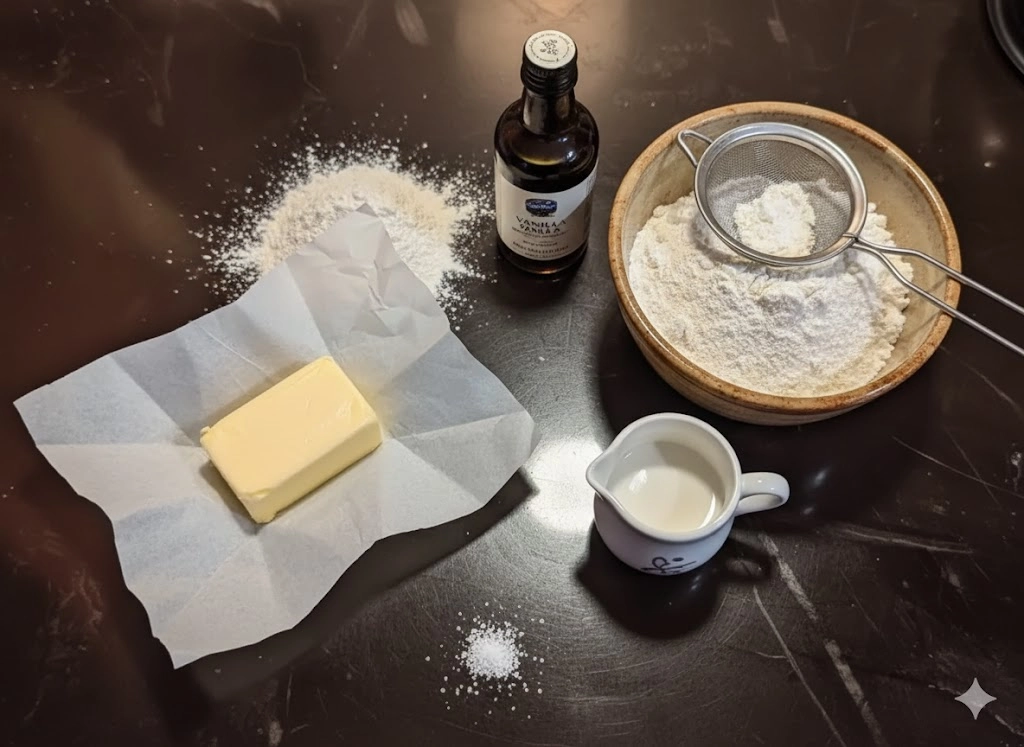
- 1 cup (two sticks or half a pound) unsalted butter, softened to room temperature
- 2 ½ cups all-purpose flour, sifted
- 1 cup confectioners’ sugar, sifted
- 1 tablespoon whole milk
- 1 teaspoon pure vanilla extract
Optional Toppings
- Fine sanding sugar for dusting
- Royal icing for decorative piping
Instructions
- Preparation: Heat your oven to three hundred twenty-five Fahrenheit. Prepare your baking surfaces by lightly greasing them or lining them with parchment paper.
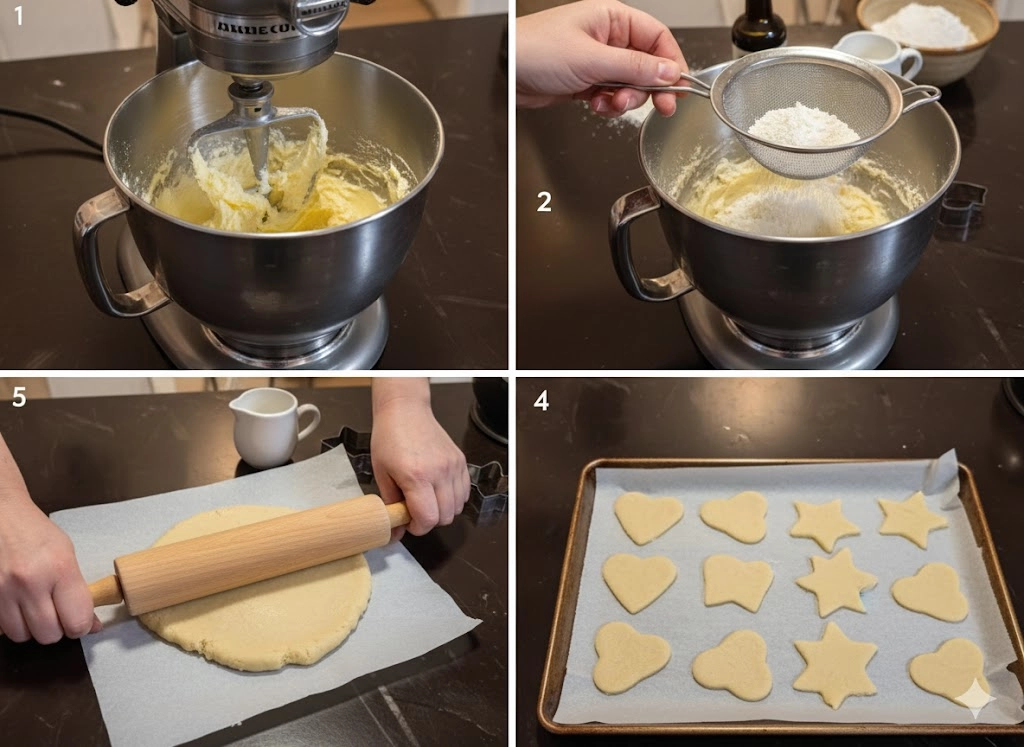
- Creaming: Place the softened butter in a stand mixer or large bowl. Beat on medium speed until the texture is light, airy, and noticeably paler in color.
- Combining: Integrate the sifted flour, sifted confectioners’ sugar, milk, and vanilla extract. Mix at a low speed until a velvety, cohesive dough forms.
- Rolling: Divide the dough into two equal portions. On a lightly floured surface, roll the first half to a thickness of one quarter inch.
- Shaping: Use cookie cutters to create your desired shapes. Transfer the cutouts to the prepared baking sheets.
- Second Batch: Repeat the rolling and cutting process with the remaining half of the dough, gathering scraps sparingly.
- Baking: Place in the center of the oven and bake for approximately twelve minutes.
- Cooling: Remove from the oven when the cookies are set but still very pale. Allow them to firm up on the sheet for five minutes before transferring to a wire rack.
Step-by-Step Details
Achieving the Correct Butter Consistency
The success of these Pope’s Valentine Cookies depends heavily on the state of your butter. It should be “cool-room temperature,” meaning it yields to a finger press but doesn’t look oily or melted. When you cream the butter alone, you are aerating it. This creates tiny pockets of air that expand in the oven, giving a light snap to a cookie that lacks baking powder. Avoid over-mixing once the flour is added, as this can develop gluten and lead to a tough, bready texture rather than a short, crumbly one.
The Rolling Technique
One of the primary mistakes in cut-out cookies is using too much “bench flour.” If the dough absorbs extra flour during rolling, it becomes dry and prone to cracking. To prevent this, you can roll the dough between two sheets of parchment paper. This allows you to achieve that perfect one quarter inch thickness without changing the ratio of the ingredients. If the dough feels too soft to handle, slide the entire rolled sheet onto a tray and chill it in the refrigerator for twenty minutes before using your cutters.
Monitoring the Bake
These cookies are meant to be sophisticated and ivory-toned. Unlike a chocolate chip cookie that benefits from the Maillard reaction (browning), these should stay almost white. You are looking for the edges to be matte and the centers to no longer appear “wet” or shiny. If the edges begin to turn golden brown, they have been in a minute too long. Because the oven temperature is a relatively low three hundred twenty-five Fahrenheit, the moisture evaporates slowly, ensuring a uniform bake from the edge to the center.
Sensory Cues for Success
As the cookies bake, your kitchen should smell strongly of toasted butter and vanilla. The dough itself should feel velvety—not sticky—to the touch when you are cutting shapes. When you pull them out of the oven, they will feel slightly soft; this is normal. The high fat content means they will solidify significantly as they cool. Resisting the urge to move them immediately prevents the delicate edges from snapping or warping.
Pro Tips
- Sift Twice: Sifting both the flour and the confectioners’ sugar is non-negotiable for this recipe. It removes clumps and ensures the “velvety” texture described in the original method.
- The Chill Factor: If your kitchen is warm, chill your cut-out shapes on the baking sheet for ten minutes before putting them in the oven. This helps the butter stay cold, which prevents the shapes from spreading or losing their crisp edges.
- Quality Vanilla: Since there are so few ingredients, the flavor of the vanilla is prominent. Use a high-quality bean paste or pure extract rather than imitation flavoring.
- Scrap Management: When re-rolling scraps, try to do it only once. Every time you roll the dough, it gets tougher. Combine scraps from both halves of the dough at the very end for a final “utility” batch.
- Salt Balance: If using unsalted butter, add a tiny pinch of fine sea salt to the flour. This cuts through the richness of the sugar and enhances the buttery notes.
- Uniformity: Ensure all cookies on a single tray are roughly the same size. If you mix large hearts with tiny stars, the stars will overbake before the hearts are set.
Variations or Substitutions
- Citrus Infusion: Replace the vanilla extract with a teaspoon of lemon or orange zest and a teaspoon of fresh citrus juice for a bright, summery twist.
- Almond Shortbread: Substitute the vanilla with a half teaspoon of almond extract. This creates a flavor profile reminiscent of traditional wedding cakes.
- Chocolate Dipped: Once the cookies are completely cool, dip half of each cookie into melted dark chocolate and sprinkle with crushed freeze-dried raspberries.
- Spice Note: For a warmer flavor, whisk a half teaspoon of ground cardamom or cinnamon into the flour before mixing.
Serving Suggestions
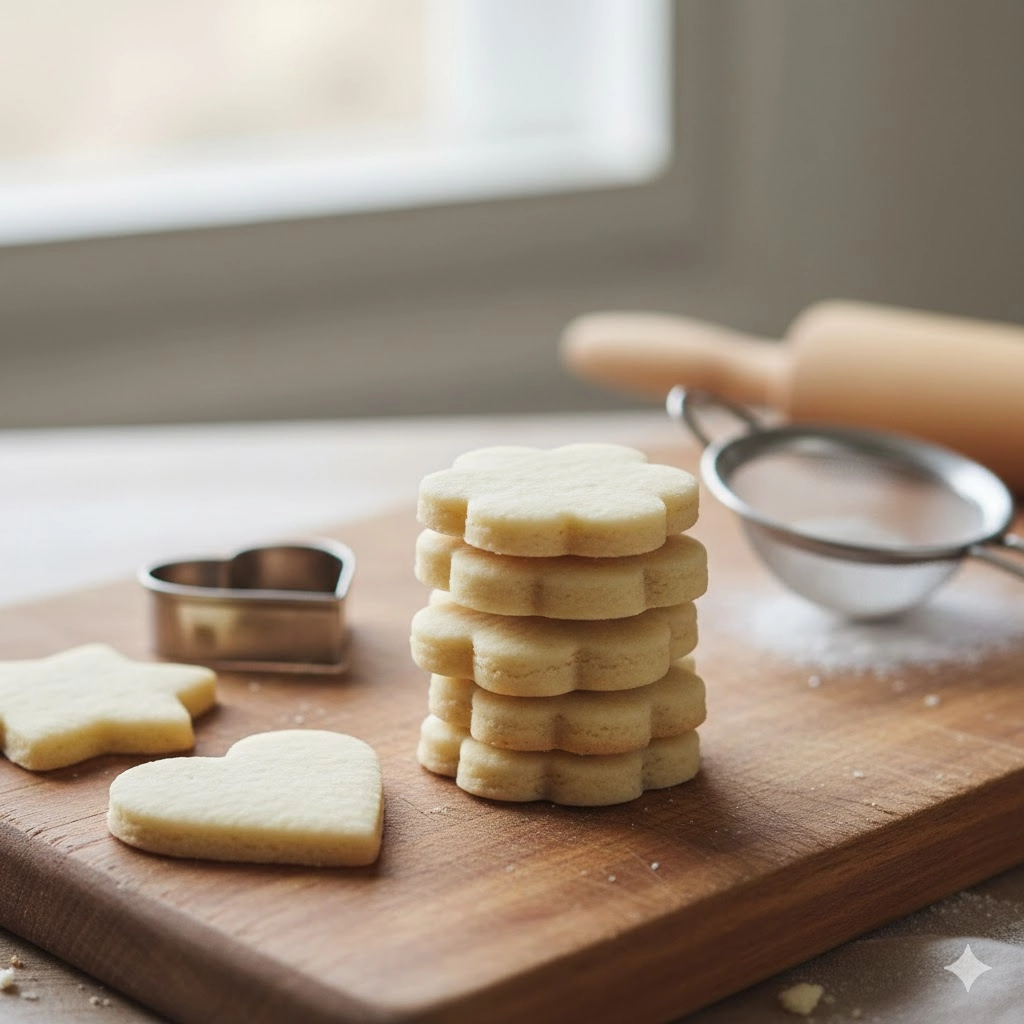
These delicate treats are best served alongside a beverage that can cut through the buttery richness. A tart hibiscus tea or a strong espresso provides a beautiful contrast. For a festive presentation, arrange them on a tiered cake stand interspersed with fresh berries. They also make excellent sandwich cookies; simply spread a thin layer of raspberry jam or lemon curd between two cookies of the same shape to create a sophisticated “Linzer” style dessert.
FAQs
Why did my cookies spread so much in the oven?
This usually happens if the butter was too soft (nearly melting) when mixed, or if the dough became too warm during the rolling process. To prevent this, ensure your butter is just softened and consider chilling the cut shapes for fifteen minutes prior to baking.
Can I use granulated sugar instead of confectioners’ sugar?
It is not recommended for this specific recipe. Confectioners’ sugar contains a small amount of cornstarch and has a much finer grain, which is what gives these cookies their unique, melt-in-the-mouth texture. Granulated sugar will result in a grainier, crunchier cookie that may spread more.
How should I store these to keep them crisp?
Store the cooled cookies in an airtight container at room temperature. They will stay fresh for up to five days. If you live in a high-humidity environment, adding a small piece of parchment paper between layers can help maintain the texture.
Can the dough be frozen for later use?
Yes, this dough freezes exceptionally well. Wrap the dough disks tightly in plastic wrap and then place them in a freezer bag. They can be frozen for up to three months. Thaw in the refrigerator overnight before rolling.
Nutrition Information
| Nutrient | Amount per Serving |
| Calories | 136 kcal |
| Protein | 2 g |
| Carbs | 15 g |
| Fat | 8 g |
| Fiber | 0 g |
| Sugar | 6 g |
| Sodium | 55 mg |
Nutrition Information Disclaimer
Nutrition information is an estimate and may vary based on preparation and ingredients used.
PrintPope’s Valentine Cookies

These Pope’s Valentine Cookies are a refined shortbread-style treat. With a high butter content and confectioners’ sugar, they offer a velvety, melt-in-your-mouth texture perfect for holiday cut-outs.
- Prep Time: 20 mins
- Cook Time: 15 mins
- Total Time: 35 mins
- Yield: 24 cookies 1x
- Category: Dessert
- Method: Baking
- Cuisine: American
- Diet: Vegetarian
Ingredients
1/2 pound butter, softened
2 1/2 cups all-purpose flour, sifted
1 cup confectioners’ sugar, sifted
1 tablespoon whole milk
1 teaspoon pure vanilla extract
Instructions
1. Preheat oven to 325 Fahrenheit and grease baking sheets.
2. Cream softened butter in a mixer until light and airy.
3. Add sifted flour, sugar, milk, and vanilla; mix until a velvety dough forms.
4. Roll half the dough to 1/4 inch thickness on a lightly floured surface.
5. Cut into desired shapes and place on prepared sheets.
6. Repeat with the remaining dough.
7. Bake for 12 minutes until set but still pale in color.
8. Cool on the sheet for 5 minutes before moving to a wire rack.
Notes
Sift both the flour and sugar to ensure a smooth texture.
Chill the cut shapes for 10 minutes before baking to prevent spreading.
Use high-quality pure vanilla extract for the best flavor profile.
Nutrition
- Serving Size: 1 cookie
- Calories: 136
- Sugar: 6g
- Sodium: 55mg
- Fat: 8g
- Saturated Fat: 5g
- Unsaturated Fat: 3g
- Trans Fat: 0g
- Carbohydrates: 15g
- Fiber: 0g
- Protein: 2g
- Cholesterol: 20mg