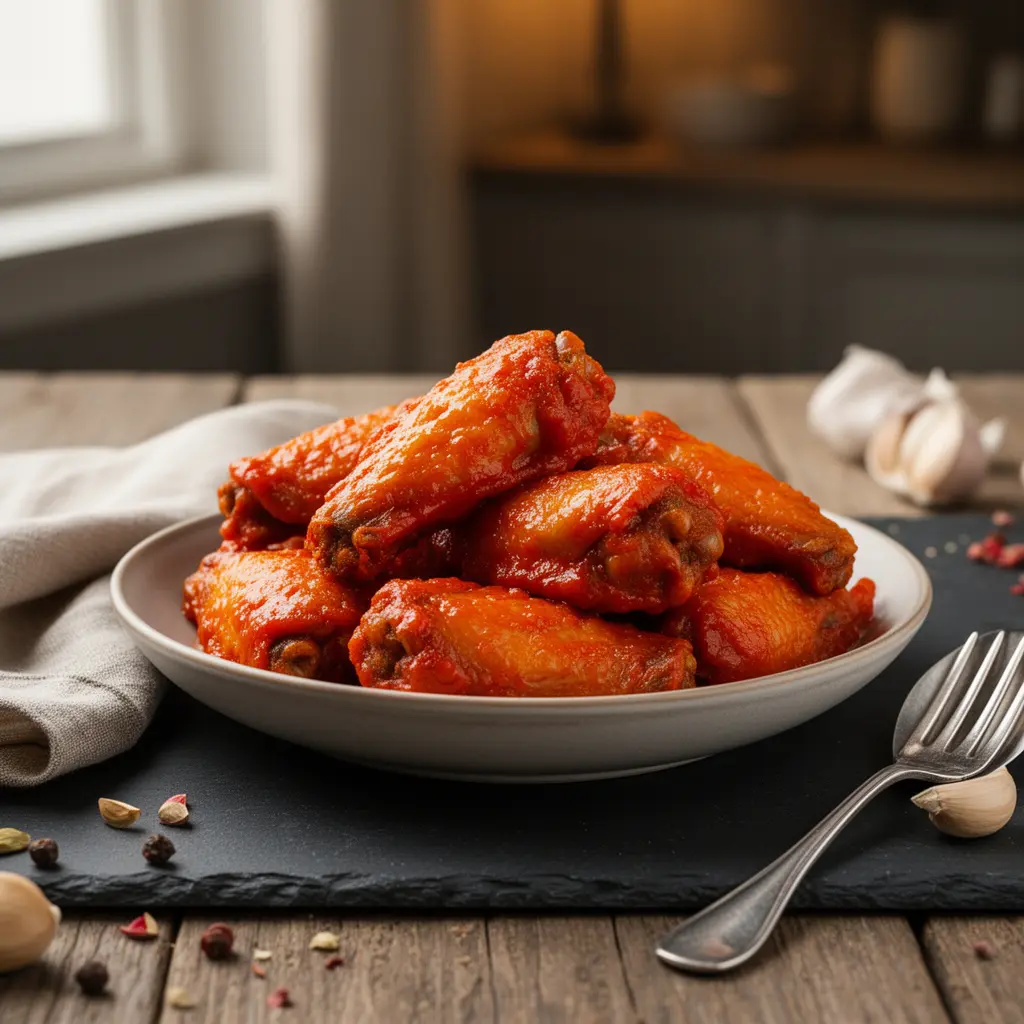

Pici is a pasta with deep Tuscan roots, but when it’s paired with the classic Roman sauce of cacio e pepe, the result is something truly transcendent. This dish is not about complexity; it is about reverence for simple, high-quality ingredients, demanding only three primary components: fresh pasta, Pecorino Romano cheese, and black pepper. The thick, hand-rolled strands of pasta—pici is essentially a plump, rustic spaghetti—catch the creamy, emulsified sauce perfectly. Learning to make Pici Cacio e Pepe is a study in texture and technique, yielding a profoundly satisfying meal that feels both ancient and utterly contemporary. It is the perfect centerpiece for a cozy evening meal or an impressive addition to a larger Italian spread.
Table of Contents
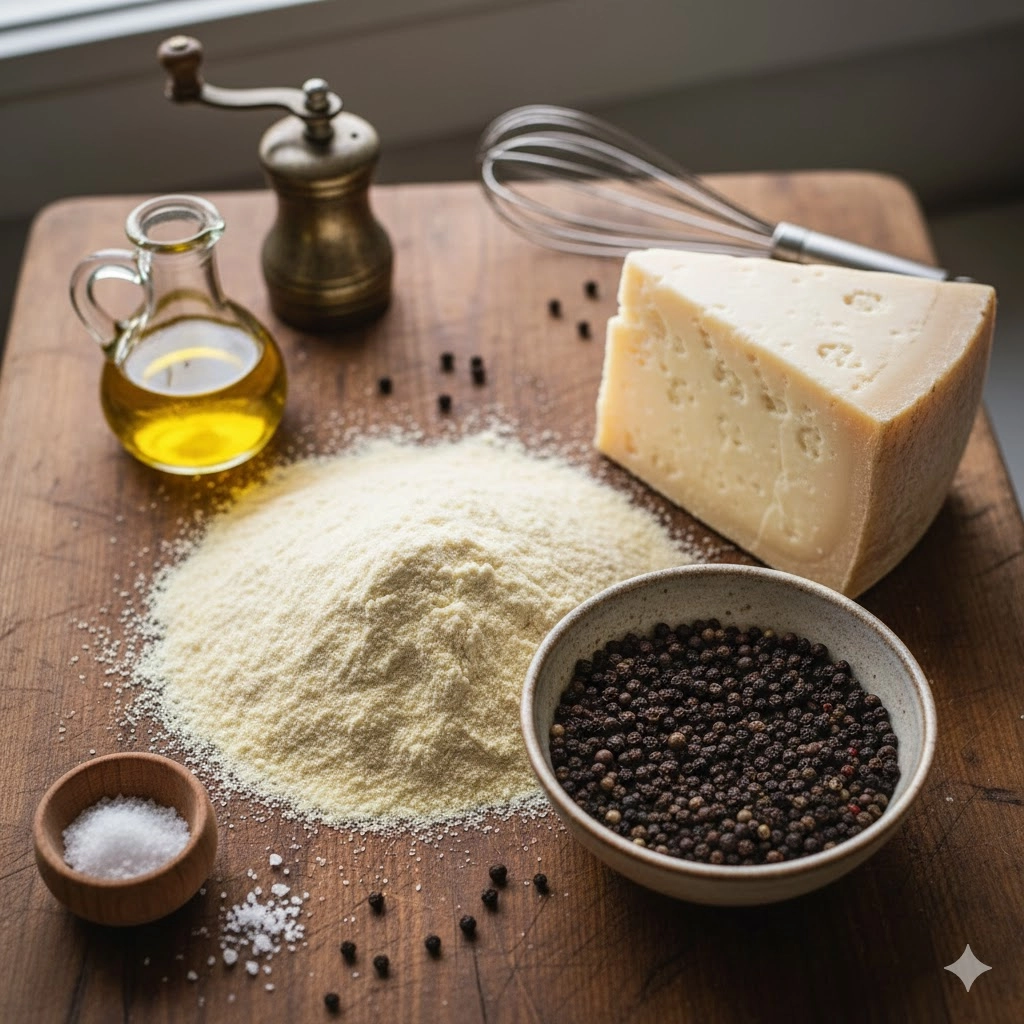
The Necessary Components for Success
Success in this recipe hinges on ingredient quality and precise measurement. The weights listed below provide the most consistent results for achieving the perfect emulsion.
For the Pici Pasta (Makes four servings)
- 2 cups (240 grams) Semolina flour (or all-purpose flour)
- 3/4 cup (180 milliliters) lukewarm water
- 1 tablespoon extra virgin olive oil
- 1/2 teaspoon fine sea salt
For the Cacio e Pepe Sauce
- 1 cup (100 grams) Pecorino Romano cheese, finely grated
- 2 teaspoons freshly cracked black pepper (plus more for garnish)
- 1/2 cup (120 milliliters) reserved pasta cooking water
A Simple Overview of the Method
This technique is a delicate dance between heat, starch, and fat. Moving quickly and intentionally is key.
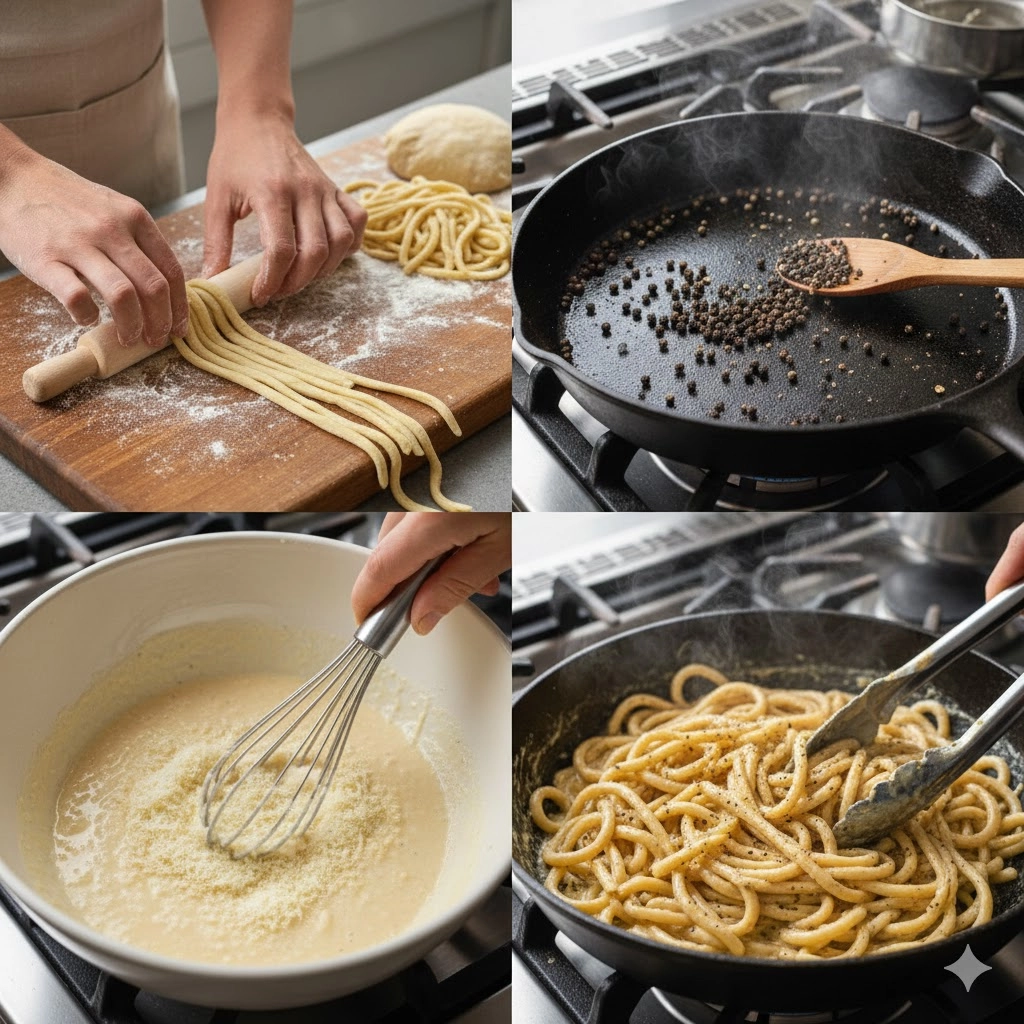
- Form the Dough: Mix the flour, water, oil, and salt to form a shaggy dough, then knead until smooth and elastic. Allow it to rest.
- Roll the Pici: Cut the dough into small pieces and hand-roll them into long, thick strands (the pici).
- Toast the Pepper: Gently toast the black pepper in a large pan over low heat until fragrant.
- Cook the Pici: Cook the fresh pici in well-salted, boiling water until tender. Reserve the starchy cooking water.
- Create the Emulsion: Whisk the grated Pecorino Romano with the reserved pasta water to form a smooth, thick cream.
- Combine and Finish: Add the pepper, pici, and the cheese emulsion to the pan, tossing vigorously to coat and create the final glossy sauce. Serve immediately.
Detailed Instructions: Achieving the Perfect Creamy Sauce
This recipe is more about feel than rigid timing. Trust your senses as you work through the steps.
Crafting the Rustic Pici Strands
Start by ensuring your flour is piled in a bowl or directly on a clean countertop. Make a well in the center and pour in the lukewarm water, olive oil, and salt. Use a fork to gradually incorporate the flour from the sides into the liquid. Once a shaggy dough forms, turn it out and begin kneading. The dough should feel smooth and relatively firm—it should not be sticky. Knead for about ten minutes until it passes the “windowpane test” (you can stretch a small piece thin enough to see light through it without tearing). Cover the dough with plastic wrap and let it relax at room temperature for at least thirty minutes. This rest is essential for the gluten to relax, making the pasta pliable for rolling.
After resting, roll the dough into ropes and cut small, gnocchi-sized pieces. The traditional way to make pici is to roll each piece by hand on a lightly floured surface, creating a long, thick strand about three millimeters in diameter. Don’t worry about perfect uniformity; the slight variations are what give pici its charm. As you roll them, dust them with a bit of semolina to prevent sticking, and set them aside on a baking sheet.
The Aromatic Foundation: Toasting the Pepper
This is a step many skip, but it is non-negotiable for true cacio e pepe. Use a heavy-bottomed, large skillet—one that is large enough to hold all the pasta—and place it over the lowest possible heat. Add the freshly cracked black pepper. Gently stir the pepper for one to two minutes until it becomes intensely fragrant. You are not trying to burn it; you are simply coaxing out the complex, volatile oils within the peppercorns. This simple step transforms the pepper from a sharp spice into a deep, earthy aromatic foundation. Once fragrant, remove the pan from the heat and set aside momentarily.
The Pasta and the Starch
Bring a large pot of water to a rolling boil and season it generously with salt—it should taste “like the sea.” Add the pici and stir immediately to prevent them from sticking together. Fresh pici will cook quickly, usually in four to seven minutes, depending on the thickness. They are done when they are tender but still have a satisfying bite (al dente). Crucially, before draining, use a measuring cup to scoop out at least one cup of the starchy cooking water and set it aside. This reserved water is the entire backbone of the sauce emulsion, rich with starches that bind the cheese and water together.
The Emulsification: Cheese and Water
This step requires speed and focus. Transfer about three-quarters of the reserved pasta water into a separate bowl and let it cool slightly—if it is too hot, it will cause the cheese to clump or split. Slowly, in two or three additions, whisk the finely grated Pecorino Romano cheese into the warm water. Whisk vigorously and continuously. The goal is a thick, glossy, perfectly smooth cream. If the sauce is too thick, add a tablespoon or two of the remaining reserved hot pasta water. If it is too thin, quickly whisk in a little more Pecorino. It must have the consistency of a thick, pourable pastry cream.
The Final Marriage of Flavors
Return the skillet with the toasted pepper to the stove over very low heat—or, ideally, remove it from the heat entirely. Add the drained pici directly to the pan. Immediately pour the cheese-and-water emulsion over the pasta. Toss, toss, and toss again. Use tongs or a wooden spoon to work the pasta quickly, ensuring the starchy sauce coats every single strand. The heat from the pasta and the residual heat of the pan will melt the cheese fully and thicken the sauce. The final result should be a creamy, shiny layer clinging to the pasta, not a watery puddle at the bottom of the pan. Serve instantly with an extra grinding of black pepper.
Expert Techniques for Silky Results
Achieving the legendary creaminess of this Roman classic requires attention to detail. These pro tips will move your dish from good to exceptional.
- Mind the Temperature: The number one cause of a grainy, split sauce is using water that is too hot when mixing with the cheese. If the water is scalding, the cheese proteins seize up. Aim for water that is warm to the touch—around one hundred forty Fahrenheit is ideal.
- The Power of the Grate: Use only finely, freshly grated Pecorino Romano. Pre-grated cheese contains anti-caking agents that inhibit the proper emulsification, leading to a lumpy sauce. Use the small holes of a box grater or a microplane.
- Don’t Skimp on Pepper Quality: Because pepper is such a dominant flavor in Pici Cacio e Pepe, using high-quality whole peppercorns that you crack immediately before toasting will make a noticeable difference in the final taste profile.
- Use the Right Pan: A large, non-stick, or stainless-steel skillet is best for the final toss. Its wide surface area allows the pasta to cool slightly, which helps prevent the cheese sauce from breaking when mixed.
- A Touch of Butter (Controversial but Helpful): While absolutely not traditional, adding half a tablespoon of unsalted butter to the cheese and water mixture can act as a delicious safeguard against a split sauce, adding a bit of extra fat for stability and richness.
- Salt Management: Remember that Pecorino Romano is a very salty cheese. Season the pasta cooking water well, but be very cautious about adding any extra salt to the sauce itself until the very end, after you have tasted the finished dish.
Thoughtful Variations and Substitutions
While the purist will insist on the three core ingredients, minor adjustments can be made without compromising the spirit of the dish.
- Pecorino and Parmesan Blend: If the sharp tang of pure Pecorino is too intense for your palate, try a blend of seventy-five percent Pecorino Romano and twenty-five percent high-quality Parmigiano Reggiano. This will mellow the saltiness and add a nuttier complexity.
- Alternative Pasta Shape: If pici is too time-consuming, the technique works beautifully with other shapes that have a good surface area to catch the sauce, such as tonnarelli (a square-cut spaghetti) or even good-quality bronze-die spaghetti.
- A Hint of Lemon: For a brighter finish, grate the zest of one-quarter of a lemon over the finished dish. The acidity helps cut the richness of the cheese and pepper.
- Garlic Infusion: For a subtle depth, infuse a few crushed cloves of garlic in the olive oil used to lubricate the pici dough, removing the cloves before incorporating the oil into the flour.
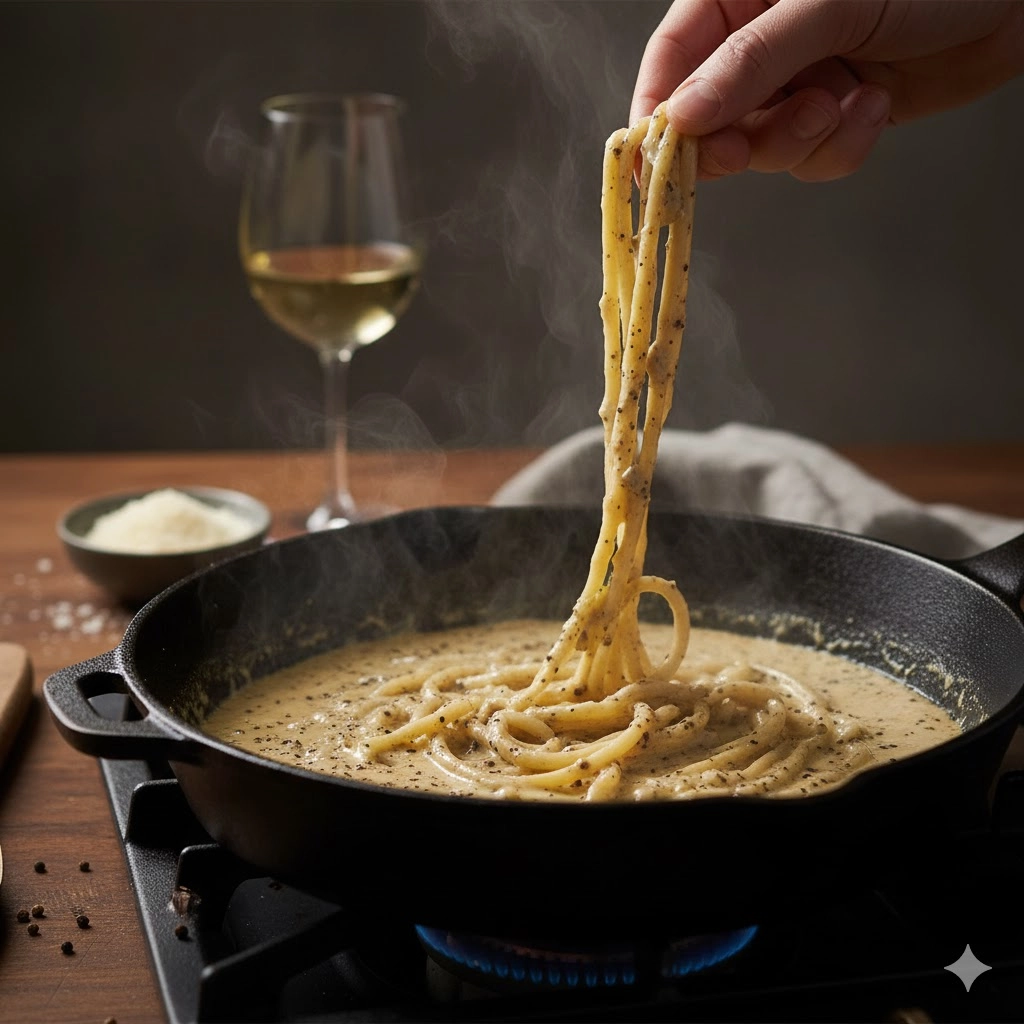
Presenting Your Roman Masterpiece
The beauty of a dish like this is its simplicity, which should extend to its presentation.
- Immediate Service: Cacio e pepe is not a dish that waits well. Serve it immediately after the final toss in warm, shallow bowls. As the dish cools, the starches in the sauce will tighten, losing their desirable creamy consistency.
- The Pepper Garnish: A final flourish of freshly cracked black pepper over each serving enhances both the aroma and visual appeal. You can also toast a few extra whole peppercorns and crush them coarsely for a dramatic finish.
- Green Contrast: A small side of lightly dressed Arugula (rocket) salad provides a fresh, peppery, and slightly bitter counterpoint that cleanses the palate between bites of rich pasta.
- A Glass of Wine: Pair this dish with a crisp, dry white wine from the Roman region, such as a Frascati, or a light-bodied red like a Chianti Classico.
Clarifying Common Questions
If this is your first time attempting this classic dish, a few concerns might arise.
Why is my Cacio e Pepe sauce lumpy or grainy?
The sauce is lumpy most often because the cheese was added to water that was too hot, or the cheese was not grated finely enough. If it is lumpy, you can try adding a splash of lukewarm water and whisking very rapidly off the heat, or carefully straining the sauce through a fine-mesh sieve before adding it to the pasta.
Can I make the Pici dough ahead of time?
Yes, the dough can be made up to twenty-four hours in advance. After kneading, wrap it tightly in plastic wrap and store it in the refrigerator. When you are ready to roll it into pici, allow it to come to room temperature for about thirty minutes first, as cold dough can be difficult to work with.
Is it possible to use store-bought dried pasta instead of pici?
While the recipe is optimized for the starches released by fresh pasta, you can use high-quality dried spaghetti or bucatini. If you use dried pasta, you may need to reserve slightly more cooking water (up to one and a half cups) because the dried product releases less starch into the water than fresh dough.
Why does the recipe specify fresh black pepper?
Pre-ground black pepper loses its volatile oils and much of its aromatic pungency rapidly after grinding. Toasting fresh-cracked pepper is essential because the heat brings out a deep, earthy, almost floral note that is completely absent in pre-ground powder, which can taste flat or metallic by comparison.
What is the difference between Semolina and all-purpose flour for Pici?
Semolina is a coarse flour milled from durum wheat and is traditionally used for pici. It yields a firmer, chewier, and more toothsome pasta that holds up beautifully to the heavy sauce. All-purpose flour will still work, but the final texture will be softer and slightly less rustic.
Estimation of Nutritional Content
This table provides an estimate for one serving, assuming four equal servings.
| Nutrient | Amount per Serving |
| Calories | 480 kcal |
| Protein | 25 g |
| Carbs | 58 g |
| Fat | 18 g |
| Fiber | 3 g |
| Sugar | 1 g |
| Sodium | 850 mg |
Important Note on Nutrition
Nutrition information is an estimate and may vary based on preparation and ingredients used.
PrintThe Art of the Roman Countryside: Authentic Pici Cacio e Pepe
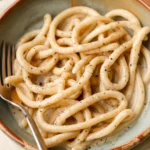
Learning to make Pici Cacio e Pepe is a study in texture and technique, yielding a profoundly satisfying meal that feels both ancient and utterly contemporary. The thick, hand-rolled strands of pasta catch the creamy, emulsified sauce perfectly.
- Prep Time: 45 mins
- Cook Time: 15 mins
- Total Time: 60 mins
- Yield: 4 servings 1x
- Category: Main Course
- Method: Stovetop
- Cuisine: Italian
Ingredients
2 cups (240 grams) Semolina flour
3/4 cup (180 milliliters) lukewarm water
1 tablespoon extra virgin olive oil
1/2 teaspoon fine sea salt
1 cup (100 grams) Pecorino Romano cheese, finely grated
2 teaspoons freshly cracked black pepper
1/2 cup (120 milliliters) reserved pasta cooking water
Instructions
1. Form the dough: Mix flour, water, oil, and salt to form a shaggy dough, then knead until smooth and elastic. Allow it to rest for at least thirty minutes.
2. Roll the Pici: Cut the dough into small pieces and hand-roll them into long, thick strands (pici), about three millimeters in diameter.
3. Toast the Pepper: Gently toast the black pepper in a large skillet over low heat until intensely fragrant, about one to two minutes.
4. Cook the Pici: Cook the fresh pici in well-salted, boiling water for four to seven minutes until tender. Reserve 1/2 cup of the starchy cooking water.
5. Create the Emulsion: Whisk the grated Pecorino Romano with the warm reserved pasta water until a thick, glossy cream is formed.
6. Combine and Finish: Add the drained pici and the cheese emulsion to the skillet with the toasted pepper. Toss vigorously off the heat to coat every strand. Serve immediately.
Notes
The number one cause of a grainy sauce is using water that is too hot. Aim for water that is around one hundred forty Fahrenheit.
Use only finely, freshly grated Pecorino Romano—pre-grated cheese contains anti-caking agents.
Cacio e pepe is not a dish that waits well. Serve it immediately after the final toss in warm, shallow bowls.
Nutrition
- Serving Size: 1 bowl
- Calories: 480
- Sugar: 1g
- Sodium: 850mg
- Fat: 18g
- Saturated Fat: 10g
- Unsaturated Fat: 6g
- Trans Fat: 0g
- Carbohydrates: 58g
- Fiber: 3g
- Protein: 25g
- Cholesterol: 30mg