Finding that elusive balance between a budget-friendly cut of beef and a high-end dining experience is the holy grail of home cooking. While many enthusiasts gravitate toward pricey ribeyes or tenderloins, those in the know look toward the shoulder for a hidden gem. This recipe for a Perfect Flat Iron Steak delivers a melt-in-your-mouth texture paired with a sophisticated herb and red wine marinade that elevates the beef to legendary status. By focusing on a precise marinating window and a high-heat sear, you can transform a humble cut into the centerpiece of a gourmet dinner.
Table of Contents
The Essential Ingredients for Success
To achieve the depth of flavor required for a truly “perfect” steak, you must assemble a specific palette of aromatics, acids, and fats. Each component in this list serves a functional purpose, from tenderizing the muscle fibers to creating a beautiful crust during the searing process.
- 1 (2 pound) flat iron steak
- 2 1/2 tablespoons olive oil
- 2 cloves garlic, minced
- 1 teaspoon chopped fresh parsley
- 1/4 teaspoon chopped fresh rosemary
- 1/2 teaspoon chopped fresh chives
- 1/4 cup Cabernet Sauvignon (or another dry red wine of your choice)
- 1/2 teaspoon salt
- 3/4 teaspoon ground black pepper
- 1/4 teaspoon dry mustard powder
Primary Cooking Instructions
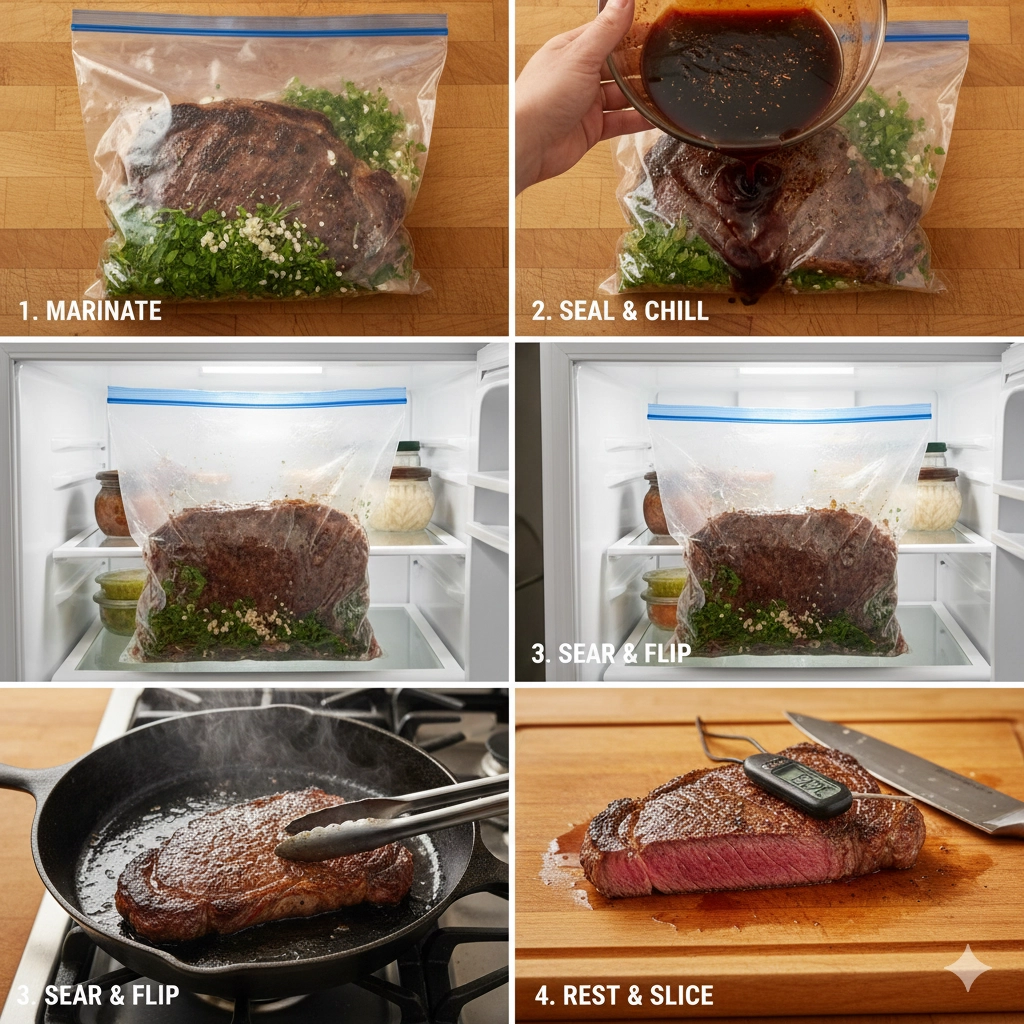
- Begin by preparing your meat for its flavor bath. Place the 2-pound steak inside a large, durable resealable plastic bag.
- In a small mixing bowl, whisk together the olive oil, minced garlic, chopped parsley, rosemary, chives, Cabernet Sauvignon, salt, black pepper, and dry mustard powder until the oil and wine are well emulsified and the spices are evenly distributed.
- Carefully pour the liquid marinade into the bag with the steak. Before sealing, press out as much air as possible to ensure the marinade is in direct, constant contact with the entire surface of the meat.
- Transfer the bag to the refrigerator and allow the beef to marinate for a duration of 2 to 3 hours.
- When ready to cook, set a nonstick skillet over medium-high heat on your stovetop.
- Once the pan is hot, remove the steak from the bag and place it directly into the skillet. Discard any leftover marinade.
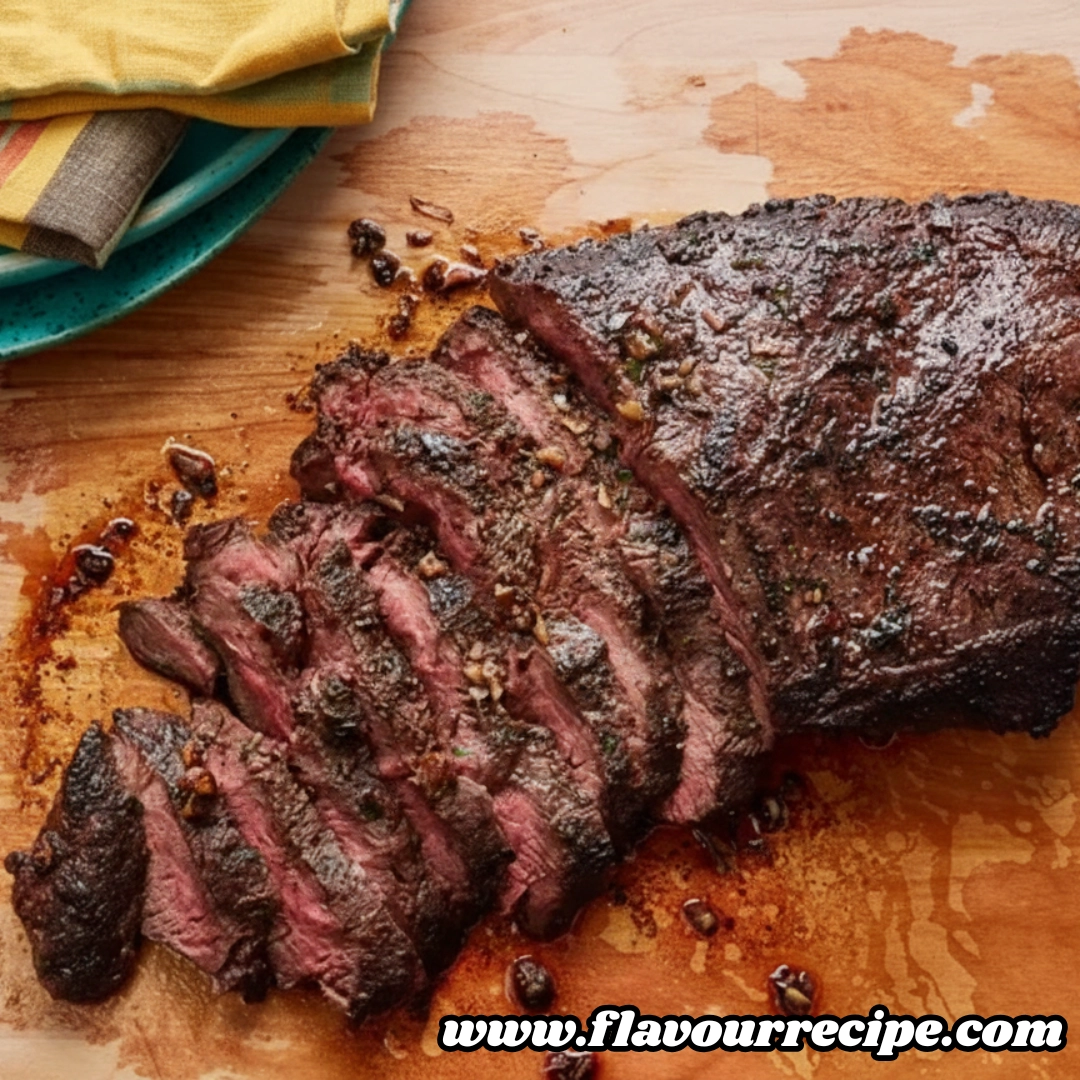
- Sear the steak for 3 to 4 minutes per side if you prefer a medium-rare finish. For those seeking exactness, an instant-read thermometer should be inserted into the thickest part of the meat to reach 130 Fahrenheit for medium-rare. Adjust the time for your specific preference of doneness.
- Remove the steak from the heat and transfer it to a cutting board. Allow it to rest for approximately 5 minutes before slicing and serving.
Deep-Dive Step-by-Step Details
The journey to a world-class steak begins long before the meat hits the pan. The flat iron cut, which comes from the top blade of the cow’s shoulder, is unique because it possesses significant marbling but is remarkably lean in terms of external fat. This makes the marinating phase critical. By combining the olive oil with the Cabernet Sauvignon, you are creating a chemical reaction where the acidity of the wine begins to break down the tighter proteins while the oil carries the fat-soluble flavors of the garlic and rosemary deep into the tissue.
When you are ready to sear, the skillet temperature is your most important variable. You want the pan to be whispering with a hint of smoke before the meat touches the surface. This high heat triggers the Maillard reaction, a chemical process between amino acids and reducing sugars that gives browned food its distinctive, savory flavor. Because this steak is marinated in wine and oil, you will notice a rich, dark mahogany crust forming quickly. Resist the urge to move the steak around; let it sit undisturbed for the full 3 to 4 minutes to ensure that crust develops fully.
The resting period is perhaps the most overlooked step in home kitchens. While the steak sears, the muscle fibers contract and push moisture toward the center. If you slice the meat immediately, those juices will spill out onto the board, leaving you with a dry piece of beef. By waiting 5 minutes, you allow the fibers to relax and reabsorb that moisture, ensuring every bite is as juicy as the last.
Accompaniments and Serving Suggestions
A steak this robust deserves side dishes that can hold their own without overshadowing the nuances of the garlic and chive marinade. To lean into the steakhouse vibe, consider a classic wedge salad. The cool, crisp iceberg lettuce and the funky tang of blue cheese dressing provide a sharp contrast to the warm, savory beef.
If you prefer something heartier, grilled sweet potato wedges or skillet-braised Brussels sprouts offer an earthy sweetness that complements the dry mustard powder and rosemary notes in the meat. For a truly indulgent experience, serve the sliced flat iron over a bed of garlic mashed potatoes, allowing the resting juices to act as a natural sauce.
Regarding beverage pairings, the Cabernet Sauvignon used in the marinade is the natural choice for the glass. The tannins in a bold red wine help cleanse the palate of the steak’s richness, making each subsequent bite taste as fresh as the first. If wine isn’t on the menu, a sparkling water with a splash of cranberry or a dark, malty ale can provide a similar balance.
Unique Culinary Insights
One of the most important things to understand about the flat iron steak is the grain of the meat. Unlike a filet mignon, which has very fine fibers, the flat iron has a distinct grain that runs horizontally. To maximize tenderness, you must always slice the meat against the grain. This shortens the muscle fibers, making them much easier to chew and giving the meat that “melt-in-your-mouth” quality.
Another professional secret involves the temperature of the meat before it hits the pan. While the recipe calls for refrigerating the meat during the marination process, many chefs suggest taking the steak out of the fridge about 20 minutes before cooking. This allows the internal temperature to rise slightly, ensuring a more even cook from the edge to the center and preventing the “gray ring” of overcooked meat that can happen when a cold steak meets a hot pan.
Finally, consider the pan itself. While a nonstick skillet is excellent for easy cleanup, a well-seasoned cast-iron skillet is often preferred by enthusiasts for its superior heat retention. If you use cast iron, you may find that the sear is even more pronounced, creating a crust that rivals the best professional kitchens in the country.
Modifications and Substitutions
Cooking is an art, and while the core recipe is a masterpiece, there is always room for personal adjustment based on what you have in your pantry. If you do not have a bottle of Cabernet Sauvignon on hand, any dry red wine—such as a Merlot or Malbec—will function perfectly. For those who prefer to cook without alcohol, a mixture of two tablespoons of balsamic vinegar and two tablespoons of beef broth can provide a similar acidic profile.
The fresh herbs are highly recommended for their vibrant aroma, but dried herbs can be used in a pinch. If substituting, use about one-third of the amount called for in fresh measurements, as dried herbs are much more concentrated. For example, use a scant pinch of dried rosemary instead of the quarter-teaspoon of fresh.
If you find yourself without chives, the green tops of scallions (green onions) offer a very similar mild onion flavor. Additionally, if you want a bit more “kick,” you can increase the black pepper or add a small pinch of red pepper flakes to the marinade to provide a back-end heat that cuts through the richness of the olive oil.
In-Depth Culinary Questions
What exactly is a flat iron steak and where does it come from?
The flat iron steak is harvested from the oyster blade of the beef shoulder, also known as the chuck. Historically, this area was underutilized because a heavy piece of connective tissue ran through the middle of the muscle. Modern butchery techniques now allow for the removal of this tissue, resulting in two separate, flat, and highly marbled steaks. It is widely considered the second most tender cut of beef, trailing only the tenderloin.
How do I know when the steak is perfectly cooked if I don’t have a thermometer?
While a thermometer is the only way to be 100 percent certain, you can use the “finger test” for a rough estimate. Press the fleshy part of your palm just below your thumb; it should feel soft and springy, similar to the texture of a medium-rare steak. As the meat cooks, it becomes firmer. A medium steak will feel more like the bridge of your nose, while a well-done steak will feel as firm as your forehead.
Can I marinate the steak for longer than three hours?
Yes, you can certainly extend the marinating time. While two to three hours is enough to infuse the surface, marinating for six to eight hours, or even overnight, will allow the garlic and wine to penetrate deeper into the fibers. However, be cautious about going beyond 24 hours, as the acidity in the wine can eventually begin to “cook” the outside of the meat, potentially resulting in a mushy texture.
Why is my steak tough even though I followed the timing?
The most common culprit for toughness in a flat iron steak is slicing it with the grain rather than against it. If you see long, stringy lines in your sliced meat, you are eating with the grain. Turn the steak 90 degrees and slice again; you should see small “dots” or a cross-section of the fibers, which will be significantly more tender.
Nutritional Profile
Note: The values below are estimates based on the full use of marinade ingredients. Actual intake may vary depending on how much marinade is discarded.
| Nutrient | Amount Per Serving |
| Calories | 345 |
| Total Fat | 23g |
| Saturated Fat | 8g |
| Cholesterol | 95mg |
| Sodium | 280mg |
| Total Carbohydrates | 1g |
| Dietary Fiber | 0g |
| Sugars | 0g |
| Protein | 31g |
Nutritional Disclaimer
This information is provided as a courtesy and is an estimate only. Nutritional content varies based on specific brands of ingredients used and the exact amount of marinade absorbed by the meat during the process.
The Final Word on Flavor
The beauty of the flat iron steak lies in its versatility and its ability to punch far above its weight class in terms of flavor and texture. By following this meticulous marinating and searing process, you aren’t just making dinner; you are mastering a culinary technique that ensures restaurant-quality results every single time. Whether you are hosting a formal dinner party or simply looking to treat yourself to a mid-week luxury, this recipe provides a foolproof path to steak perfection.
PrintSavoring the Perfect Flat Iron Steak: The Ultimate Home Steakhouse Experience
This gourmet flat iron steak is marinated in a sophisticated blend of Cabernet Sauvignon, fresh herbs, and garlic for a tender, restaurant-quality experience at home.
- Prep Time: 5 mins
- Cook Time: 10 mins
- Total Time: 2 hours 15 mins
- Yield: 6 servings 1x
- Category: Main Course
- Method: Stovetop
- Cuisine: American
Ingredients
1 (2 pound) flat iron steak
2 1/2 tablespoons olive oil
2 cloves garlic, minced
1 teaspoon chopped fresh parsley
1/4 teaspoon chopped fresh rosemary
1/2 teaspoon chopped fresh chives
1/4 cup Cabernet Sauvignon
1/2 teaspoon salt
3/4 teaspoon ground black pepper
1/4 teaspoon dry mustard powder
Instructions
1. Place steak inside a large resealable bag.
2. In a small bowl, whisk together olive oil, garlic, parsley, rosemary, chives, red wine, salt, pepper, and mustard powder.
3. Pour the marinade over the steak in the bag. Press out air and seal.
4. Marinate in the refrigerator for 2 to 3 hours.
5. Heat a nonstick skillet over medium-high heat.
6. Place steak in the hot skillet (discard marinade) and sear for 3 to 4 minutes per side for medium-rare.
7. Allow the steak to rest for 5 minutes on a cutting board before slicing against the grain.
Notes
Always slice against the grain for maximum tenderness.
Use a high-quality dry red wine like Cabernet or Merlot.
Ensure the skillet is very hot before adding the meat to get a perfect crust.
Nutrition
- Serving Size: 1 serving
- Calories: 345
- Sugar: 0g
- Sodium: 280mg
- Fat: 23g
- Saturated Fat: 8g
- Unsaturated Fat: 14g
- Trans Fat: 0g
- Carbohydrates: 1g
- Fiber: 0g
- Protein: 31g
- Cholesterol: 95mg