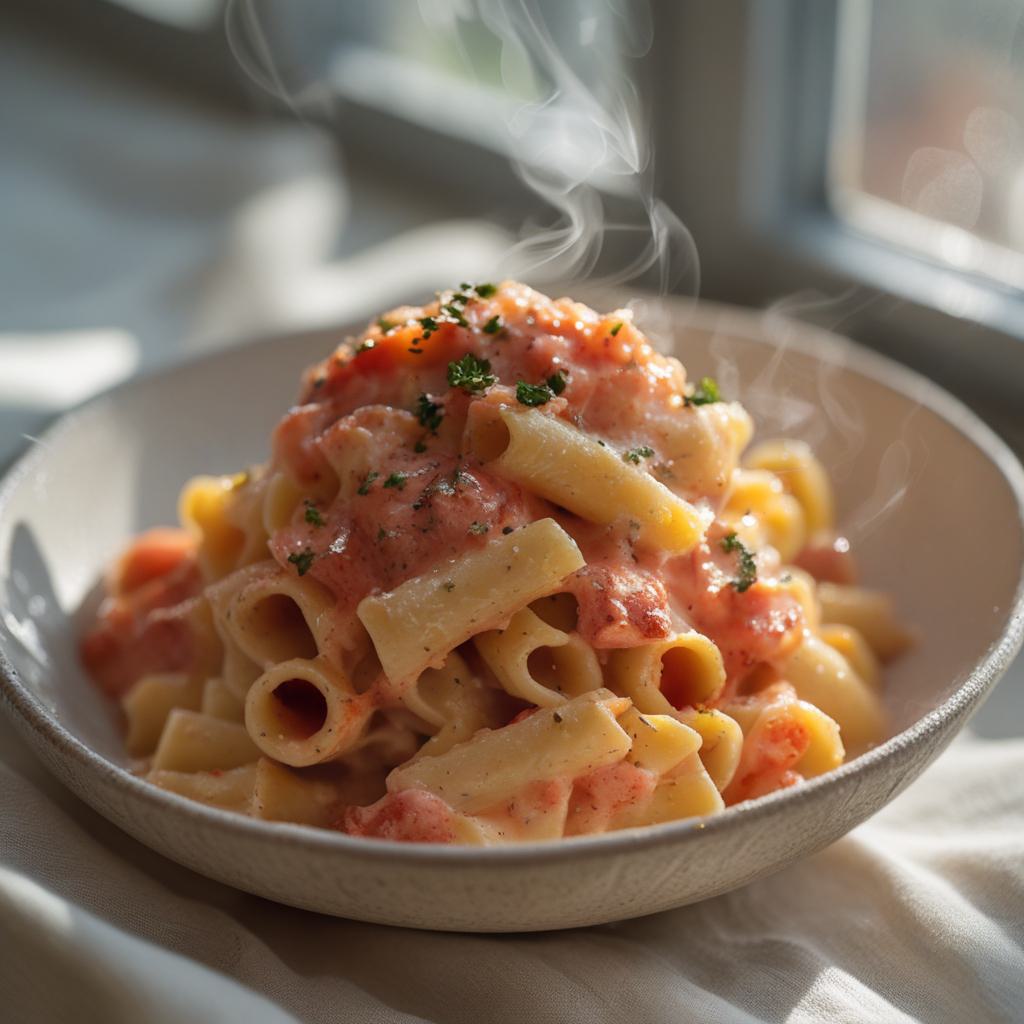
The first wisps of steam rise from the skillet carrying an intoxicating perfume – ripe tomatoes surrendering their brightness to heat, sweet onions caramelizing into golden whispers, garlic releasing its pungent soul into olive oil. Then comes the transformative moment: cream swirling into crimson sauce, creating a hue that Italian grandmothers call “rosso vestito di seta” – red dressed in silk. This is Pasta with Tomato Cream Sauce at its most elemental, a dish that balances acidity with richness, simplicity with sophistication. The sauce clings to pasta ribbons with gravitational pull, each forkful delivering a textural sonata – the al dente bite of semolina meeting velvet emulsion.
What separates the mundane from the magnificent lies in the details: San Marzano tomatoes with their low-seed flesh, cream with precisely 36% butterfat, pasta water charged with starch to tighten the sauce. When executed with precision, the dish achieves culinary synesthesia – you taste the sunset red of tomatoes, hear the creamy silence between Parmesan shavings, feel the round warmth of a Tuscan kitchen. This recipe elevates pantry staples into a sauce worthy of hand-cut pappardelle, though even supermarket spaghetti becomes transcendent when wearing this crimson silk gown.
Table of Contents
Ingredient Deep Dive
| Ingredient | Quantity | Purpose |
|---|---|---|
| San Marzano tomatoes (canned) | 28 oz | Low acidity, dense flesh creates authentic texture |
| Heavy cream (36% fat) | 1 cup | Emulsifies with tomato acids for silkiness |
| Parmigiano-Reggiano | 1/2 cup grated | Umami depth via glutamates |
| Yellow onion | 1 medium | Malliard reaction base layer |
| Garlic | 3 cloves | Sulfur compounds balance richness |
| Extra virgin olive oil | 3 tbsp | Fruitiness counters tomato metallic notes |
| Pasta salt | 2 tbsp | Alters starch gelatinization in pasta |
The foundation begins with D.O.P. San Marzano tomatoes grown in volcanic soil near Mount Vesuvius. Their elongated shape and low seed content (less than 14% by EU regulation) mean more flesh dissolves into sauce rather than watery pulp. When combined with cream’s phospholipids and milk fats, lycopene pigments bind to create that signature coral hue while casein proteins prevent curdling.
Parmigiano-Reggiano’s role extends beyond flavor. Aged 24 months, it contains free glutamate crystals that stimulate umami receptors five times stronger than monosodium glutamate. The olive oil’s polyphenols act as antioxidants, mitigating the cream’s tendency to oxidize at high heat, while garlic’s alliinase enzyme – activated only when crushed – provides necessary sulfur compounds to cut through dairy richness.
Substitutions & Swaps
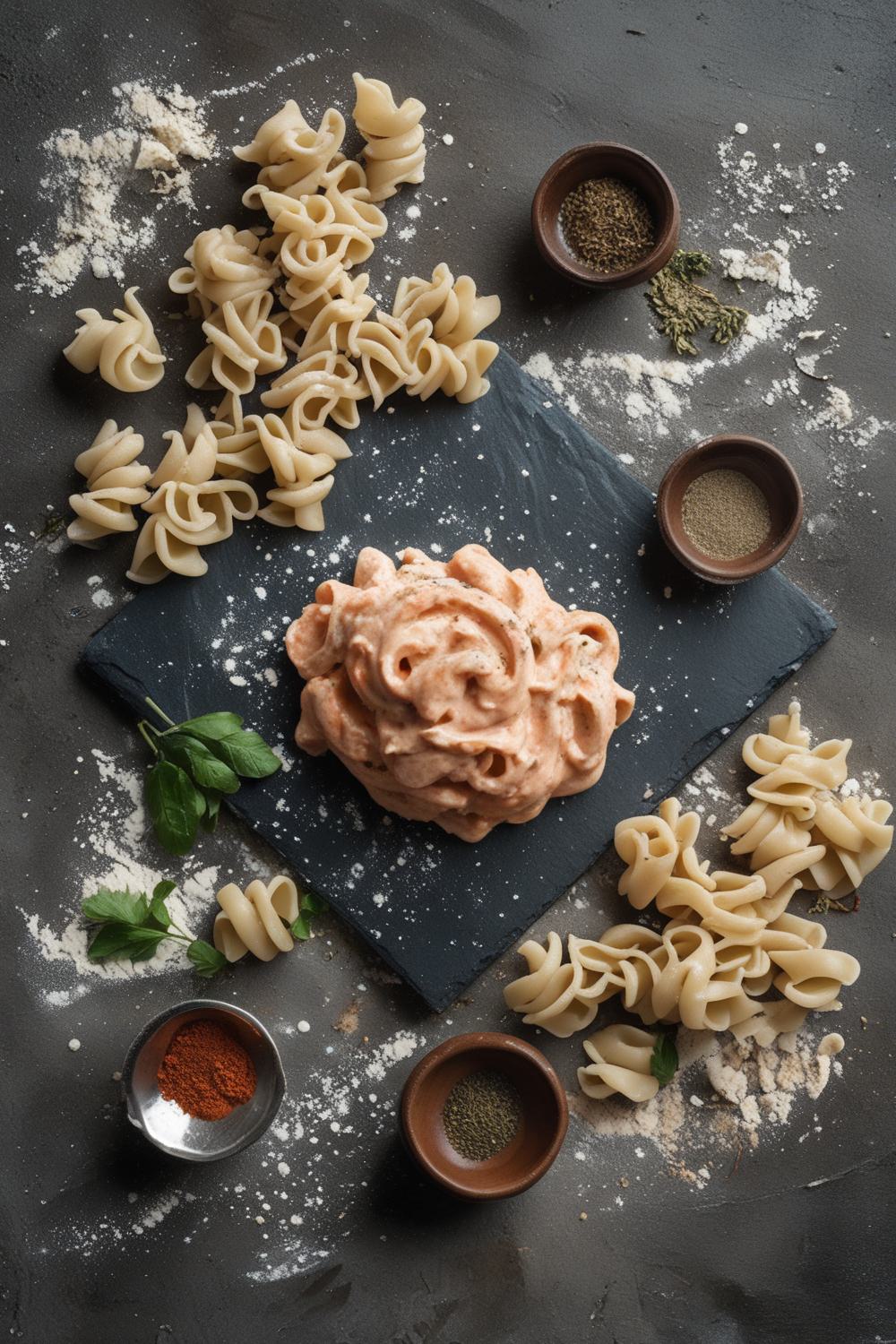
For dairy-free versions, cashew cream outperforms coconut milk by mimicking cream’s viscosity without tropical notes. Soak 1 cup raw cashews overnight, blend with 1/2 cup water until velvety, and add 1 tbsp nutritional yeast for cheesy complexity. Gluten-free pasta requires 25% more salted boiling water to prevent stickiness – the extra starch helps bind the sauce without wheat proteins.
In tomato emergencies, roast 2 lbs Roma tomatoes with 2 tbsp balsamic vinegar at 425°F for 35 minutes to concentrate sugars. For herb flexibility, basil stems infused in oil during cooking provide more anise-like depth than chiffonaded leaves, while thyme withstands prolonged simmering better than delicate parsley. If Parmigiano is unavailable, Pecorino Romano offers sharper saltiness but requires cream quantity adjustment to balance intensity.
Equipment Guide
Seek a 12-inch tri-ply copper-core skillet – copper’s 400:1 thermal conductivity rating ensures even heat distribution to prevent tomato scorching. Contrast with thin stainless steel where acidic sauces develop metallic undertones. A Microplane grater creates Parmesan snowflakes that melt instantly versus box grater’s coarse shreds that clump.
Pasta choice dictates tool: bronze-die extruded spaghetti needs a 5-quart pot with rolling boil space, while fresh pappardelle requires a 12-inch sauté pan for finishing. Most critical is a liquid measuring cup for cream – the viscosity difference between 1 cup (236ml) and 1 UK cup (284ml) can break the emulsion. Avoid silicone tools; wood preserves sauce PH better during stirring.
Step-by-Step Walkthrough
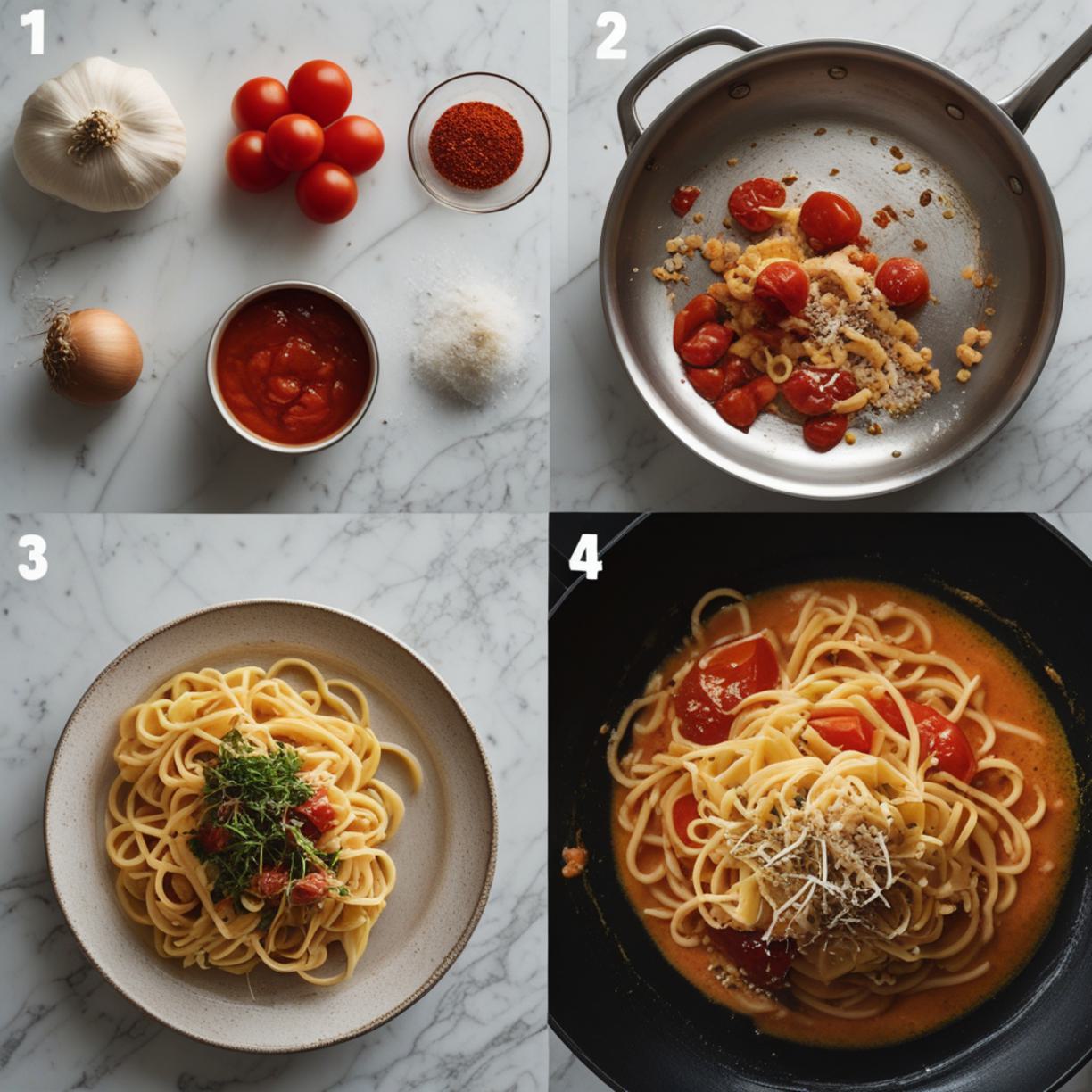
- Blanch whole tomatoes 30 seconds in boiling pasta water, shock in ice bath, peel skins
- Heat olive oil to 265°F (testing with onion sliver – sizzles without browning)
- Soft-sweat diced onions 8 minutes until translucent, not caramelized
- Add thinly sliced garlic, cook 90 seconds until aromatic but not colored
- Crush tomatoes by hand into skillet, preserving chunks for texture
- Simmer uncovered 22 minutes until liquid reduces by 1/3
- Meanwhile, cook pasta in 4 quarts water with 2 tbsp salt (like the Mediterranean Sea)
- Reserve 1 1/2 cups starchy pasta water before draining
- Lower sauce heat, pour cream in circular motion while whisking vigorously
- Incorporate drained pasta directly to skillet off heat
- Add Parmesan in three batches, tossing with tongs to emulsify
- Adjust consistency with reserved pasta water 1 tbsp at a time
The sauce’s success hinges on when you introduce cream. Adding it to boiling tomato sauce risks separation as dairy proteins overcoagulate. Instead, let tomato base cool to 180°F (tiny bubbles at edge) before streaming in 36°F cream straight from refrigeration – the 140°F differential encourages gradual emulsification. Stir continuously with a figure-8 motion to distribute fat molecules evenly.
Pasta integration requires finesse. Never rinse drained pasta – those starchy droplets help the sauce cling. Work quickly while noodles are at 140-150°F, the ideal temperature for absorbing sauce without overcooking. Use tossing motions rather than stirring to prevent breakage, lifting strands from skillet bottom to coat evenly like folding chiffon cake batter.
Expert Tips & Troubleshooting
Reserve 1/4 cup cream to add raw at the end if your sauce breaks – the cold dairy proteins will reintegrate separated fats. Sauce too thin? Create a slurry with 1 tsp cornstarch and 2 tsp pasta water, adding while sauce simmers at 195°F for precise thickening without flour taste.
If over-salted, counterbalance with 1 tsp honey or grated carrot which contain sweetness to mask without altering PH. Cheese clumping indicates sauce was too hot – remove from heat, add 1 tbsp cold butter and vigorously whisk to rebuild emulsion. For stubborn emulsification issues, throw physics at the problem: immersion blend 1/3 of sauce into puree to create natural thickener from tomato pectin before stirring back in.
Storage tip: Press plastic wrap directly onto leftover sauce surface before refrigerating to prevent lactic skin formation. Always reheat in double boiler to safeguard sauce consistency rather than microwave scorching.
Flavor Variations
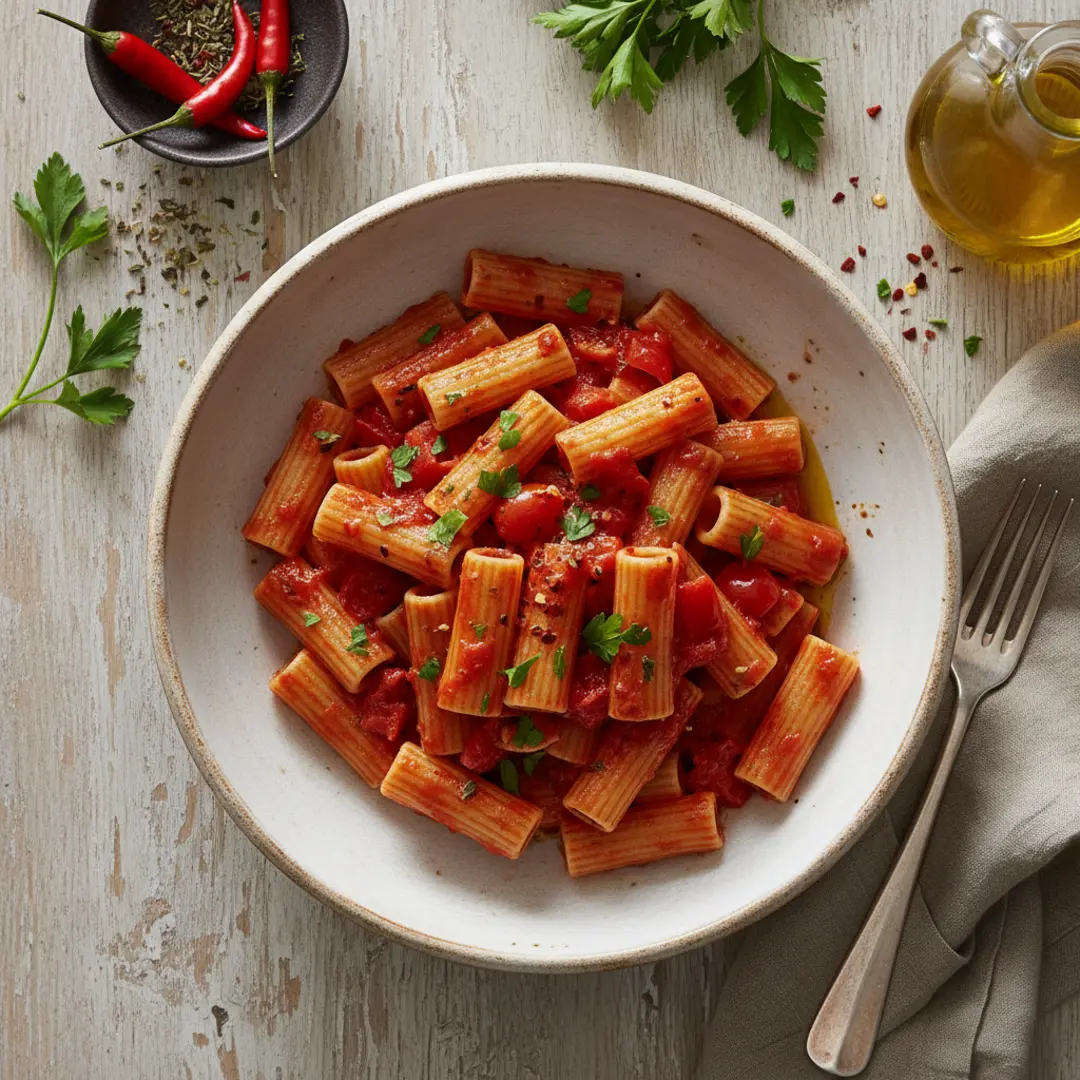
For Spicy Arrabbiata Twist: Infuse oil with 3 crushed Calabrian chilies during onion step and finish with 1 tbsp chili oil. Kids love “Blush Mac” version with mini pasta shapes and hidden veg – blend 1/2 cup roasted butternut squash into cream before adding.
Seafood upgrade: Fold in 1/2 lb par-cooked shrimp during final toss, utilizing their natural sodium alginates to thicken sauce. Vegetarian umami bomb: Stir 1 tbsp rehydrated porcini powder into tomatoes. Regional variations include vodka sauce (2 oz high-proof vodka deglaze after tomatoes), or Greek-inspired with feta and oregano.
Storage & Reheating
Cool sauce separately from pasta within 90 minutes in shallow containers. Properly stored, sauce alone lasts 4 days refrigerated or 3 months frozen. Combined with pasta, consume within 72 hours. Reheat three ways: stovetop with splash of milk over double boiler (best), microwave at 50% power stirring every 60 seconds (moderate), or oven-safe dish covered with foil at 275°F for 20 minutes (slow but effective). Never refreeze.
FAQ Section
Can I use half-and-half instead of heavy cream?
Not recommended. Half-and-half lacks sufficient milk fat (10-12% vs 36%) to emulsify properly with tomato acids, resulting in grainy texture. If needed, reduce cream volume by 1/3 and add 2 tbsp unsalted butter for fat content compensation.
Why is my sauce orange instead of pink?
Overcooking causes lycopene pigments to degrade past 225°F. Prevention: add cream off heat and avoid boiling after incorporation. Color remedy: stir in 1 tbsp tomato paste for red boost.
How to make sauce ahead for dinner party?
Prepare base through step 6, cool rapidly in ice bath, refrigerate up to 48 hours. Day-of serving, reheat sauce to 160°F before adding cold cream and freshly cooked pasta.
Best pasta shapes for this sauce?
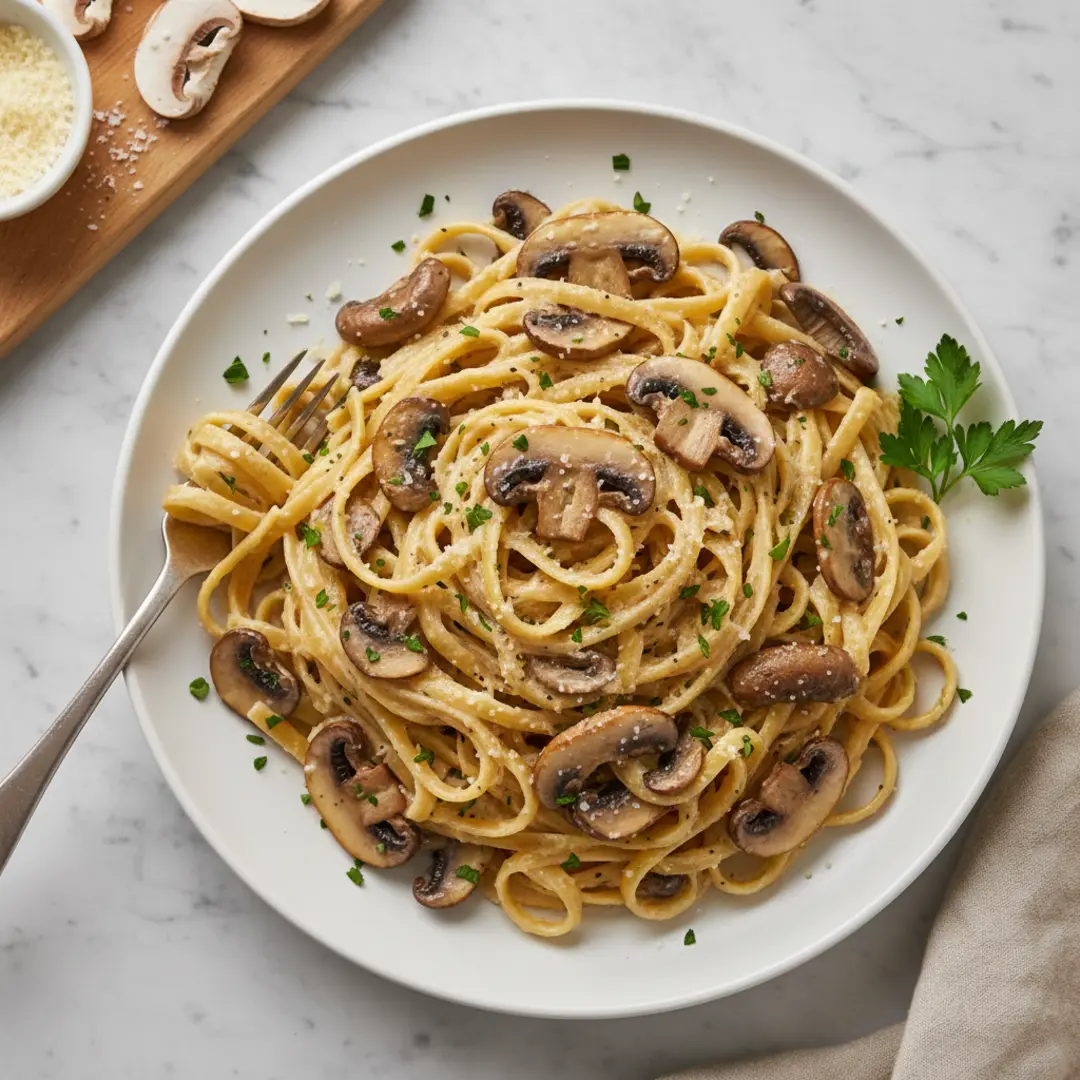
Ribbon cuts (fettuccine, tagliatelle) are classic, but ridged options like rigatoni or casarecce trap sauce best. Avoid tiny shapes like orzo where cream overwhelms, or stuffed pastas competing with sauce richness.
Nutrition Information
| Nutrient | Per Serving | % Daily Value* |
|---|---|---|
| Calories | 620 | 31% |
| Total Fat | 32g | 41% |
| Saturated Fat | 17g | 85% |
| Cholesterol | 90mg | 30% |
| Sodium | 880mg | 38% |
| Total Carbohydrate | 68g | 25% |
| Dietary Fiber | 5g | 18% |
| Total Sugars | 9g | |
| Protein | 17g | 34% |
*Percent Daily Values based on 2000 calorie diet. Analysis assumes 1/4 recipe with 4oz dry pasta. Actual values may vary based on specific ingredients used.
Disclaimer: Nutrition data estimated via USDA database and manufacturer specifications. Consult registered dietitian for personalized advice. Recipe contains dairy and gluten; always verify ingredient compatibility with dietary restrictions.