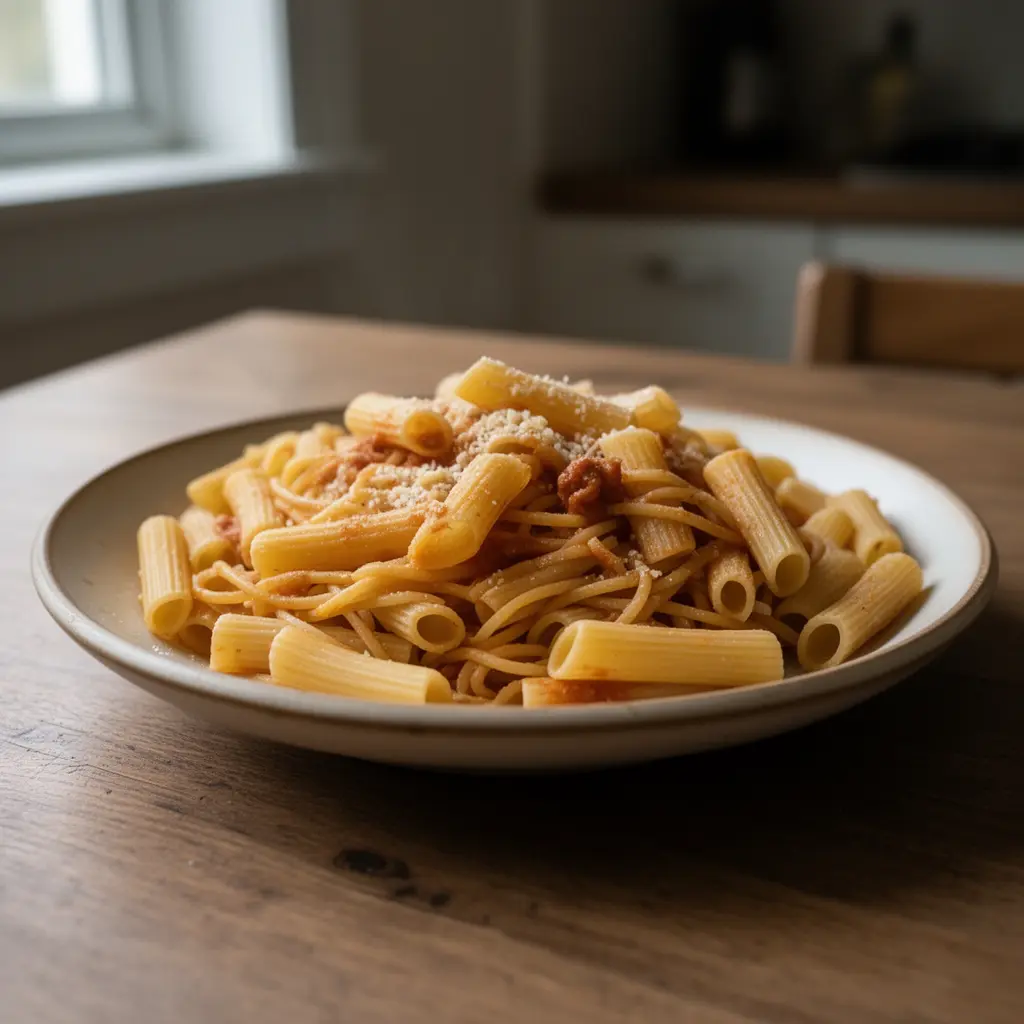
We gathered at dawn, as we always did, the Tuscan dew still clinging to the rosemary and thyme bushes. Nonna Emilia, her hands gnarled with age and wisdom, would already be humming, a wordless melody that spoke of centuries of culinary tradition. Today was sacchetti day, the day we crafted little purses of pasta, each one a treasure chest filled with flavors born of the earth. I remember watching her, mesmerized, as she deftly folded the dough, her movements precise and economical, a dance honed by generations. The aroma of ricotta, nutmeg, and lemon zest filled the air, a symphony of scents that promised a feast. My grandfather, a man of few words but immense appreciation, would oversee the construction of the pasta machine, oiling the gears with meticulous care. This wasn’t just about making pasta; it was about preserving a legacy, about connecting with our roots, about sharing a piece of our soul with those we loved. The tiny sacchetti, filled with creamy goodness, were more than just food; they were edible memories, little pockets of joy waiting to be savored. Every fold, every pinch, every sprinkle of parmesan was a testament to our family’s enduring love for tradition and exceptional food. The sun climbed higher, casting long shadows, as we worked together, a chorus of laughter and shared stories filling the air. It was a ritual, a reminder that the best things in life are often the simplest, made with love and shared with those who matter most. This recipe is my attempt to capture that essence, to share a piece of our Tuscan heritage with you.
Ingredient Deep Dive
| Ingredient | Quantity | Description |
|---|---|---|
| Semola Flour | 300g | Finely ground durum wheat flour; gives the pasta a firm texture. |
| 00 Flour | 100g | Italian flour with a very fine texture; makes the pasta delicate. |
| Large Eggs | 4 | Provide richness and binding for the pasta dough. |
| Olive Oil | 1 tbsp | Adds flavor and elasticity to the pasta dough. |
| Ricotta Cheese (Whole Milk) | 500g | The base of the filling; provides creamy texture and mild flavor. Drained overnight for best results. |
| Parmesan Cheese (Grated) | 100g | Adds salty, nutty flavor and helps to bind the filling. |
| Nutmeg (Freshly Grated) | 1/4 tsp | Adds warmth and subtle spice to the filling. |
| Lemon Zest | 1 tsp | Brightens the filling with a citrusy aroma. |
| Salt | To taste | Seasons both the pasta dough and the filling. |
| Black Pepper (Freshly Ground) | To taste | Adds a touch of spice to the filling. |
| Butter (Unsalted) | 100g | For the sage butter sauce; adds richness and flavor. |
| Fresh Sage Leaves | 10-12 | Infuses the butter sauce with an earthy aroma. |
| Parmesan Cheese (for serving) | To taste | For topping the finished dish. |
Substitutions & Swaps
If accessing specific ingredients proves challenging, consider these helpful substitutions. For semola flour, a strong bread flour can be used, though the texture will be slightly different. If 00 flour is unavailable, all-purpose flour will suffice, but ensure it’s finely milled. In place of whole milk ricotta, a dry curd cottage cheese, thoroughly drained and blended until smooth, can work in a pinch; add a touch of cream to mimic the richness of ricotta. Pecorino Romano can substitute for Parmesan, offering a sharper, saltier flavor. Dried sage can replace fresh, but reduce the quantity to about 1 teaspoon as dried herbs are more concentrated. For a vegan option, silken tofu, pressed to remove excess water and blended with nutritional yeast and lemon juice, can mimic the ricotta filling. Vegan butter alternatives also work well in the sage butter sauce. For a gluten-free sacchetti, experiment with a blend of gluten-free flours, such as rice flour, tapioca starch, and potato starch, but be aware that the texture will be more delicate and require careful handling.
Equipment Guide
A pasta machine is almost essential for achieving the thin, even sheets of dough required for sacchetti. A large wooden board or clean countertop is needed for kneading and shaping the pasta. You’ll require kitchen scales for precise measurements, especially when dealing with flour. A pasta cutter or sharp knife is necessary for cutting the dough into squares. Piping bags are helpful if you prefer a very neat filling process. A large pot is needed for boiling the pasta. A skillet is essential for creating the sage butter sauce. A microplane is your best friend for zesting lemons and grating nutmeg. Finally, a slotted spoon or spider strainer is useful for transferring the cooked sacchetti from the boiling water to the sauce.
Step-by-Step Walkthrough
1. Making the Pasta Dough: In a large bowl, combine the semola flour and 00 flour. Create a well in the center and crack in the eggs. Add the olive oil and a pinch of salt. Using a fork, gradually incorporate the flour into the eggs, starting from the center.
2. Kneading the Dough: Once the dough begins to come together, turn it out onto a lightly floured surface. Knead for 8-10 minutes, until the dough is smooth, elastic, and no longer sticky. If the dough is too dry, add a teaspoon of water at a time. If it’s too sticky, add a little flour.
3. Resting the Dough: Wrap the dough tightly in plastic wrap and let it rest at room temperature for at least 30 minutes. This allows the gluten to relax, making the dough easier to roll out.
4. Preparing the Filling: In a medium bowl, combine the ricotta cheese, grated Parmesan cheese, freshly grated nutmeg, lemon zest, salt, and black pepper. Mix well until everything is evenly incorporated. Taste and adjust the seasoning as needed.
5. Rolling the Pasta: Cut the rested pasta dough into four equal pieces. Flatten one piece and feed it through the widest setting of your pasta machine. Fold the dough in thirds and pass it through the machine again. Repeat this process several times to develop the gluten and create a smooth sheet.
6. Thinning the Dough: Gradually decrease the setting on your pasta machine, rolling the dough thinner and thinner until you reach the desired thickness (usually around setting 6 or 7). Repeat with the remaining pieces of dough.
7. Cutting the Squares: Lay the thin pasta sheets on a lightly floured surface. Using a pasta cutter or sharp knife, cut the dough into 2-inch squares.
8. Filling the Sacchetti: Place a small dollop (about 1 teaspoon) of the ricotta filling in the center of each square.
9. Forming the Sacchetti: Bring two opposite corners of the square together and pinch them to seal, forming a triangle. Then, bring the remaining two corners together and pinch them to seal, creating a small purse shape (the sacchetto). Ensure the filling is completely enclosed, and the edges are tightly sealed.
10. Cooking the Sacchetti: Bring a large pot of salted water to a rolling boil. Gently drop the sacchetti into the boiling water, being careful not to overcrowd the pot. Cook for 3-4 minutes, or until the sacchetti float to the surface and are tender.
11. Making the Sage Butter Sauce: While the pasta is cooking, melt the butter in a large skillet over medium heat. Add the fresh sage leaves and cook until the butter is melted, fragrant, and the sage is slightly crispy (about 2-3 minutes). Be careful not to burn the butter.
12. Combining and Serving: Using a slotted spoon or spider strainer, carefully transfer the cooked sacchetti from the boiling water directly into the skillet with the sage butter sauce. Toss gently to coat.
13. Serving: Serve immediately, garnished with freshly grated Parmesan cheese.
Expert Tips & Troubleshooting
Ensure your ricotta is well-drained to prevent a soggy filling. Overworking the pasta dough will result in a tough texture; knead only until smooth and elastic. Keep the pasta dough covered while you are working to prevent it from drying out. Flour your work surface generously to prevent the pasta from sticking. Don’t overcrowd the pot when cooking the sacchetti; cook in batches if necessary. If the sacchetti open during cooking, gently pinch them closed with two forks. For a smoother sauce, you can strain the sage butter mixture through a fine-mesh sieve before tossing with the pasta. Brown butter adds a deeper, nuttier flavor to the sauce. For a richer filling, add an egg yolk to the ricotta mixture.
Flavor Variations
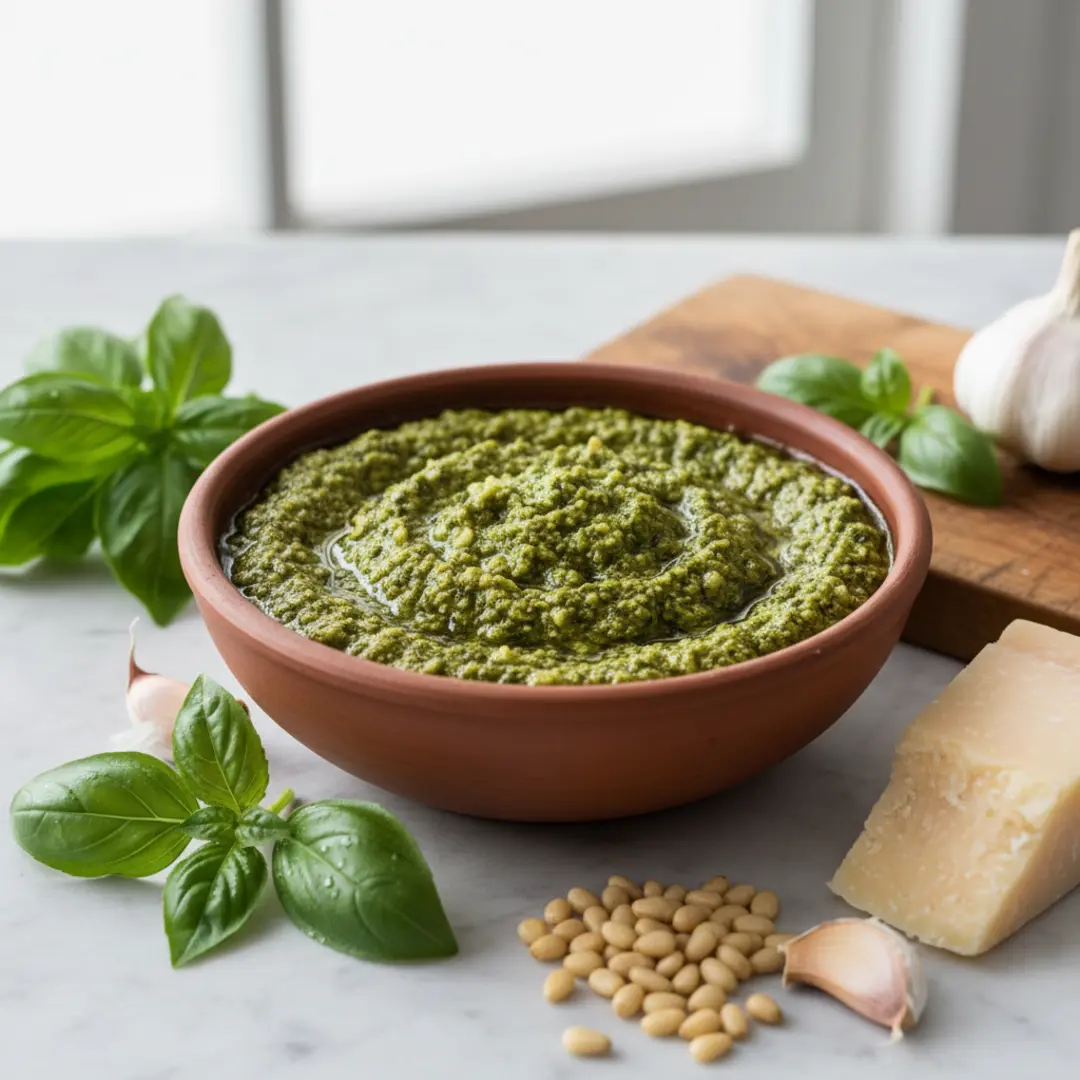
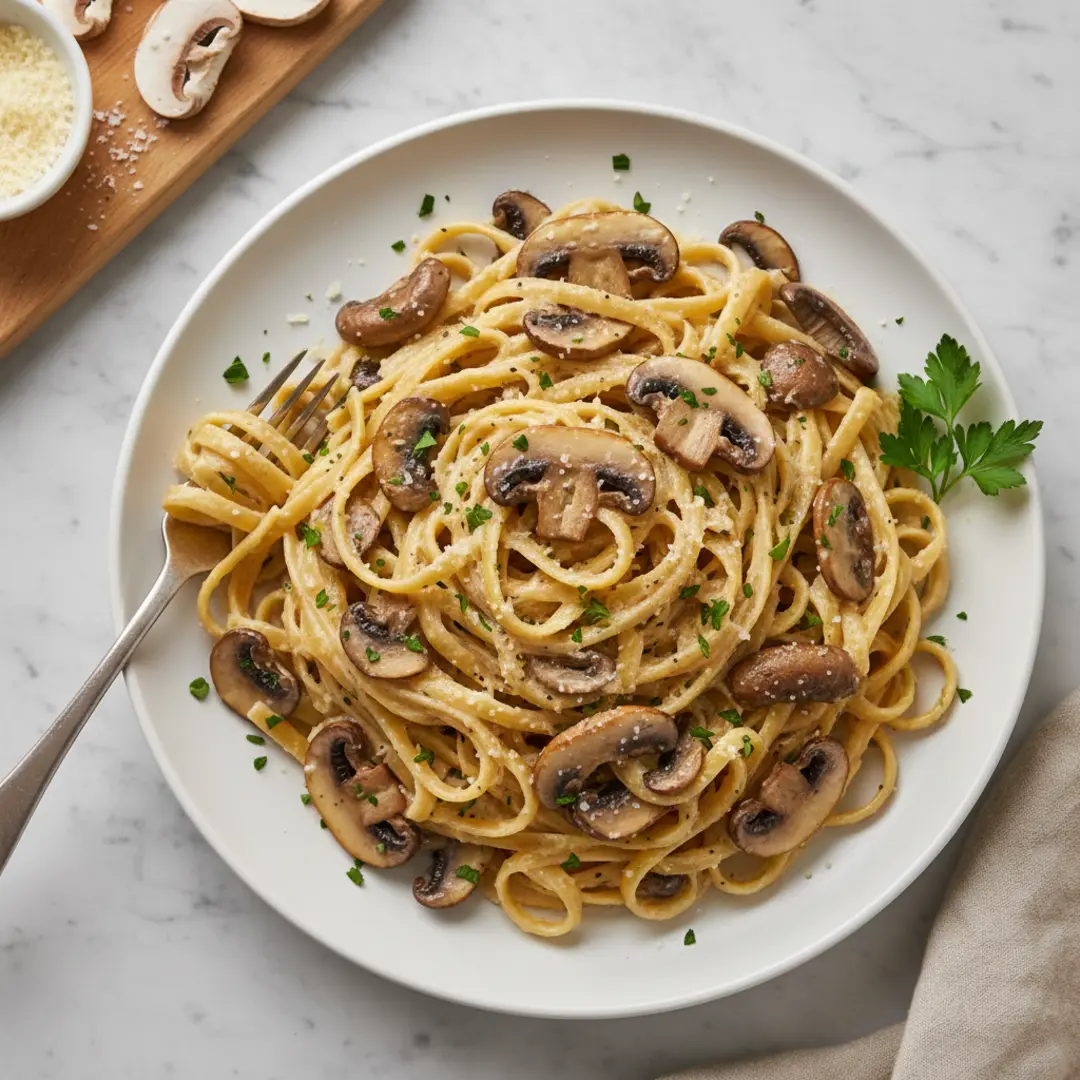
Explore various flavor combinations for your sacchetti filling. Replace the ricotta with butternut squash puree for a sweet and savory option. Add sautéed mushrooms and truffle oil for an earthy, decadent twist. Spinach and artichoke hearts make a vibrant and flavorful filling. For a seafood sacchetti, combine shrimp, crabmeat, and mascarpone cheese. Incorporate roasted red peppers and goat cheese for a tangy and slightly smoky flavor. For the sauce, try a simple tomato sauce with basil, a creamy pesto sauce, or a brown butter sauce with toasted hazelnuts. Get creative and experiment with different herbs and spices to create your signature sacchetti filling and sauce.
Storage & Reheating
Cooked sacchetti can be stored in the refrigerator for up to 2 days. To prevent them from sticking together, toss them with a little olive oil before refrigerating. Leftover sage butter sauce can also be stored in the refrigerator for up to 2 days. To reheat, gently pan-fry the sacchetti in a little butter or olive oil until warmed through. Alternatively, you can reheat them in a microwave, but be careful not to overcook them. To reheat the sage butter sauce, simply warm it gently in a skillet over low heat. You can also freeze uncooked sacchetti for up to 2 months. Lay them in a single layer on a baking sheet lined with parchment paper and freeze until solid. Then, transfer them to a freezer bag or container. Cook directly from frozen, adding a minute or two to the cooking time.
FAQ Section
Q: Can I make the pasta dough ahead of time?
A: Absolutely! The pasta dough can be made a day in advance. Just wrap it tightly in plastic wrap and store it in the refrigerator. Bring it back to room temperature before rolling it out.
Q: What if my filling is too wet?
A: If your ricotta is particularly watery, drain it overnight in a cheesecloth-lined sieve. You can also add a tablespoon or two of breadcrumbs to the filling to absorb excess moisture.
Q: How do I prevent the sacchetti from sticking together while cooking?
A: Make sure you use enough water in the pot and that the water is at a rolling boil. Don’t overcrowd the pot; cook the sacchetti in batches.
Q: Can I use store-bought pasta dough?
A: While homemade pasta dough is ideal for the best texture and flavor, you can certainly use store-bought fresh pasta sheets if you’re short on time.
Nutrition Information
| Nutrient | Amount per serving (approximate) |
|---|---|
| Calories | 450 kcal |
| Total Fat | 25g |
| Saturated Fat | 15g |
| Cholesterol | 180mg |
| Sodium | 300mg |
| Total Carbohydrate | 40g |
| Dietary Fiber | 2g |
| Sugars | 3g |
| Protein | 20g |
Disclaimer: Nutritional information is an estimate and may vary based on specific ingredients used and portion sizes. Always consult with a registered dietitian or healthcare professional for personalized dietary advice.