
There is something undeniably comforting about a breakfast that feels simultaneously decadent and effortless. This overnight French toast bake is exactly that—a true Sunday morning hero that requires minimal fuss before guests arrive. By allowing the bread to soak slowly in a creamy, spiced custard overnight, you achieve an incredible depth of flavor and a tender, pudding-like center that’s completely different from pan-fried slices. It is the perfect centerpiece for a brunch gathering, a holiday morning, or just a quiet weekend treat, delivering a warm, fragrant promise of sweetness with every bite.
Table of Contents
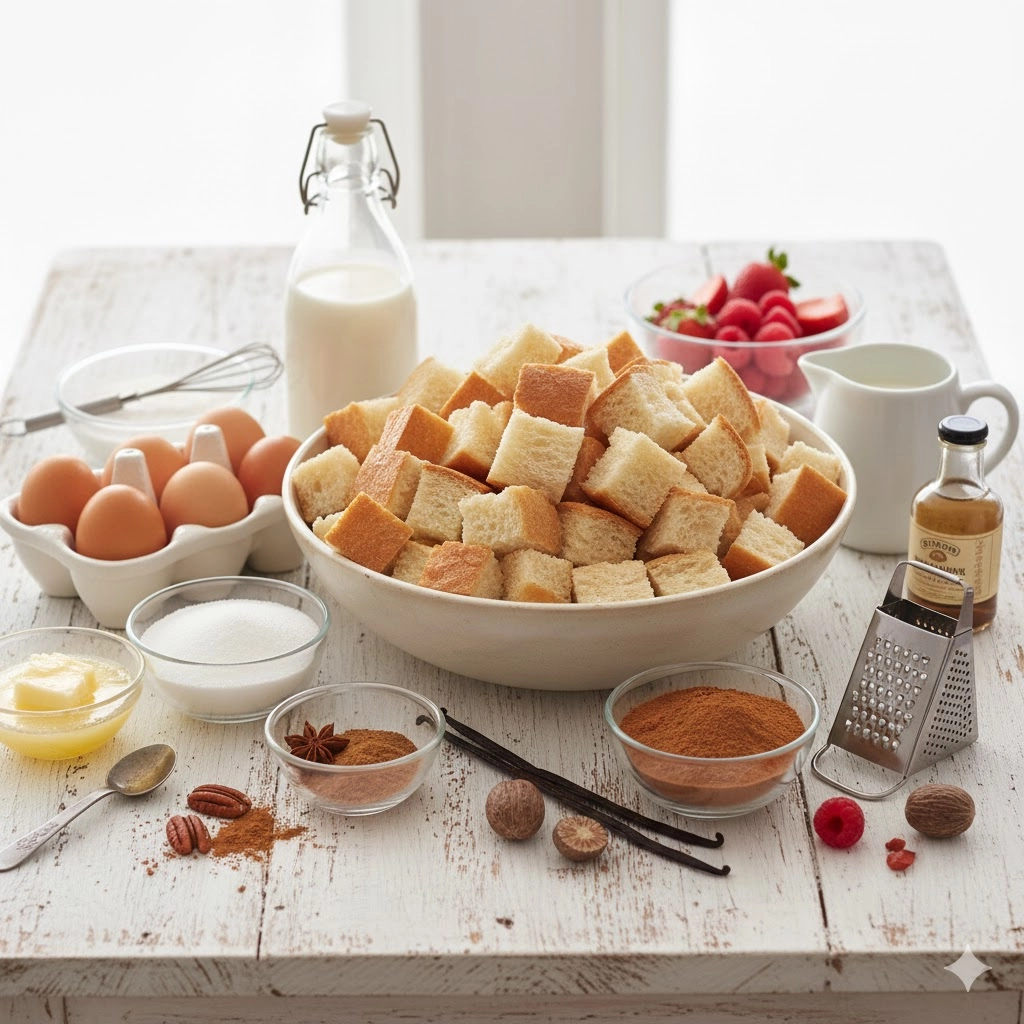
The Essential Components for a Successful Morning
Making a great baked French toast starts with choosing the right foundation and balancing the rich custard. You need ingredients that can hold up to an extended soak without collapsing.
The Bread
- One 13 to 16-ounce loaf of day-old French bread, Challah, or Brioche, cut into 1-inch cubes
The Custard Base
- 8 large eggs
- 3 cups whole milk
- 1 cup heavy cream
- 1/2 cup granulated sugar
- 2 tablespoons light brown sugar, packed
- 1 teaspoon vanilla extract
- 1 teaspoon ground cinnamon
- 1/2 teaspoon ground nutmeg
- 1/4 teaspoon kosher salt
The Topping and Finishing Touches
- 1/4 cup unsalted butter, melted
- 1/4 cup light brown sugar, packed
- 1/2 teaspoon ground cinnamon
- 1/4 teaspoon ground nutmeg
- Maple syrup, for serving
The Game Plan: How to Assemble the Overnight French Toast Bake
This recipe is structured for maximum flavor and ease, broken into two main stages: the overnight soak and the morning bake.
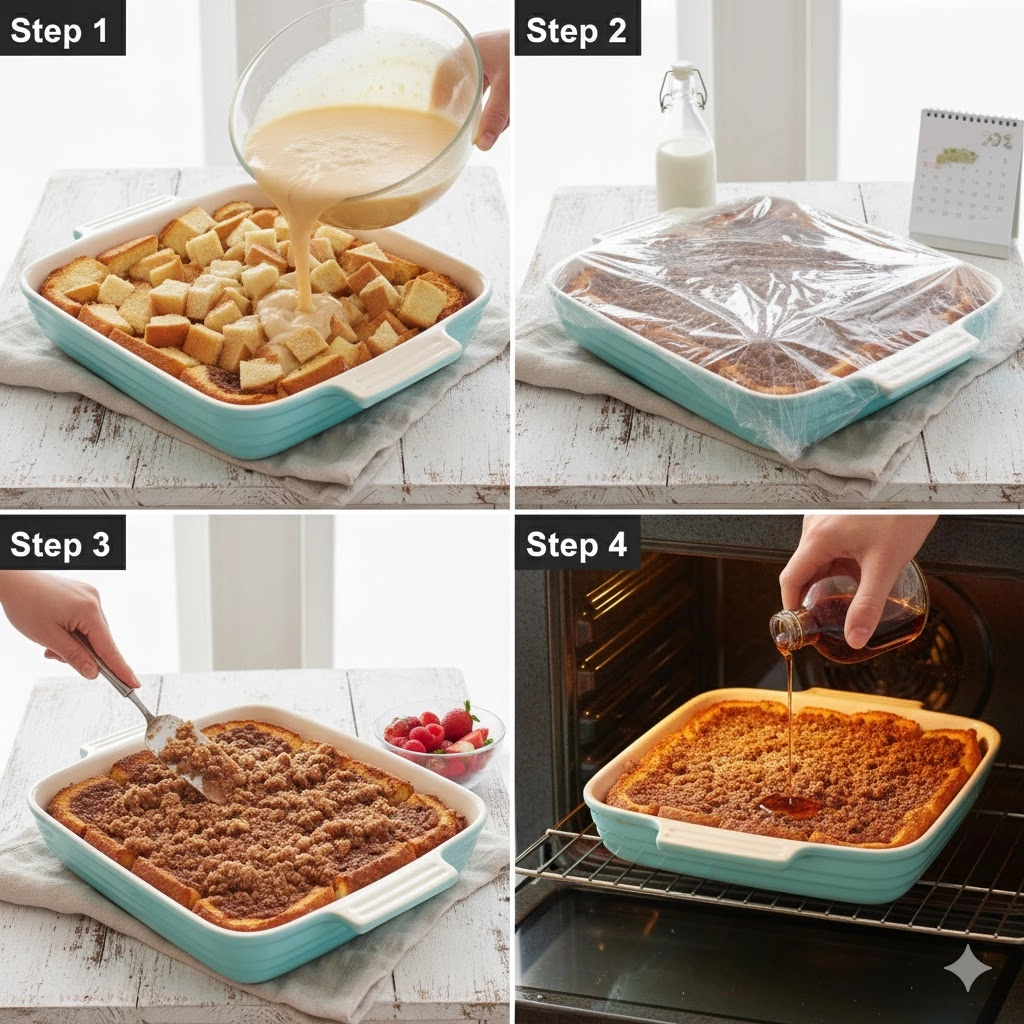
- Prepare the Bread and Pan: Lightly grease a 9-by-13-inch baking dish. Arrange the bread cubes evenly across the bottom of the dish.
- Whisk the Custard: In a large bowl, vigorously whisk together the eggs, milk, heavy cream, sugars, vanilla, spices, and salt until completely uniform and slightly frothy.
- Soak and Chill: Pour the custard evenly over the bread cubes, ensuring all pieces are saturated. Cover the dish tightly with plastic wrap and refrigerate for at least 8 hours, or up to 24 hours.
- Preheat the Oven: In the morning, remove the baking dish from the refrigerator and allow it to sit at room temperature for thirty minutes. Preheat your oven to three hundred fifty Fahrenheit.
- Make the Topping: Combine the melted butter, brown sugar, cinnamon, and nutmeg in a small bowl until a coarse paste forms.
- Add the Topping and Bake: Dot the topping mixture evenly over the soaked bread. Place the dish in the preheated oven and bake for fifty-five to sixty-five minutes.
- Check for Doneness: The French toast is ready when the center is set, the edges are golden brown, and a knife inserted near the center comes out mostly clean.
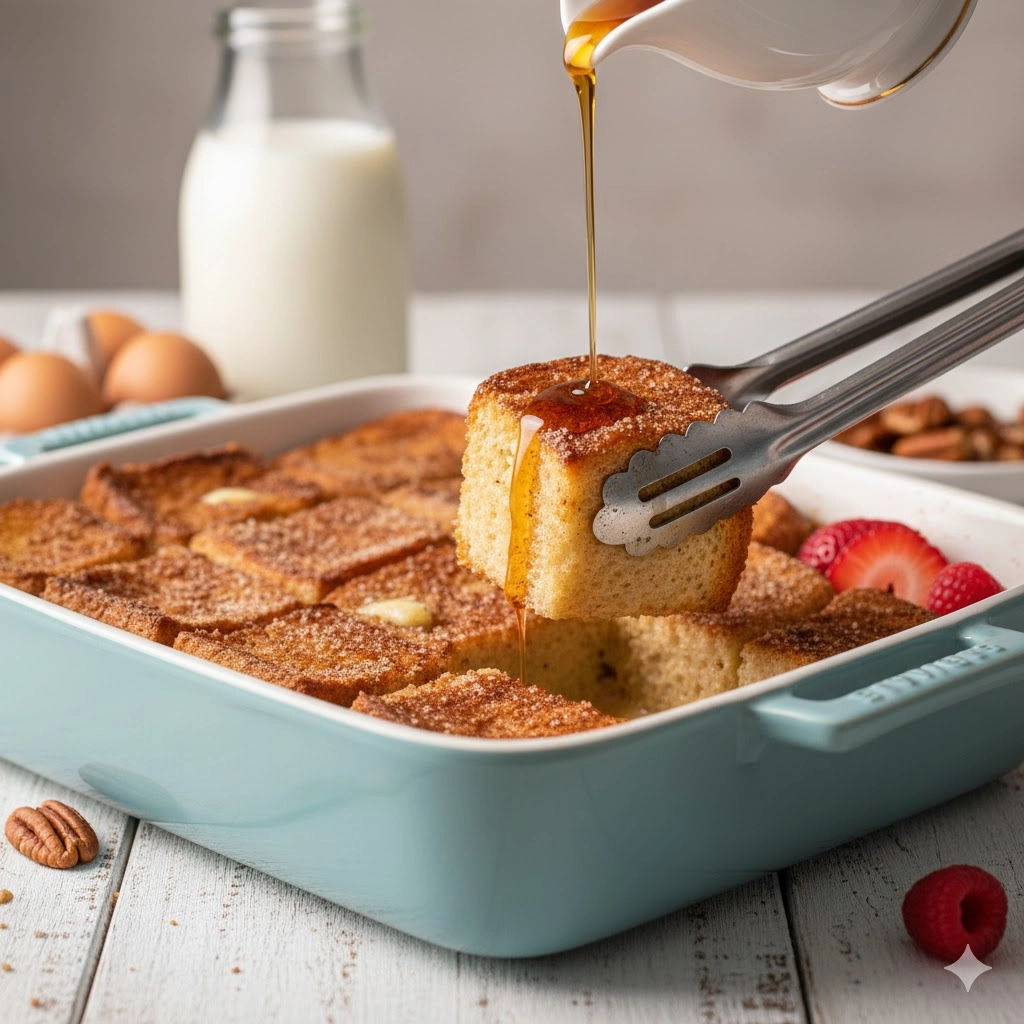
- Rest and Serve: Allow the baked French toast to cool for five to ten minutes before slicing and serving warm with plenty of maple syrup.
Achieving Perfection: Step-by-Step Culinary Guidance
The magic of this dish happens during the overnight rest. Here is how to ensure every step from start to finish contributes to a stellar outcome.
Preparing the Right Base
The choice of bread is paramount. Avoid soft sandwich breads, as they will turn to mush. Use day-old bread, as it is slightly drier and more capable of absorbing the rich custard without disintegrating. Cut the cubes into one-inch pieces for optimal surface area. When greasing the pan, ensure you coat the sides well; the caramelization from the custard can be stubborn.
The Custard Immersion
The key to a successful custard is thorough mixing. You want a completely homogenous liquid—no streaks of egg or clumps of sugar. Use a balloon whisk and mix for at least thirty seconds. When pouring the mixture over the bread, pour slowly and evenly. If the bread seems to float excessively, gently press it down with the back of a spatula to encourage maximum saturation. The eight to twenty-four hour soak allows the starches in the bread to fully hydrate and bond with the proteins in the egg, giving you that custardy, pudding-like interior texture. Do not skip this step; it is the difference between good and great.
Baking Checks and Indicators
Before baking, letting the casserole sit at room temperature for thirty minutes helps it bake more evenly. If you put a cold casserole straight into a hot oven, the edges might overcook before the center is done. The topping is simple but necessary; it melts into a crackly, sugary crust that provides a textural contrast to the soft interior.
During the bake, the aroma is your first cue: a warm, heady scent of cinnamon and nutmeg will fill your kitchen. Visually, look for the edges to pull slightly away from the pan and turn a deep, burnished gold. The internal temperature for a safely set custard is around 175 Fahrenheit, but the knife test is more practical: insert a thin knife near the center. If it comes out sticky or runny, keep baking. If it comes out mostly clean with maybe just a slight moist sheen, it is perfect.
Culinary Advice for an Impeccable Dish
Elevate your overnight French toast bake from good to exceptional with these targeted techniques and considerations.
- The Right Pan Material: A glass or ceramic baking dish tends to distribute heat more evenly and retain it better than metal, which is beneficial for slow-baked custards.
- Preventing Dry Edges: If your oven tends to run hot, or if you are baking for the full sixty-five minutes, loosely cover the edges of the pan with foil for the last ten to fifteen minutes of baking to prevent them from becoming too crisp or burnt.
- The Power of Zest: For a brighter flavor profile, add the zest of one whole orange or lemon to the custard mixture. The citrus oil cuts through the richness beautifully.
- For Ultra-Richness: Swap out half a cup of the whole milk for more heavy cream. This increases the fat content, resulting in an even silkier, richer final texture.
- The Overnight Trick for a Crowd: If you are cooking for a large brunch, assemble the entire dish, topping included, the night before. Simply pull it from the fridge while the oven preheats, saving you precious time in the morning.
- Sweetness Control: The topping provides a great deal of sweetness. If you prefer a less sweet final dish, omit the two tablespoons of brown sugar in the custard mixture.
Alternative Ingredients and Flavor Pairings
While the classic cinnamon-nutmeg is superb, you can easily pivot the flavors of this bake to suit different tastes and seasons.
- Pecan Praline: Stir half a cup of toasted, chopped pecans into the custard base and increase the melted butter in the topping by one tablespoon. The nuts create a wonderful crunchy layer.
- Berry Burst: Layer one cup of fresh or frozen mixed berries (raspberries, blueberries, or strawberries) between the bread cubes before pouring in the custard. The berries release their juices, creating a jammy pocket of flavor.
- Chocolate Chip Indulgence: Add half a cup of mini dark chocolate chips to the custard mixture. The chocolate melts into the bread as it bakes, creating pockets of melted goodness.
- Fall Spice: Substitute a quarter cup of the whole milk with pumpkin puree, and swap out the nutmeg for one half teaspoon of ground ginger and a quarter teaspoon of allspice for a warming, autumnal take.
Beyond the Syrup: Creative Ways to Serve
The French toast bake is hearty enough to stand alone, but the right accompaniments can truly elevate the experience.
- Fresh Fruit & Cream: A dollop of lightly sweetened whipped cream or crème fraîche, paired with a scattering of seasonal fresh fruit like sliced peaches, berries, or caramelized bananas, provides a lovely textural and temperature contrast.
- Salty & Savory Balance: Serve alongside crispy thick-cut bacon or savory breakfast sausage links. The richness of the pork cuts through the sweetness of the bake perfectly, creating a balanced breakfast plate.
- Glaze It: For a show-stopping finish, whisk together one cup of powdered sugar with two tablespoons of whole milk and a splash of vanilla extract to create a quick vanilla glaze. Drizzle it generously over the warm bake just before serving.
Questions Answered: French Toast Bake Edition
Can I use frozen bread for this recipe?
Yes, but you should thaw it completely and let it sit out for an hour or two to dry slightly before cutting it into cubes. The goal is to use bread that is a little on the dry side, which allows it to absorb the most amount of custard without turning soggy.
How long will the leftovers keep?
Leftovers should be stored in an airtight container in the refrigerator for up to three days. When reheating, cover individual servings loosely with foil and bake at 350 Fahrenheit for about ten minutes, or until warmed through, to prevent the edges from drying out.
Why is my French toast bake soggy in the center?
Sogginess is usually due to one of three things: not using day-old or slightly dried bread, the bread cubes being too large and not fully penetrating the custard, or not baking it long enough. Make sure to check the center with a knife and bake until it is truly set.
Can I prepare this without the overnight soak?
You can, but it is not recommended. If you are short on time, let it soak for a minimum of thirty minutes at room temperature, but understand the final texture will be less custardy and more like standard French toast. The overnight soak is essential for the best texture.
Is it possible to bake this in advance?
While the assembly is meant to be done in advance, the final bake is best done the morning you plan to serve it. Baked French toast does not maintain its appealing texture well after cooling and reheating. Stick to the overnight soak and bake fresh.
Nutritional Snapshot
| Nutrient | Amount per Serving |
| Calories | 410 kcal |
| Protein | 13 g |
| Carbs | 45 g |
| Fat | 20 g |
| Fiber | 2 g |
| Sugar | 19 g |
| Sodium | 280 mg |
Important Note
Nutrition information is an estimate and may vary based on preparation and ingredients used.
PrintOvernight French Toast Bake

An easy and decadent breakfast casserole that is assembled the night before. This overnight French toast bake delivers a rich, custardy center with a crisp, spiced topping, perfect for holiday mornings or weekend brunch.
- Prep Time: 15 mins
- Cook Time: 1 hour 5 mins
- Total Time: 8 hours 20 mins
- Yield: 12 servings 1x
- Category: Breakfast
- Method: Baked
- Cuisine: American
Ingredients
One 13 to 16-ounce loaf of day-old French bread, Challah, or Brioche, cut into 1-inch cubes
8 large eggs
3 cups whole milk
1 cup heavy cream
1/2 cup granulated sugar
2 tablespoons light brown sugar, packed
1 teaspoon vanilla extract
1 teaspoon ground cinnamon
1/2 teaspoon ground nutmeg
1/4 teaspoon kosher salt
1/4 cup unsalted butter, melted
1/4 cup light brown sugar, packed
1/2 teaspoon ground cinnamon
1/4 teaspoon ground nutmeg
Maple syrup, for serving
Instructions
1. Lightly grease a 9-by-13-inch baking dish. Arrange the bread cubes evenly across the bottom of the dish.
2. In a large bowl, vigorously whisk together the eggs, milk, heavy cream, sugars, vanilla, spices, and salt until completely uniform.
3. Pour the custard evenly over the bread cubes, ensuring all pieces are saturated. Cover and refrigerate for at least 8 hours.
4. In the morning, remove the dish and preheat your oven to three hundred fifty Fahrenheit.
5. Combine the melted butter, brown sugar, cinnamon, and nutmeg for the topping.
6. Dot the topping mixture evenly over the soaked bread. Place the dish in the preheated oven and bake for fifty-five to sixty-five minutes.
7. Allow the baked French toast to cool for five to ten minutes before slicing and serving warm with plenty of maple syrup.
Notes
Use day-old bread for the best texture, as it absorbs the custard without becoming soggy.
To prevent dry edges, loosely cover the edges of the pan with foil for the last ten to fifteen minutes of baking.
Store leftovers in an airtight container in the refrigerator for up to three days.
Nutrition
- Serving Size: 1 slice
- Calories: 410
- Sugar: 19g
- Sodium: 280mg
- Fat: 20g
- Saturated Fat: 12g
- Unsaturated Fat: 6g
- Trans Fat: 0g
- Carbohydrates: 45g
- Fiber: 2g
- Protein: 13g
- Cholesterol: 180mg