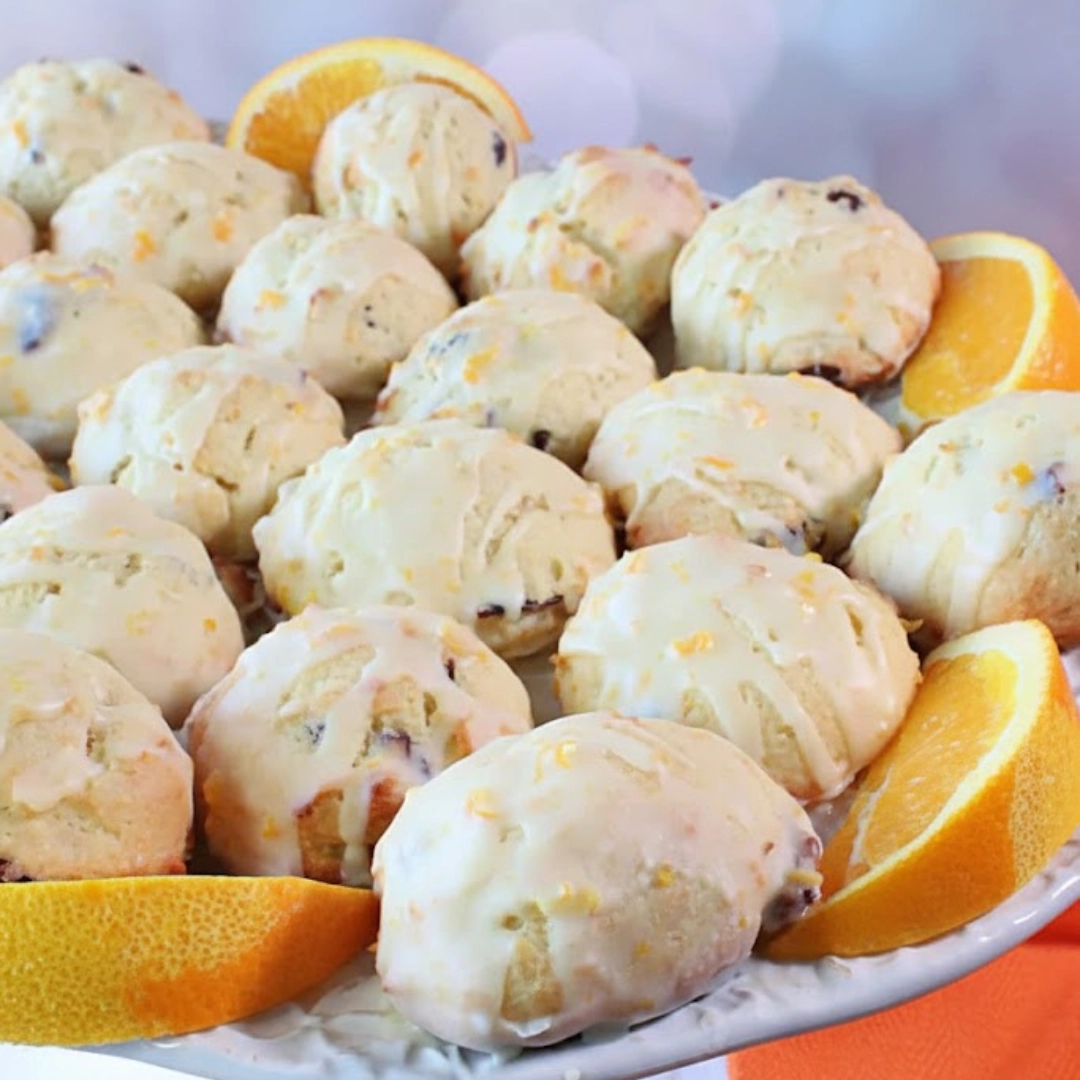
When the crisp air of autumn transitions into the festive glow of winter, there’s a particular kind of cookie that perfectly captures the mood: a light, tender bite that carries the bright zest of citrus and the tart pop of dried fruit. These Orange Cranberry Ricotta Cookies fit that bill exactly, offering a delicate sweetness and cloud-like texture that sets them apart from heavier holiday treats. The secret lies in the inclusion of whole-milk ricotta cheese, which not only provides incredible moisture but also gives the final product a satisfyingly subtle, cake-like crumb. They’re excellent for holiday cookie trays, tucked into lunchboxes, or simply enjoyed alongside a morning cup of coffee. This recipe will guide you to a batch of cookies that are naturally flavored and beautifully balanced.
Table of Contents
Building the Cookie Base: Ingredients Required
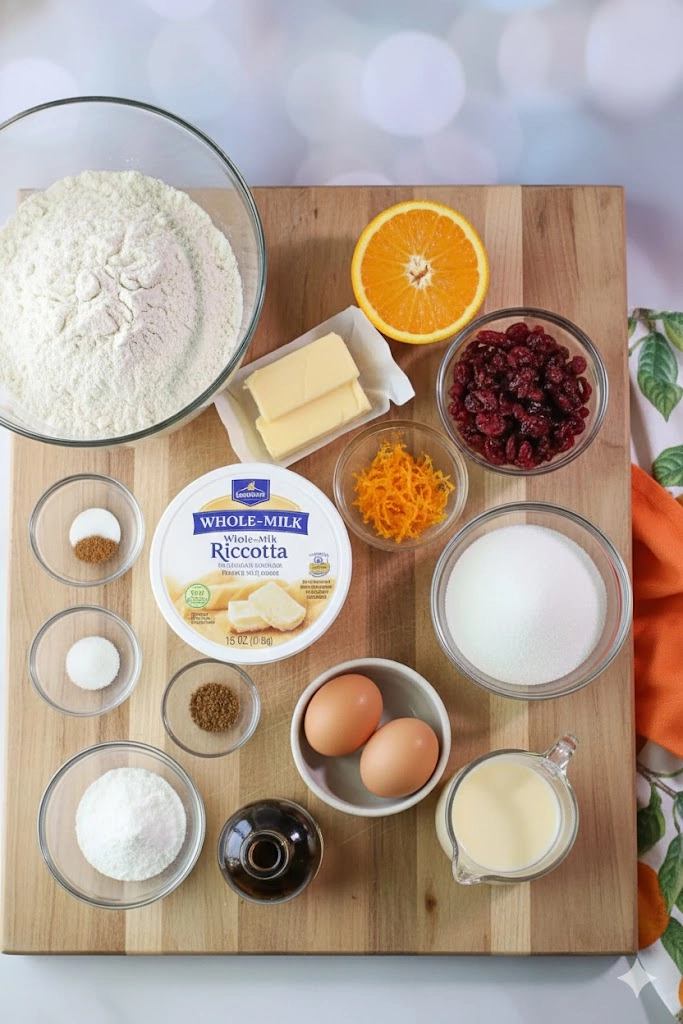
This recipe relies on standard pantry staples, elevated by the quality of the primary ingredients—the ricotta, orange, and cranberries. For the best result, ensure your ricotta is whole-milk and well-drained.
The Wet Ingredients and Dairy
- 1 cup (2 sticks or 226 grams) unsalted butter, softened
- 1 cup (200 grams) granulated sugar
- 2 large eggs
- 15 ounces (425 grams) whole milk ricotta cheese, drained
- 1 tablespoon orange zest (from one large orange)
- 1 teaspoon vanilla extract
The Dry Elements
- 3 cups (360 grams) all-purpose flour, spooned and leveled
- 1 teaspoon baking powder
- 1 teaspoon baking soda
- one half teaspoon fine sea salt
The Mix-Ins
- 1 cup (120 grams) dried cranberries
The Glaze Components
- 1 and one half cups (180 grams) confectioners’ sugar (powdered sugar)
- 3 tablespoons fresh orange juice (strained)
Step-by-Step Instructions for the Perfect Batch
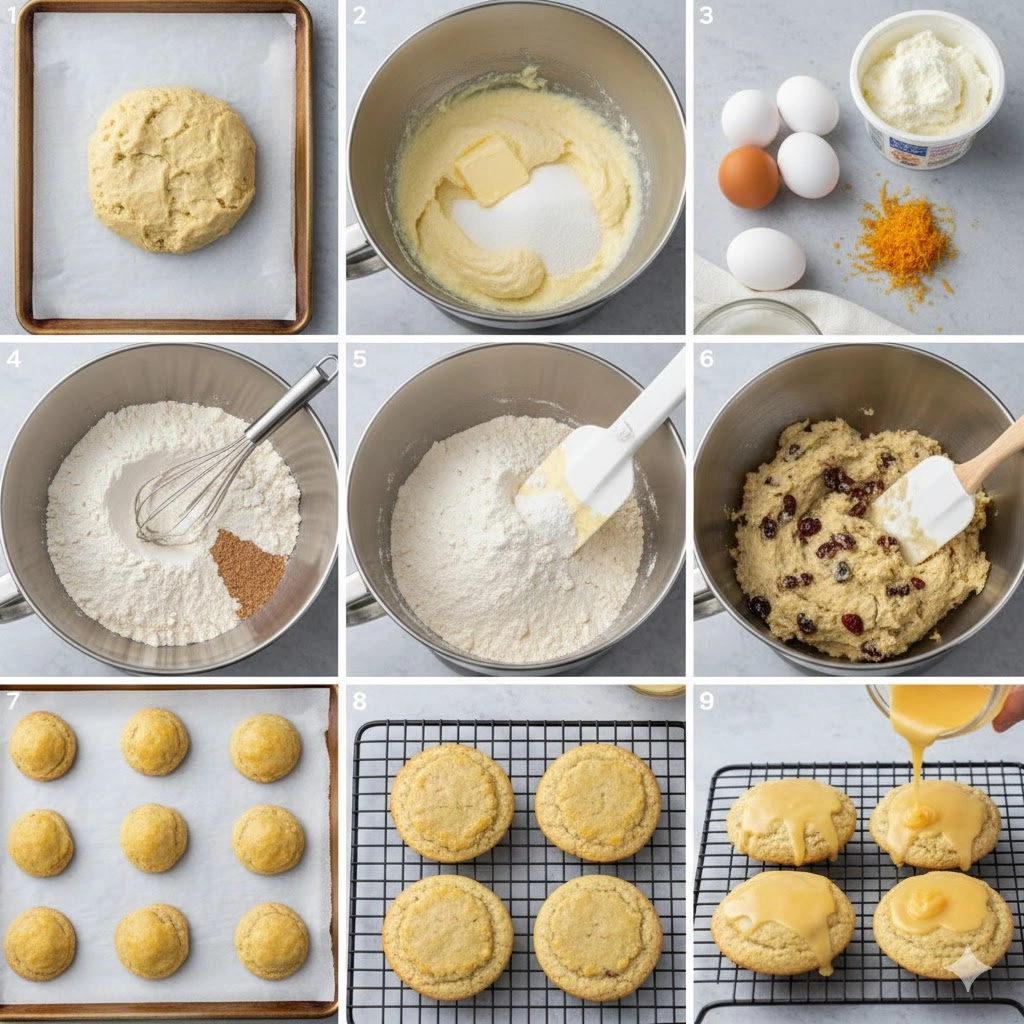
- Prep the Oven and Pan: Preheat your oven to three hundred fifty Fahrenheit. Line two large baking sheets with parchment paper or silicone mats.
- Cream the Fats and Sugar: In a large mixing bowl, beat the softened butter and granulated sugar together until the mixture is visibly light and fluffy.
- Incorporate the Dairy and Flavoring: Beat in the eggs one at a time, followed by the drained ricotta cheese, orange zest, and vanilla extract. Mix until just combined, taking care not to overbeat.
- Combine the Dry Ingredients: In a separate medium bowl, whisk together the flour, baking powder, baking soda, and salt.
- Fold the Batter: Gradually add the dry ingredient mixture to the wet mixture, mixing on low speed until the flour is almost fully incorporated. Stop mixing while a few streaks of flour remain.
- Add the Mix-Ins: Gently fold in the dried cranberries using a rubber spatula until the dough is just uniform.
- Scoop and Bake: Drop rounded tablespoons of dough onto the prepared baking sheets, spacing them about two inches apart. Bake for 12–15 minutes.
- Cool and Glaze: Let the cookies cool on the baking sheet for five minutes before transferring them to a wire rack. Once fully cool, whisk the glaze ingredients together and drizzle over the cookies.
Mastering the Technique: Detailed Preparatory Notes
The success of these light, cakey cookies lies in careful measurement and controlled mixing. This section details the critical sensory checks and timing cues for each stage, ensuring your final product is texturally flawless.
The Creaming Stage and Texture Cues
When combining the butter and sugar, the goal is to aerate the mixture, trapping small pockets of air that will expand in the oven. This is crucial for the tender crumb. Use a stand mixer or hand mixer and beat on medium-high speed for a full three to five minutes. The mixture should shift from a sandy texture to a pale yellow, pillowy consistency—this is your visual indicator of proper creaming. If your butter is too cold, the process will take longer and the aeration will be compromised. If it’s too warm, the mixture may separate.
Integrating Ricotta and Avoiding Over-Mixing
Once the ricotta, eggs, and extract are introduced, the mixing speed must drop. Ricotta is a high-moisture dairy product, and over-mixing at this stage can activate the gluten in the flour too early, leading to a tough cookie. Incorporate these wet elements until they are just barely homogenous. The batter will be very soft and almost like a thick cake batter—this is intentional. Ensure your ricotta is drained before adding it; excess liquid will throw off the dry-to-wet ratio. You can drain it overnight in a sieve lined with cheesecloth or simply press out the moisture gently before measuring.
The Gentle Flour Incorporation
When adding the combined dry ingredients, switch your mixer to the lowest speed, or use a sturdy spatula. The moment you introduce flour to the liquid, gluten development begins. Mix only until about ninety percent of the flour streaks disappear. Stop the mixer, then finish the folding by hand when you add the dried cranberries. The final texture of the dough should be slightly sticky, easily scooped but not stiff. You are looking for a cohesive mass that still looks very tender.
Recognizing Doneness in the Oven
Baking at three hundred fifty Fahrenheit is essential for achieving the perfect balance of a set exterior and a moist interior. Because these cookies are so pale, visual cues can be subtle. Do not wait for the edges to turn a deep golden brown, as you would for a chocolate chip cookie. Instead, look for the edges to be just set, with the center of the cookie looking slightly puffed and no longer glossy. The color will be a very light, delicate gold around the perimeter. Check the first batch at 12 minutes, and if they feel firm to a light touch, they are ready. Overbaking will turn these cloud-like cookies into dry hockey pucks.
Expert Insights for a Standout Cookie
Baking is a science, and a few small adjustments can transform a good cookie into a truly great one. Follow these professional tips to elevate your Orange Cranberry Ricotta Cookies.
- Zest with Intent: Only use the bright orange outer layer of the citrus peel (the zest). The white pith underneath is bitter and will dull the vibrant flavor. Use a microplane for the finest zest possible, which integrates seamlessly into the batter.
- Chill the Dough (Optional but Recommended): While not strictly required, chilling the dough for thirty minutes to an hour will firm up the butter and ricotta, resulting in slightly thicker cookies that spread less during baking.
- The Power of Parchment: Always bake these on parchment paper or a silicone mat. The high moisture content makes them prone to sticking, and a barrier ensures easy cleanup and perfectly formed bottoms.
- Don’t Substitute the Ricotta: The unique texture comes from the ricotta’s specific moisture and fat content. Substituting it with cottage cheese, cream cheese, or sour cream will fundamentally change the outcome, resulting in a denser, less cakey cookie.
- The Glaze Texture: For a smooth, drizzle-able glaze, ensure your confectioners’ sugar is lump-free. Add the orange juice one tablespoon at a time, whisking vigorously. The glaze should be thick enough to coat the back of a spoon but thin enough to flow slowly off the whisk.
- Salt Balance: The half teaspoon of salt is vital. It doesn’t make the cookie salty; it provides a necessary counterpoint to the sugar and brightens the flavor of the orange and cranberry. Use fine sea salt for the best dispersion.
- Cool Completely Before Glazing: Applying the glaze to a warm cookie will cause it to melt and absorb, making the surface sticky instead of creating a light, opaque coating. Wait until the cookies are fully cooled, down to room temperature.
Exploring Creative Variations and Swaps
The base recipe is flexible enough to accommodate various flavor profiles and ingredient availability. These swaps maintain the core tender texture while introducing new aromatic dimensions.
- Lemon and Blueberry Ricotta Cookies: Swap the orange zest and juice for lemon zest and juice. Replace the dried cranberries with dried blueberries or freeze-dried blueberries for a slightly different tartness. This variation is particularly popular in the spring and summer months.
- Spiced Ricotta Cookies: Add one teaspoon of ground cinnamon and a quarter teaspoon of ground nutmeg to the dry ingredients. Instead of cranberries, try chopped dried figs or golden raisins. This gives the cookie a warmer, more autumnal feel.
- Almond-Ricotta Bites: Substitute one quarter of the all-purpose flour with almond flour for a nuttier depth. Replace the vanilla extract with one teaspoon of almond extract. You can keep the cranberries or swap them for chopped pistachios.
- Gluten-Free Flour: This recipe adapts well to a one-to-one gluten-free flour blend. Follow the package instructions regarding the liquid ratio, though typically no other adjustments are necessary.
- Icing Alternatives: If you prefer a less sweet finish, skip the confectioners’ sugar glaze and instead finish the cookies with a simple dusting of powdered sugar once they are cool.
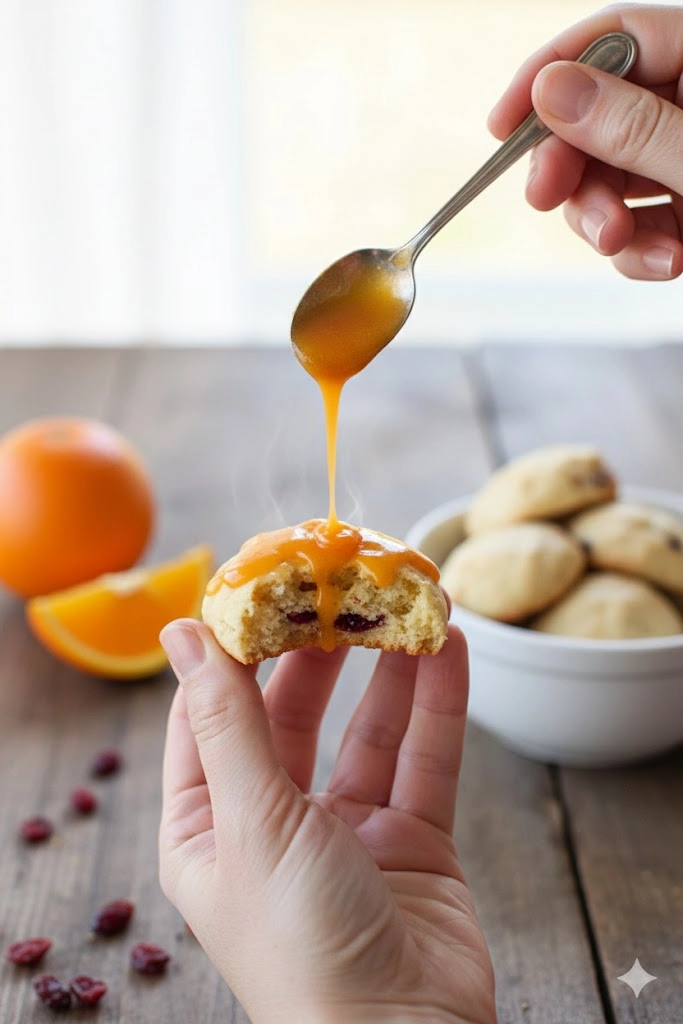
Presentation and Practical Serving Suggestions
These light, tangy cookies deserve to be presented in a way that highlights their delicate nature. They are versatile enough for casual enjoyment or elegant holiday gatherings.
- The Afternoon Tea Treat: Serve the Orange Cranberry Ricotta Cookies with a light, non-dairy creamer and a cup of Earl Grey or Darjeeling tea. The bergamot in the tea complements the orange zest beautifully.
- Holiday Dessert Platter: Arrange them alongside contrasting textures like crunchy shortbreads or rich fudge brownies. Their white glaze makes them visually pop on a platter of darker sweets.
- Ice Cream Sandwich: For a unique summer dessert, use two cookies to sandwich a small scoop of high-quality vanilla bean or pistachio ice cream. This creates a refreshing twist on the classic ice cream sandwich.
- Gifting and Sharing: These cookies hold their shape well, making them ideal for shipping or packaging. Layer them between sheets of wax paper in an airtight container or a decorative tin.
Frequently Asked Questions
Can I use low-fat ricotta cheese?
It is strongly advised to use whole-milk ricotta. The higher fat content of whole-milk ricotta is what contributes significantly to the tender, moist, and cake-like texture of the final cookie. Low-fat varieties contain more water, which can make the dough runny and result in a drier, tougher cookie that spreads too much.
How should I store the leftover cookies?
Store the glazed cookies in an airtight container at room temperature for up to four days. If you need to keep them longer, you can freeze them unglazed. To freeze, place the cooled cookies on a baking sheet until solid, then transfer them to a freezer-safe bag or container for up to two months. Thaw completely before glazing.
What causes the cookies to spread too much?
Excessive spreading is typically caused by one of three things: the butter being too soft (melted) when creamed, using ricotta that was not properly drained, or scooping the cookies onto a warm baking sheet. Ensure your butter is softened, not melted, and the ricotta is drained well. Always let baking sheets cool completely between batches.
Can I make the dough ahead of time?
Yes, the dough can be made ahead of time and stored in the refrigerator for up to three days. Wrap the dough tightly in plastic wrap. Before scooping and baking, let the dough sit at room temperature for about thirty minutes to soften slightly, making it easier to portion.
Is it possible to use fresh cranberries?
While you can use fresh cranberries, they contain significantly more moisture and require more sugar to balance their intense tartness. If you use fresh, chop them coarsely and consider rolling them lightly in a tablespoon of flour to reduce sinking, but expect a slightly different, more rustic texture and more spread.
Nutritional Information
This is a general estimate based on the ingredients listed and divided into 30 medium cookies.
| Nutrient | Amount per Serving |
| Calories | 145 kcal |
| Protein | 3 g |
| Carbs | 25 g |
| Fat | 4 g |
| Fiber | 1 g |
| Sugar | 15 g |
| Sodium | 55 mg |
Important Disclaimer
Nutrition information is an estimate and may vary based on preparation and ingredients used.
PrintThe Ultimate Recipe for Orange Cranberry Ricotta Cookies

A classic recipe for light and cake-like Orange Cranberry Ricotta Cookies, featuring a delicate crumb from the ricotta cheese, bright orange zest, and a sweet citrus glaze. Excellent for holiday baking.
- Prep Time: 20 mins
- Cook Time: 15 mins
- Total Time: 1 hr
- Yield: 30 cookies 1x
- Category: Dessert
- Method: Baking
- Cuisine: American
Ingredients
1 cup (2 sticks) unsalted butter, softened
1 cup granulated sugar
2 large eggs
15 ounces whole milk ricotta cheese, drained
1 tablespoon orange zest
1 teaspoon vanilla extract
3 cups all-purpose flour
1 teaspoon baking powder
1 teaspoon baking soda
one half teaspoon fine sea salt
1 cup dried cranberries
1 and one half cups confectioners’ sugar
3 tablespoons fresh orange juice
Instructions
1. Preheat the oven to three hundred fifty Fahrenheit. Line two large baking sheets with parchment paper or silicone mats.
2. In a large bowl, cream the softened butter and granulated sugar together for 3-5 minutes until light and fluffy.
3. Beat in the eggs one at a time, followed by the drained ricotta cheese, orange zest, and vanilla extract until just combined.
4. In a separate bowl, whisk together the flour, baking powder, baking soda, and salt.
5. Gradually add the dry ingredients to the wet mixture, mixing on low speed until the flour is almost fully incorporated.
6. Gently fold in the dried cranberries using a rubber spatula until the dough is uniform.
7. Drop rounded tablespoons of dough onto the prepared baking sheets, spacing them about two inches apart. Bake for 12–15 minutes until the edges are just set and lightly golden.
8. Let the cookies cool on the baking sheet for five minutes before transferring them to a wire rack to cool completely.
9. For the glaze, whisk the confectioners’ sugar and orange juice together. Drizzle the glaze over the completely cooled cookies.
Notes
Use whole-milk ricotta and ensure it is well-drained for the best texture.
Chill the dough for 30 minutes to reduce spreading.
Store glazed cookies in an airtight container at room temperature for up to four days.
Nutrition
- Serving Size: 1 cookie
- Calories: 145
- Sugar: 15g
- Sodium: 55mg
- Fat: 4g
- Saturated Fat: 3g
- Unsaturated Fat: 1g
- Trans Fat: 0g
- Carbohydrates: 25g
- Fiber: 1g
- Protein: 3g
- Cholesterol: 25mg