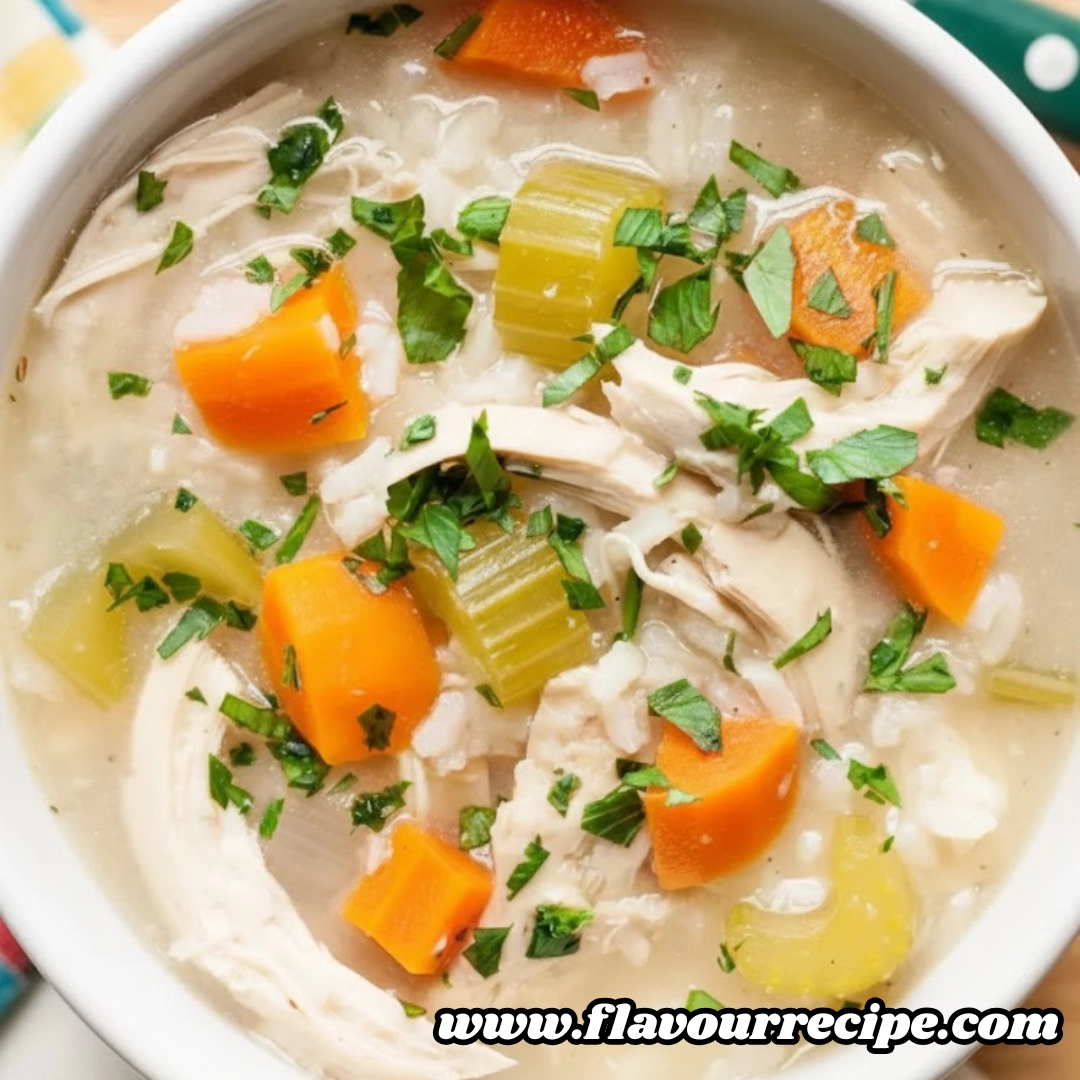
When the temperatures begin to drop and a chill settles into the air, there is nothing quite as restorative as a steaming bowl of homemade soup. This One-Pot Chicken and Rice Soup is the epitome of comfort food, designed to soothe the soul and nourish the body with minimal effort. Unlike many labor-intensive recipes that require multiple pans and hours of hovering over a stove, this method focuses on simplicity and depth of flavor. By simmering bone-in poultry directly with aromatic vegetables and grains, you create a rich, golden broth that tastes like it has been bubbling for an entire day, all while keeping your kitchen clean and your evening stress-free.
Table of Contents
Essential Ingredients for a Restorative Pot
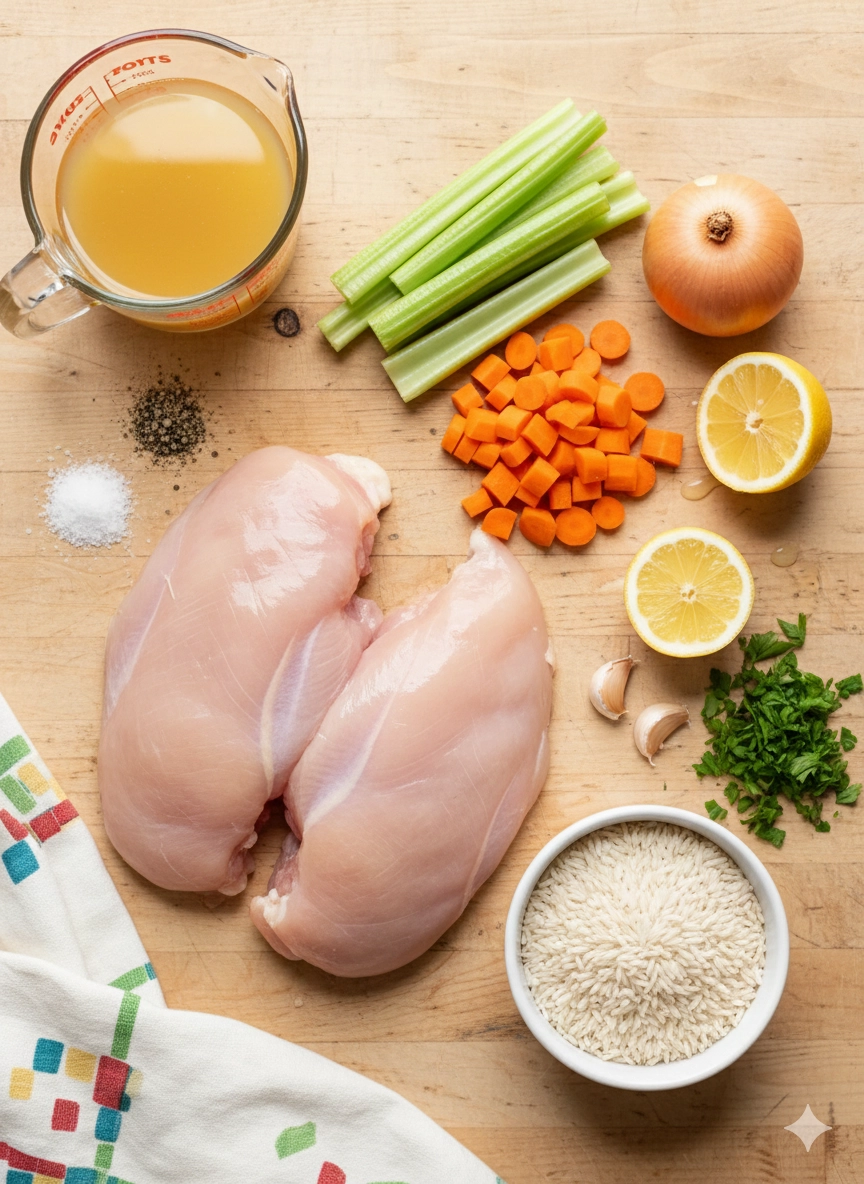
The beauty of this recipe lies in its humble pantry staples. To ensure the most flavorful outcome, we rely on high-quality components that work in harmony to build a complex profile.
- 2 bone-in chicken breasts, skin removed (approximately 1 to 1 and 1/2 pounds)
- 1 cup long-grain white rice, such as basmati
- 2 ribs celery, diced small
- 2 medium carrots, peeled and diced small
- 1 onion, diced small
- 2 cloves garlic, peeled but left whole
- 1 teaspoon salt, plus more to taste
- 1/2 teaspoon ground black pepper
- 2 quarts unsalted or low-sodium chicken stock
- Juice of 1/2 lemon (approximately 3 tablespoons)
- Chopped fresh parsley, for serving
Master the Simple Cooking Sequence
Follow these straightforward steps to achieve a perfectly balanced soup that features tender grains and succulent, shredded poultry.
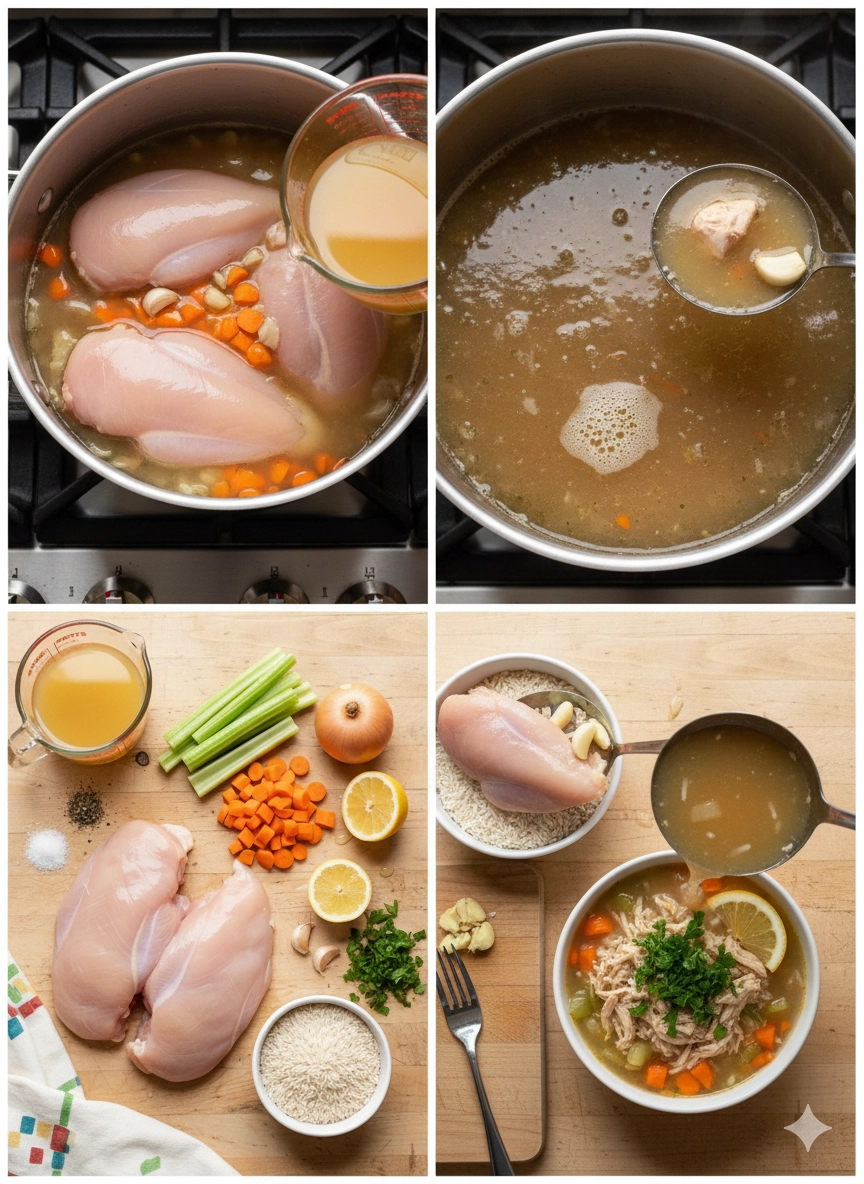
- Combine and Boil: Place the skinless bone-in chicken breasts, long-grain white rice, diced celery, carrots, onion, whole garlic cloves, salt, and pepper into a large, heavy-bottomed pot. Pour in the 2 quarts of chicken stock and set the burner to high heat. Bring the mixture to a full rolling boil.
- The Gentle Simmer: As soon as the liquid reaches a boil, immediately reduce the heat to low. You want a gentle simmer where small bubbles occasionally break the surface.
- Skim and Cook: Allow the soup to cook for approximately 25 minutes. During this window, use a large spoon to skim off any white foam or impurities that rise to the top. This ensures a clear, clean-tasting broth.
- Extract the Flavor Makers: Once the rice and vegetables are tender, use a slotted spoon to remove the chicken breasts and the two whole garlic cloves. Set the soup pot aside, off the heat.
- Shred and Mash: Place the chicken in a shallow bowl and use two forks to shred the meat away from the bone. Discard the bones. Take the softened garlic cloves and mash them into a smooth paste on a cutting board using the flat side of a knife or a fork.
- The Final Integration: Return the shredded chicken and the garlic paste to the pot. Stir in the fresh lemon juice.
- Season and Serve: Taste the broth and add additional salt if necessary. Ladle into deep bowls and garnish generously with fresh parsley.
Elevating the Texture and Aroma Through Detail
While the instructions are simple, the magic of this One-Pot Chicken and Rice Soup happens in the subtle nuances of the cooking process. When you add the bone-in chicken breasts directly to the cold stock along with the rice, you are initiating a cold-start infusion. As the temperature rises, the bones release collagen and minerals into the liquid, providing a silky mouthfeel that you simply cannot achieve with boneless cuts.
The choice of basmati or long-grain rice is intentional. These varieties contain less starch than short-grain rice, which prevents the soup from becoming overly thick or gummy. As the rice grains expand, they absorb the seasoned chicken stock, becoming little flavor bombs that burst with every spoonful.
The garlic technique is perhaps the most clever part of this culinary journey. By simmering the cloves whole, you mellow out the harsh, pungent bite of raw garlic. Once mashed into a paste and reintroduced at the end, the garlic acts as a natural thickener and provides a sweet, nutty undertone that permeates the entire pot. This, combined with the final hit of citric acid from the lemon juice, cuts through the richness of the chicken fat, brightening the entire dish and waking up the palate.
Achieving the Ultimate Creamy Consistency
If you prefer a soup that feels a bit more indulgent without adding heavy cream, the secret lies in the rice itself. While the recipe calls for long-grain rice to keep the broth clear, you can gently press a few spoonfuls of the cooked rice against the side of the pot with a wooden spoon toward the end of the cooking time. This releases just enough starch to give the liquid a slightly opaque, velvety texture.
Another way to enhance the consistency is the “resting phase.” After you turn off the heat and stir the shredded chicken back in, let the pot sit covered for five minutes. This allows the fibers of the meat to reabsorb some of the broth, ensuring the chicken is extraordinarily moist rather than stringy.
Variations for Every Palate
While the classic mirepoix of carrots, onion, and celery provides a timeless foundation, this recipe is highly adaptable.
- Vegetable Swaps: For an earthy twist, consider adding diced fennel or cubes of butternut squash at the beginning of the simmer. Both vegetables pair beautifully with chicken and add a subtle sweetness to the broth.
- Protein Alternatives: If you find yourself with boneless thighs in the refrigerator, they can be used, though the broth will lack the specific depth provided by the breast bones.
- Grain Alternatives: While white rice is traditional, you can use brown rice if you increase the simmering time to approximately 45 minutes. Note that brown rice will require more liquid, so keep an extra cup of stock nearby.
The Science of Bone-In Poultry
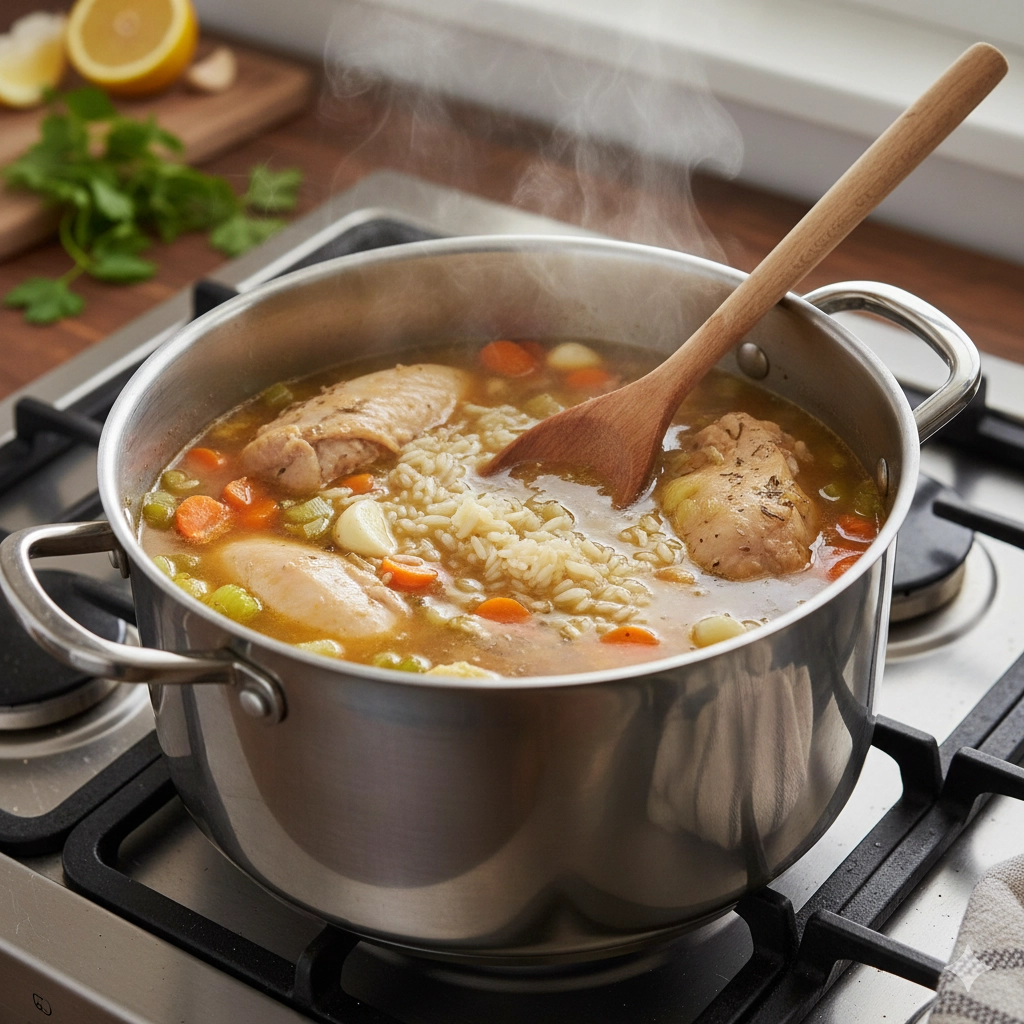
Many home cooks reach for boneless, skinless breasts for convenience, but in a soup, the bone is your best friend. The marrow inside the bone contains amino acids and gelatin. As the water molecules agitate around the bone during the simmering process, these elements are drawn out. This is why a soup made with bone-in meat feels more “filling” and “rich” than one made with pre-cut chunks.
By removing the skin before cooking, we avoid the greasy film that can sometimes plague chicken soups, but we retain all the structural benefits of the skeletal cut. This is a pro-level shortcut to making a “faux-stock” that tastes like it was simmered for twelve hours.
Perfectly Paired Accompaniments
This soup is a complete meal on its own, but it can be elevated with the right sides. A crusty loaf of sourdough bread is the most popular choice, perfect for mopping up the last drops of golden broth. If you want something lighter, a crisp green salad with a sharp vinaigrette provides a nice textural contrast to the soft rice and tender chicken.
For those who enjoy a bit of heat, a small dish of red pepper flakes or a dash of hot sauce can be added at the table. To lean into the Mediterranean notes of the lemon and parsley, consider serving the soup with a side of pitted kalamata olives or a small wedge of feta cheese crumbled on top.
Preserving the Harvest: Storage and Freezing
One of the greatest benefits of this One-Pot Chicken and Rice Soup is its longevity.
- Refrigeration: Store leftovers in an airtight container for up to seven days. Be aware that the rice will continue to absorb liquid as it sits. When reheating, you may need to add a splash of water or extra stock to return it to a soup-like consistency.
- Freezing: This soup freezes remarkably well for up to three months. To preserve the quality, allow the soup to cool to room temperature before transferring it to heavy-duty freezer bags. Lay them flat to save space.
- Thawing: The safest method is to thaw the soup overnight in the refrigerator. If you are in a rush, you can place the frozen block directly into a saucepan over low heat, adding a bit of liquid to prevent the rice from scorching as it melts.
Frequently Asked Questions
Can I use a rotisserie chicken instead of raw bone-in breasts?
Yes, you can use shredded rotisserie chicken, but the cooking process will change slightly. Since the chicken is already cooked, you should simmer the rice and vegetables in the stock first. Add the shredded meat at the very end just to warm it through. However, keep in mind that you will miss out on the deep flavor created by simmering the bones directly in the broth.
Why does my rice always turn out mushy in soup?
Mushy rice is usually the result of overcooking or using a variety with high starch content, like arborio. By sticking to long-grain white rice and strictly following the 25-minute simmer time, the rice should stay distinct and tender. If you plan on having lots of leftovers, you can even cook the rice separately and add a scoop to each bowl before pouring the hot soup over it.
Is it necessary to skim the foam off the top of the soup?
While not strictly necessary for safety, skimming the foam is essential for aesthetics and clarity of flavor. The foam consists of denatured proteins from the chicken. If left in the pot, these proteins will eventually break down and cloud the broth, sometimes giving it a slightly bitter or “muddy” taste. A quick skim at the ten-minute mark makes a world of difference.
What should I do if my soup is too salty?
If you accidentally used salted stock and added salt at the beginning, the soup might be a bit aggressive on the palate. To fix this, you can add a peeled, halved potato to the pot and simmer for ten minutes; the potato will absorb some of the salt. Alternatively, simply dilute the soup with a bit of water or more unsalted stock, then re-adjust the lemon juice to balance the flavors.
A Wholesome Choice for Your Table
Choosing to make a one-pot meal is an act of kindness to yourself. It simplifies the evening routine while providing a nutrient-dense dinner that everyone in the family can enjoy. This chicken and rice soup is particularly wonderful because it relies on real, whole-food ingredients without the need for processed flavor enhancers. It is a dish that feels like a hug in a bowl, reminding us that the best meals are often the ones that require the least amount of fuss.
Nutrition Information
| Nutrients | Amount Per Serving |
| Calories | 161 |
| Total Fat | 2 grams |
| Carbohydrates | 10 grams |
| Protein | 23 grams |
Disclaimer
The nutrition information provided is an estimate based on the ingredients listed and should be used for educational purposes only. Individual nutritional needs may vary, and the final values can change based on the specific brands of stock or the exact size of the produce used.
PrintOne-Pot Chicken and Rice Soup

This One-Pot Chicken and Rice Soup is the ultimate comfort food, designed to soothe the soul and nourish the body with minimal effort and a rich, golden broth.
- Prep Time: 15 mins
- Cook Time: 30 mins
- Total Time: 45 mins
- Yield: 8 servings 1x
- Category: Dinner
- Method: Stovetop
- Cuisine: American
Ingredients
2 bone-in chicken breasts, skin removed
1 cup long-grain white rice
2 ribs celery, diced small
2 medium carrots, peeled and diced small
1 onion, diced small
2 cloves garlic, peeled but left whole
1 teaspoon salt
1/2 teaspoon ground black pepper
2 quarts unsalted chicken stock
Juice of 1/2 lemon
Fresh parsley for garnish
Instructions
1. Combine the chicken, rice, celery, carrots, onion, garlic, salt, and pepper in a large pot. Add chicken stock and bring to a boil.
2. Reduce heat to a gentle simmer. Cook for 25 minutes, skimming any foam from the surface.
3. Remove chicken and garlic cloves. Shred the chicken (discard bones) and mash the garlic into a paste.
4. Return shredded chicken and garlic paste to the pot. Stir in lemon juice, season to taste, and serve with parsley.
Notes
Use bone-in chicken for the best broth flavor.
Leftovers keep for 7 days in the fridge; the rice will absorb more liquid over time.
Freeze for up to 3 months.
Nutrition
- Serving Size: 1 bowl
- Calories: 161
- Sugar: 1g
- Sodium: 350mg
- Fat: 2g
- Saturated Fat: 0.5g
- Unsaturated Fat: 1g
- Trans Fat: 0g
- Carbohydrates: 10g
- Fiber: 1g
- Protein: 23g
- Cholesterol: 45mg