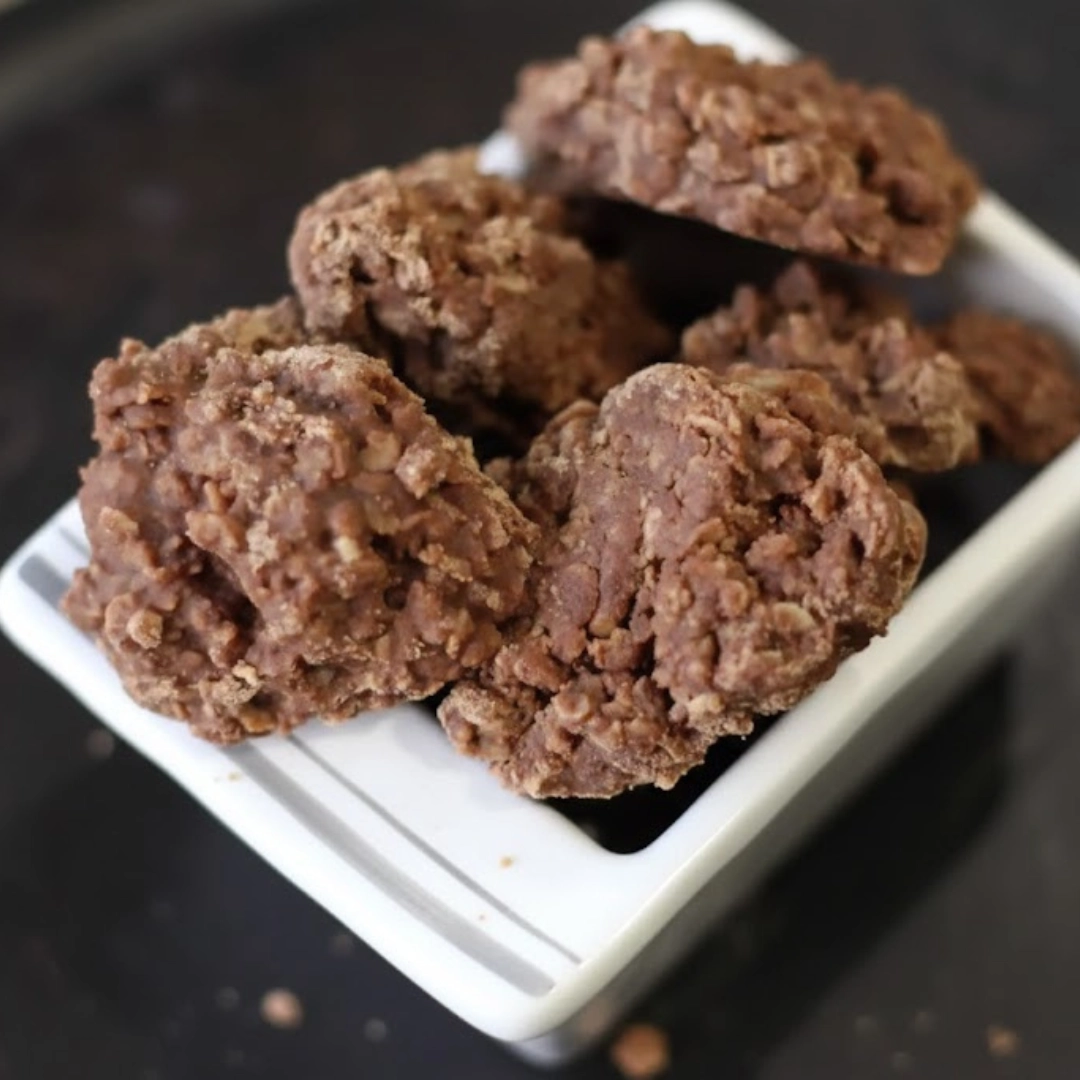
There is a singular kind of magic that happens when you combine pantry staples into a decadent, fudgy treat without ever turning on the oven. It is a moment of pure culinary simplicity, resulting in a sweet that delivers on texture, richness, and nostalgic flavor every single time. These No Bake Cookies Chocolate Oatmeal Cookies are a testament to that magic, offering a dense, chewy texture from the rolled oats enveloped in a glossy, deeply chocolatey ganache-like matrix. They are the perfect solution for a sudden craving, a quick contribution to a potluck, or a welcome kitchen project on a scorching summer day when the thought of preheating an appliance is too much to bear.
This recipe relies on a straightforward, stovetop-cooked fudge base that, when done correctly, sets up perfectly chewy, never crumbly or grainy. The key to success is in the timing of the boil, a brief window that transforms simple ingredients into the binding foundation for a batch of irresistible cookies.
Table of Contents
The Essential Pantry Checklist
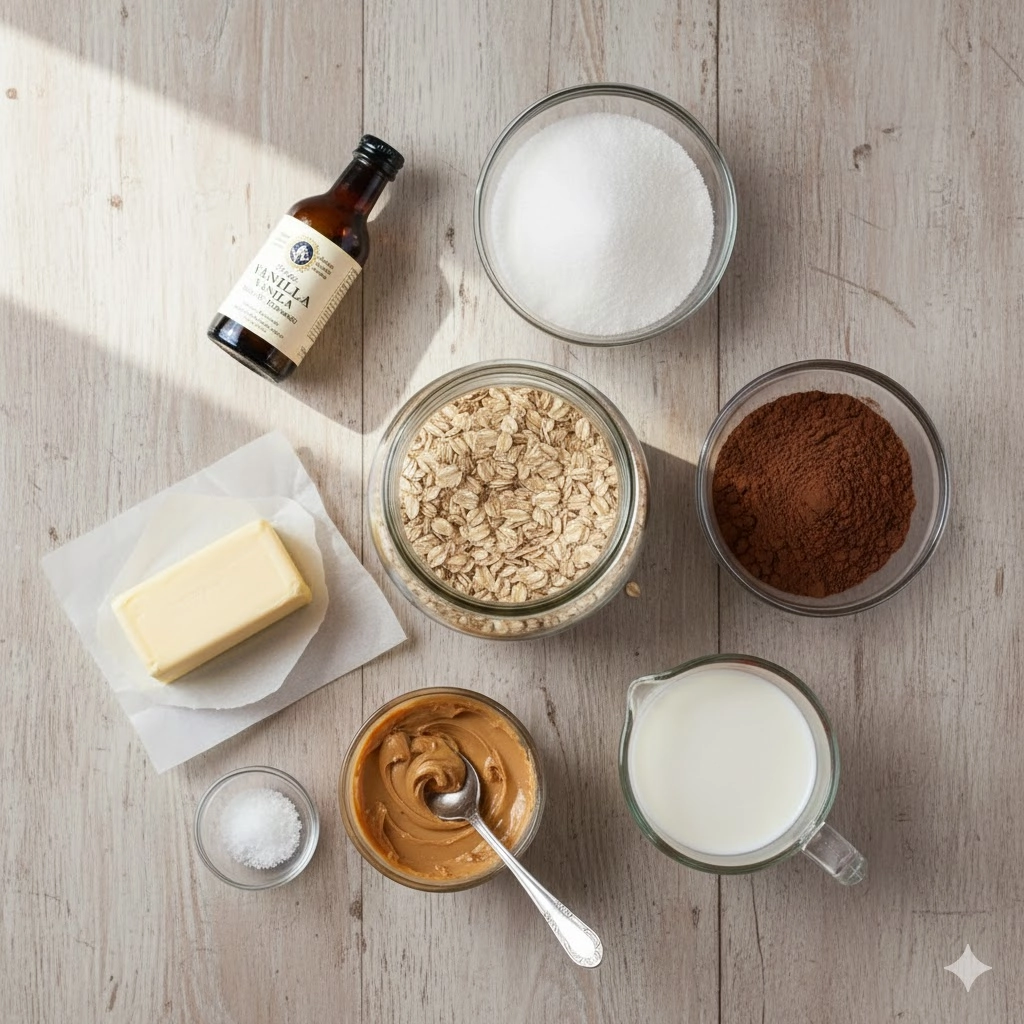
Preparing these delightful treats begins with gathering and precisely measuring your components. We focus on common kitchen items, but quality is still important, especially for the cocoa and peanut butter.
For the Fudge Base
- 2 cups (400 grams) granulated sugar
- one-half cup (1 stick or 113 grams) unsalted butter
- one-half cup (120 milliliters) milk (whole milk is recommended for richness)
- one-quarter cup (25 grams) unsweetened cocoa powder, preferably Dutch-processed
- one-half teaspoon (2.5 milliliters) fine sea salt
For the Final Assembly
- 3 cups (270 grams) quick-cooking oats (not instant or steel-cut)
- 1 cup (250 grams) creamy peanut butter (all-natural, oil-separated types are not recommended)
- 1 tablespoon (15 milliliters) pure vanilla extract
Achieving Confectionery Perfection: The Method
The beauty of this recipe lies in its speed. From start to finish, you can have a full batch cooling and ready to eat in under an hour, provided you follow the foundational steps precisely.
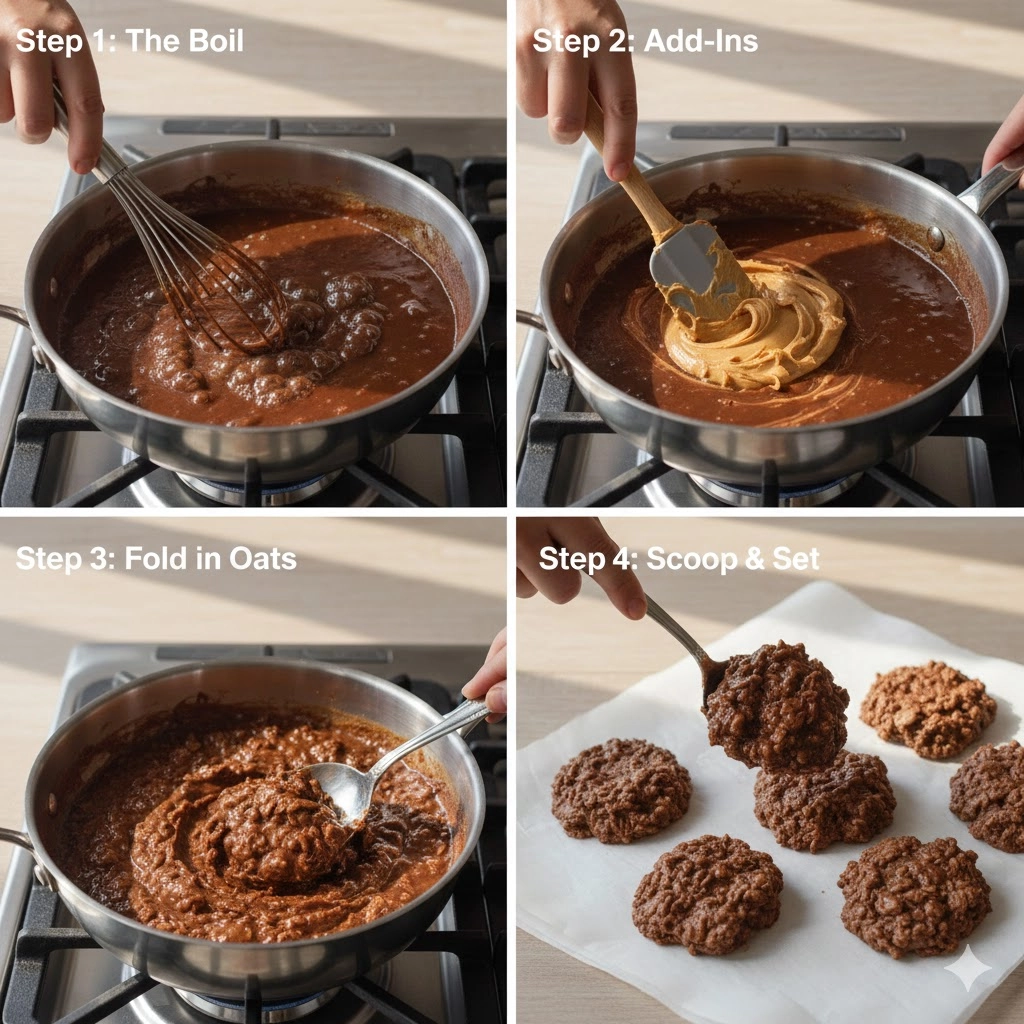
- Combine the sugar, butter, milk, cocoa powder, and salt in a medium, heavy-bottomed saucepan.
- Bring the mixture to a full, rolling boil over medium heat, stirring constantly to prevent scorching.
- Once the mixture reaches a hard, continuous boil that cannot be stirred down, begin timing for exactly sixty seconds.
- Immediately remove the pan from the heat and quickly stir in the peanut butter and vanilla extract until completely smooth and melted.
- Fold in the quick-cooking oats, working quickly until they are evenly coated in the warm, glossy fudge mixture.
- Working quickly before the fudge sets, drop heaping tablespoons of the mixture onto parchment-lined baking sheets.
- Allow the cookies to cool undisturbed at room temperature for about thirty to forty-five minutes, or until completely firm to the touch.
Mastering the Boil: Timing and Texture
The entire structure of these No Bake Cookies Chocolate Oatmeal Cookies hinges on what happens during those initial sixty seconds of boiling. This isn’t just about melting the ingredients; it’s about concentrating the sugar solution and raising its temperature to the soft-ball stage of candy making, ensuring the final cookie holds its shape and has that signature chewy texture.
When you first combine the base ingredients—the sugar, butter, milk, cocoa, and salt—the mixture is merely a slurry. As you heat it, the butter melts and the sugar begins to dissolve. Stir consistently, scraping the bottom of the pan often, to prevent the cocoa and sugar crystals from burning and sticking. This is critical for preventing a grainy final texture.
Once the mixture comes to a boil, you must wait for a rolling boil. This means the bubbles are erupting rapidly across the entire surface and continue to do so even as you stir. At this point, set your timer for precisely sixty seconds. Not forty-five seconds, and certainly not a minute and a half.
Sensory Cues During the Boil: The mixture will thicken slightly and darken. You will notice a distinct, cooked sugar aroma beginning to waft up. The surface will become a uniform, churning brown. This one minute is enough time to evaporate just the right amount of water. If you under-boil, the cookies will be too wet and will never set up properly; they’ll remain a sticky puddle. If you over-boil, the mixture will become too hard and crumbly when set, losing that delightful chew.
As soon as the timer sounds, your next moves must be swift and decisive. The residual heat will continue cooking the sugar, so you must immediately remove the pan from the heat source. Stir in the peanut butter first; its fat content helps cool the mixture down rapidly and stops the cooking process. Follow immediately with the vanilla, and then the oats. The moment the oats are coated, you must begin dropping the cookies. Delaying even a minute can result in a fudge that stiffens in the pan, making it impossible to portion. Aim for a consistent size and shape on the parchment paper, and remember: they will set in the shape you leave them.
Troubleshooting and Expert Secrets
While the recipe is simple in concept, the timing demands attention. These tips help ensure your cookies are firm, chewy, and perfect every time.
The Altitude Factor: If you live at a high altitude, water boils at a lower temperature. This means you may need to increase your boiling time by fifteen to thirty seconds to achieve the necessary sugar concentration for setting. Pay close attention to the texture—it should feel slightly syrupy when stirred off the heat.
Checking the Texture: The ideal texture when incorporating the oats is slightly sticky and very thick, but still pliable enough to scoop. If the oats look dry or the mixture resists stirring, your fudge base was likely over-boiled. Next time, reduce the boiling time slightly. If the mixture is too wet and loose, it was under-boiled.
Temperature is the Enemy: Do not attempt to make these cookies on a day when the humidity is high or the room temperature is very warm. Humidity prevents the sugar mixture from drying out properly, often resulting in a soft, sticky finish. Try to make these in a climate-controlled kitchen.
Achieving the Gloss: For a truly professional sheen, make sure your peanut butter and vanilla are fully incorporated into the hot fudge before adding the oats. The resulting mixture should be smooth and glossy. If you add the oats too early, the texture will be dull and matte.
The Peanut Butter Choice: Use classic, stabilized creamy peanut butter, such as Jif or Skippy. Natural peanut butter, which separates oil, has a different fat-to-liquid ratio that can interfere with the sugar setting, leading to a greasy and often unset cookie.
The Oats: Quick-cooking oats are non-negotiable. They are thin enough to absorb the fudge base fully and quickly, yielding a soft, cohesive chew. Old-fashioned (rolled) oats are too thick and will result in a dry, crunchy, or crumbly cookie.
Beyond the Basics: Flavor Swaps and Customizations
Once you have mastered the classic version, the structure of the No Bake Cookies Chocolate Oatmeal Cookies is robust enough to handle several creative modifications.
Swap the Nut Butter: If you are dealing with allergies or simply want a different flavor profile, sun butter (sunflower seed butter) or almond butter can be used as a one-to-one substitute for the peanut butter. Note that almond butter often provides a slightly less firm set, so you may need to add an extra one-quarter cup of oats to compensate.
Mint Chocolate Delight: Stir one teaspoon of pure peppermint extract into the fudge base along with the vanilla. For color and texture, fold in one-half cup of crushed peppermints or a few tablespoons of mint chocolate chips after the oats are incorporated.
Aromatic Spices: Add one-half teaspoon of ground cinnamon and a pinch of cayenne pepper to the dry ingredients (sugar and cocoa) before boiling. This introduces a sophisticated warmth and a gentle, unexpected heat that contrasts beautifully with the sweetness of the chocolate.
Coconut and Citrus: For a tropical twist, replace one-half cup of the oats with one-half cup of shredded, unsweetened coconut. Additionally, introduce the zest of one whole orange when you add the vanilla. The citrus aroma brightens the deep chocolate and complements the coconut perfectly.
Gluten-Free Assurance: While oats are naturally gluten-free, they are often cross-contaminated. For a truly gluten-free cookie, ensure you use certified gluten-free quick-cooking oats. No other modification is necessary.

Presenting Your Batch: Serving Ideas
These quick cookies are wonderfully versatile and can be served in ways that elevate their casual, homespun appeal.
The Classic Stack: Simply stack them on a cake stand or platter. Since they are inherently soft, they pair well with a cup of cold milk or a robust cup of hot coffee. Their texture resists crumbling, making them ideal for picnics.
Ice Cream Sandwich Style: For a decadent summer dessert, press two cookies gently around a scoop of your favorite vanilla or peanut butter ice cream. Store them in the freezer and serve them slightly softened. The dense chew of the cookie holds up remarkably well against the cold temperature.
Crumbled Topping: Use unset or intentionally crumbled cookies as a topping for a variety of desserts. They make an exceptional textural garnish for a simple vanilla pudding or a no-bake cheesecake. The sweet, buttery crumbs add necessary depth to creamy recipes.
As a Candy Bar: Instead of dropping individual cookies, press the entire warm mixture into a greased nine by nine-inch square pan. Allow it to set completely, then slice it into bars or squares. This speeds up the setting process and provides a uniform, denser confection perfect for gifting.
Queries from the Kitchen
A few common questions arise when attempting this classic recipe.
Why are my cookies still sticky and won’t set?
This is almost always due to under-boiling the sugar mixture. You must bring the mixture to a hard, rolling boil for a full minute to evaporate enough moisture. If you live in a high-humidity area, the setting process can also be challenging; try setting the cookies in the refrigerator to assist firming up.
Can I use old-fashioned rolled oats instead of quick-cooking?
No, using old-fashioned rolled oats will result in a cookie that is either dry and crumbly because the oats didn’t fully absorb the liquid, or they will be unpleasantly tough and chewy. The finer cut of the quick-cooking oat is essential for the rapid absorption necessary in this recipe.
How long can I store a batch of these cookies?
Stored in an airtight container at room temperature, these cookies will remain fresh and chewy for up to five days. If you prefer to keep them for longer, they can be frozen for up to two months. Thaw them overnight in the refrigerator before serving for the best texture.
Is it possible to make these without any cocoa powder?
Yes, you can omit the cocoa powder entirely to create a light-colored, peanut butter-forward cookie. Increase the amount of butter by one tablespoon to make up for the slight volume difference, and follow the remaining steps exactly. The flavor will be more akin to a peanut butter fudge.
My mixture looks grainy. What caused this?
Graininess is caused by undissolved sugar crystals. This occurs when the mixture is not stirred enough while heating, allowing the sugar on the bottom of the pan to crystalize or burn. Always stir constantly until the mixture reaches a boil, ensuring all sugar is dissolved before you start the one-minute timer.
Nutritional Snapshot
| Nutrient | Amount per Serving |
| Calories | 285 kcal |
| Protein | 7 g |
| Carbs | 45 g |
| Fat | 10 g |
| Fiber | 3 g |
| Sugar | 32 g |
| Sodium | 140 mg |
Disclaimer
Nutrition information is an estimate and may vary based on preparation and ingredients used.
PrintThe Ultimate No Bake Cookies Chocolate Oatmeal Cookies Recipe
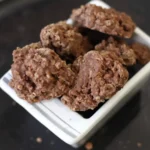
A classic, quick, and fudgy no-bake cookie recipe featuring chocolate and chewy oats. The key is in precise timing of the boil for a perfect set.
- Prep Time: 10 mins
- Cook Time: 5 mins
- Total Time: 50 mins
- Yield: 24 cookies 1x
- Category: Dessert
- Method: Stovetop
- Cuisine: American
Ingredients
2 cups granulated sugar
one-half cup (1 stick) unsalted butter
one-half cup milk
one-quarter cup unsweetened cocoa powder
one-half teaspoon fine sea salt
3 cups quick-cooking oats
1 cup creamy peanut butter
1 tablespoon pure vanilla extract
Instructions
1. Combine the sugar, butter, milk, cocoa powder, and salt in a medium, heavy-bottomed saucepan. Stir constantly over medium heat until the sugar dissolves.
2. Bring the mixture to a full, continuous, rolling boil. Set a timer immediately upon reaching the rolling boil.
3. Boil the mixture for exactly sixty seconds, without stopping the stirring. Immediately remove the pan from the heat.
4. Quickly stir in the creamy peanut butter and vanilla extract until the mixture is smooth and glossy.
5. Fold in the quick-cooking oats until they are fully coated in the chocolate fudge base.
6. Working quickly, drop heaping tablespoons of the mixture onto baking sheets lined with parchment paper.
7. Allow the cookies to cool and set completely at room temperature for thirty to forty-five minutes before serving.
Notes
If cookies won’t set, increase boiling time by 15-30 seconds next time.
Use certified gluten-free oats if needed.
Store leftovers in an airtight container for up to five days at room temperature.
Nutrition
- Serving Size: 1 cookie
- Calories: 285
- Sugar: 32g
- Sodium: 140mg
- Fat: 10g
- Saturated Fat: 6g
- Unsaturated Fat: 4g
- Trans Fat: 0g
- Carbohydrates: 45g
- Fiber: 3g
- Protein: 7g
- Cholesterol: 15mg