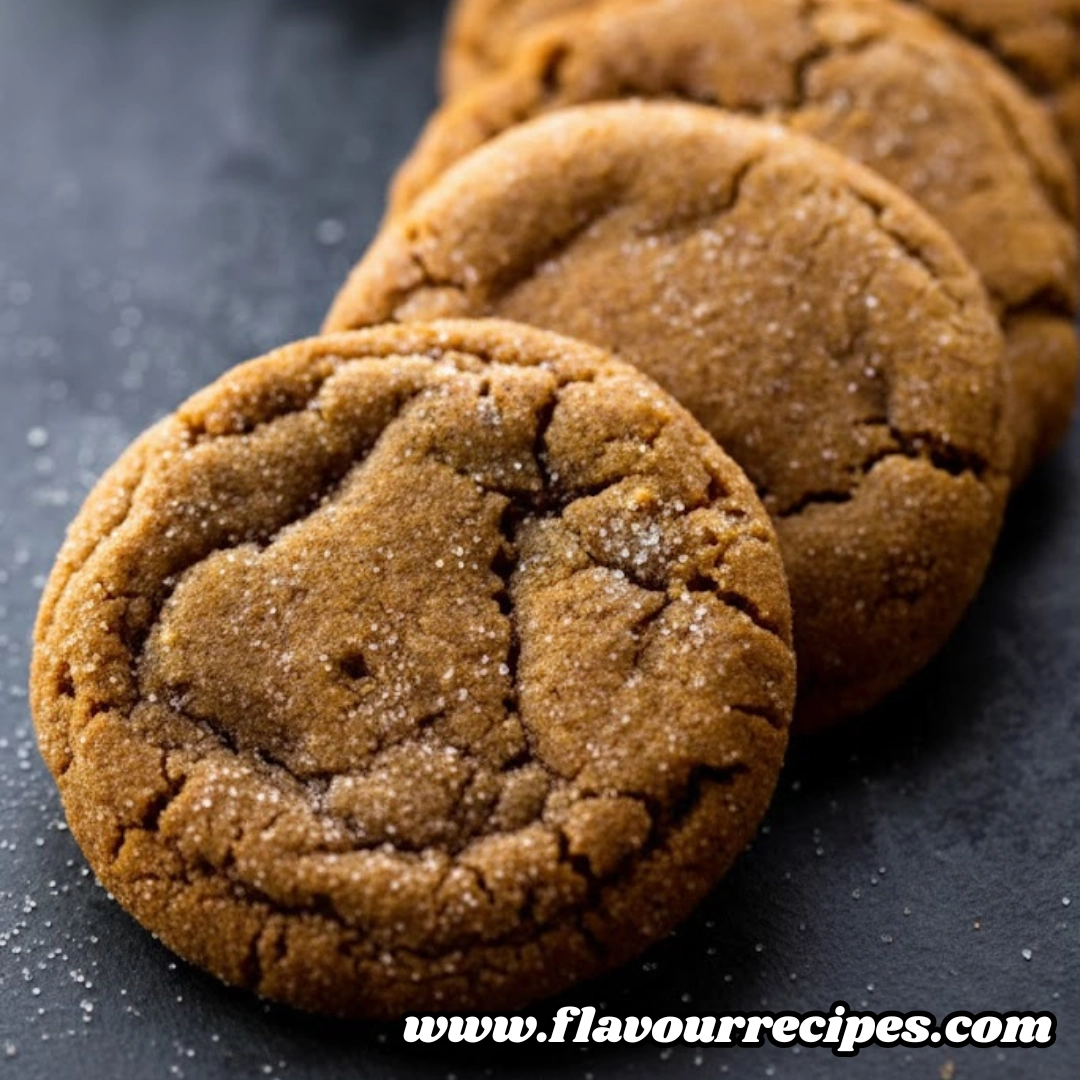
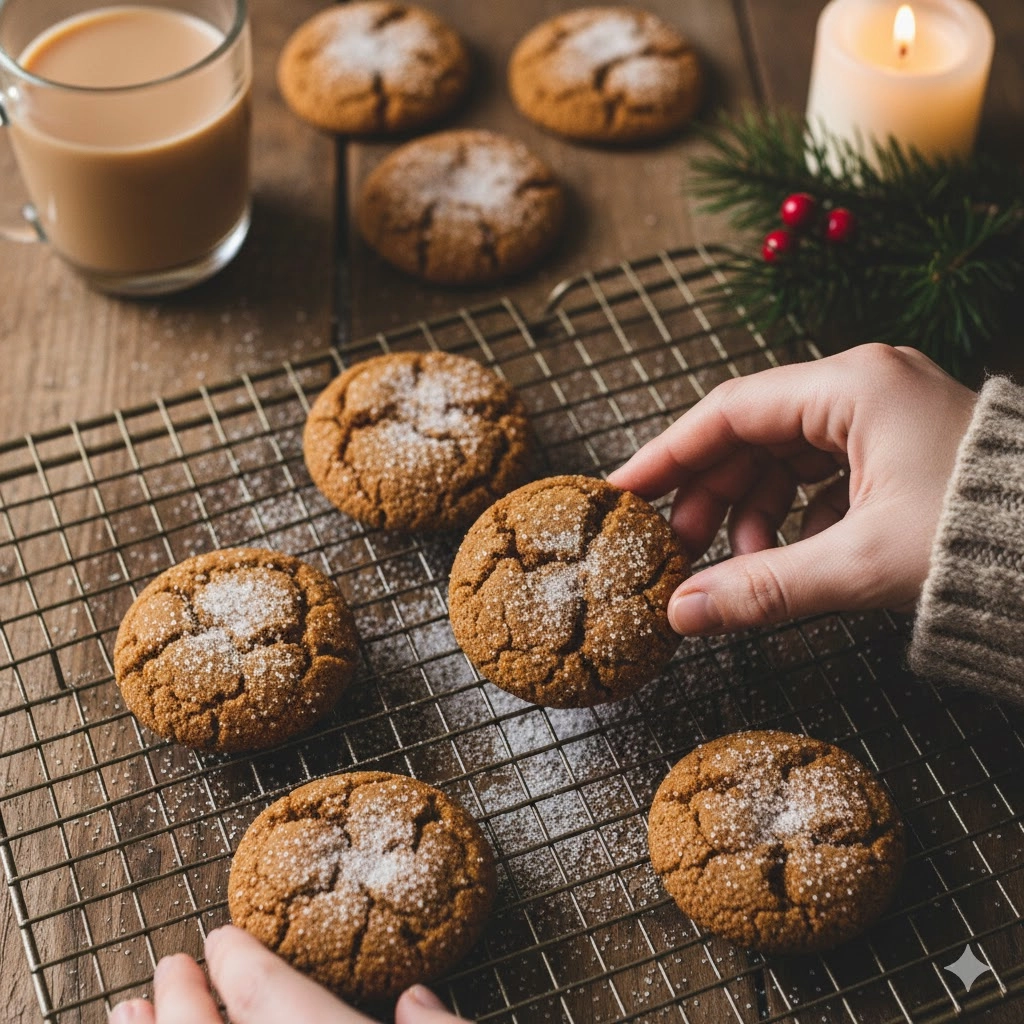
Few aromas evoke the holiday spirit quite like the scent of warm spices and rich, dark molasses wafting through a cozy kitchen. When the weather turns chilly, there is an instinctive pull toward the pantry to pull out the ginger, cinnamon, and cloves. Among the pantheon of seasonal treats, these soft molasses cookies stand in a league of their own. They are the epitome of comfort food: incredibly tender, delightfully chewy, and topped with that signature crackly sugar crust that sparkles under kitchen lights. Unlike their crunchy counterparts, the gingersnap, these cookies are designed for those who crave a melt-in-your-mouth texture that stays fresh and soft for days on end. Whether you are reliving childhood memories of baking with family or looking to start a new tradition, this recipe delivers a bakery-quality result with a humble, homemade soul.
Table of Contents
Essential Ingredients for the Perfect Spiced Dough
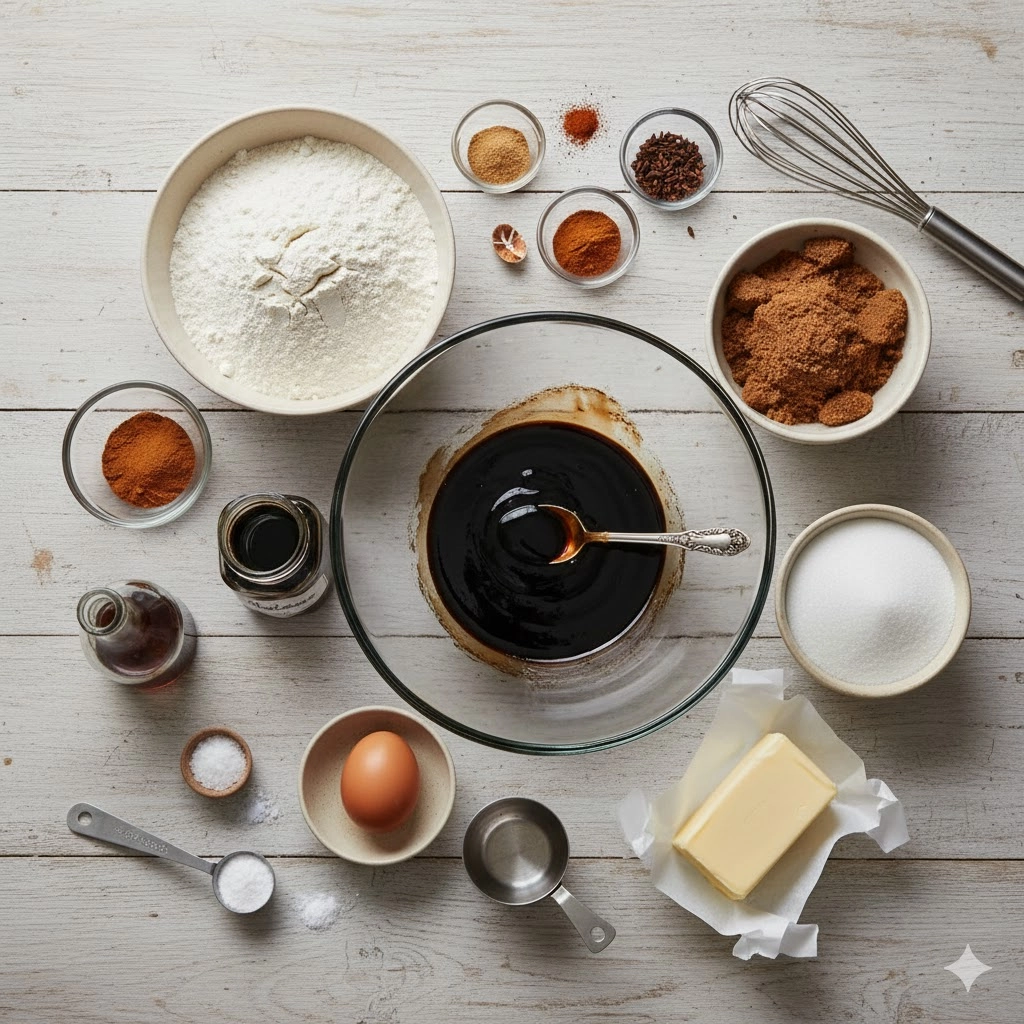
To achieve the specific balance of a soft interior and a robust spice profile, we use a precise selection of pantry staples and specialty items. Ensure your ingredients are at the proper temperatures to allow for optimal emulsion and aeration during the mixing process.
- 2 and 1/4 cups all-purpose flour (spooned and leveled for accuracy)
- 1 and 1/2 teaspoons baking soda
- 2 teaspoons ground ginger
- 1 and 1/2 teaspoons ground cinnamon
- 1/4 teaspoon ground cloves
- 1/4 teaspoon nutmeg
- 1/4 teaspoon salt
- 3/4 cup (12 tablespoons) unsalted butter, softened to room temperature
- 1/2 cup packed light or dark brown sugar
- 1/4 cup granulated sugar
- 1/3 cup unsulphured or dark molasses (avoid using blackstrap molasses)
- 1 large egg, at room temperature
- 2 teaspoons pure vanilla extract
- 1/3 cup granulated or coarse sugar (reserved in a separate bowl for rolling)
Step-by-Step Preparation Guide
Following the correct sequence is vital for ensuring the dough develops the right structure and the cookies achieve their famous crackled appearance.
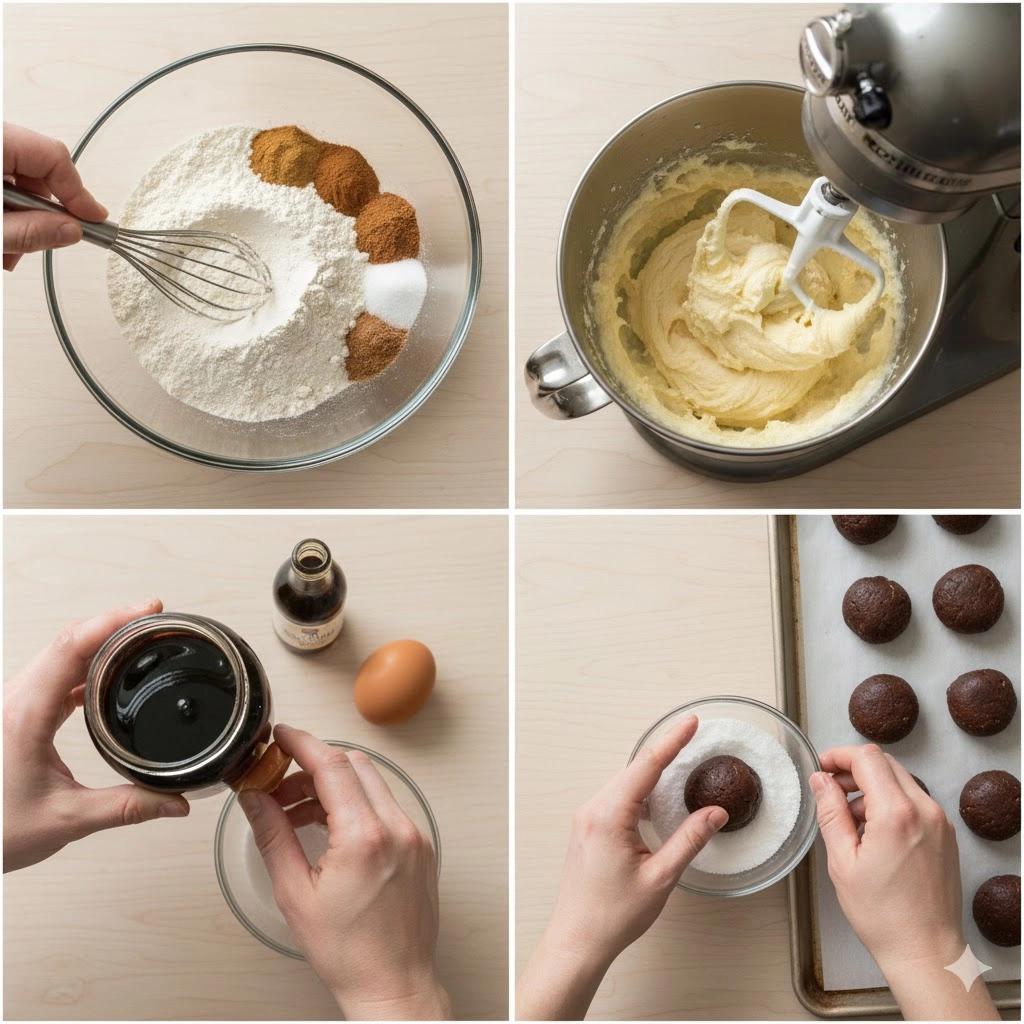
- Begin by combining your dry base. In a medium-sized bowl, whisk together the all-purpose flour, baking soda, ground ginger, cinnamon, cloves, nutmeg, and salt. Ensure the spices are evenly distributed so every bite has a consistent warmth. Set this mixture aside.
- Prepare the creamed base. Using a handheld or stand mixer fitted with a paddle attachment, beat the softened unsalted butter with the 1/2 cup of brown sugar and 1/4 cup of granulated sugar. Beat on high speed for approximately 2 minutes until the mixture looks pale, creamy, and well-combined.
- Incorporate the liquid flavorings. Add the 1/3 cup of molasses to the butter mixture and beat until fully integrated. Next, add the large egg and the 2 teaspoons of vanilla extract. Continue beating for about 1 minute, making sure to scrape down the sides and the bottom of the bowl with a spatula to ensure no streaks of butter remain.
- Merge the components. Turn the mixer to low speed and slowly add the dry flour and spice mixture into the wet ingredients. Mix only until just combined; the dough should be slightly sticky to the touch.
- The chilling phase. Cover the dough tightly with aluminum foil or plastic wrap. Place it in the refrigerator to chill for at least 1 hour. This can be extended up to 2 to 3 days if you are prepping in advance.
- Oven setup. Preheat your oven to 350 Fahrenheit. Line two large baking sheets with parchment paper or silicone baking mats to prevent sticking and ensure even browning.
- Portioning and rolling. Remove the dough from the fridge. If it has chilled for longer than 2 hours, let it sit on the counter for 30 minutes to take the chill off. Scoop 1 tablespoon of dough at a time and roll into a smooth ball. Roll each ball generously in the reserved 1/3 cup of sugar until fully coated.
- Spacing and baking. Place the balls 3 inches apart on the prepared baking sheets. Bake for 11 to 12 minutes. The edges should appear set, but the centers will still look soft.
- The “Bang” technique for cracks. If the tops do not show deep cracks toward the end of baking, remove the sheet and gently bang it on the counter 2 to 3 times. This encourages the cookies to spread and creates those beautiful crinkles. Return to the oven for 1 final minute.
- Cooling. Let the cookies rest on the baking sheet for 5 minutes to firm up before moving them to a wire rack to cool completely.
Achieving the Ultimate Creamy Consistency and Texture
The magic of this specific recipe lies in the science of the ingredient ratios. By reducing the flour content compared to traditional gingerbread, we allow the moisture from the molasses and brown sugar to take center stage. This results in a cookie that is “flatter” than a cakey cookie but significantly “chewier” than a wafer.
The role of baking soda here is two-fold. While it provides the necessary lift to keep the cookie from becoming a greasy puddle, it also reacts with the acidic molasses to create carbon dioxide bubbles. When the cookie hits the heat of the oven, it puffs up rapidly. As it begins to cool or when you utilize the “counter-bang” method, the structure collapses slightly, pulling the surface apart to create the iconic crackled aesthetic.
Temperature management is your best friend in the kitchen. Using a room-temperature egg is not just a suggestion; it prevents the creamed butter from seizing up when the egg is added. This ensures a smooth, emulsified batter that holds air perfectly, leading to that “seriously soft” promise.
Deep Dive into Molasses Varieties
When you stand in the baking aisle, the array of molasses options can be daunting. For this recipe, the choice of molasses dictates both the color and the intensity of the flavor.
Most bakers prefer unsulphured dark molasses, often labeled as “robust” molasses. This variety provides a deep, caramelized sweetness without being overpowering. Brands like Grandma’s or Brer Rabbit are standard go-to options that provide a consistent result. If you choose an organic brand like Wholesome, be aware that these are often much darker and more concentrated, which will result in a cookie with a nearly ebony hue and a much stronger “bite.”
Under no circumstances should you use blackstrap molasses for this recipe. Blackstrap is the result of the third boiling of the sugar cane syrup; it is very low in sugar and very high in minerals, giving it a bitter, medicinal, and salty profile. Using it here would overwhelm the delicate spices and result in a cookie that lacks the necessary sweetness to balance the ginger and cloves.
Innovative Serving and Accompaniment Ideas
While these cookies are a masterpiece on their own, they serve as a versatile foundation for various serving styles.
For a sophisticated dessert platter, pair these cookies with a sharp, aged cheddar cheese. The saltiness of the cheese cuts through the deep sweetness of the molasses and spices, a combination often favored in New England traditions. Alternatively, these are the ultimate “dunking” cookies. Serve them alongside a warm mug of chai tea or a steaming cup of coffee. The spices in the chai complement the ginger and cinnamon in the dough perfectly.
If you want to lean into the indulgence, use two cookies to create an ice cream sandwich. A high-quality vanilla bean ice cream or even a salted caramel gelato sandwiched between two soft molasses cookies creates a textural wonderland. Because these cookies stay soft even when chilled, they won’t turn into hard rocks in the freezer, making them the ideal vessel for frozen treats.
Masterful Modifications and Ingredient Substitutions
If you find yourself missing an ingredient or catering to a specific palate, there are ways to pivot without losing the essence of the dish.
If you prefer a more “zingy” cookie, you can add 1/2 cup of finely chopped crystallized ginger to the dough. This adds a chewy, spicy pop that surprises the eater. For those who enjoy a bit of crunch, substituting the granulated sugar coating for “sparkling sugar” or turbinado sugar provides a much larger crystal that holds up during the bake, giving you a distinct textural contrast against the soft interior.
In terms of fat, while unsalted butter provides the best flavor, some bakers prefer using a 50/50 split of butter and vegetable shortening. Shortening has a higher melting point, which can help the cookies hold their round shape better, though you will lose some of the rich, milky notes that only real butter can provide. If you only have salted butter on hand, simply omit the 1/4 teaspoon of salt called for in the dry ingredients to maintain the flavor balance.
Strategies for Making Ahead and Storage
One of the greatest strengths of this recipe is its longevity. These cookies are famous for staying “seriously soft” for a full week when stored in an airtight container at room temperature. The moisture-retaining properties of the molasses act as a natural preservative for the texture.
For those who like to be prepared for unexpected guests or holiday parties, the dough is incredibly freezer-friendly. You can roll the dough into balls (before coating them in sugar) and freeze them on a tray. Once frozen solid, transfer the balls to a zip-top bag. When the craving strikes, let the dough balls sit at room temperature for about 30 minutes, roll them in sugar, and bake as directed.
You can also freeze the fully baked cookies. They hold up beautifully for up to three months. To serve, simply thaw them overnight in the refrigerator or for an hour on the counter. A 5-second zap in the microwave can also revive that “fresh from the oven” warmth and softness.
Expanded Step-by-Step Culinary Details
To ensure success, let’s look closer at the “creaming” and “mixing” stages. When you beat the butter and sugars, you aren’t just mixing them; you are performing mechanical leavening. The sugar crystals cut through the butter, creating tiny pockets of air. This is why the 2-minute timer is important. If you under-mix, the cookies may be heavy; if you over-mix, the butter might get too warm, causing the cookies to spread too much.
When adding the flour, the “low speed” instruction is non-negotiable. As soon as flour meets moisture, gluten begins to develop. Over-working the dough at this stage results in a tough, bread-like cookie rather than a tender, soft one. Stop the mixer as soon as you see the last streak of white flour disappear into the dark, spiced dough.
The chilling time is the “secret sauce” of this recipe. Chilling the dough allows the flour to fully hydrate and the fats to solidify. Cold dough spreads more slowly in the oven, which is essential for getting that thick, chewy center. If you skip the chill, you might end up with a very thin, greasy cookie that lacks the characteristic “heft” of a classic molasses treat.
Comprehensive Kitchen FAQ
Why did my cookies come out flat instead of puffy and crackled?
Flat cookies usually result from butter that was too soft or dough that wasn’t chilled long enough. If the butter is oily rather than just “softened,” it won’t hold the air bubbles created during creaming. Additionally, make sure your baking soda is fresh; if it is past its prime, it won’t provide the lift needed to create the puff-and-sink motion that causes the cracks.
Can I use light molasses instead of dark molasses?
Yes, you can use light molasses (often called “mild” or “fancy”). The result will be a cookie with a lighter color and a more subtle, honey-like sweetness. It won’t have the same “robust” depth as the dark molasses version, but it will still be delicious. Avoid blackstrap at all costs, as previously mentioned.
How do I know exactly when to take them out of the oven?
The “visual cue” is the most important factor. You are looking for the edges to be matte and firm to the touch, while the centers should still look slightly “underdone” or moist. Cookies continue to cook on the hot baking sheet for several minutes after being removed from the oven (this is called carry-over cooking). If they look fully cooked in the oven, they will likely be hard once they cool.
Why is it important to spoon and level the flour?
Scooping flour directly with a measuring cup packs the flour down, often resulting in up to 25 percent more flour than the recipe intends. This extra flour makes the dough dry and prevents the cookies from spreading and cracking. Always fluff your flour with a spoon, scoop it into the cup, and level it off with a flat edge.
Final Thoughts on This Seasonal Favorite
There is a reason these molasses cookies have remained a staple in recipe boxes for generations. They manage to be sophisticated in their spice profile while remaining entirely unpretentious in their delivery. They are the perfect companion for a quiet winter evening or the star of a crowded holiday dessert table. By following the chilling requirements and using the “pan-banging” trick, you ensure a cookie that is as beautiful to look at as it is to eat. Once you experience that first bite of a sugar-crusted, spice-filled, tender center, you will understand why these are titled “Seriously Soft.”
Estimated Nutritional Information
Serving Size: 1 Cookie (yields approximately 24 cookies)
| Nutrient | Amount Per Serving |
| Calories | 145 |
| Total Fat | 6 grams |
| Saturated Fat | 3.5 grams |
| Cholesterol | 23 milligrams |
| Sodium | 115 milligrams |
| Total Carbohydrates | 22 grams |
| Dietary Fiber | 0.5 grams |
| Sugars | 12 grams |
| Protein | 1.5 grams |
Recipe Disclaimer
All nutritional values provided are estimates based on standard ingredient measurements. Actual nutritional content may vary depending on specific brands used and slight variations in portion sizes. This recipe contains wheat, dairy, and eggs.
PrintThe Ultimate Soft Molasses Cookies: A Timeless Classic for Your Holiday Table
These seriously soft molasses cookies are the most tender and chewy holiday treats. Featuring a beautiful crackly top and deep ginger spice, they stay soft for days.
- Prep Time: 20 minutes
- Cook Time: 12 minutes
- Total Time: 1 hour 32 minutes
- Yield: 24 cookies 1x
- Category: Dessert
- Method: Baking
- Cuisine: American
- Diet: Vegetarian
Ingredients
2 and 1/4 cups all-purpose flour
1 and 1/2 teaspoons baking soda
2 teaspoons ground ginger
1 and 1/2 teaspoons ground cinnamon
1/4 teaspoon ground cloves
1/4 teaspoon nutmeg
1/4 teaspoon salt
3/4 cup unsalted butter, softened
1/2 cup packed brown sugar
1/4 cup granulated sugar
1/3 cup dark molasses
1 large egg
2 teaspoons pure vanilla extract
1/3 cup granulated sugar for rolling
Instructions
1. Whisk the flour, baking soda, ginger, cinnamon, cloves, nutmeg, and salt together until combined. Set aside.
2. In a large bowl, beat the butter and both sugars together on high speed until creamy, about 2 minutes.
3. Add the molasses and beat until combined. Add the egg and vanilla extract and beat until combined.
4. On low speed, slowly mix the dry ingredients into the wet ingredients until combined. Cover and chill for 1 hour.
5. Preheat oven to 350 Fahrenheit. Line baking sheets with parchment paper.
6. Roll dough into 1 tablespoon balls. Roll each in granulated sugar and arrange 3 inches apart.
7. Bake for 11 to 12 minutes. If tops are not cracked, gently bang the sheet on the counter 2 to 3 times.
8. Cool on the baking sheet for 5 minutes before transferring to a wire rack.
Notes
You can make the dough 2 to 3 days in advance.
Baked cookies freeze well for up to 3 months.
Use unsulphured or dark molasses but avoid blackstrap molasses.
Nutrition
- Serving Size: 1 cookie
- Calories: 145
- Sugar: 12 grams
- Sodium: 115 milligrams
- Fat: 6 grams
- Saturated Fat: 3.5 grams
- Unsaturated Fat: 2.5 grams
- Trans Fat: 0 grams
- Carbohydrates: 22 grams
- Fiber: 0.5 grams
- Protein: 1.5 grams
- Cholesterol: 23 milligrams