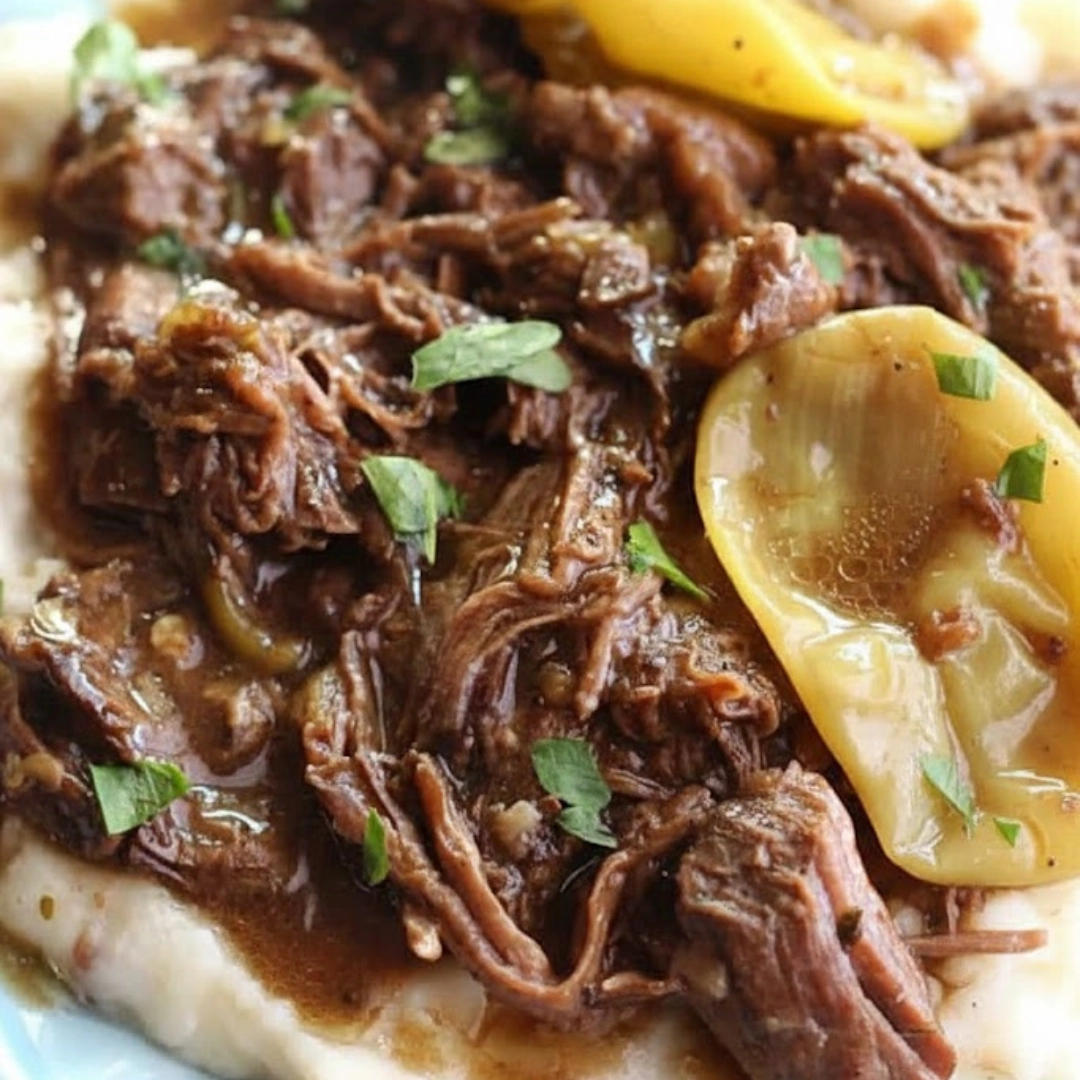
There are few dishes that deliver as much pure, unadulterated pleasure with so little effort as a classic slow-cooked roast. And when we talk about effortless flavor, the Mississippi Pot Roast stands alone as a modern icon of comfort food. This isn’t your grandmother’s dry, over-stewed beef; this preparation uses a surprising blend of seasonings—dry ranch dressing mix, au jus gravy mix, and pepperoncini—to create a savory, slightly tangy, and incredibly rich gravy that bathes the chuck roast in flavor as it becomes fork-tender. This simple, hands-off recipe is perfect for a Sunday dinner or a satisfying meal waiting for you after a long weekday.
The Components: What You’ll Need
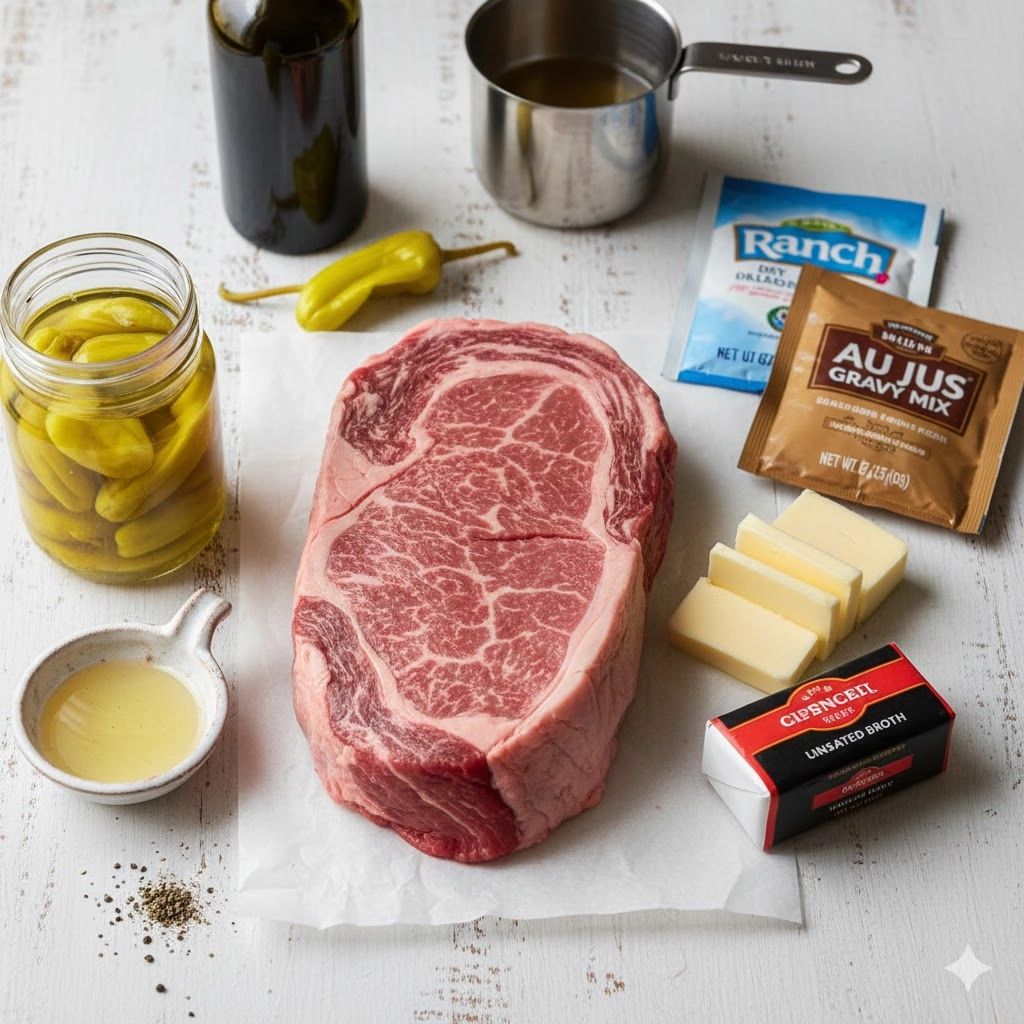
Gathering your ingredients is the first step toward that melt-in-your-mouth experience. This recipe focuses on quality chuck roast and the core pantry items that elevate it from a basic pot roast to the unforgettable Mississippi version.
Beef and Base
- 3 to 4 pound beef chuck roast
- 2 tablespoons olive oil (or other high-heat cooking oil)
- 1/2 cup beef broth (low sodium)
The Flavor Foundation
- 1 packet (1 ounce) dry Ranch salad dressing and seasoning mix
- 1 packet (0.88 to 1 ounce) dry brown gravy mix or au jus mix
- 1/2 cup (1 stick) unsalted butter, sliced into four pieces
The Signature Tang
- 10 to 12 whole pepperoncini peppers (not sliced rings)
- 2 tablespoons pepperoncini brine (liquid from the jar)
The Assembly: Preparing the Pot Roast
This recipe is intentionally simple, designed to maximize flavor with minimal fuss. Follow these core steps for success.
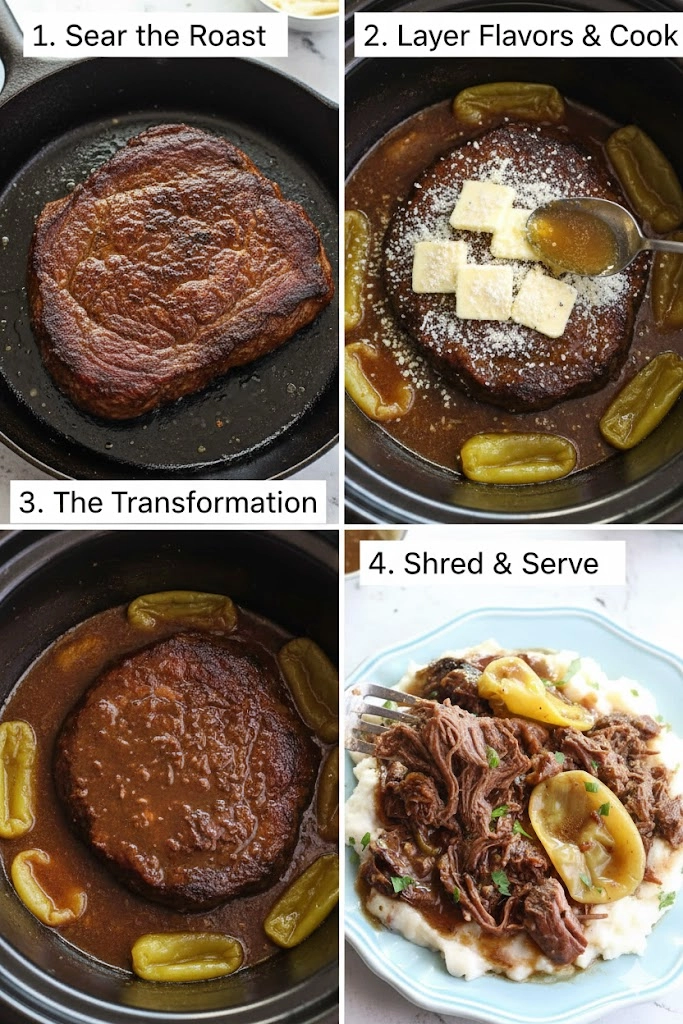
- Sear the Roast: Pat the chuck roast very dry. Heat the olive oil in a large skillet over medium-high heat until shimmering. Sear the roast for three to four minutes per side until a deep brown crust forms. Transfer the seared roast to a slow cooker.
- Add the Flavor Layers: Sprinkle the entire contents of the Ranch seasoning packet and the au jus mix evenly over the seared roast.
- Introduce the Butter and Brine: Place the four slices of butter on top of the seasoned roast. Pour the half-cup of beef broth around the sides of the roast, avoiding washing off the seasoning layer.
- Place the Pepperoncini: Distribute the 10 to 12 whole pepperoncini peppers around the roast, nestling them into the broth. Drizzle the two tablespoons of pepperoncini brine over the top.
- Slow Cook: Cover the slow cooker and cook on the “Low” setting for eight to ten hours, or on the “High” setting for four to five hours.
- Shred and Serve: Once cooked, the roast should be easily shredded with two forks. Shred the beef directly in the slow cooker, tossing it with the accumulated gravy and pan juices before serving.
From Raw to Rhapsody: Deep Dive into the Process
The magic of this dish isn’t just in the ingredients; it’s in how the low, slow heat transforms a tough cut of meat into a silky, savory meal. Understanding the why behind each step is key to a perfect result.
Developing the Crust: Searing for Depth
Many slow cooker recipes skip the searing step, but this is a critical mistake, especially for a large cut of beef like chuck roast. Searing the outside in hot oil, aiming for a deep, non-scorched brown, activates the Maillard reaction. This process creates hundreds of new flavor compounds that a slow cooker alone cannot produce, adding significant savory depth—the umami—that distinguishes an expert pot roast. You should hear a vigorous sizzle when the meat hits the pan. If you don’t, the pan isn’t hot enough.
The Melting Pot of Flavor
Once the roast is nestled in the slow cooker, the dry mixes—Ranch and au jus—are your primary flavor agents. Sprinkling them directly on top ensures that as the butter melts, it gradually carries these seasonings down over and around the meat, integrating them into the eventual gravy. The sliced, cold butter is essential; its slow melting releases milk solids and fat gradually, which is critical for the luxurious texture of the final gravy. Do not substitute the sliced butter with oil or margarine; the mouthfeel will be entirely different.
The Gentle Transformation: Low and Slow
For chuck roast, connective tissue (collagen) melts and transforms into gelatin at temperatures above 160 Fahrenheit. Cooking this low and slow over eight to ten hours gives this process ample time. This gelatin is what lubricates the muscle fibers, turning the tough, chewy chuck into tender, pull-apart strands. If you cook it on “High” for too short a time, the internal temperature may reach a safe level, but the collagen won’t have fully dissolved, resulting in a roast that is edible but dry and less tender. The meat is truly ready when a fork inserted into the center meets little to no resistance.
The Final Touch: Shredding and Integration
Shredding the meat directly in the slow cooker is non-negotiable. The pan juices—which are now a thick, rich, savory gravy—are your final sauce. Tossing the freshly shredded beef into this mixture ensures every single strand is coated and absorbs all the flavor. You’ll notice the gravy thickens slightly upon shredding, thanks to the newly released gelatin and fat. This moment, when the texture shifts from firm to fluidly tender, is the sensory cue for perfection. The aroma should be intensely savory with a pleasant, subtle, herbaceous tang from the pepperoncini and brine.
Insights from the Kitchen: Pro Tips for Success
Making this dish foolproof means avoiding the common pitfalls and leveraging a few expert techniques.
- Don’t Skip the Brine: While the whole pepperoncini peppers add a subtle, slow-released tang, the two tablespoons of brine are crucial. The acidic hit of the brine balances the richness of the butter and gravy mixes, preventing the dish from tasting overly heavy or one-dimensional.
- Keep it Covered: Resist the urge to lift the slow cooker lid during the cooking process. Each time you lift the lid, the internal temperature drops by about twenty-five Fahrenheit, and it takes thirty minutes or more to recover. This significantly increases the total cooking time and risks drying out the roast.
- The Right Cut: Always use a boneless beef chuck roast. Shoulder or arm roasts are too lean for this method. The high fat content and dense collagen in the chuck are necessary for that signature tender, moist result.
- Seasoning Adjustment: The seasoning packets contain a good amount of salt. Do not add any extra salt at the beginning of the cook. Only taste and adjust for salt after the beef has been shredded and fully coated in the gravy.
- Thickening the Gravy: If you prefer a much thicker gravy than the natural pan juices provide, remove the shredded beef, switch the slow cooker to “High,” and whisk in a slurry of one tablespoon of cornstarch mixed with two tablespoons of cold water. Simmer until thickened, then return the beef.
Adaptations and Swaps: Making it Your Own
The classic Mississippi Pot Roast is a marvel of simplicity, but its framework is robust enough to handle a few creative alterations.
- Heat Level: For those who like a subtle warmth, you can add a pinch of crushed red pepper flakes along with the dry seasonings. For a bolder heat, substitute the pepperoncini with jarred jalapeño slices and use two tablespoons of the jalapeño brine instead.
- Herbaceous Notes: While the Ranch mix covers the core herbs, adding a few sprigs of fresh rosemary and thyme during the last hour of cooking will infuse the gravy with a cleaner, more aromatic finish.
- Vegetable Inclusion: To make it a true one-pot meal, add two cups of peeled and roughly chopped carrots and one pound of small Yukon gold potatoes around the roast during the last two to three hours of cooking. Adding them too early will cause them to become mushy.
- Low-Sodium Version: Use low-sodium beef broth and seek out low-sodium versions of the Ranch and au jus mixes, which are often available. This gives you greater control over the final salt level.
Serving the Mississippi Masterpiece
A dish this rich and flavorful deserves accompaniments that either complement its depth or provide a palate-cleansing contrast.
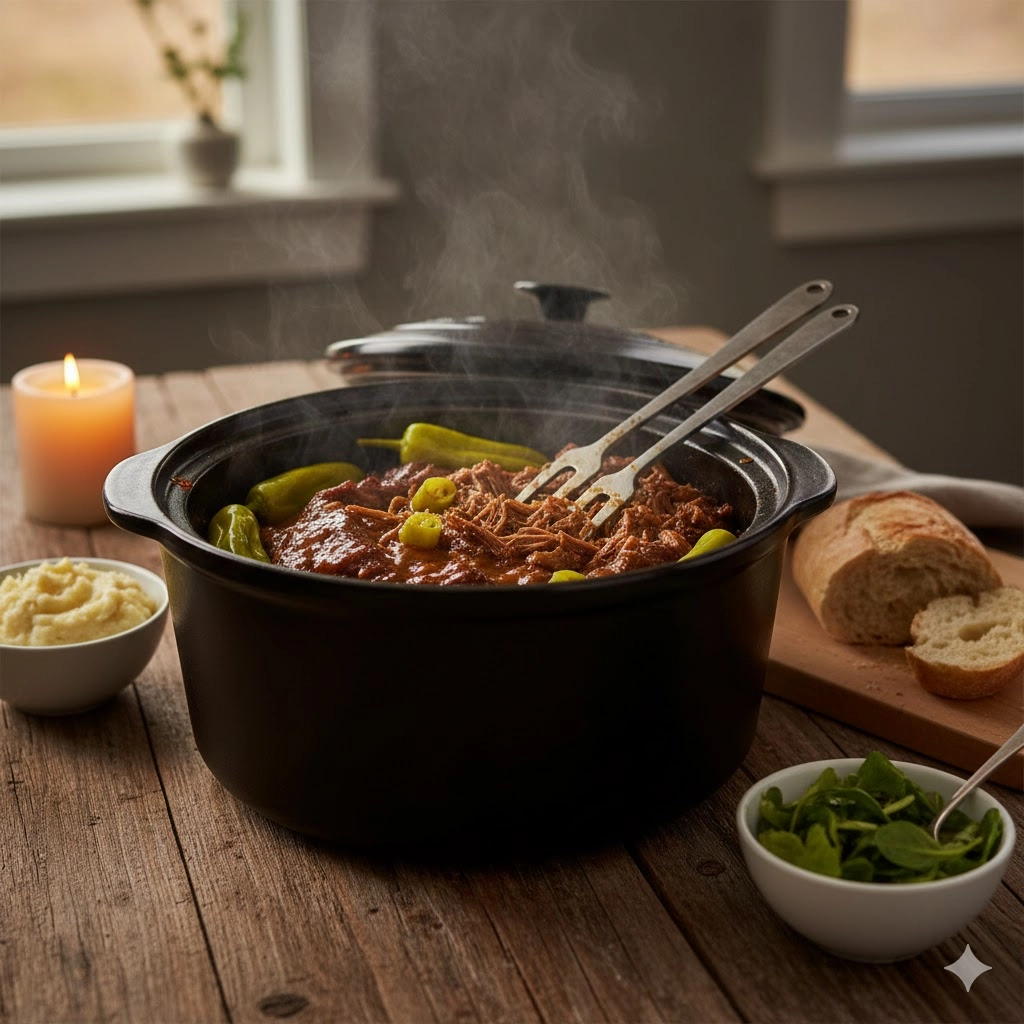
- Creamy Mashed Potatoes: The classic pairing. The potato’s ability to soak up the rich, buttery gravy is unmatched. Don’t worry about seasoning the potatoes heavily; let the roast’s gravy do the heavy lifting.
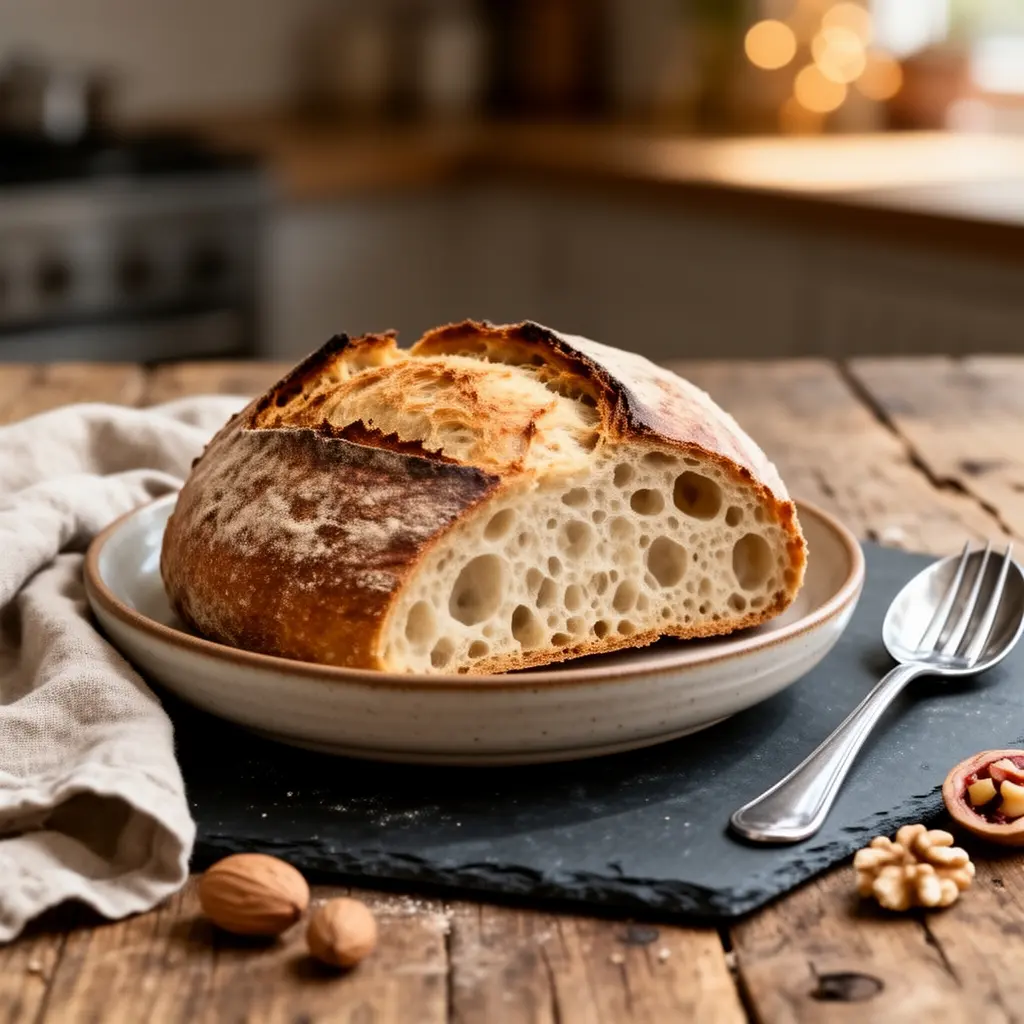
- Crusty Bread for Dipping: A sliced loaf of French or Italian bread is perfect for mopping up every drop of the flavorful pan juices. The crunch of the crust provides a wonderful textural contrast.
- Simple Green Salad: A side of lightly dressed mixed greens—perhaps with a simple vinaigrette—cuts through the richness of the pot roast, offering a fresh, acidic counterpoint.
- Butter Noodles: For a simpler starch, serve the shredded beef over wide egg noodles tossed with a touch of butter and a generous spoonful of the roast’s gravy.
Your Questions Answered: Troubleshooting and Storage
Can I make this in an Instant Pot or pressure cooker?
Absolutely. Follow the same searing steps. After adding all ingredients to the pressure cooker pot, secure the lid and cook on “Manual” or “High Pressure” for 75 to 90 minutes for a four-pound roast, allowing for a natural pressure release for at least ten minutes before venting the remaining pressure.
What if my roast isn’t falling apart after the recommended cook time?
If the roast is still firm, it simply needs more time. Connective tissue breakdown is a function of time and temperature, and factors like the initial thickness of the cut or a slight temperature difference in your slow cooker can affect this. Continue cooking on the “Low” setting, checking every 30 to 60 minutes, until the meat is effortlessly pull-apart tender.
How long can I safely store leftovers?
Leftover Mississippi Pot Roast, stored in an airtight container, will keep safely in the refrigerator for three to four days. It actually tastes better the next day as the flavors have more time to meld. To reheat, the microwave works fine, but gently warming it in a saucepan on the stovetop over low heat with a splash of broth is ideal to maintain moisture.
Can I freeze the leftovers?
Yes, this dish freezes beautifully. Once the shredded meat and gravy have cooled completely, transfer them to a freezer-safe bag or container, removing as much air as possible. It will keep well in the freezer for up to three months. Thaw overnight in the refrigerator before reheating.
Nutritional Snapshot
| Nutrient | Amount per Serving |
| Calories | 650 kcal |
| Protein | 55 g |
| Carbs | 10 g |
| Fat | 45 g |
| Fiber | 1 g |
| Sugar | 1 g |
| Sodium | 800 mg |
Important Note on Estimates
Nutrition information is an estimate and may vary based on preparation and ingredients used.
PrintThe Definitive Guide to a Truly Tender Mississippi Pot Roast

This definitive guide to the Mississippi Pot Roast delivers fork-tender chuck roast drenched in a savory, rich, and slightly tangy gravy. Made simple in the slow cooker with just five core ingredients.
- Prep Time: 15 mins
- Cook Time: 8 hours
- Total Time: 8 hours 15 mins
- Yield: 8 servings 1x
- Category: Main Dish
- Method: Slow Cooker
- Cuisine: American
Ingredients
3 to 4 pound beef chuck roast
2 tablespoons olive oil (or other high-heat cooking oil)
1/2 cup beef broth (low sodium)
1 packet (1 ounce) dry Ranch salad dressing and seasoning mix
1 packet (0.88 to 1 ounce) dry brown gravy mix or au jus mix
1/2 cup (1 stick) unsalted butter, sliced into four pieces
10 to 12 whole pepperoncini peppers (not sliced rings)
2 tablespoons pepperoncini brine (liquid from the jar)
Instructions
1. Pat the chuck roast very dry. Heat the olive oil in a large skillet over medium-high heat until shimmering. Sear the roast for three to four minutes per side until a deep brown crust forms. Transfer the seared roast to a slow cooker.
2. Sprinkle the entire contents of the Ranch seasoning packet and the au jus mix evenly over the seared roast.
3. Place the four slices of butter on top of the seasoned roast. Pour the half-cup of beef broth around the sides of the roast.
4. Distribute the 10 to 12 whole pepperoncini peppers around the roast, nestling them into the broth. Drizzle the two tablespoons of pepperoncini brine over the top.
5. Cover the slow cooker and cook on the “Low” setting for eight to ten hours, or on the “High” setting for four to five hours.
6. Once cooked, shred the beef directly in the slow cooker with two forks, tossing it with the accumulated gravy and pan juices before serving.
Notes
For the best texture, always use a boneless beef chuck roast, as it has the right fat and collagen content.
Do not lift the slow cooker lid during cooking; this releases heat and significantly extends the time needed.
Only adjust for salt after the meat is shredded, as the seasoning packets already contain significant sodium.
Nutrition
- Serving Size: 1 serving
- Calories: 650
- Sugar: 1g
- Sodium: 800mg
- Fat: 45g
- Saturated Fat: 20g
- Unsaturated Fat: 20g
- Trans Fat: 0g
- Carbohydrates: 10g
- Fiber: 1g
- Protein: 55g
- Cholesterol: 180mg