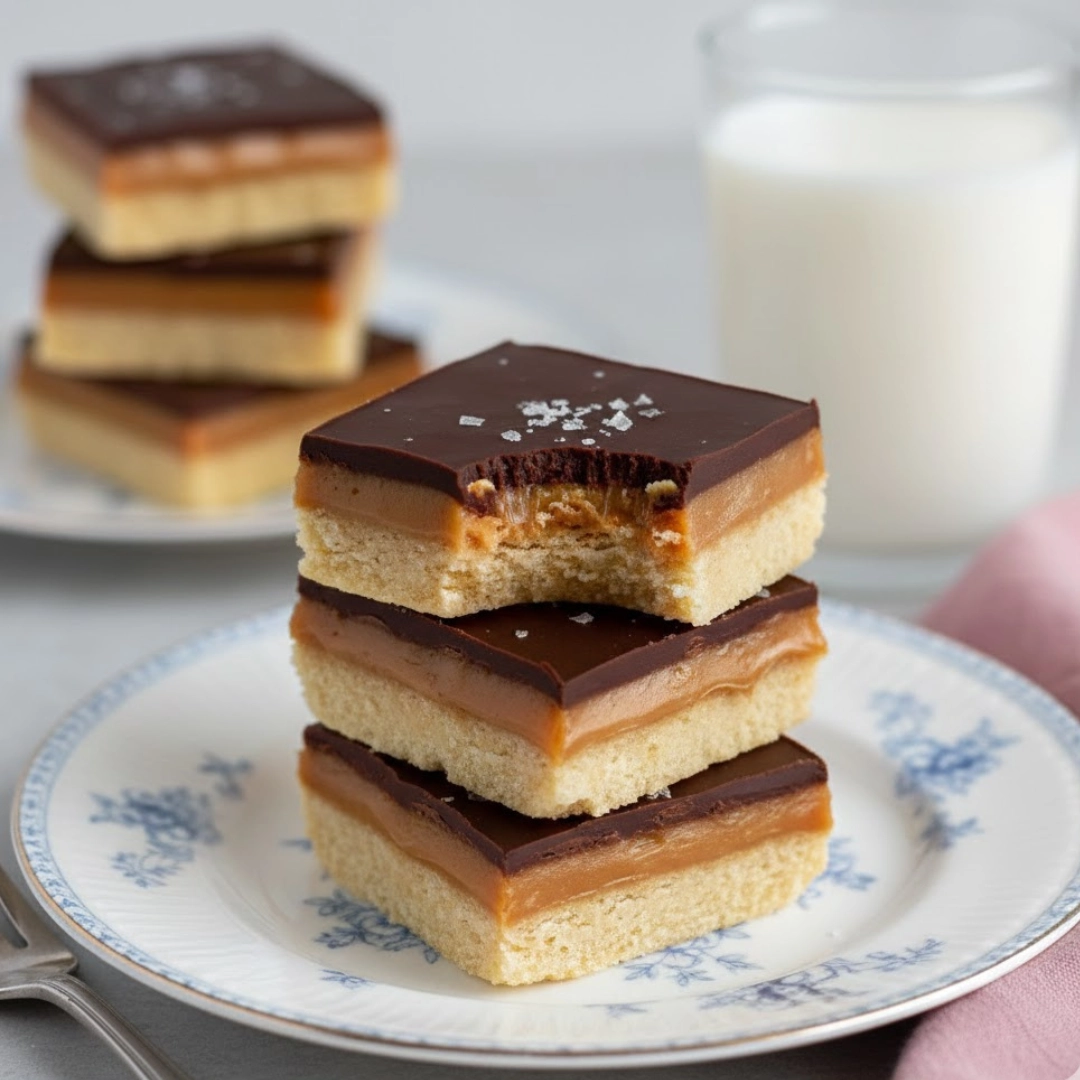
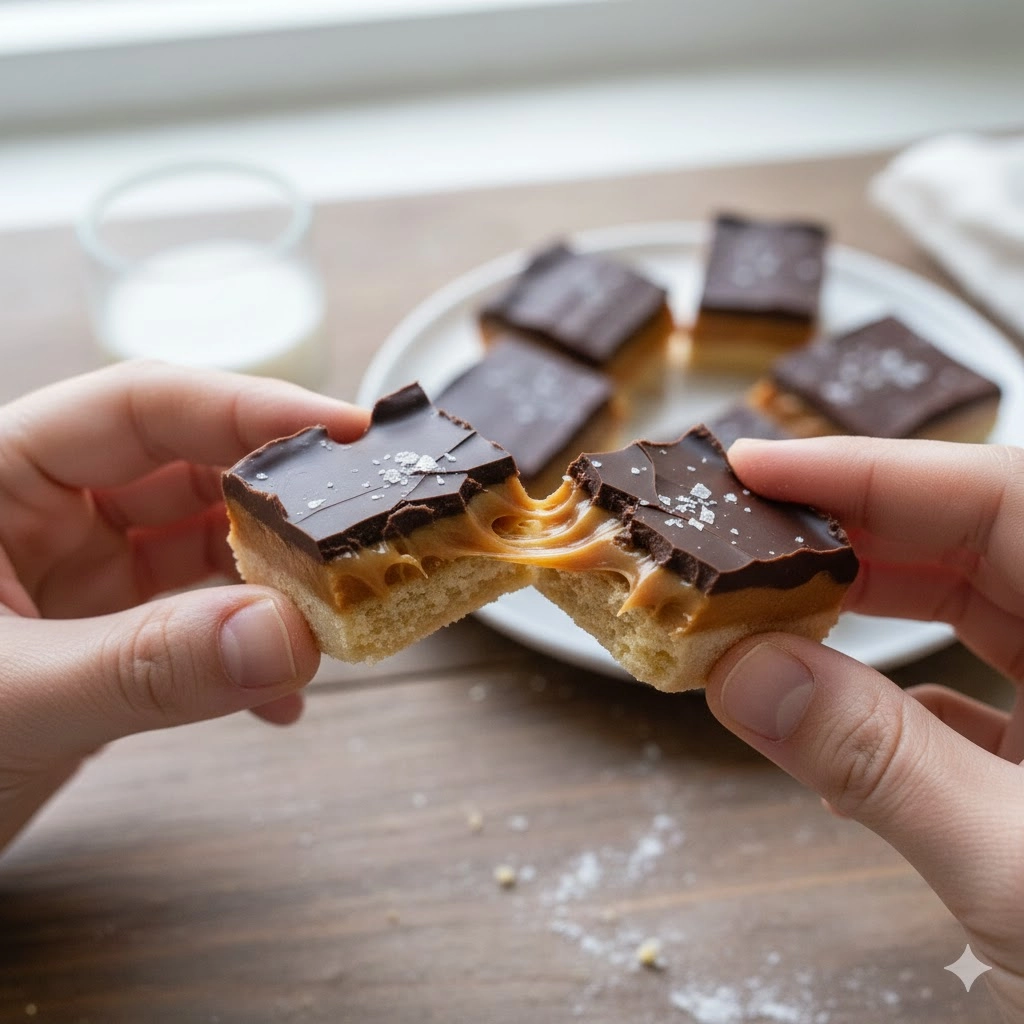
The architectural beauty and sheer indulgence of Millionaire Shortbread make it a standout dessert for any occasion, from a casual afternoon coffee break to a festive holiday gathering. This iconic treat is a masterful study in contrasting textures and harmonizing flavors, featuring a buttery, tender shortbread base, a thick, rich layer of creamy caramel, and a smooth, snappy blanket of dark chocolate ganache. It’s a confection that feels both familiar and deeply luxurious, demanding a moment of quiet appreciation with every bite. The process requires a little patience, primarily due to the necessary chilling time between layers, but the reward is a slice of pure, unadulterated pleasure that is well worth the effort.
Table of Contents
The Components: A Culinary Blueprint
Achieving the perfect balance in this tri-layered wonder depends on the quality and preparation of each individual component. We must treat the shortbread, the caramel, and the chocolate with equal care to ensure a cohesive and structurally sound final bar.
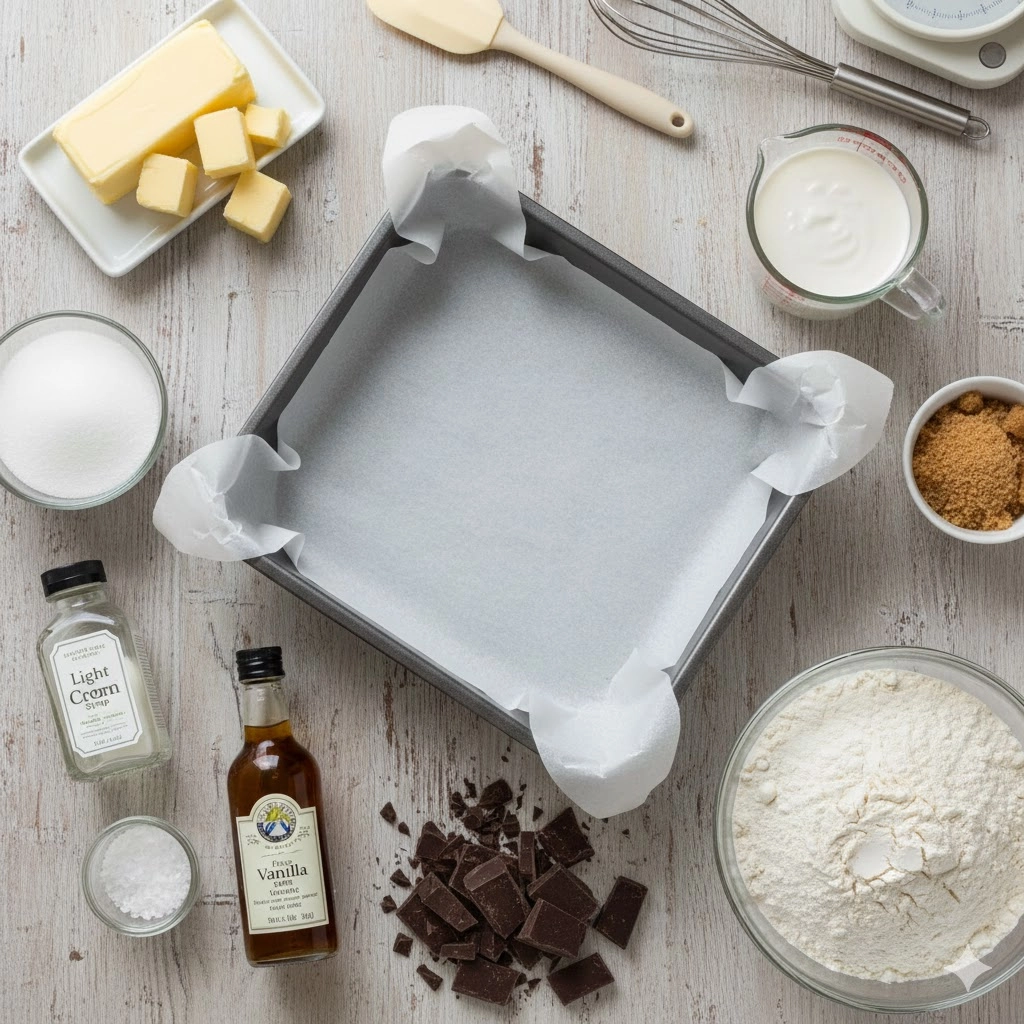
Ingredients for the Base, Middle, and Top
This recipe yields approximately sixteen to twenty squares, depending on how you cut them.
For the Buttery Shortbread
- 1 cup (2 sticks) unsalted butter, softened
- $1/2$ cup granulated sugar
- $1/2$ teaspoon fine sea salt
- 2 cups all-purpose flour
For the Silky Caramel Layer (Toffee)
- $1/2$ cup (1 stick) unsalted butter
- $1/2$ cup granulated sugar
- $1/2$ cup light brown sugar, packed
- $1/2$ cup heavy cream
- $1/4$ cup light corn syrup
- $1/2$ teaspoon fine sea salt
- 1 teaspoon vanilla extract
For the Chocolate Topping
- 8 ounces quality semi-sweet chocolate, finely chopped
- 1/2 cup heavy cream
Assembling the Layers: A Sequential Guide
Follow these sequential steps precisely, paying close attention to the chilling and cooling periods, which are essential for structural integrity.
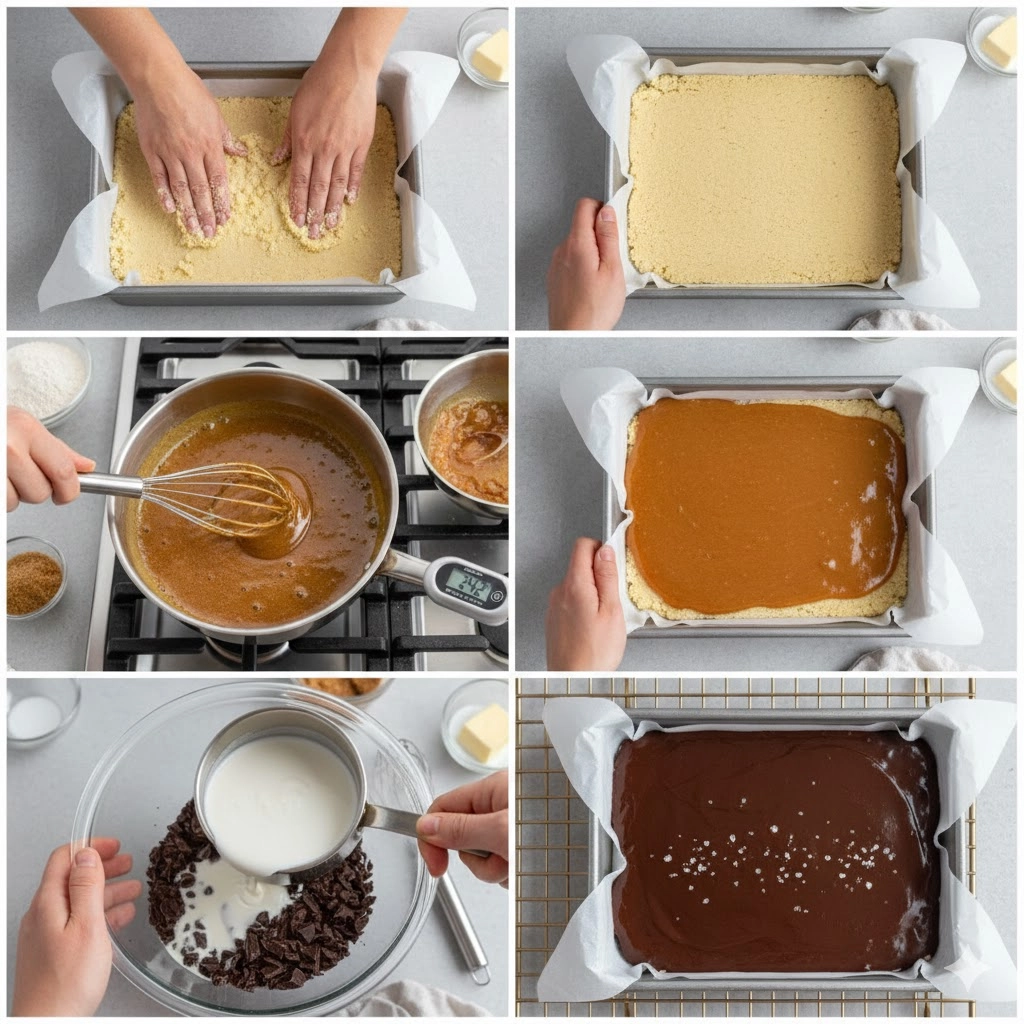
- Prepare the Shortbread Base: Combine butter, sugar, and salt until light and fluffy. Mix in the flour until just combined. Press the dough evenly into a lined 9-by-13 inch baking pan.
- Bake the Shortbread: Bake in a preheated oven at three hundred fifty Fahrenheit for twenty to twenty-five minutes until lightly golden at the edges. Cool completely.
- Construct the Caramel: Combine all caramel ingredients except the vanilla in a saucepan. Bring to a boil, stirring constantly, and cook until a thermometer reads two hundred forty-two Fahrenheit. Remove from heat and stir in the vanilla.
- Layer the Caramel: Pour the hot caramel over the cooled shortbread base. Allow the caramel to set fully at room temperature or in the refrigerator for at least one hour.
- Melt the Chocolate Topping: Place the chopped chocolate in a heatproof bowl. Bring the heavy cream to a simmer and pour it over the chocolate. Whisk gently until a smooth ganache forms.
- Apply the Finish: Pour the chocolate ganache over the set caramel layer. Tilt the pan to distribute the chocolate evenly.
- Final Set: Chill the entire confection for two to three hours until the chocolate is firm and snappy before slicing.
The Fine Art of Layering: Textural Cues and Doneness
The magic of this dessert lies in the distinction between its textures. Each layer must be executed perfectly to prevent merging or muddling.
Crafting the Tender Shortbread
The secret to a crumbly, melt-in-your-mouth shortbread is preventing gluten development. After creaming the butter and sugars, the flour must be added swiftly. Mix only until the last streaks of flour disappear. An over-mixed dough will yield a tough, cookie-like base instead of a crumbly, tender platform. When pressing the dough into the pan, aim for absolute uniformity in thickness to ensure an even bake. The color cue for doneness is a light gold around the edges, not a deep brown. Pull it from the oven when it still looks slightly pale in the center; residual heat will finish the cooking as it cools.
Achieving Perfect Caramel Consistency
The caramel is the sticky heart of the dessert. Its consistency is governed by temperature. Once all ingredients are dissolved and the mixture is boiling, resist the urge to stir constantly; this can cause crystallization. Stir only to ensure even heating. Use a reliable candy thermometer. The two hundred forty-two Fahrenheit mark is crucial—this is the firm-ball stage, which results in a caramel that is chewy but not too hard, and structurally sound enough to hold its shape when sliced. Pulling it too early (a lower temperature) results in a runny caramel that oozes out when cut. Cooking it past two hundred fifty Fahrenheit results in a brittle, hard toffee that is difficult to chew.
The Snappy Chocolate Finish
The topping is essentially a rich ganache. The ratio of two parts chocolate to one part cream by volume (eight ounces to $1/2$ cup) provides a topping that sets up firm, glossy, and with a satisfying snap. The key mistake to avoid here is overheating the chocolate. The cream should be just simmering, not vigorously boiling. Pour it over the chopped chocolate and let it sit undisturbed for one minute. The heat from the cream will melt the chocolate. Then, gently whisk from the center outward to create a beautiful, smooth emulsion. Pouring it over the chilled caramel ensures minimal heat transfer, which prevents the caramel from softening and merging with the chocolate layer.
Culinary Insights for Superior Results
To elevate your Millionaire Shortbread from good to exceptional, consider these expert details that address flavor, texture, and structural integrity.
- Mind the Temperature of the Butter: For the shortbread, the butter must be truly softened, yielding easily to the touch. Cold butter will result in a heavy, dense base. However, for the caramel, room temperature or slightly cold butter is preferred as it melts slower and incorporates more evenly into the sugar mixture, reducing the chance of separation.
- The Power of Quality Chocolate: Since the chocolate is the final and most visible layer, use the best quality semi-sweet chocolate you can source. Better quality chocolate, typically containing a higher percentage of cocoa butter, melts into a smoother, glossier finish and provides a richer, more complex flavor that cuts through the sweetness of the caramel.
- A Clean Cut is Non-Negotiable: To achieve sharp, bakery-quality slices, you must ensure the confection is completely chilled. Dip a large, sharp chef’s knife in hot water, wipe it completely dry, and then make a clean cut. Repeat this hot-water-and-wipe process for every single slice. This technique prevents the caramel and chocolate from dragging and sticking to the knife.
- Salt is an Essential Balancing Agent: Use fine sea salt in both the shortbread and the caramel. The salt is not just for flavor; it’s a crucial counterpoint to the intense sweetness of the caramel. It prevents the overall flavor profile from becoming cloyingly sweet, lending a sophisticated balance to the entire dessert.
- The Lining Technique: Always use parchment paper to line your pan, leaving a two-inch overhang on the long sides. This paper “sling” is what allows you to lift the entire chilled slab out of the pan easily, which is essential for making clean cuts. Do not attempt to cut the bars while they are still in the pan.
Creative Shifts and Component Swaps
Once you have mastered the classic version, you can adapt the components to create novel textural and flavor experiences.
- Base Variations: Instead of plain shortbread, try adding a citrus zest, like orange or lemon, to the dough for a bright counterpoint. For a richer, almost cookie-like base, you can incorporate two tablespoons of fine almond flour or finely ground pecans into the flour mixture.
- Caramel Flavor Infusions: After removing the caramel from the heat, experiment with infusion. Stir in $1/4$ teaspoon of espresso powder for a mocha effect, or a tiny pinch of cayenne pepper for a subtle, warming heat that emerges late. You can also substitute $1/2$ of the vanilla extract with a high-quality bourbon or rum extract.
- Chocolate Layer Alternatives: Swap out the semi-sweet chocolate for a dark milk chocolate for a milder profile, or a high-percentage dark chocolate (up to seventy-five percent cocoa) for a much more bitter, intense flavor. A drizzle of melted white chocolate over the finished bars can add an attractive visual element and a note of vanilla sweetness.
The Ideal Accompaniments
Because this confection is quite rich, its companions should be simple and provide a refreshing contrast.
- Espresso or Strong Coffee: The slight bitterness and warmth of a strong espresso shot or a dark-roast coffee are the classic partner to cut through the caramel and chocolate’s sweetness.
- Flaky Sea Salt: After the chocolate layer is poured, and before it sets, sprinkle a very small amount of flaky finishing salt (like Maldon) over the top. This adds a crystalline crunch and a burst of salty flavor that enhances the overall experience.
- Fresh Berries: A small side of lightly sugared raspberries or strawberries offers a necessary tart and acidic counterpoint, cleansing the palate between bites of the rich bar.
Common Questions and Clarifications
Can I make the shortbread base ahead of time?
Yes, the shortbread base is an excellent make-ahead component. Once baked and cooled completely, you can wrap it tightly and store it at room temperature for up to two days before pouring the caramel layer over it.
Why did my caramel separate or turn grainy?
Caramel separation (the butter and sugars splitting) is often caused by either insufficient heating or over-stirring once the boil begins. Ensure all sugars are fully dissolved before the mixture reaches a rolling boil. If it separates, remove it from the heat and try whisking in a tablespoon of very hot water or cream to re-emulsify it gently. Graininess is typically caused by sugar crystals adhering to the side of the pan and falling back into the mixture. Use a wet pastry brush to wipe down the sides of the saucepan as the mixture heats.
How long does the finished Millionaire Shortbread last?
Stored in an airtight container at room temperature, the bars will last for about four to five days. For longer storage, keep them in the refrigerator, where they will last for up to ten days, though the caramel will be firmer.
Can I freeze these bars?
Absolutely. Once the bars are completely set, slice them and wrap individual pieces tightly in plastic wrap, then place them in an airtight freezer-safe container. They can be frozen for up to two months. Thaw them overnight in the refrigerator or on the counter for about thirty minutes before serving.
Nutrition Information
| Nutrient | Amount per Serving |
| Calories | 320 kcal |
| Protein | 4 g |
| Carbs | 40 g |
| Fat | 18 g |
| Fiber | 1 g |
| Sugar | 30 g |
| Sodium | 105 mg |
Disclaimer
Nutrition information is an estimate and may vary based on preparation and ingredients used.
PrintDecadent Millionaire Shortbread: A Tri-Layered Confection

A classic tri-layered bar featuring a tender shortbread base, a thick, chewy caramel layer, and a smooth, rich chocolate topping. Perfect for special occasions.
- Prep Time: 30 mins
- Cook Time: 45 mins
- Total Time: 4 hours
- Yield: 16 servings 1x
- Category: Dessert
- Method: Baking
- Cuisine: British
Ingredients
1 cup (2 sticks) unsalted butter, softened
1/2 cup granulated sugar
1/2 teaspoon fine sea salt
2 cups all-purpose flour
For the Silky Caramel Layer (Toffee):
1/2 cup (1 stick) unsalted butter
1/2 cup granulated sugar
1/2 cup light brown sugar, packed
1/2 cup heavy cream
1/4 cup light corn syrup
1/2 teaspoon fine sea salt
1 teaspoon vanilla extract
For the Chocolate Topping:
8 ounces quality semi-sweet chocolate, finely chopped
1/2 cup heavy cream
Instructions
1. Prepare the shortbread base: Combine butter, sugar, and salt until light and fluffy. Mix in the flour until just combined. Press the dough evenly into a lined 9-by-13 inch baking pan.
2. Bake the shortbread: Bake in a preheated oven at 350 Fahrenheit for 20 to 25 minutes until lightly golden at the edges. Cool completely.
3. Construct the caramel: Combine all caramel ingredients except the vanilla in a saucepan. Bring to a boil, stirring constantly, and cook until a thermometer reads 242 Fahrenheit. Remove from heat and stir in the vanilla.
4. Layer the caramel: Pour the hot caramel over the cooled shortbread base. Allow the caramel to set fully at room temperature or in the refrigerator for at least one hour.
5. Melt the chocolate topping: Place the chopped chocolate in a heatproof bowl. Bring the heavy cream to a simmer and pour it over the chocolate. Whisk gently until a smooth ganache forms.
6. Apply the finish: Pour the chocolate ganache over the set caramel layer. Tilt the pan to distribute the chocolate evenly.
7. Final Set: Chill the entire confection for two to three hours until the chocolate is firm and snappy before slicing.
Notes
To achieve sharp slices, dip a large, sharp knife in hot water and wipe dry for every cut.
Cook the caramel precisely to 242 Fahrenheit for the best chewy texture.
Store bars in an airtight container at room temperature for up to 5 days.
Nutrition
- Serving Size: 1 bar
- Calories: 320
- Sugar: 30g
- Sodium: 105mg
- Fat: 18g
- Saturated Fat: 11g
- Unsaturated Fat: 7g
- Trans Fat: 0g
- Carbohydrates: 40g
- Fiber: 1g
- Protein: 4g
- Cholesterol: 40mg