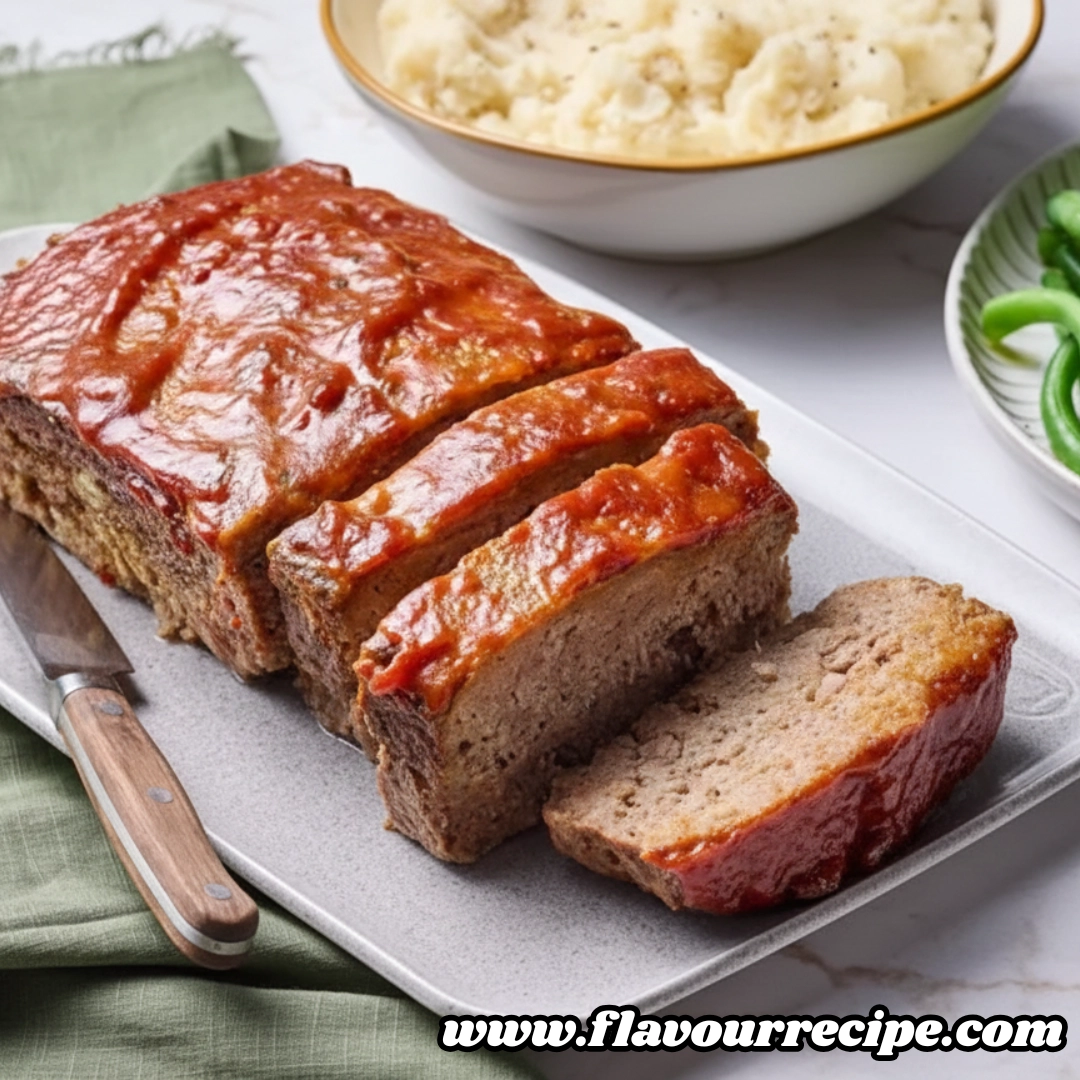
There is a profound sense of comfort that comes from a kitchen filled with the aroma of a slow-roasting meatloaf. It is a scent that transcends generations, evoking memories of Sunday dinners, gathered families, and the simple joy of a home-cooked meal. This specific Easy Meatloaf recipe is designed to strip away the complexity of modern gourmet cooking and return to the foundational elements that make this dish a pillar of American cuisine. By focusing on high-quality basics and a perfectly balanced sweet-and-savory glaze, we create a loaf that is moist, structurally sound, and bursting with traditional flavor. Whether you are a novice cook looking for a foolproof weeknight win or a seasoned home chef revisiting a classic, this guide provides everything you need to know to achieve meatloaf perfection.
Table of Contents
The Essential Components for Your Easy Meatloaf
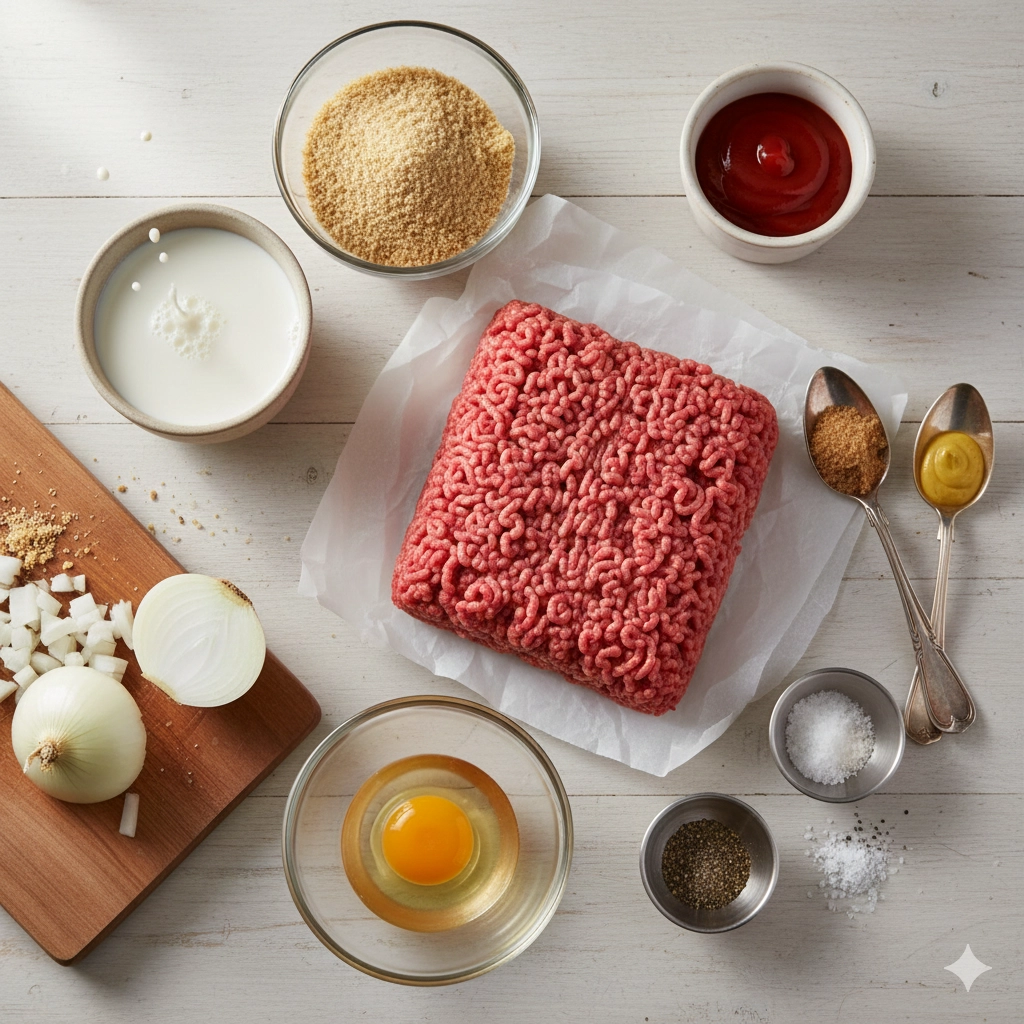
To begin this culinary journey, you will need to gather a handful of pantry staples. The beauty of this recipe lies in its accessibility; you likely already have most of these items in your kitchen.
- 1.5 pounds ground beef
- 1 large egg
- 1 medium onion, chopped
- 1 cup milk
- 1 cup dried bread crumbs
- Salt to taste
- Ground black pepper to taste
- One third cup ketchup
- 2 tablespoons brown sugar
- 2 tablespoons prepared mustard
Preparing the Classic Easy Meatloaf
Follow these steps carefully to ensure your loaf has the ideal texture and a beautifully caramelized topping.
- Start by preheating your oven to 350 degrees Fahrenheit. This temperature ensures the meat cooks evenly without drying out the exterior before the center is safe to eat.
- In a large mixing bowl, combine the ground beef, egg, chopped onion, milk, and dried bread crumbs. Season the mixture generously with salt and black pepper according to your preference. Use your hands or a sturdy spoon to mix until the ingredients are just combined.
- Transfer the meat mixture into a 9 by 5 inch loaf pan. Gently press the mixture into the corners, ensuring the top is level so the glaze sits evenly.
- In a small separate bowl, whisk together the ketchup, brown sugar, and prepared mustard until the sugar has dissolved and the sauce is smooth.
- Pour the prepared sauce over the top of the meatloaf in the pan, spreading it with a spatula to cover the entire surface.
- Place the pan in the preheated oven and bake for approximately one hour. The meatloaf is finished when it is no longer pink in the center and the internal temperature reaches 160 degrees Fahrenheit.
The Science of Texture and Flavor Balance
Achieving the perfect Easy Meatloaf is an exercise in moisture management and structural integrity. When we look at the ingredient list, each item serves a specific chemical purpose. The ground beef provides the protein structure and the fat needed for flavor. However, beef on its own tends to tighten and become dense when cooked. This is where the “panade” comes in. The combination of milk and bread crumbs creates a paste-like substance that coats the meat fibers, preventing them from bonding too tightly. This results in a tender, “melt-in-your-mouth” feel rather than a tough, rubbery texture.
The egg acts as the primary binder. As the proteins in the egg heat up, they coagulate, acting like a culinary glue that holds the loaf together so it can be sliced cleanly without crumbling. Meanwhile, the chopped onion serves a dual purpose. Beyond its aromatic contribution, onions release moisture as they cook, essentially steaming the interior of the loaf from the inside out. This is why we recommend a fine dice for the onion; you want the flavor and moisture distributed evenly without large chunks disrupting the slice.
Masterful Techniques for Enhanced Meatloaf Results
While the basic instructions are straightforward, there are several “pro-level” nuances that can elevate your Easy Meatloaf from good to legendary. One of the most important factors is the way you handle the meat. Overworking the mixture is the most common mistake in meatloaf preparation. When you squeeze and mash the ground beef too aggressively, you break down the proteins too much, leading to a heavy, meatball-like density. Instead, use a “folding” motion, as if you were folding flour into a cake batter. Stop the moment you no longer see large streaks of unmixed egg or dry bread crumbs.
Another secret involves the loaf pan itself. While a standard loaf pan is excellent for keeping the meatloaf moist as it sits in its own juices, some prefer a “free-form” loaf on a rimmed baking sheet. If you choose the baking sheet method, you get more surface area for the glaze to caramelize, though you may lose a bit of the internal juiciness. If sticking to the loaf pan, consider “docking” the meat—poking a few small holes with a skewer before adding the glaze—to allow some of that tangy sauce to seep into the top layer of the beef.
Navigating Modifications and Ingredient Alternatives
One of the reasons this Easy Meatloaf remains a staple is its incredible versatility. While the reference recipe calls for ground beef, many cooks enjoy a “meatloaf mix” which typically includes a blend of beef, pork, and veal. The pork adds extra fat and silkiness, while the veal provides a delicate tenderness. If you are looking to lighten the dish, ground turkey can be substituted, though you may want to add a tablespoon of olive oil to the mix to compensate for the lower fat content of poultry.
For those with dietary restrictions, the bread crumbs can be easily swapped. Panko bread crumbs offer a lighter, airier texture, while crushed saltine crackers provide a nostalgic, buttery saltiness. If you require a gluten-free option, certified gluten-free bread crumbs or even rolled oats (pulsed in a blender) work remarkably well as a binder. For the glaze, if you find yourself out of brown sugar, honey or maple syrup can provide that necessary sweetness to balance the acidity of the ketchup and the sharp bite of the mustard.
Ideal Side Dishes to Complete the Meal
A meatloaf is only as good as the company it keeps on the plate. Because this Easy Meatloaf has a rich, savory profile with a sweet glaze, it pairs beautifully with sides that offer a bit of textural contrast or earthy balance.
Mashed potatoes are the quintessential companion. The creamy, buttery clouds of potato act as a vacuum for any extra glaze or juices from the meat. For a more modern twist, consider a roasted garlic mash or even a cauliflower purée. Green vegetables are also a must to cut through the richness. Roasted Parmesan-garlic carrots bring out the natural sugars of the vegetable, echoing the brown sugar in the meatloaf glaze. Alternatively, Italian peas—sautéed with a bit of onion and perhaps a touch of pancetta—add a bright pop of color and a fresh, snap-like texture to the plate.
Storage and the Art of the Next-Day Sandwich
Perhaps the greatest hidden benefit of making a meatloaf is the leftovers. In fact, many argue that meatloaf is better on the second day once the flavors have had time to fully marry in the refrigerator. To store your Easy Meatloaf, wait for it to cool completely to room temperature. Wrapping it while warm creates steam, which can make the crust soggy. Once cooled, wrap it tightly in plastic wrap or aluminum foil, or store it in an airtight glass container. It will remain fresh and delicious for three to four days.
For long-term storage, meatloaf freezes exceptionally well. You can freeze the entire loaf or, more conveniently, freeze individual slices. Wrap each slice in plastic, then place them all in a heavy-duty freezer bag. This allows you to pull out exactly what you need for a quick lunch. When you are ready to eat, the best way to reheat a slice is in a cast-iron skillet over medium heat. This crisps up the edges and revitalizes the glaze, making it perfect for the legendary meatloaf sandwich—served on toasted white bread with a thin smear of mayonnaise and a crisp leaf of lettuce.
Frequently Asked Questions Regarding Easy Meatloaf
Why does my meatloaf always fall apart when I try to slice it?
Crumbling usually happens for two reasons: either the meatloaf was sliced too soon after coming out of the oven, or there wasn’t enough binder. It is crucial to let the meatloaf rest for at least ten minutes after baking. This allows the juices to redistribute and the proteins to “set.” If it still crumbles, try adding a bit more egg or slightly more milk-soaked bread crumbs next time.
Can I make this recipe without a loaf pan?
Absolutely. You can shape the mixture into a rectangular log on a parchment-lined baking sheet. This method is often preferred by those who love the “crust” of the meatloaf, as it allows the heat to circulate around all sides of the meat. Just keep an eye on the internal temperature, as a free-form loaf may cook slightly faster than one in a deep pan.
How do I prevent the meatloaf from becoming too greasy?
Ground beef with an 80/20 lean-to-fat ratio is generally best for flavor, but it can leave excess grease in the pan. To avoid a “soggy” bottom, you can place a couple of slices of bread at the bottom of the loaf pan before adding the meat; the bread will absorb the excess fat. Alternatively, simply pour off the grease carefully halfway through the cooking process before you apply the final layer of glaze.
Is it possible to overcook meatloaf?
Yes, and it is the quickest way to turn a great recipe into a dry meal. Because ground beef is dense, it holds heat well. Once the internal temperature hits 160 degrees Fahrenheit, remove it immediately. The temperature will likely rise another five degrees while resting, which is perfectly safe and ensures the meat stays succulent.
Final Reflections on This Home-Style Favorite
Mastering this Easy Meatloaf is about more than just following a recipe; it is about embracing a tradition of hearty, soulful cooking. By sticking to the foundational ingredients of ground beef, onion, and a classic ketchup-based glaze, you are tapping into a flavor profile that has stood the test of time for a reason. It is balanced, satisfying, and remarkably simple to execute. As you pull that bubbling, glazed loaf from the oven, you aren’t just preparing a protein—you are preparing a centerpiece for conversation and comfort. Enjoy the process, savor the leftovers, and take pride in serving a dish that truly defines the essence of home cooking.
Nutritional Profile Per Serving
| Nutrient | Amount Per Serving |
| Calories | 385 Calories |
| Total Fat | 18 Grams |
| Saturated Fat | 7 Grams |
| Cholesterol | 110 Milligrams |
| Sodium | 650 Milligrams |
| Total Carbohydrates | 24 Grams |
| Dietary Fiber | 1 Gram |
| Sugars | 12 Grams |
| Protein | 31 Grams |
Nutritional Disclaimer
The nutritional information provided is an estimate based on standard ingredient measurements. Actual values may vary depending on the specific brands of ingredients used and any personal modifications made to the recipe. For precise nutritional tracking, please calculate values based on the exact products in your kitchen.
PrintGuide to Crafting the Perfect Easy Meatloaf

This Absolute Best Easy Meatloaf is a timeless family classic. It features a tender, moist interior and a perfect sweet-and-savory glaze made with ketchup, brown sugar, and mustard.
- Prep Time: 15 mins
- Cook Time: 1 hour
- Total Time: 1 hour 15 mins
- Yield: 6 servings 1x
- Category: Main Dish
- Method: Baking
- Cuisine: American
Ingredients
1.5 pounds ground beef
1 large egg
1 medium onion, chopped
1 cup milk
1 cup dried bread crumbs
Salt to taste
Ground black pepper to taste
1/3 cup ketchup
2 tablespoons brown sugar
2 tablespoons prepared mustard
Instructions
1. Preheat your oven to 350 degrees Fahrenheit.
2. In a large mixing bowl, combine the ground beef, egg, chopped onion, milk, and dried bread crumbs. Season with salt and pepper.
3. Transfer the meat mixture into a 9 by 5 inch loaf pan and level the top.
4. In a small bowl, whisk together the ketchup, brown sugar, and prepared mustard.
5. Pour the sauce over the meatloaf and spread evenly.
6. Bake for 1 hour or until the internal temperature reaches 160 degrees Fahrenheit.
Notes
Let the meatloaf rest for 10 minutes before slicing to prevent crumbling.
For a leaner version, ground turkey can be substituted.
Leftovers make excellent sandwiches the next day.
Nutrition
- Serving Size: 1 slice
- Calories: 385
- Sugar: 12g
- Sodium: 650mg
- Fat: 18g
- Saturated Fat: 7g
- Unsaturated Fat: 11g
- Trans Fat: 0g
- Carbohydrates: 24g
- Fiber: 1g
- Protein: 31g
- Cholesterol: 110mg