
Achieving the perfect balance between a silky texture and a sturdy crumb is the hallmark of a professional baker. This Master Recipe for Rich and Creamy Cheesecake offers a sophisticated approach to the classic New York-style dessert, focusing on temperature control and gentle aeration. Unlike lighter, airier versions, this specific method yields a dense, indulgent crumb that stands tall on the plate. By utilizing a controlled water bath and high-quality dairy, you create a dessert that is as visually stunning as it is delicious, making it the premier choice for celebrations or a quiet, high-end treat at home. The Master Recipe for Rich and Creamy Cheesecake is designed to be a reliable canvas for your favorite toppings or enjoyed in its elegant, pure form.
Table of Contents
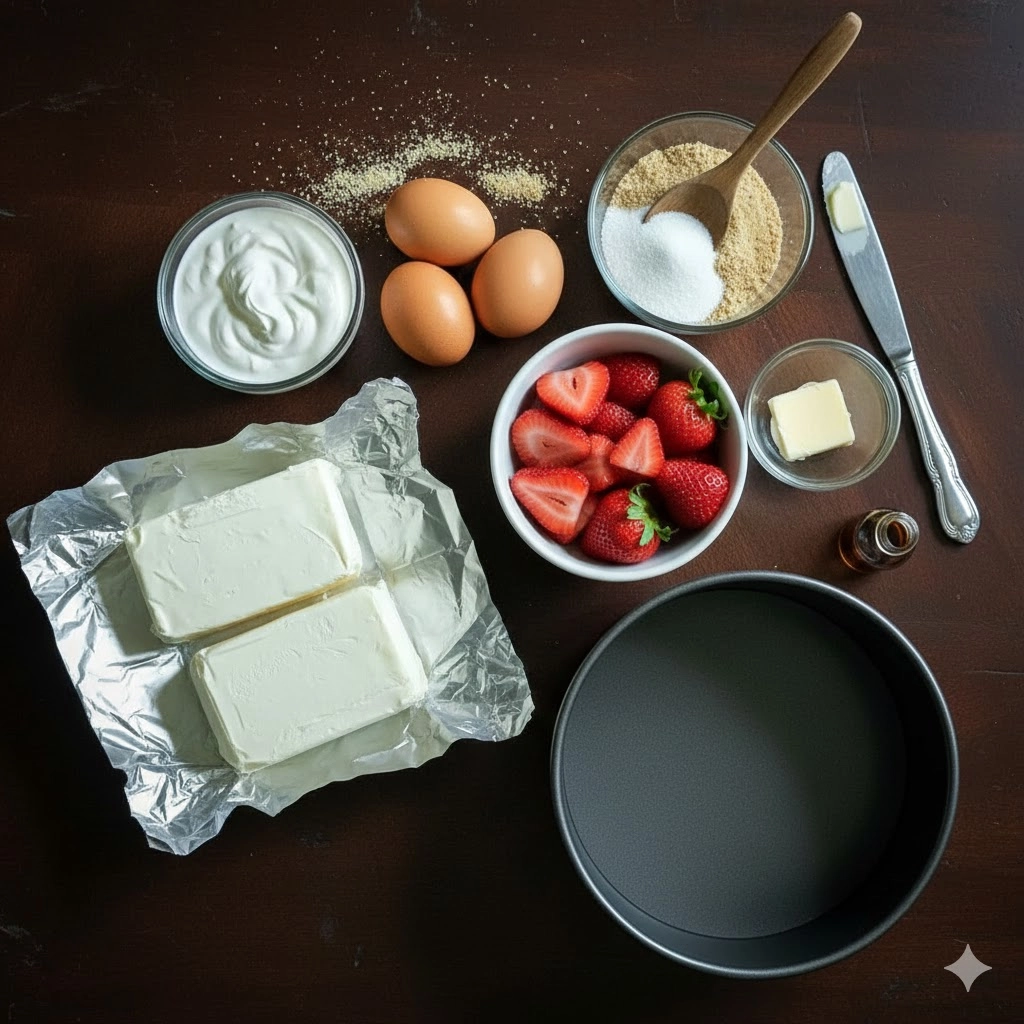
Necessary Items for the Base and Filling
Foundation Elements
- 1 tablespoon butter, softened for coating
- 3 tablespoons finely ground graham crackers, chocolate wafers, or gingersnaps
- Optional: 1 package (3 ounces) soft ladyfingers, approximately 24 count
Core Cheesecake Batter
- 24 ounces full-fat cream cheese (three 8-ounce packages), softened to room temperature
- 1 cup granulated white sugar
- 3 large eggs, brought to room temperature
- 2 teaspoons pure vanilla extract
- 1/4 cup heavy whipping cream
- 1/4 cup full-fat sour cream
Structural Tools
- Extra-wide heavy-duty aluminum foil
- 9-inch springform pan
- Deep roasting pan
Sequence of Preparation
- Adjust the internal oven rack to the center position and heat the oven to 325 Fahrenheit.
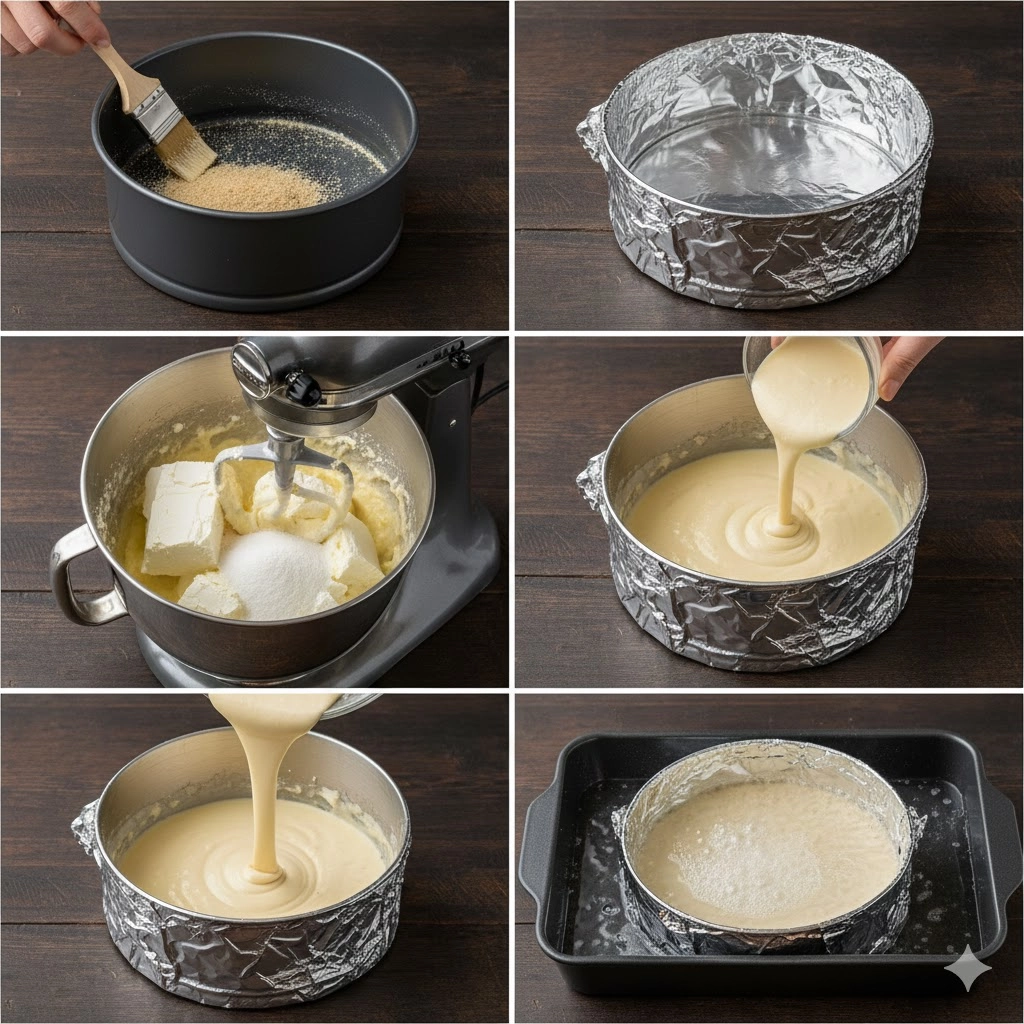
- Prepare the springform pan by coating the bottom and sides with softened butter, then dusting evenly with your chosen crumbs.
- Carefully wrap the exterior of the pan with two overlapping layers of heavy-duty foil, crimping it tightly around the top edge to create a water-tight seal.
- In a large bowl, cream the room-temperature cream cheese with an electric mixer until no lumps remain.
- Slowly stream in the sugar while mixing on medium speed until the texture is light and fully integrated.
- Incorporate the eggs one by one, ensuring each is fully blended and scraping the bowl frequently to maintain a smooth consistency.
- Add the vanilla extract, heavy cream, and sour cream, mixing on the lowest speed until the batter is uniform.
- Place the foil-wrapped pan inside the roasting pan and transfer the batter into the springform.
- Fill the roasting pan with boiling water until it reaches the halfway mark on the side of the cheesecake pan.
- Bake for 40 to 45 minutes; the edges should be firm while the center retains a slight wobble.
- Turn the oven off and prop the door open slightly, allowing the cake to sit in the residual heat for thirty minutes.
- Transfer the cake to a wire rack to reach room temperature, then chill in the refrigerator for at least three hours.
Sensory and Technical Success Markers
Creating the Seal
When preparing your pan, the foil layer acts as a physical barrier against the water bath. If the foil is too thin or has small punctures, water will seep into the crust, turning it into a soggy paste. Always use heavy-duty foil and ensure it extends all the way to the rim. If using ladyfingers, ensure they are trimmed precisely to the height of the pan for a clean, architectural look once the springform ring is removed.
Managing the Aeration
The key to the Master Recipe for Rich and Creamy Cheesecake is avoiding excessive air. While you want the cream cheese and sugar to be well-combined, over-beating the eggs creates a soufflé effect. Air bubbles trapped in the batter expand in the heat and contract during cooling, which is the primary reason for deep cracks. Mix until the ingredients are “just” combined to keep the density high and the surface smooth.
The Gentle Finish
Baking a cheesecake is more about poaching the custard than roasting it. The boiling water surrounding the pan keeps the temperature at a steady 212 Fahrenheit, preventing the outer edges from overcooking before the middle is set. When checking for doneness, look for a “jello-like” movement in the center. If it looks liquid, it needs five more minutes. If it is stiff, it is overbaked.
Expert Culinary Advice
- The Softness Test: Your cream cheese should be so soft that you can easily press a finger through the wrapper. If it is even slightly firm, the batter will have small white specks of unmixed cheese.
- Tapping the Pan: After pouring the batter into the pan, gently tap it against the counter five times. This helps bring any large trapped air bubbles to the surface where they can pop.
- Leak Prevention: For extra security, place the foil-wrapped springform pan inside a slightly larger solid cake pan, then place that assembly into the water bath.
- Knife Technique: When it is time to serve, use a thin knife dipped in hot water. The heat slices through the cold fats of the cheesecake like butter, ensuring every wedge looks magazine-quality.
- Sourcing Dairy: Use the highest quality full-fat dairy available. The flavor of the Master Recipe for Rich and Creamy Cheesecake is simple, so the quality of the cream and cheese will be very apparent.
Creative Flavor Adaptations
- Espresso and Chocolate: Incorporate two tablespoons of instant espresso into the batter and use chocolate wafer crumbs for the base. Top with a dusting of dark cocoa powder.
- Spiced Apple: Fold a teaspoon of cinnamon into the batter. Once the cake has cooled, top it with a warm sauté of granny smith apples, brown sugar, and a pinch of nutmeg.
- Peanut Butter Swirl: Gently fold in half a cup of melted creamy peanut butter at the very end of mixing to create a marbled effect through the white batter.
- Berry Swirl: Puree half a cup of raspberries and strain the seeds. Drop spoonfuls of the puree onto the raw batter and use a toothpick to create decorative swirls before baking.
Presentation and Side Pairings
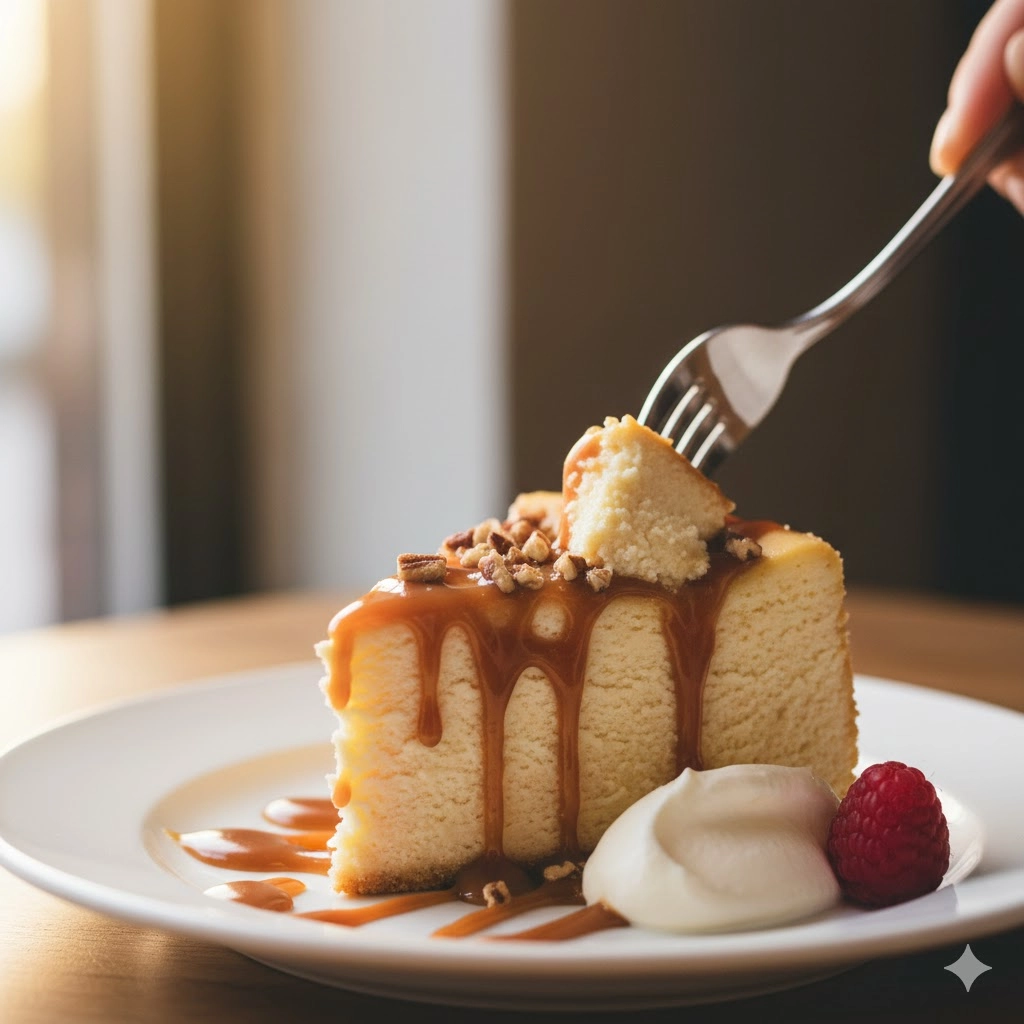
- Macerated Fruit: Toss sliced strawberries in a bit of sugar and let them sit for twenty minutes. The natural syrup that forms is the perfect garnish for a dense slice.
- Dark Chocolate Ganache: Pour a mixture of melted chocolate and warm cream over the chilled cake for a glossy, decadent finish that hardens slightly.
- Crushed Nuts: Toasted hazelnuts or pecans add a much-needed crunch to the otherwise soft and velvety texture of the Master Recipe for Rich and Creamy Cheesecake.
Common Inquiries
How can I tell if the cheesecake is done without a thermometer?
The “jiggle test” is the most reliable method. Gently shake the pan; the edges should be stable and matte, while a circle about the size of a lime in the center should move slightly like set gelatin. It will continue to firm up as it cools.
Can I skip the sour cream?
The sour cream provides a necessary tang that balances the heavy fats of the cream cheese and sugar. If you must skip it, replace it with an equal amount of full-fat Greek yogurt, though the texture may be slightly firmer.
What if my cheesecake cracks anyway?
Even with the best Master Recipe for Rich and Creamy Cheesecake, cracks can happen due to oven hotspots. If it does, simply cover the top with a beautiful layer of fruit, whipped cream, or chocolate ganache. It will still taste incredible.
Why must I wait three hours before eating?
The chilling process is actually the final “cook” step. The fats in the cream cheese need to fully re-solidify to create the intended texture. Cutting into a warm cheesecake will result in a messy, custard-like consistency rather than a clean slice.
Nutrition Facts
| Nutrient | Amount per Serving |
| Calories | 347 kcal |
| Protein | 7 g |
| Carbs | 24 g |
| Fat | 25 g |
| Fiber | 0 g |
| Sugar | 17 g |
| Sodium | 213 mg |
Estimated Values
Nutrition Information is an estimate and may vary based on preparation and ingredients used.
PrintThe Ultimate Blueprint for a Rich and Creamy Cheesecake
This Master Recipe for Rich and Creamy Cheesecake delivers a professional, velvety texture with a fool-proof water bath method. Perfect as a base for endless flavor variations.
- Prep Time: 25 mins
- Cook Time: 1 hour 10 mins
- Total Time: 4 hours 35 mins
- Yield: 12 servings 1x
- Category: Dessert
- Method: Baking
- Cuisine: American
- Diet: Vegetarian
Ingredients
1 tablespoon softened butter
3 tablespoons graham cracker or chocolate wafer crumbs
24 ounces cream cheese, room temperature
1 cup granulated white sugar
3 large eggs, room temperature
2 teaspoons vanilla extract
1/4 cup heavy cream
1/4 cup full-fat sour cream
Instructions
1. Preheat oven to 325 Fahrenheit and prepare 9-inch springform pan with butter and crumbs.
2. Wrap the exterior of the pan in two layers of heavy-duty foil to create a waterproof seal.
3. Beat room temperature cream cheese until smooth, then gradually incorporate sugar.
4. Add eggs one at a time, mixing on low speed and scraping the bowl frequently.
5. Stir in vanilla, heavy cream, and sour cream until just combined.
6. Place the pan in a roasting dish and fill with boiling water halfway up the sides.
7. Bake for 40-45 minutes until the edges are set but the center still jiggles.
8. Turn off heat and leave oven door ajar for 30 minutes for a gentle cool down.
9. Remove from water bath and cool to room temperature before refrigerating for 3 hours.
Notes
Always use room temperature ingredients to avoid lumps.
Do not overbeat the eggs to prevent cracking.
Use heavy-duty foil to ensure no water leaks into the crust.
Nutrition
- Serving Size: 1 slice
- Calories: 347
- Sugar: 17g
- Sodium: 213mg
- Fat: 25g
- Saturated Fat: 15g
- Unsaturated Fat: 8g
- Trans Fat: 0g
- Carbohydrates: 24g
- Fiber: 0g
- Protein: 7g
- Cholesterol: 135mg