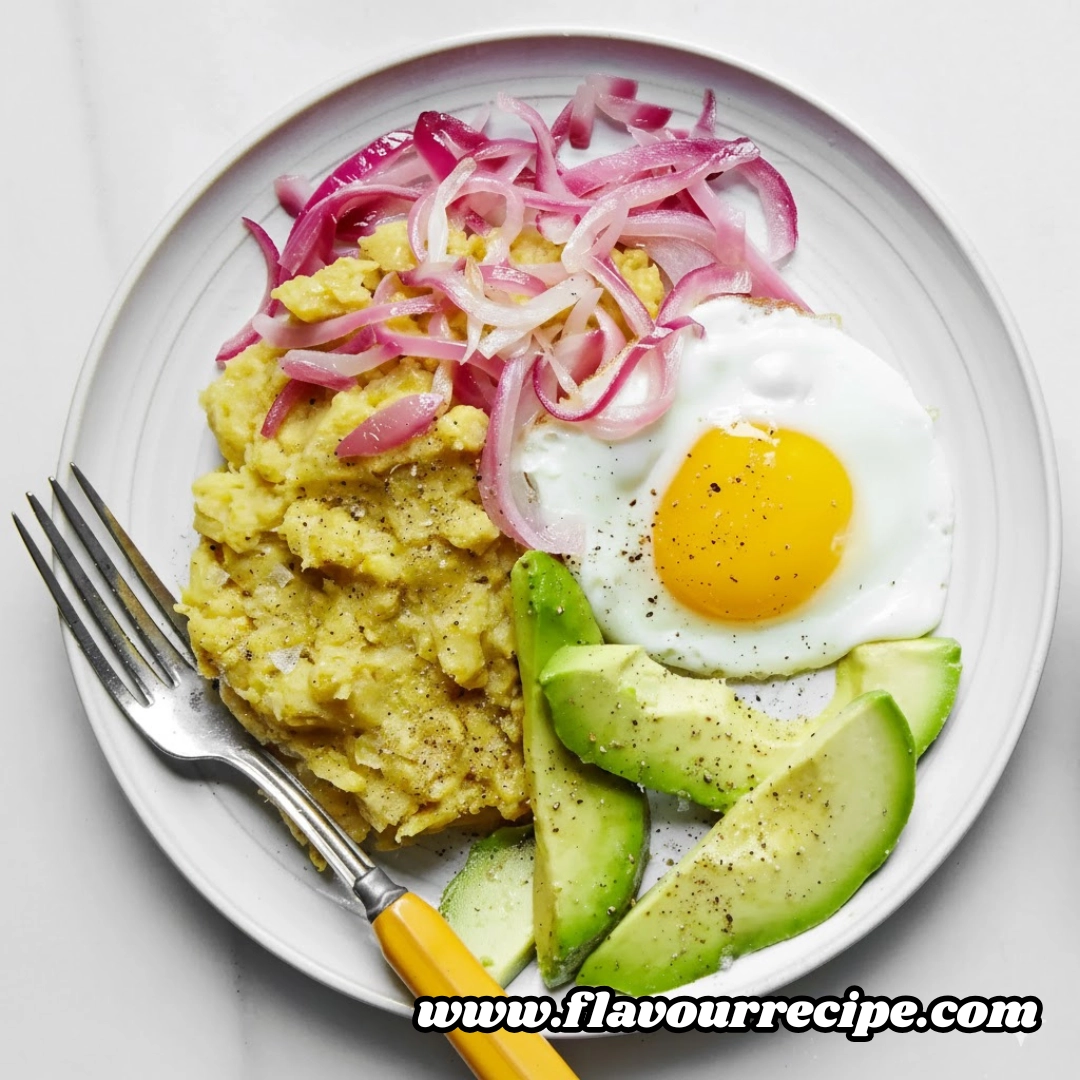
There is a profound sense of comfort that comes from a plate of Mangú de plátanos, the quintessential Dominican breakfast that has captured hearts far beyond the shores of the Caribbean. This dish, featuring velvety mashed plantains topped with tangy pickled onions and perfectly fried eggs, is more than just a meal; it is a cultural institution. Whether you are looking for a hearty start to your morning or a soul-warming “breakfast for dinner,” this recipe delivers a perfect balance of starch, fat, and acidity. In this guide, we will explore the nuances of creating this traditional masterpiece in your own kitchen, ensuring every bite is as authentic and delicious as a morning in Santo Domingo.
Table of Contents
Ingredients for Your Dominican Feast
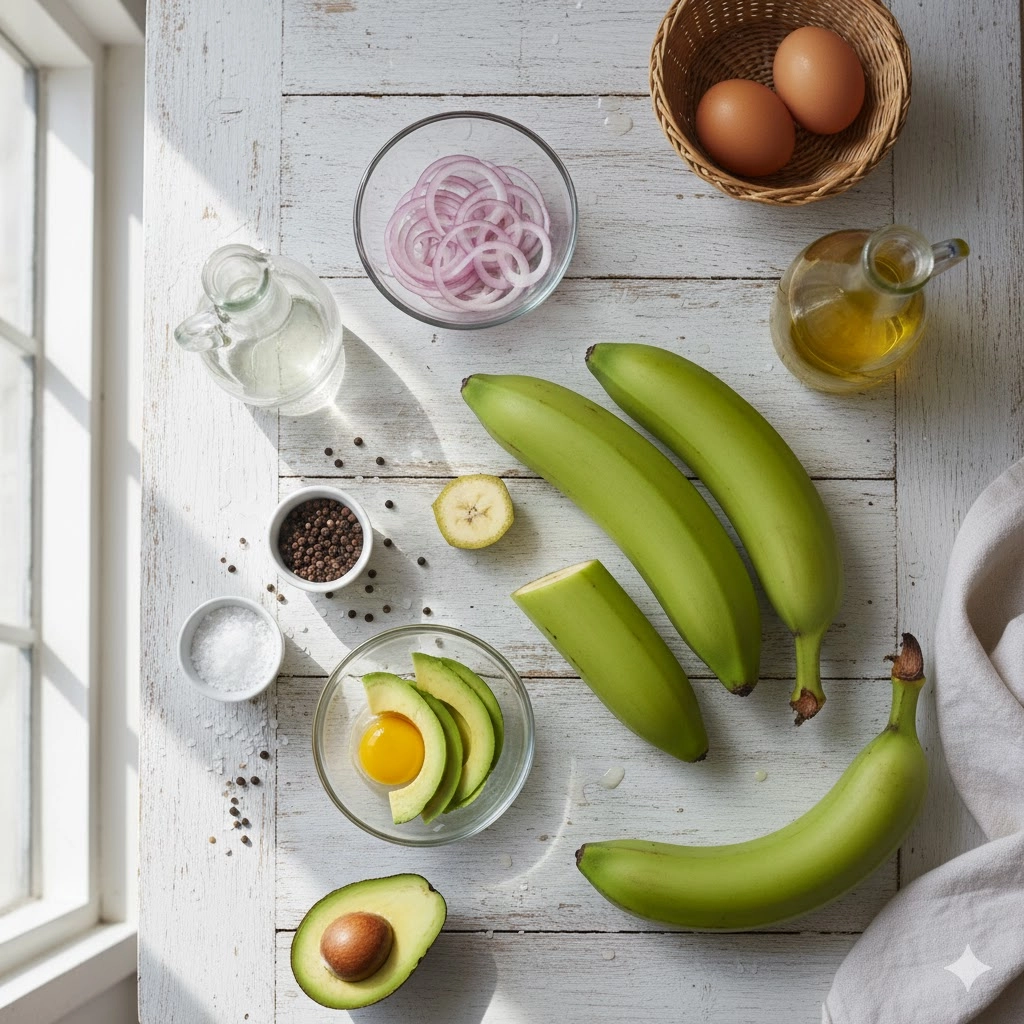
To create this authentic Mashed Plantains With Fried Eggs, you will need the following items. Ensure your plantains are green and firm for the best texture.
- 2 large green plantains, peeled and cut in half lengthwise
- One half red onion, thinly sliced into delicate rings
- One quarter cup white vinegar
- 2 tablespoons extra virgin olive oil or unsalted butter, divided for mashing and frying
- One quarter teaspoon sea salt, plus extra for the boiling water and seasoning
- One quarter teaspoon freshly cracked pepper
- 2 tablespoons vegetable oil for frying the onions and eggs
- 2 large eggs
- 1 ripe avocado, pitted, peeled, and sliced for serving
Master Instructions for Mangú
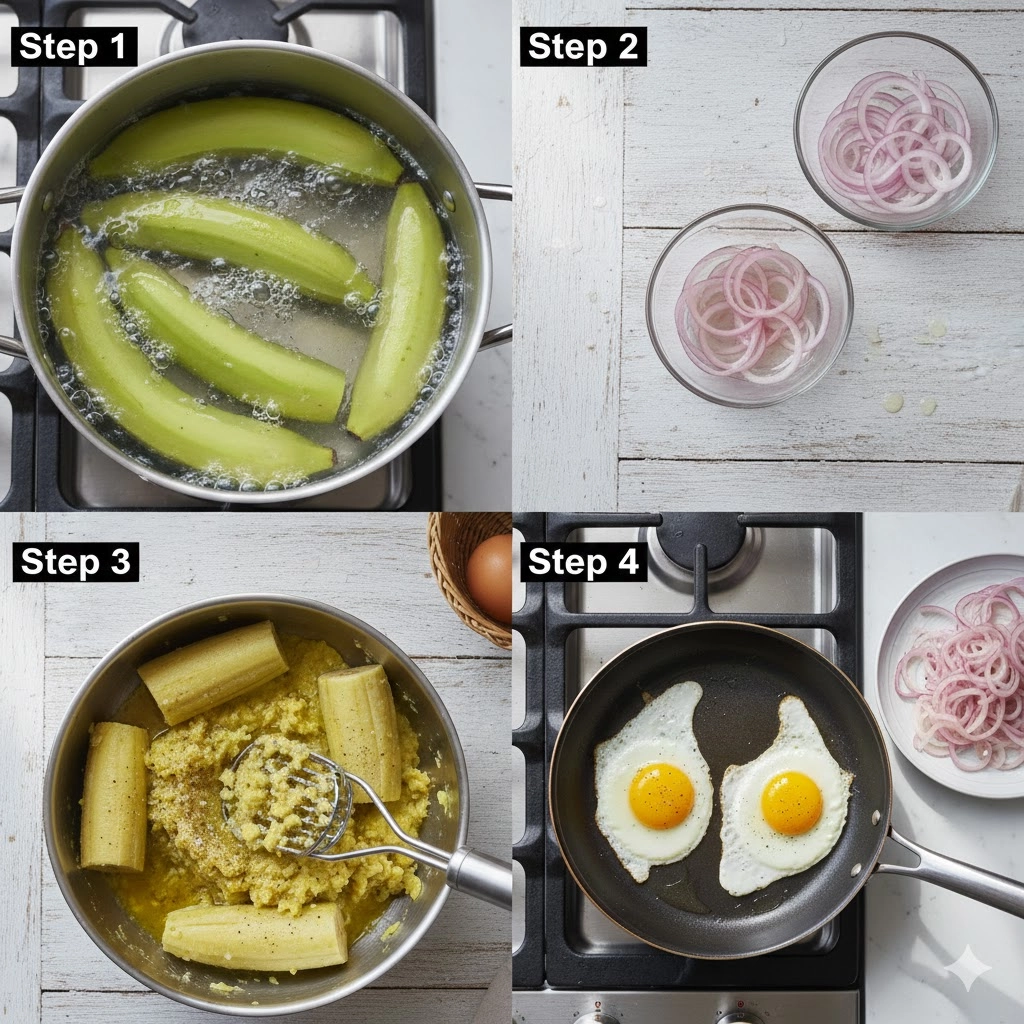
- Begin by bringing a large pot of heavily salted water to a vigorous boil. Place the halved plantains into the water and boil until they are completely fork-tender, which typically takes about 25 minutes. Before draining, carefully reserve one half cup of the starchy cooking water.
- While the plantains are boiling, prepare the quick-pickled onions. Place the sliced red onions in a small bowl and cover them completely with the white vinegar, letting them soak to mellow their bite.
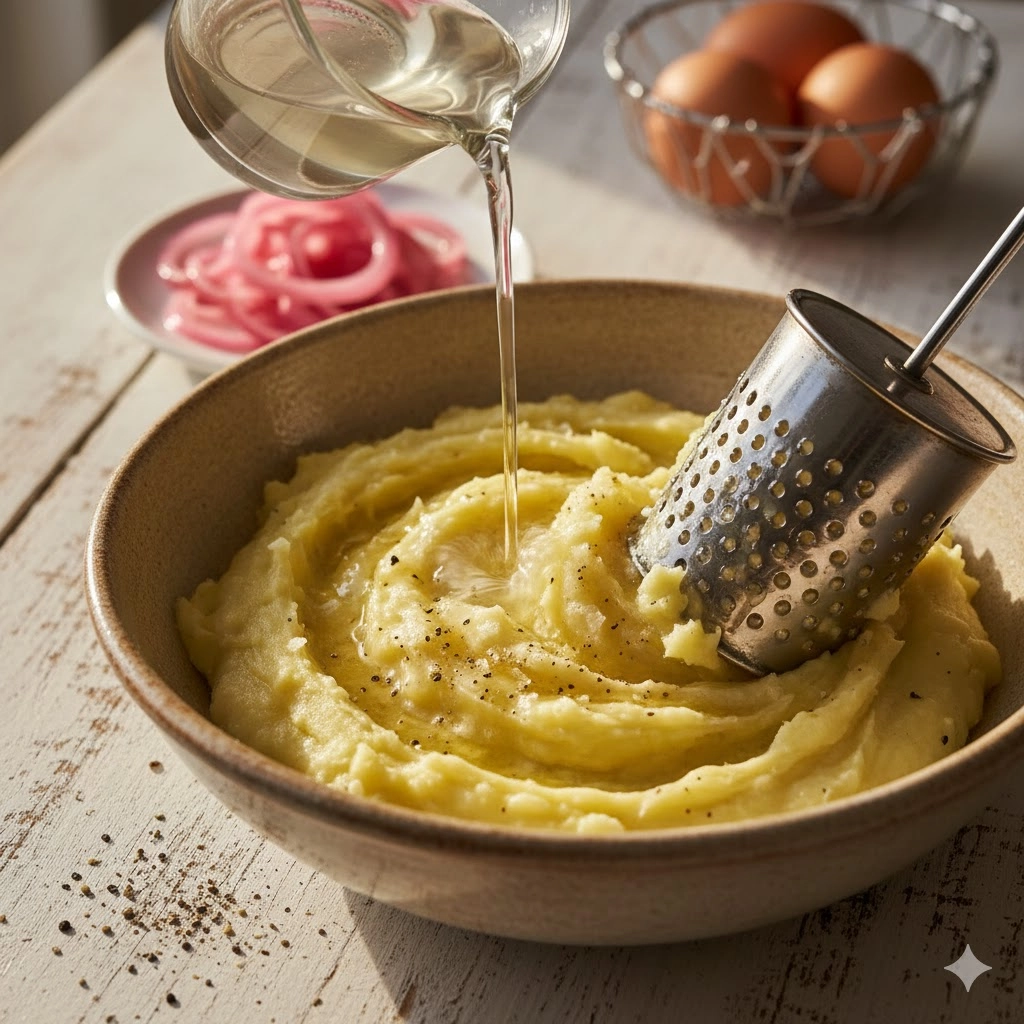
- Transfer the softened plantains to a medium mixing bowl. Add the reserved cooking water, one tablespoon of the olive oil or butter, the sea salt, and the cracked pepper. Mash the mixture thoroughly until it reaches a smooth, creamy consistency similar to mashed potatoes.
- In a medium frying pan, heat the vegetable oil over medium heat. Drain the red onions from the vinegar, discarding the liquid. Add the onions to the pan and sauté, stirring frequently, until they become soft and translucent. This should take about 5 minutes. Remove the onions and set them aside on a plate.
- Using the same frying pan, heat the remaining tablespoon of olive oil over medium heat. Carefully crack the eggs into the pan, ensuring they have enough space to cook without touching. Fry for 3 to 4 minutes until the whites are opaque and set, but the yolks remain beautifully runny.
- To assemble, scoop a generous portion of the mashed plantains onto two plates. Top each mound with a fried egg, a heap of the sautéed onions, and several slices of fresh avocado. Finish with a final sprinkle of salt and pepper to taste.
Elevating the Texture and Flavor Profile
The secret to a world-class Mangú lies in the manipulation of starch and moisture. When you boil the plantains, you are essentially hydrating the starch granules until they soften. However, unlike potatoes, plantains can become quite stiff as they cool. This is why the reserved cooking water is the most critical ingredient in the mash. The hot, salty, starchy liquid helps emulsify the fat—whether you choose olive oil for a fruity finish or unsalted butter for a rich, dairy-heavy flavor—into the plantain fibers.
When mashing, do not be afraid to be vigorous. You want to eliminate any large lumps to achieve that signature “pillowy” feel. If the mash feels too heavy or dry, add an extra tablespoon of hot water. The goal is a puree that holds its shape on the plate but melts in your mouth. Furthermore, the contrast of the warm mash against the cool, creamy avocado and the sharp, vinegary snap of the onions is what makes this dish a sensory delight. By sautéing the onions after they have soaked in vinegar, you create a complex “agrodolce” or sweet-and-sour effect that cuts through the richness of the egg yolk.
Ideal Pairings and Serving Suggestions
While Mashed Plantains With Fried Eggs is a complete meal on its own, it is often served as part of a larger spread known as “Los Tres Golpes,” which translates to “The Three Hits.” This traditionally includes the Mangú, fried eggs, fried Dominican salami, and fried cheese.
If you want to keep the meal lighter but still traditional, serving it alongside a cup of strong Dominican coffee or a glass of fresh passion fruit juice is highly recommended. The acidity of the juice or the bitterness of the coffee cleanses the palate between bites of the savory plantain. For a modern twist, a side of sliced radishes or a light cabbage slaw can add a refreshing crunch that complements the softness of the main components.
Substitutions and Ingredient Modifications
If you find yourself missing a specific ingredient, there are several ways to adapt this recipe without losing its essence.
- The Fat Source: While butter provides a classic richness, high-quality extra virgin olive oil is a fantastic vegan-friendly alternative that offers a peppery depth. Some traditionalists even use a bit of lard for an ultra-savory finish.
- The Acid: If white vinegar is too sharp for your preference, apple cider vinegar or even fresh lime juice can be used to soak the onions. This will result in a slightly fruitier acidity.
- The Protein: While fried eggs with runny yolks are the gold standard for this dish because the yolk acts as a natural sauce for the plantains, you can certainly substitute them with scrambled eggs or even grilled tofu for a different texture.
- The Plantains: If you cannot find green plantains, you can use yellow (ripe) plantains, but be aware that the dish will be significantly sweeter and the texture will be softer and less starchy.
The Science of Sautéing Onions and Eggs
The cooking sequence in the frying pan is designed to layer flavors. By cooking the vinegar-soaked onions first, you lightly deglaze the pan with the residual acidity, which then seasons the eggs you cook immediately after. When frying your eggs, aim for “over easy” or “sunny side up.” The chemical interaction between the fats in the oil and the proteins in the egg white creates a slightly crispy “lace” edge around the egg, while the yolk remains at a temperature that keeps it liquid. When you break that yolk over the mashed plantains, the lecithin in the yolk acts as a natural emulsifier, binding the mash and the egg together into a rich, decadent sauce.
Frequently Asked Questions
How do I prevent my mashed plantains from becoming too tough?
The key to maintaining a soft texture is temperature and moisture. Plantains contain a high amount of resistant starch, which firms up quickly as it cools. Always mash the plantains while they are piping hot and ensure you add enough of the reserved boiling water. If you need to reheat the Mangú later, add a splash of warm water or milk and stir thoroughly to restore the creamy consistency.
Can I prepare the components of this dish in advance?
While the eggs are best served immediately, you can certainly peel and chop the plantains ahead of time and keep them submerged in cold water to prevent browning. The pickled onions can also be prepared several hours in advance; in fact, the longer they sit in the vinegar, the more vibrant their pink color will become and the milder their flavor will turn.
What is the difference between a green plantain and a banana for this recipe?
Although they look similar, plantains are much starchier and contain less sugar than standard dessert bananas. A green plantain functions more like a root vegetable, such as a potato or yuca. Using a regular banana for this recipe would result in a sweet, mushy texture that would not pair well with the savory onions and eggs.
Success Strategies for the Perfect Mangú
Achieving the perfect bowl of mashed plantains requires attention to detail. First, ensure your plantains are truly green—if they have started to turn yellow or have black spots, they will be sweet. Second, when peeling the plantains, make a shallow slit down the length of the skin and use your thumb to pry the skin away; the skin of a green plantain is much tougher than that of a banana. Finally, do not skimp on the salt in the boiling water. Much like pasta, the plantains need to be seasoned from the inside out as they cook to bring out their natural earthy flavor.
A Hearty Conclusion to Your Morning
Bringing a taste of the Dominican Republic into your home starts with the humble plantain. This dish of Mashed Plantains With Fried Eggs is a testament to how simple, whole ingredients can be transformed into a sophisticated and deeply satisfying meal. By following the traditional methods of boiling, mashing with care, and balancing the plate with bright acidity and rich fats, you create a breakfast that nourishes both the body and the soul. It is a versatile, affordable, and incredibly flavorful recipe that deserves a permanent spot in your culinary repertoire.
Nutritional Information
The following values are estimates per serving based on the ingredients listed above.
| Nutrient | Amount Per Serving |
| Calories | 540 |
| Total Fat | 28 grams |
| Saturated Fat | 6 grams |
| Cholesterol | 185 milligrams |
| Sodium | 450 milligrams |
| Total Carbohydrates | 65 grams |
| Dietary Fiber | 9 grams |
| Sugars | 28 grams |
| Protein | 12 grams |
Dietary Disclaimer
Nutritional values are provided as a courtesy and are calculated using third-party software. For precise nutritional intake, please consult a certified nutritionist or use a specialized nutrition calculator with the specific brands of ingredients used in your kitchen.
PrintThe Ultimate Dominican Breakfast: Mashed Plantains With Fried Eggs
An authentic Dominican breakfast staple featuring creamy mashed green plantains topped with tangy pickled red onions, perfectly fried eggs, and fresh avocado.
- Prep Time: 10 mins
- Cook Time: 25 mins
- Total Time: 35 mins
- Yield: 2 servings 1x
- Category: Breakfast
- Method: Boiling and Frying
- Cuisine: Dominican
- Diet: Vegetarian
Ingredients
2 large green plantains, peeled and cut in half lengthwise
1/2 red onion, thinly sliced
1/4 cup white vinegar
2 tablespoons extra-virgin olive oil or unsalted butter, divided
1/4 teaspoon sea salt
1/4 teaspoon freshly cracked pepper
2 tablespoons vegetable oil
2 eggs
1 ripe avocado, pitted, peeled, and sliced
Instructions
1. Bring a large pot of salted water to a boil. Add the plantains and boil until fork-tender, about 25 minutes. Drain, reserving 1/2 cup of the cooking water.
2. Place the red onion in a small bowl and cover with the vinegar to quick-pickle.
3. Transfer plantains to a bowl with reserved water, 1 tablespoon olive oil, salt, and pepper. Mash until reaching a creamy consistency.
4. Heat vegetable oil in a pan. Drain onions and sauté until soft and translucent (about 5 minutes). Remove to a plate.
5. In the same pan, heat remaining olive oil. Fry eggs for 3 to 4 minutes until whites are set but yolks are runny.
6. Divide mash between plates. Top with fried eggs, sautéed onions, and avocado slices. Season to taste.
Notes
Keep the plantains hot while mashing to ensure a smooth texture.
Add a splash of milk for extra creaminess if desired.
Serve with fried salami or fried cheese for a traditional ‘Los Tres Golpes’ experience.
Nutrition
- Serving Size: 1 plate
- Calories: 540
- Sugar: 28g
- Sodium: 450mg
- Fat: 28g
- Saturated Fat: 6g
- Unsaturated Fat: 18g
- Trans Fat: 0g
- Carbohydrates: 65g
- Fiber: 9g
- Protein: 12g
- Cholesterol: 185mg