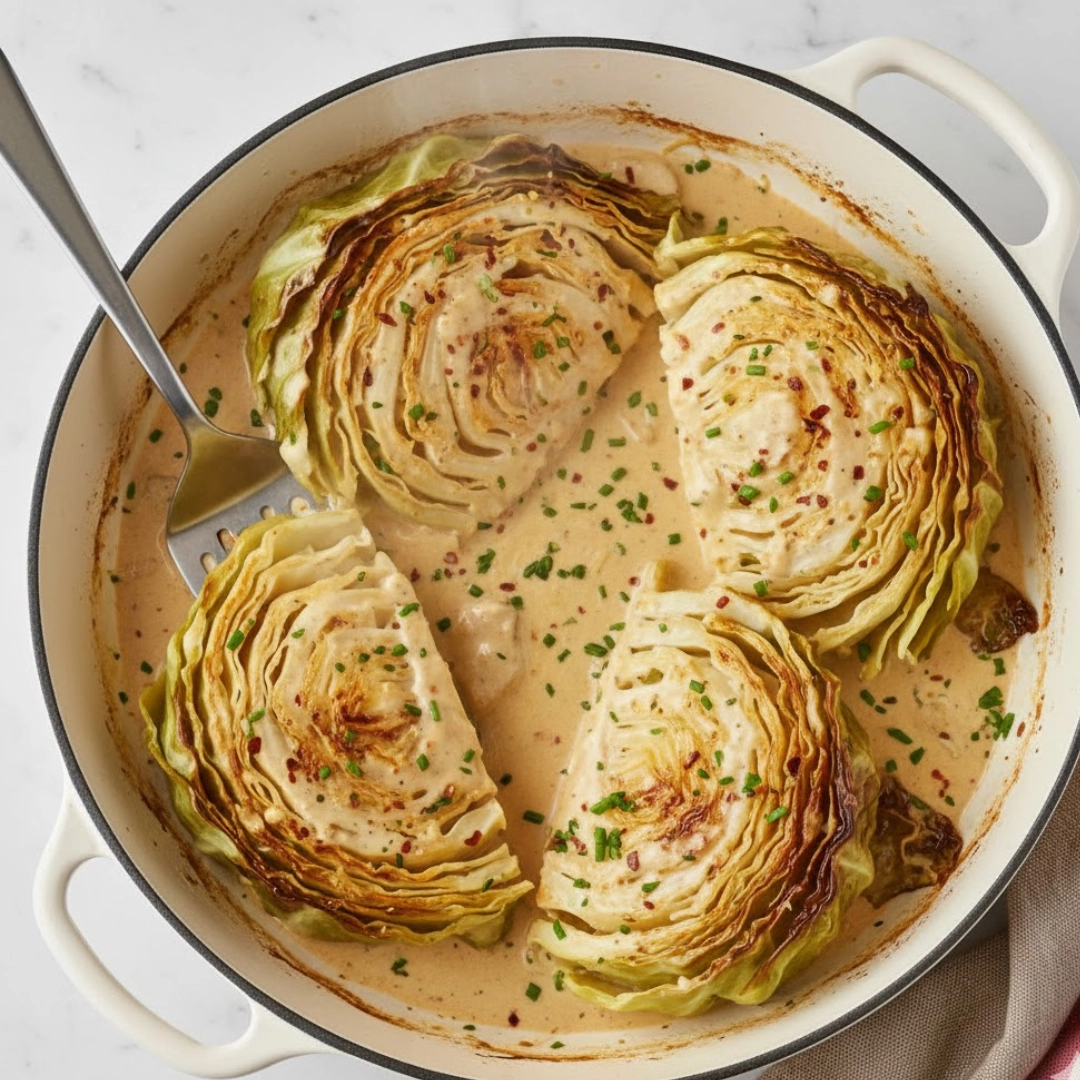
The phrase “melting cabbage” might sound like a paradox, yet it perfectly describes a preparation that transforms the humble, crisp head of brassica into something utterly luxurious. This is not the watery, overcooked vegetable of childhood memory; this is a deeply savory, silken, and rich side dish or main course built on layers of aromatic flavor. When properly cooked, the cabbage leaves collapse into an unctuous state, bathed in a creamy, garlicky, and often cheesy sauce that is simply irresistible. This preparation elevates cabbage from a supporting character to a star, making Marry Me Melting Cabbage a dish that earns its provocative name, delivering a sophisticated comfort that’s fit for any table, from a casual weeknight dinner to a celebratory gathering.
This recipe relies on the slow, gentle application of heat combined with strategic liquid—a braising and roasting technique that concentrates the savory elements while softening the tough cellular structure of the cabbage. The result is a profound, concentrated sweetness and an astonishingly tender texture that makes every bite feel decadent.
Table of Contents
What You’ll Need: The Essential Components for Cabbage Perfection
This recipe uses a blend of fresh produce, quality dairy, and pantry staples. For the best flavor, seek out fresh, firm heads of green cabbage and high-quality Parmesan cheese.
The Foundation
- One medium head (about three pounds) green cabbage
- Four tablespoons unsalted butter (for richness and searing)
- Three tablespoons extra virgin olive oil (for stability and flavor)
The Aromatics
- Six large cloves garlic, minced
- One large shallot, finely diced
- One cup low-sodium chicken or vegetable broth
The Finishing Touches
- One half cup heavy cream
- One quarter cup grated Parmesan cheese, plus extra for serving
- One half teaspoon dried Italian seasoning (or a mix of dried thyme and oregano)
- One quarter teaspoon crushed red pepper flakes (optional, for a slight lift)
- Kosher salt and freshly ground black pepper to taste
- Two tablespoons chopped fresh parsley or chives, for garnish

The Culinary Map: How to Achieve That “Melting” Texture
This recipe requires two main phases: searing to develop a deep, sweet caramelization, and then braising/roasting to fully tenderize the leaves. This high-level overview gives you the trajectory before we dive into the sensory details.
- Prepare the Cabbage: Trim the head and cut it into thick, uniform wedges, ensuring the core remains intact to hold the leaves together during cooking.
- Sear the Wedges: Heat the butter and oil in a large oven-safe skillet and sear the cabbage wedges until a golden-brown crust forms on two sides.
- Build the Sauce Base: Remove the cabbage briefly, sauté the aromatics (garlic and shallots) in the remaining fat, and then deglaze the pan with the broth.
- Nestle and Roast: Return the cabbage to the skillet, pour the broth mixture over the wedges, and transfer the skillet to a preheated oven.
- Achieve Tenderness: Roast for the initial time until the leaves begin to wilt significantly and the sauce has reduced slightly.
- Enrich and Finish: Stir the cream, Parmesan, and seasonings into the sauce, baste the cabbage, and return it to the oven for a final, quick roast.
- Rest and Serve: Allow the dish to rest briefly before garnishing and presenting it directly from the skillet.
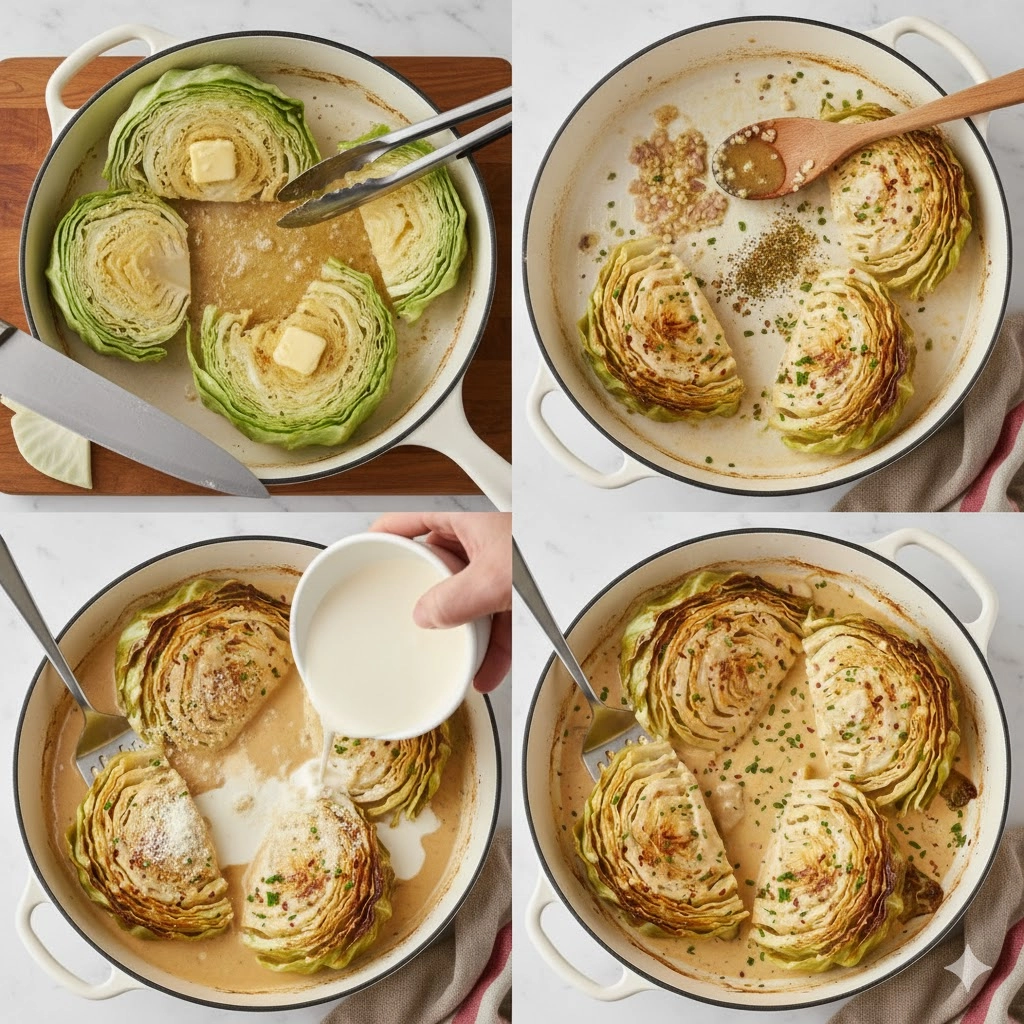
From Crisp Leaf to Silken Bite: A Detailed Guide to the Cooking Process
The magic of this dish happens through precise temperature control and observation. Following these steps closely will ensure that your cabbage transitions beautifully from firm to fork-tender.
Step 1: Segmentation and Preparation
Begin by preparing your oven and your main ingredient. Preheat your oven to three hundred seventy-five Fahrenheit. This moderate heat is crucial; it’s hot enough to caramelize the sugars in the cabbage but low enough to allow a long, slow braise that encourages the “melting” texture without burning.
Take your head of cabbage and remove any tough or loose outer leaves. Place the cabbage on a cutting board, stem-side down. Using a sharp, large knife, cut the head lengthwise through the core into four equal wedges. The core is the anchor—it must stay attached to prevent the wedges from falling apart in the pan. If you find the core too large, you can trim some of the dense material, but leave enough to bind the leaves. Uniformity is key here for even cooking.
Step 2: The Searing Ritual
Select a heavy-bottomed, oven-safe skillet (cast iron is ideal) that is large enough to hold all four wedges snugly without overlap. Place the skillet over medium-high heat. Add the four tablespoons of butter and three tablespoons of olive oil. The combination of fats prevents the butter from burning too quickly while adding robust flavor. Once the butter is fully melted and foamy, and the foam subsides—the pan is ready.
Place two to three of the cabbage wedges cut-side down into the hot fat. Do not overcrowd the pan; you are searing, not steaming. You want a distinct, deep golden-brown crust—almost an amber color—which takes about four to six minutes per side. You’ll know they are done when the kitchen fills with a sweet, nutty aroma characteristic of caramelized vegetables. Carefully remove the seared wedges and set them aside on a plate, then sear any remaining wedges.
Step 3: Building Depth of Flavor
Turn the heat down to medium. Add the minced shallot and garlic to the skillet, scraping up any delicious brown bits (fond) left by the searing cabbage. Sauté the shallot first until it is translucent and sweet-smelling, about two minutes. Then, add the garlic and cook for only thirty to sixty seconds, just until it is fragrant. Do not let the garlic brown, as burnt garlic turns acrid and bitter.
Pour in the one cup of broth. Immediately scrape the bottom of the pan vigorously with a wooden spoon to dissolve all the remaining caramelized pieces. This simple action, called deglazing, incorporates all the complex, concentrated flavors into the liquid, forming the base of your sauce. Bring the liquid to a simmer.
Step 4: The Transformation in the Oven
Gently arrange the seared cabbage wedges back into the skillet, spooning some of the liquid over the tops. Distribute them evenly. Sprinkle the half teaspoon of Italian seasoning and the optional crushed red pepper flakes over the wedges. Season liberally with salt and pepper. Remember that a great deal of the moisture will evaporate in the oven, so seasoning now is crucial for the final taste.
Carefully transfer the skillet to the preheated three hundred seventy-five Fahrenheit oven. Bake for approximately twenty-five to thirty-five minutes. During this time, the heat converts the braising liquid to steam, penetrating the tough cellulose in the cabbage, while the moisture in the cabbage itself begins to break down. You will notice the leaves wilting dramatically, and the edges of the cabbage will start to soften.
Step 5: The Rich Finish
Remove the skillet from the oven. The liquid should be reduced by about half. Pour the half cup of heavy cream over the wedges and into the braising liquid. Sprinkle the one quarter cup of grated Parmesan cheese over the cabbage and stir it into the liquid. The combination of hot broth, cream, and cheese creates a luscious, glossy, and thick sauce.
Baste the cabbage thoroughly with this creamy liquid. Return the skillet to the oven for a final ten to fifteen minutes. This last stage is to melt the Parmesan fully, thicken the sauce into a light glaze, and infuse the creaminess into the now-tender leaves. The cabbage should be yielding—the outer leaves should fall away easily when gently prodded with a fork, achieving that desired “melting” quality.
Step 6: The Moment of Rest
Once removed from the oven, allow the Marry Me Melting Cabbage to rest in the skillet for five to ten minutes. This resting period allows the cabbage to reabsorb some of the sauce and helps the core and leaves retain their structure for serving. Garnish the dish with the fresh parsley or chives right before serving for a pop of color and fresh herbal aroma. Serve directly from the skillet for a rustic, impressive presentation.
Elevated Excellence: Expert Techniques for Truly Special Cabbage
The following techniques move this dish from good to exceptional, leveraging deep culinary knowledge to maximize flavor and texture.
- Water Blanch for Color: If you want your final dish to have an exceptionally bright green color (the long braise often dulls the hue), quickly blanch the wedges in boiling, salted water for two minutes before searing. Pat them completely dry before introducing them to the hot fat.
- Umami Bomb: For a deeper savory base, introduce a teaspoon of white miso paste or anchovy paste into the shallot and garlic mixture after they soften, cooking it for thirty seconds before deglazing with the broth. This adds a profound umami note that doesn’t taste fishy, only rich.
- Acidic Brightness: Cabbage, especially when slow-cooked, benefits enormously from a touch of acid. Right before serving, squeeze the juice of half a fresh lemon over the entire dish. The acidity cuts through the richness of the cream and cheese, providing balance and brightness.
- Use of High-Quality Cheese: Avoid pre-grated Parmesan. The fillers and anti-caking agents can prevent the cheese from melting properly into the sauce, resulting in a grainy texture. Use a block of true Parmigiano-Reggiano and grate it fresh.
- Don’t Toss the Outer Leaves: Instead of discarding the tough outer leaves, shred them finely and add them to the skillet with the broth. They will break down completely during the long roast, naturally thickening the sauce while boosting the cabbage flavor, effectively creating an internal, natural thickener.
- Broth Reduction: Before adding the cream in Step 5, if the broth still seems too thin, let it simmer on the stovetop for a few minutes to reduce it further. The goal is a syrupy liquid that coats the back of a spoon, not a watery soup.
Changing the Script: Creative Swaps and Flavor Adjustments
This recipe is incredibly versatile and can be adapted based on dietary needs or flavor preferences. Here are a few reliable substitutions and variations.
- Dairy-Free Richness: To make this dish entirely plant-based, replace the butter with a high-quality vegan butter substitute and use a neutral oil like avocado oil. For the heavy cream, use a full-fat unsweetened coconut cream (the thick part from a chilled can) or a quality cashew cream. Replace the Parmesan with a nutritional yeast blend or a vegan Parmesan substitute.
- Spice Rack Exploration: Instead of Italian seasoning, try a pinch of smoked paprika and a quarter teaspoon of ground coriander for a North African influence. Alternatively, use a tablespoon of fresh tarragon and a splash of white wine (in place of some of the broth) for a French-inspired flavor.
- Added Protein: To transform this into a full one-pan meal, layer two to three ounces of thinly sliced prosciutto or pancetta under the cabbage wedges before the final bake. The fat will render and crisp, adding a salty, meaty contrast to the melting softness of the cabbage.
- Alternative Cabbage Varieties: Napa cabbage is too delicate for this long a cook time. If green cabbage is unavailable, Savoy cabbage (with its crinkled leaves) is an excellent substitute, offering a slightly milder flavor and a beautiful texture. Red cabbage is not recommended as its color will bleed, creating a dull, greyish sauce.
- The Wine Option: Substitute half of the chicken broth with a dry white wine, such as Sauvignon Blanc or Pinot Grigio. Add the wine during the deglazing step and let it simmer for three minutes to burn off the alcohol before adding the rest of the broth.

The Perfect Pairing: Serving and Presentation Ideas
Because this dish is so intensely rich and flavorful, it pairs best with simple, clean flavors that balance its weight.
- Steakhouse Complement: This melting cabbage serves as an ideal, elevated side dish for a properly seared steak (like a ribeye or filet mignon) or a reverse-seared pork chop. The creaminess and saltiness provide a perfect foil to the rich meatiness of the main protein.
- Rustic Grains: Serve the cabbage over a bed of toothsome, rustic grains. Farro, barley, or even a very savory polenta are excellent choices. The grains absorb the extra sauce, turning the dish into a complete, satisfying vegetarian main course.
- Seafood Pairing: The subtle garlic and herbal notes complement white fish beautifully. Serve the cabbage alongside pan-seared scallops or a flaky oven-baked halibut, using the cabbage sauce as the sauce for the entire plate.
- Simple Crusty Bread: For a very simple meal, a thick slice of warm, crusty sourdough or French bread is all you need. Use the bread to soak up every last drop of the decadent, creamy sauce left in the skillet.
Your Cabbage Questions Answered
We address a few common concerns that arise when attempting this technique-driven recipe for the first time.
How do I prevent the cabbage from falling apart completely?
The trick is ensuring the core remains fully intact. You must cut through the center of the stem. If the wedges are still too loose, you can secure them temporarily with kitchen twine, though the sear and the close fit in the skillet should generally hold them together.
Can I prepare this recipe ahead of time?
You can complete the first four steps—searing, building the sauce, and the initial roast—up to two days ahead of time. Store the cabbage and sauce, unmixed with the cream and cheese, in the refrigerator. When ready to serve, reheat the skillet on the stovetop, add the cream and Parmesan, and complete the final bake.
What is the best way to reheat leftovers?
The best way to reheat this dish is low and slow in the oven. Place the leftover wedges and sauce in an oven-safe dish, cover it loosely with foil, and bake at three hundred twenty-five Fahrenheit for about fifteen minutes, or until warmed through. The microwave may make the creamy sauce separate or become oily.
Can I use pre-shredded cabbage?
No, pre-shredded cabbage will not work for this recipe. The entire technique relies on the large, firm wedges held together by the core. Shredded cabbage would simply steam, become mushy, and disappear into the sauce rather than developing that desirable tender, layered texture.
My sauce seems too thin after the final bake. What went wrong?
If the sauce is too thin, it likely means the broth wasn’t reduced enough before the cream was added. To fix this, carefully remove the cabbage wedges, place them on a warm platter, and place the skillet back on the stovetop. Bring the sauce to a rolling boil and reduce it aggressively for several minutes until it reaches your desired consistency, then pour it over the cabbage.
Nutritional Overview
| Nutrient | Amount per Serving |
| Calories | 395 kcal |
| Protein | 15 g |
| Carbs | 20 g |
| Fat | 29 g |
| Fiber | 7 g |
| Sugar | 9 g |
| Sodium | 450 mg |
Nutrition information is an estimate and may vary based on preparation and ingredients used.
PrintThe Irresistible Comfort of Marry Me Melting Cabbage
This recipe transforms humble cabbage into a deeply savory, silken, and rich side dish or main course. The leaves collapse into an unctuous state, bathed in a creamy, garlicky, and Parmesan-infused sauce. It’s a comforting dish that truly earns its name, ‘Marry Me Melting Cabbage’.
- Prep Time: 15 mins
- Cook Time: 50 mins
- Total Time: 65 mins
- Yield: 4 servings 1x
- Category: Side Dish
- Method: Braise, Roast
- Cuisine: American
- Diet: Vegetarian
Ingredients
One medium head (about three pounds) green cabbage
Four tablespoons unsalted butter
Three tablespoons extra virgin olive oil
Six large cloves garlic, minced
One large shallot, finely diced
One cup low-sodium chicken or vegetable broth
One half cup heavy cream
One quarter cup freshly grated Parmesan cheese
One half teaspoon dried Italian seasoning
One quarter teaspoon crushed red pepper flakes (optional)
Kosher salt and freshly ground black pepper to taste
Two tablespoons chopped fresh parsley or chives, for garnish
Instructions
1. Trim the cabbage head and cut it lengthwise through the core into four equal wedges. Preheat oven to three hundred seventy-five Fahrenheit.
2. Heat butter and olive oil in a large oven-safe skillet over medium-high heat. Sear the cabbage wedges, cut-side down, until a deep golden-brown crust forms (about four to six minutes per side). Remove and set aside.
3. Reduce heat to medium. Add shallot and cook until translucent. Add garlic and cook for thirty seconds. Pour in one cup of broth and scrape the bottom of the pan vigorously to deglaze.
4. Return the seared cabbage wedges to the skillet. Season with Italian seasoning, red pepper flakes, salt, and pepper. Transfer to the oven and bake for twenty-five to thirty-five minutes.
5. Remove the skillet. Stir in the heavy cream and grated Parmesan cheese. Baste the cabbage with the creamy sauce. Return to the oven for a final ten to fifteen minutes to fully melt the cheese and thicken the sauce.
6. Allow the Marry Me Melting Cabbage to rest for five to ten minutes before serving. Garnish with fresh parsley or chives.
Notes
Use fresh Parmigiano-Reggiano for the best melting texture.
A squeeze of fresh lemon juice at the end will cut through the richness beautifully.
Do not use pre-shredded cabbage; the whole wedges are essential to the technique.
Nutrition
- Serving Size: 1 wedge
- Calories: 395
- Sugar: 9g
- Sodium: 450mg
- Fat: 29g
- Saturated Fat: 17g
- Unsaturated Fat: 10g
- Trans Fat: 0g
- Carbohydrates: 20g
- Fiber: 7g
- Protein: 15g
- Cholesterol: 90mg