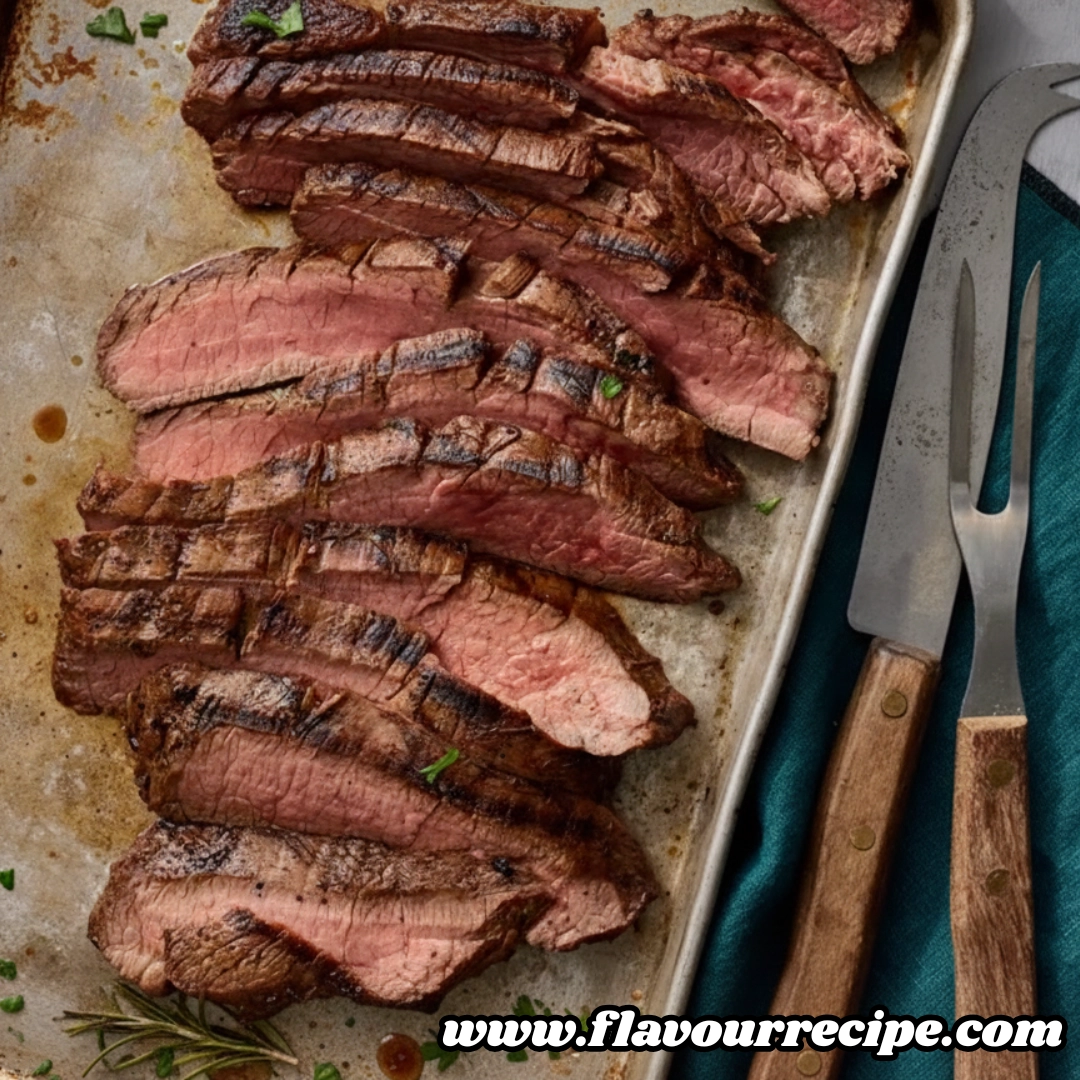
When it comes to impressive yet accessible home cooking, few dishes command the table quite like a perfectly seared, juicy flank steak. This lean, flavorful cut of beef is a favorite among backyard grill masters and professional chefs alike for its ability to absorb complex flavors and provide a satisfying, meaty bite. By utilizing a balanced blend of acidity, salt, and aromatics, you can transform a relatively tough muscle into a tender masterpiece. This recipe focuses on a sophisticated marinade that balances the brightness of citrus with the deep, umami-rich notes of soy and Worcestershire, ensuring every slice is infused with savory goodness. Whether you are hosting a summer barbecue or looking for a high-protein weeknight meal, this approach guarantees a result that is both elegant and hearty.
Table of Contents
Essential Ingredients for the Perfect Marinade
To achieve the best possible results, gather these high-quality components. Using fresh ingredients, particularly the lemon and garlic, makes a significant difference in the vibrancy of the final flavor profile.
The Marinade Base
- one half cup vegetable oil
- one third cup low-sodium soy sauce
- one quarter cup red wine vinegar
- two tablespoons fresh lemon juice
- one and one half tablespoons Worcestershire sauce
- one tablespoon Dijon mustard
- two cloves garlic, minced
- one half teaspoon ground black pepper
The Protein
- one (one and one half-pound) flank steak
Preparation Instructions for the Ultimate Steak
Follow these steps carefully to ensure your beef is properly infused with flavor and cooked to the perfect temperature.
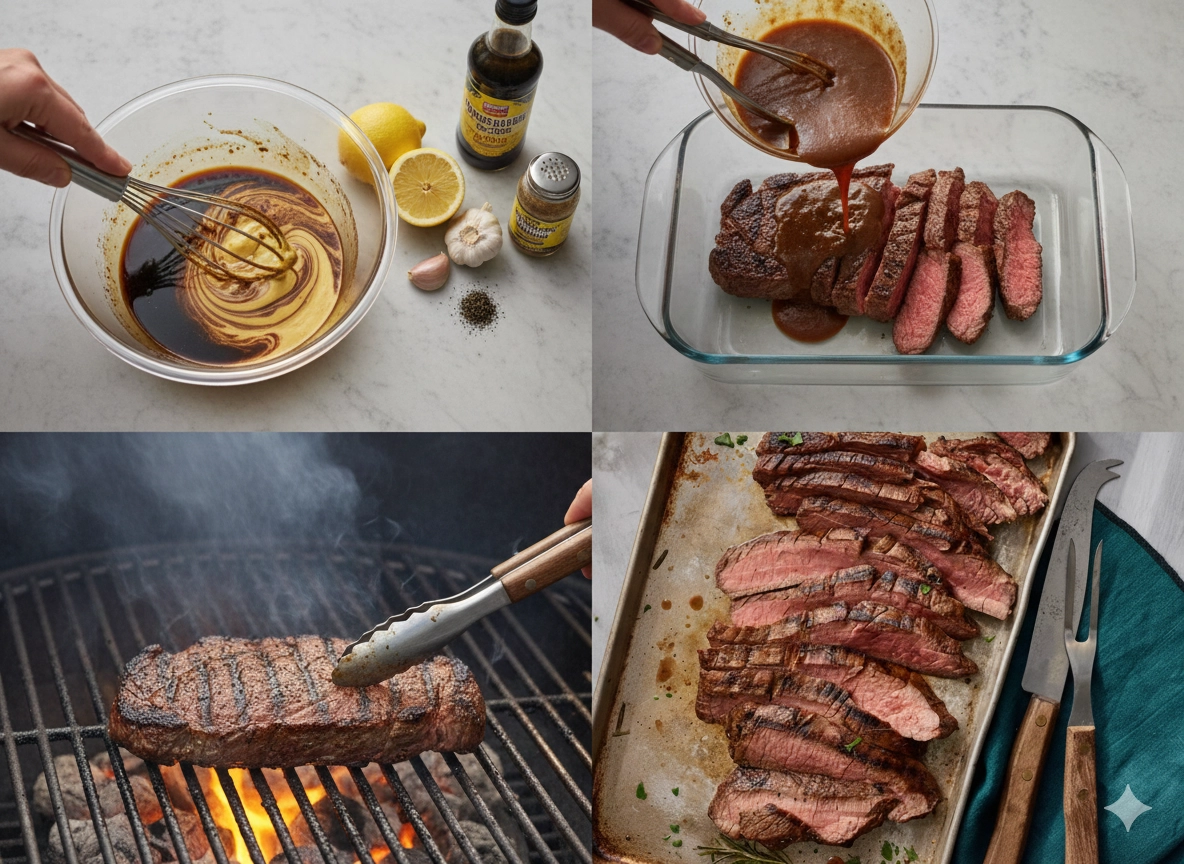
- Begin by gathering all your liquid ingredients and seasonings. In a medium mixing bowl, whisk together the vegetable oil, low-sodium soy sauce, red wine vinegar, fresh lemon juice, Worcestershire sauce, Dijon mustard, minced garlic, and ground black pepper. Whisk vigorously until the mustard is fully incorporated and the oil and vinegar have emulsified into a cohesive liquid.
- Prepare your marinating vessel. Place the flank steak in a nine by thirteen-inch glass baking dish. Avoid using metal pans for long marinating times, as the acid in the vinegar and lemon juice can react with the metal.
- Pour the prepared marinade over the steak. Use tongs to turn the meat several times, ensuring every inch of the surface is coated. Cover the dish tightly with plastic wrap and refrigerate. For the best results, let it sit for at least two to six hours. If you have the time, marinating for up to twelve hours will provide even deeper flavor penetration and tenderness.
- When you are ready to cook, prepare your outdoor grill. Set it to medium-high heat and lightly oil the grates to prevent sticking.
- Remove the steak from the refrigerator and lift it out of the baking dish. Shake off the excess liquid gently. You should discard any remaining marinade that has been in contact with the raw meat.
- Place the steak on the preheated grill. Cook for approximately five minutes per side. This timing typically yields a beautiful medium-rare to medium doneness, but you should adjust based on your specific preference.
- Once the steak has reached your desired level of doneness, remove it from the heat. Transfer it to a cutting board and let it rest for five minutes. This rest period is crucial for allowing the juices to redistribute throughout the meat.
- Slice the steak against the grain into thin strips and serve immediately while hot.
Masterful Step-by-Step Details for Success
Understanding the “why” behind the process helps you elevate this dish from a standard meal to a culinary highlight. The flank steak is a hard-working muscle located in the lower abdominal area of the cow. Because it is lean and contains long, fibrous muscle fibers, it requires specific treatment to become tender.
The first stage of success is the emulsification of the marinade. When you whisk the oil and vinegar with the Dijon mustard, the mustard acts as a stabilizer. This ensures that the fat and the acid stay together rather than separating in the dish. The acid (from the lemon and vinegar) works to break down some of the tougher connective tissues on the surface of the meat, while the oil helps the fat-soluble flavors in the garlic and pepper penetrate deeper into the beef.
During the marinating period in the refrigerator, the salt in the soy sauce begins a process similar to brining. It helps the muscle fibers retain moisture during the high-heat cooking process. When you finally move to the grill, the high heat triggers the Maillard reaction—a chemical reaction between amino acids and reducing sugars that gives browned food its distinctive, savory flavor. Because this marinade contains various sugars (from the vinegar and mustard), you will see a beautiful, dark crust form quickly.
The most important step for texture happens after the steak leaves the grill. Resting the meat allows the internal temperature to stabilize. If you cut into the steak the moment it comes off the heat, the internal pressure will force the juices out, leaving you with a dry piece of meat. By waiting five minutes, you ensure that every bite is as succulent as possible. Finally, always look for the “grain”—the direction the muscle fibers run—and cut perpendicular to them. This shortens the fibers, making the meat much easier to chew.
Achieving the Ultimate Texture and Flavor
To truly excel with this recipe, consider the environment of your grill. Using an outdoor grill provides a smoky depth that is difficult to replicate indoors. If you are using charcoal, try to create a two-zone fire. This allows you to sear the steak over high heat and then move it to a cooler side of the grill if it is browning too quickly before the center reaches the correct temperature.
Regarding the marinade duration, there is a “sweet spot.” While the recipe suggests two to six hours, going up to twelve hours is excellent for maximum flavor. However, avoid going beyond twenty-four hours. Eventually, the acids in the lemon juice and red wine vinegar can begin to “cook” the outside of the meat, leading to a texture that is mushy rather than tender.
Another professional secret is the temperature of the meat before it hits the grill. While the recipe calls for refrigeration during marinating, taking the steak out about twenty minutes before grilling allows it to lose its chill. This ensures more even cooking, as a freezing cold steak will often burn on the outside before the middle is warm.
Creative Accompaniments and Serving Suggestions
This steak is incredibly versatile and pairs well with a variety of side dishes. For a classic American steakhouse feel, serve the sliced flank steak alongside a crisp wedge salad topped with blue cheese dressing and bacon crumbles. The cooling crunch of the lettuce provides a wonderful contrast to the warm, savory beef.
If you are looking for something heartier, roasted or grilled sweet potato wedges are a fantastic choice. The natural sweetness of the potatoes complements the tangy notes of the red wine vinegar and Dijon mustard in the steak. For a vegetable option, consider sautéed Swiss chard with a sprinkle of Parmesan cheese or grilled asparagus spears drizzled with a bit of the same lemon juice used in the marinade.
For a fusion twist, this marinated steak is the perfect base for high-end fajitas. Slice the meat very thin and serve with charred bell peppers and onions, warm flour tortillas, and a dollop of fresh guacamole. The soy and Worcestershire notes add a “secret ingredient” depth that standard taco seasonings often lack.
Smart Modifications and Easy Substitutions
While the original recipe is balanced for flavor, you may find yourself needing to swap ingredients based on what is in your pantry. If you do not have red wine vinegar on hand, apple cider vinegar or balsamic vinegar are excellent alternatives. Balsamic will add a bit more sweetness and a darker color to the crust, while apple cider vinegar provides a fruitier tang.
For those watching their sodium intake, ensuring you use low-sodium soy sauce is key. If you are completely out of soy sauce, a combination of beef broth and a pinch of extra salt can work in a pinch, though you will lose some of the fermented depth. If you cannot find flank steak at your local butcher, skirt steak is the closest substitute. It has a similar grain and flavor profile, though it is slightly thinner and may cook faster. Hanger steak or top round are also viable options, though top round is significantly leaner and must not be overcooked beyond medium-rare to avoid toughness.
Deep-Dive Expert Insights
Can I cook this flank steak in the oven if I do not have access to a grill?
Yes, you can absolutely achieve great results using your oven. The best method is to use your broiler to mimic the high, direct heat of a grill. Place the marinated steak on a broiler pan or a baking sheet lined with foil. Position the oven rack so the meat is about four to six inches from the heat source. Broil for about five to seven minutes per side, keeping a close eye on it to ensure the marinade doesn’t burn.
What is the best way to tell when the steak is done without cutting into it?
Using a digital meat thermometer is the most reliable way to check for doneness without losing precious juices. For a rare steak, aim for an internal temperature of one hundred thirty degrees Fahrenheit. For medium-rare, look for one hundred thirty-five degrees Fahrenheit, and for medium, one hundred forty-five degrees Fahrenheit. Keep in mind that the temperature will rise about five degrees while the meat rests.
Is it safe to reuse the marinade as a dipping sauce?
You should never use the marinade that has touched raw meat as a sauce unless it has been properly dealt with. If you love the flavor and want to use it as a drizzle, the safest method is to set aside a small portion of the marinade before adding the raw steak. Alternatively, you can take the leftover marinade and bring it to a full, rolling boil in a small saucepan for several minutes. This kills any bacteria and reduces the liquid into a thicker, more concentrated sauce.
Why does my flank steak sometimes turn out chewy even after marinating?
Chewiness in flank steak is almost always a result of either overcooking or slicing the meat incorrectly. Flank steak is best enjoyed rare or medium-rare; once it passes the medium mark, the lean proteins tighten and become tough. Furthermore, you must slice against the grain. If you slice parallel to the long muscle fibers, you are asking your teeth to do the work that your knife should have done. Look for the lines in the meat and cut across them at a slight diagonal.
Final Thoughts on This Savory Classic
Mastering the art of the marinated flank steak is a rewarding journey for any home cook. This recipe provides a foolproof foundation that balances acid, fat, and savory aromatics to highlight the natural beefy flavor of the cut. By paying close attention to the marinating time and the resting period, you ensure a meal that is consistently tender and impressive. It is a dish that feels special enough for a celebration but is simple enough for a Tuesday night. Once you taste the harmony of the garlic, soy, and lemon against the charred exterior of the beef, this recipe is sure to become a permanent fixture in your culinary rotation.
Nutritional Information and Profile
The following values are estimates based on the ingredients provided. Actual consumption may vary depending on how much marinade is discarded before cooking.
| Nutrient | Amount Per Serving |
| Calories | 363 |
| Total Fat | 28g |
| Cholesterol | 55mg |
| Sodium | 650mg |
| Total Carbohydrates | 4g |
| Protein | 25g |
| Vitamin C | 4 percent |
| Iron | 12 percent |
Nutritional Disclaimer
The nutritional information provided is an estimate based on the full amount of marinade ingredients. Because much of the marinade is discarded after the soaking process, the actual calories, fats, and sodium consumed will be lower than the values listed above.
PrintMastering the Perfect Marinated Flank Steak for Your Next Gathering

This top-rated marinated flank steak is the ultimate solution for a tender, juicy, and flavor-packed beef dinner. Using a balanced blend of acidity from lemon and red wine vinegar mixed with savory soy and Worcestershire, even this lean cut becomes melt-in-your-mouth tender.
- Prep Time: 10 mins
- Cook Time: 10 mins
- Total Time: 2 hours 20 mins
- Yield: 6 servings 1x
- Category: Dinner
- Method: Grilling
- Cuisine: American
Ingredients
1/2 cup vegetable oil
1/3 cup low-sodium soy sauce
1/4 cup red wine vinegar
2 tablespoons fresh lemon juice
1 1/2 tablespoons Worcestershire sauce
1 tablespoon Dijon mustard
2 cloves garlic, minced
1/2 teaspoon ground black pepper
1 (1 1/2-pound) flank steak
Instructions
1. Whisk together oil, soy sauce, vinegar, lemon juice, Worcestershire sauce, Dijon mustard, garlic, and pepper for marinade until thoroughly combined.
2. Place steak in a 9×13-inch glass baking dish.
3. Pour marinade over flank steak in the baking dish; turn several times to coat thoroughly. Cover and refrigerate for 2 to 6 hours, or up to 12 hours.
4. Preheat an outdoor grill for medium-high heat and lightly oil the grate.
5. Remove steak from the marinade and shake off excess. Discard the remaining marinade.
6. Cook steak on the preheated grill for about 5 minutes per side, or to desired doneness.
7. Remove from the grill and let rest for 5 minutes before slicing and serving.
8. Slice thinly against the grain and serve hot.
Notes
For the best results, marinate for at least 6 hours.
Always slice against the grain to ensure maximum tenderness.
If you do not have a grill, you can broil the steak in the oven 4-6 inches from the heat source.
Nutrition
- Serving Size: 4 oz
- Calories: 363
- Sugar: 1g
- Sodium: 650mg
- Fat: 28g
- Saturated Fat: 6g
- Unsaturated Fat: 20g
- Trans Fat: 0g
- Carbohydrates: 4g
- Fiber: 0g
- Protein: 25g
- Cholesterol: 55mg