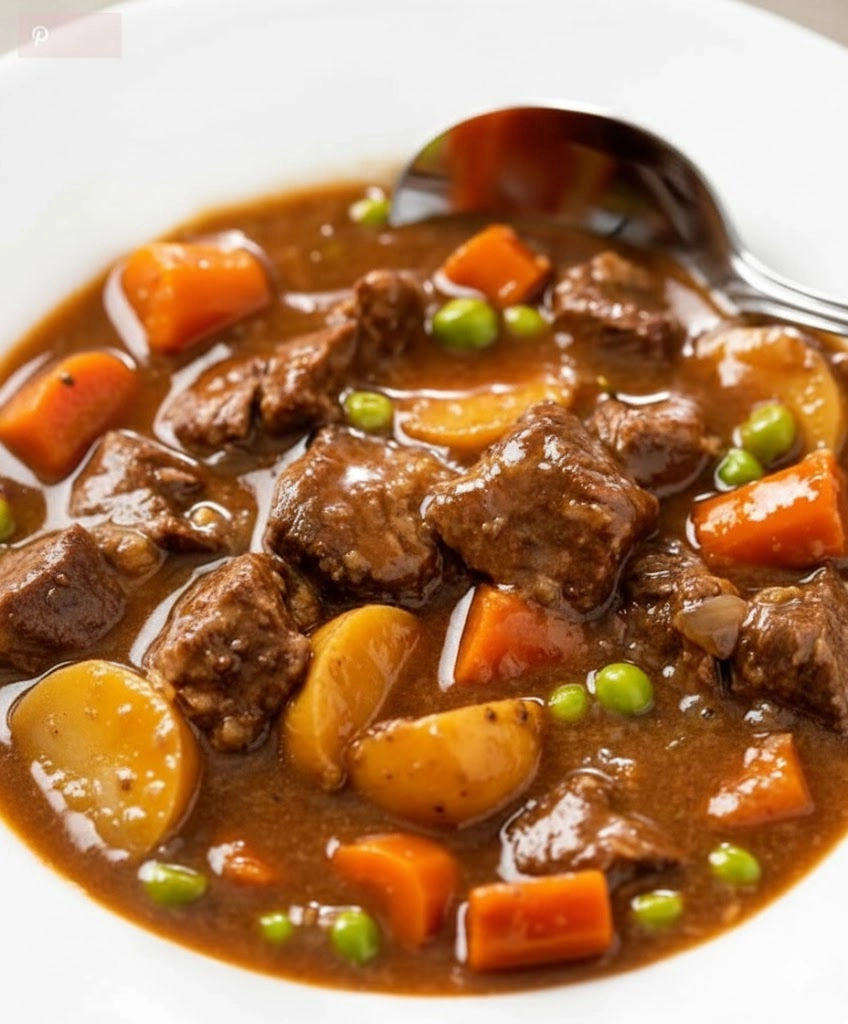
Few kitchen rituals are as rewarding as preparing a meal that transforms over several hours into something far greater than the sum of its parts. This traditional braised dish relies on the low and steady heat of a crock pot to break down marbled cuts of beef into buttery, tender pieces that melt with every bite. By utilizing a Make-Ahead Slow Cooker Beef Stew approach, you can handle the intensive searing and vegetable prep when your schedule allows, ensuring a deep, complex broth that tastes even better after the flavors have had time to marry. It is an ideal solution for hosting or simply managing a busy week.
Table of Contents
Ingredients
The Beef and Coating
- Two and one-half pounds beef chuck roast, cut into one-inch cubes
- One-fourth cup all-purpose flour
- One-half teaspoon garlic salt
- One-half teaspoon celery salt
- One-half teaspoon ground black pepper
- Three to six tablespoons extra virgin olive oil
The Aromatics and Liquids
- Two cups yellow onion, diced
- Four cloves garlic, minced
- One cup Cabernet Sauvignon or Merlot
- Four cups high-quality beef broth
- Two beef bouillon cubes
- Two tablespoons Worcestershire sauce
- Three tablespoons tomato paste
Vegetables and Herbs
- One pound baby Yukon gold potatoes, halved
- Five large carrots, peeled and cut into one-inch rounds
- One cup frozen sweet peas
- Two dried bay leaves
- One sprig fresh rosemary
The Finishing Touches
- Three tablespoons cold unsalted butter, divided
- One-fourth cup cold water mixed with three tablespoons cornstarch (slurry)
- Three drops browning sauce (optional)

Instructions
- Trim the beef and toss the cubes in a mixture of flour, garlic salt, celery salt, and pepper until evenly coated.
- Sear the floured beef in batches using olive oil in a hot skillet until a dark brown crust forms on the edges.
- Soften the diced onions and minced garlic in the same skillet with one tablespoon of butter, deglazing the pan with a splash of the red wine.
- Transfer the seared meat and the onion mixture into the slow cooker basin.
- Incorporate the beef broth, bouillon, Worcestershire sauce, tomato paste, wine, carrots, potatoes, and herbs.
- Cover and cook on the low setting for seven and a half to eight hours.
- Fold in the frozen peas during the final fifteen minutes of the cooking cycle.
- Stir in the cornstarch slurry if a thicker consistency is desired, then whisk in the remaining cold butter just before serving.
Step-by-Step Details
Preparing the Foundation
Begin by focusing on the beef. While you can find “stew meat” pre-cut at the grocery store, purchasing a whole chuck roast and cubing it yourself ensures better quality control. Look for significant fat marbling throughout the muscle; this intramuscular fat is what renders down to create a succulent texture. When dredging the meat in the seasoned flour, ensure every side is covered. This flour does double duty by helping the meat brown and acting as a primary thickener for the sauce later on.
The Importance of the Sear
Heating your oil until it almost reaches the smoking point is vital. When the floured beef hits the pan, you should hear a loud sizzle. Do not crowd the pan, as this causes the meat to steam rather than brown. You are looking for a deep mahogany crust which indicates the Maillard reaction has occurred, providing the backbone of the stew’s flavor. Once the meat is moved to the slow cooker, use the onions and wine to scrape up the “fond”—those brown bits stuck to the bottom of the skillet. That is concentrated flavor you do not want to leave behind.
The Slow Braise
Once everything is in the slow cooker, resistance is your friend. Keeping the lid closed maintains a consistent internal temperature. As the beef simmers in the acidic red wine and savory broth, the tough connective tissues (collagen) slowly convert into gelatin. You will know it is ready when a fork slides into a piece of beef with zero resistance and the potatoes are tender but still hold their shape.
Refining the Sauce
Texture is what separates a good stew from a great one. If the liquid feels too thin, the cornstarch slurry provides a glossy, heavy body. The final addition of cold butter—a French technique—adds a professional sheen and a rounded richness to the broth. Ensure you remove the woody rosemary stem and the bay leaves before ladling the stew into bowls.

Pro Tips
- Dry the Meat: Before tossing the beef in flour, pat it dry with paper towels. Moisture on the surface of the meat creates steam, which prevents that beautiful crust from forming during the sear.
- Uniform Cuts: Try to keep your potato and carrot chunks roughly the same size as your beef. This ensures that every component is perfectly cooked at the same time and fits comfortably on a spoon.
- The Wine Choice: Never cook with a wine you wouldn’t drink. A dry, bold red like Cabernet provides the necessary tannins to cut through the richness of the beef.
- Bloom the Paste: If you have an extra minute, stir the tomato paste into the onions for sixty seconds before adding the wine to “toast” it; this removes the raw metallic taste.
- Cold Butter Finish: Always use fridge-cold butter for the final stir. The temperature difference helps the fat emulsify into the sauce rather than just melting into an oil slick on top.
- Resting Period: Let the stew sit for ten minutes after turning off the heat. This allows the starches to fully set and the flavors to settle.
Variations or Substitutions
- The Stout Swap: For a deeper, slightly bitter profile, replace the red wine with an equal amount of Irish stout. This pairs exceptionally well with the beef and creates a very dark, earthy gravy.
- Root Vegetable Medley: Swap half of the carrots for parsnips or rutabaga to add a peppery, sophisticated sweetness to the vegetable mix.
- Alcohol-Free Version: If you prefer not to use wine, substitute with extra beef broth and add two tablespoons of balsamic vinegar. The vinegar provides the necessary acidity to tenderize the meat fibers.
- Herb Variations: If fresh rosemary is too pungent for your taste, replace it with three or four sprigs of fresh thyme for a more subtle, earthy aroma.

Serving Suggestions
This dish is traditionally served in wide, shallow bowls to accommodate the hearty chunks of vegetables. A side of crusty sourdough bread or warm buttermilk biscuits is essential for soaking up the remaining gravy. For an even more indulgent presentation, serve the stew over a bed of creamy garlic mashed potatoes. This double-potato approach is common in pub-style dining and helps stretch the recipe to feed a larger crowd. A simple green salad with a sharp vinaigrette on the side can help cleanse the palate between rich bites of beef.
FAQs
What is the best cut of beef to use for slow cooking?
The chuck roast is widely considered the superior choice because it contains high amounts of connective tissue. Under low heat for several hours, this tissue melts into gelatin, resulting in meat that is incredibly moist and tender.
Can I put the potatoes and carrots in at the start?
Yes, when using a slow cooker on the low setting, hardy vegetables like Yukon Gold potatoes and carrots can withstand the long cooking time. Avoid using Russet potatoes, as they have a high starch content and tend to disintegrate into the liquid.
How do I store and reheat leftovers?
This stew actually tastes better the next day as the aromatics continue to infuse the broth. Store it in an airtight container in the refrigerator for up to three days. Reheat gently on the stovetop over medium-low heat, adding a splash of water or broth if the sauce has thickened too much in the fridge.
Why is my beef still tough after cooking?
If the beef is tough, it usually means it hasn’t cooked long enough. In a slow cooker, the meat goes through a phase where it gets tough before the collagen finally breaks down. Give it another hour on low and check it again.
Nutrition Information
| Nutrient | Amount per Serving |
| Calories | 507 kcal |
| Protein | 49 g |
| Carbs | 35 g |
| Fat | 18 g |
| Fiber | 5 g |
| Sugar | 7 g |
| Sodium | 1035 mg |
Nutrition information is an estimate and may vary based on preparation and ingredients used.
PrintMake-Ahead Slow Cooker Beef Stew

This Make-Ahead Slow Cooker Beef Stew features tender beef chuck, Yukon gold potatoes, and a rich red wine broth for a stress-free, hearty family meal.
- Prep Time: 30 mins
- Cook Time: 8 hours
- Total Time: 8 hours 30 mins
- Yield: 6 servings 1x
- Category: Main Course
- Method: Slow Cooker
- Cuisine: American
Ingredients
2½ pounds beef chuck roast, cubed
1/4 cup all-purpose flour
1/2 teaspoon garlic salt
1/2 teaspoon celery salt
1/2 teaspoon black pepper
3–6 tablespoons olive oil
3 tablespoons cold butter, divided
2 cups yellow onion, diced
4 cloves garlic, minced
1 cup Cabernet Sauvignon
4 cups beef broth
2 beef bouillon cubes
2 tablespoons Worcestershire sauce
3 tablespoons tomato paste
5 carrots, 1-inch chunks
1 pound baby Yukon gold potatoes, halved
2 bay leaves
1 sprig fresh rosemary
1 cup frozen peas
Instructions
1. Toss beef cubes with flour and seasonings until coated.
2. Sear beef in olive oil in batches until browned; move to slow cooker.
3. Sauté onions and garlic in butter, deglaze with wine, and add to slow cooker.
4. Add broth, bouillon, Worcestershire, tomato paste, carrots, potatoes, and herbs.
5. Cook on low for 7.5 to 8 hours.
6. Add peas in the last 15 minutes. Thicken with slurry and finish with cold butter.
Notes
Use chuck roast for the most tender results.
Replace wine with extra broth and 2 tbsp balsamic vinegar for alcohol-free.
Store leftovers for up to 3 days in the fridge.
Nutrition
- Serving Size: 1 bowl
- Calories: 507
- Sugar: 7g
- Sodium: 1035mg
- Fat: 18g
- Saturated Fat: 7g
- Unsaturated Fat: 11g
- Trans Fat: 0g
- Carbohydrates: 35g
- Fiber: 5g
- Protein: 49g
- Cholesterol: 132mg