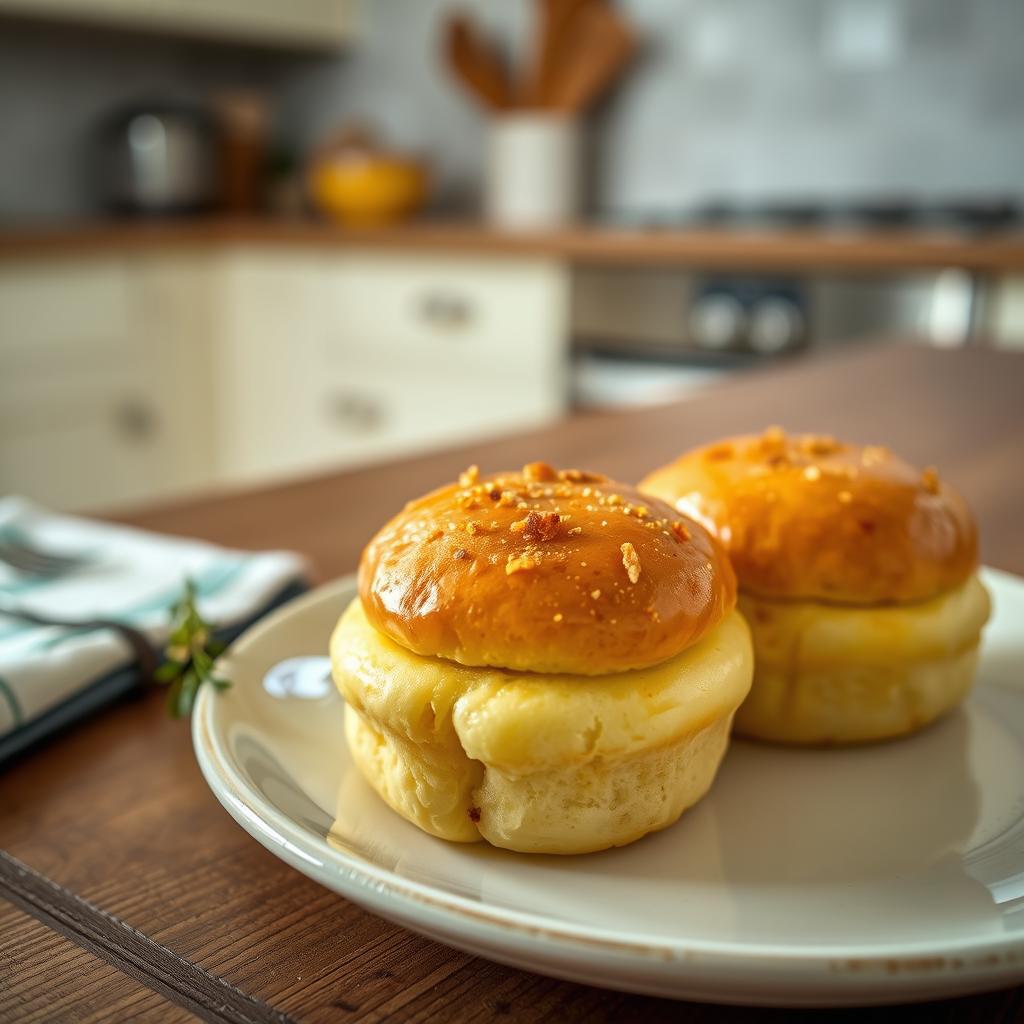
The air crackles with anticipation. A gentle warmth emanates from the oven, promising a treat both ethereal and deeply comforting. St. Lucia Saffron Buns, or Lussekatter as they are lovingly known in Sweden, are more than just a sweet indulgence; they are a beacon of light amidst the darkness of winter. Imagine golden, star-shaped swirls, each imbued with the subtle, intoxicating aroma of saffron, a spice more precious than gold. These aren’t your average doughy rolls; they’re a culinary poem, a whispered celebration of hope and the nearing return of the sun.
The allure of these buns lies in their delicate balance of flavors and textures. The saffron weaves its magic, lending a vibrant hue and a hauntingly floral note that dances on the palate. A hint of cardamom adds a further layer of aromatic complexity, while the sweetness is tempered by a subtle tang from the yeast. Buttery richness melts in your mouth, giving way to a light, airy crumb that’s incredibly satisfying. Each bite is a journey, a reminder of cherished traditions and the simple joys of sharing good food with loved ones.
They are perfect served warm, perhaps with a cup of steaming coffee or a glass of glögg during the winter months. Their elegant star shape and alluring golden color makes them a stunning centerpiece for any holiday table. The slight sweetness makes them a comforting snack and an exceptional pairing with savory sides. Lussekatter is a testament to the power of baking, a reminder that even the simplest ingredients, when combined with care and intention, can create something truly extraordinary.
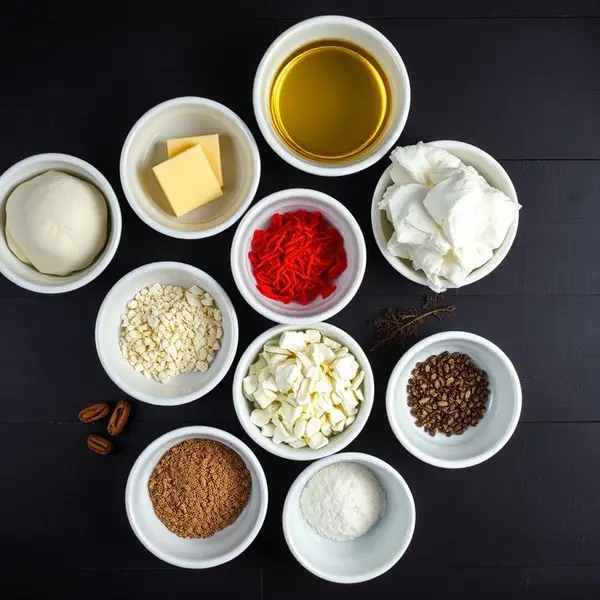
Ingredient Deep Dive
| Ingredient | Quantity | Purpose |
|---|---|---|
| All-Purpose Flour | 500g | Provides structure and texture. |
| Active Dry Yeast | 7g | Leavens the dough, creating a light and airy texture. |
| Granulated Sugar | 100g | Adds sweetness and feeds the yeast. |
| Saffron Strands | 1g (pinch) | Provides color, flavor, and aroma. |
| Whole Milk | 250ml | Adds moisture and richness. |
| Butter, Unsalted | 100g, melted | Adds flavor, richness, and tenderness. |
| Eggs | 1 large | Adds richness, structure, and color. |
| Cardamom, Ground | 1 tsp | Adds warm, aromatic spice. |
| Salt | 1/2 tsp | Enhances flavors and controls yeast activity. |
| Raisins or Currants | Optional, for decoration | Adds visual appeal and a touch of sweetness. |
| Egg wash (1 egg yolk + 1 tbsp milk) | As needed | Adds shine and color to the finished buns. |
The selection of these fine ingredients results in the creation of something truly sublime. Flour provides the primary structure; the gluten developed within gives the bun its beautiful shape. However, the key to an amazingly light texture is that these gluten strands must not be overdeveloped. The yeast, of course, is the engine, transforming the sugars into carbon dioxide, which leavens the dough and creates that perfect crumb. The subtle, but deep additions of saffron and cardamom add notes of complexity to the flour and butter.
The careful proportion of milk, butter, and eggs contributes to the overall richness and texture of our final product. Milk hydrates the flour and helps activate the yeast, while butter adds flavor and tenderness. Eggs contribute richness, color, and structure. The balance of each of these elements leads to a saffron bun that is not just delicious but a true work of art. The small addition of salt is critical to controlling the yeast and enhancing all of the sweet flavors. This detailed selection has been carefully planned to offer a truly gourmet experience.
Substitutions & Swaps
For a vegan version of these luscious buns, substitute the milk with almond, soy, or oat milk. Ensure it’s unsweetened, and add an extra teaspoon of sugar to compensate for the lack of lactose. Replace the butter with a vegan butter alternative that’s at least 70% fat for similar richness. An egg replacer, such as flax egg (1 tbsp ground flaxseed mixed with 3 tbsp warm water, left to sit for 5 minutes), can be used in place of the egg. These replacements will allow for a similar taste profile while still keeping on the vegan guidelines.
For gluten-free Lussekatter, use a high-quality gluten-free all-purpose flour blend that includes xanthan gum. This will help mimic the gluten’s binding properties and prevent the buns from becoming crumbly. You may need to add a bit more liquid to the dough, as gluten-free flours tend to absorb more moisture. Make sure to let the dough rest for a longer period to allow the gluten-free flour to fully hydrate. Experiment with different binding agents like psyllium husk. Lastly, if you don’t have saffron on hand, you can use a pinch of turmeric for color, though the flavor won’t be the same.
Equipment Guide
For achieving perfectly golden and evenly baked St. Lucia Saffron Buns, using the right equipment is paramount. A stand mixer with a dough hook is invaluable for kneading the dough to the ideal consistency – supple and elastic. While kneading by hand is possible, the mixer significantly reduces effort and ensures consistent incorporation of ingredients. A large mixing bowl is necessary for the first rise, allowing ample space for the dough to double in size.
A baking sheet lined with parchment paper is crucial to prevent the buns from sticking and allows for easy transfer. While either a cast iron or non-stick baking sheet will work, parchment is a lifesaver when it comes to sticking. A pastry brush is needed for applying the egg wash, which gives the buns their beautiful shine. Finally, an oven thermometer helps ensure accurate baking temperature, as ovens can often fluctuate. If baking only 12 buns, a standard half-sheet pan is an excellent choice.
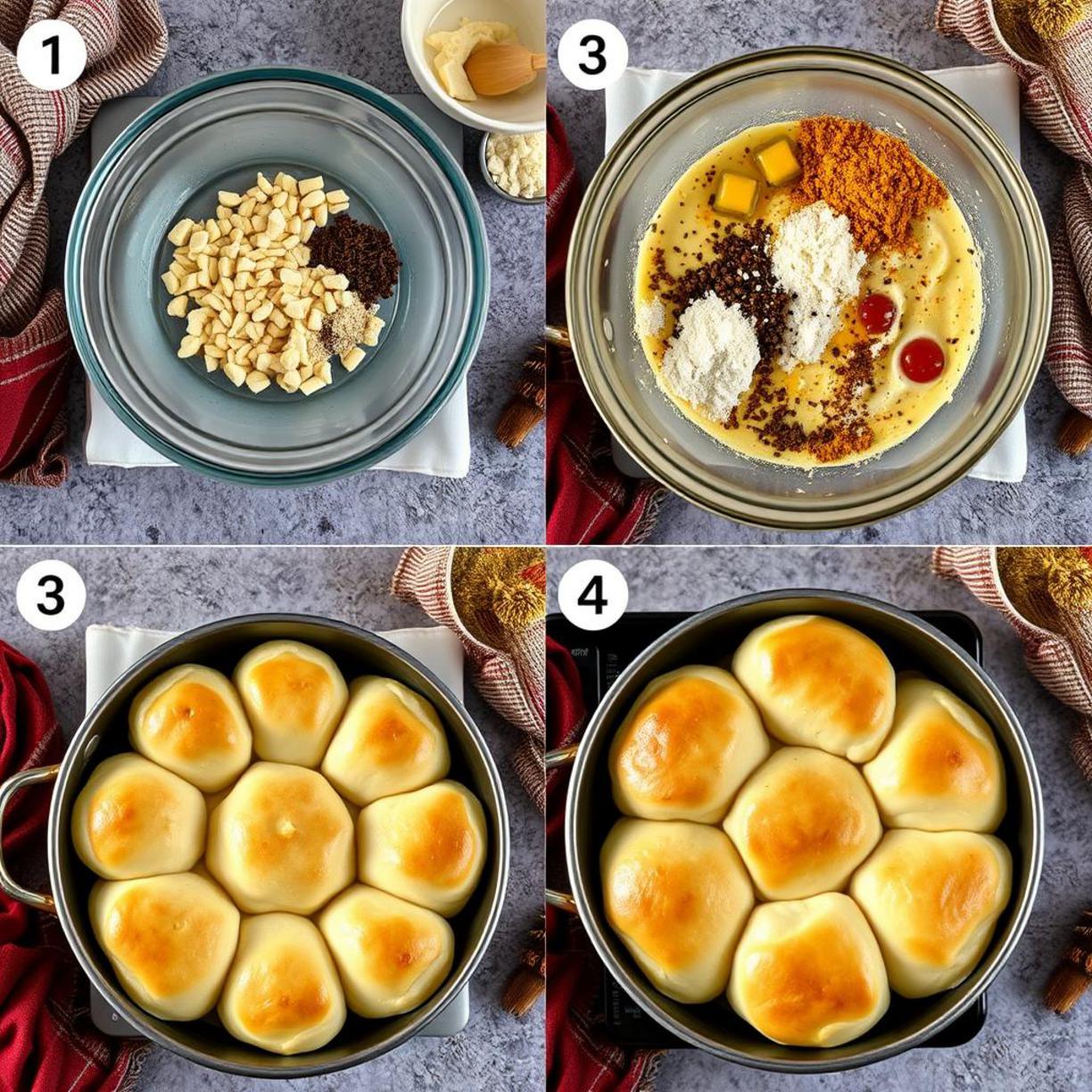
Step-by-Step Walkthrough
1. Bloom the Saffron: In a small bowl, combine the saffron strands with 2 tablespoons of hot milk. Let it steep for at least 30 minutes to release its flavor and color.
2. Activate the Yeast: In a large mixing bowl, dissolve the yeast and 1 teaspoon of sugar in the lukewarm milk. Let it stand for 5-10 minutes until foamy.
3. Combine Wet Ingredients: In a separate bowl, whisk together the remaining sugar, melted butter, egg, and cardamom.
4. Combine Dry and Wet Ingredients: Add the wet ingredients to the yeast mixture. Gradually add the flour and salt, mixing until a shaggy dough forms.
5. Knead the Dough: Using a stand mixer with a dough hook (or by hand on a lightly floured surface), knead the dough for 8-10 minutes until it is smooth, elastic, and slightly sticky.
6. First Rise: Place the dough in a lightly oiled bowl, turning to coat. Cover with plastic wrap or a damp towel and let it rise in a warm place for 1-1.5 hours, or until doubled in size.
7. Shape the Buns: Gently punch down the dough and turn it out onto a lightly floured surface. Divide the dough into 12 equal pieces. Roll each piece into a long rope and shape it into an “S” or other traditional shape, such as a figure eight.
8. Second Rise: Place the shaped buns on a baking sheet lined with parchment paper. Cover them loosely with plastic wrap or a damp towel and let them rise for another 30-45 minutes.
9. Preheat and Bake: Preheat the oven to 375°F (190°C). Brush the buns with the egg wash and gently press a raisin or currant into the center of each swirl.
10. Bake: Bake for 12-15 minutes, or until the buns are golden brown.
11. Cool: Let the buns cool on a wire rack before serving.
Achieving the perfect rise is crucial for these saffron buns. Ensure your yeast is fresh and active by observing for that telltale foamy appearance after initial proofing. If you find that your rising environment is cool, consider proofing inside a slightly warm oven, turned off, with a bowl of hot water at the bottom to create a humid atmosphere. This will encourage the yeast to do its work and result in a lighter, airier final product.
Kneading is another area where technique can greatly affect the result. Over-kneading can lead to a tough, dry bun, while under-kneading won’t provide adequate gluten development, resulting in a flat, dense treat. Aim for a dough that is smooth and elastic, but still slightly tacky. Use the windowpane test – where you can stretch a small piece of dough thin enough to see light through it without tearing – as a guide. If it tears easily, continue kneading for another minute or two.
Finally, don’t rush the baking process. Bake until the buns are a deep, golden brown, but keep an eye on them to prevent over-browning. Rotate the baking sheet halfway through to ensure even browning. Once removed from the oven, let the buns cool slightly before indulging; this allows the internal structure to set and prevents a gummy texture.
Expert Tips & Troubleshooting
One closely guarded secret to maximizing the saffron flavor is grinding the strands with a mortar and pestle along with a pinch of sugar before blooming them in the warm milk. This helps release more flavor and color. Avoid using powdered saffron, as it lacks the nuance and intensity of saffron strands. If your dough seems too sticky, resist the urge to add more flour. Instead, lightly oil your hands and the work surface. The dough will become easier to handle as you continue to work with it.
If your buns are browning too quickly, tent them loosely with foil during the last few minutes of baking. This will prevent them from burning while ensuring they are fully cooked through. If your dough is not rising properly, check the expiration date of your yeast. Also, ensure your milk is lukewarm, not hot, as high temperatures can kill the yeast. A small amount of sugar is fine, but too much salt will prevent the yeast from rising, so measure accurately. Always check if your kitchen is drafty and has an ambient temperature that will help in proving the recipe.
A common mistake is overlooking the importance of proofing. Proper proofing allows the yeast to fully develop, resulting in a light and airy bun. Don’t rush this step, and ensure the dough is in a warm, draft-free environment. Remember, these techniques result in buns that can elevate any pastry recipe from normal to gourmet.
Flavor Variations
For a spicy twist, incorporate a pinch of chili flakes into the dough along with the cardamom. This adds a subtle heat that complements the sweetness and warmth of the saffron. You can also infuse the milk with a cinnamon stick for a more pronounced spice flavor. For a kid-friendly version, omit the cardamom altogether. Instead, add a teaspoon of vanilla extract and decorate the buns with colorful sprinkles after baking. The saffron will still provide a lovely flavor and color, making these buns appealing to even the pickiest eaters and offer a playful treat for younger palettes.
Storage & Reheating
Store the baked St. Lucia Saffron Buns in an airtight container at room temperature for up to 3 days. To maintain their softness, consider adding a slice of bread to the container, which will help absorb moisture. For longer storage, freeze the buns for up to 2 months. Reheat frozen buns in a preheated oven at 350°F (175°C) for 5-10 minutes, or until warmed through. Alternatively, microwave them briefly, but be careful not to overcook them, as they can become tough. A quick brush with melted butter after reheating will revive their flavor if needed.
FAQ Section
Q: Can I make the dough ahead of time?
A: Yes, you can prepare the dough the night before and let it rise slowly in the refrigerator. This can actually enhance the flavor and texture. Remove it from the refrigerator 2-3 hours before baking to allow it to come to room temperature and rise again.
Q: Why are my buns dry?
A: Over-baking is the most common cause of dry buns. Ensure you are not baking them for too long, and check for doneness using a toothpick. Another potential cause is adding too much flour to the dough. Use a light hand when measuring the flour.
Q: Can I use fresh yeast instead of active dry yeast?
A: Yes, you can substitute fresh yeast for active dry yeast. Use approximately 21 grams of fresh yeast for this recipe. Crumble the fresh yeast into the lukewarm milk and proceed as directed.
Q: What if I don’t have cardamom?
A: While cardamom adds a lovely flavor, it can be omitted if necessary. You can substitute it with an equal amount of nutmeg or mace, or simply leave it out altogether. Just remember, the cardamom adds to the complexity of the notes.
The Recipe Card
Golden, star-shaped St. Lucia Saffron Buns, infused with saffron and cardamom, are a festive delight. This easy recipe yields 12 soft and flavorful buns, perfect for sharing during the holidays. These buns offer both elegant flavor notes and a beautiful visual presentation.
Nutrition Information
| Nutrient | Amount per bun (approximate) |
|---|---|
| Calories | 250 |
| Fat | 10g |
| Saturated Fat | 6g |
| Cholesterol | 50mg |
| Sodium | 150mg |
| Carbohydrates | 35g |
| Fiber | 1g |
| Sugar | 12g |
| Protein | 5g |
Disclaimer: Nutritional information is an estimate and may vary based on specific ingredients and preparation methods.