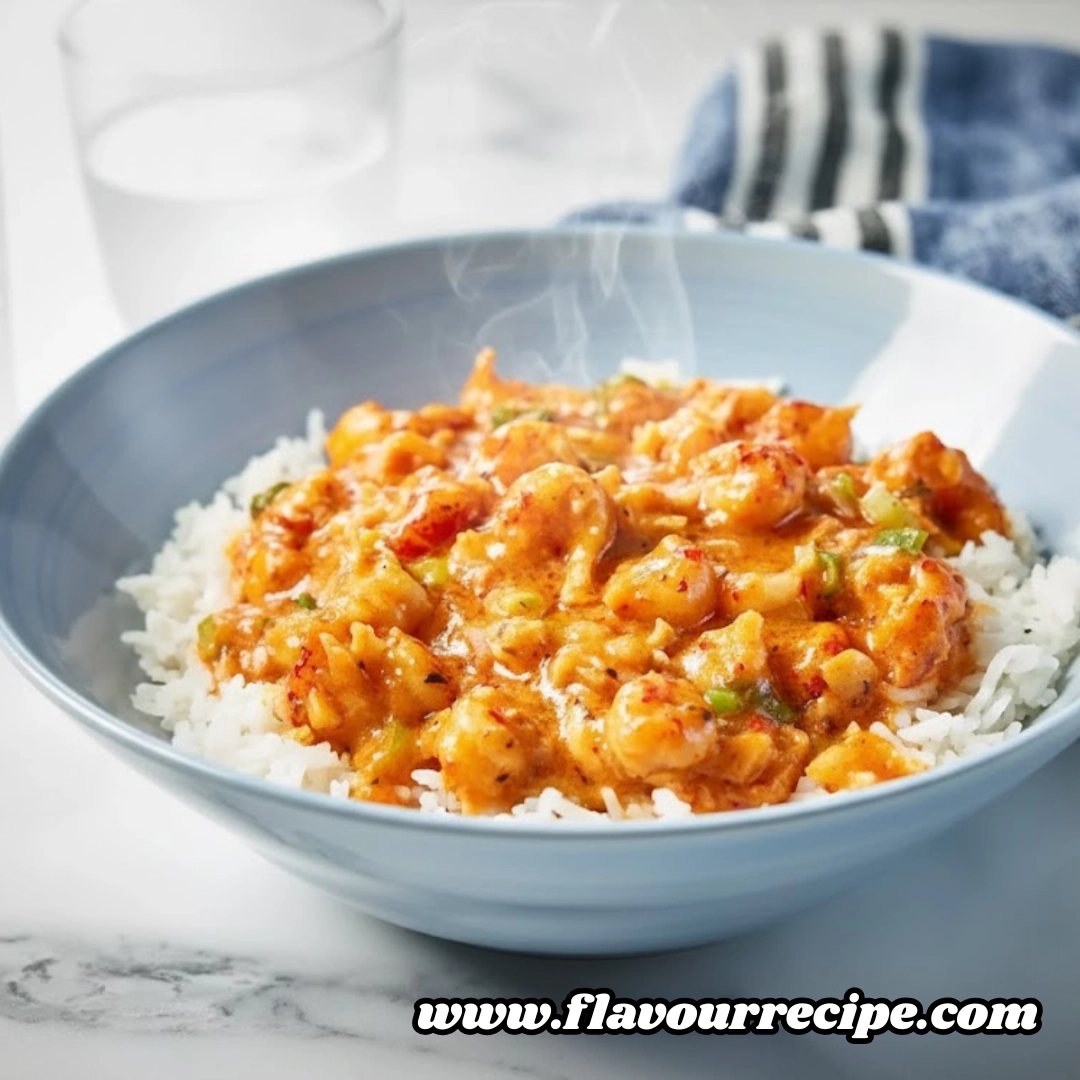
Louisiana is a land defined by its waterways, its history, and, most importantly, its kitchen. Among the pantheon of Cajun and Creole classics, Louisiana Crawfish Étouffée stands as a crowning achievement of flavor and comfort. The word étouffée translates literally from French to mean smothered, which perfectly describes the cooking technique used here. We take succulent crawfish tails and gently smother them in a rich, buttery gravy infused with the holy trinity of aromatics and a blend of spices that dance on the palate. Whether it is the height of crawfish season or you are using high-quality frozen tails, this dish brings the festive spirit of a backyard boil directly to your dinner table.
This particular rendition of the dish is designed for the home cook who wants authentic results without spending hours tending to a dark roux. By utilizing a blond roux and a touch of tomato sauce for depth, we create a silky, golden sauce that lets the natural sweetness of the crawfish shine through. It is a hearty, soul-warming meal that captures the essence of the Bayou in every bite.
Table of Contents
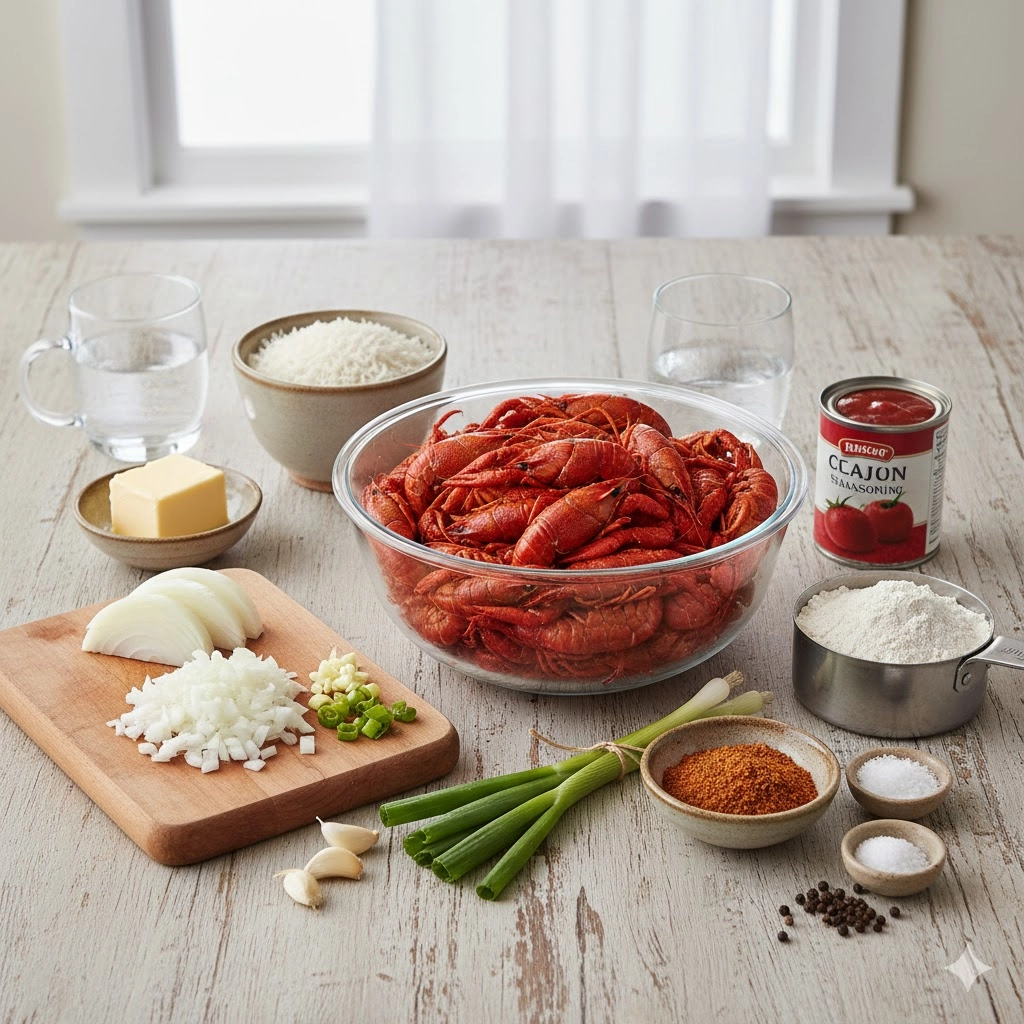
Ingredients
- 3 cups long grain white rice
- 7 cups water, divided into 6 cups and 1 cup portions
- 3/4 cup butter
- 1 large onion, chopped
- 1 clove garlic, chopped
- 1/4 cup all-purpose flour
- 2 tablespoons canned tomato sauce
- 1 pound crawfish tails
- 6 green onions, chopped
- salt and pepper to taste
- 1 1/2 tablespoons Cajun seasoning, or adjusted to your preference
Instructions
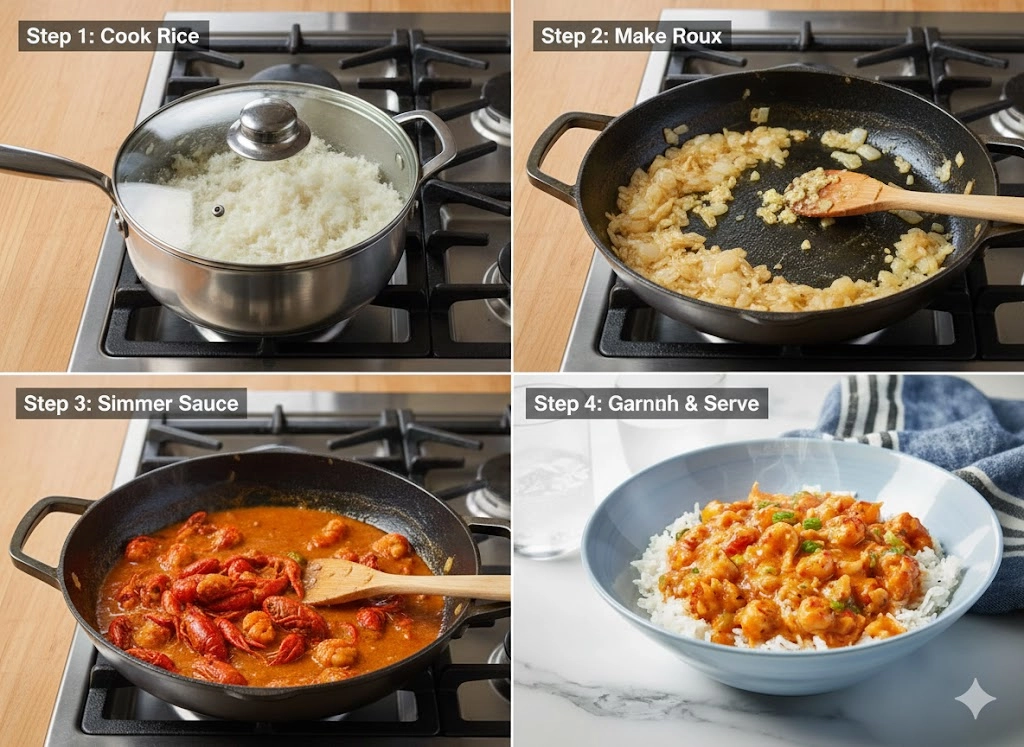
- Begin by preparing your starch component. Combine the 3 cups of long grain white rice and 6 cups of water in a sturdy saucepan. Place the pan over high heat and bring the liquid to a rolling boil. Once boiling, immediately reduce the heat to low, secure a tight-fitting lid on the pan, and allow the rice to simmer. It should take roughly 15 to 20 minutes for the rice to become tender and for all the water to be fully absorbed.
- While the rice is simmering, you can start the base of the étouffée. In a large, heavy skillet, melt the 3/4 cup of butter over medium heat. Once the butter is bubbling and melted, add the chopped large onion. Sauté the onion, stirring occasionally, until it becomes translucent and soft.
- Introduce the chopped garlic to the skillet with the softened onions. Cook this mixture for about 1 minute, just until the garlic becomes fragrant. Be careful not to let the garlic brown or burn, as this can introduce a bitter flavor to the sauce.
- Sprinkle the 1/4 cup of all-purpose flour over the buttery onions and garlic. Stir constantly until the flour is fully blended into the fat, creating a smooth paste.
- Slowly and gradually stir in the 2 tablespoons of canned tomato sauce followed by the remaining 1 cup of water. This creates the body of your gravy. Once the liquid is incorporated and smooth, add the 1 pound of crawfish tails to the skillet and bring the entire mixture to a gentle simmer.
- Add the 6 chopped green onions to the pan. Season the mixture with salt, pepper, and the 1 1/2 tablespoons of Cajun seasoning. Give everything a good stir to ensure the spices are evenly distributed.
- Lower the heat to a simmer. Allow the crawfish to cook through in the gravy for 5 to 10 minutes. The goal is for the tails to be heated and tender; do not overcook them, or they may become tough.
- To serve, spoon a generous portion of the smothered crawfish and its savory gravy over a bed of the freshly steamed white rice.
Achieving the Ultimate Creamy Consistency
The soul of an étouffée lies in the texture of its sauce. Unlike a gumbo, which often relies on a dark, chocolate-colored roux for a smoky depth, a classic étouffée often utilizes a lighter, more buttery base. This allows the delicate flavor of the crawfish to remain the star of the show. To ensure your sauce is velvety and lacks any lumps, it is vital to whisk the flour into the melted butter thoroughly before adding any liquid. This creates a roux that serves as the thickening agent.
When you introduce the water and the tomato sauce, do so slowly. Adding liquid in small increments while whisking or stirring briskly allows the starch in the flour to expand evenly, resulting in a glossy, professional-grade gravy. If you find the sauce is thickening too quickly, do not be afraid to add a tiny splash more water to reach that perfect smothered consistency that coats the back of a spoon without being sludge-like.
Deep-Dive FAQ
Can I use a different type of seafood if I cannot find crawfish?
Absolutely. While crawfish is the traditional choice for a Louisiana étouffée, shrimp makes an excellent and widely available substitute. If you choose to use shrimp, ensure they are peeled and deveined. Because shrimp cook at a similar rate to crawfish tails, you can follow the same timing in the final simmering step. The flavor profile will shift slightly toward the sweetness of the shrimp, but the rich, spicy gravy will still provide that authentic Cajun experience.
What is the purpose of adding tomato sauce to this recipe?
In the world of Louisiana cooking, there is often a friendly debate between Cajun and Creole styles. Creole cooking frequently utilizes tomatoes, while traditional Cajun recipes often omit them. This recipe uses a small amount of tomato sauce to provide a “tint” to the sauce and a very subtle acidic backbone that cuts through the richness of the butter. It adds a layer of complexity and a beautiful reddish-gold hue to the finished dish without making it taste like a pasta sauce.
How do I prevent my crawfish from becoming rubbery?
The most common mistake when preparing étouffée is overcooking the protein. Most frozen crawfish tails come pre-cooked or at least blanched. Therefore, you are essentially just warming them through and allowing them to absorb the flavors of the gravy. Keep your simmer low and slow. Once the crawfish have been in the pan for about 5 to 7 minutes, they are usually perfect. If you leave them boiling on high heat for too long, the proteins will tighten up, resulting in a tough, rubbery texture.
Modifications and Substitutions for Your Kitchen
While the classic recipe is a masterpiece of simplicity, there are several ways to tweak it based on what you have in your pantry or your specific dietary needs. If you want a deeper, more savory flavor, you can substitute the 1 cup of water used in the sauce with seafood stock or even chicken broth. This adds an extra layer of umami to the gravy. For those who prefer a bit more “crunch” or texture in their base, you could add finely diced celery and green bell pepper along with the onions to create the full “holy trinity” of Cajun aromatics.
For a gluten-free version of this dish, you can replace the all-purpose flour with a high-quality gluten-free flour blend or even a bit of cornstarch slurry at the end of the cooking process. However, be mindful that the flavor of the roux is part of the dish’s identity. If you enjoy a bit of extra heat, consider adding a dash of liquid hot sauce or a pinch of cayenne pepper alongside the Cajun seasoning. Conversely, if you are sensitive to salt, look for a salt-free Cajun spice blend so you can control the sodium levels independently with your own salt shaker.
Accompaniments and Serving Suggestions
To serve Louisiana Crawfish Étouffée like a true local, you need more than just a bowl and a spoon. While the rice provides the essential base, the experience is elevated by what you serve on the side. A warm, crusty loaf of French bread is almost mandatory. It serves as the perfect vessel for “sopping up” every last drop of the buttery gravy left on your plate. For a bit of greenery, a simple side salad with a light vinaigrette can provide a crisp contrast to the heavy, rich flavors of the main dish.
If you are looking to create a full Southern spread, consider serving the étouffée alongside traditional sides like corn maque choux, which is a savory sautéed corn dish, or even some fried okra. For beverage pairings, a cold, crisp lager or a glass of iced tea with plenty of lemon helps to cleanse the palate between spicy bites. Always remember to garnish the final dish with a generous sprinkle of fresh green onions or even some chopped parsley to provide a pop of color and a fresh herbal note.
Exploring the Step-by-Step Details
The journey to a perfect étouffée begins with the rice. In Louisiana, rice is not just a side; it is the foundation of the meal. Using long grain white rice is traditional because the grains remain separate and fluffy, providing a textured contrast to the smooth sauce. When you bring your rice to a boil, ensure the lid fits tightly so no steam escapes. This steam is what actually cooks the rice grains to perfection. Resist the urge to peek! Opening the lid lets the heat out and can result in unevenly cooked rice.
As the rice does its work, the skillet becomes the stage for the main event. Melting the butter over medium heat is a sensory experience; you want to smell the richness before you even add the vegetables. When the onions hit the pan, they should sizzle gently. Cooking them until they are translucent is a key step—this means the natural sugars have begun to release, which will sweeten the base of your sauce. When you add the garlic, the kitchen will fill with an incredible aroma, but remember that garlic is delicate. Sixty seconds is all it takes to unlock its flavor without risking the bitterness of over-browning.
The transition from sautéed vegetables to a thickened gravy is where the magic happens. By stirring in the flour, you are creating a roux. In this recipe, we aren’t looking for a dark roux; we want a “blond” or “peanut butter” colored base. This provides a toasted flavor that is subtle. When you whisk in the tomato sauce and water, do it with intention. The goal is a uniform, silk-like liquid. Once the crawfish tails are added, they will release a bit of their own juices (often called “fat” or “liquor” in the industry), which further enriches the sauce. This final simmer is where the flavors of the Cajun seasoning, the sweetness of the onions, and the brininess of the crawfish all meld into one harmonious dish.
Unique Culinary Insights for the Best Results
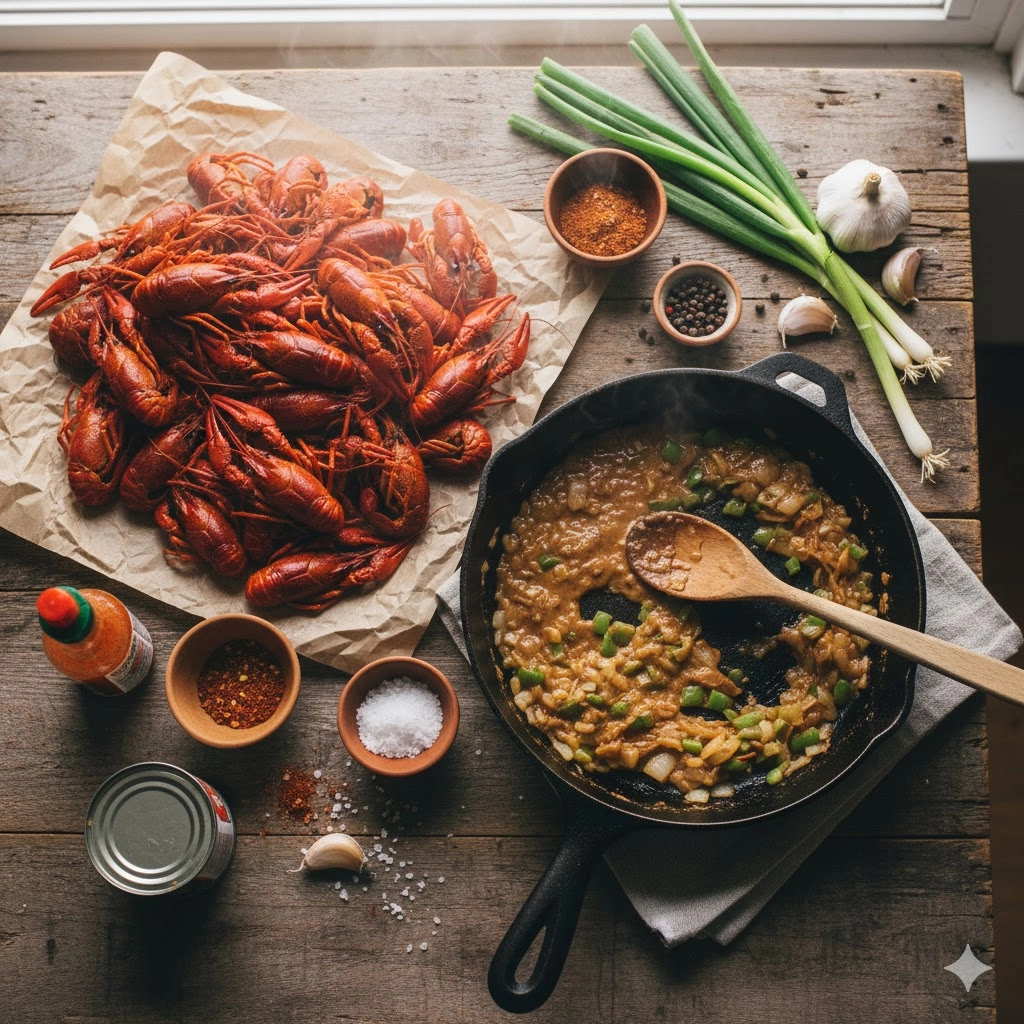
One of the best kept secrets in Louisiana kitchens is the use of crawfish fat. If you are lucky enough to find fresh crawfish and peel them yourself, do not wash away the yellow substance found in the heads. This “fat” is packed with concentrated crawfish flavor. Stirring a tablespoon of it into your sauce along with the tails will take your étouffée from great to legendary. It provides a richness that butter alone cannot replicate.
Another insight involves the Cajun seasoning itself. Not all store-bought blends are created equal. Some are very heavy on salt, while others focus more on dried herbs and peppers. Always taste your seasoning before adding the full amount to the pot. If your blend is particularly salty, you may want to skip the extra salt mentioned in the ingredients until the very end of the cooking process. Finally, let the dish sit for just a couple of minutes after you turn off the heat. This “resting” period allows the sauce to settle and the flavors to fully penetrate the crawfish tails before you serve it over the rice.
A Hearty Bayou Farewell
There is a certain joy in bringing a classic regional dish into your own home, and this Louisiana Crawfish Étouffée is the perfect way to celebrate the flavors of the South. It is a dish that speaks of celebration, family, and a deep appreciation for the bounty of the land and sea. With its rich, buttery gravy and tender crawfish tails, it is sure to become a requested favorite in your household. Thank you for letting me share a piece of Cajun tradition with you. I hope every bite transports you to a porch in the Bayou, surrounded by good friends and great food.
Nutrition Table
| Nutrient | Amount Per Serving |
| Calories | 636 |
| Total Fat | 25 grams |
| Saturated Fat | 15 grams |
| Cholesterol | 165 milligrams |
| Sodium | 1100 milligrams |
| Total Carbohydrates | 83 grams |
| Dietary Fiber | 2 grams |
| Sugars | 3 grams |
| Protein | 19 grams |
Disclaimer
The nutritional information provided is an estimate based on the specific ingredients and measurements listed in this recipe. Actual nutritional content may vary depending on the specific brands of products used and any substitutions made during the cooking process. For those with specific dietary restrictions or medical conditions, please consult with a healthcare professional or registered dietitian.
PrintMastering the Art of Louisiana Crawfish Étouffée

A crowning achievement of Cajun comfort, this Louisiana Crawfish Étouffée features succulent crawfish tails smothered in a rich, buttery golden gravy. Perfectly spiced and served over fluffy long grain rice.
- Prep Time: 15 mins
- Cook Time: 15 mins
- Total Time: 30 mins
- Yield: 6 servings 1x
- Category: Main Dish
- Method: Stovetop
- Cuisine: Cajun
Ingredients
3 cups long grain white rice
6 cups water (for rice)
3/4 cup butter
1 large onion, chopped
1 clove garlic, chopped
1/4 cup all-purpose flour
2 tablespoons canned tomato sauce
1 cup water (for sauce)
1 pound crawfish tails
6 green onions, chopped
salt and pepper to taste
1 1/2 tablespoons Cajun seasoning
Instructions
1. Combine rice and 6 cups water in a saucepan; bring to a boil, then simmer covered for 15-20 minutes until tender.
2. Melt butter in a large skillet over medium heat and sauté onion until transparent.
3. Stir in garlic and cook for 1 minute until fragrant.
4. Stir in flour until blended, then gradually add tomato sauce and 1 cup water.
5. Add crawfish tails and bring to a gentle simmer.
6. Stir in green onions and season with salt, pepper, and Cajun seasoning.
7. Reduce heat to low and simmer for 5-10 minutes until crawfish are tender.
8. Serve the étouffée over the cooked white rice.
Notes
Do not overcook the crawfish or they will become tough.
Substitute shrimp if crawfish is out of season.
Serve with warm French bread to soak up the extra gravy.
Nutrition
- Serving Size: 1 bowl
- Calories: 636
- Sugar: 3g
- Sodium: 1100mg
- Fat: 25g
- Saturated Fat: 15g
- Unsaturated Fat: 10g
- Trans Fat: 0g
- Carbohydrates: 83g
- Fiber: 2g
- Protein: 19g
- Cholesterol: 165mg