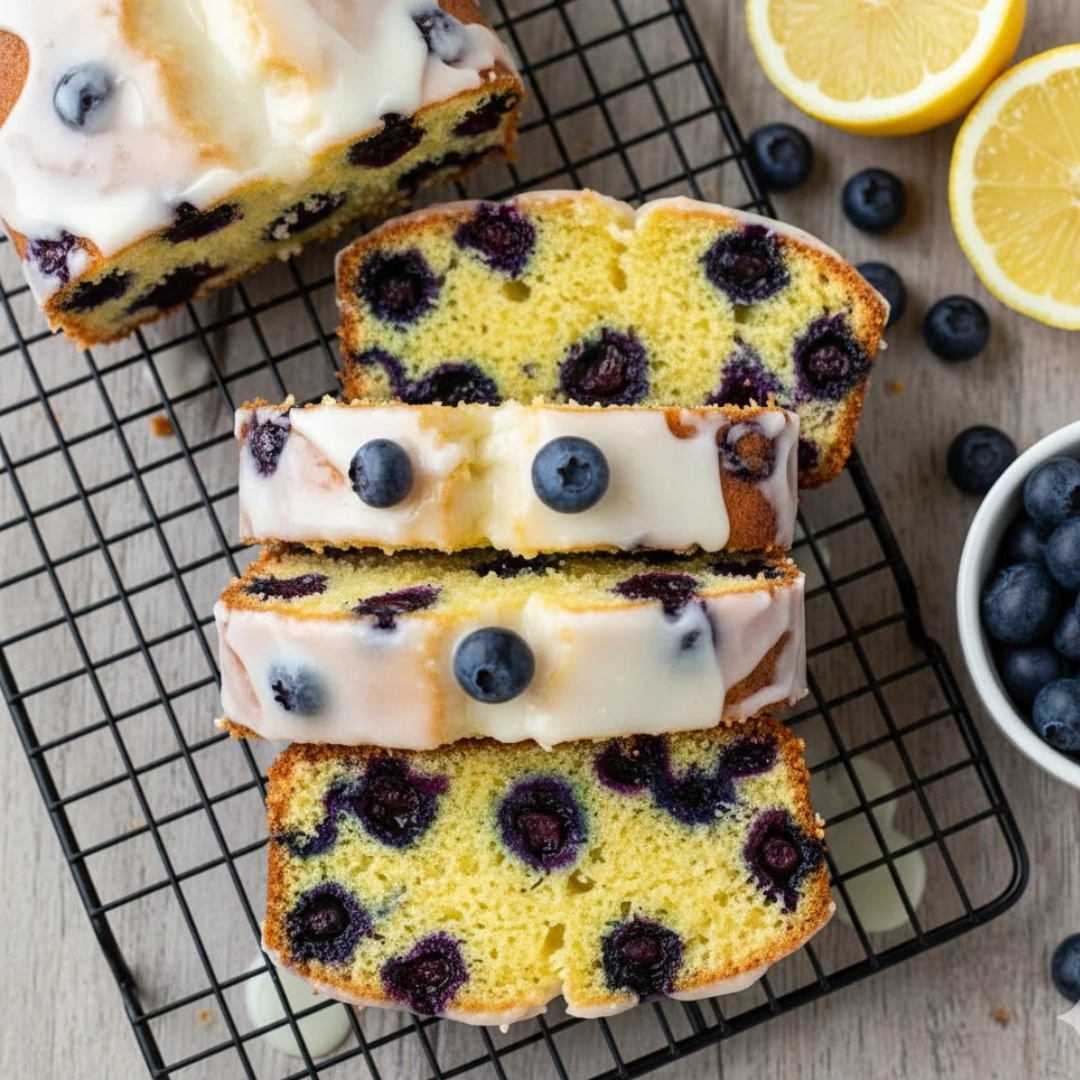
There is a pure, uncomplicated pleasure that comes from a perfectly baked loaf cake—it’s sophisticated enough for a gathering, yet casual enough for an afternoon coffee break. This Lemon Blueberry Loaf Cake is a beautiful example of that balance. It pairs the intense tartness of fresh lemon with the burst of sweet, slightly jammy blueberries, all suspended in a tender, moist crumb. Ideal for brunch menus, a bake sale centerpiece, or simply enjoying a slice when the craving for something bright and sweet strikes, this recipe yields a cake that is remarkably easy to execute and guaranteed to disappear fast.
Table of Contents
The Essential Components: Gathering Your Pantry and Produce
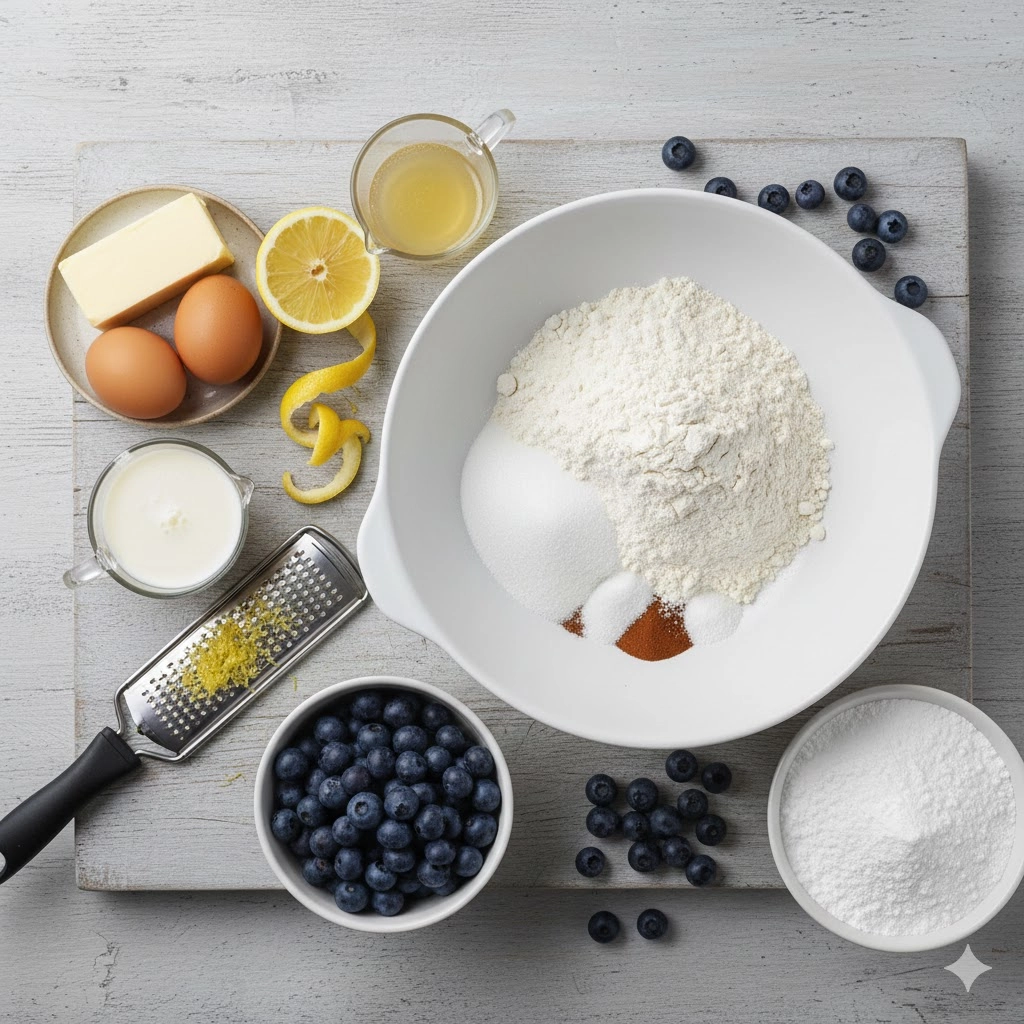
The foundation of any great bake is an accurate mise en place. These ingredients are measured for a standard nine-by-five inch loaf pan, providing a substantial, bakery-quality slice.
For the Cake Batter
- One and a half cups (180 grams) all-purpose flour
- One teaspoon baking powder
- Half a teaspoon baking soda
- Half a teaspoon fine sea salt
- One cup (200 grams) granulated sugar
- Half a cup (113 grams) unsalted butter, softened to room temperature
- Two large eggs, room temperature
- One tablespoon fresh lemon zest
- One-third cup fresh lemon juice
- Two-thirds cup buttermilk, room temperature
- One and a half cups (225 grams) fresh or frozen blueberries (do not thaw)
For the Lemon Glaze
- One and a half cups (180 grams) powdered sugar
- Three to four tablespoons fresh lemon juice (adjust to desired thickness)
Crafting the Loaf: An Overview of the Process
Baking this loaf cake is straightforward, but attention to detail in the mixing stages is critical for that coveted tender crumb.
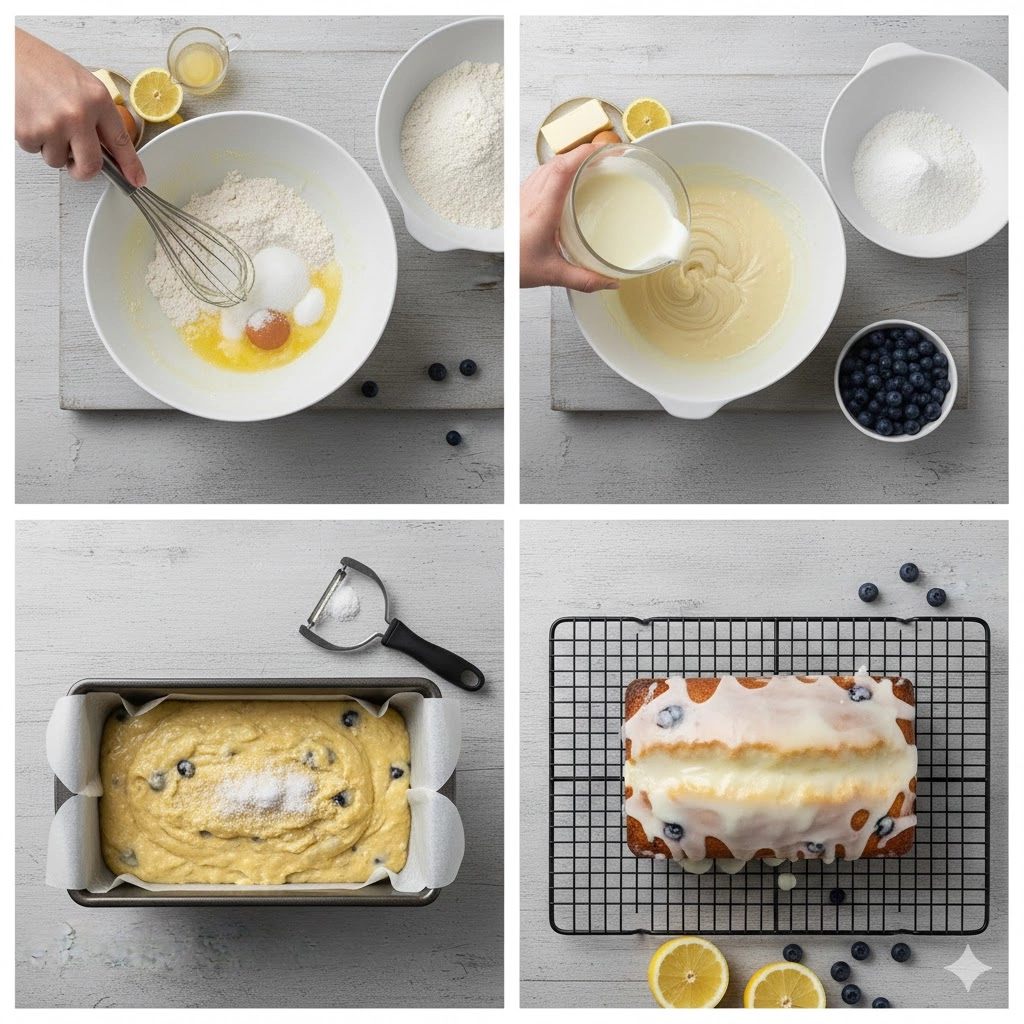
- Prepare the Pan and Oven: Preheat the oven to three hundred fifty Fahrenheit. Line a nine-by-five inch loaf pan with parchment paper, leaving an overhang on the long sides.
- Combine Dry Ingredients: Whisk the flour, baking powder, baking soda, and salt together in a medium bowl.
- Cream the Wet Ingredients: In a large mixing bowl, beat the softened butter and granulated sugar until light and fluffy. Add eggs one at a time, followed by the lemon zest.
- Alternate Wet and Dry: Incorporate the flour mixture and the buttermilk/lemon juice mixture into the creamed base, alternating between the two and beginning and ending with the dry ingredients.
- Fold in the Blueberries: Gently fold the blueberries into the completed batter.
- Transfer and Bake: Pour the batter into the prepared loaf pan and bake for 50 to 65 minutes.
- Cool Completely: Allow the cake to cool in the pan for ten minutes before transferring it to a wire rack to cool fully.
- Whisk and Drizzle the Glaze: Once the cake is completely cool, whisk the glaze ingredients and drizzle over the top.
Mastering the Techniques: Detailed Steps for an Outstanding Bake
The difference between a good loaf cake and a truly outstanding one often comes down to precise execution in the kitchen. Here is a deeper dive into the most important stages.
The Gentle Incorporation of Flour
Once the butter, sugar, and eggs are creamed, you need to introduce the dry and wet ingredients without overworking the gluten in the flour. Over-mixing is the primary culprit behind tough, dry cakes. When you alternate adding the dry flour mixture and the liquid buttermilk/lemon juice mixture, mix only until just combined after each addition. The batter should still look slightly lumpy when you are finished—a few streaks of flour are preferable to a perfectly smooth batter. The final, gentle folding of the blueberries will take care of any remaining dry pockets.
Handling the Blueberries
Whether you choose fresh or frozen blueberries, there is a simple trick to ensure they remain evenly dispersed and do not sink to the bottom of the batter: toss them lightly in a tablespoon of the reserved dry flour mixture. This thin coating helps them adhere to the batter’s matrix, preventing them from bleeding color excessively or settling at the bottom of the pan during baking. If you are using frozen berries, do not thaw them; use them straight from the freezer.
The Key to Doneness: Appearance and Texture
The cake will require a minimum of 50 minutes at three hundred fifty Fahrenheit, but the actual time is dependent on your oven’s calibration. You’ll know it’s ready when the top is a deep golden-brown color and the surface springs back gently when lightly touched. The most reliable test is using a wooden skewer or toothpick inserted into the center. It should come out with only a few moist, clingy crumbs attached, but not with wet batter. If the top of the cake begins to brown too quickly before the center is cooked, you can loosely tent the pan with a piece of aluminum foil for the final ten to fifteen minutes of baking.
The Importance of a Full Cool Down
It is incredibly tempting to glaze the cake while it is still warm, as it smells incredible. However, a warm cake will melt the powdered sugar, turning your glaze into a thin, sticky syrup that runs right off the sides. For a beautiful, opaque glaze that sets with a delightful crackle, the cake must be completely cool—down to room temperature—before the glaze is applied. This usually takes at least ninety minutes to two hours after it comes out of the oven.
Culinary Adjustments: Pro Tips for Baking Success
These expert pointers will help elevate your loaf from standard to showstopper.
- Don’t Skimp on the Zest: The lemon flavor primarily comes from the zest, which holds the concentrated oils. Use a microplane to ensure you only get the bright yellow portion of the peel, avoiding the bitter white pith beneath.
- A Buttermilk Replacement: If you do not have buttermilk on hand, you can make a quick substitute by adding one teaspoon of white vinegar or fresh lemon juice to a liquid measuring cup, then filling the rest of it up to the two-thirds cup mark with whole milk. Let it sit for five to ten minutes until it curdles slightly before using.
- The Glaze Consistency Check: The ideal glaze should be thick enough to coat the back of a spoon and hold a drizzle pattern but thin enough to flow slightly down the sides. Start with the smaller amount of lemon juice and add the remaining drops one at a time, mixing thoroughly, until you reach the desired consistency.
- Measure Flour Correctly: Spoon the flour into your measuring cup, then level it off with the straight edge of a knife. Scooping the flour directly from the bag packs it down, resulting in too much flour and a dry, dense cake.
- Enhance the Crust: For a subtle textural crunch and a professional appearance, sprinkle a teaspoon or two of coarse turbinado or sanding sugar over the top of the batter right before placing it in the oven.
Alternate Flavor Profiles and Substitutions
This base recipe is wonderfully adaptable. Consider these changes to make the cake your own.
- Make it Dairy-Free: Substitute the butter with a high-quality vegan butter stick and replace the buttermilk with your favorite unsweetened plant milk (such as oat or almond) mixed with one teaspoon of vinegar.
- Use Other Citrus: Replace the lemon juice and zest with lime or orange for a different, equally bright flavor. Orange and cranberry make a particularly lovely pairing during the cooler months.
- Nutty Additions: Incorporate half a cup of finely chopped walnuts or pecans into the batter with the blueberries for an earthy crunch. Toasting the nuts lightly beforehand intensifies their flavor.
- A Texture Swap: If you prefer a lighter, less intensely flavored cake, replace the blueberries with half a cup of shredded unsweetened coconut for a different type of moisture and chew.
- Add a Crumb Topping: For extra indulgence, mix one-third cup of flour, one-quarter cup of brown sugar, and two tablespoons of cold, cubed butter until coarse crumbs form. Sprinkle this over the batter before baking instead of using the glaze.
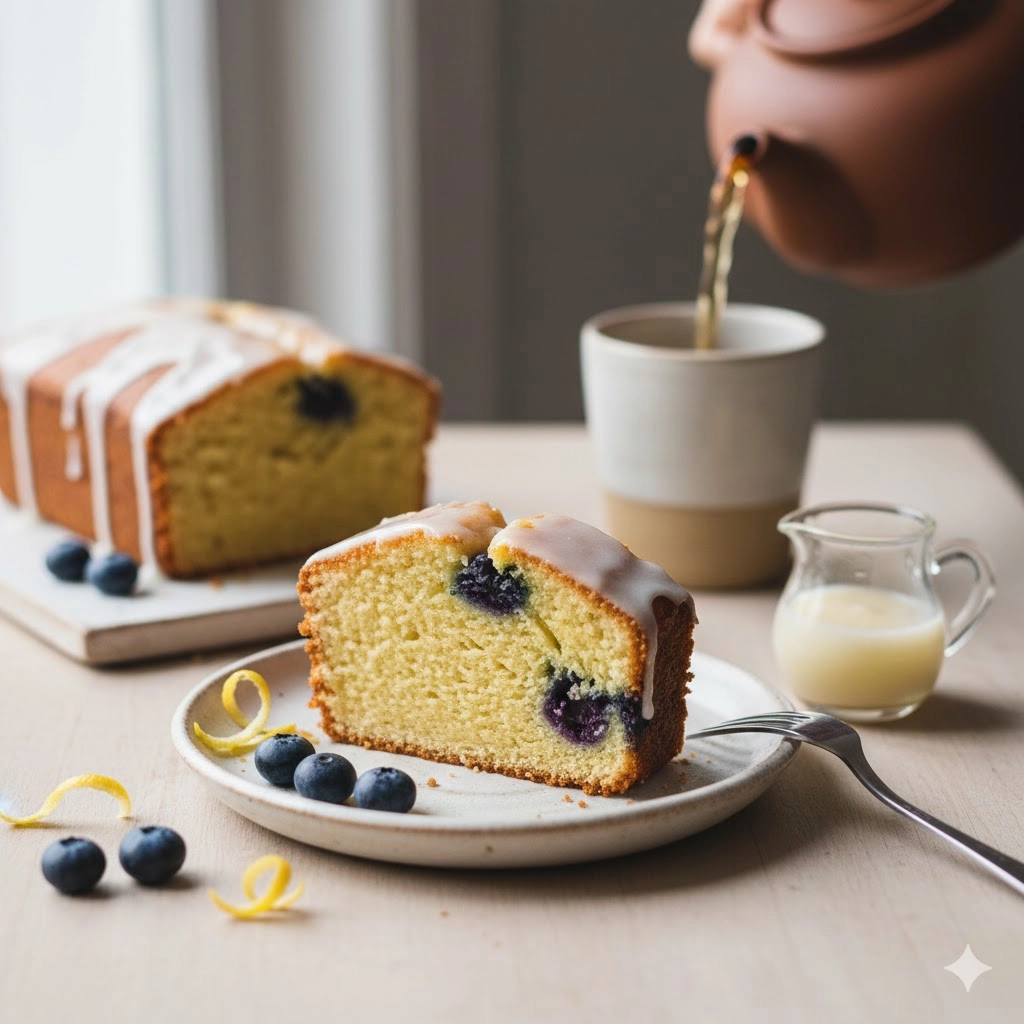
Perfect Pairings: Serving Suggestions
The bright, tart flavor of the lemon and the juicy sweetness of the blueberries allow this cake to bridge the gap between dessert and breakfast pastry.
- For Brunch or Tea: Serve thin slices dusted simply with powdered sugar, alongside a pot of Earl Grey tea or a dark roast coffee. The slight bitterness of the coffee beautifully balances the cake’s sweetness.
- A Simple Dessert: Serve slices slightly warmed (about fifteen seconds in the microwave), topped with a small dollop of lightly sweetened whipped cream or a scoop of vanilla bean ice cream.
- With Fruit Curd: For an extra layer of citrus intensity, spread a small amount of homemade or high-quality store-bought lemon curd on the plate before setting the slice of cake on top.
Common Questions About This Bake
Can I use frozen blueberries in this recipe?
Yes, absolutely. You can use frozen blueberries straight from the freezer without thawing them. The key is to toss them in a small amount of flour first, which helps keep them suspended in the batter and prevents their color from bleeding out excessively into the cake crumb.
How do I store leftover loaf cake?
Once the glaze has fully set, you can store the loaf cake at room temperature for up to three days, provided it is kept in an airtight container. If you need to keep it longer, wrap the loaf tightly in plastic wrap and store it in the refrigerator for up to a week. For longer storage, the unglazed loaf freezes very well for up to three months.
My cake is browning too much on top. What should I do?
If your cake begins to get too dark on top before the center is cooked through, it is a sign that your oven temperature is slightly high or the cake is placed too close to the top heating element. Simply take a piece of aluminum foil and create a loose tent over the loaf pan. This will shield the top from direct heat and allow the inside to finish baking without burning the crust.
What is the best way to slice a loaf cake cleanly?
To get neat, non-crushing slices, ensure the cake is completely cool—especially if it has a hard glaze. Use a large, non-serrated chef’s knife and press down gently but firmly in a single motion, rather than sawing back and forth. For the neatest slices, you can chill the cake in the refrigerator for twenty minutes before slicing.
Nutritional Breakdown
This information is provided for convenience and applies to a single serving size, assuming twelve even slices for the entire loaf.
| Nutrient | Amount per Serving |
| Calories | 345 kcal |
| Protein | 4 g |
| Carbs | 58 g |
| Fat | 11 g |
| Fiber | 1 g |
| Sugar | 40 g |
| Sodium | 145 mg |
Nutrition Information Disclaimer
Nutrition information is an estimate and may vary based on preparation and ingredients used.