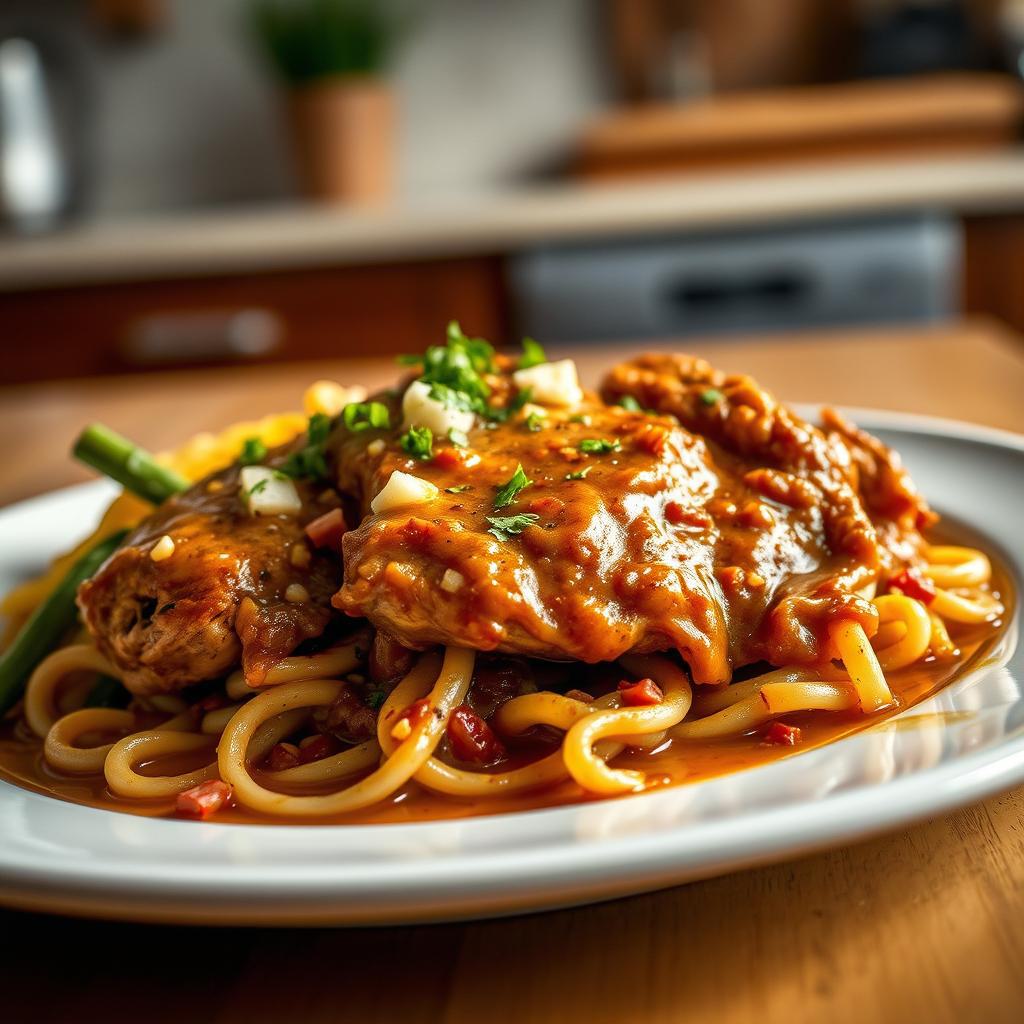

This recipe is a study in texture: the fluffy, almost neutral base of white rice, the sweet-tangy rush of the homemade sauce, the clean crunch of shredded cabbage, and, most critically, the shatteringly crisp exterior of the panko-crusted cutlet. Known as katsu in Japan, this deep-fried pork or chicken cutlet is an example of yoshoku—Western cuisine adapted and refined by Japanese culinary tradition. These hearty, satisfying bowls feature the classic pork tonkatsu preparation, making for an elegant yet approachable weeknight dinner that truly delivers on flavor and satiety. The contrast of the juicy meat encased in a golden, airy crust, all draped with the deeply savory Japanese Katsu Bowls with Tonkatsu Sauce, is what makes this dish a favorite around the world.
The Components: What You Will Need
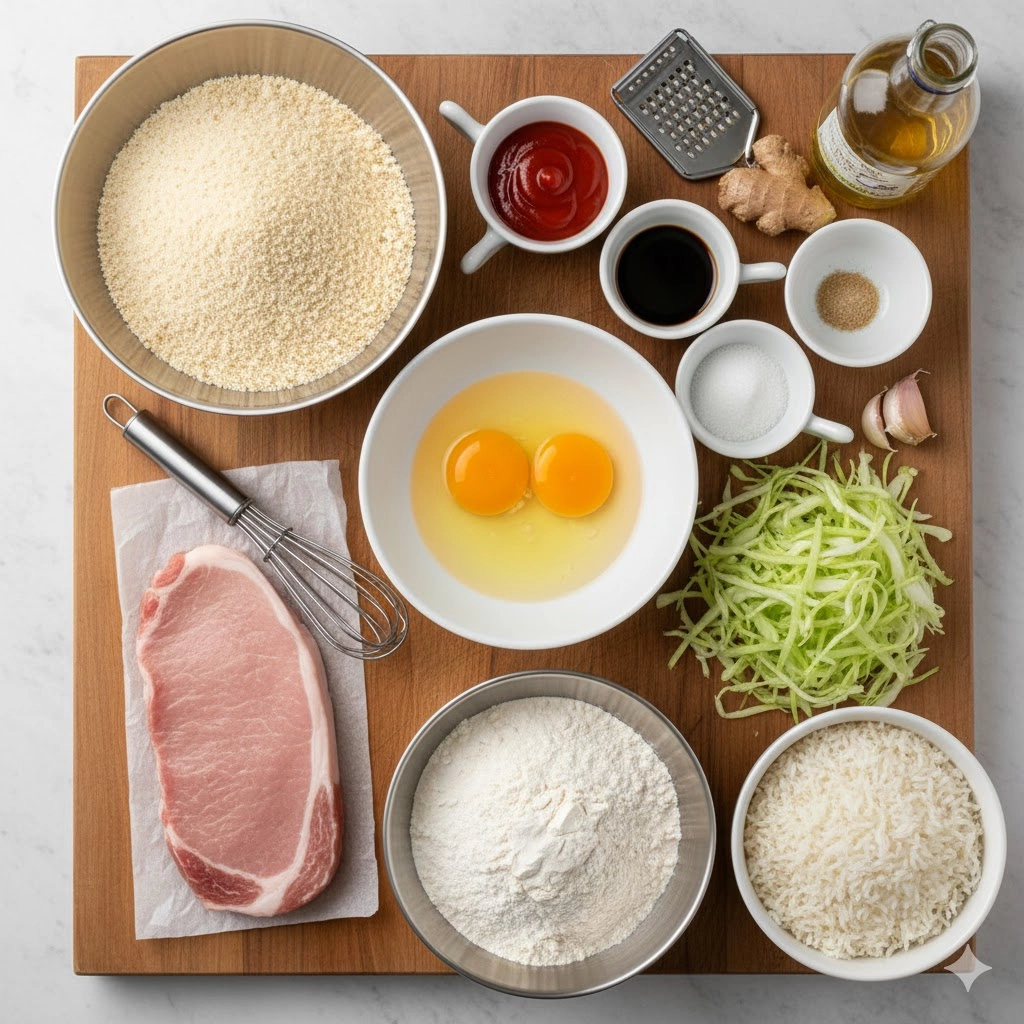
We break this down into three essential parts: the Tonkatsu Sauce, the Pork Cutlets (Tonkatsu), and the Assembly.
Tonkatsu Sauce
- One-half cup (120 milliliters) ketchup
- Three tablespoons Worcestershire sauce
- Two tablespoons granulated sugar
- Two tablespoons mirin (Japanese sweet rice wine)
- One tablespoon soy sauce
- One teaspoon grated fresh ginger
- One clove garlic, minced
The Tonkatsu (Pork Cutlets)
- Four boneless pork loin chops, cut to about one-half inch thickness (approximately 450 grams total)
- One-quarter cup all-purpose flour
- One-half teaspoon kosher salt, divided
- One-quarter teaspoon black pepper, divided
- Two large eggs
- One tablespoon water
- One and one-half cups panko bread crumbs (Japanese coarse breadcrumbs)
- Three cups neutral oil (canola, vegetable, or peanut) for frying
The Bowl Assembly
- Four cups hot cooked short-grain white rice
- Four cups finely shredded green cabbage
- Optional: thinly sliced cucumber, finely chopped scallions, or Japanese mayonnaise for garnish
Instructions for Assembly: A Quick Overview
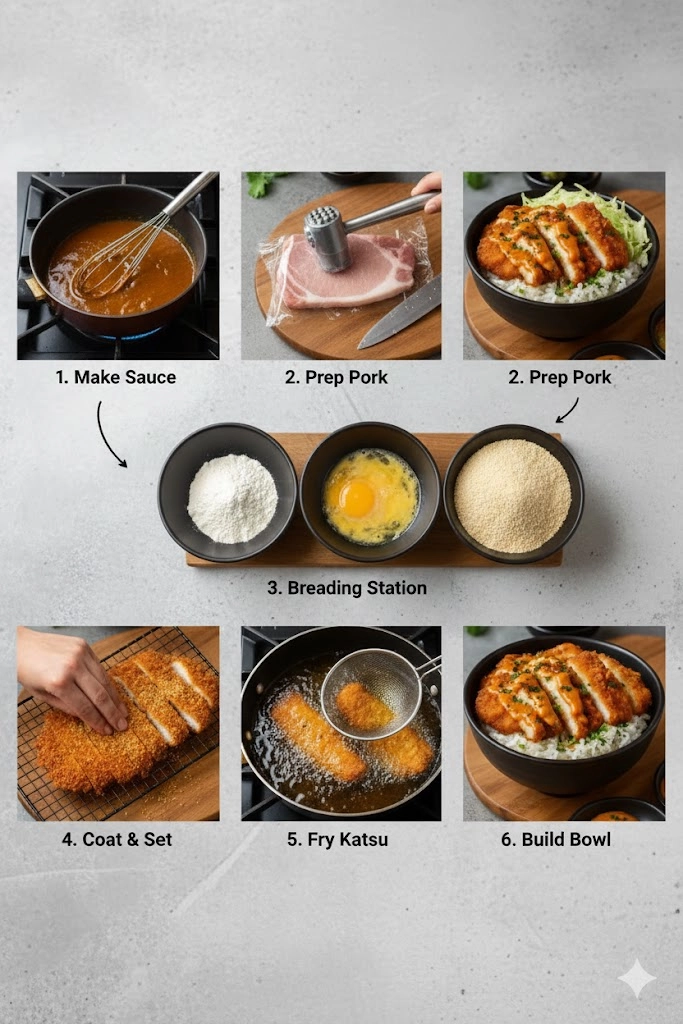
- Prepare the Tonkatsu Sauce: Combine all sauce ingredients in a small saucepan and simmer until thickened slightly.
- Ready the Pork: Trim, tenderize, and season the pork cutlets lightly.
- Establish the Breading Station: Set up three shallow dishes for the flour mixture, the egg wash, and the panko.
- Dredge and Coat: Pass each pork cutlet through the flour, then the egg, then firmly into the panko until fully coated.
- Fry the Tonkatsu: Heat the oil to three hundred twenty-five Fahrenheit to three hundred thirty-five Fahrenheit (325–335 Fahrenheit) and fry the cutlets in batches until deep golden brown and cooked through.
- Rest and Slice: Remove the finished cutlets and let them rest on a wire rack before slicing crosswise.
- Build the Bowls: Divide the rice among four bowls, top with shredded cabbage, sliced katsu, and a generous drizzle of the warm Tonkatsu sauce.
Deeper Dive: Master the Katsu Technique
The success of a great Tonkatsu bowl hinges entirely on the quality of the fried cutlet. This section provides detailed instructions to ensure a perfectly cooked, golden, and juicy result.
Crafting the Umami-Rich Tonkatsu Sauce
The sauce is the vibrant heart of this dish. In a small, non-reactive saucepan, whisk together the ketchup, Worcestershire sauce, granulated sugar, mirin, soy sauce, fresh ginger, and minced garlic. Place this over medium-low heat. The goal here is not a hard boil, but a gentle, steady simmer. As the mixture heats, the alcohol in the mirin will burn off, the sugar will fully dissolve, and the raw bite of the garlic and ginger will mellow. Stir occasionally for about eight to ten minutes. You are looking for the sauce to reduce by about ten percent, becoming slightly thicker and syrupy, clinging to the back of a spoon. Once the sauce has reached the right consistency, remove it from the heat and set it aside. It should be kept warm for serving.
Preparing the Perfect Pork Loin
Start with boneless pork loin chops, ideally around one-half inch thick. Use a sharp knife to make several shallow, diagonal cuts along the edges of the cutlets, particularly on any visible connective tissue or fat cap. This step is crucial, as it prevents the cutlet from curling up like a saddle during the frying process. Place each cutlet between two sheets of plastic wrap or wax paper and use the flat side of a meat mallet or a heavy rolling pin to gently pound them out to an even thickness of about one-quarter to three-eighths of an inch. Even thickness guarantees that the pork will cook uniformly and remain succulent. Season both sides of the pounded cutlets very lightly with the salt and pepper.
Executing a Flawless Three-Step Breading
A successful breading adheres completely to the meat and achieves maximum crispness without falling off during frying. Set up your dredging station in three separate, shallow dishes or plates, arranged in order:
- The Flour Dredge: Combine the all-purpose flour with the remaining salt and pepper. This initial coating provides a dry surface for the egg to cling to.
- The Egg Wash: Whisk the two large eggs with the one tablespoon of water until the mixture is uniform and slightly frothy. This acts as the binder.
- The Panko Crust: Pour the panko breadcrumbs onto the final plate. Panko is lighter, larger, and flakier than traditional breadcrumbs, which is the key to that signature airy crust.
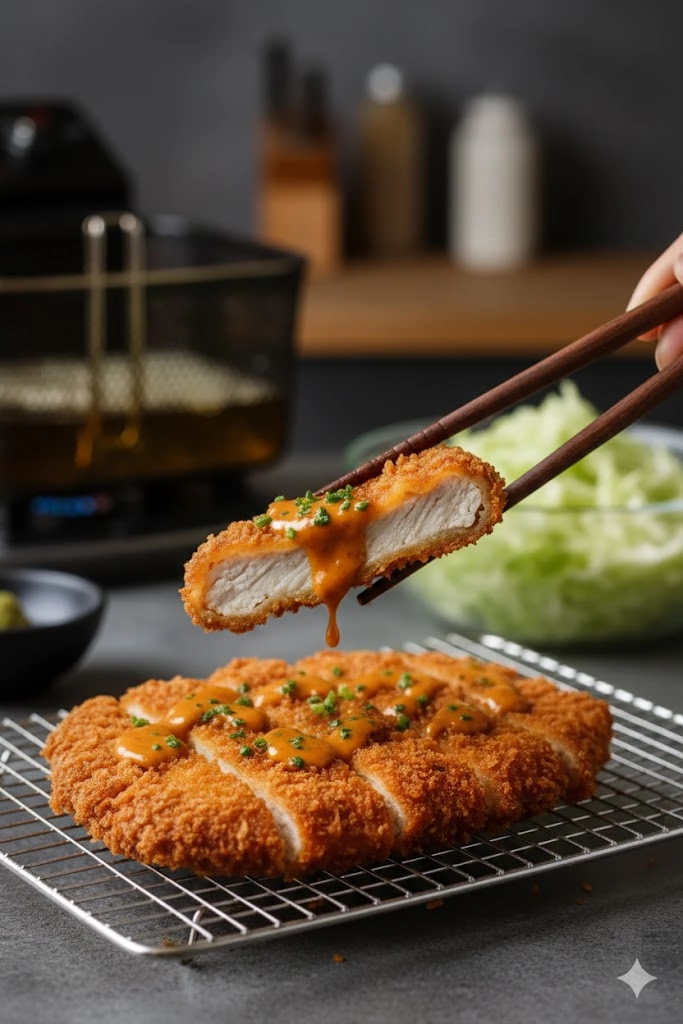
Take one seasoned cutlet and fully coat it in the flour, shaking off any excess. Next, dip it entirely into the egg wash, ensuring all the flour is moistened, but allowing the excess egg to drip off. Finally, place the cutlet onto the panko, pressing the crumbs firmly onto both sides of the meat. Be thorough—you want a dense, complete coating of panko. Transfer the breaded cutlets to a wire rack while you heat the oil. This rack allows the coating to slightly dry, or “set,” which helps it adhere better during frying.
Achieving the Golden Fry
Pour the neutral oil into a heavy-bottomed pot, Dutch oven, or deep, high-sided skillet, to a depth of about one inch. Heat the oil over medium to medium-high heat. The ideal frying temperature is between three hundred twenty-five Fahrenheit and three hundred thirty-five Fahrenheit (325–335 Fahrenheit). If the oil is too cool, the cutlets will absorb too much oil and become greasy; if it is too hot, the panko will burn before the pork is cooked through. You can test the temperature by dropping a small pinch of panko into the oil; it should sizzle immediately and turn golden brown in about twenty seconds.
Carefully lower the breaded cutlets into the hot oil, cooking in batches if necessary to avoid overcrowding the pan. Overcrowding lowers the oil temperature too quickly. Fry for three to four minutes on the first side until deeply golden brown. Flip the cutlets and continue frying for another three to four minutes until the second side is equally golden and the internal temperature of the pork reaches one hundred forty-five Fahrenheit. Remove the cooked tonkatsu and place them directly onto a clean wire rack set over a baking sheet. Do not place them on paper towels, as this traps steam and will immediately compromise the crispness you just achieved. Let them rest for at least two minutes.
Techniques for Maximum Crispness
The defining characteristic of a great katsu is its crunch. Maintaining this crispness from the fryer to the table is paramount.
The Double-Fry Consideration
While a single-fry works well for a thin cutlet, a professional touch for thicker pieces is the double-fry method. The first fry is done at a lower temperature (three hundred twenty-five Fahrenheit) to cook the meat through. The second fry, done right before serving, uses hotter oil (three hundred fifty Fahrenheit) for just forty-five seconds per side. This high-heat, short-duration second dip evaporates any oil absorbed during the first cook, resulting in a lighter, drier, and far crispier exterior.
The Panko Press
When coating the pork in the panko, don’t just gently roll it. Use a firm hand to press the breadcrumbs into the surface of the meat. This ensures a thick, tightly packed coating that won’t flake off in the hot oil. The cutlet should look like it’s wearing a thick, shaggy coat.
Don’t Rush the Rest
The two-minute rest on the wire rack is non-negotiable. This brief pause allows the internal juices of the pork, which were pushed to the center by the heat, to redistribute evenly throughout the meat, ensuring a juicy, tender bite instead of a dry one. It also gives the breading a chance to fully set and dry slightly, solidifying the crisp texture.
Realistic Ingredient Swaps and Variations
The Tonkatsu is highly versatile and can be adapted to suit dietary needs or preferences without losing the core appeal of a crispy cutlet and a flavorful sauce.
- Switching the Protein: Substitute the pork loin for boneless, skinless chicken breast to create Chicken Katsu. Pound the chicken thinner than the pork, to about one-quarter inch, as chicken can dry out more easily. The frying time will also be reduced by about one minute per side. For a vegetarian option, thick slices of tofu, drained and pressed thoroughly, or thick-cut portobello mushroom caps can be used.
- A Tangy Dipping Sauce Alternative: While the homemade Tonkatsu sauce is sublime, for an extra layer of complexity, try adding a squeeze of fresh lime juice to the sauce before serving. You can also thin the sauce slightly with a teaspoon of rice vinegar if you prefer a sharper profile.
- Baking or Air Frying: For a lighter take, skip the deep frying. Lightly spray the fully breaded cutlets with neutral oil and bake them on a wire rack at three hundred seventy-five Fahrenheit for about twenty to twenty-five minutes, flipping halfway. Alternatively, an air fryer can achieve a great texture. Cook at four hundred Fahrenheit for twelve to fifteen minutes, flipping halfway. The result is slightly less juicy, but still wonderfully crisp.
Presentation: Serving the Ultimate Katsu Bowl
How you layer the bowl is part of the experience. The bowl format is designed to deliver all the textures and flavors in a single, unified bite.
- The Rice Foundation: Start with a solid base of hot, sticky, short-grain white rice. This is the neutral, comforting sponge that soaks up the sauce and balances the richness of the fried pork.
- The Cabbage Counterpoint: The finely shredded green cabbage is the true traditional accompaniment. Its delicate, refreshing crunch and slight vegetal bitterness cuts through the richness of the fried meat and the sweetness of the sauce. Pile it high on one side of the rice.
- The Katsu Placement: Slice the rested cutlet crosswise into three-quarter-inch strips. Fan the slices over the rice and cabbage. The pieces should be visible and standing up slightly to show off their golden panko coating.
- The Finishers: The warm Tonkatsu sauce should be generously drizzled over the cutlet. Avoid soaking the rice too much, as the goal is to keep the rice fluffy. Garnish with a small sprinkle of finely chopped scallions for color and a fresh, subtle onion note, or a dollop of Japanese mayonnaise (Kewpie brand is ideal) for added creaminess and richness.
Addressing Common Queries
Can I make the Tonkatsu sauce ahead of time?
Yes, the sauce can be made up to three days in advance. Prepare it according to the instructions, allow it to cool completely, and store it in an airtight container in the refrigerator. Reheat gently over low heat or in the microwave before serving to ensure it has a warm, flowing consistency for drizzling.
Why did my panko coating fall off during frying?
This usually happens if the three-step breading process was rushed, specifically if the flour or panko steps were insufficient. Make sure to press the panko firmly onto the cutlet and allow the breaded pieces to sit on the wire rack for at least ten minutes before frying. This rest time allows the egg wash to act as a proper adhesive, bonding the flour and panko to the meat.
Is the shredded cabbage required, or can I substitute another vegetable?
The shredded raw cabbage is highly recommended as it plays a crucial role in balancing the dish’s richness—both texturally and in flavor. If you must substitute, a similarly light, crisp, and slightly bitter green would be best, such as thinly shaved Brussels sprouts or a mix of fresh, lightly dressed microgreens. Avoid heavy, cooked vegetables, which would not provide the necessary contrast.
What’s the difference between this and Chicken Katsu Curry?
The fundamental difference lies in the sauce and serving style. In this recipe, the Japanese Katsu Bowls with Tonkatsu Sauce is the star, a thick, sweet, and tangy accompaniment for the crispy cutlet over rice and cabbage. Katsu Curry, on the other hand, involves placing the katsu on a bed of rice and ladling a thick, savory, often slightly sweet Japanese-style brown curry sauce, which is typically made with vegetables like carrots and potatoes, directly over the meat and rice.
What oil is best for frying the tonkatsu?
A neutral-flavored oil with a high smoke point is best, such as canola, vegetable, or peanut oil. The oil’s flavor will not compete with the delicate taste of the pork and panko crust, and the high smoke point ensures you can reach the necessary frying temperature without the oil beginning to break down or smoke excessively.
Nutritional Breakdown
| Nutrient | Amount per Serving |
| Calories | 680 kcal |
| Protein | 42 g |
| Carbs | 75 g |
| Fat | 23 g |
| Fiber | 4 g |
| Sugar | 18 g |
| Sodium | 650 mg |
Disclaimer
Nutrition information is an estimate and may vary based on preparation and ingredients used.
PrintThe Essential Japanese Katsu Bowls with Tonkatsu Sauce
The ultimate Japanese Katsu Bowls with Tonkatsu Sauce. Achieve a perfect shatteringly crisp panko crust and master the homemade sweet-tangy sauce.
- Prep Time: 20 mins
- Cook Time: 20 mins
- Total Time: 40 mins
- Yield: 4 servings 1x
- Category: Main Course
- Method: Frying
- Cuisine: Japanese
Ingredients
1/2 cup (120 milliliters) ketchup
3 tablespoons Worcestershire sauce
2 tablespoons granulated sugar
2 tablespoons mirin
1 tablespoon soy sauce
1 teaspoon grated fresh ginger
1 clove garlic, minced
4 boneless pork loin chops (about 450 grams)
1/4 cup all-purpose flour
1/2 teaspoon kosher salt, divided
1/4 teaspoon black pepper, divided
2 large eggs
1 tablespoon water
1 1/2 cups panko bread crumbs
3 cups neutral oil for frying
4 cups hot cooked short-grain white rice
4 cups finely shredded green cabbage
Instructions
1. Prepare the Tonkatsu Sauce: Combine all sauce ingredients and simmer over medium-low heat for 8-10 minutes until slightly thickened.
2. Ready the Pork: Pound pork cutlets to 1/4 inch thickness and season lightly with salt and pepper.
3. Establish the Breading Station: Set up three dishes for flour, egg wash, and panko crumbs.
4. Dredge and Coat: Coat each cutlet in flour, then egg wash, then firmly press into the panko.
5. Fry the Tonkatsu: Heat oil to 325-335 Fahrenheit. Fry cutlets for 3-4 minutes per side until deep golden brown and cooked through.
6. Rest and Slice: Rest the katsu on a wire rack for 2 minutes, then slice crosswise.
7. Build the Bowls: Divide rice, top with cabbage, sliced katsu, and a generous drizzle of the warm Tonkatsu sauce.
Notes
For the crispiest crust, let the breaded cutlets rest for 10 minutes before frying.
Use a cooking thermometer to monitor the oil temperature (325–335 Fahrenheit) for optimal results.
Short-grain rice is preferred for the authentic texture in this bowl.
Nutrition
- Serving Size: 1 bowl
- Calories: 680
- Sugar: 18g
- Sodium: 650mg
- Fat: 23g
- Saturated Fat: 7g
- Unsaturated Fat: 14g
- Trans Fat: 0g
- Carbohydrates: 75g
- Fiber: 4g
- Protein: 42g
- Cholesterol: 100mg