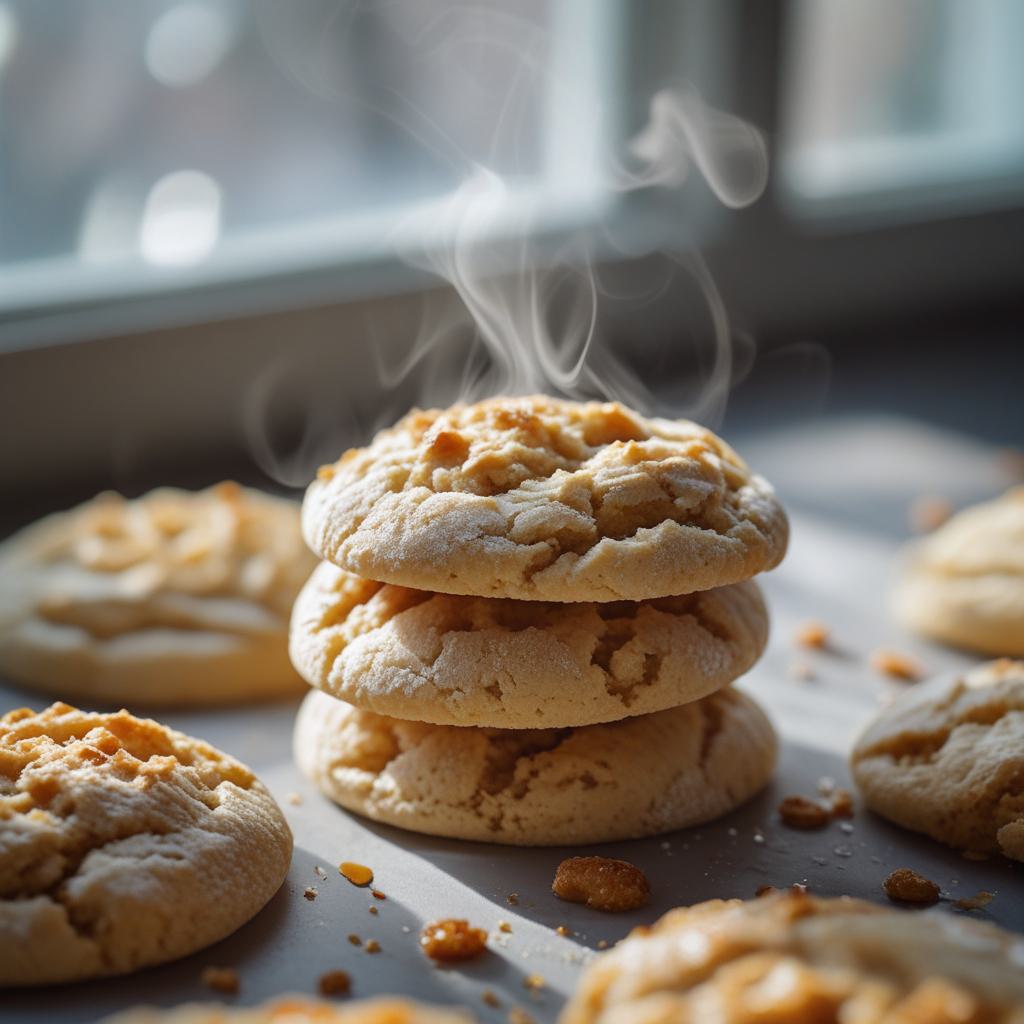
The moment these Irish Soda Bread Cookies emerge from the oven, your kitchen becomes a portal to a windswept Irish coastline. A warm, malty fragrance – like toasted barley and honeycomb – mingles with the caramelized butter notes of golden edges crackling under gentle pressure. These aren’t delicate French macarons; they’re rustic poetry disguised as cookies, born from the same frugal magic as their quickbread ancestor. Imagine sinking your teeth through a micro-thin crust that shatters like winter frost into a center reminiscent of tender scone interiors. The tang of cultured buttermilk balances the dark sweetness of molasses, while plump raisins rehydrate in the heat, bursting with jammy intensity. This is baking stripped back to its elemental joy: no yeast, no waiting, just the immediate gratification of chemistry transforming pantry staples into edible hearthfire. Grandmothers from Cork to Connecticut would nod approvingly at the cleverness – taking soda bread’s soul and reshaping it into single-serving delights perfect dunked in strong tea. There’s a primal satisfaction here, the kind that speaks to our deepest craving for textures that fight back just enough before yielding. The aroma alone triggers nostalgia for kitchens that never existed – a universal memory of flour-dusted counters and the promise of warmth pulled hot from the oven.
Table of Contents
Ingredient Deep Dive
| Ingredient | Quantity | Purpose |
|---|---|---|
| Whole Wheat Pastry Flour | 2 cups | Lower protein than AP flour ensures tenderness without toughness |
| Stoneground Wholemeal Flour | 1/2 cup | Adds nutty depth & authentic Irish character |
| Baking Soda (Sodium Bicarbonate) | 1 tsp | Reacts with acid to create CO2 lift without yeast |
| Cream of Tartar | 1/2 tsp | Stabilizes the pH for consistent rise |
| Kosher Salt | 3/4 tsp | Enhances flavor perception & controls gluten |
| Unsalted Irish Butter | 1/2 cup (cold) | High-fat creaminess; unhomogenized for flakier layers |
| Dark Molasses | 2 tbsp | Replaces treacle for rich minerality & moisture |
| Caster Sugar | 1/3 cup | Fine crystals dissolve fast, avoiding gumminess |
| Cold Cultured Buttermilk | 1/2 cup | Acid activates soda; proteins yield moist crumb |
| Golden Raisins | 3/4 cup | Plumped in whiskey 1 hour prior for juicy explosions |
The protein matrix in whole wheat pastry flour (9-10%) creates structure tender enough for cookies yet robust for craggy edges. Its moderate extraction rate retains germ oils that delay staling. When partnered with stoneground wholemeal – minimally processed for bran that hydrates slowly – the flours form a moisture-managing alliance preventing sogginess around fruit inclusions.
Cold fats crystallize upon baking, laminating dough with steam pockets akin to rough puff pastry. Irish butter’s higher melting point (84°F vs American 76°F) gives extra working time before fat integration. Buttermilk’s lactic acid lowers dough pH to 4.5-5.2, optimizing baking soda activation for lift without bitterness. Pre-soaked raisins act like internal humidifiers; their fructose creates micro-caramelized pockets during the Maillard reaction.
Substitutions & Swaps
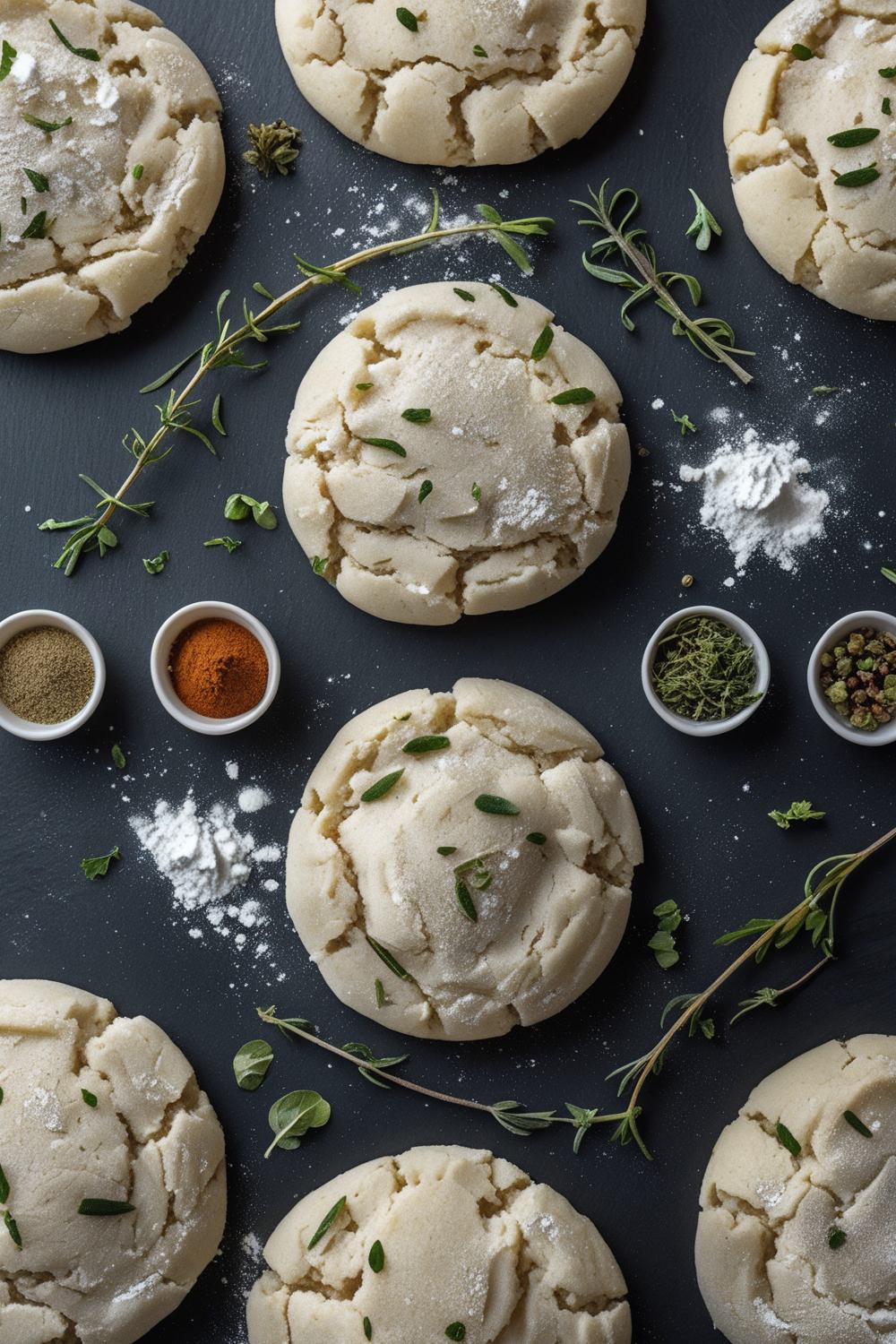
For gluten-free versions, combine 1:1 GF flour (Bob’s Red Mill recommended) with 1 tsp xanthan gum to mimic wheat’s elasticity. Vegan adaptations require unrefined coconut oil (solid) plus 1 tbsp apple cider vinegar whisked into oat milk instead of buttermilk. Replace butter with 75% refined coconut oil + 25% cultured vegan butter for best layering.
No molasses? Use 1 tbsp dark maple syrup + 1 tsp blackstrap molasses. Demerara sugar can substitute caster in a pinch, but pulse briefly in a grinder first. Currants or dried cranberries replace raisins – hydrating in hot Earl Grey tea (not whiskey) for theological accommodations. In 2024 trials, roasted buckwheat flour added intriguing smokiness when replacing 20% of the wholemeal.
Equipment Guide
Heavy-gauge aluminum baking sheets are non-negotiable; their heat conductivity prevents bottom scorching. Line with unbleached parchment, never silicone mats, which inhibit browning. A pastry blender works better than forks for cutting butter into pea-sized shards – crucial for flaky strata.
European-style rolling pins (no handles) offer superior pressure control when creating the ideal 5/8” thickness. Chilled marble slabs help maintain dough temperature during shaping. For scoring, a razor-sharp grignette (bread lame) outperforms knives, creating clean steam vents. Digital probe thermometers prevent overbaking; remove cookies at 202°F internal for perfect carryover cooking.
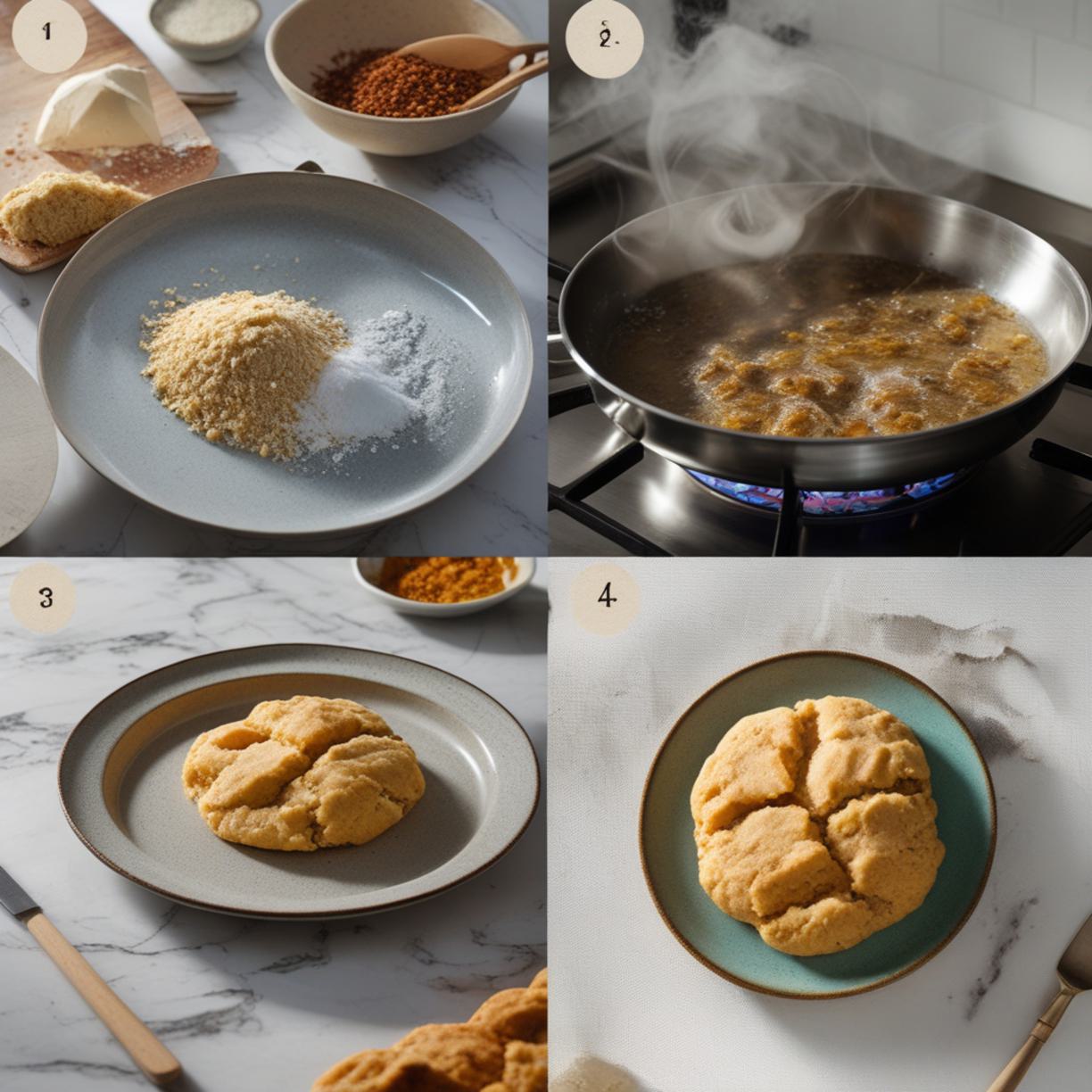
Step-by-Step Walkthrough
- Whisk flours, baking soda, cream of tartar, salt in metal bowl (chilled 20 mins)
- Cut butter into dry mix until pieces resemble gravel coated in rubbing flour
- Fold in drained raisins with a fish spatula to prevent crushing
- In separate jug, emulsify molasses into buttermilk with microplane-zested lemon rind
- Create well in center; pour liquids while tossing mix with parallel forks
- Knead lightly (12 folds max) until just cohesive; shaggy is acceptable
- Pat into 1.5” thick rectangle; chill 45 mins to hydrate bran
- Roll to 5/8” on floured surface; cut rounds with 2.5” straight-edge cutter
- Transfer to sheets; freeze 15 mins to re-solidify butter layers
- Brush tops with buttermilk-molasses wash; score deep crosses (nearly through dough)
- Bake 14 mins at 400°F convection until fissures turn chestnut-brown
- Cool 2 mins on sheet, transfer to wire rack to stop carryover cooking
Handle dough like a live grenade – minimal contact prevents heat-transfer melting butter. Unlike scone mixing, incomplete incorporation is ideal; visible streaks indicate proper laminar separation. Chilling not only firms fats but allows flours to fully hydrate, preventing doughiness.
Scoring isn’t decorative – it provides escape routes for steam formed by buttermilk’s reaction. Without these vents, pressure builds, creating hollow caverns under the crust. Slashing crosses deeply (80% through dough) ensures even expansion across all planes.
Expert Tips & Troubleshooting
Problem: Flat cookies. Cause: Butter too warm before baking. Solution: Chill cut cookies pre-oven. Problem: Bitter aftertaste. Cause: Over-measured baking soda. Solution: Spoon soda into measure; never scoop directly. Problem: Tough interior. Cause: Over-kneading developing gluten. Solution: Fold until JUST homogeneous.
For bakery-worthy shine, brush tops with buttermilk-molasses wash twice: once at scoring stage, once after 7 minutes of baking. If raisins burn (oven hot spots), nestle them interior-side down during shaping. Store baking soda in airtight jar; test freshness by dropping 1/4 tsp in vinegar – vigorous fizz means active. Let dough rest overnight for hydrated bran (less gritty texture), but reduce buttermilk by 1 tbsp to compensate.
Flavor Variations
Spice Route Version: Replace 1/4 cup flour with malted barley flour. Add 1 tsp caraway seeds (toasted), 1/2 tsp white pepper, 1/4 tsp ground mace. Hydrate raisins in hot lapsang souchong tea instead of whiskey for smoky depth. Dust baked cookies with smoked sea salt.
Kid-Friendly Fiesta: Overturn tradition with 1/2 cup roasted peanuts + 1/4 cup mini chocolate chips instead of raisins. Replace 2 tbsp flour with malted milk powder for nostalgic flavor. Drizzle cooled cookies with white chocolate thinned with coconut oil. Sprinkle with freeze-dried strawberry dust.
Storage & Reheating
Store cooled cookies between parchment in steel tins up to 5 days (humidity below 55%). For longer storage, freeze unbaked dough slabs wrapped in beeswax cloth; bake direct from freezer adding 2 minutes. Revive day-old cookies by spritzing lightly with water and reheating 8 minutes in 325°F oven on preheated pizza stone.
FAQ Section
Q: Can I substitute yogurt for buttermilk?
A: Yes, but thin 3/4 cup full-fat Greek yogurt with 2 tbsp milk to mimic buttermilk’s viscosity.
Q: Why cross-score the cookies?
A: Tradition aside, it allows steam release for even rise and creates structural weak points for cleaner breaks.
Q: Can I omit raisins entirely?
A: Yes, but increase buttermilk by 1 tbsp since raisins contribute moisture. Add sunflower seeds for texture.
Q: How do I prevent sticking without parchment?
A: Rub cold sheet with halved potato; starch creates non-stick layer. Reapply every batch.
Nutrition Information
| Nutrient | Per Cookie (72g) |
|---|---|
| Calories | 217 |
| Total Fat | 8g |
| Saturated Fat | 5g |
| Trans Fat | 0g |
| Cholesterol | 21mg |
| Sodium | 287mg |
| Total Carbohydrate | 34g |
| Dietary Fiber | 2g |
| Total Sugars | 14g |
| Protein | 4g |
| Vitamin D | 0.4mcg |
| Calcium | 43mg |
| Iron | 1.5mg |
| Potassium | 176mg |
Disclaimer: Values approximated using USDA database. Actual nutrition may vary based on ingredient brands, precision of measurement, and natural variations in agricultural products. For specific dietary needs, consult a registered dietitian.