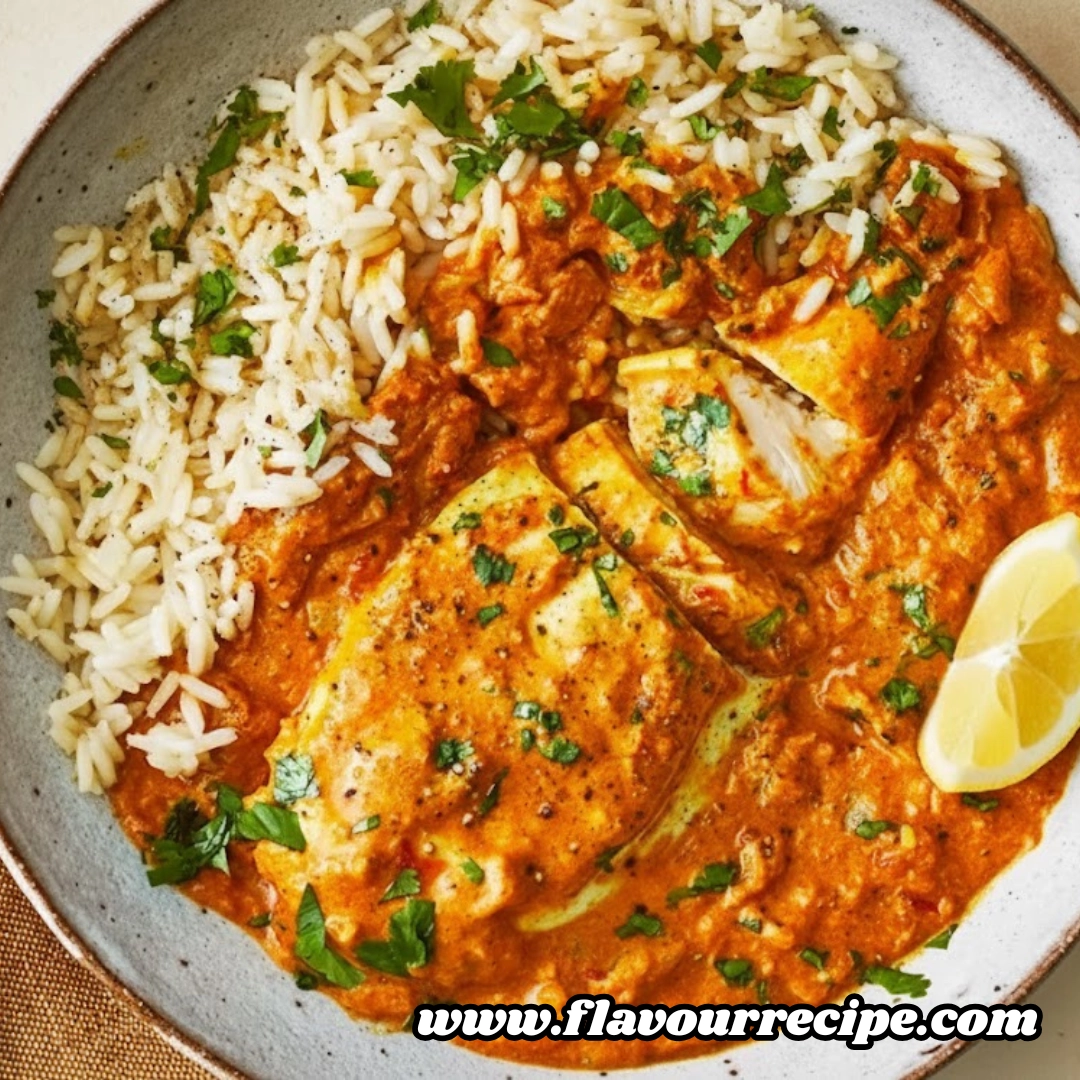
Bringing the vibrant, soul-warming flavors of a traditional Indian kitchen into your home does not require years of culinary schooling or a pantry filled with obscure ingredients. The beauty of a classic Murgh Kari, or Indian Chicken Curry, lies in its elegant simplicity and the rhythmic layering of spices that transform basic poultry into a masterpiece of flavor. This particular version of Indian Chicken Curry is designed to be approachable for the home cook while delivering a depth of taste that rivals your favorite local bistro. By utilizing foundational techniques like searing the meat and blooming spices in hot oil, you create a sauce that is velvety, spicy, and deeply aromatic. Whether you are a seasoned lover of South Asian cuisine or a newcomer looking to expand your palate, this recipe serves as the perfect entry point. It is a dish that invites you to slow down, enjoy the fragrant steam rising from the skillet, and ultimately share a meal that feels both celebratory and comforting.
Table of Contents
Essential Ingredients for Murgh Kari
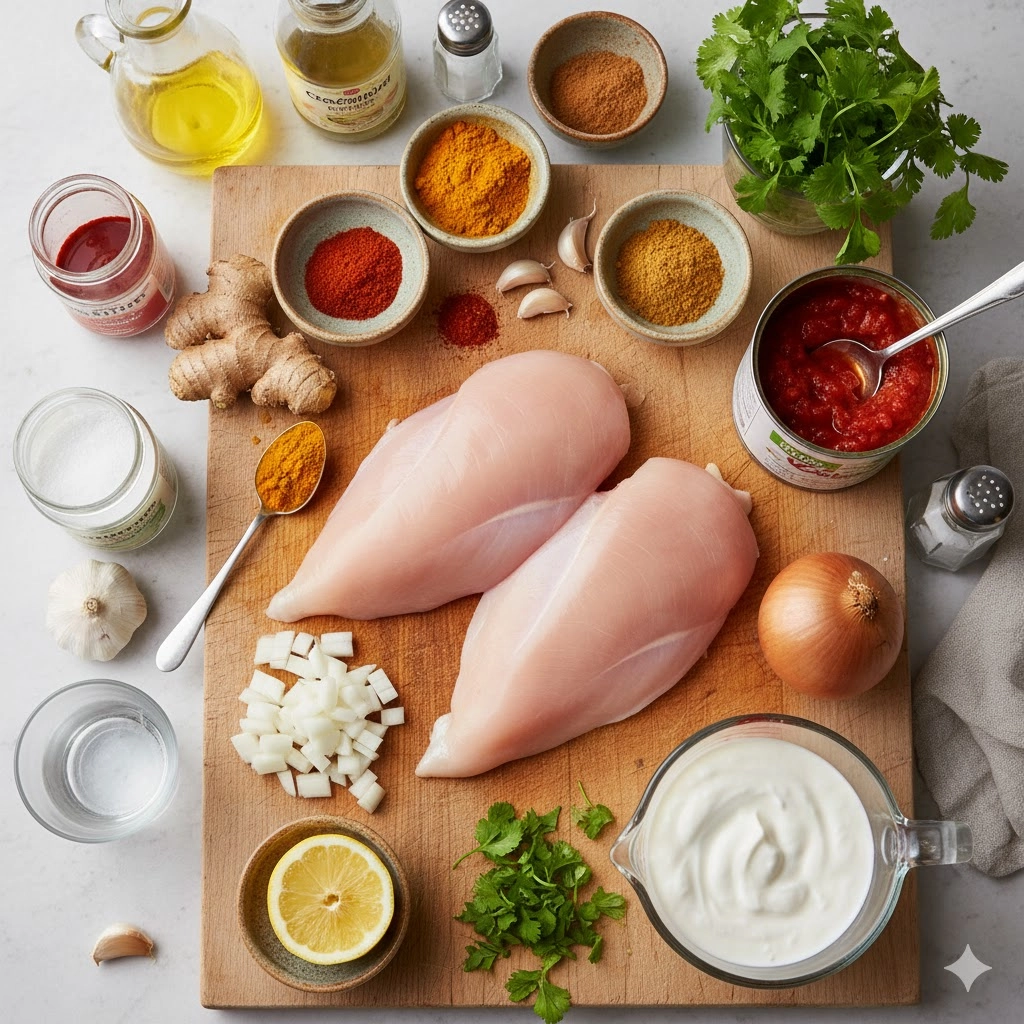
To achieve the best results, ensure your spices are fresh and your produce is vibrant. Each component plays a specific role in building the final flavor profile.
- 2 pounds skinless, boneless chicken breast halves
- 2 teaspoons salt (for seasoning the chicken)
- 3 tablespoons cooking oil, or as needed for browning
- 1 and 1 half cups chopped onion
- 1 tablespoon minced garlic
- 1 and 1 half teaspoons minced fresh ginger root
- 1 tablespoon curry powder
- 1 teaspoon ground cumin
- 1 teaspoon ground turmeric
- 1 teaspoon ground coriander
- 1 teaspoon cayenne pepper
- 1 tablespoon water (for spice blooming)
- 1 (15 ounce) can crushed tomatoes
- 1 cup plain yogurt
- 1 tablespoon chopped fresh cilantro (added to the sauce)
- 1 teaspoon salt (for the sauce)
- One half cup water (for simmering)
- 1 teaspoon garam masala
- 1 tablespoon chopped fresh cilantro (for garnish)
- 1 tablespoon fresh lemon juice
Detailed Cooking Instructions
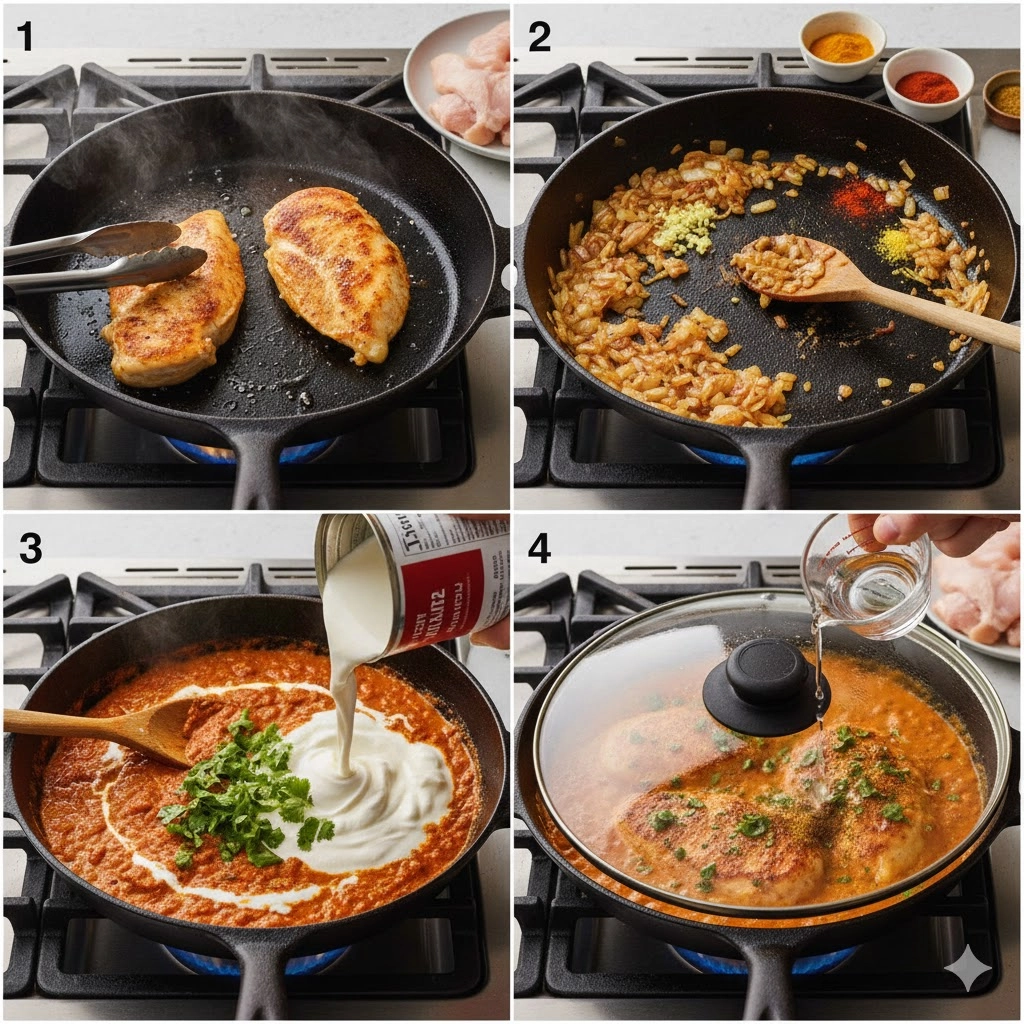
- Preparation and Searing: Begin by gathering all your ingredients to ensure a smooth workflow. Sprinkle the two pounds of chicken breast halves evenly with the first two teaspoons of salt. Heat one to two tablespoons of cooking oil in a large skillet over high heat. Once the oil is shimmering, brown the chicken in batches. You want a golden-brown crust on the outside while keeping the center partially cooked. Add more oil as needed between batches. Remove the chicken to a plate and set it aside.
- Building the Aromatics: Lower the heat to medium. In the same skillet, utilize the remaining oil and chicken drippings to sauté the one and a half cups of chopped onion, one tablespoon of minced garlic, and one and a half teaspoons of minced fresh ginger root. Stir frequently for five to eight minutes until the onions are soft and have reached a translucent state.
- Blooming the Spices: Add the one tablespoon of curry powder, one teaspoon of cumin, one teaspoon of turmeric, one teaspoon of coriander, and one teaspoon of cayenne pepper to the onion mixture. Pour in one tablespoon of water to help the spices integrate without burning. Stir constantly for about one minute to toast the spices and release their essential oils.
- Creating the Sauce Base: Stir in the 15 ounce can of crushed tomatoes, one cup of plain yogurt, one tablespoon of chopped fresh cilantro, and the remaining teaspoon of salt. Mix thoroughly until the sauce is uniform in color and texture.
- Simmering the Curry: Return the browned chicken breasts and any accumulated juices from the plate back into the skillet. Pour in one half cup of water. Turn the chicken pieces to ensure they are fully coated in the spice mixture. Sprinkle one teaspoon of garam masala and another tablespoon of cilantro over the top.
- The Final Cook: Cover the skillet with a tight-fitting lid and reduce the heat to a simmer. Let the chicken cook for approximately 20 minutes. The chicken is done when it is no longer pink in the center and the internal temperature reaches at least 165 degrees Fahrenheit.
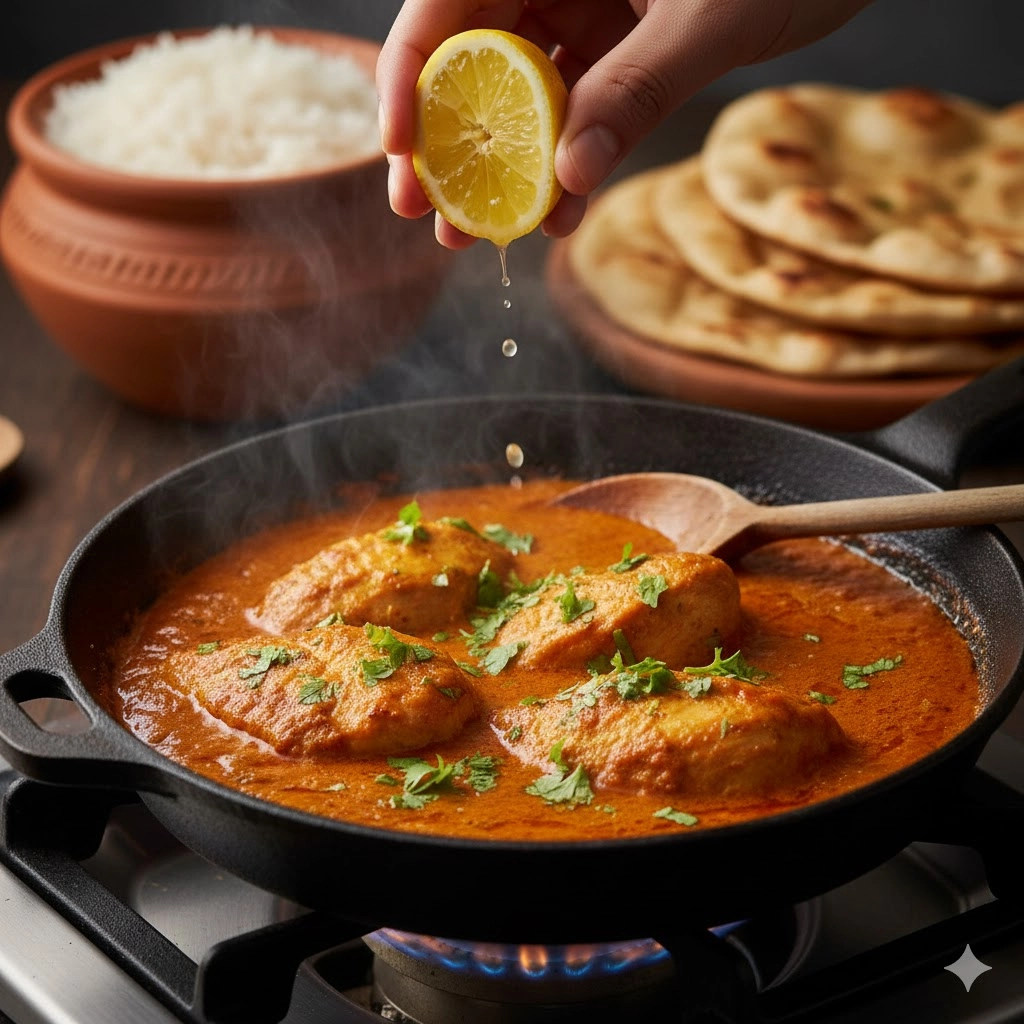
- Finishing Touches: Just before serving, drizzle the tablespoon of fresh lemon juice over the curry to brighten the flavors.
Deep Dive into the Cooking Process
The journey of creating a perfect Murgh Kari begins with the sear. Many home cooks make the mistake of crowding the pan, which leads to steaming rather than browning. By cooking the chicken in batches over high heat, you trigger the Maillard reaction. This chemical reaction between amino acids and reducing sugars gives the browned meat its distinctive savory flavor. When you remove the chicken, you will notice brown bits stuck to the bottom of the pan, known as “fond.” Do not wash this away; it is concentrated flavor that will be deglazed by the onions and tomatoes.
Transitioning to the aromatics requires patience. Sautéing onions, garlic, and ginger on medium heat allows the natural sugars in the onion to caramelize slowly. This provides a sweet counterpoint to the heat of the cayenne. When you add the dry spices, the addition of a single tablespoon of water is a professional trick. It creates a paste-like consistency that prevents the delicate ground spices from scorching in the hot oil, which would otherwise result in a bitter taste.
The inclusion of yogurt in this recipe provides a tangy creaminess that characterizes many North Indian gravies. It is important to stir the yogurt in thoroughly to prevent curdling. As the chicken returns to the pan for its final simmer, the flavors of the garam masala—a blend that usually includes cinnamon, cardamom, and cloves—permeate the meat. This final 20 minute simmer is where the magic happens; the fibers of the chicken breast soften as they absorb the spiced tomato and yogurt base, resulting in a tender, succulent bite.
Tailoring the Dish: Modifications and Substitutions
While the traditional Murgh Kari is spectacular as written, the kitchen is a place for personal expression. If you prefer a richer, more succulent meat, you can easily substitute the chicken breasts with boneless, skinless chicken thighs. Thighs contain more connective tissue and fat, which makes them very forgiving during a simmer and results in an even juicier final product.
For those following a dairy-free lifestyle or simply looking for a different flavor profile, coconut milk is an excellent alternative to plain yogurt. Using full-fat canned coconut milk will yield a silkier, slightly sweeter sauce that pairs beautifully with the heat of the cayenne. If you find the recipe a bit too spicy for your preference, you can reduce the cayenne pepper to a half teaspoon or omit it entirely, as the curry powder usually contains a mild level of heat already. Conversely, if you crave more fire, a few chopped Thai bird’s eye chilies added during the onion sauté will elevate the spice level significantly.
Unique Culinary Insights for Success
One of the most important tips for any curry is the “oil separation” rule. In many traditional Indian households, a curry is considered perfectly cooked when the oil begins to slightly separate from the gravy and rise to the top. This indicates that the water has evaporated and the spices have fully melded with the fats. If your sauce looks a bit thin, simmer it uncovered for the last five minutes to reach your desired consistency.
Another insight involves the ginger and garlic. Always try to use fresh ginger root rather than the powdered version. The pungent, zesty bite of fresh ginger provides a high-note that powder simply cannot replicate. If you find yourself in a rush, a ginger-garlic paste (often found in international grocery stores) is a better substitute than dry spices. Finally, don’t skip the lemon juice at the end. Acidity is a “reset” for the palate; it cuts through the heavy spices and fats, making every bite taste as vibrant as the first.
Ideal Accompaniments and Serving Suggestions
Murgh Kari is rarely eaten in isolation. To fully enjoy the rich gravy, you need a vehicle for scooping and soaking. Long-grain basmati rice is the gold standard for this dish. For the best rice, rinse it several times until the water runs clear to remove excess starch, then cook it with a single green cardamom pod or a small piece of cinnamon bark for an extra layer of fragrance.
Naan bread is another quintessential pairing. Whether you buy it fresh from a local bakery or toast store-bought pieces with a bit of garlic butter, the chewy texture of the bread is the perfect contrast to the tender chicken. For a more balanced meal, consider serving a side of Kachumber salad—a simple mix of diced cucumbers, tomatoes, and red onions tossed with lemon juice and salt. The cool, crisp vegetables provide a refreshing break from the warm, spicy curry.
Frequently Asked Questions
How long will this chicken curry keep in the refrigerator?
This curry actually tastes better the next day as the spices continue to develop and penetrate the meat. You can safely store it in an airtight container for up to three to four days. When reheating, you may need to add a splash of water or chicken broth, as the sauce tends to thicken significantly when cold.
Can I make this recipe in a slow cooker?
Yes, you can adapt this for a slow cooker, although the texture of the sauce may vary. To do so, still brown the chicken and sauté the onions and spices in a skillet first to develop the flavor. Transfer everything to the slow cooker and cook on low for four to five hours. Add the yogurt during the last thirty minutes of cooking to prevent it from breaking down too much over the long heat cycle.
Is it possible to use sour cream instead of yogurt?
While yogurt is traditional for its specific tang and thin consistency, sour cream can be used in a pinch. However, sour cream has a higher fat content and is thicker, so it will result in a much heavier, creamier sauce. If you use sour cream, whisk it well before adding and keep the heat low to ensure it integrates smoothly without clumping.
Can I cut the chicken into smaller pieces for a crowd?
Absolutely. While the recipe calls for breast halves, many people prefer cutting the chicken into one-inch bite-sized cubes. This increases the surface area for the sauce to cling to and makes the dish easier to serve at a dinner party or potluck where guests might be eating with only a fork.
The Joy of Home-Cooked Indian Flavors
Mastering a recipe like Indian Chicken Curry (Murgh Kari) is about more than just following steps; it is about embracing the sensory experience of cooking. From the hiss of the chicken hitting the hot oil to the vibrant yellow hue the turmeric lends to the onions, this dish engages every sense. By taking the time to layer your spices and simmer the sauce with care, you create a meal that provides genuine nourishment and a sense of accomplishment. This curry is a testament to how simple ingredients, when treated with respect and the right techniques, can transform into an extraordinary culinary experience.
Nutrition Information
| Nutrient | Amount Per Serving |
| Calories | 427 |
| Total Fat | 24 grams |
| Saturated Fat | 5 grams |
| Cholesterol | 95 milligrams |
| Sodium | 1370 milligrams |
| Total Carbohydrates | 15 grams |
| Dietary Fiber | 3 grams |
| Total Sugars | 5 grams |
| Protein | 38 grams |
| Vitamin C | 12 milligrams |
| Calcium | 143 milligrams |
| Iron | 3 milligrams |
| Potassium | 699 milligrams |
Nutritional Disclaimer
Nutritional values are estimates based on standard ingredient data. Actual values may vary depending on the specific brands of ingredients used and preparation methods. If you are on a strictly monitored diet for medical reasons, please consult with a healthcare professional or a registered dietitian.
PrintMastering the Aromatic Art of Indian Chicken Curry (Murgh Kari)

An authentic, easy-to-make Indian Chicken Curry (Murgh Kari) with a spicy tomato and yogurt base. Better than takeout and perfect with basmati rice.
- Prep Time: 20 mins
- Cook Time: 40 mins
- Total Time: 60 mins
- Yield: 6 servings 1x
- Category: Main Dish
- Method: Stovetop
- Cuisine: Indian
Ingredients
2 pounds skinless, boneless chicken breast halves
2 teaspoons salt
3 tablespoons cooking oil
1.5 cups chopped onion
1 tablespoon minced garlic
1.5 teaspoons minced fresh ginger root
1 tablespoon curry powder
1 teaspoon ground cumin
1 teaspoon ground turmeric
1 teaspoon ground coriander
1 teaspoon cayenne pepper
1 tablespoon water
15 ounces crushed tomatoes
1 cup plain yogurt
2 tablespoons chopped fresh cilantro
1 teaspoon salt
0.5 cup water
1 teaspoon garam masala
1 tablespoon fresh lemon juice
Instructions
1. Sprinkle chicken with 2 teaspoons salt. Brown in oil over high heat in batches; remove and set aside.
2. Reduce heat to medium. Sauté onion, garlic, and ginger until soft and translucent (5 to 8 minutes).
3. Stir in curry powder, cumin, turmeric, coriander, cayenne, and 1 tablespoon water. Heat for 1 minute.
4. Add crushed tomatoes, yogurt, 1 tablespoon cilantro, and 1 teaspoon salt. Stir to combine.
5. Return chicken to skillet with any juices. Add 0.5 cup water and bring to a boil.
6. Sprinkle with garam masala and remaining cilantro. Cover and simmer for 20 minutes.
7. Drizzle with fresh lemon juice before serving.
Notes
Substitute chicken thighs for a juicier texture.
Use coconut milk instead of yogurt for a dairy-free version.
Adjust cayenne pepper to control the heat level.
Nutrition
- Serving Size: 1 plate
- Calories: 427
- Sugar: 5g
- Sodium: 1370mg
- Fat: 24g
- Saturated Fat: 5g
- Unsaturated Fat: 19g
- Trans Fat: 0g
- Carbohydrates: 15g
- Fiber: 3g
- Protein: 38g
- Cholesterol: 95mg